
Moringa Tree Live Plant (2-Pack), Moringa Oleifera, 6-10″ Tall in 4″ Pot, Edible Superfood, Indoor/Outdoor
$19.99
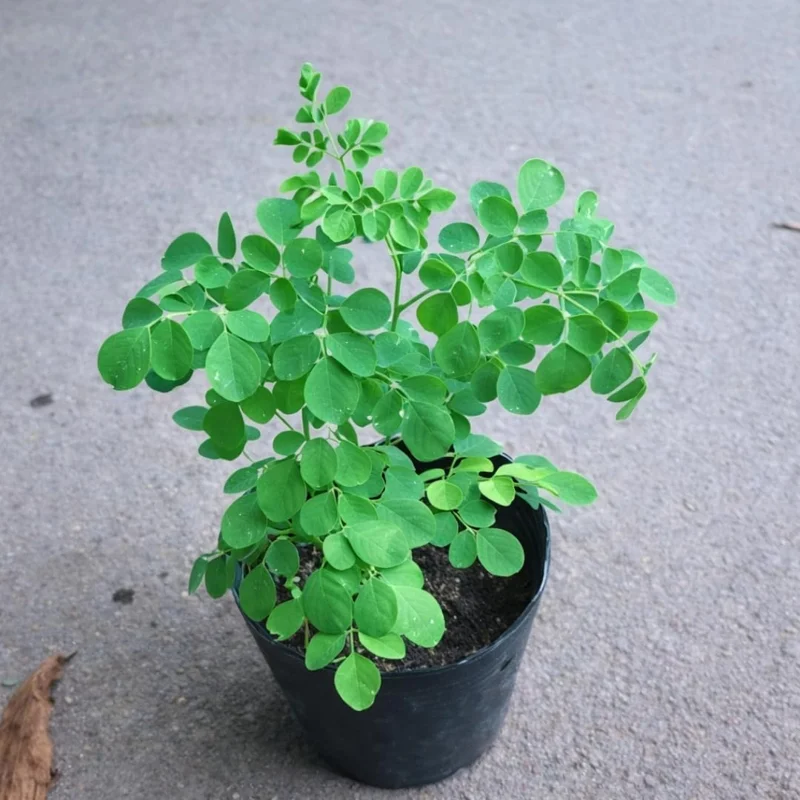
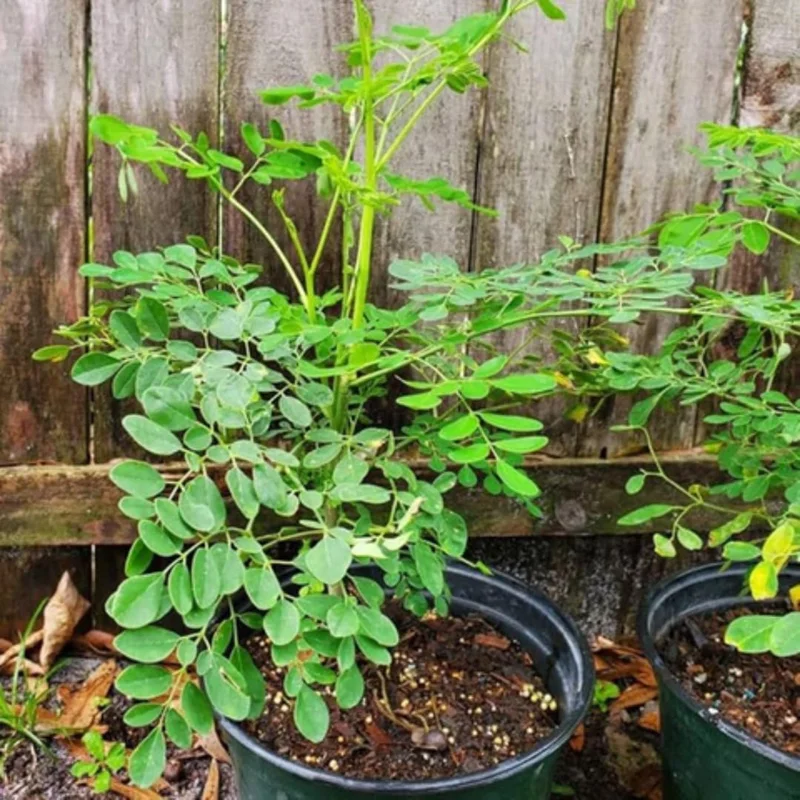
Cultivate your own superfood with this 2-pack of moringa tree live plant specimens. Each Moringa Oleifera plant measures 6-10 inches tall in a 4-inch nursery pot, ready for planting. Known for rapid growth and nutritional benefits, these adaptable plants thrive indoors or outdoors in warm climates.
Shipping and Return policies:
We stand behind our plants with our Alive & Thrive Guarantee. If you experience any issues within the first 30 days, please email us, and our team will be happy to help. When needed, we’ll send you a one-time replacement free of charge to make sure your garden keeps growing strong.

Reasonable Price
We offer reasonable price

Support 24/7
Contact us 24 hrs a day
100% Money Back
You’ve 30 days to Return
Payment Secure
100% secure payment
Overview
Introduce the incredible “miracle tree” into your home or garden with this offering of a moringa tree live plant. Each order provides two vigorous Moringa Oleifera plant specimens, each standing approximately 6-10 inches tall and rooted in a 4-inch nursery pot. The Moringa Oleifera, often referred to as the ‘Miracle Tree’ or ‘Drumstick Tree’, is celebrated worldwide for its fast growth and remarkable nutritional profile. Originating from India, this deciduous tree is highly adaptable and can be cultivated in a variety of environments, making it a fantastic addition for both novice and experienced gardeners. These young plants are ready to be transplanted into larger containers or directly into your garden, offering a rewarding growing experience as you watch them quickly establish and flourish. Whether you aim to harvest its nutritious leaves or simply enjoy its vigorous growth, cultivating a moringa tree is a fulfilling endeavor.
Key Benefits
Growing a moringa tree live plant offers a multitude of advantages, from its aesthetic appeal to its significant practical uses. These plants are easy to care for and provide a sustainable source of nutrition right at your fingertips.
- Nutritional Powerhouse: The leaves of the Moringa Oleifera plant are packed with vitamins, minerals, and antioxidants, making them a highly sought-after superfood. Regularly consuming moringa can contribute to a healthier diet, offering significant miracle tree benefits.
- Rapid Growth: Moringa trees are known for their incredibly fast growth rate, allowing you to enjoy a substantial plant and its benefits in a relatively short period. This makes them a very rewarding plant to cultivate.
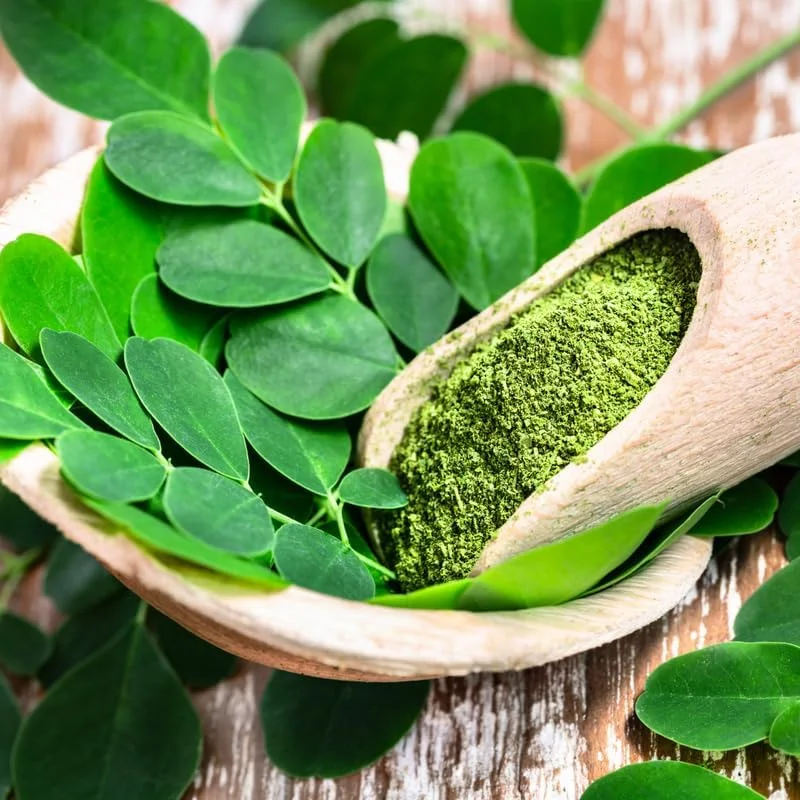
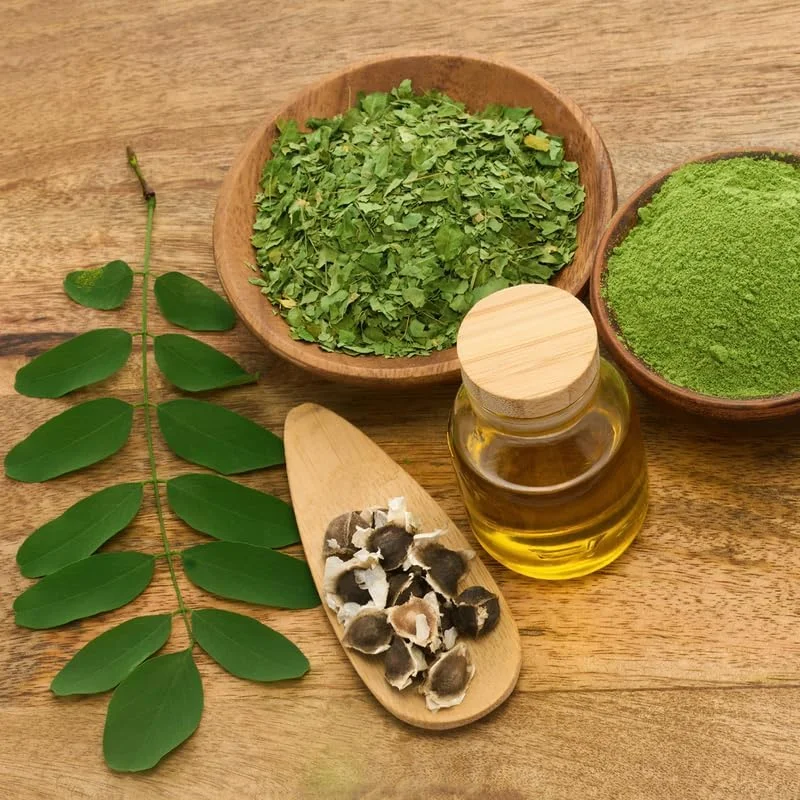
- Versatile Use: Every part of the moringa tree – leaves, pods, flowers, and even roots – can be utilized. The leaves can be added to smoothies, salads, or cooked like spinach, while the pods are often prepared as vegetables. Many choose to grow moringa tree specifically for its diverse culinary applications.
- Adaptable & Resilient: These plants are quite hardy and can adapt to various soil types and conditions, thriving in warm climates and full sun. They are suitable for USDA Hardiness Zones 9-11.
- Container Friendly: Even if you don’t have a large garden, you can easily grow moringa tree in a large pot on your patio, balcony, or even indoors in a sunny spot, allowing you to enjoy its benefits anywhere.
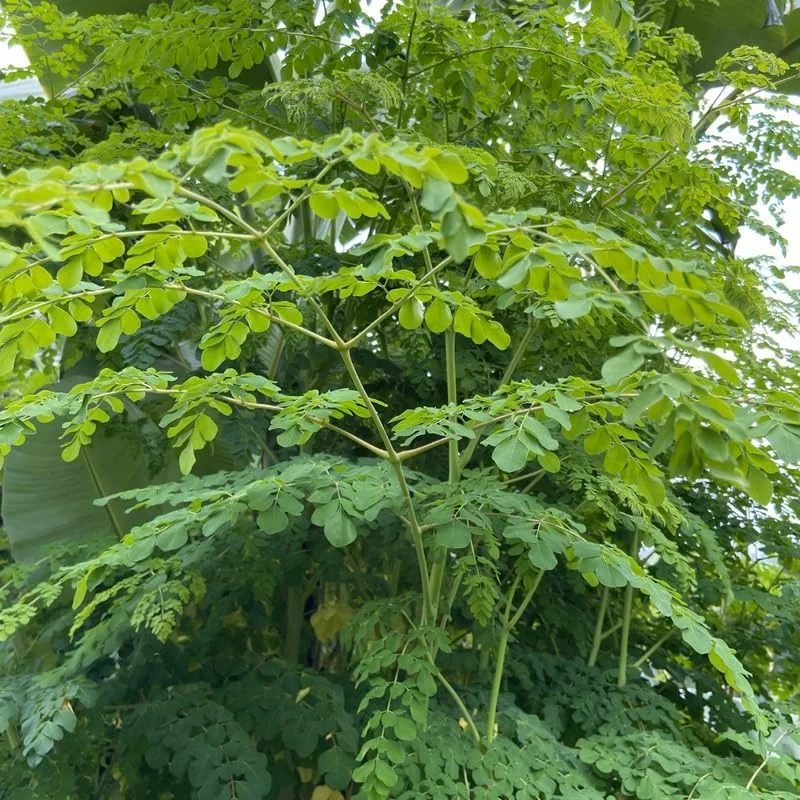
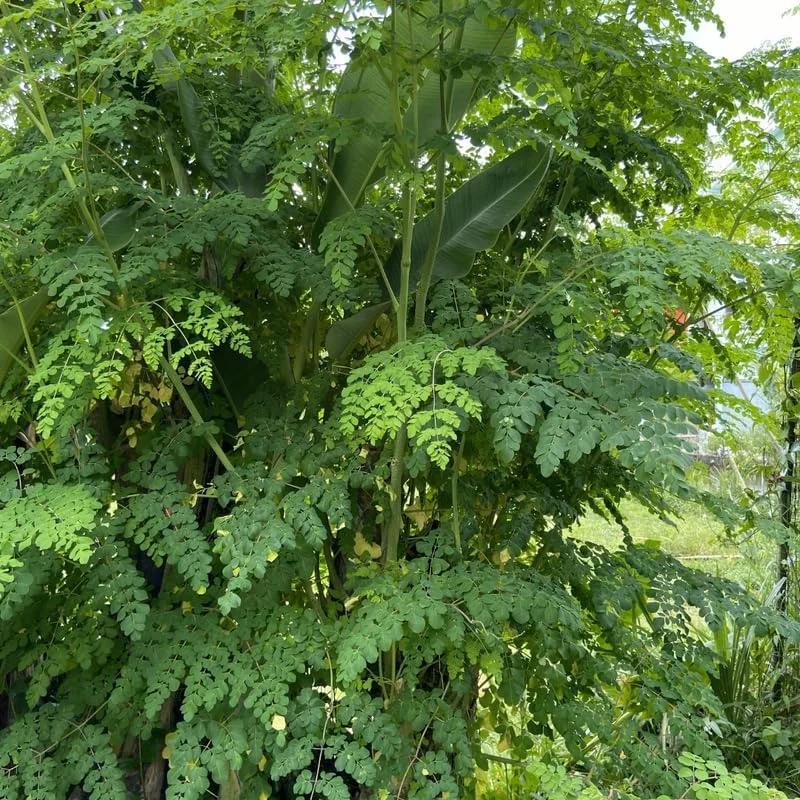
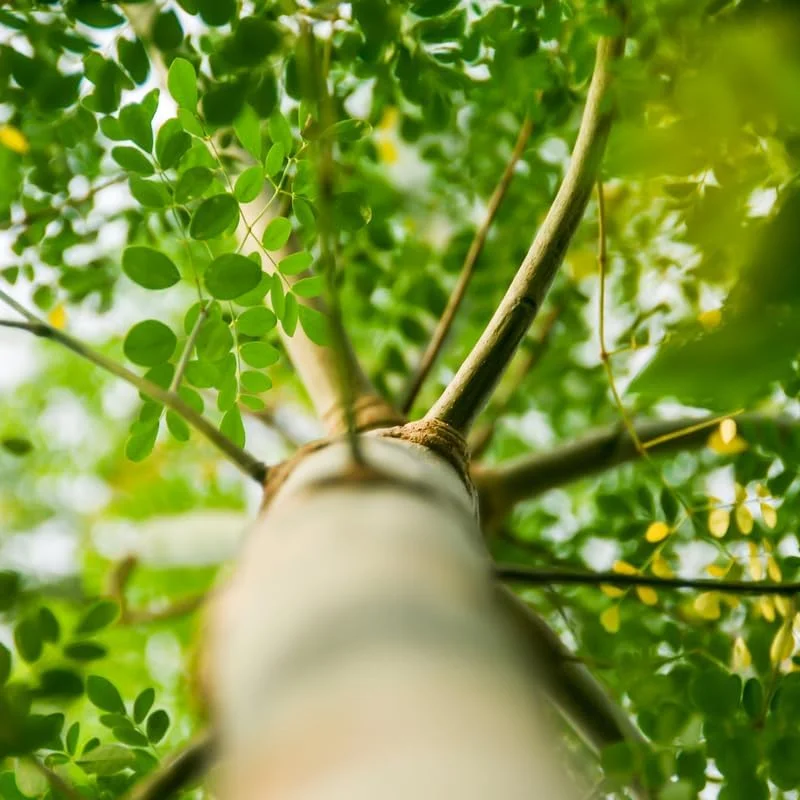
- Ornamental Value: Beyond its practical uses, the moringa tree has an attractive, airy canopy and produces delicate, fragrant flowers, adding a touch of tropical beauty to your outdoor space.
- Sustainable Gardening: By growing your own moringa, you contribute to sustainable living and have direct access to fresh, organic produce, reducing reliance on store-bought options.
Plant Care & Growing Tips
To ensure your moringa tree live plant thrives, understanding its basic care requirements is crucial. These plants are relatively low-maintenance, especially once established, making them suitable for gardeners of all experience levels. Providing the right conditions will lead to vigorous growth and abundant harvests.
Sunlight Requirements: Moringa trees are sun-loving plants and require at least 6-8 hours of direct sunlight per day to flourish. In warmer climates, they can tolerate even more sun. If growing indoors, place them in your brightest window, preferably a south-facing one, or supplement with grow lights. Insufficient light can lead to leggy growth and reduced vigor. Watering Schedule: While drought-tolerant once mature, young moringa plants need consistent moisture. Water thoroughly when the top inch of soil feels dry to the touch. Ensure proper drainage to prevent root rot. Reduce watering frequency during cooler months or if grown indoors during winter. Soil Type and Drainage: Moringa prefers well-draining soil. A sandy loam mix is ideal. If planting in a pot, use a high-quality potting mix augmented with some perlite or sand to improve drainage. Avoid heavy, waterlogged soils. Temperature Range & USDA Hardiness: These plants thrive in warm temperatures, ideally between 70-95°F (21-35°C). They are suitable for USDA Hardiness Zones 9-11. In colder zones, they can be grown as annuals or brought indoors during winter. They are sensitive to frost and will die back if exposed to freezing temperatures. Fertilization: Moringa is not a heavy feeder, but a balanced, organic fertilizer can promote healthier growth. Apply a slow-release granular fertilizer or a liquid feed every 4-6 weeks during the growing season (spring and summer). Avoid over-fertilizing, which can lead to leaf burn. Pruning: Regular pruning is essential to maintain a bushy shape, encourage new growth, and manage height, especially if you want to keep it as a smaller tree or shrub for easy harvesting. Cut back branches by about one-third after each harvest of leaves or pods. This also helps to stimulate new leaf production, which is key for those looking to grow moringa tree for its leaves. Understanding proper moringa plant care ensures a healthy and productive tree. Watch out for common pests like aphids and spider mites, especially when grown indoors, and treat with organic insecticidal soap if necessary. With proper care, your moringa can provide continuous harvests for many years.
Size & Details
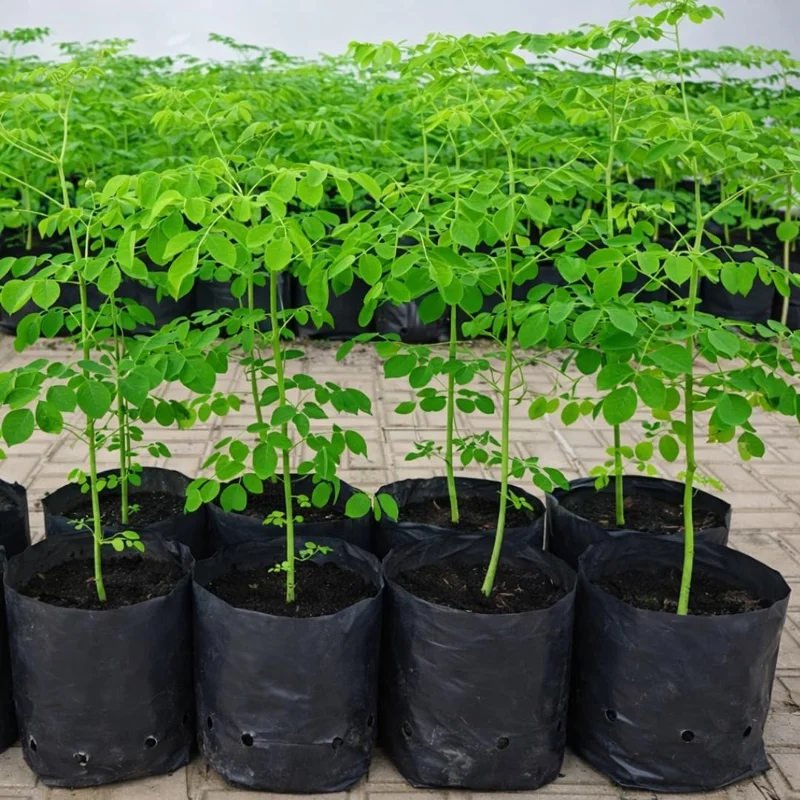
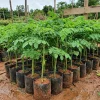
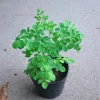
This offering includes two healthy moringa tree live plant specimens. Each plant stands approximately 6-10 inches tall from the base of the pot to the top of the foliage, providing a good head start for growth. They are shipped in individual 4-inch nursery pots, which are ideal for protecting the root system during transit and allowing for easy transplanting upon arrival. Moringa trees are known for their rapid growth; under optimal conditions, they can grow several feet in a single season. When mature, if planted in the ground, they can reach heights of 15-30 feet, but can be maintained at a smaller, more manageable size through regular pruning, making them suitable for container gardening. These plants are young and will establish quickly, providing fresh leaves for harvesting within a few months of planting. They are shipped as actively growing plants, ensuring a vibrant start to your moringa cultivation.
Frequently Asked Questions
- Q: How big does this plant get? A: Each moringa tree live plant is currently 6-10 inches tall. When planted in the ground and left unpruned, moringa trees can grow up to 15-30 feet tall. However, you can easily maintain them at a smaller, more manageable size (e.g., 6-10 feet) through regular pruning, especially if grown in a container.
- Q: Is this an indoor or outdoor plant? A: The Moringa Oleifera plant thrives outdoors in warm climates (USDA Zones 9-11) with full sun. In colder regions, it can be grown outdoors during the warm season and brought indoors before the first frost, or cultivated year-round indoors in a very sunny location.
- Q: How much sunlight does it need? A: Moringa trees require abundant sunlight, ideally 6-8 hours of direct sun per day. The more sun they receive, the faster and healthier they will grow. When growing indoors, place them in the brightest available window.
- Q: What condition will it arrive in? A: Your moringa tree live plant will arrive as two healthy, actively growing plants, each securely nestled in its own 4-inch nursery pot. They are carefully packaged to ensure minimal stress during transit, ready for immediate transplanting.
- Q: Can I use moringa leaves in cooking? A: Absolutely! Moringa leaves are highly nutritious and can be used in a variety of culinary applications. They can be added fresh to salads, blended into smoothies, used in soups and stews, or cooked like spinach. This is a primary reason many choose to grow moringa tree.
- Q: When is the best time to plant? A: For outdoor planting, the best time is in spring after all danger of frost has passed, when soil temperatures have warmed. If growing indoors, you can plant anytime, ensuring adequate light and warmth.
- Q: How long until it blooms? A: Young moringa trees can begin to flower within 6-8 months of planting under ideal growing conditions. The fragrant, creamy-white flowers are also edible and add to the plant’s appeal.
- Q: Is this plant easy to care for? A: Yes, moringa trees are considered relatively easy to care for, making them suitable for beginners. They are drought-tolerant once established and generally pest-resistant. Consistent watering for young plants and plenty of sunlight are the main requirements for successful moringa plant care.
- Q: What are the primary miracle tree benefits? A: The primary benefits of the ‘Miracle Tree’ stem from its exceptional nutritional content. Its leaves are rich in vitamins A, C, E, and K, calcium, potassium, protein, and antioxidants, supporting overall health and well-being.
- Q: Will it survive winter in my zone? A: Moringa thrives in USDA Hardiness Zones 9-11 and is sensitive to frost. In colder zones, it must be brought indoors before the first frost or grown as an annual.
- Q: Is the Moringa Oleifera plant pet-safe? A: Moringa is generally considered safe for consumption by humans and animals, though it’s always best to consult with a vet regarding specific pet diets.
Be the first to review “Moringa Tree Live Plant (2-Pack), Moringa Oleifera, 6-10″ Tall in 4″ Pot, Edible Superfood, Indoor/Outdoor”
You must be logged in to post a review.
People also Viewed
Sold 50 products
Original price was: $28.58.$19.99Current price is: $19.99.
Sold 50 products
$32.39
Sold 50 products
$21.59
Sold 50 products
$35.99
Sold 50 products
Price range: $23.15 through $25.19
Sold 50 products
$38.39
Sold 50 products
Price range: $28.79 through $35.99
Sold 50 products
$26.39RELATED posts
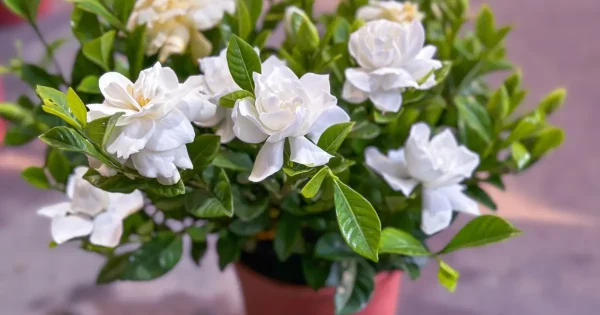
Frostproof Jasmine Care: 7 Tips for Successful Pot Growth
Most gardenias are known for being “divas.” They want perfect humidity, perfect soil, and they [...]
Mar
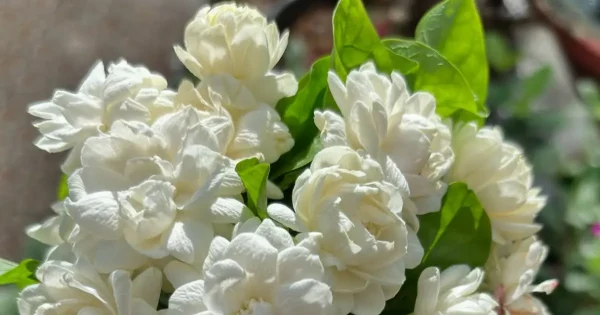
Top 7 Best Smelling Jasmine Varieties for a Heavenly Garden
Have you ever walked past a house and caught a scent so sweet you just [...]
Mar
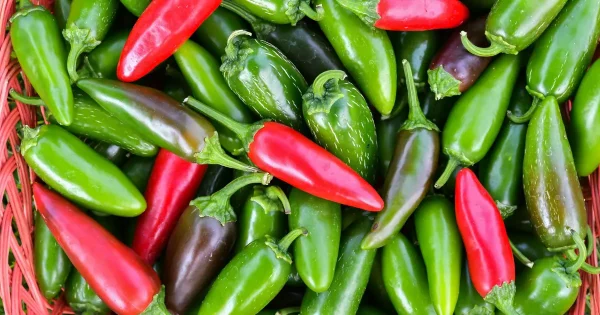
Master the Heat: 8 Expert Tips for Growing Jalapeños Like a Pro
Are you staring at your garden space, wondering why your pepper plants look more like [...]
Mar
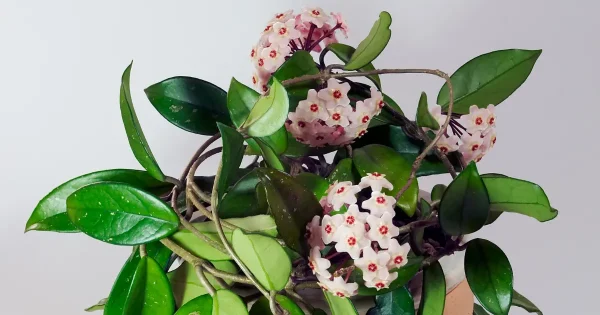
Top 5 Must-Have Hoya Varieties for Beginners
Hoyas are easily one of my top recommendations if you’re hunting for a low-maintenance houseplant [...]
Mar
7 Moringa Plant Care Mistakes to Avoid for Healthy Growth
Have you ever looked at your Moringa tree and wondered why its once vibrant green [...]
Feb
How to Grow Potato Onions From True Seeds: A Step-by-Step Guide
Have you ever wondered how to grow potato onions from true seeds or why some [...]
Feb
Growing Walking Onions in Containers: The Ultimate Guide
Have you ever looked at your small balcony or cramped patio and wished you could [...]
Feb

9 Best Flower Seeds to Start in February for Early Blooms
If you’re a passionate gardener, you know that itchy feeling in your fingers when February [...]
Jan
Reviews
There are no reviews yet.