
Moringa Oleifera Live Plant – Drumstick Tree in 4″ Pot, 6-10″ Tall, Full Sun
$16.99
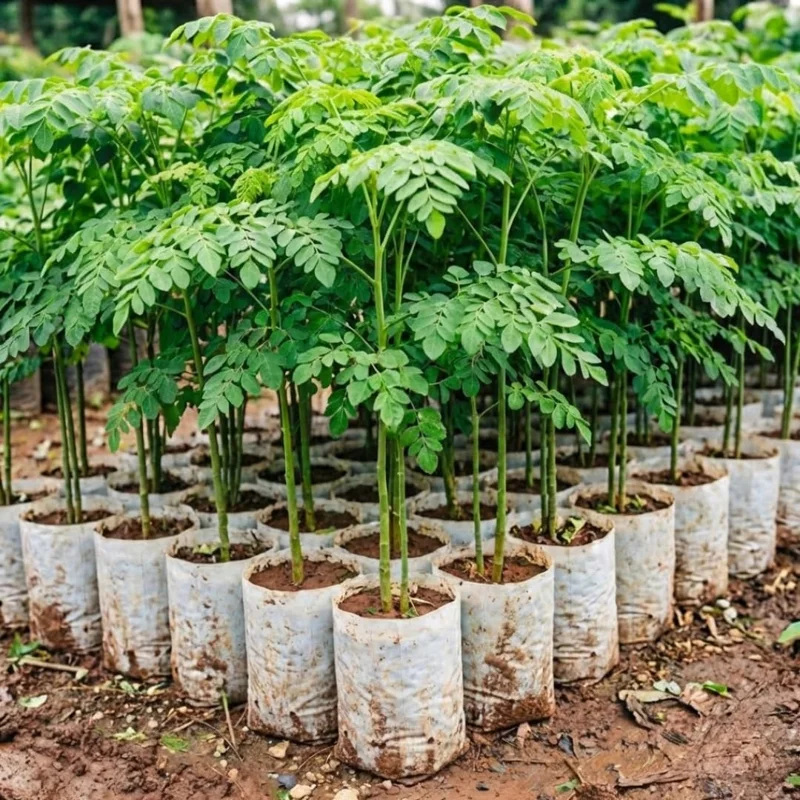
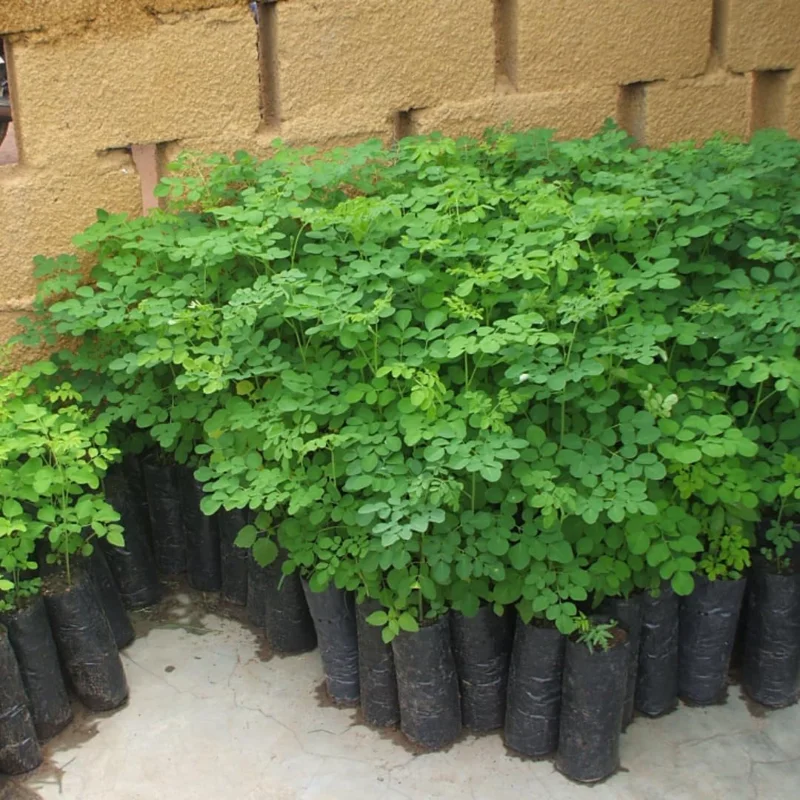
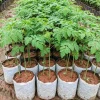
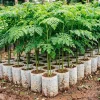
Introduce a moringa live plant to your garden, known as the ‘Miracle Tree’ for its exceptional nutritional value and rapid growth. This Moringa Oleifera arrives in a 4-inch pot, standing 6-10 inches tall, ready for outdoor planting in full sun. Enjoy fresh, edible leaves, pods, and flowers packed with vitamins and antioxidants. Discover the ease of how to grow moringa for a healthier lifestyle.
Shipping and Return policies:
We stand behind our plants with our Alive & Thrive Guarantee. If you experience any issues within the first 30 days, please email us, and our team will be happy to help. When needed, we’ll send you a one-time replacement free of charge to make sure your garden keeps growing strong.

Reasonable Price
We offer reasonable price

Support 24/7
Contact us 24 hrs a day
100% Money Back
You’ve 30 days to Return
Payment Secure
100% secure payment
Overview
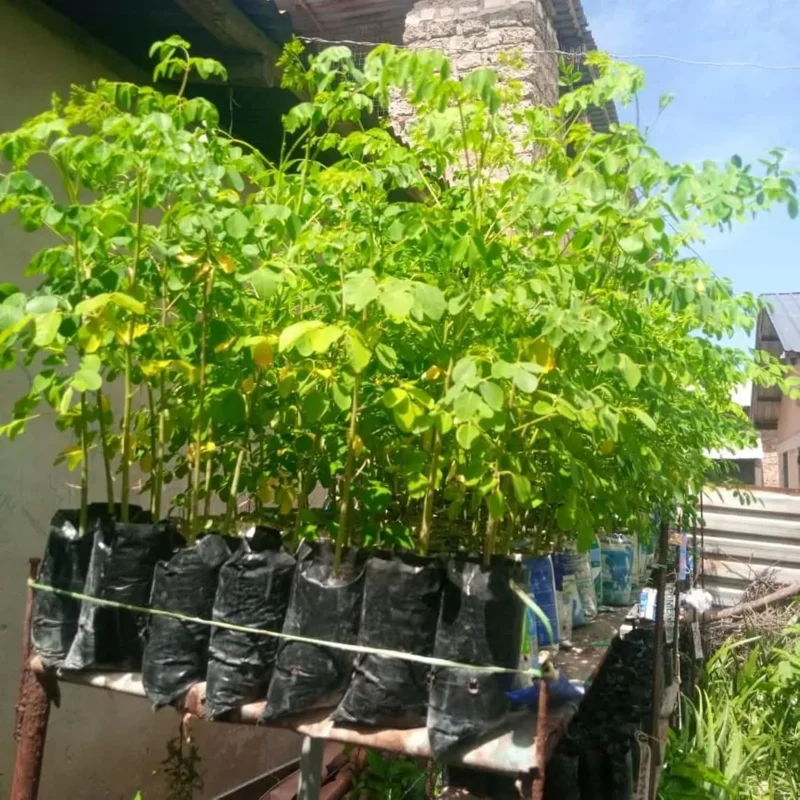
Introduce a powerhouse of nutrition to your garden with our moringa live plant. This remarkable Moringa Oleifera, often known as the ‘Miracle Tree’, ‘Drumstick Tree’, or ‘Horseradish Tree’, is delivered to you as a thriving young plant in a 4-inch pot, typically 6-10 inches tall. Renowned for its exceptional nutritional profile and rapid growth, the moringa tree is a fantastic addition for anyone looking to embrace a healthier lifestyle or add a unique, beneficial specimen to their landscape. Our moringa live plant is carefully cultivated to ensure a strong start, making it easier for you to grow this invaluable tree in your outdoor garden. It’s a versatile plant that provides edible leaves, pods, and flowers, all packed with vitamins, minerals, and antioxidants. Whether you’re a seasoned gardener or just starting, growing a moringa live plant is a rewarding experience.
The Moringa Oleifera is native to India but thrives in tropical and subtropical regions worldwide, including USDA Hardiness Zones 9-11. Its resilience and adaptability make it a popular choice for sustainable gardening. With its distinctive pinnate leaves and fragrant, creamy-white flowers, it’s not just a food source but also an attractive ornamental plant. This particular moringa live plant is ready to be transplanted into a larger pot or directly into your garden, offering you the fresh taste and health benefits of moringa right at home.
Key Benefits
Integrating a moringa live plant into your garden offers a myriad of advantages, from nutritional enrichment to environmental benefits. This fast-growing tree is a true gift from nature, providing sustenance and promoting well-being. Discover the exceptional moringa oleifera benefits of cultivating your own Moringa Oleifera:
- Nutritional Powerhouse: Moringa leaves are incredibly nutrient-dense, packed with vitamins A, C, E, and K, as well as calcium, potassium, iron, and protein. Consuming moringa can support overall health and fill nutritional gaps. Our moringa live plant provides easy access to these nutrients.
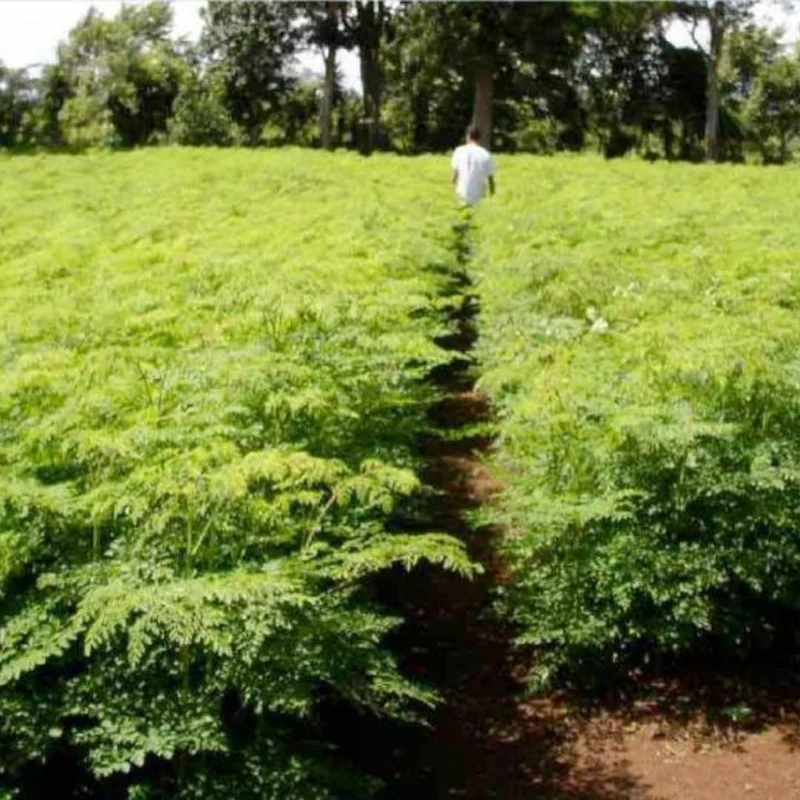
- Fast Growth & High Yield: This tree grows rapidly, allowing for frequent harvesting of its nutritious leaves. You’ll enjoy a continuous supply of fresh moringa for cooking, smoothies, or teas. This contributes to the ease of how to grow moringa successfully.
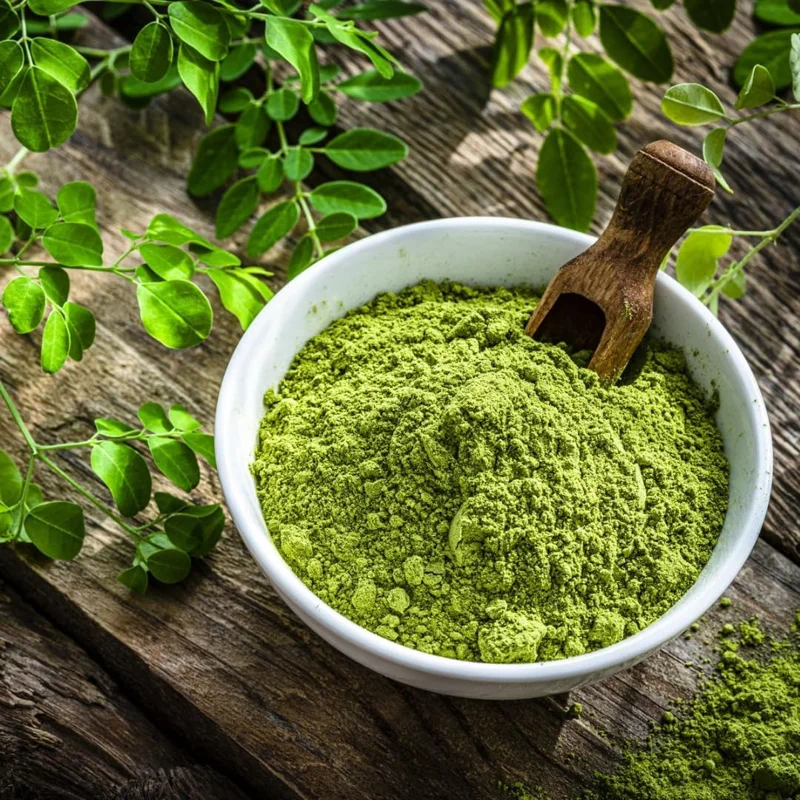
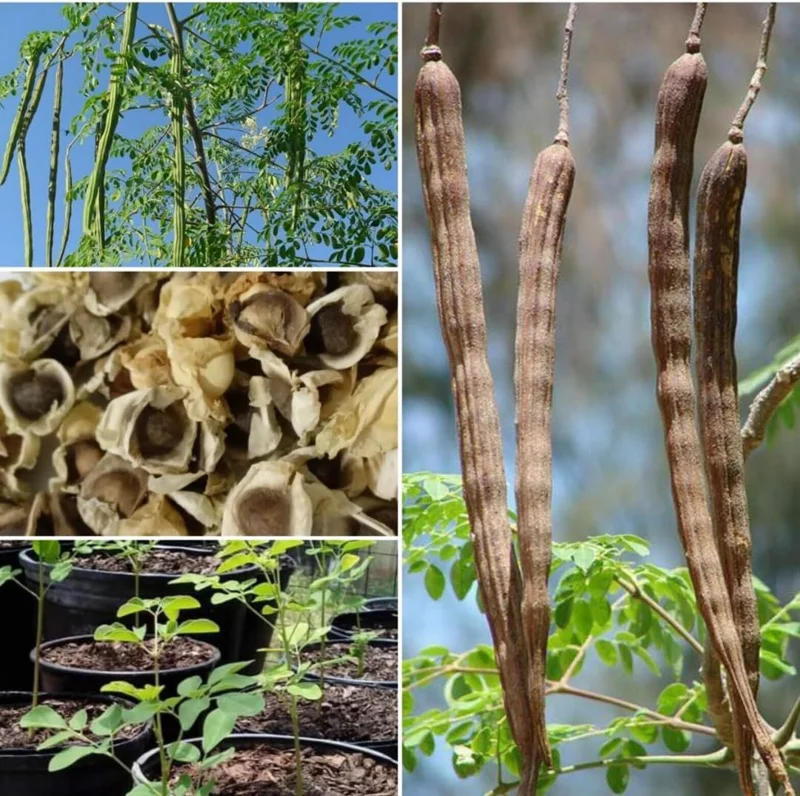
- Versatile Culinary Uses: The leaves, flowers, and young pods are all edible. Use the leaves in salads, stir-fries, soups, or dry them for powder. The pods, often called drumstick tree, can be cooked like green beans, offering diverse culinary applications from your moringa live plant.
- Drought-Tolerant & Resilient: Once established, the moringa tree is remarkably drought-tolerant, making it suitable for various climates within its hardiness zones and requiring less water than many other plants.
- Supports Healthy Living: Known for its antioxidant and anti-inflammatory properties, moringa has been traditionally used to support various aspects of health and wellness, making it a valuable addition to any health-conscious household.
- Easy to Grow for Beginners: Despite its exotic origins and powerful benefits, the moringa live plant is relatively easy to care for, thriving with minimal intervention once established. This makes it an excellent choice for novice gardeners.
Plant Care & Growing Tips
Caring for your moringa live plant is straightforward, especially when provided with the right conditions. This resilient tree thrives in warm climates and requires specific attention to sunlight, watering, and soil to ensure vigorous growth. Understanding moringa tree care is crucial for a healthy and productive plant.
Sunlight requirements: Moringa trees are sun-lovers. They require at least 6-8 hours of direct full sun daily to flourish. If growing in a container, ensure it’s placed in the sunniest spot in your garden or patio. In regions with intense summer heat, some afternoon shade might be beneficial to prevent leaf scorch, but generally, more sun means faster growth and healthier plants.
Watering schedule and soil moisture preferences: While moringa is drought-tolerant once established, young plants need consistent moisture. Water deeply when the top inch of soil feels dry, typically every 2-3 days in hot weather. Ensure the soil is well-draining to prevent root rot. Reduce watering significantly during cooler months or if the plant goes dormant. Good drainage is key to preventing overwatering issues for your moringa live plant.
Soil type and drainage requirements: Moringa prefers well-draining, sandy loam soil. It can tolerate a range of soil types, but heavy clay soils should be amended with sand or organic matter to improve drainage. A slightly acidic to neutral pH (6.0-7.0) is ideal. For potted plants, use a high-quality potting mix blended with perlite or sand to ensure excellent drainage. This helps prevent standing water around the roots, which is detrimental to the plant’s health.
Temperature range and USDA hardiness zone: Moringa thrives in warm temperatures, ideally between 70°F and 95°F (21°C-35°C). It is suitable for USDA Hardiness Zones 9-11. In zones below 9, it can be grown as an annual or overwintered indoors. Protect from frost, as temperatures below 32°F (0°C) can severely damage or kill the plant. Bringing potted plants indoors during winter is a good strategy for those in colder climates, ensuring successful moringa tree care.
Fertilization schedule and type: Moringa is not a heavy feeder but benefits from occasional fertilization. During the growing season (spring through fall), apply a balanced, organic fertilizer every 4-6 weeks. Compost or well-rotted manure can also be incorporated into the soil to provide essential nutrients and improve soil structure. Avoid over-fertilizing, which can lead to excessive leafy growth at the expense of overall plant health. Following these guidelines will ensure your moringa live plant thrives.
Common problems and solutions: Moringa is generally pest-resistant, but occasionally, aphids or spider mites might appear. Treat with insecticidal soap or neem oil. Yellowing leaves can indicate overwatering or nutrient deficiency. Adjust watering habits and ensure proper fertilization. Leaf loss during shipping is normal, and new leaves will quickly emerge once planted and settled.
Size & Details
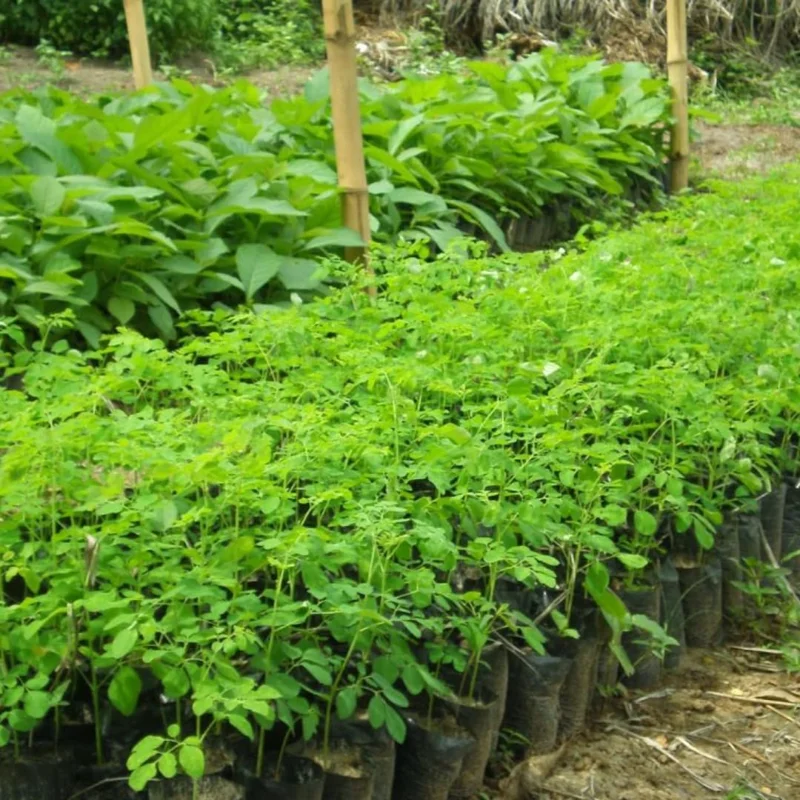
This moringa live plant arrives in a compact and healthy state, ready for immediate planting and growth. Each plant is carefully nurtured in a 4-inch nursery pot, ensuring its root system is well-established for a smooth transition to your garden or a larger container. The plant typically stands between 6 to 10 inches tall upon arrival, an ideal size for acclimatization and robust development. Moringa is known for its incredibly fast growth rate, often growing several feet in a single season under optimal conditions. Expect your plant to quickly outgrow its initial size.
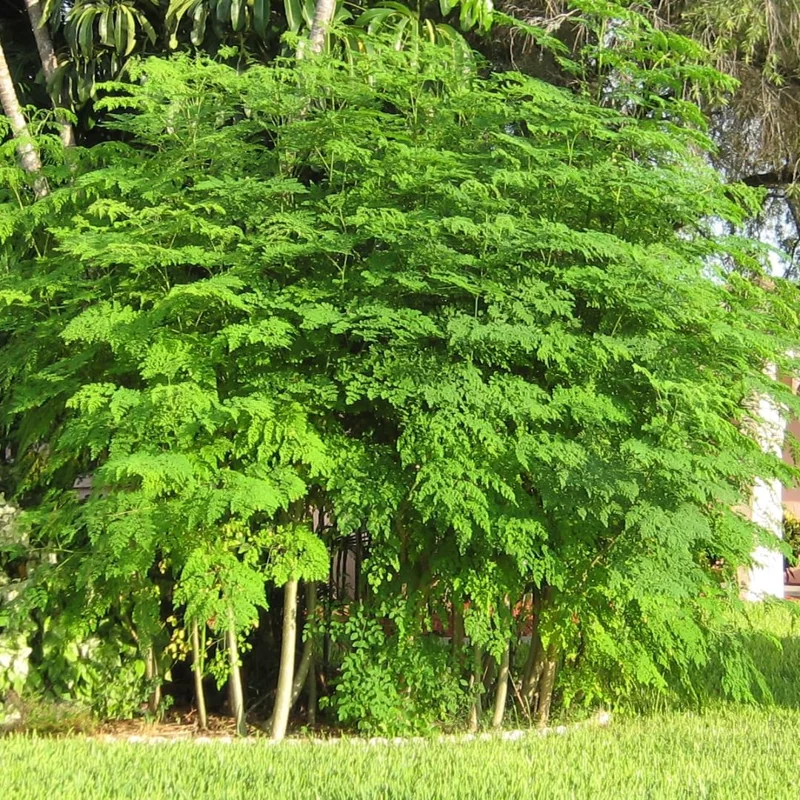
The vigorous growth of the drumstick tree means you’ll soon have a substantial plant capable of providing abundant harvests. While it can reach heights of 20-30 feet in tropical climates, it can be easily pruned to a more manageable size for container gardening or smaller spaces. This allows you to control its shape and encourage bushier growth for more leaf production. You’ll receive a single, healthy moringa live plant, ready to be nurtured into a productive and beautiful addition to your home garden.
Frequently Asked Questions
- Q: How big does this moringa live plant get? A: While moringa trees can grow up to 20-30 feet tall in ideal conditions, they can be easily maintained at a smaller, more manageable height through regular pruning. This makes them suitable for various garden sizes and container growing.
- Q: What size pot does it come in? A: Your Moringa Oleifera plant will arrive in a 4-inch nursery pot, providing a healthy start for its root system. We recommend transplanting it into a larger pot or directly into the ground upon arrival.
- Q: Is this an indoor or outdoor plant? A: This moringa live plant is best suited for outdoor growth in USDA Zones 9-11, where it can receive full sun. In colder climates, it can be grown outdoors during warm months and brought indoors before the first frost. This is key for successful moringa tree care.
- Q: How much sunlight does it need? A: Moringa trees thrive in full sun, requiring at least 6-8 hours of direct sunlight per day for optimal growth and health. Ensure it’s placed in the sunniest spot available.
- Q: Is this plant easy to care for? Is it good for beginners? A: Yes, the moringa live plant is considered relatively easy to care for, especially once established. Its resilience and fast growth make it an excellent choice for beginners looking to grow a beneficial tree. Understanding basic moringa tree care will ensure success.
- Q: What condition will it arrive in? A: We ship healthy, live plants. It’s normal for moringa to experience some leaf loss during transit due to stress, but new leaves will quickly grow back once the plant is settled and cared for.
- Q: Can I use moringa leaves in cooking? A: Absolutely! Moringa leaves are highly nutritious and can be used in a variety of culinary applications, including salads, smoothies, soups, and stir-fries. They are a versatile superfood, offering many moringa oleifera benefits.
- Q: How long until it starts producing leaves for harvest? A: With proper care and sufficient sunlight, your moringa live plant can start producing harvestable leaves within a few weeks to a couple of months after planting. Its fast-growing nature ensures quick yields, showcasing how to grow moringa efficiently.
- Q: What’s the minimum temperature this plant can tolerate? A: Moringa is sensitive to cold and cannot tolerate frost. Temperatures below 32°F (0°C) can cause severe damage or kill the plant. It thrives in warm, tropical conditions.
- Q: Is the drumstick tree the same as Moringa Oleifera? A: Yes, the terms ‘drumstick tree’ and ‘horseradish tree’ are common names for Moringa Oleifera, referring to its long, slender seed pods and the pungent taste of its roots, respectively.
Be the first to review “Moringa Oleifera Live Plant – Drumstick Tree in 4″ Pot, 6-10″ Tall, Full Sun”
You must be logged in to post a review.
People also Viewed
Sold 50 products
Original price was: $28.58.$19.99Current price is: $19.99.
Sold 50 products
$32.39
Sold 50 products
$21.59
Sold 50 products
$35.99
Sold 50 products
Price range: $23.15 through $25.19
Sold 50 products
$38.39
Sold 50 products
Price range: $28.79 through $35.99
Sold 50 products
$26.39RELATED posts
Frostproof Jasmine Care: 7 Tips for Successful Pot Growth
Most gardenias are known for being “divas.” They want perfect humidity, perfect soil, and they [...]
Mar
Top 7 Best Smelling Jasmine Varieties for a Heavenly Garden
Have you ever walked past a house and caught a scent so sweet you just [...]
Mar
Master the Heat: 8 Expert Tips for Growing Jalapeños Like a Pro
Are you staring at your garden space, wondering why your pepper plants look more like [...]
Mar
Top 5 Must-Have Hoya Varieties for Beginners
Hoyas are easily one of my top recommendations if you’re hunting for a low-maintenance houseplant [...]
Mar
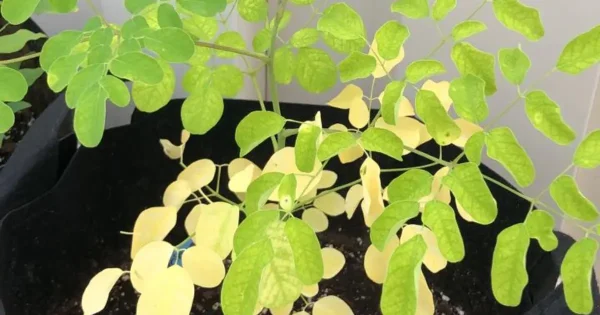
7 Moringa Plant Care Mistakes to Avoid for Healthy Growth
Have you ever looked at your Moringa tree and wondered why its once vibrant green [...]
Feb
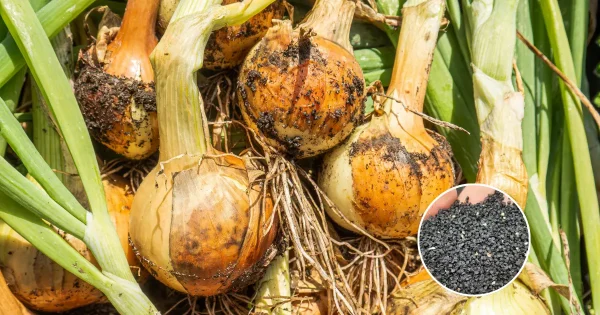
How to Grow Potato Onions From True Seeds: A Step-by-Step Guide
Have you ever wondered how to grow potato onions from true seeds or why some [...]
Feb
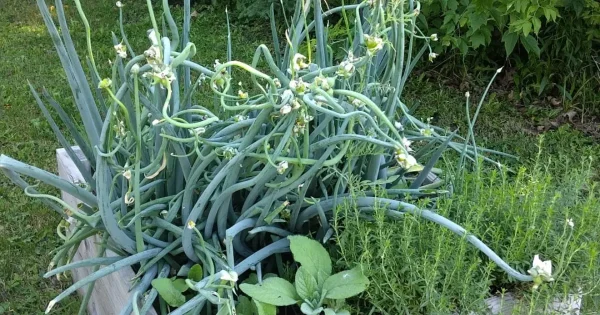
Growing Walking Onions in Containers: The Ultimate Guide
Have you ever looked at your small balcony or cramped patio and wished you could [...]
Feb

9 Best Flower Seeds to Start in February for Early Blooms
If you’re a passionate gardener, you know that itchy feeling in your fingers when February [...]
Jan
Reviews
There are no reviews yet.