
Moringa Oleifera Live Plant – 3 Months Old Drumstick Tree, Potted, Outdoor
$26.99
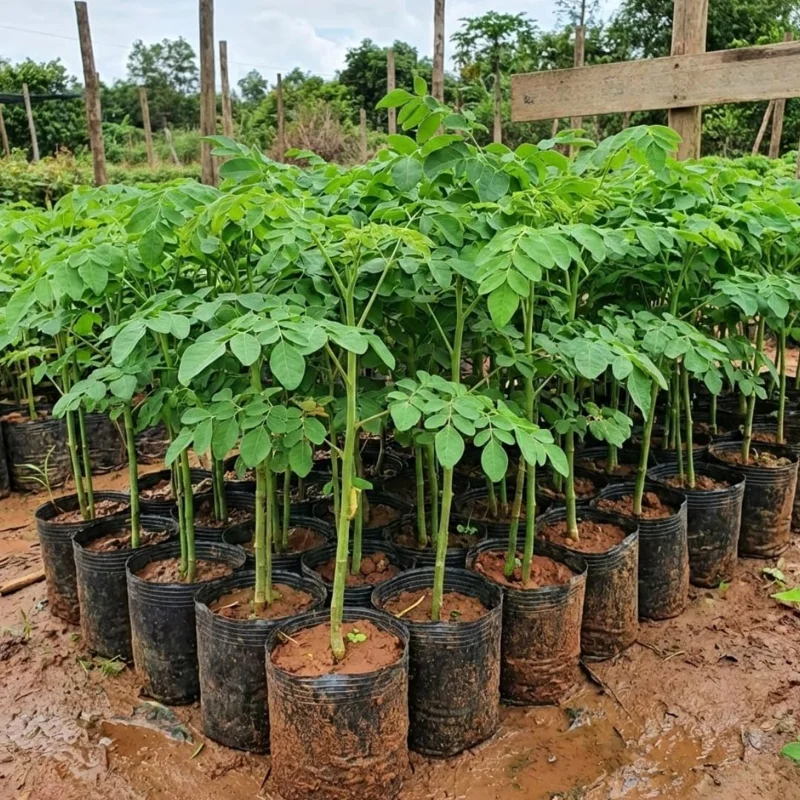
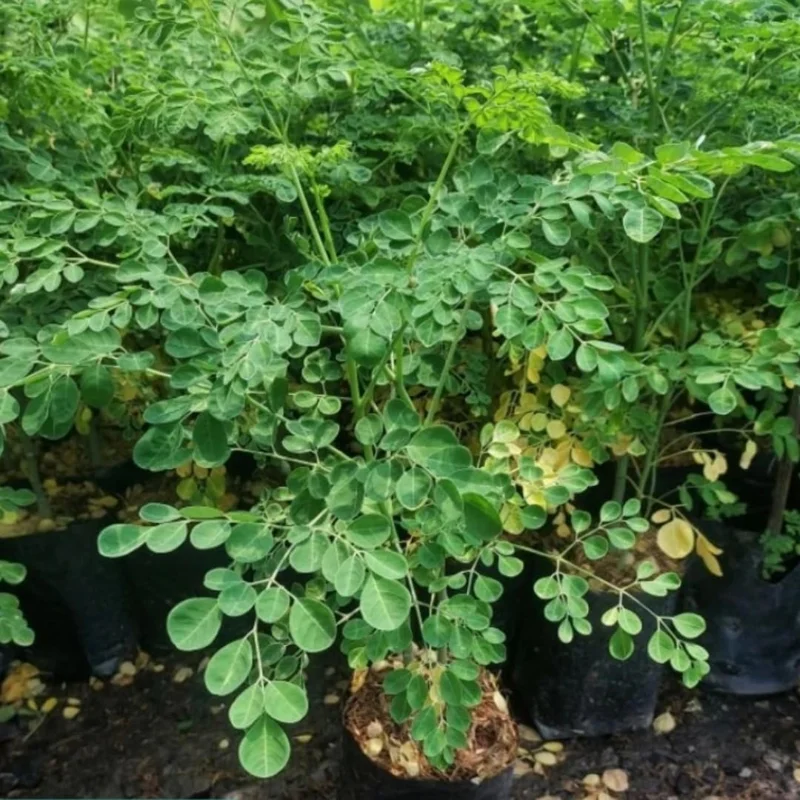
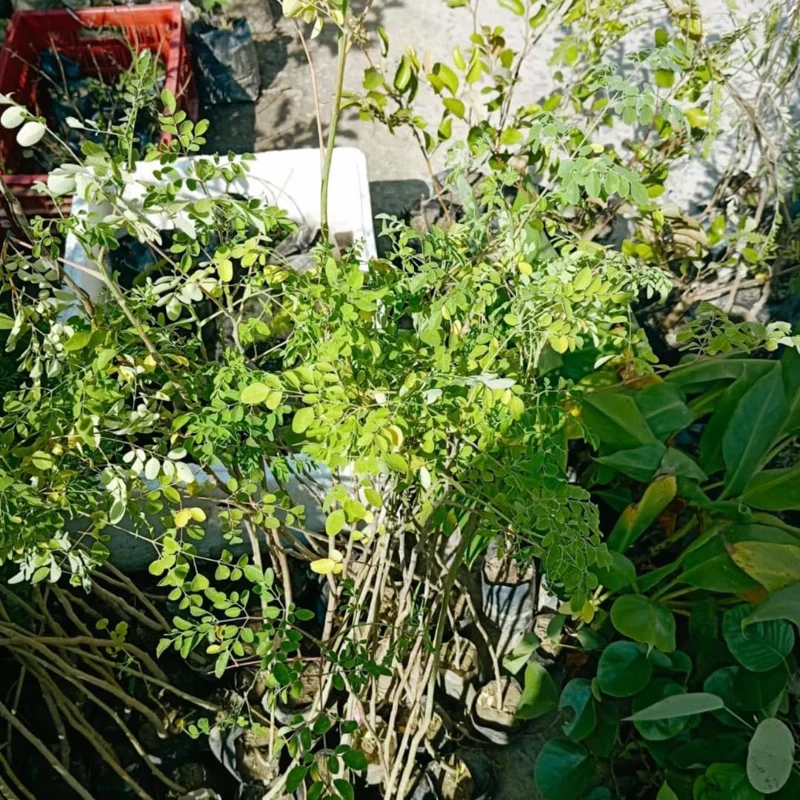
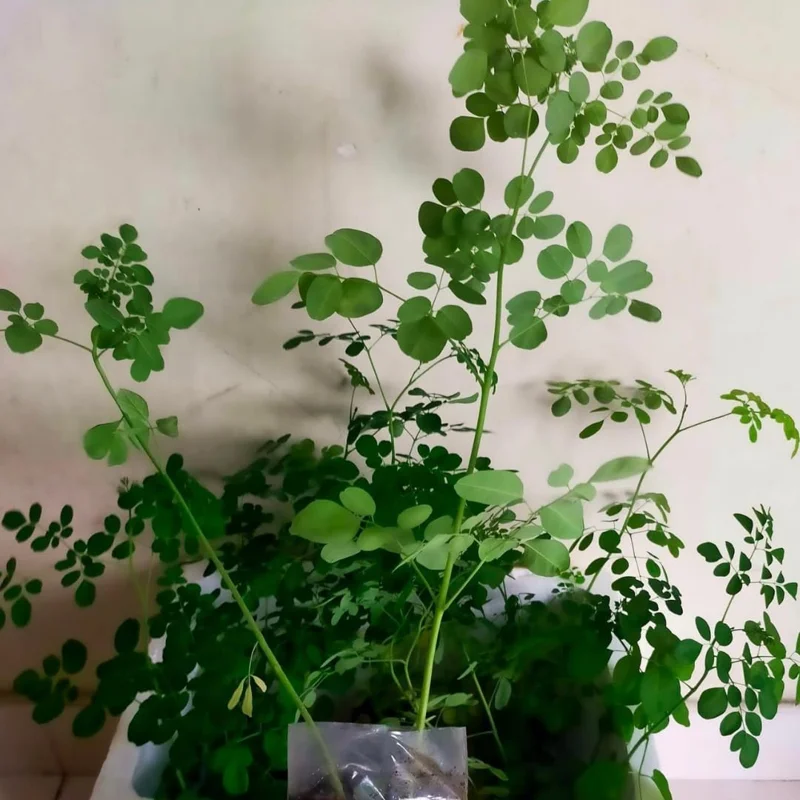
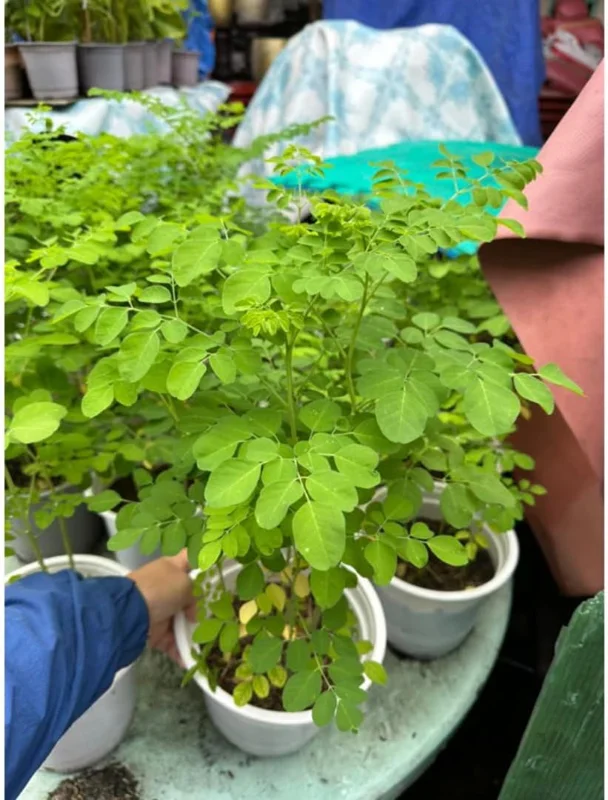
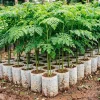
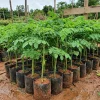
Bring the miracle tree to your garden with this vibrant moringa oleifera live plant. This healthy, 3-month-old, well-rooted moringa oleifera live plant arrives potted and ready to thrive outdoors. Known for its rapid growth and nutritional benefits, this drumstick tree benefits both experienced and new gardeners seeking a sustainable source of wellness.
Shipping and Return policies:
We stand behind our plants with our Alive & Thrive Guarantee. If you experience any issues within the first 30 days, please email us, and our team will be happy to help. When needed, we’ll send you a one-time replacement free of charge to make sure your garden keeps growing strong.

Reasonable Price
We offer reasonable price

Support 24/7
Contact us 24 hrs a day
100% Money Back
You’ve 30 days to Return
Payment Secure
100% secure payment
Overview
Introduce a powerhouse of nutrition and rapid growth to your garden with this vibrant moringa oleifera live plant. Also widely known as the drumstick tree or horseradish tree, Moringa oleifera is celebrated globally for its exceptional nutritional profile and adaptability. This particular offering is a healthy, 3-month-old plant, meticulously nurtured and well-rooted, ensuring it’s prepared for a seamless transition into your outdoor garden or a suitably large container. Its robust nature makes it an excellent choice for both experienced gardeners and those new to cultivating edible plants. Discover the ease of growing your own source of wellness with this remarkable tree. The moringa oleifera live plant is highly regarded for its resilience, making it a sustainable addition to many landscapes. Originating from India, it has found its way into various cultures due to its manifold uses, from culinary applications to traditional health practices. Our young moringa plant arrives potted, minimizing transplant shock and setting it up for immediate success upon arrival. Its vigorous growth habit means you won’t have to wait long to enjoy the benefits of fresh moringa leaves.
Key Benefits
Growing a moringa oleifera live plant offers a multitude of advantages, both for your garden and your well-being. This fast-growing tree is not just ornamental; it’s a powerhouse of nutrition and a sustainable garden choice. Here are some of the key benefits you can expect from your drumstick tree benefits:
- Nutritional Powerhouse: Moringa leaves are packed with vitamins, minerals, antioxidants, and amino acids, often referred to as a superfood. Growing your own ensures a fresh, organic, and readily available supply for your health needs.
- Rapid Growth & High Yield: The drumstick tree is known for its incredibly fast growth rate, especially in warm climates. You can harvest leaves frequently, providing a continuous supply for your dietary needs and promoting lush new growth.
- Adaptable & Resilient: This plant is remarkably hardy and can adapt to various soil types, thriving even in less-than-ideal conditions, as long as it receives adequate sunlight. This makes it a forgiving plant for many garden settings.
- Culinary Versatility: Fresh moringa leaves can be used in smoothies, salads, soups, and curries, adding a nutritious boost and unique, slightly peppery flavor to your meals. The young pods are also edible.
- Sustainable Gardening: Moringa is a drought-tolerant plant once established, requiring moderate watering, making it a water-wise and eco-friendly choice for many regions and helping conserve resources.
- Medicinal Properties: Traditionally, various parts of the moringa tree have been used for their purported health benefits, contributing to its reputation as a ‘miracle tree’ and a valuable addition to a wellness garden.
- Air Purification: Like many trees, the moringa oleifera live plant contributes to improving air quality by absorbing carbon dioxide and releasing oxygen, enhancing your garden’s environment.
Plant Care & Growing Tips
Caring for your moringa oleifera live plant is relatively straightforward, especially given its robust nature. To ensure optimal growth and a bountiful harvest, understanding its specific needs is crucial. This plant thrives in outdoor conditions, making it an excellent choice for a garden or large patio container. For successful cultivation, understanding proper moringa plant care is essential.
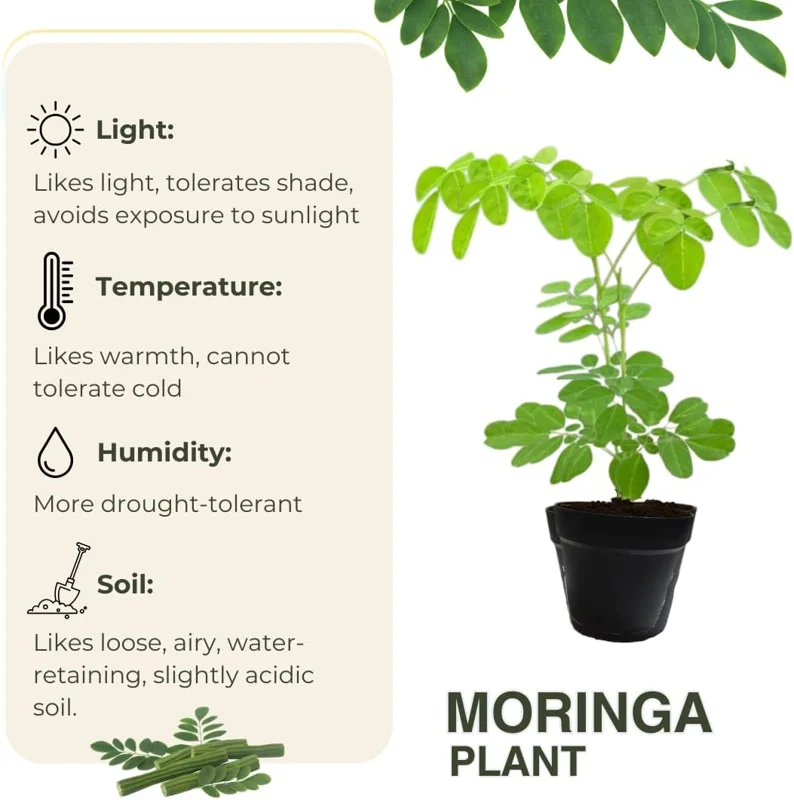
Sunlight Requirements: The moringa tree absolutely loves the sun. It requires a location that receives full sun exposure, ideally 6-8 hours of direct sunlight per day. While it can tolerate partial shade, full sun will result in faster growth and healthier foliage. If growing in a container, ensure it’s placed in the sunniest spot available on your patio or balcony. For those wondering how to grow moringa tree in specific climates, ample sunlight is key to vigorous development.
Watering Schedule & Soil Moisture: Once established, moringa is quite drought-tolerant. However, during its initial growth phase and especially in hot, dry weather, moderate watering is essential. Water deeply when the top 1-2 inches of soil feel dry to the touch, and then allow the soil to dry out slightly before watering again. Avoid overwatering, as this can lead to root rot. The goal is consistently moist, but not waterlogged, soil to promote healthy root development.
Soil Type & Drainage: Moringa prefers well-drained soil and can tolerate a range of soil types, from sandy to loamy. Good drainage is paramount to prevent root issues. If planting in a container, use a high-quality potting mix that drains well. If planting directly into the ground, consider amending heavy clay soils with organic matter like compost to improve drainage. This ensures the best environment for your moringa oleifera live plant.
Temperature Range & USDA Hardiness Zone: This tropical tree thrives in warm climates. It is best suited for USDA Hardiness Zones 9-11, where it can be grown outdoors year-round. In colder zones, it can be grown as an annual or overwintered indoors if protected from frost. It can be dormant in winter, especially if temperatures drop. For those asking about moringa plant care in diverse climates, protecting it from freezing temperatures is critical for its survival.
Fertilization: While moringa is not a heavy feeder, a balanced, slow-release fertilizer can encourage vigorous growth, especially during the growing season. Alternatively, you can enrich the soil with compost or well-rotted manure at planting time and periodically thereafter. Avoid excessive nitrogen, which can lead to lush foliage but fewer flowers or pods, impacting overall yield and structure.
Size & Details
This offering is for one moringa oleifera live plant, approximately 3 months old. It arrives potted, ensuring the roots are well-established and minimizing transplant shock upon arrival. The plant dimensions are typically around 4 x 4 x 8 inches at the time of shipping, representing a healthy, compact starter plant. This size makes it easy to handle and transplant into its final growing location, whether that’s a larger container or directly into your garden bed. The drumstick tree benefits from being started young, allowing it to acclimate to its new environment and establish a strong root system quickly.
Once planted, the moringa tree is known for its exceptionally fast growth rate, often reaching several feet in height within its first year under ideal conditions. It is ready for transplanting into outdoor gardens or containers upon arrival. This plant is perfectly suited for USDA Hardiness Zones 9-11, where it can thrive outdoors. In colder climates, it can be grown as a container plant and brought indoors during winter, or treated as an annual. It will enter a dormant state in winter in cooler parts of its hardiness range. Expect a fast-growing and high-yield plant that will quickly become a highlight of your edible garden, providing fresh leaves for culinary and nutritional uses.
Frequently Asked Questions
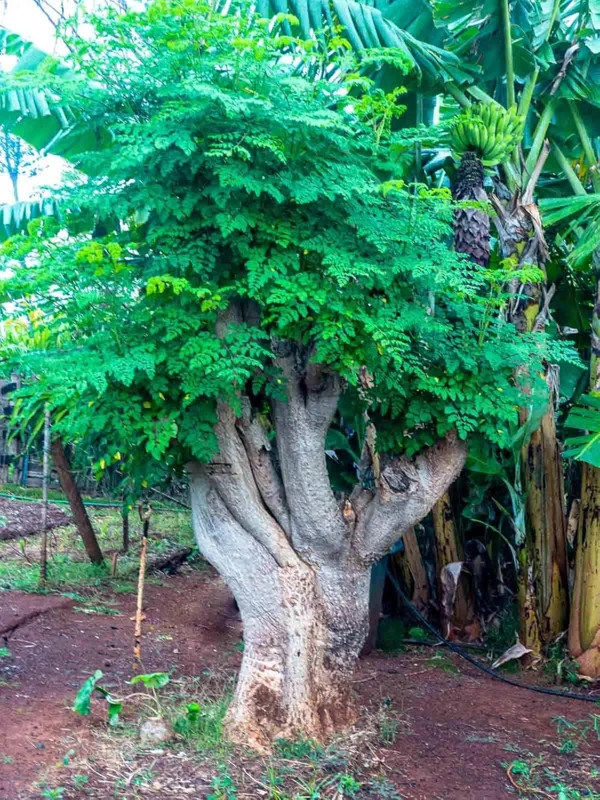
- Q: How big does this plant get? A: This moringa oleifera live plant is approximately 3 months old and 8 inches tall upon arrival. With proper care and ideal conditions, it can grow rapidly, reaching several feet in height within its first year. Mature trees can reach heights of 10-20 feet, though they can be pruned to maintain a desired size and facilitate harvesting.
- Q: Is this an indoor or outdoor plant? A: The moringa oleifera tree is primarily an outdoor plant, thriving in full sun and warm climates. It is suitable for outdoor planting in USDA Hardiness Zones 9-11. In colder zones, it can be grown in a container and overwintered indoors, or cultivated as an annual during the warm season.
- Q: How much sunlight does it need? A: This drumstick tree requires full sun exposure, meaning at least 6-8 hours of direct sunlight daily for optimal growth and health. Ensure it is placed in the sunniest part of your garden or patio to maximize its potential.
- Q: Is this plant easy to care for? A: Yes, the moringa tree is known for being relatively low-maintenance and resilient once established. It’s drought-tolerant and adaptable to various soil types, making moringa plant care quite manageable for most gardeners, including beginners.
- Q: What condition will it arrive in? A: Your moringa oleifera live plant will arrive well-rooted and potted, carefully packaged to ensure its safety during transit. It will be ready for transplanting into its permanent location, minimizing stress on the plant.
- Q: When is the best time to plant? A: The best time to plant your moringa tree outdoors is after the last frost, when all danger of cold temperatures has passed and the soil has warmed up. For year-round indoor container growing, it can be planted at any time.
- Q: Will it survive winter in my zone? A: This plant is cold-sensitive and will survive winter outdoors only in USDA Hardiness Zones 9-11. In colder zones, it will go dormant or die back with frost. You can protect it by bringing it indoors or providing adequate winter protection.
- Q: What is moringa oleifera used for? A: What is moringa oleifera used for? Its leaves are highly nutritious and commonly used in cooking for salads, smoothies, soups, and stir-fries. The pods (drumsticks) are also edible, often used in curries. It’s also utilized in traditional medicine for its various health benefits.
- Q: What kind of soil does it prefer? A: Moringa prefers well-draining soil. It can tolerate a variety of soil types but will thrive best in sandy or loamy soils with good drainage. Avoid heavy, waterlogged soils to prevent root problems.
- Q: Can I grow this in a container? A: Yes, you can successfully grow moringa tree in a large container. This is an excellent option for those in colder climates who wish to move the plant indoors during winter. Ensure the container has drainage holes and use a good quality potting mix.
Be the first to review “Moringa Oleifera Live Plant – 3 Months Old Drumstick Tree, Potted, Outdoor”
You must be logged in to post a review.
People also Viewed
Sold 50 products
Original price was: $28.58.$19.99Current price is: $19.99.
Sold 50 products
$32.39
Sold 50 products
$21.59
Sold 50 products
$35.99
Sold 50 products
Price range: $23.15 through $25.19
Sold 50 products
$38.39
Sold 50 products
Price range: $28.79 through $35.99
Sold 50 products
$26.39RELATED posts
Frostproof Jasmine Care: 7 Tips for Successful Pot Growth
Most gardenias are known for being “divas.” They want perfect humidity, perfect soil, and they [...]
Mar
Top 7 Best Smelling Jasmine Varieties for a Heavenly Garden
Have you ever walked past a house and caught a scent so sweet you just [...]
Mar
Master the Heat: 8 Expert Tips for Growing Jalapeños Like a Pro
Are you staring at your garden space, wondering why your pepper plants look more like [...]
Mar
Top 5 Must-Have Hoya Varieties for Beginners
Hoyas are easily one of my top recommendations if you’re hunting for a low-maintenance houseplant [...]
Mar
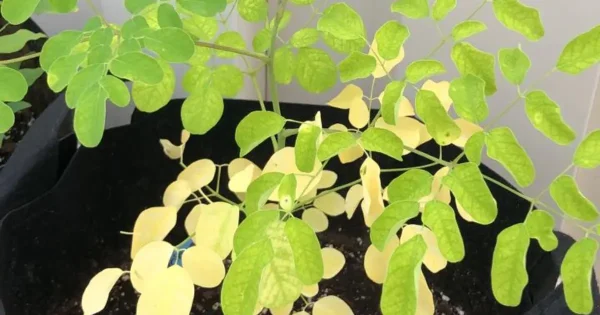
7 Moringa Plant Care Mistakes to Avoid for Healthy Growth
Have you ever looked at your Moringa tree and wondered why its once vibrant green [...]
Feb
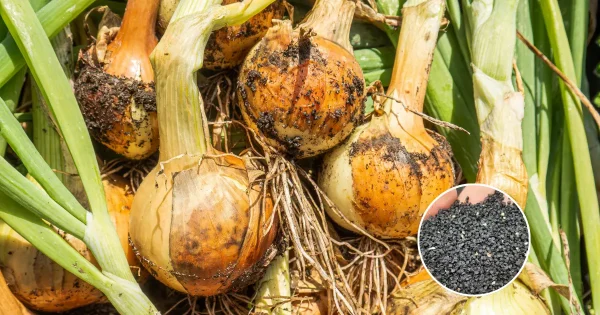
How to Grow Potato Onions From True Seeds: A Step-by-Step Guide
Have you ever wondered how to grow potato onions from true seeds or why some [...]
Feb
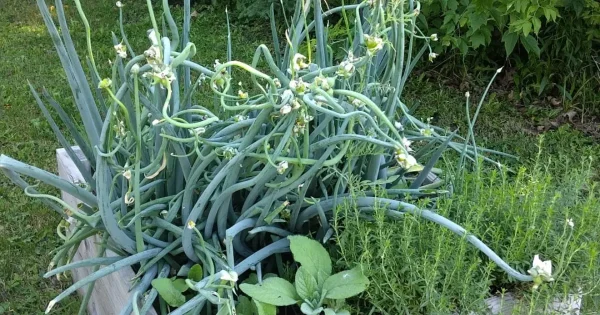
Growing Walking Onions in Containers: The Ultimate Guide
Have you ever looked at your small balcony or cramped patio and wished you could [...]
Feb

9 Best Flower Seeds to Start in February for Early Blooms
If you’re a passionate gardener, you know that itchy feeling in your fingers when February [...]
Jan
Reviews
There are no reviews yet.