
Mango Tree Live Plant – Sweet Yellow Mango, 8-12” Tall Tropical Fruit Tree in Gallon Pot, Outdoor/Indoor
Original price was: $79.98.$71.98Current price is: $71.98.
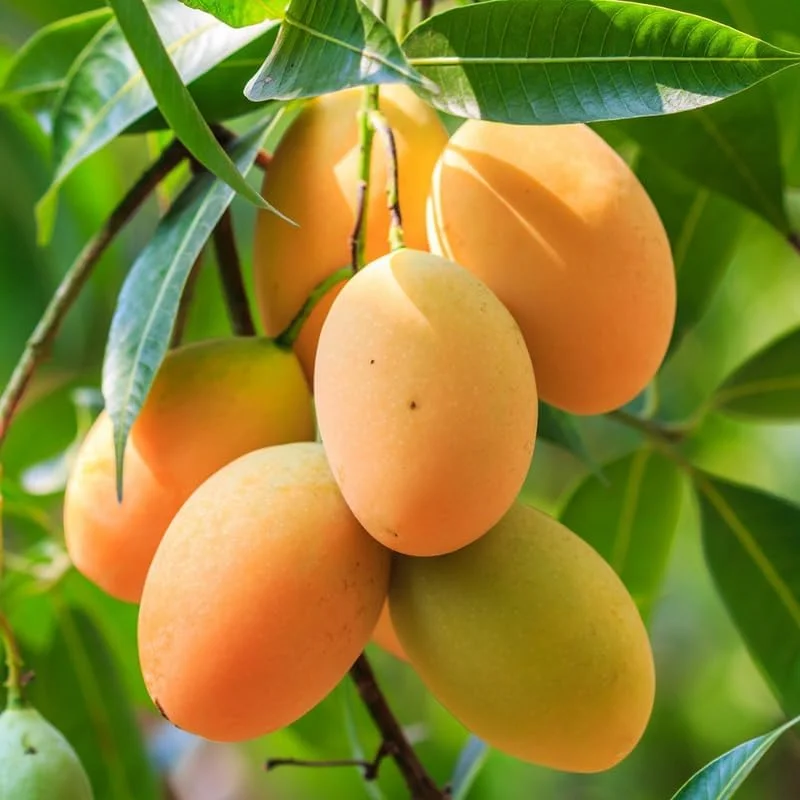
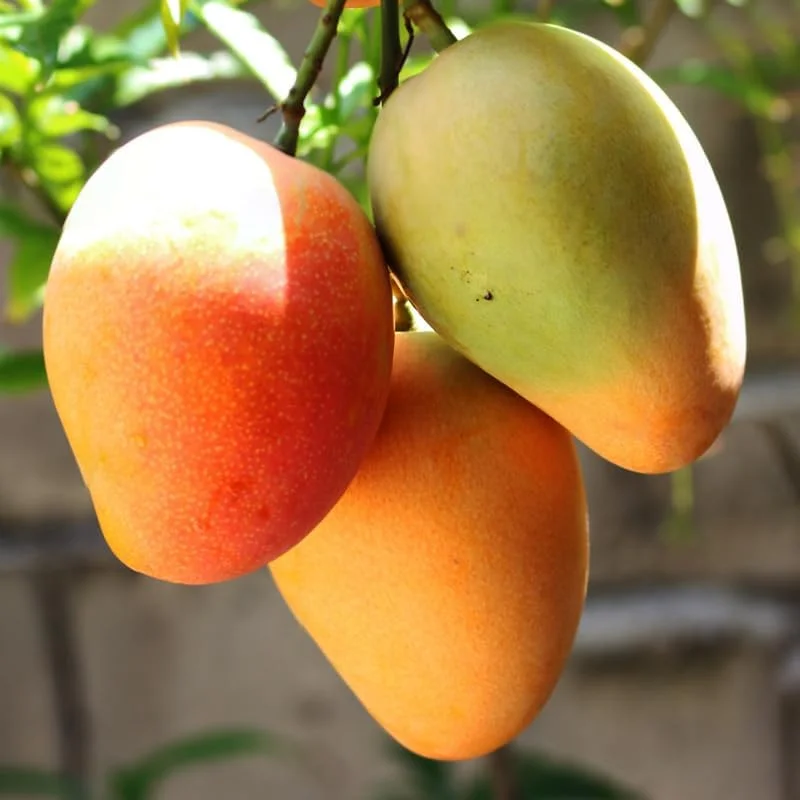
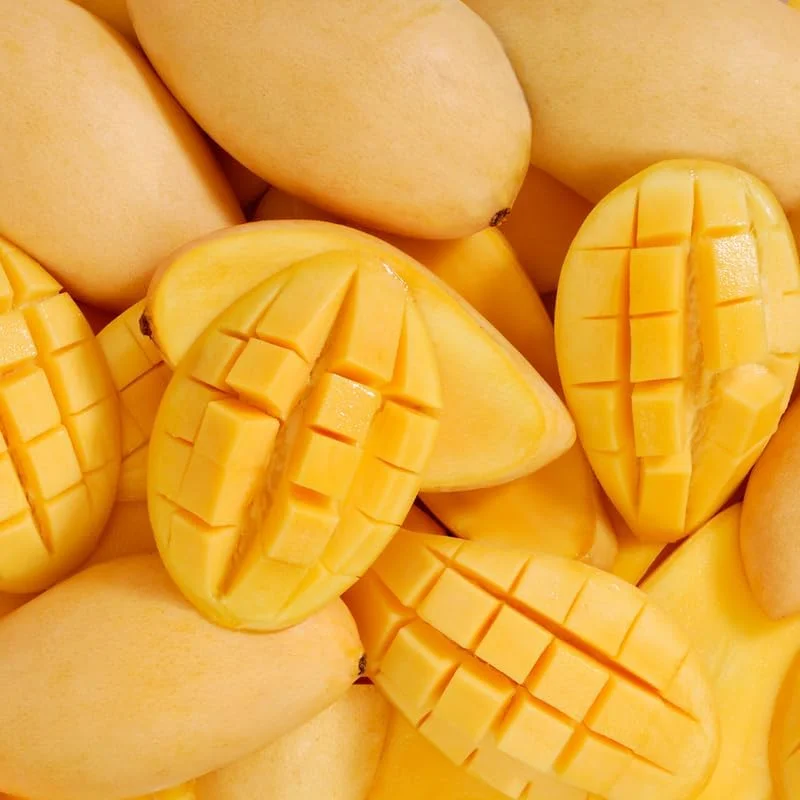
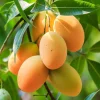
Cultivate your own delicious fruit with this mango tree live plant. This 8-12 inch tall tropical fruit tree is ready for planting in your garden or a large container. Enjoy sweet yellow mangoes from your own backyard!
Shipping and Return policies:
We stand behind our plants with our Alive & Thrive Guarantee. If you experience any issues within the first 30 days, please email us, and our team will be happy to help. When needed, we’ll send you a one-time replacement free of charge to make sure your garden keeps growing strong.

Reasonable Price
We offer reasonable price

Support 24/7
Contact us 24 hrs a day
100% Money Back
You’ve 30 days to Return
Payment Secure
100% secure payment
Overview
Bring a taste of the tropics to your home with this vibrant mango tree live plant. This young yet robust plant is perfect for enthusiasts looking to grow their own sweet yellow mangoes. Originating from tropical regions, mango trees (Mangifera indica) are renowned for their juicy, aromatic fruit and lush, evergreen foliage. This particular specimen is approximately 8 months old and stands 8-12 inches tall, making it an ideal starter plant for both experienced gardeners and those new to growing tropical fruit trees. Whether you envision it as a focal point in your outdoor landscape or a cherished container plant, this mango tree promises to deliver a rewarding gardening experience.
Growing your own mangoes offers the unparalleled satisfaction of harvesting fresh, delicious fruit right from your garden. This tropical fruit tree is not only a producer of delectable treats but also adds significant aesthetic value with its glossy leaves and potential for beautiful blooms. With proper care, this plant will mature into a productive tree, providing a continuous supply of your favorite fruit for years to come. Start your tropical orchard journey today with this magnificent mango tree.
Key Benefits
Investing in a mango tree live plant offers a multitude of benefits, from fresh fruit to a touch of tropical beauty. Enjoy the unique advantages this plant brings to your garden and home:
- Fresh, Homegrown Fruit: Harvest your own sweet, juicy mangoes directly from your tree. There’s nothing quite like the taste of a fresh mango picked at its peak ripeness, free from commercial handling.
- Tropical Aesthetic Appeal: With its lush green foliage, a sweet yellow mango plant adds an exotic, vibrant touch to any garden or patio. It creates a beautiful, living focal point that enhances your outdoor living space.
- Container Growing Potential: This compact tree is ideal for container growing, making it suitable for smaller gardens, patios, or even growing indoors during cooler months. This flexibility allows you to enjoy a tropical fruit tree regardless of your space constraints.
- Rewarding Gardening Experience: Nurturing a tropical fruit tree from a young plant to a fruit-bearing specimen is incredibly satisfying. It connects you with nature and provides a tangible reward for your efforts.
- Health Benefits: Mangoes are rich in vitamins, minerals, and antioxidants, contributing to a healthy diet. Having them readily available encourages fresh fruit consumption.
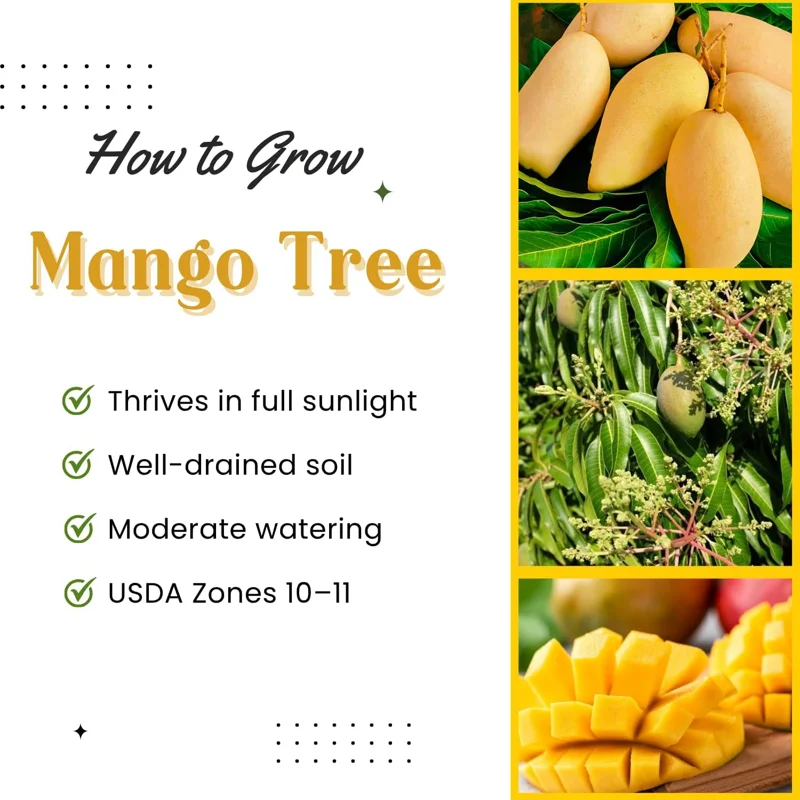
- Adaptability: While thriving in USDA Hardiness Zones 10-11 for outdoor planting, this mango tree live plant can also be successfully grown indoors in colder climates, allowing more gardeners to enjoy this tropical delight.
- Long-Term Investment: A well-cared-for mango tree can live for many decades, providing a continuous source of fruit and beauty for generations.
Plant Care & Growing Tips
Caring for your mango tree live plant requires attention to its specific needs, especially concerning sunlight, water, and soil. To ensure your sweet yellow mango plant thrives, provide it with plenty of warmth and light. Mango trees prefer full sun exposure, meaning at least 6-8 hours of direct sunlight per day. If growing indoors, place it near a south-facing window or supplement with a grow light to ensure it receives adequate illumination. Good air circulation is also important to prevent fungal diseases, especially in humid conditions.
When it comes to watering, moderate watering is key. Allow the top few inches of soil to dry out completely between waterings to prevent root rot, which mango trees are susceptible to. During hot, dry periods, you may need to water more frequently. Ensure your pot has excellent drainage if growing in a container. For soil, a well-draining, slightly acidic to neutral soil mix is ideal. A mix designed for citrus or tropical plants often works well. Fertilize your tropical fruit tree with a balanced fertilizer formulated for fruit trees during the growing season (spring and summer), following the product’s instructions. Reduce fertilization in fall and winter when the plant’s growth slows.
Protect your mango tree from cold temperatures. If you live outside USDA Zones 10-11, bring your potted plant indoors before the first frost. Indoors, ensure it still receives ample light. Pruning is generally done to shape the tree, remove dead or diseased branches, and encourage fruit production. The best time for pruning is after the fruiting season. Keep an eye out for common pests like aphids or scale insects and treat them promptly with organic insecticidal soap if necessary. Consistent care will lead to a healthy and productive mango tree live plant.
Size & Details
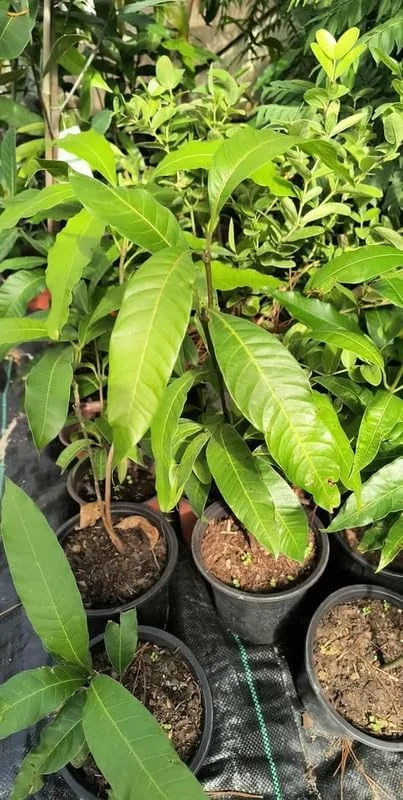
This mango tree live plant arrives as a young, actively growing specimen, approximately 8 months old. It stands between 8-12 inches tall, measured from the base of the pot to the tip of the highest leaf. The plant is shipped in a gallon pot, providing it with a healthy root system and enough space to establish itself before transplanting. Mango trees are known for their moderate growth rate, and with optimal conditions, this young plant will steadily increase in size. While it may take a few years for the tree to begin producing fruit, the journey of nurturing a sweet yellow mango plant to maturity is incredibly rewarding.
This tropical fruit tree is suitable for long-term growth in a larger container or for planting directly into the ground in appropriate climates (USDA Zones 10-11). When grown in containers, its overall size can be managed through pruning, making it a versatile addition to various garden setups. The plant will continue to develop a strong root system and branch structure, laying the foundation for future fruit production. The exact number of mangoes produced will vary based on age, care, and environmental conditions, but a healthy, mature tree can yield a significant harvest.
Frequently Asked Questions
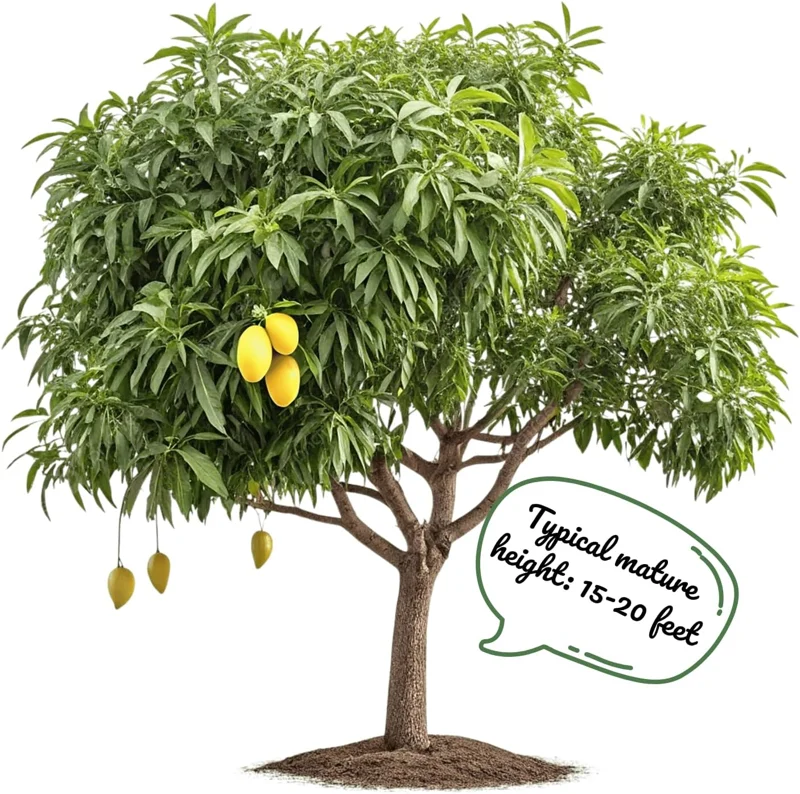
- Q: How big does this mango tree live plant get? A: This plant is currently 8-12 inches tall. When planted in the ground in ideal conditions, mango trees can grow quite large, often reaching 30-60 feet. However, when grown in a container, its size can be kept much more manageable through regular pruning, often staying under 10-15 feet.
- Q: Is this an indoor or outdoor plant? A: This tropical fruit tree thrives outdoors in USDA Hardiness Zones 10-11. In colder climates, it can be grown outdoors during warm months and brought indoors as a potted plant during cooler periods to protect it from frost.
- Q: How much sunlight does my sweet yellow mango plant need? A: Mango trees require full sun, meaning at least 6 to 8 hours of direct sunlight per day. If growing indoors, place it in the brightest available window, preferably south-facing, or use supplemental grow lights.
- Q: Is this plant easy to care for? A: While tropical plants require specific conditions, caring for a mango tree live plant is generally considered moderate in difficulty. Providing consistent sunlight, appropriate watering, and protection from cold are the main requirements.
- Q: What condition will it arrive in? A: Your mango tree live plant will arrive carefully packaged in a gallon pot, ready for planting or continued container growth. We ensure the plant is healthy and well-hydrated for its journey.
- Q: When is the best time to plant a mango tree? A: For outdoor planting in suitable zones, spring or early summer is ideal, allowing the plant to establish itself before extreme heat or cold. Potted plants can be transplanted any time indoors.
- Q: What’s the minimum temperature this tropical fruit tree can tolerate? A: Mango trees are sensitive to cold. They can tolerate brief drops to around 30-32°F (-1 to 0°C) but extended periods below 40°F (4°C) can cause damage. It’s best to bring them indoors when temperatures consistently fall below 50°F (10°C).
- Q: How long until my mango tree live plant produces fruit? A: Typically, a young mango tree grown from a small plant can start producing fruit within 3-5 years, though it can sometimes take longer depending on variety and growing conditions.
- Q: What kind of soil does a mango tree prefer? A: Mango trees prefer well-draining soil that is slightly acidic to neutral (pH 6.0-7.0). A good quality potting mix enriched with compost or perlite for drainage works well for container growing.
- Q: Can I grow this sweet yellow mango plant from seed? A: While mangoes can be grown from seed, plants grown this way may not produce fruit true to the parent tree and can take much longer to fruit. This live plant offers a head start with a known variety.
Be the first to review “Mango Tree Live Plant – Sweet Yellow Mango, 8-12” Tall Tropical Fruit Tree in Gallon Pot, Outdoor/Indoor”
You must be logged in to post a review.
People also Viewed
Sold 50 products
Original price was: $17.58.$11.86Current price is: $11.86.
Sold 50 products
Price range: $32.99 through $35.99
Sold 50 products
$69.99
Sold 50 products
$18.99
Sold 50 products
Price range: $14.98 through $23.89
Sold 50 products
$32.99
Sold 50 products
$24.99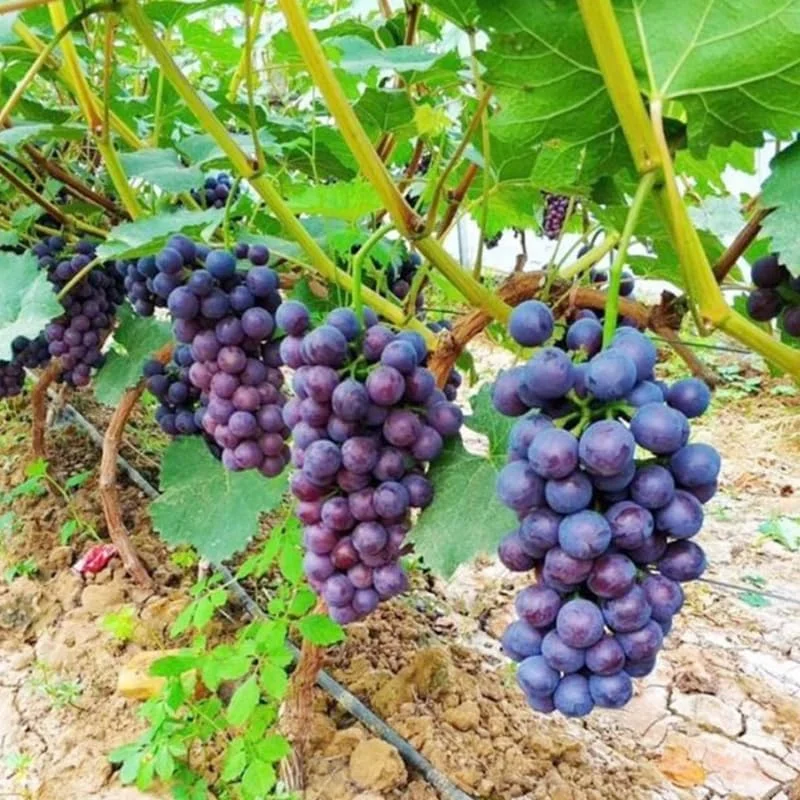
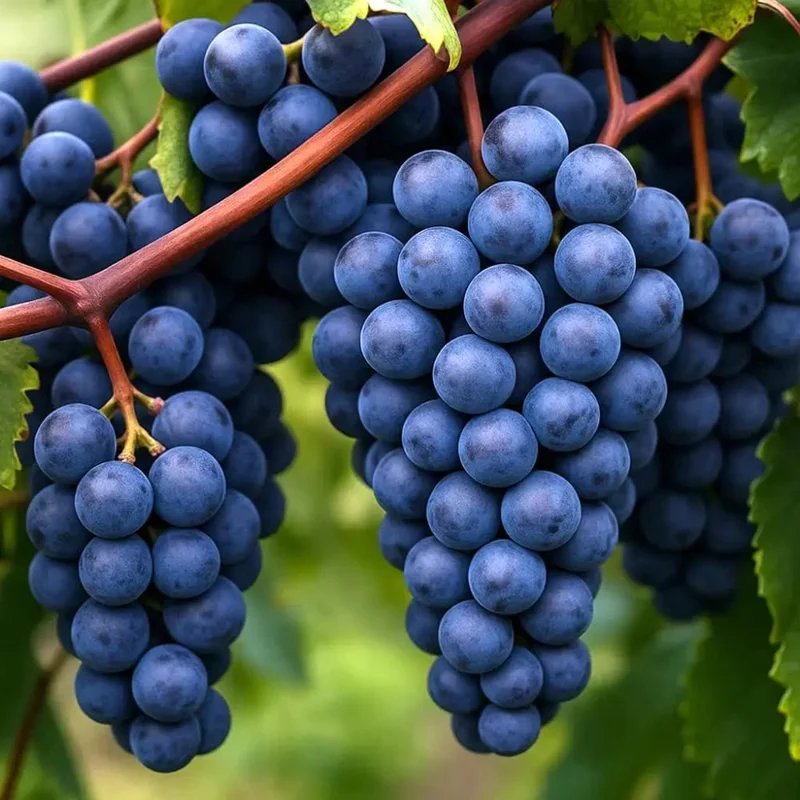
Sold 50 products
Price range: $43.99 through $44.99RELATED posts
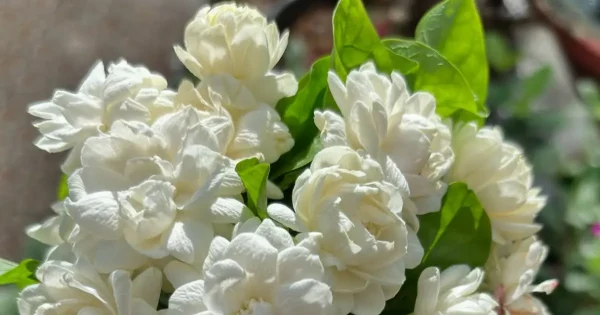
Top 7 Best Smelling Jasmine Varieties for a Heavenly Garden
Have you ever walked past a house and caught a scent so sweet you just [...]
Mar
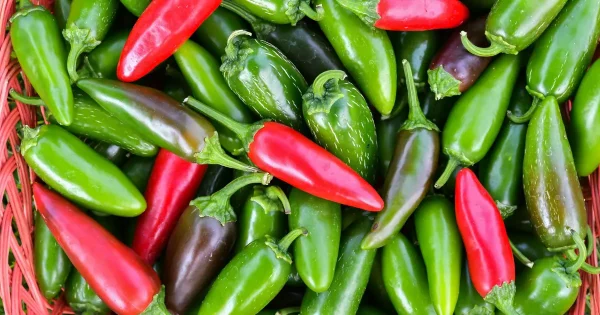
Master the Heat: 8 Expert Tips for Growing Jalapeños Like a Pro
Are you staring at your garden space, wondering why your pepper plants look more like [...]
Mar
Top 5 Must-Have Hoya Varieties for Beginners
Hoyas are easily one of my top recommendations if you’re hunting for a low-maintenance houseplant [...]
Mar
7 Moringa Plant Care Mistakes to Avoid for Healthy Growth
Have you ever looked at your Moringa tree and wondered why its once vibrant green [...]
Feb
How to Grow Potato Onions From True Seeds: A Step-by-Step Guide
Have you ever wondered how to grow potato onions from true seeds or why some [...]
Feb
Growing Walking Onions in Containers: The Ultimate Guide
Have you ever looked at your small balcony or cramped patio and wished you could [...]
Feb
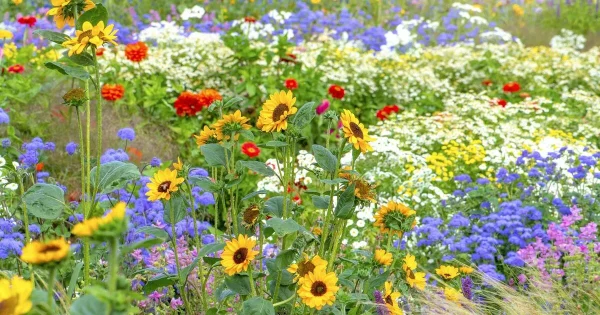
9 Best Flower Seeds to Start in February for Early Blooms
If you’re a passionate gardener, you know that itchy feeling in your fingers when February [...]
Jan
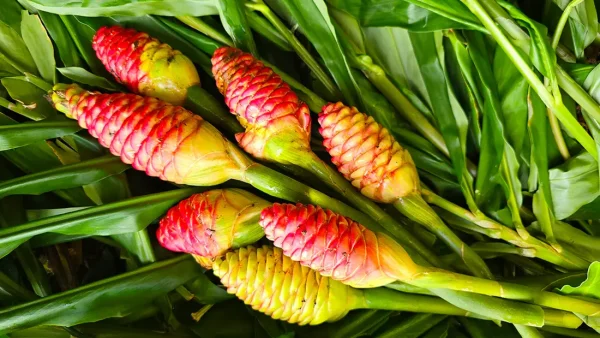
Growing Shampoo Ginger in Pots: Easy Guide to Potting Ginger Lilies
Are you looking to add a touch of exotic beauty to your home while growing [...]
Jan
Reviews
There are no reviews yet.