
Lithops Living Stones Colorful Succulent Live Plant – Unique Indoor Decor
Price range: $9.43 through $37.78
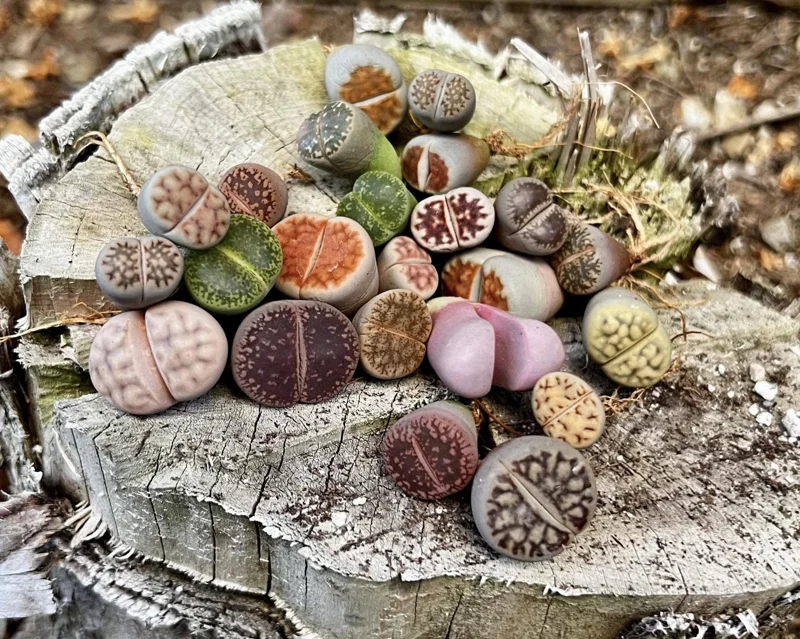
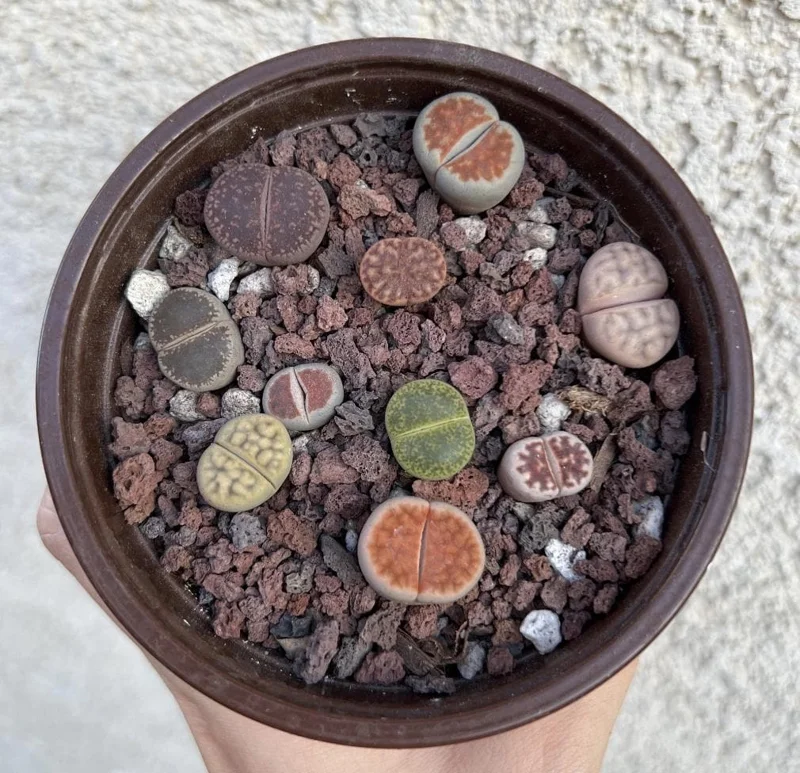
Bring a touch of unique natural beauty to your home with Lithops Living Stones. These fascinating colorful succulents mimic pebbles, offering an intriguing, low-maintenance addition to any indoor plant collection. Perfect for bright, sunny spots.
Shipping and Return policies:
We stand behind our plants with our Alive & Thrive Guarantee. If you experience any issues within the first 30 days, please email us, and our team will be happy to help. When needed, we’ll send you a one-time replacement free of charge to make sure your garden keeps growing strong.

Reasonable Price
We offer reasonable price

Support 24/7
Contact us 24 hrs a day
100% Money Back
You’ve 30 days to Return
Payment Secure
100% secure payment
Overview
Introduce an extraordinary botanical marvel into your collection with Lithops Living Stones, often affectionately known as “living stones.” These remarkable colorful succulents are native to the arid landscapes of southern Africa, where their pebble-like appearance serves as a natural camouflage, protecting them from herbivores. Each Lithops plant typically consists of a single pair of thick, fused leaves, separated by a central slit from which new growth emerges annually. These leaves are master water-storage organs, enabling the plant to thrive in drought conditions and grow at an exceptionally slow pace. Ideal for collectors and enthusiasts seeking a truly unique and conversation-starting plant, Lithops offer unparalleled beauty and resilience for indoor environments.
Cultivating Lithops Living Stones is a rewarding experience, revealing their subtle charm and surprising resilience. They are a testament to nature’s ingenuity, providing a miniature landscape element that requires minimal intervention once its specific needs are understood. Their unique form and adaptation make them a fascinating subject for any plant lover.
Key Benefits
Lithops Living Stones offer a variety of benefits, making them an excellent choice for both novice and experienced plant enthusiasts. Their distinctive appearance and easy care requirements contribute to their growing popularity:
- Unique Aesthetic Appeal: These plants are truly eye-catching, resembling colorful stones or pebbles, adding an unusual and intriguing element to any indoor decor. Their camouflage makes them a fascinating natural wonder.
- Low Maintenance: Once their basic needs for light and watering are met, Lithops Living Stones require very little ongoing care. They are perfect for busy individuals or those new to plant keeping.
- Drought Tolerant: Thanks to their water-storing leaves, Lithops can endure long periods without water, making them highly resilient and forgiving if you occasionally forget to water.
- Compact Size: Their small, unobtrusive size makes them ideal for windowsills, desks, or terrariums, fitting perfectly into small spaces without overcrowding.
- Surprising Blooms: Despite their stone-like appearance, mature Lithops can produce beautiful, daisy-like flowers in white or yellow, emerging from the central slit, adding an unexpected splash of color and delicacy.
- Educational Value: Growing colorful succulents like Lithops provides a unique opportunity to observe plant adaptation and evolution firsthand, making them a great educational tool.
- Long Lifespan: With proper care, these resilient plants can live for many years, becoming long-term companions in your indoor garden.
Plant Care & Growing Tips
Proper care is crucial for the success of your Lithops Living Stones. These unique succulents thrive under specific conditions that mimic their natural desert habitat. The most critical aspect of caring for a living stone plant care regimen is understanding its watering needs, as overwatering is the most common cause of failure. Lithops have distinct growth and dormancy cycles that dictate when and how much to water.
Sunlight Requirements: Lithops demand bright light, ideally full sun for at least 4-5 hours a day. An east or south-facing window is usually best for indoor lithops. If natural light is insufficient, consider supplementing with a grow light to ensure they receive adequate illumination, which is vital for their health and flowering. Insufficient light can lead to etiolation, causing the plants to stretch and lose their compact, stone-like form.
Watering Schedule & Soil Moisture: This is where most beginners go wrong. Lithops have very specific watering needs, dictated by their growth cycle. Generally, water only when the old leaves have completely shriveled and been absorbed by the new growth, and the new leaves show signs of wrinkling or softness. During their dormant periods (often summer and winter), watering should be minimal to none. When you do water, soak the soil thoroughly, but ensure it drains completely. Allow the soil to dry out completely between waterings. Never water if the old leaves are still plump, as this can lead to rot.
Soil Type and Drainage: Excellent drainage is non-negotiable. Use a very gritty, well-draining succulent or cactus mix, or create your own by mixing potting soil with a high percentage of pumice, perlite, or coarse sand. The pot itself should have drainage holes to prevent water from sitting at the bottom.
Temperature Range and USDA Hardiness Zone: Lithops prefer warm temperatures during their active growing season, typically between 65-80°F (18-27°C). They can tolerate cooler temperatures down to about 50°F (10°C) during dormancy, but frost should be avoided. As they are primarily indoor plants, specific USDA zones are less relevant, but they generally align with zones 9-11 if grown outdoors in very arid, protected environments. Protect them from extreme heat and cold.
Fertilization: Lithops are not heavy feeders. Fertilize very sparingly, if at all, during their active growing period (usually fall to spring, depending on species) with a highly diluted low-nitrogen succulent fertilizer. Over-fertilizing can lead to excessive growth and compromise their natural form.
Common Problems: The most frequent issue is overwatering, leading to rot. Signs include mushy leaves or sudden collapse. Underwatering is less common but can cause excessive shriveling or failure to grow. Pests are rare but can include mealybugs; treat any infestations promptly with rubbing alcohol or insecticidal soap. Providing adequate light and proper watering is the best defense against most problems.
Size & Details
Our Lithops Living Stones are shipped as healthy, established live plants, carefully selected to ensure their vibrant health upon arrival. Each plant typically consists of a single or sometimes a double pair of fused leaves, showcasing their characteristic pebble-like appearance. While exact dimensions can vary, individual plants generally range from 0.5 to 1.5 inches in diameter, making them perfectly sized for small pots, succulent arrangements, or terrariums. They are slow-growing plants, meaning they will maintain their compact size for extended periods, requiring minimal repotting. These succulent pebbles are known for their longevity, often living for many years with proper care. They are shipped without a pot, with their roots carefully wrapped to protect them during transit, ready for you to plant in your preferred well-draining medium.
Frequently Asked Questions
- Q: How big does this plant get? A: Lithops Living Stones are very compact plants, typically growing to about 0.5 to 1.5 inches in diameter. They are slow growers and will maintain their small size for many years, making them ideal for small spaces.
- Q: What size pot does it come in? A: Our Lithops are shipped as bare-root plants to ensure their health during transit. You will need to provide a small pot (generally 2-4 inches in diameter) with excellent drainage.
- Q: Is this an indoor or outdoor plant? A: While they can tolerate outdoor conditions in very specific arid climates (USDA zones 9-11 with protection), indoor lithops are generally recommended for most climates due to their specific light and watering needs, allowing for better control over their environment.
- Q: How much sunlight does it need? A: Lithops require a significant amount of bright, direct sunlight for at least 4-5 hours daily. A south-facing window is often ideal. Insufficient light can cause them to stretch and lose their unique form.
- Q: Is this plant easy to care for? A: Lithops are considered moderately easy to care for, provided you understand their unique watering cycle. The key to successful living stone plant care is to avoid overwatering and provide ample light.
- Q: What condition will it arrive in? A: Your Lithops will arrive as a healthy, bare-root plant, carefully packaged to minimize stress during shipping. It will be ready for immediate planting in your chosen gritty soil mix.
- Q: Is it shipped in soil? A: No, to ensure the best health and prevent rot during transit, our Lithops are shipped bare-root, meaning without soil or a pot. This allows you to plant them directly into your preferred well-draining substrate.
- Q: How long until it blooms? A: Mature Lithops typically bloom in the fall or early winter, producing small, daisy-like flowers. The exact timing can vary based on species and growing conditions, but healthy plants usually bloom annually once mature.
- Q: When is the best time to plant? A: Lithops can be planted year-round indoors. However, planting during their active growth period (often fall or spring, depending on species) can help them establish more quickly.
- Q: What’s the minimum temperature it can tolerate? A: Lithops prefer temperatures above 50°F (10°C). They are not frost-tolerant and should be protected from freezing temperatures.
- Q: Are these plants truly colorful? A: Yes, colorful succulents like Lithops come in a remarkable array of colors, patterns, and textures, including shades of green, brown, red, purple, and gray, often with intricate markings that enhance their camouflage as succulent pebbles.
| Count | 10 Lithops, 20 Lithops, 30 Lithops, 5 Lithops |
|---|
Be the first to review “Lithops Living Stones Colorful Succulent Live Plant – Unique Indoor Decor”
You must be logged in to post a review.
People also Viewed
Sold 50 products
Original price was: $17.58.$11.86Current price is: $11.86.
Sold 50 products
Price range: $32.99 through $35.99
Sold 50 products
$69.99
Sold 50 products
$18.99
Sold 50 products
Price range: $14.98 through $23.89
Sold 50 products
$32.99
Sold 50 products
$24.99
Sold 50 products
Price range: $43.99 through $44.99RELATED posts
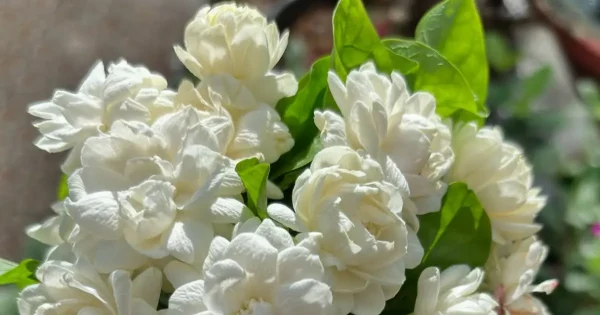
Top 7 Best Smelling Jasmine Varieties for a Heavenly Garden
Have you ever walked past a house and caught a scent so sweet you just [...]
Mar
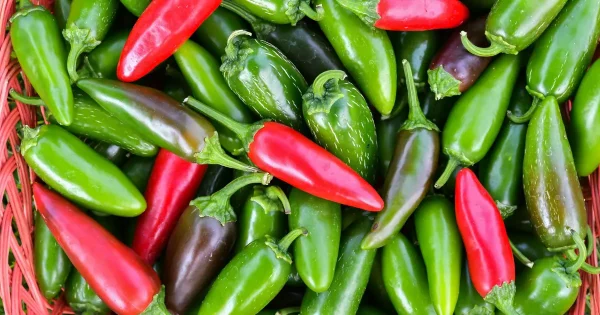
Master the Heat: 8 Expert Tips for Growing Jalapeños Like a Pro
Are you staring at your garden space, wondering why your pepper plants look more like [...]
Mar
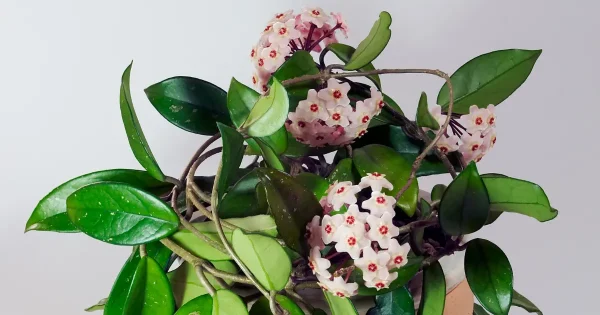
Top 5 Must-Have Hoya Varieties for Beginners
Hoyas are easily one of my top recommendations if you’re hunting for a low-maintenance houseplant [...]
Mar
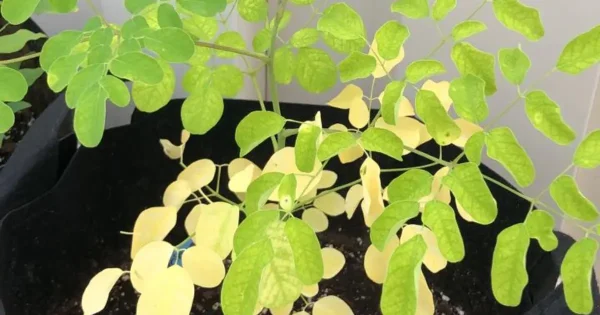
7 Moringa Plant Care Mistakes to Avoid for Healthy Growth
Have you ever looked at your Moringa tree and wondered why its once vibrant green [...]
Feb
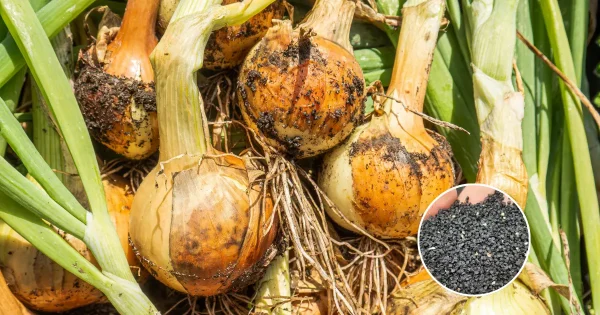
How to Grow Potato Onions From True Seeds: A Step-by-Step Guide
Have you ever wondered how to grow potato onions from true seeds or why some [...]
Feb
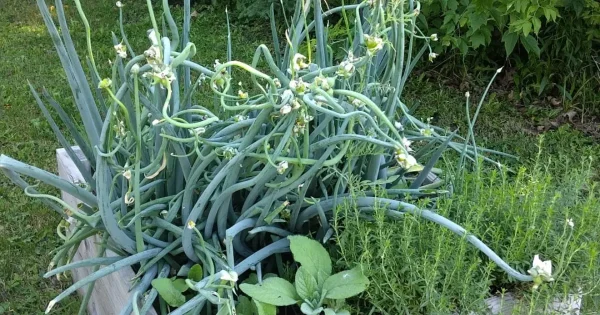
Growing Walking Onions in Containers: The Ultimate Guide
Have you ever looked at your small balcony or cramped patio and wished you could [...]
Feb

9 Best Flower Seeds to Start in February for Early Blooms
If you’re a passionate gardener, you know that itchy feeling in your fingers when February [...]
Jan
Growing Shampoo Ginger in Pots: Easy Guide to Potting Ginger Lilies
Are you looking to add a touch of exotic beauty to your home while growing [...]
Jan
Reviews
There are no reviews yet.