
Lemon Mint Seeds – Monarda citriodora – 250 Seeds – Citrus Scented Blooms
Original price was: $31.99.$11.99Current price is: $11.99.
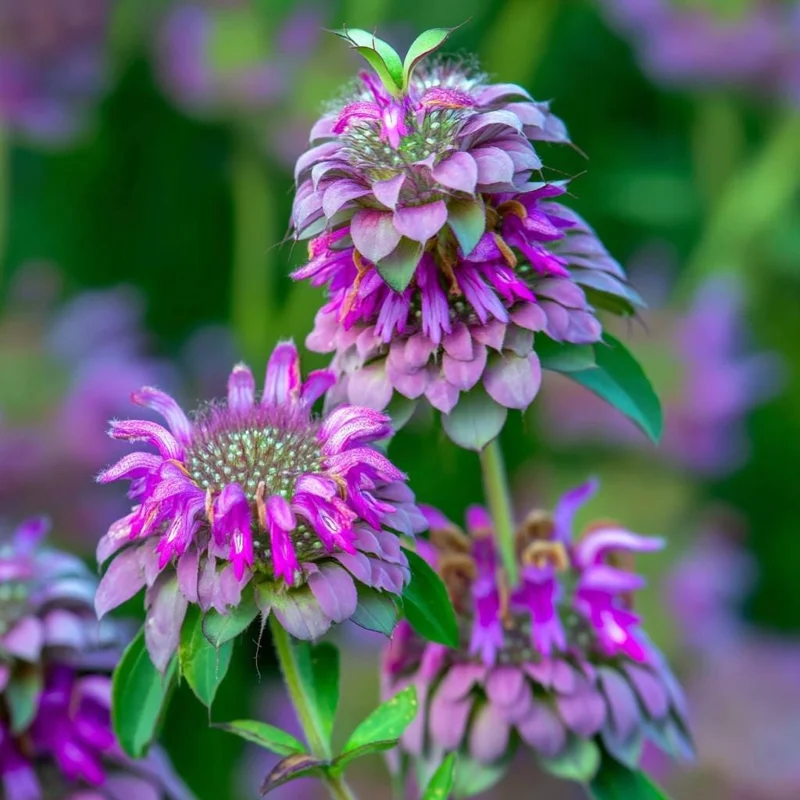
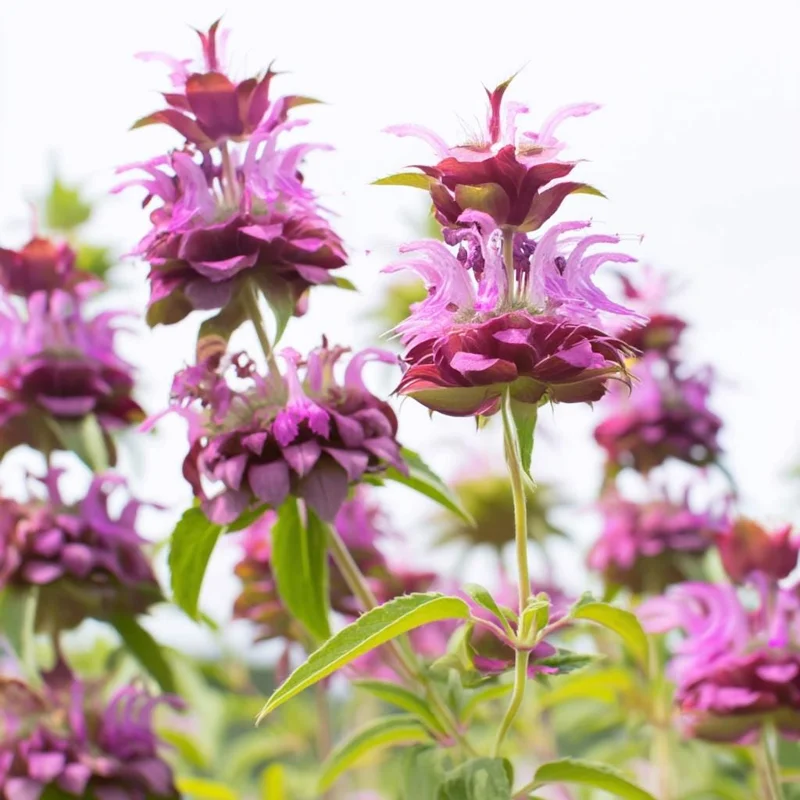
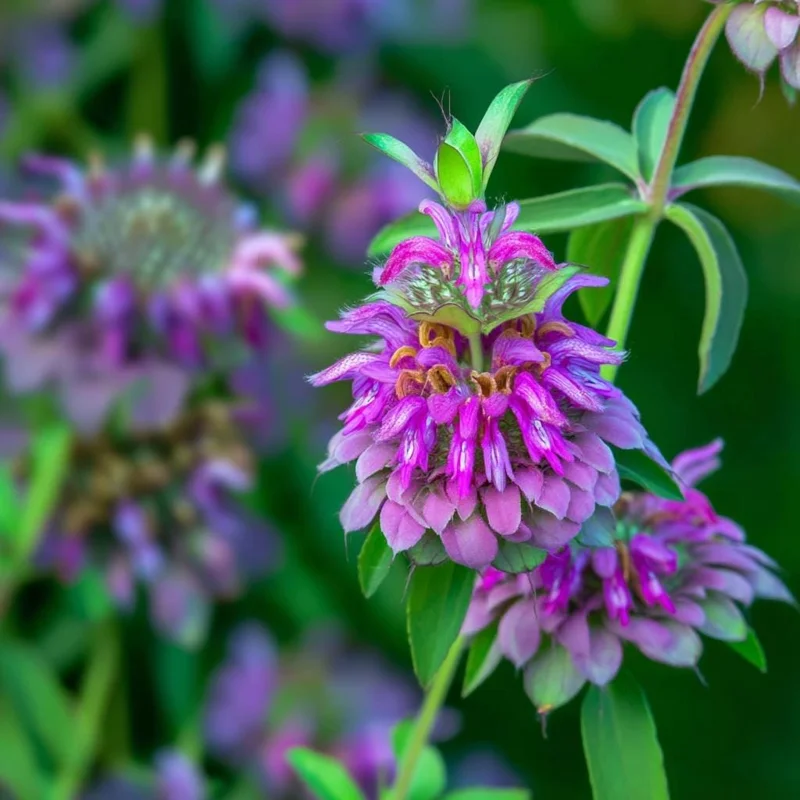
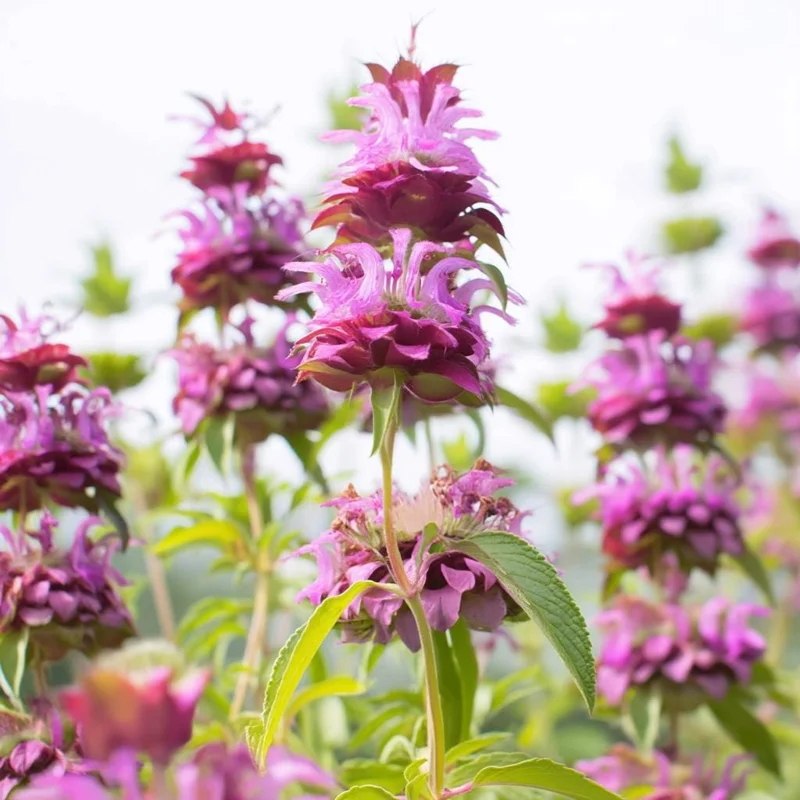
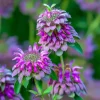
Cultivate fragrant lemon mint seeds (Monarda citriodora) in your garden. These easy-to-grow annual herb seeds produce beautiful lavender-purple flowers with a delightful citrus aroma, attracting bees, butterflies, and hummingbirds. Perfect for pollinator gardens and herbal uses.
Shipping and Return policies:
We stand behind our plants with our Alive & Thrive Guarantee. If you experience any issues within the first 30 days, please email us, and our team will be happy to help. When needed, we’ll send you a one-time replacement free of charge to make sure your garden keeps growing strong.

Reasonable Price
We offer reasonable price

Support 24/7
Contact us 24 hrs a day
100% Money Back
You’ve 30 days to Return
Payment Secure
100% secure payment
Overview
Discover the joy of growing lemon mint seeds, also known as Lemon Bee Balm or Purple Horsemint (Monarda citriodora). This fragrant annual herb is cherished for its distinctive citrus-like aroma and beautiful whorls of lavender-purple flowers. A true delight for both gardeners and local wildlife, lemon mint seeds are a fantastic choice for attracting a vibrant array of pollinators, including bees, butterflies, and hummingbirds, making your garden a lively sanctuary. These hardy plants are not only visually appealing but also offer a delightful fragrance that enhances any outdoor space. With its upright growth habit and a long blooming period, Lemon Mint adds both beauty and aromatic charm, thriving effortlessly in hot, dry climates with minimal care requirements.
Our high-quality monarda citriodora seeds provide an excellent opportunity to introduce this versatile herb into your home garden. Whether you’re an experienced horticulturist or a budding beginner, these seeds offer a rewarding growing experience. The captivating blooms and aromatic foliage make Lemon Mint a standout addition to pollinator gardens, wildflower meadows, and dedicated herb beds, ensuring a bountiful display throughout the season.
Key Benefits
Growing lemon mint seeds offers a variety of advantages for your garden and well-being. This versatile plant provides both aesthetic appeal and practical uses, making it a valuable addition to any green space. Experience the following benefits:
- Attracts Pollinators: The vibrant lavender-purple flowers are a magnet for bees, butterflies, and hummingbirds, significantly boosting biodiversity in your garden and supporting local ecosystems.
- Delightful Aroma: Enjoy the refreshing citrus-like scent emitted by the foliage and blooms, perfect for enhancing your garden’s ambiance or for use in potpourri.
- Drought Tolerant: Once established, lemon mint seeds grow into plants that are highly tolerant of heat and drought, requiring minimal watering and making them ideal for low-maintenance gardening.
- Versatile Use: Beyond its ornamental value, Lemon Mint can be used for herbal teas, culinary applications, and as a fragrant addition to cut flower arrangements.
- Easy to Grow: These annual seeds are straightforward to sow and care for, making them suitable for gardeners of all skill levels who wish to grow lemon mint.
- Long Blooming Period: Provides continuous color and fragrance throughout the growing season, ensuring your garden remains vibrant for an extended period.
- Aesthetic Appeal: The unique whorled flower structure and upright growth habit add architectural interest and a touch of wild beauty to cottage gardens, prairie plantings, and mixed borders.
Plant Care & Growing Tips
To successfully grow lemon mint from our lemon mint seeds, follow these detailed care instructions. Lemon Mint thrives in conditions that mimic its natural habitat. For optimal growth, sow seeds directly outdoors in early spring after the last frost has passed. Alternatively, you can start seeds indoors 6–8 weeks before the anticipated last frost date to get a head start on the growing season. When sowing, press the small seeds lightly into the soil surface without covering them, as they require light for proper germination. Maintain consistent soil moisture and warmth, ideally between 65–70°F (18–21°C). Germination typically occurs within 10–20 days, revealing tiny seedlings ready to embark on their journey.
Once the seedlings are established and strong enough to handle, thin or transplant them to stand about 12–18 inches apart. This spacing is crucial to allow for good airflow, preventing fungal issues and promoting healthy, robust growth. Lemon Mint has a strong preference for full sun exposure, meaning it needs at least 6 hours of direct sunlight per day. It also requires well-drained soil; soggy conditions can lead to root rot. Once established, Lemon Mint is remarkably tolerant of heat and drought, making it an excellent choice for xeriscaping or gardens in arid regions. Water moderately, allowing the soil to dry slightly between waterings rather than keeping it constantly wet. Deadheading spent blooms will encourage continuous flowering throughout the season and can help prevent prolific self-seeding if you wish to control its spread. This attention will ensure your lemon bee balm seeds mature into beautiful, thriving plants.
For those looking to cultivate these vibrant plants, understanding the specific needs of purple horsemint seeds is key. While generally low-maintenance, a light application of a balanced fertilizer in early summer can encourage more vigorous growth and blooming. Monitor for common garden pests, though Lemon Mint’s strong aroma often deters many. Its adaptability makes it a resilient plant, suitable for a wide range of garden styles from formal herb gardens to wild, naturalized areas.
Size & Details
These lemon mint seeds will develop into annual plants that typically reach a height of 18-36 inches (45-90 cm) with a spread of 12-18 inches (30-45 cm). The upright growth habit creates a striking visual presence in the garden. Each packet contains 250 high-quality seeds, providing ample opportunity to establish a robust patch of Lemon Mint. The plants are known for their relatively fast growth rate, with blooms appearing from early summer through to fall, offering a long season of color and fragrance. The seeds are provided in a dried state, ready for planting upon arrival. Expect the plants to produce numerous whorls of lavender-purple flowers, each contributing to the overall beauty and pollinator attraction.
Frequently Asked Questions
- Q: How big does Lemon Mint get? A: Lemon Mint plants typically grow to a height of 18-36 inches (45-90 cm) with a spread of 12-18 inches (30-45 cm). Its upright habit makes it a good choice for vertical interest in your garden.
- Q: Is this an indoor or outdoor plant? A: While primarily an outdoor plant, lemon mint seeds can be started indoors and then transplanted outside. It thrives in full sun and well-drained soil in outdoor garden settings.
- Q: How much sunlight does Lemon Mint need? A: Lemon Mint prefers full sun, requiring at least 6 hours of direct sunlight per day for optimal growth and flowering. It can tolerate some partial shade but may have fewer blooms.
- Q: Is Lemon Mint easy to care for? A: Yes, Lemon Mint is considered an easy-to-care-for annual herb. It is drought-tolerant once established and requires minimal maintenance, making it suitable for beginner gardeners interested in grow lemon mint.
- Q: What condition will the seeds arrive in? A: The lemon mint seeds will arrive in a dried state, packaged to ensure freshness and viability, ready for you to sow according to the provided instructions.
- Q: Can I use Lemon Mint in cooking or for tea? A: Yes, Lemon Mint leaves and flowers have a pleasant citrus-mint flavor and can be used to make fragrant herbal teas or as a culinary herb to add a unique zest to dishes.
- Q: When is the best time to plant Lemon Mint seeds? A: The best time to plant lemon mint seeds outdoors is in early spring after the last frost. For an earlier start, you can sow them indoors 6-8 weeks before the last frost date.
- Q: Will Lemon Mint attract beneficial insects? A: Absolutely! The vibrant flowers of Lemon Mint are highly attractive to bees, butterflies, and hummingbirds, making it an excellent plant for supporting pollinators in your garden.
- Q: What type of soil does Lemon Mint prefer? A: Lemon Mint thrives in well-drained soil. It is tolerant of various soil types but will not perform well in constantly wet or waterlogged conditions.
- Q: Is Lemon Mint the same as Lemon Bee Balm? A: Yes, Lemon Mint is commonly known by several names, including Lemon Bee Balm and Purple Horsemint. Both refer to Monarda citriodora.
Be the first to review “Lemon Mint Seeds – Monarda citriodora – 250 Seeds – Citrus Scented Blooms”
You must be logged in to post a review.
People also Viewed
Sold 50 products
Original price was: $36.99.$16.99Current price is: $16.99.

Sold 50 products
Original price was: $31.99.$11.99Current price is: $11.99.
Sold 50 products
Original price was: $35.99.$15.99Current price is: $15.99.

Sold 50 products
Original price was: $31.99.$11.99Current price is: $11.99.
Sold 50 products
Original price was: $35.99.$15.99Current price is: $15.99.
Sold 50 products
Original price was: $31.99.$11.99Current price is: $11.99.
Sold 50 products
Original price was: $34.99.$14.99Current price is: $14.99.
Sold 50 products
Original price was: $31.99.$11.99Current price is: $11.99.RELATED posts
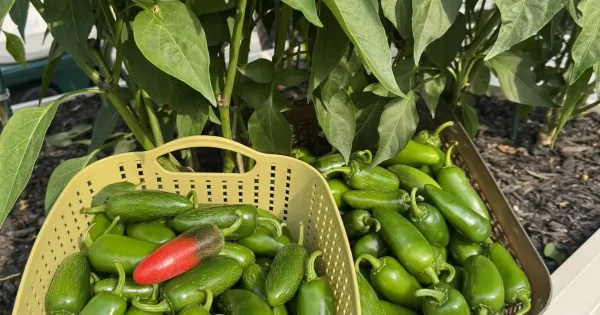
How to Grow Jalapeño Peppers From Seeds: A Step-by-Step Guide
Ready to spice things up in your garden? Jalapeños are the true life of the [...]
Apr
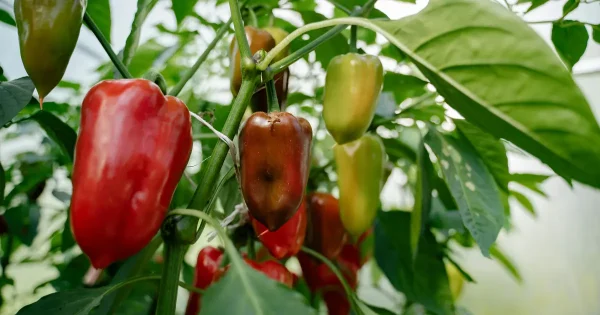
Top 12 Best Types of Peppers to Grow in Your Garden: Easy and High Yield
Growing peppers is, quite honestly, one of the biggest “wins” you can have in a [...]
Apr
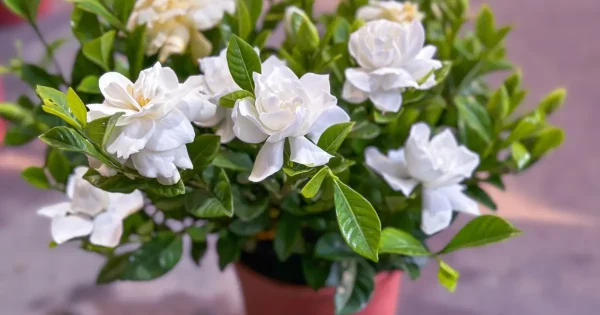
Frostproof Jasmine Care: 7 Tips for Successful Pot Growth
Most gardenias are known for being “divas.” They want perfect humidity, perfect soil, and they [...]
Mar
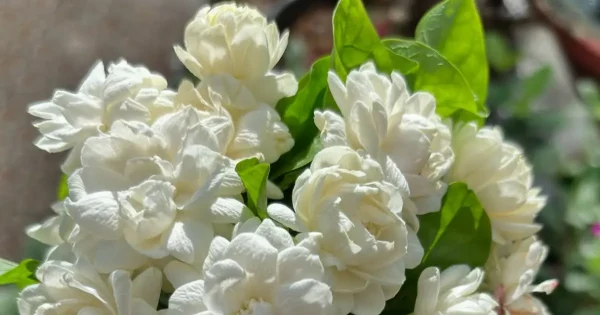
Top 7 Best Smelling Jasmine Varieties for a Heavenly Garden
Have you ever walked past a house and caught a scent so sweet you just [...]
Mar
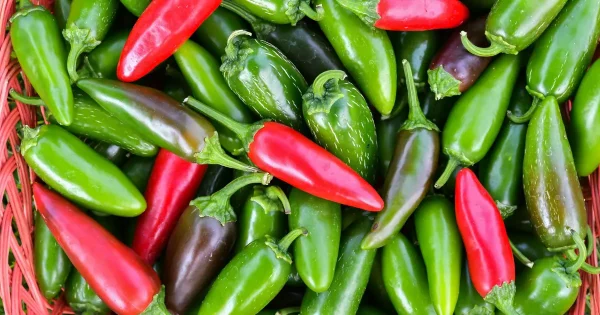
Master the Heat: 8 Expert Tips for Growing Jalapeños Like a Pro
Are you staring at your garden space, wondering why your pepper plants look more like [...]
Mar
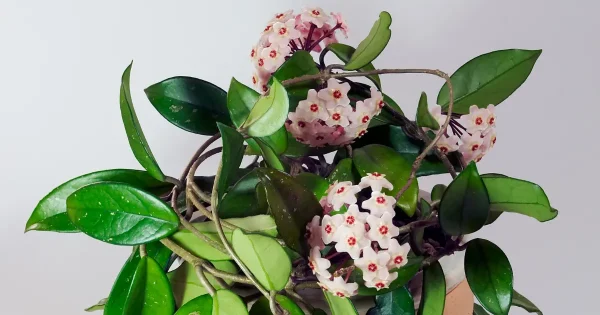
Top 5 Must-Have Hoya Varieties for Beginners
Hoyas are easily one of my top recommendations if you’re hunting for a low-maintenance houseplant [...]
Mar
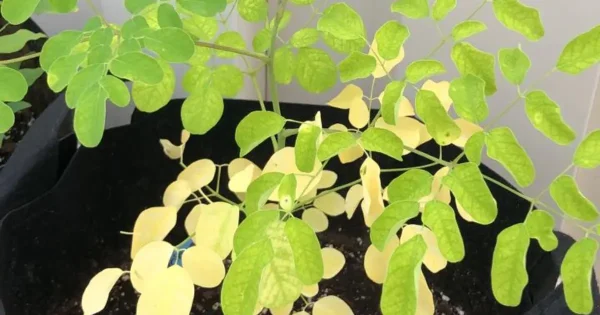
7 Moringa Plant Care Mistakes to Avoid for Healthy Growth
Have you ever looked at your Moringa tree and wondered why its once vibrant green [...]
Feb
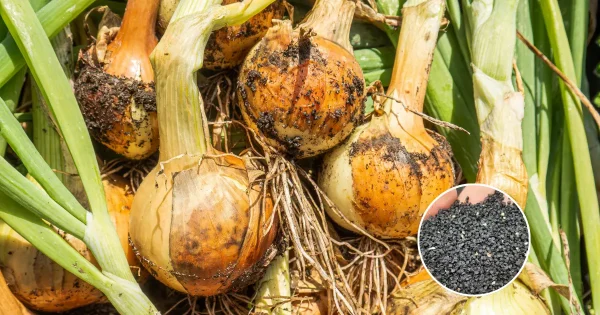
How to Grow Potato Onions From True Seeds: A Step-by-Step Guide
Have you ever wondered how to grow potato onions from true seeds or why some [...]
Feb

Reviews
There are no reviews yet.