
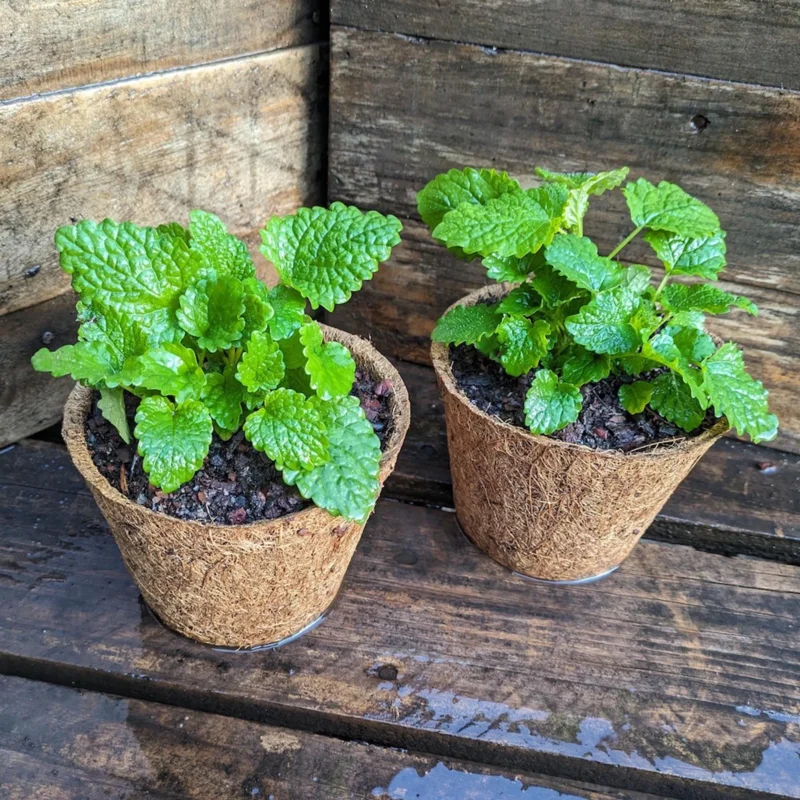
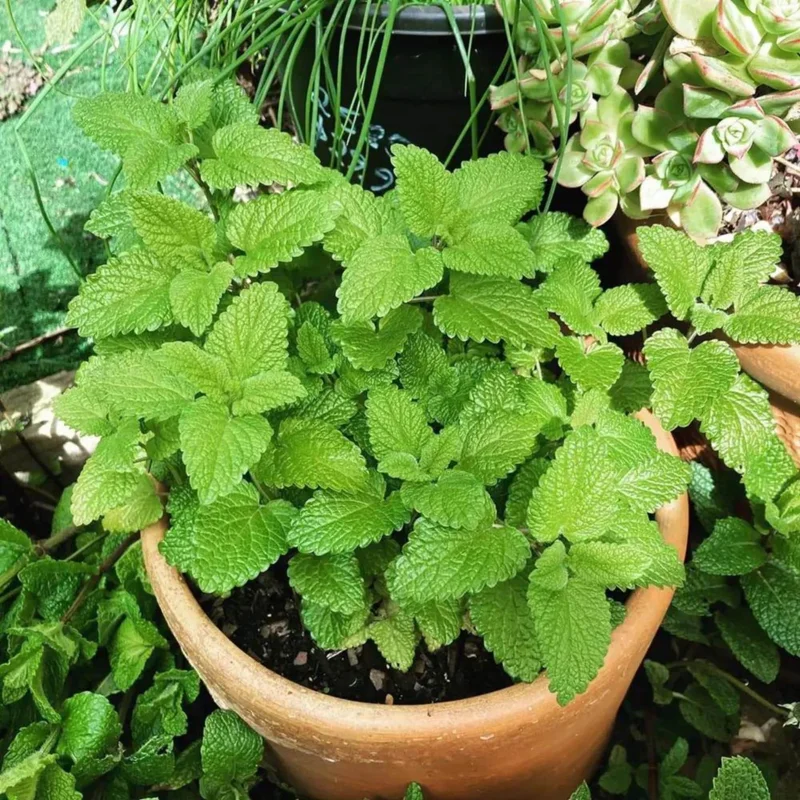
Lemon Balm Herb Live Plant – Aromatic Culinary & Medicinal Herb
Original price was: $17.98.$9.99Current price is: $9.99.
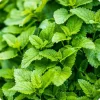
Cultivate your own lemon balm herb plant, a delightful perennial known for its fresh, citrusy aroma and versatile uses. Perfect for culinary applications, soothing teas, or as an attractive addition to your garden.
- Aromatic foliage with a refreshing lemon scent
- Great for teas, cooking, and natural remedies
- Attracts pollinators like bees and butterflies
- Relatively easy to grow and maintain
Shipping and Return policies:
We stand behind our plants with our Alive & Thrive Guarantee. If you experience any issues within the first 30 days, please email us, and our team will be happy to help. When needed, we’ll send you a one-time replacement free of charge to make sure your garden keeps growing strong.

Reasonable Price
We offer reasonable price

Support 24/7
Contact us 24 hrs a day
100% Money Back
You’ve 30 days to Return
Payment Secure
100% secure payment
Overview
Discover the joy of growing your very own lemon balm herb plant. This beloved perennial, scientifically known as Melissa officinalis, is a member of the mint family and is cherished for its distinctly lemony fragrance and flavor. Originating from Southern Europe and the Mediterranean region, lemon balm has been cultivated for over 2,000 years, prized for its culinary, medicinal, and ornamental qualities. Our live lemon balm herb plant arrives ready to thrive in your garden or a sunny spot indoors, providing a continuous supply of its charming, crinkled green leaves. It’s a fantastic choice for gardeners of all skill levels, offering both beauty and utility with minimal fuss. Embrace the refreshing essence of lemon balm and enrich your home with this versatile herb.
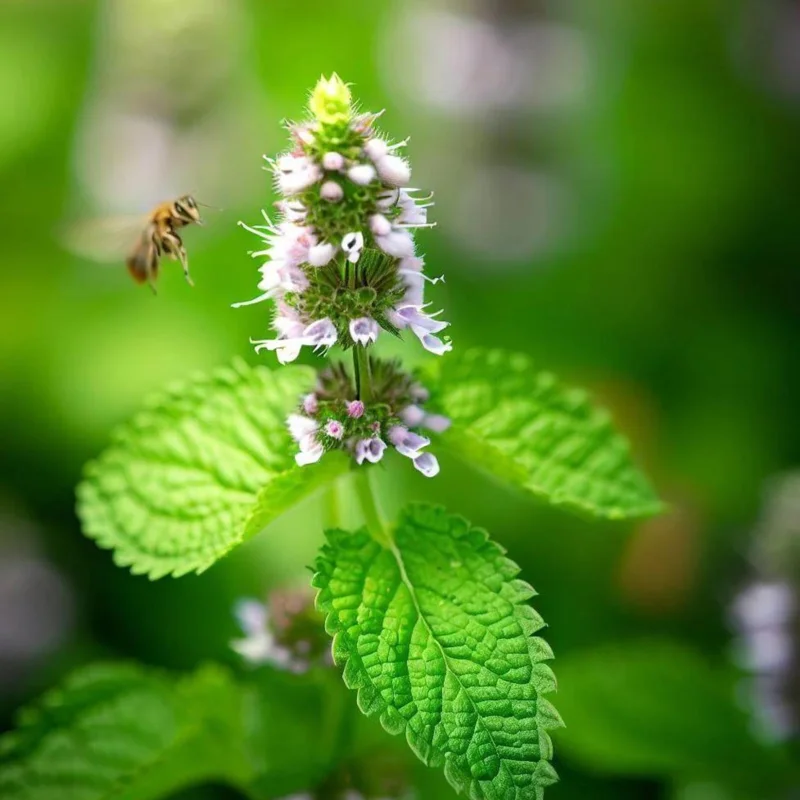
The gentle, uplifting aroma of lemon balm herb plant makes it a favorite for aromatherapy and as a natural insect repellent. Its delicate white or pale yellow flowers are also a magnet for beneficial pollinators, making it an excellent addition to any bee or butterfly-friendly garden. This robust plant spreads easily and can be harvested frequently, ensuring you always have fresh leaves on hand for your various needs. Whether you’re looking to enhance your culinary creations, brew soothing herbal teas, or simply enjoy a fragrant addition to your living space, a lemon balm herb plant is an outstanding choice that offers immense satisfaction and a touch of natural tranquility.
Key Benefits
The lemon balm herb plant offers a wealth of benefits, making it an indispensable addition to any home garden or herb collection. From its delightful scent to its practical applications, this herb is truly a multifaceted marvel.
- Invigorating Aroma: Enjoy the fresh, uplifting lemon scent that the leaves release, perfect for enhancing your garden, patio, or indoor spaces. This natural fragrance is known to have calming properties.
- Culinary Versatility: Fresh lemon balm leaves are excellent for flavoring teas, salads, desserts, and cocktails. They add a bright, citrusy note without the acidity of actual lemons.
- Attracts Pollinators: The small, unassuming flowers of the lemon balm herb plant are a favorite among bees and butterflies, contributing to a healthy garden ecosystem and supporting local wildlife.
- Traditional Medicinal Uses: Historically, lemon balm has been used to promote relaxation, aid digestion, and soothe minor discomforts. Many enjoy it in herbal teas for its calming effects.
- Easy to Grow: This resilient herb tolerates a range of conditions and is relatively low-maintenance, making it suitable for both novice and experienced gardeners. Learning to grow lemon balm is a rewarding experience.
- Natural Pest Repellent: The strong citrusy scent can help deter certain garden pests, contributing to a healthier environment for your other plants without harsh chemicals.
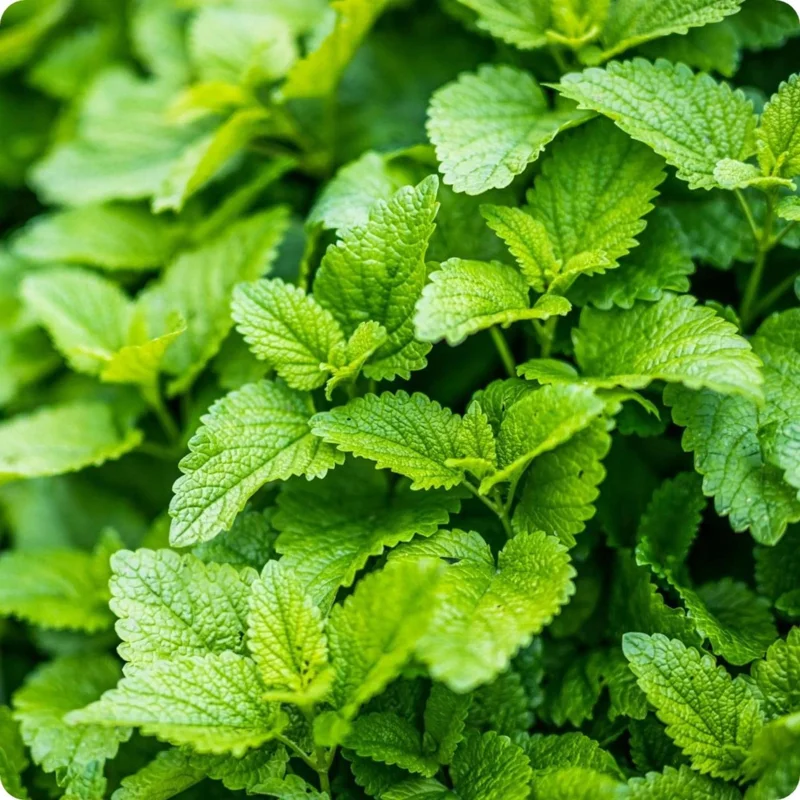
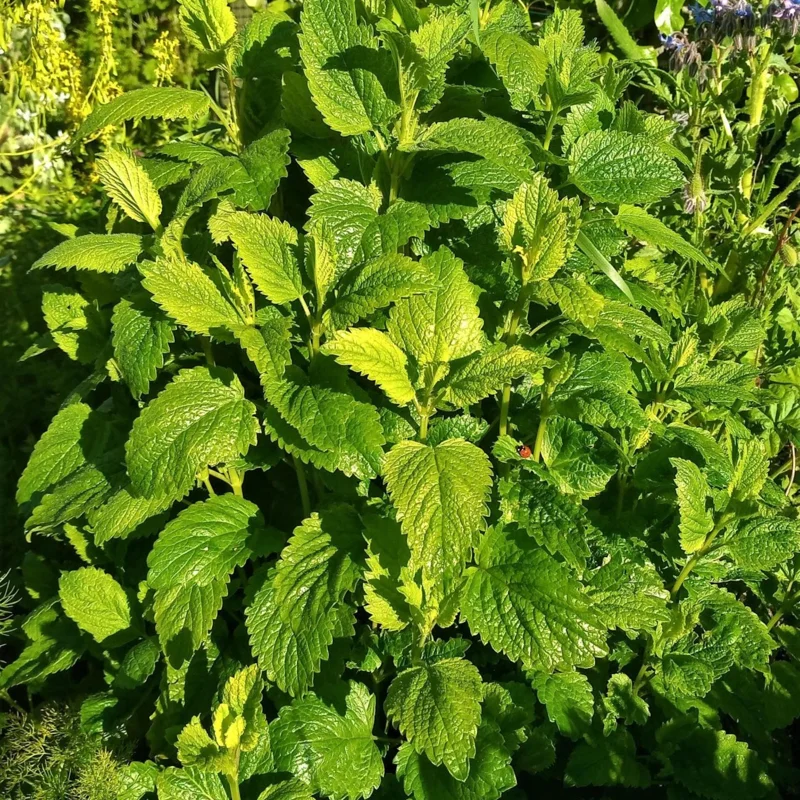
- Beautiful Foliage: The bright green, crinkled leaves add a lovely texture and vibrant color to herb gardens, mixed borders, or container plantings.
Plant Care & Growing Tips
Caring for lemon balm herb plant is straightforward, making it an excellent choice for gardeners of all experience levels. This resilient herb thrives in a variety of conditions but truly flourishes with a little attention to its specific needs. For optimal growth, plant your lemon balm in a location that receives full sun to partial shade. In hotter climates, some afternoon shade can prevent the leaves from scorching. Aim for at least 4-6 hours of direct sunlight daily. It prefers well-draining soil that is rich in organic matter. While it can tolerate poorer soils, amending with compost will encourage more vigorous growth. Ensure the soil remains consistently moist, especially during dry spells, but avoid waterlogging, which can lead to root rot. Regular watering, about 1-2 inches per week, is a good general guideline, adjusting for rainfall and temperature.
When it comes to nutrition, lemon balm herb plant is not a heavy feeder. A light application of a balanced, all-purpose fertilizer in spring is usually sufficient. Alternatively, you can top-dress with compost. Pruning is essential for maintaining a bushy shape and preventing the plant from becoming leggy. Harvest leaves regularly, pinching back stems to encourage new growth. If you don’t want it to spread aggressively, consider planting it in a container or regularly removing flower stalks before they go to seed. Lemon balm is hardy in USDA zones 4-9. In colder zones, it will die back to the ground in winter but typically regrows from the roots in spring. Protecting the roots with a layer of mulch can help it overwinter successfully. Understanding caring for lemon balm ensures a bountiful harvest.
Size & Details
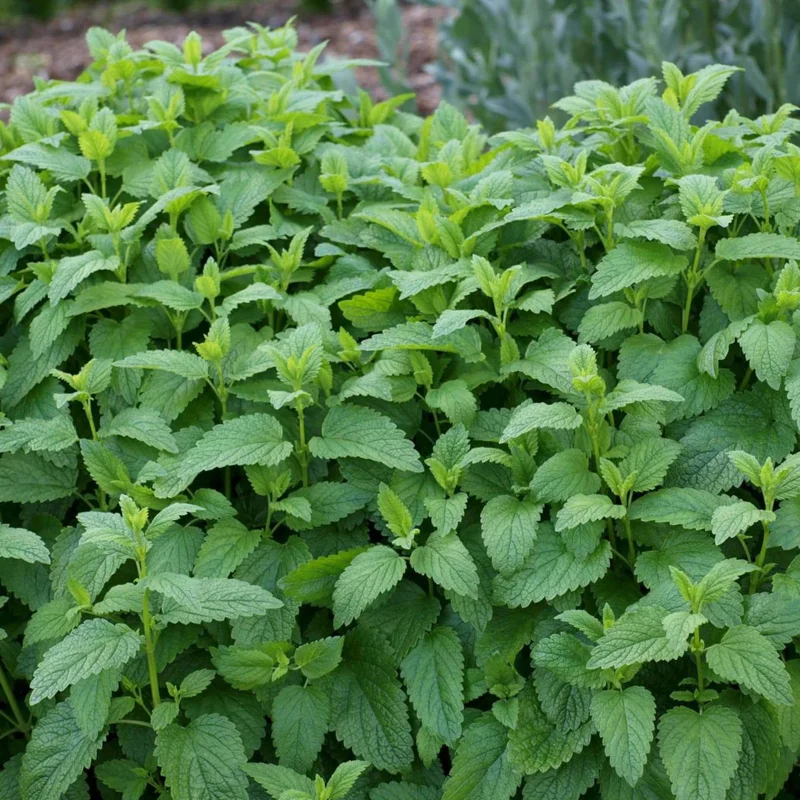
Our lemon balm herb plant is shipped as a live, healthy plant, typically without a pot, with its roots carefully wrapped to ensure safe transit. Upon arrival, it will generally be between 4 to 8 inches tall, ready for immediate planting in your garden or a suitable container. The mature plant typically grows to a height of 18 to 24 inches and spreads similarly, forming a dense, bushy clump. Growth rate is moderate to fast, especially in ideal conditions, allowing for frequent harvesting throughout the growing season. Expect to see significant new growth within a few weeks of planting. While the plant may appear slightly stressed from travel, it will quickly recover with proper care and attention. The vibrant green foliage will develop its full aromatic potential as it establishes itself in its new home. This plant is perfect for those who want to grow lemon balm for various applications.
Frequently Asked Questions
- Q: How big does this lemon balm plant get? A: A mature lemon balm herb plant typically reaches a height of 18 to 24 inches and can spread equally wide, forming a nice bushy clump. Its size can be managed with regular harvesting and pruning.
- Q: Is this an indoor or outdoor plant? A: Lemon balm can thrive both indoors and outdoors. Outdoors, it prefers full sun to partial shade. Indoors, place it in a bright window where it can receive plenty of light.
- Q: How much sunlight does it need? A: For best results, your lemon balm herb plant needs at least 4-6 hours of direct sunlight daily. In very hot climates, partial afternoon shade is beneficial to prevent leaf scorch.
- Q: Is this plant easy to care for? A: Yes, lemon balm is generally considered very easy to care for, making it an excellent choice for beginner gardeners. It’s quite resilient and forgiving of minor neglect.
- Q: What condition will it arrive in? A: Your lemon balm herb plant will arrive as a live, healthy plant with its roots carefully protected. While it may show minor signs of travel, it will quickly recover once planted and properly cared for.
- Q: Can I use lemon balm in cooking? A: Absolutely! Lemon balm is fantastic for culinary uses. Its fresh, citrusy flavor is perfect for teas, salads, desserts, chicken, fish, and refreshing drinks. Many people enjoy learning about lemon balm uses in the kitchen.
- Q: What’s the best soil for lemon balm? A: Lemon balm prefers well-draining soil that is rich in organic matter. A good quality potting mix or garden soil amended with compost will provide the ideal growing medium.
- Q: Will it survive winter in my zone? A: Lemon balm is hardy in USDA zones 4-9. In colder regions, it will die back in winter but typically regrows from the roots in spring. A layer of mulch can provide extra winter protection.
- Q: How often should I water my lemon balm? A: Water your lemon balm herb plant regularly to keep the soil consistently moist, but not waterlogged. Check the soil moisture and water when the top inch or two feels dry to the touch.
- Q: Is Melissa officinalis the same as lemon balm? A: Yes, Melissa officinalis is the botanical name for the common lemon balm herb plant. This is the scientific name for what most people refer to as lemon balm.
Be the first to review “Lemon Balm Herb Live Plant – Aromatic Culinary & Medicinal Herb”
You must be logged in to post a review.
People also Viewed
Sold 50 products
Original price was: $17.58.$11.86Current price is: $11.86.
Sold 50 products
Price range: $32.99 through $35.99
Sold 50 products
$69.99
Sold 50 products
$18.99
Sold 50 products
Price range: $14.98 through $23.89
Sold 50 products
$32.99
Sold 50 products
$24.99
Sold 50 products
Price range: $43.99 through $44.99RELATED posts
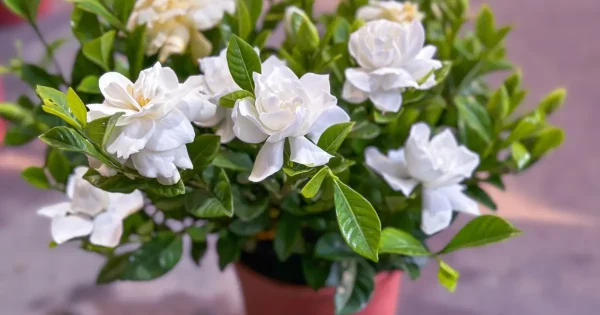
Frostproof Jasmine Care: 7 Tips for Successful Pot Growth
Most gardenias are known for being “divas.” They want perfect humidity, perfect soil, and they [...]
Mar
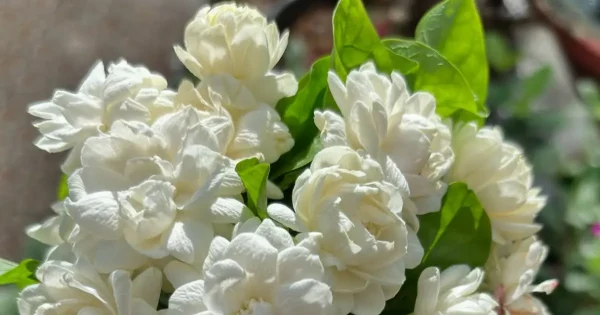
Top 7 Best Smelling Jasmine Varieties for a Heavenly Garden
Have you ever walked past a house and caught a scent so sweet you just [...]
Mar
Master the Heat: 8 Expert Tips for Growing Jalapeños Like a Pro
Are you staring at your garden space, wondering why your pepper plants look more like [...]
Mar
Top 5 Must-Have Hoya Varieties for Beginners
Hoyas are easily one of my top recommendations if you’re hunting for a low-maintenance houseplant [...]
Mar
7 Moringa Plant Care Mistakes to Avoid for Healthy Growth
Have you ever looked at your Moringa tree and wondered why its once vibrant green [...]
Feb
How to Grow Potato Onions From True Seeds: A Step-by-Step Guide
Have you ever wondered how to grow potato onions from true seeds or why some [...]
Feb
Growing Walking Onions in Containers: The Ultimate Guide
Have you ever looked at your small balcony or cramped patio and wished you could [...]
Feb
9 Best Flower Seeds to Start in February for Early Blooms
If you’re a passionate gardener, you know that itchy feeling in your fingers when February [...]
Jan
Reviews
There are no reviews yet.