

Laurus Nobilis Bay Leaf Live Plant – 5-7 Inch Tall Sweet Bay Laurel for Planting
Original price was: $43.98.$39.58Current price is: $39.58.
Bring the timeless aroma of a bay leaf live plant to your home or garden. This 5-7 inch tall, well-rooted Laurus Nobilis plant offers fragrant leaves for culinary use and ornamental beauty. Ideal for USDA Zone 7 and above.
Shipping and Return policies:
We stand behind our plants with our Alive & Thrive Guarantee. If you experience any issues within the first 30 days, please email us, and our team will be happy to help. When needed, we’ll send you a one-time replacement free of charge to make sure your garden keeps growing strong.

Reasonable Price
We offer reasonable price

Support 24/7
Contact us 24 hrs a day
100% Money Back
You’ve 30 days to Return
Payment Secure
100% secure payment
Overview
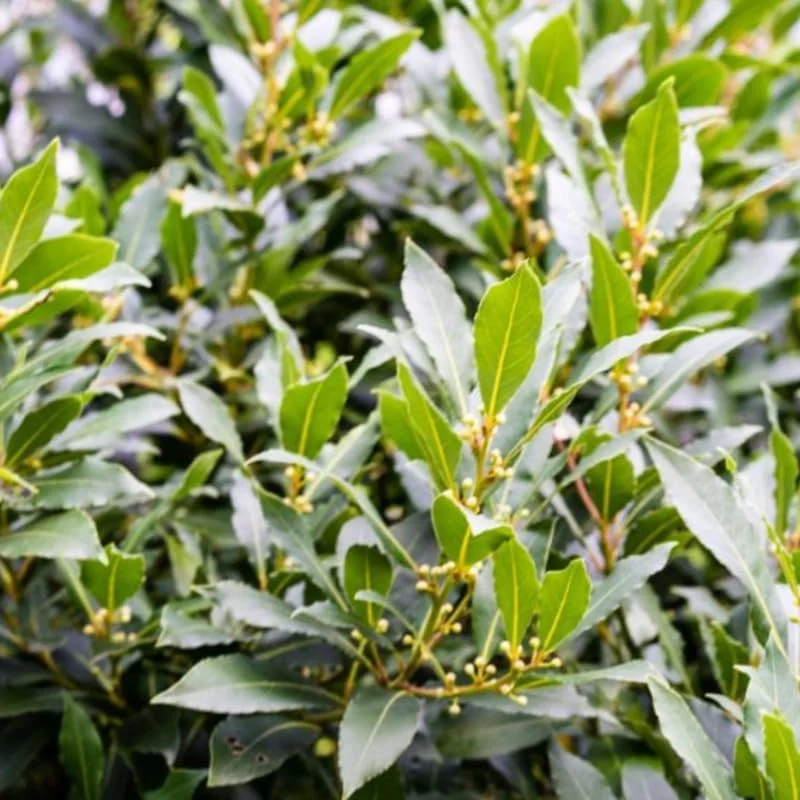
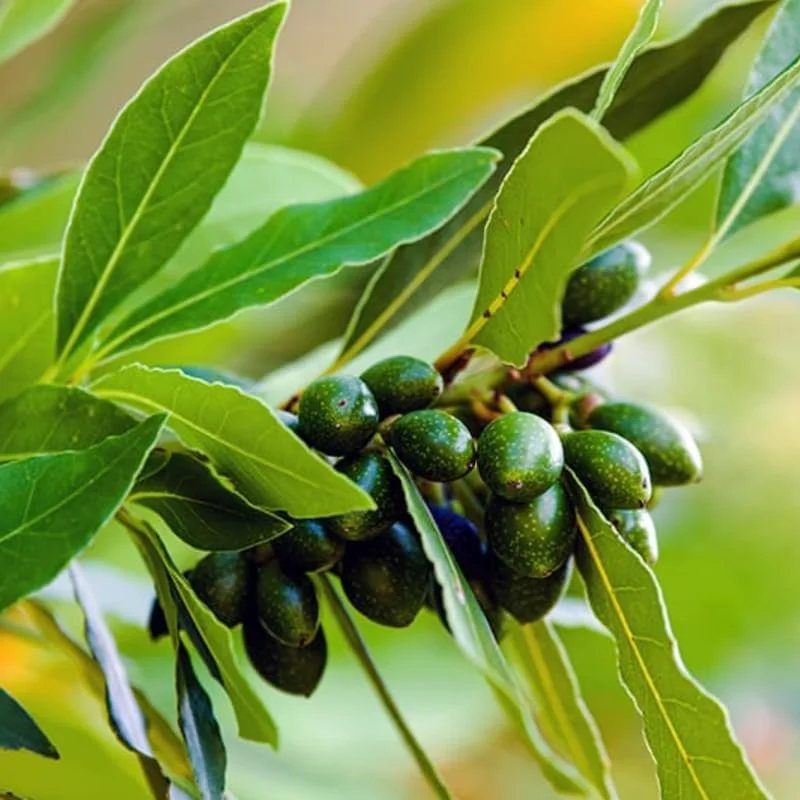
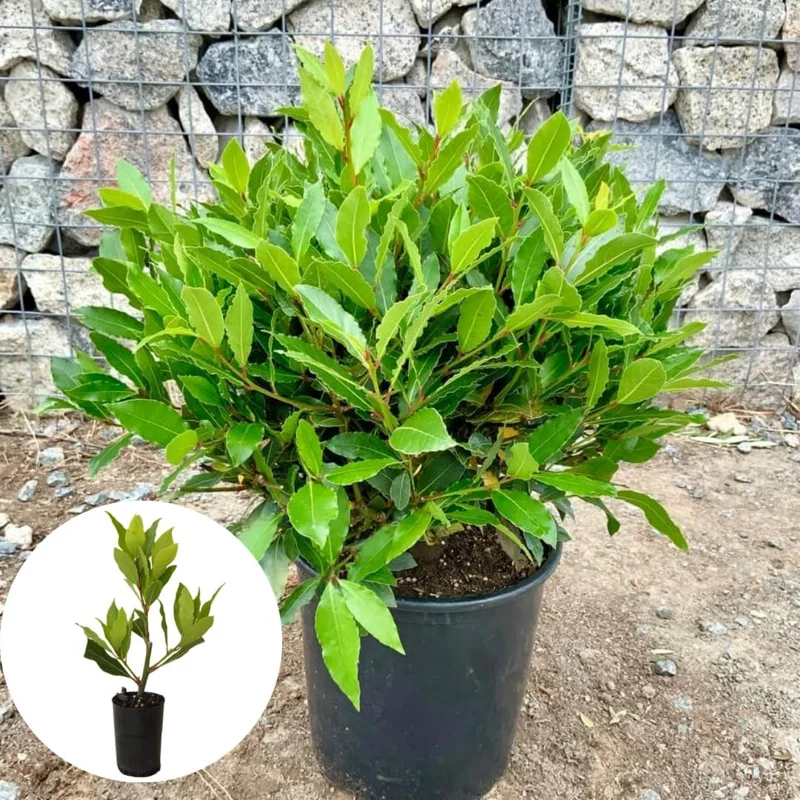
Discover the delightful fragrance and culinary versatility of the bay leaf live plant, also known as Laurus Nobilis plant or Sweet Bay Laurel. This live, well-rooted plant arrives ready for planting, offering an immediate touch of elegance and utility to your garden or patio. Grown for its aromatic leaves, which are a staple in many kitchens worldwide, the bay leaf tree is a classic choice for both experienced and novice gardeners. Its glossy, deep green foliage remains evergreen, providing year-round beauty and a continuous supply of fresh bay leaves. Whether you’re looking to enhance your cooking or simply enjoy a beautiful, fragrant shrub, this bay leaf live plant is an excellent addition to any collection.
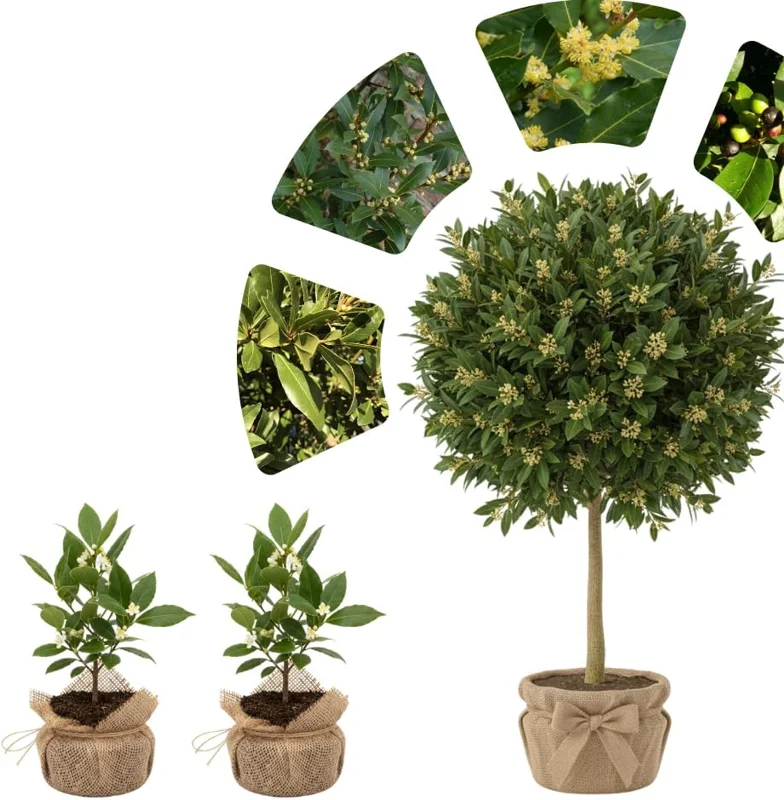
The sweet bay laurel tree is renowned for its resilience and adaptability, thriving in various conditions when given proper care. This particular specimen measures 5 to 7 inches tall, making it a perfect size for transplanting into a larger pot or directly into your garden. Its well-rooted nature ensures a smooth transition and robust growth. Beyond its culinary uses, the Laurus Nobilis plant also adds a sophisticated architectural element to landscapes, often pruned into formal shapes or allowed to grow naturally into a small tree or large shrub. Embrace the tradition and freshness that a live bay leaf plant brings to your home.
Key Benefits
Owning a bay leaf live plant offers a multitude of advantages, from its practical culinary uses to its aesthetic appeal in your outdoor space. Here are some of the prime benefits you can expect from your new Sweet Bay Laurel:
- Fresh Culinary Herb Supply: Enjoy an endless supply of fresh bay leaves for your cooking. Unlike dried leaves, fresh bay leaves offer a more vibrant and complex flavor profile, perfect for stews, soups, sauces, and roasts.
- Year-Round Evergreen Foliage: The Laurus Nobilis plant retains its beautiful, glossy green leaves throughout the year, providing consistent visual interest and a touch of Mediterranean charm even in colder months.
- Fragrant Aroma: The leaves release a pleasant, distinctive aroma when bruised or cooked, enhancing the ambiance of your garden or kitchen space. Many find the scent of a sweet bay laurel tree to be calming and invigorating.
- Ornamental Value: This plant can be grown as an attractive shrub or small tree, easily shaped through pruning. It makes a stunning focal point in containers, herb gardens, or as part of a mixed border.
- Relatively Low Maintenance: Once established, the bay leaf plant is quite hardy and requires moderate watering and full sun exposure, making it suitable for gardeners seeking a rewarding yet manageable plant.
- Hardy in Warmer Zones: Suitable for USDA Hardiness Zone 7 and above, this plant can withstand mild winters outdoors, making it a durable choice for many regions.
- Natural Air Freshener: The natural oils in the leaves can help to subtly freshen the air around your plant, contributing to a more pleasant environment.
Plant Care & Growing Tips
Caring for your bay leaf live plant is straightforward, ensuring you enjoy its beauty and bounty for years to come. The Laurus Nobilis plant thrives with consistent attention to its basic needs, primarily sunlight, water, and appropriate soil conditions. For optimal growth, plant your sweet bay laurel in a location that receives full sun, meaning at least 6 hours of direct sunlight per day. While it can tolerate some partial shade, abundant sunlight encourages denser foliage and a stronger aroma in the leaves. If growing indoors, place it near a south-facing window or provide supplemental grow lights to meet its light requirements. This plant is hardy to USDA Zone 7, meaning it can withstand winter temperatures down to 0°F to 10°F (-18°C to -12°C) outdoors in these zones. In colder climates, it is best grown in a container and brought indoors before the first frost.
When it comes to watering, the fragrant bayleaf tree prefers consistently moist but not waterlogged soil. Moderate watering is key; allow the top inch or two of soil to dry out between waterings. Overwatering can lead to root rot, so ensure good drainage. Sandy soil is recommended, as it naturally promotes excellent drainage. If planting in a pot, choose one with drainage holes and use a high-quality potting mix blended for herbs or Mediterranean plants. Fertilize sparingly during the growing season (spring and summer) with a balanced liquid fertilizer diluted to half strength. Pruning can be done to maintain shape, size, and to encourage bushier growth. Watch out for common pests like scale insects or mealybugs, and address them promptly with insecticidal soap if they appear. Understanding proper bay leaf tree care will ensure your plant flourishes.
Size & Details
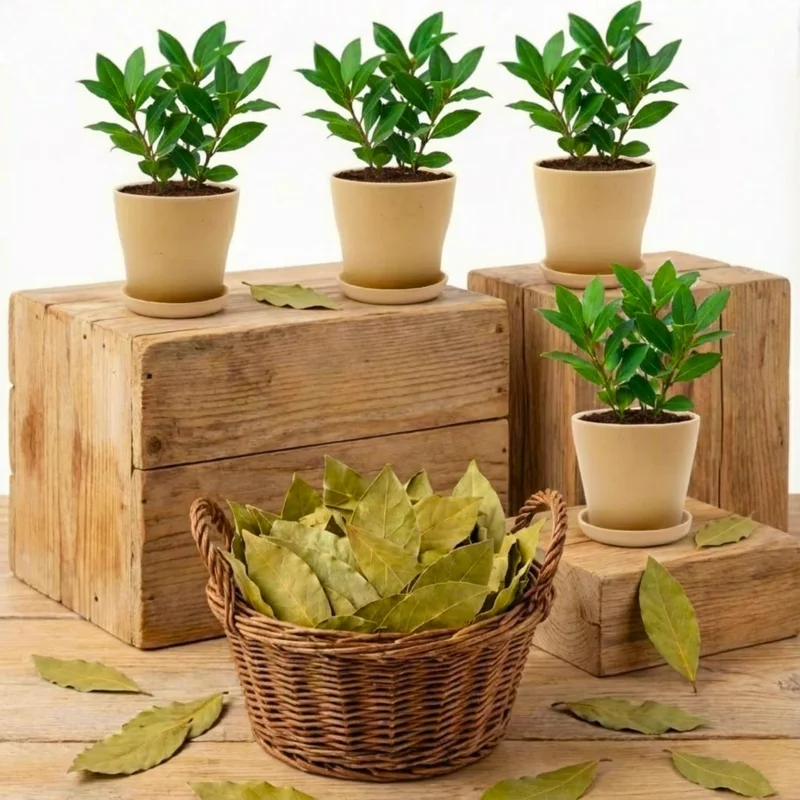
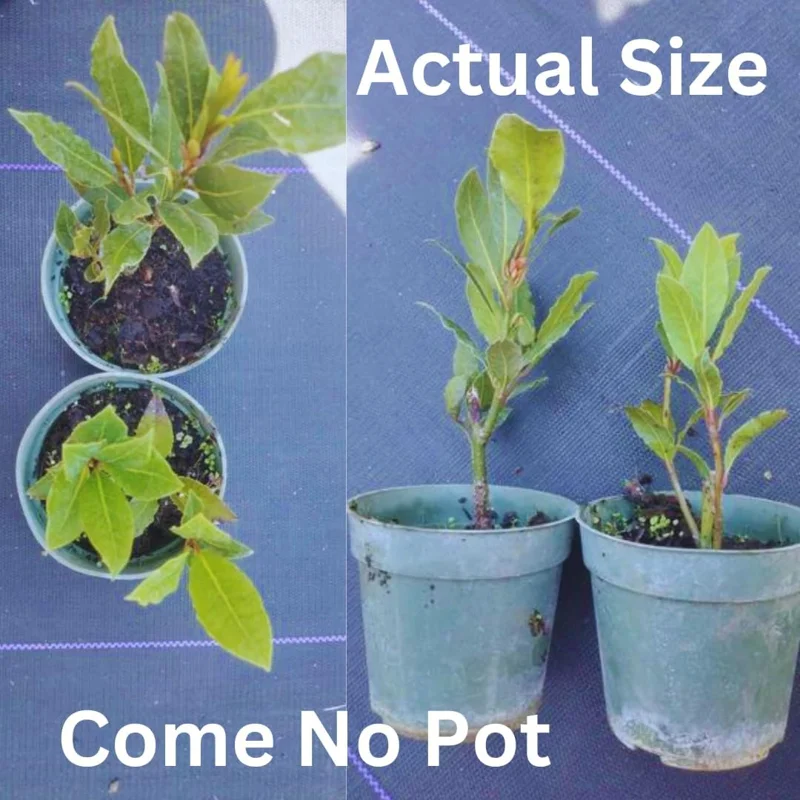
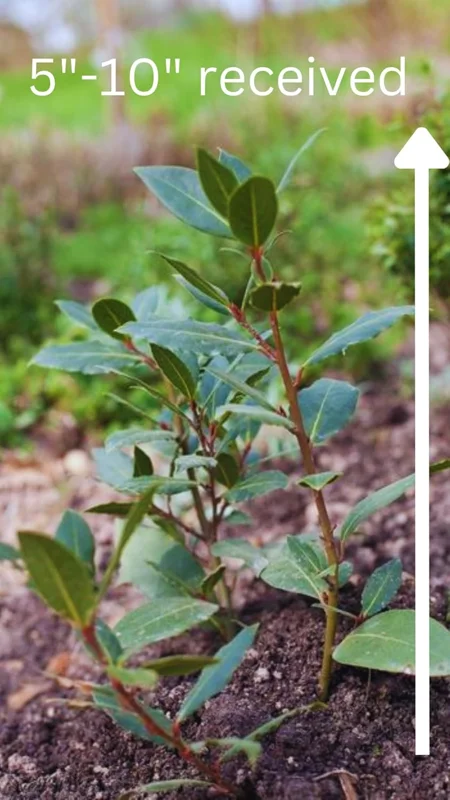
This bay leaf live plant arrives as a well-rooted specimen, standing approximately 5 to 7 inches tall from the base of the rootball to the tip of its tallest leaf. It is shipped without a pot, as a bare root plant, carefully packaged to ensure its health during transit. This size is ideal for transplanting into a 6-inch pot or directly into a garden bed where it can establish quickly. The sweet bay laurel tree has a moderate growth rate, typically adding several inches of height per year, eventually reaching 10-20 feet tall as a mature tree in ideal outdoor conditions, though it can be kept much smaller through regular pruning. Its mature width can span 5-15 feet, forming a dense, rounded canopy. Expect this plant to begin producing usable aromatic leaves within its first year of growth, with blooms typically appearing in spring to summer once the plant is mature enough, though it is primarily grown for its foliage.
Frequently Asked Questions
- Q: How big will my Laurus Nobilis plant get? A: This Laurus Nobilis plant is currently 5-7 inches tall. When mature, it can grow into a small tree of 10-20 feet tall and 5-15 feet wide if planted in the ground in suitable zones. It can be kept smaller through pruning, especially when grown in a container.
- Q: Is this an indoor or outdoor plant? A: The bay leaf live plant can thrive both indoors and outdoors. It is hardy in USDA Zone 7 and above for outdoor planting. In colder zones, it is best grown in a pot and brought indoors during winter months to protect it from frost.
- Q: How much sunlight does a bay leaf tree need? A: A sweet bay laurel tree prefers full sun, meaning at least 6 hours of direct sunlight daily. It can tolerate partial sun, but growth may be less vigorous, and the foliage might be less dense.
- Q: Is this plant easy to care for? A: Yes, the bay leaf plant is considered relatively easy to care for once established. It requires moderate watering, well-draining soil, and plenty of sunlight. Following basic bay leaf tree care guidelines will ensure its health.
- Q: What condition will the plant arrive in? A: Your fragrant bayleaf tree will arrive as a well-rooted live plant, carefully packaged and ready for planting. It is shipped without a pot to minimize shipping stress and cost.
- Q: Can I use the leaves from this plant in cooking? A: Absolutely! The leaves from the bay leaf live plant are perfect for culinary use. They offer a fresh, aromatic flavor to a variety of dishes, including soups, stews, and sauces.
- Q: What is the best soil type for this plant? A: The Laurus Nobilis plant prefers sandy soil that is well-draining. If potting, a good quality potting mix with added perlite or sand for drainage is ideal. Avoid heavy, clay-rich soils that retain too much moisture.
- Q: When is the best time to plant this bay leaf plant? A: Spring to early summer is generally the best time to plant your sweet bay laurel tree, allowing it ample time to establish its root system before extreme heat or cold.
- Q: Will it survive winter in my zone? A: This bay leaf plant is hardy to USDA Zone 7. If you are in Zone 7 or warmer, it can typically survive winter outdoors. In Zones 6 or colder, it should be protected or brought indoors during the winter.
- Q: How often should I water my bay leaf live plant? A: Water moderately, allowing the top inch or two of the soil to dry out between waterings. Adjust frequency based on temperature, humidity, and whether the plant is indoors or outdoors.
Be the first to review “Laurus Nobilis Bay Leaf Live Plant – 5-7 Inch Tall Sweet Bay Laurel for Planting”
You must be logged in to post a review.
People also Viewed
Sold 50 products
Original price was: $17.58.$11.86Current price is: $11.86.
Sold 50 products
Price range: $32.99 through $35.99
Sold 50 products
$69.99
Sold 50 products
$18.99
Sold 50 products
Price range: $14.98 through $23.89
Sold 50 products
$32.99
Sold 50 products
$24.99
Sold 50 products
Price range: $43.99 through $44.99RELATED posts
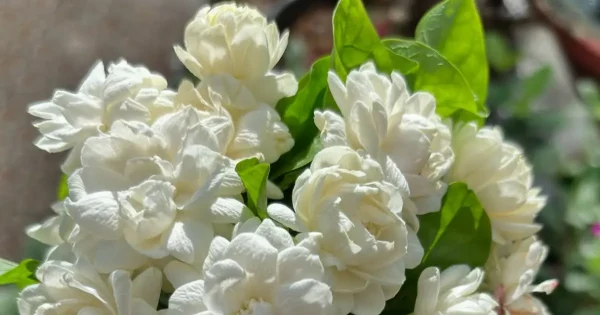
Top 7 Best Smelling Jasmine Varieties for a Heavenly Garden
Have you ever walked past a house and caught a scent so sweet you just [...]
Mar
Master the Heat: 8 Expert Tips for Growing Jalapeños Like a Pro
Are you staring at your garden space, wondering why your pepper plants look more like [...]
Mar
Top 5 Must-Have Hoya Varieties for Beginners
Hoyas are easily one of my top recommendations if you’re hunting for a low-maintenance houseplant [...]
Mar
7 Moringa Plant Care Mistakes to Avoid for Healthy Growth
Have you ever looked at your Moringa tree and wondered why its once vibrant green [...]
Feb
How to Grow Potato Onions From True Seeds: A Step-by-Step Guide
Have you ever wondered how to grow potato onions from true seeds or why some [...]
Feb
Growing Walking Onions in Containers: The Ultimate Guide
Have you ever looked at your small balcony or cramped patio and wished you could [...]
Feb

9 Best Flower Seeds to Start in February for Early Blooms
If you’re a passionate gardener, you know that itchy feeling in your fingers when February [...]
Jan
Growing Shampoo Ginger in Pots: Easy Guide to Potting Ginger Lilies
Are you looking to add a touch of exotic beauty to your home while growing [...]
Jan
Reviews
There are no reviews yet.