


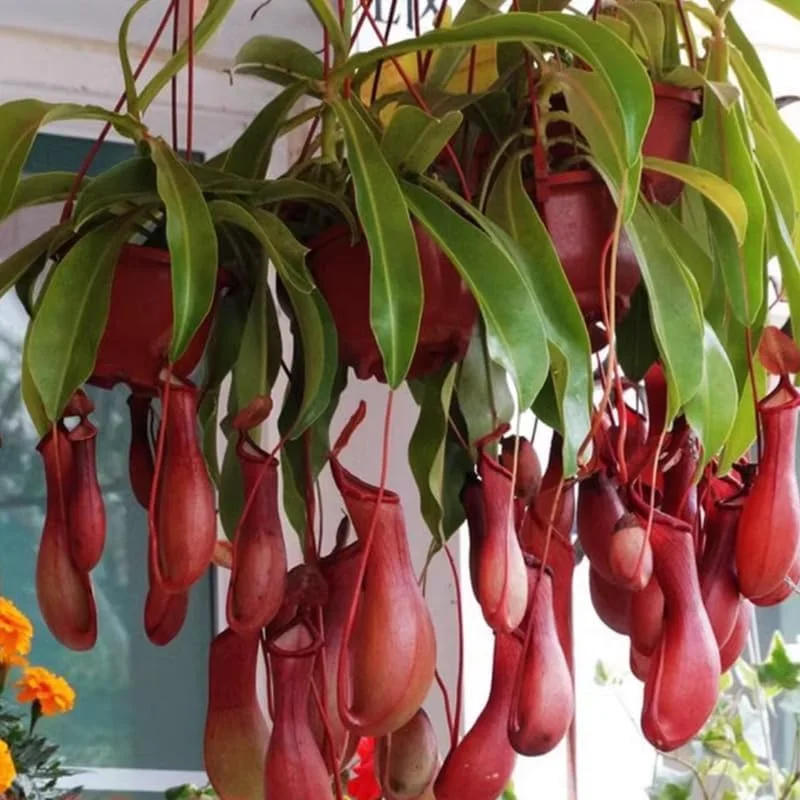


Large Nepenthes Pitcher Plant Live – 7 Months Old Carnivorous Tropical Plant
$29.99
Discover the captivating beauty of a Nepenthes pitcher plant. This large, 7-month-old carnivorous plant live specimen adds an exotic flair to any space, perfect for indoor or outdoor decor. Enjoy natural insect control and a unique conversation starter with this relatively easy to grow Nepenthes.
Shipping and Return policies:
We stand behind our plants with our Alive & Thrive Guarantee. If you experience any issues within the first 30 days, please email us, and our team will be happy to help. When needed, we’ll send you a one-time replacement free of charge to make sure your garden keeps growing strong.

Reasonable Price
We offer reasonable price

Support 24/7
Contact us 24 hrs a day
100% Money Back
You’ve 30 days to Return
Payment Secure
100% secure payment
Overview
Introduce an extraordinary botanical specimen into your collection with the Nepenthes pitcher plant. This captivating 7-month-old carnivorous plant live plant, often referred to as a tropical pitcher plant, is renowned for its unique, insect-trapping pitchers that add an exotic touch to any setting. Originating from tropical regions, Nepenthes species are celebrated for their diverse forms and vibrant coloration, making them a favorite among plant enthusiasts and collectors alike. This particular variety is a substantial size, ideal for creating a focal point in your home or garden. Its intriguing carnivorous nature, coupled with its striking appearance, makes it a truly special addition that sparks conversation and wonder. As a carnivorous plant live specimen, it offers both aesthetic beauty and a fascinating biological function.
The Nepenthes genus encompasses a wide range of species, all characterized by their distinctive pitcher-shaped leaves that serve as traps. These pitchers are modified leaves, often brightly colored to attract insects, which are then digested by the plant. This adaptation allows Nepenthes to thrive in nutrient-poor soils. Our Nepenthes pitcher plant is a robust, well-established specimen, ready to flourish in its new environment. Its large size ensures immediate visual impact, and its relatively straightforward care makes it accessible to both seasoned gardeners and those new to carnivorous plants. Embrace the allure of the tropics with this magnificent exotic indoor plant.
Key Benefits
The Nepenthes pitcher plant offers a multitude of benefits, from its stunning visual appeal to its intriguing biological characteristics. It’s more than just a plant; it’s a living piece of art that brings a touch of the wild indoors.
- Exotic Aesthetic Appeal: With its vibrant, striking colors and unique pitcher formations, this Nepenthes pitcher plant serves as a natural conversation starter and a stunning focal point in any room or garden. Its unusual appearance instantly elevates your decor and captivates onlookers with its unique form.
- Natural Insect Control: As a carnivorous plant live, the Nepenthes naturally attracts and traps common household pests like flies and gnats, providing an eco-friendly and fascinating method of insect management. This living pest control is both effective and engaging.
- Educational Value: Perfect for collectors and garden enthusiasts, this plant offers a wonderful opportunity to learn about carnivorous plants and their unique adaptations, making it a living science lesson. It’s a great way to introduce biology to children and adults alike.
- Relatively Low Maintenance: Despite its exotic nature, this easy to grow Nepenthes requires manageable care, especially when its specific humidity and light needs are met. It’s not as demanding as some might assume for a tropical plant, making it suitable for a range of gardeners.
- Versatile Decor Piece: Ideal for indoor gardens, terrariums, greenhouses, or even as a unique outdoor accent in suitable climates, its adaptability allows for various display options. This plant can thrive in a variety of settings, enhancing any space it inhabits.
- Unique Gift Idea: For plant lovers or those seeking an unusual and memorable gift, a tropical pitcher plant care specimen like this Nepenthes is an excellent choice that stands out from typical houseplants. It’s a thoughtful and intriguing present for any occasion.
- Air Purification: Like many plants, Nepenthes contributes to a healthier indoor environment by absorbing carbon dioxide and releasing oxygen, improving air quality. This natural air purifier enhances your living space.
Plant Care & Growing Tips
Caring for your Nepenthes pitcher plant involves understanding its tropical origins and replicating those conditions as closely as possible. This easy to grow Nepenthes thrives with consistent attention to its specific needs regarding light, water, humidity, and soil. Providing the right environment will ensure a healthy, vibrant plant with abundant pitchers.
Sunlight Requirements: Nepenthes generally prefer bright, indirect light. Full sun, especially strong afternoon sun, can scorch their leaves and pitchers. An east-facing window that receives morning sun or a west-facing window with filtered afternoon light is often ideal indoors. If growing outdoors, choose a location with dappled shade or protection from the harshest midday sun. Around 4-6 hours of indirect bright light per day is optimal for good pitcher development. Insufficient light can lead to stunted growth and a lack of pitchers, impacting the overall health and appearance of your exotic indoor plant.
Watering and Humidity: These plants love high humidity, ideally 60% or higher. Indoors, this can be achieved with a humidifier, misting regularly, or placing the pot on a pebble tray with water (ensuring the pot doesn’t sit directly in the water). Water your Nepenthes pitcher plant with distilled water, rainwater, or reverse osmosis water, as tap water can contain minerals that are harmful over time. Keep the soil consistently moist but never waterlogged. Allow the top inch of soil to dry slightly between waterings, but avoid letting the plant dry out completely. Good drainage is crucial to prevent root rot, which is a common issue for many plants if not properly managed. This attention to detail is key for successful tropical pitcher plant care.
Soil Type and Fertilization: Nepenthes require a very well-draining, nutrient-poor, acidic soil mix. A common mix includes sphagnum moss, perlite, and sometimes orchid bark or coarse sand. Avoid standard potting soil, which is too rich and compact, as this can harm the plant’s delicate root system. Fertilization is generally not necessary, as the plant obtains nutrients from insects. If insect activity is low, you can occasionally drop a small amount of diluted, balanced liquid fertilizer into one or two pitchers, or use a very weak foliar spray, but be cautious as over-fertilization can harm the plant. Proper tropical pitcher plant care emphasizes mimicking its natural habitat.
Temperature and USDA Hardiness: Nepenthes prefer warm temperatures, typically between 65-85°F (18-29°C) during the day and a slight drop at night. They are not frost-tolerant. For outdoor cultivation, they are best suited for USDA Zones 10-11, where temperatures rarely dip below freezing. Indoors, protect them from cold drafts and sudden temperature fluctuations. This exotic indoor plant will thrive in a stable, warm environment, reflecting its tropical origins.
Size & Details
This offering is for a large, established Nepenthes pitcher plant, approximately 7 months old, ensuring a robust and well-developed specimen upon arrival. While exact dimensions can vary, a 7-month-old Nepenthes typically has a leaf span of 10-15 inches and may already be producing several striking pitchers, each potentially reaching 3-6 inches in length. The plant is shipped live in a nursery pot, ready to be placed in your chosen location or repotted into a decorative container. Its vigorous growth rate means it will continue to develop more pitchers and foliage under optimal tropical pitcher plant care. Expect a healthy root system and active growth, indicative of a thriving carnivorous plant live specimen. This substantial size provides immediate visual impact and a strong start for your plant collection.
Frequently Asked Questions
- Q: How big does this 7-month-old Nepenthes pitcher plant get? A: A 7-month-old Nepenthes pitcher plant typically has a leaf span of 10-15 inches and pitchers that can reach 3-6 inches in length. With proper care, it will continue to grow larger, producing more foliage and pitchers over time, potentially reaching impressive sizes.
- Q: Is this an indoor or outdoor plant? A: This Nepenthes pitcher plant can thrive both indoors and outdoors, depending on your climate. It is ideal for indoor gardens, terrariums, or greenhouses. If grown outdoors, it requires a warm, humid environment and protection from direct, harsh sunlight and frost, making it a versatile exotic indoor plant.
- Q: How much sunlight does my tropical pitcher plant need? A: Your tropical pitcher plant care routine should include bright, indirect light for 4-6 hours daily. Avoid direct afternoon sun, which can scorch the leaves. Morning sun or filtered light is best for optimal growth and pitcher development.
- Q: Is this plant easy to care for? A: Yes, this is considered an easy to grow Nepenthes once its specific needs for high humidity, distilled water, and bright, indirect light are met. It’s suitable for beginners interested in carnivorous plants and provides a rewarding gardening experience.
- Q: What condition will the Nepenthes pitcher plant arrive in? A: Your Nepenthes pitcher plant will arrive live, healthy, and well-established in its nursery pot, carefully packaged to ensure its safe journey. It will be ready to thrive in its new home upon arrival.
- Q: Can I use tap water for my Nepenthes? A: It is highly recommended to use distilled water, rainwater, or reverse osmosis water for your carnivorous plant live. Tap water often contains minerals and chemicals that can build up in the soil and harm the plant over time, hindering its growth.
- Q: What kind of soil is best for this exotic indoor plant? A: This exotic indoor plant requires a very well-draining, nutrient-poor, acidic soil mix. A blend of long-fiber sphagnum moss and perlite is commonly used and highly effective. Avoid standard potting soil.
- Q: How often should I water my Nepenthes pitcher plant? A: Keep the soil consistently moist but not waterlogged. Allow the top inch of soil to dry out slightly before watering again. Never let the plant completely dry out to maintain healthy growth.
- Q: Is this plant pet-safe? A: While Nepenthes plants are not typically listed as highly toxic, it’s always best to keep all plants out of reach of pets to prevent any potential issues, especially if your pet tends to chew on plants.
- Q: What is the best temperature range for this Nepenthes pitcher plant? A: This Nepenthes pitcher plant thrives in temperatures between 65-85°F (18-29°C) during the day, with a slight temperature drop at night. Protect it from cold drafts, which can stress the plant.
| Style | "Large" Nepenthes Pitcher Plant, Bat Nepenthes Pitcher Plant, Green Red Nepenthes Pitcher Plant, Hybrid Nepenthes Pitcher Plant, Large Giant Nepenthes Pitcher Plant, Purple Nepenthes Pitcher Plant, Sweet Nepenthes Pitcher Plant, Yellow Nepenthes Pitcher Plant |
|---|
Be the first to review “Large Nepenthes Pitcher Plant Live – 7 Months Old Carnivorous Tropical Plant”
You must be logged in to post a review.
People also Viewed
Sold 50 products
Original price was: $28.58.$19.99Current price is: $19.99.
Sold 50 products
$32.39
Sold 50 products
$21.59
Sold 50 products
$35.99
Sold 50 products
Price range: $23.15 through $25.19
Sold 50 products
$38.39
Sold 50 products
Price range: $28.79 through $35.99
Sold 50 products
$26.39RELATED posts
How to Grow Jalapeño Peppers From Seeds: A Step-by-Step Guide
Ready to spice things up in your garden? Jalapeños are the true life of the [...]
Apr
Top 12 Best Types of Peppers to Grow in Your Garden: Easy and High Yield
Growing peppers is, quite honestly, one of the biggest “wins” you can have in a [...]
Apr
Frostproof Jasmine Care: 7 Tips for Successful Pot Growth
Most gardenias are known for being “divas.” They want perfect humidity, perfect soil, and they [...]
Mar
Top 7 Best Smelling Jasmine Varieties for a Heavenly Garden
Have you ever walked past a house and caught a scent so sweet you just [...]
Mar
Master the Heat: 8 Expert Tips for Growing Jalapeños Like a Pro
Are you staring at your garden space, wondering why your pepper plants look more like [...]
Mar
Top 5 Must-Have Hoya Varieties for Beginners
Hoyas are easily one of my top recommendations if you’re hunting for a low-maintenance houseplant [...]
Mar
7 Moringa Plant Care Mistakes to Avoid for Healthy Growth
Have you ever looked at your Moringa tree and wondered why its once vibrant green [...]
Feb
How to Grow Potato Onions From True Seeds: A Step-by-Step Guide
Have you ever wondered how to grow potato onions from true seeds or why some [...]
Feb
Reviews
There are no reviews yet.