
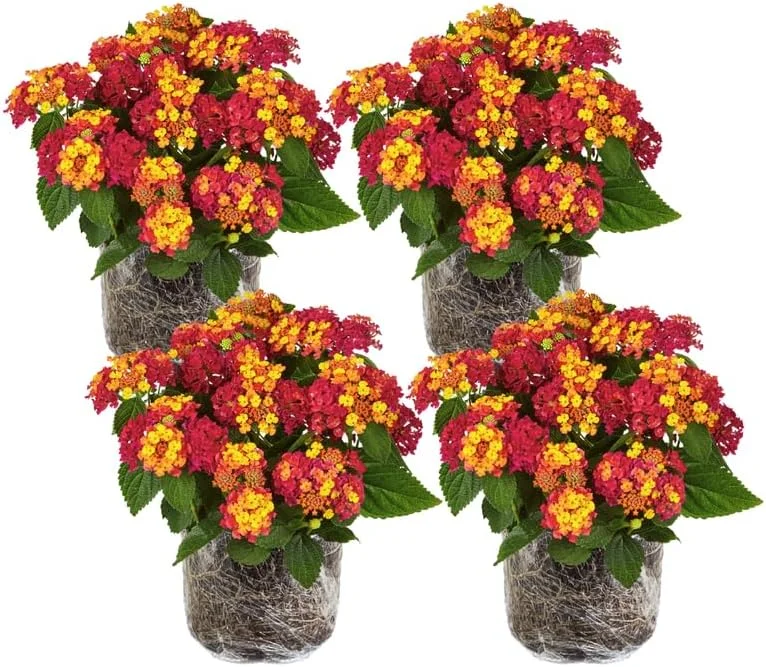
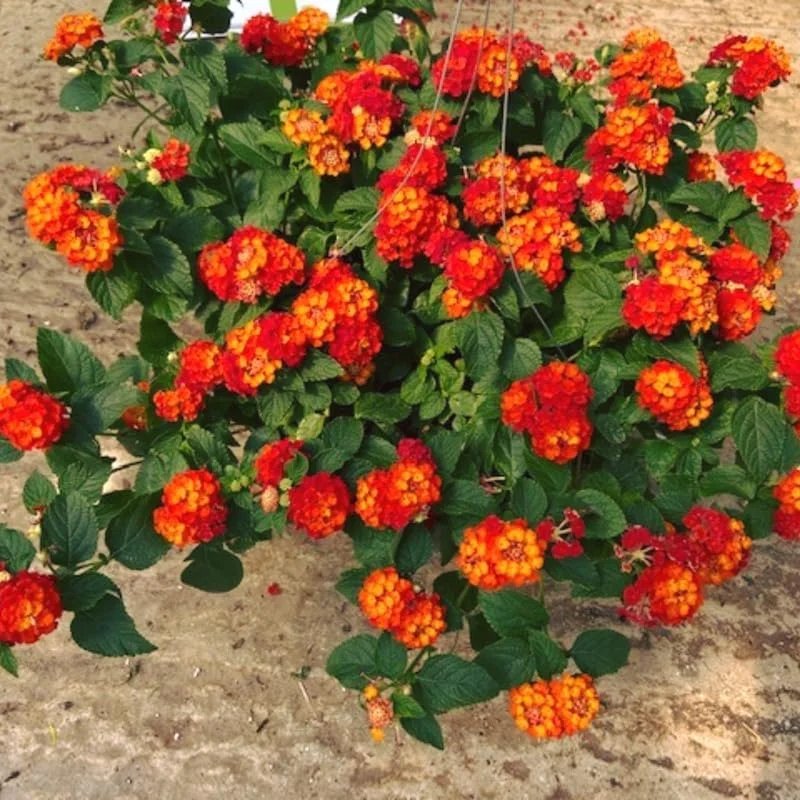
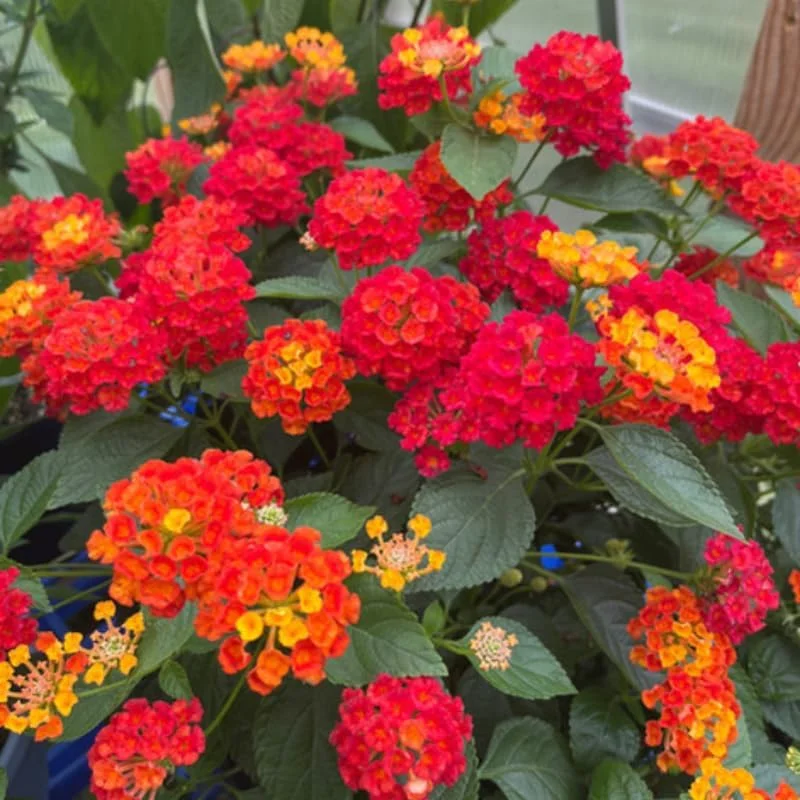
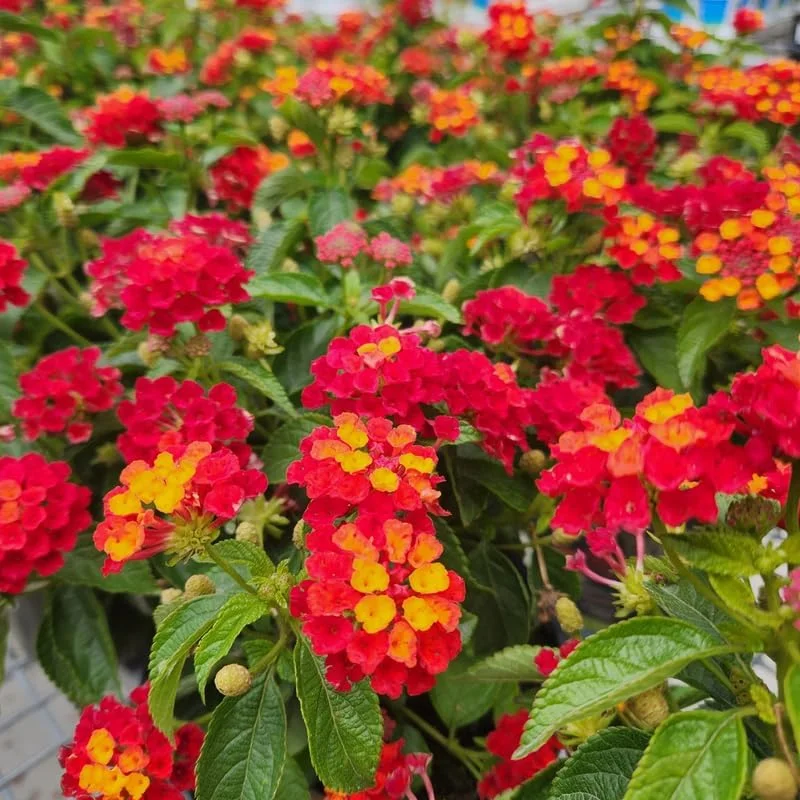
Lantana Live Plants – 4 Pack, Red Yellow, 4-7 Inches Tall, Full Sun
$28.74
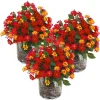
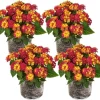
Bring a burst of color to your outdoor space with these beautiful Lantana live plants. This 4-pack offers vibrant red and yellow blooms, thriving in full sun. Ideal for gardens, containers, and attracting pollinators.
Shipping and Return policies:
We stand behind our plants with our Alive & Thrive Guarantee. If you experience any issues within the first 30 days, please email us, and our team will be happy to help. When needed, we’ll send you a one-time replacement free of charge to make sure your garden keeps growing strong.

Reasonable Price
We offer reasonable price

Support 24/7
Contact us 24 hrs a day
100% Money Back
You’ve 30 days to Return
Payment Secure
100% secure payment
Overview
Introduce a splash of continuous color and charm to your garden with these stunning Lantana live plants. Known for their prolific blooming and vibrant clusters of flowers, Lantana camara is a popular choice for gardeners seeking low-maintenance yet high-impact plants. This offering includes a convenient 4-pack of healthy plants, each standing 4-7 inches tall and well-rooted, ready to flourish in your outdoor environment. The captivating red and yellow flowers create a dynamic display, changing hues as they mature, adding an ever-evolving beauty to your landscape. Often treated as annuals in cooler climates, these hardy plants can perform as perennials in warmer USDA Zones, providing long-lasting enjoyment. Whether you’re looking to fill a flower bed, adorn a patio with container plants, or attract beneficial pollinators like butterflies and hummingbirds, these Red Yellow Lantana plants are an excellent choice.
Lantana plants are celebrated for their resilience, tolerating heat and drought once established, making them perfect for sunny, exposed locations. Their cheerful blooms appear continuously from spring until the first frost, ensuring your garden remains lively and colorful throughout the growing season. These plants are incredibly versatile, fitting seamlessly into various garden designs, from cottage gardens to more formal arrangements. With their robust nature and striking appearance, these Lantana live plants will quickly become a favorite feature in your outdoor space, offering consistent beauty and minimal fuss.
Key Benefits
Cultivating Lantana live plants in your garden offers a multitude of advantages, enhancing both the aesthetic appeal and ecological health of your outdoor environment. These plants are not just beautiful; they are also incredibly beneficial and easy to care for.
- Vibrant, Continuous Blooms: Enjoy a season-long display of bright red and yellow flowers. These blooms appear continuously from spring through fall, ensuring your garden is always filled with color. The unique color-changing nature of the flowers adds an extra layer of visual interest.
- Attracts Pollinators: Lantana is a magnet for butterflies, bees, and hummingbirds. Planting these Lantana live plants helps support local ecosystems by providing a vital nectar source for these beneficial garden visitors, enhancing biodiversity in your yard.
- Heat and Drought Tolerant: Once established, these hardy plants are remarkably resilient to high temperatures and periods of drought. This makes them an ideal choice for gardeners in hot climates or those seeking water-wise landscaping solutions, reducing the need for constant watering.
- Low Maintenance: These Hardy Lantana plants require minimal care to thrive. They are generally pest and disease resistant, making them a stress-free addition to any garden. A little pruning and occasional feeding are usually all that’s needed for abundant flowering.
- Versatile Garden Use: Perfect for a variety of landscaping applications, including ground cover, mixed borders, container gardening, hanging baskets, and mass plantings. Their mounding habit and spreading nature allow them to fill spaces beautifully, creating a lush and colorful effect.
- Deer Resistant: Lantana is often left untouched by deer, making it a great option for gardens in areas where deer browsing is a concern. Enjoy your beautiful blooms without the worry of them being eaten.
- Perennial in Warm Climates: While often grown as annuals, these outdoor flowering plants can return year after year in USDA Zones 8-11, providing a long-term solution for vibrant garden color.
Plant Care & Growing Tips
Caring for your Lantana live plants is straightforward, making them an excellent choice for both novice and experienced gardeners. These resilient plants thrive with minimal fuss when their basic needs are met. The most crucial factor for abundant blooms is ample sunlight. Lantana requires at least 6-8 hours of direct sunlight per day to flower profusely. Plant them in a location that receives full sun exposure throughout the day. In extremely hot climates, some afternoon shade can be beneficial to prevent scorching, but generally, more sun equals more flowers. Good air circulation is also important to prevent fungal issues, so avoid overly crowded planting spots.
When it comes to watering, Lantana plant care is relatively easy. While establishing, new plants should be watered regularly to keep the soil consistently moist but not waterlogged. Once established, Lantana is quite drought-tolerant and prefers to dry out slightly between waterings. Overwatering can lead to root rot, so ensure good drainage. For soil, these plants are not particularly picky but prefer well-draining soil. A slightly acidic to neutral pH (6.0-7.0) is ideal. Amending heavy clay soils with organic matter can improve drainage, while sandy soils may benefit from compost to retain some moisture and nutrients.
These Hardy Lantana plants perform best in USDA Zones 8-11 as perennials, where they can survive winter temperatures. In colder zones (USDA Zone 7 and below), they are typically grown as annuals, dying back with the first hard frost. Fertilize your Lantana every 4-6 weeks during the growing season with a balanced, slow-release granular fertilizer or a liquid feed, especially if grown in containers. Avoid high-nitrogen fertilizers, which can promote foliage growth at the expense of flowers. Pruning is beneficial for maintaining shape and encouraging more blooms; simply deadhead spent flowers or trim back leggy growth. Watch out for common pests like whiteflies or spider mites, which can be managed with insecticidal soap if they become a problem. Proper spacing and good cultural practices will generally keep your Red Yellow Lantana healthy and thriving.
Size & Details
This product includes a pack of four healthy Lantana live plants, each measuring approximately 4-7 inches tall from the base of the plant to the top of the foliage. These plants are well-rooted and established, ensuring a strong start in your garden. They are shipped ready to plant, typically in a small nursery pot or with their root ball protected. When mature, these vigorous outdoor flowering plants can reach a height of up to 2 feet and spread equally wide, forming a beautiful mounding or spreading habit depending on the variety and growing conditions. Their rapid growth rate means you won’t have to wait long to enjoy their full beauty and vibrant blooms.
The flowers are a striking combination of red and yellow, often changing shades as they age, providing continuous visual interest. These plants are ideal for creating bold statements in garden beds, attracting pollinators, or adding a touch of tropical flair to containers and hanging baskets. Expect blooms to appear from late spring through fall, ceasing only with the arrival of the first frost. The robust nature of these Hardy Lantana plants ensures they will provide a long season of enjoyment with proper care.
Frequently Asked Questions
- Q: How big do these Lantana live plants get? A: These plants typically grow to a mature height of up to 2 feet and can spread equally wide, forming a beautiful mounding or spreading habit. Their exact size can vary depending on growing conditions and climate.
- Q: Are these an indoor or outdoor plant? A: Lantana are primarily outdoor flowering plants. They thrive in full sun and are best suited for garden beds, containers, and landscapes outdoors. In colder climates, they can be treated as annuals or overwintered indoors with proper care.
- Q: How much sunlight does Red Yellow Lantana need? A: Lantana requires full sun exposure, meaning at least 6-8 hours of direct sunlight per day, to produce the most abundant blooms. Insufficient light will result in fewer flowers.
- Q: Is this plant easy to care for? Is it good for beginners? A: Yes, Lantana is considered a very easy-to-care-for plant, making it an excellent choice for beginners. Once established, it is drought-tolerant and generally resistant to pests and diseases, requiring minimal maintenance.
- Q: What condition will the plants arrive in? A: Your Lantana live plants will arrive well-rooted and healthy, typically 4-7 inches tall, ready for planting. We take great care in packaging to ensure they reach you in optimal condition.
- Q: When is the best time to plant Hardy Lantana plants? A: The best time to plant Lantana is in spring after all danger of frost has passed. This allows the plants ample time to establish their root system before the heat of summer.
- Q: Will these survive winter in my zone? A: Lantana can perform as perennials in USDA Zones 8-11. In colder zones, they are typically grown as annuals and will die back with the first hard frost. You can attempt to overwinter them indoors in a bright, cool location.
Be the first to review “Lantana Live Plants – 4 Pack, Red Yellow, 4-7 Inches Tall, Full Sun”
You must be logged in to post a review.
People also Viewed
Sold 50 products
Original price was: $28.58.$19.99Current price is: $19.99.
Sold 50 products
$32.39
Sold 50 products
$21.59
Sold 50 products
$35.99
Sold 50 products
Price range: $23.15 through $25.19
Sold 50 products
$38.39
Sold 50 products
Price range: $28.79 through $35.99
Sold 50 products
$26.39RELATED posts
How to Grow Jalapeño Peppers From Seeds: A Step-by-Step Guide
Ready to spice things up in your garden? Jalapeños are the true life of the [...]
Apr
Top 12 Best Types of Peppers to Grow in Your Garden: Easy and High Yield
Growing peppers is, quite honestly, one of the biggest “wins” you can have in a [...]
Apr
Frostproof Jasmine Care: 7 Tips for Successful Pot Growth
Most gardenias are known for being “divas.” They want perfect humidity, perfect soil, and they [...]
Mar
Top 7 Best Smelling Jasmine Varieties for a Heavenly Garden
Have you ever walked past a house and caught a scent so sweet you just [...]
Mar
Master the Heat: 8 Expert Tips for Growing Jalapeños Like a Pro
Are you staring at your garden space, wondering why your pepper plants look more like [...]
Mar
Top 5 Must-Have Hoya Varieties for Beginners
Hoyas are easily one of my top recommendations if you’re hunting for a low-maintenance houseplant [...]
Mar
7 Moringa Plant Care Mistakes to Avoid for Healthy Growth
Have you ever looked at your Moringa tree and wondered why its once vibrant green [...]
Feb
How to Grow Potato Onions From True Seeds: A Step-by-Step Guide
Have you ever wondered how to grow potato onions from true seeds or why some [...]
Feb
Reviews
There are no reviews yet.