
Kalanchoe Pink Butterfly Live Plant – 2 Inch Pot, Variegated Mother of Thousands Succulent Houseplant
$17.99
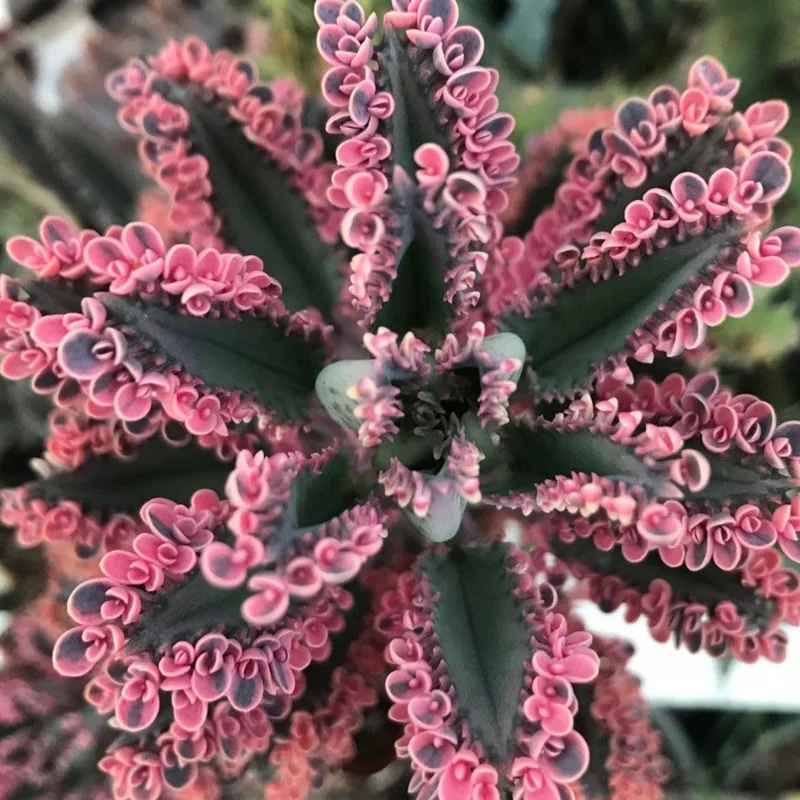
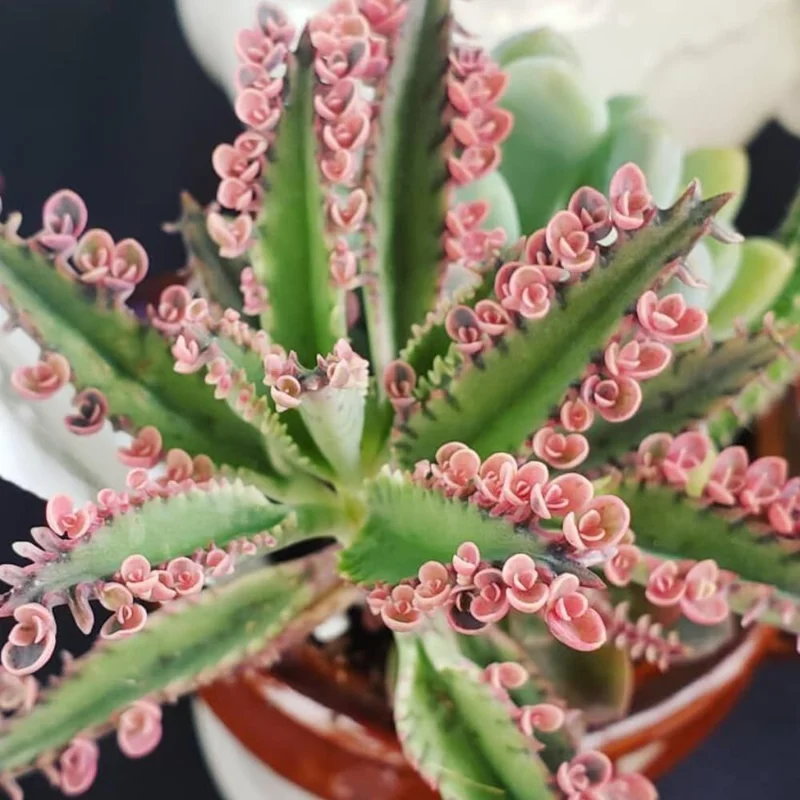
Bring home the captivating Kalanchoe Pink Butterfly live plant, a beautiful variegated succulent that adds a splash of vibrant pink to any space. This Mother of Thousands plant is easy to care for, drought-tolerant, and perfect for beginners. Shipped in a 2-inch pot, it’s ideal for desks, windowsills, or as a unique gift, offering stunning foliage and prolific plantlet production.
Shipping and Return policies:
We stand behind our plants with our Alive & Thrive Guarantee. If you experience any issues within the first 30 days, please email us, and our team will be happy to help. When needed, we’ll send you a one-time replacement free of charge to make sure your garden keeps growing strong.

Reasonable Price
We offer reasonable price

Support 24/7
Contact us 24 hrs a day
100% Money Back
You’ve 30 days to Return
Payment Secure
100% secure payment
Overview
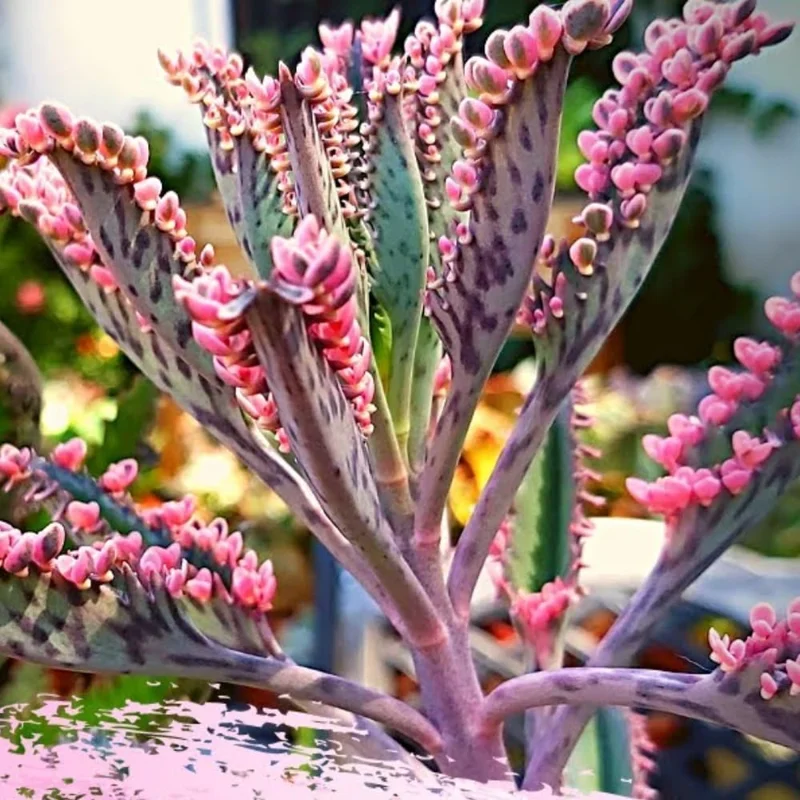
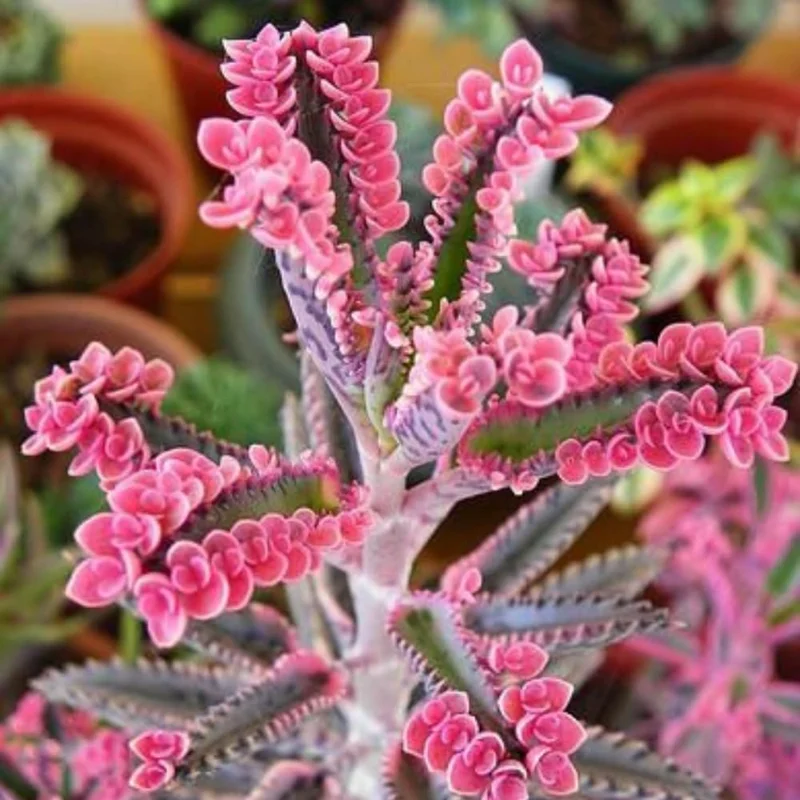
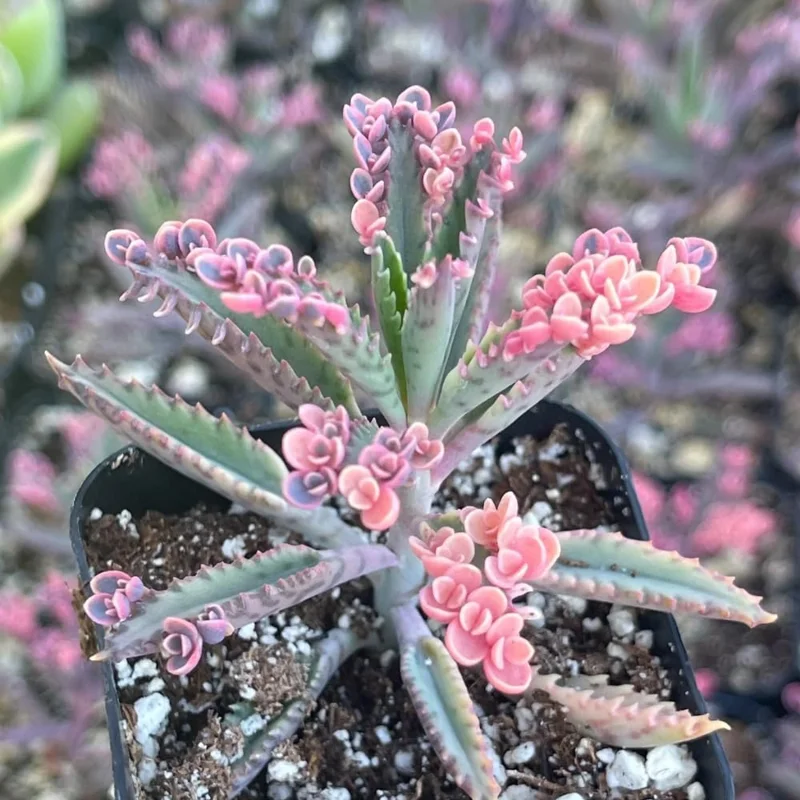
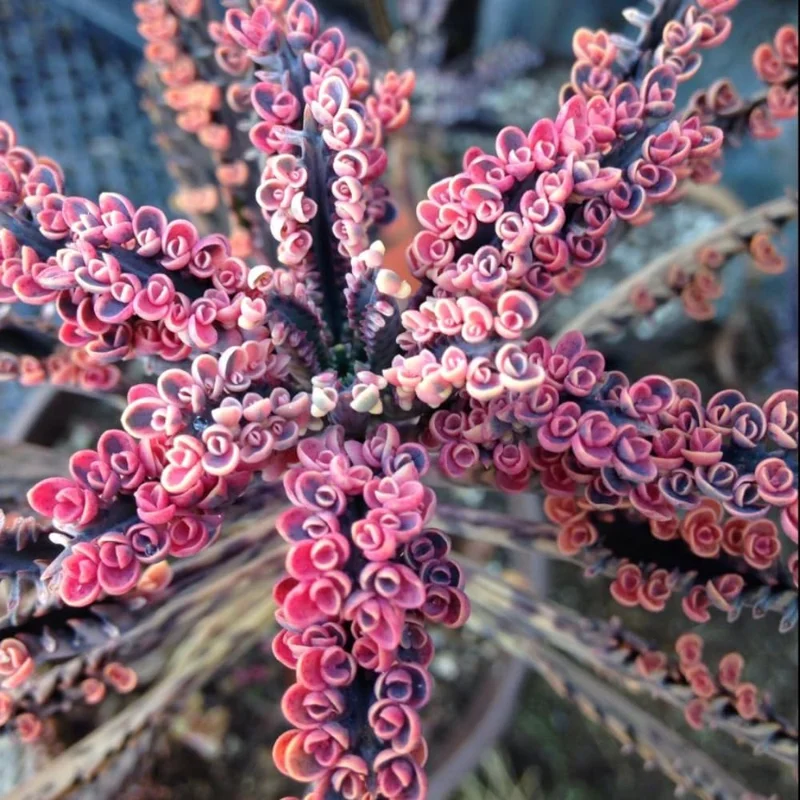
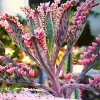
Discover the enchanting beauty of the Kalanchoe Pink Butterfly live plant, a truly remarkable succulent that brings a touch of whimsical charm to any plant collection. Known scientifically as Bryophyllum daigremontianum ‘Pink Butterflies’, and affectionately called Mother of Thousands plant due to its prolific production of plantlets along its leaf margins, this species is a visual delight. Its distinctive variegated leaves feature shades of green and cream, beautifully accented with vibrant pink edges and small pink ‘butterfly’ plantlets. This live plant comes nestled in a 2-inch pot, perfectly sized for immediate display or transplanting. Whether you’re a seasoned succulent enthusiast or a beginner looking for an easy-to-care-for and visually stunning addition, the Bryophyllum daigremontianum Pink Butterflies offers unparalleled appeal. Its unique form and striking coloration make it a conversation starter and a focal point in any room or garden setting. Embrace the joy of watching this fascinating succulent grow and multiply, creating a dynamic and ever-evolving display.
Key Benefits
The Kalanchoe Pink Butterfly live plant offers a multitude of benefits, making it an excellent choice for various settings. Its ornamental value is undeniable, but it also boasts resilience and ease of maintenance, appealing to a wide range of plant lovers. This captivating succulent is more than just a pretty face; it’s a living piece of art that continuously rewards its caretaker.
- Stunning Variegated Foliage: The primary allure of this succulent lies in its unique leaf coloration. Each leaf displays an intricate pattern of green, cream, and vibrant pink, creating a mesmerizing visual texture. This natural artistry ensures that no two leaves are exactly alike, adding to its individual charm.
- Prolific Plantlet Production: True to its nickname, Mother of Thousands plant, it produces numerous tiny pink plantlets along the edges of its leaves. These ‘butterflies’ are not only adorable but can also be easily propagated, allowing you to share the joy of this plant with friends and family, or expand your own collection.
- Low Maintenance & Drought Tolerant: Ideal for busy individuals or those new to plant care, this Kalanchoe variety requires minimal attention. It is highly drought-tolerant, forgiving if you occasionally forget to water, and thrives with basic care, making pink Kalanchoe care surprisingly simple.
- Versatile Decor Piece: Its compact size and striking appearance make it perfect for a variety of indoor and outdoor applications. Place it on a desk, bookshelf, windowsill, or as part of a succulent arrangement. Outdoors, it adds a unique texture to rock gardens or container plantings.
- Air Purifying Qualities: Like many houseplants, the Kalanchoe Pink Butterfly live plant contributes to a healthier indoor environment by helping to filter toxins and improve air quality, albeit to a modest extent.
- Unique Gift Idea: Due to its distinctive appearance and easy-care nature, this plant makes a thoughtful and memorable gift for plant enthusiasts, beginners, or anyone who appreciates natural beauty.
- Adaptable to Various Conditions: While preferring specific conditions, this succulent demonstrates a good degree of adaptability, thriving in a range of environments as long as its basic needs for light and drainage are met.
Plant Care & Growing Tips
Providing the right environment is key to ensuring your Kalanchoe Pink Butterfly live plant thrives. This resilient succulent is generally easy to care for, making pink Kalanchoe care a rewarding experience for gardeners of all levels. Understanding its fundamental needs will help you cultivate a healthy and vibrant specimen. For optimal growth, the Bryophyllum daigremontianum Pink Butterflies thrives in consistent conditions.
Sunlight Requirements: The Kalanchoe Pink Butterfly live plant prefers bright, indirect light for optimal growth and coloration. While it can tolerate some direct morning sun, prolonged exposure to intense afternoon sun, especially in hot climates, can scorch its delicate leaves. If grown indoors, a south or west-facing window with filtered light is ideal. Outdoors, choose a spot with partial sun to bright shade. Adequate light is crucial for developing its vibrant pink hues; insufficient light may result in greener, less colorful foliage and leggy growth.
Watering Schedule & Soil Moisture: As a succulent, this plant is highly sensitive to overwatering. Allow the soil to dry out completely between waterings. When watering, do so thoroughly until water drains from the bottom of the pot. In cooler months or during periods of low light, reduce watering frequency significantly. A good rule of thumb is to check the soil moisture with your finger; if the top 1-2 inches are dry, it’s time to water. Ensure excellent drainage to prevent root rot, which is a common issue for succulents.
Soil Type & Drainage: A well-draining soil mix is paramount for the health of your variegated succulent indoor. Use a specialized succulent and cactus potting mix, or create your own by amending regular potting soil with perlite, pumice, or coarse sand to improve drainage. The pot itself should have drainage holes to prevent water from pooling at the bottom. This ensures the roots don’t sit in soggy conditions, which can quickly lead to disease.
Temperature & Humidity: This Kalanchoe thrives in average room temperatures, ideally between 65-80°F (18-27°C). It is not frost-tolerant and should be protected from temperatures below 40°F (4°C). If grown outdoors in zones with cold winters, it should be brought indoors before the first frost. Moderate humidity is generally fine; it does not require high humidity and can tolerate dry indoor air. Most homes provide suitable humidity levels for this plant.
Fertilization: Fertilize sparingly, if at all. Succulents generally don’t require heavy feeding. If you choose to fertilize, use a balanced, diluted liquid fertilizer formulated for succulents or cacti during the active growing season (spring and summer), typically once every 2-4 weeks. Avoid fertilizing during fall and winter when the plant’s growth slows down. Over-fertilization can harm the plant.
Pests & Problems: The Kalanchoe Pink Butterfly is relatively pest-resistant. However, watch out for common succulent pests like mealybugs and spider mites. Inspect your plant regularly, especially the undersides of leaves. Treat any infestations promptly with insecticidal soap or neem oil. The most common problem is root rot due to overwatering, so adhering to proper watering practices is crucial.
Size & Details
This delightful Kalanchoe Pink Butterfly live plant arrives in a convenient 2 Inches Pot, making it an ideal starter plant for your collection. At this stage, the plant typically stands approximately 4-6 inches tall, including the pot, with a spread of about 3-5 inches, depending on individual growth. Its compact size makes it perfect for windowsills, desks, or as a charming addition to a mixed succulent planter. The variegation and vibrant pink edges are already well-established on its leaves, showcasing its unique beauty. As it matures, this variegated succulent can reach a height of up to 12-18 inches and a width of 8-12 inches, though its growth habit can be influenced by pot size and growing conditions. The plant is shipped as a rooted plant in its nursery pot, ensuring a healthy start in its new home. Expect a moderate growth rate, with new plantlets continually forming along the leaf margins, providing endless opportunities for propagation and enjoyment. This Mother of Thousands plant is known for its ability to produce small, pink flowers when mature and under optimal conditions, adding another layer of charm to its already captivating presence.
Frequently Asked Questions
- Q: How big does this plant get? A: This Kalanchoe Pink Butterfly live plant typically arrives in a 2-inch pot and is about 4-6 inches tall. When mature, with proper care, it can reach heights of 12-18 inches and spreads of 8-12 inches, making it a medium-sized succulent.
- Q: What size pot does it come in? A: The Kalanchoe Pink Butterfly live plant is shipped in a 2-inch nursery pot, providing a healthy environment for its initial growth. You can repot it into a slightly larger pot as it grows.
- Q: Is this an indoor or outdoor plant? A: This variegated succulent indoor can thrive both indoors and outdoors. Indoors, it prefers bright, indirect light. Outdoors, it can tolerate partial sun, but must be protected from frost and intense afternoon sun.
- Q: How much sunlight does it need? A: The Kalanchoe Pink Butterfly live plant requires bright, indirect sunlight to maintain its vibrant colors. Avoid harsh, direct afternoon sun which can scorch its leaves. A few hours of morning sun is beneficial.
- Q: Is this plant easy to care for? A: Yes, pink Kalanchoe care is considered relatively easy. It is drought-tolerant and requires minimal attention, making it an excellent choice for beginners and busy plant parents.
- Q: What condition will it arrive in? A: Your Kalanchoe Pink Butterfly live plant will arrive as a healthy, rooted plant in its nursery pot, carefully packaged to ensure its safe journey. It will be ready for immediate display or transplanting.
- Q: Is it shipped in soil? A: Yes, the plant is shipped in its original nursery pot with soil, ensuring its roots are protected and hydrated during transit.
- Q: How often should I water my Kalanchoe Pink Butterfly? A: Water only when the soil has completely dried out. This variegated succulent indoor is very susceptible to root rot if overwatered. Err on the side of underwatering rather than overwatering.
- Q: Is this plant pet-safe? A: Kalanchoe plants are generally considered toxic to pets if ingested. It’s best to keep this plant out of reach of curious animals.
- Q: When is the best time to plant or repot this succulent? A: The best time to repot your Kalanchoe Pink Butterfly live plant is during its active growing season in spring or early summer. You can plant it any time of year if grown indoors.
- Q: Will it produce flowers? A: Yes, mature Mother of Thousands plant specimens can produce small, delicate pink flowers, typically during the cooler, drier months, given optimal growing conditions.
Be the first to review “Kalanchoe Pink Butterfly Live Plant – 2 Inch Pot, Variegated Mother of Thousands Succulent Houseplant”
You must be logged in to post a review.
People also Viewed
Sold 50 products
Original price was: $17.58.$11.86Current price is: $11.86.
Sold 50 products
Price range: $32.99 through $35.99
Sold 50 products
$69.99
Sold 50 products
$18.99
Sold 50 products
Price range: $14.98 through $23.89
Sold 50 products
$32.99
Sold 50 products
$24.99

Sold 50 products
Price range: $43.99 through $44.99RELATED posts
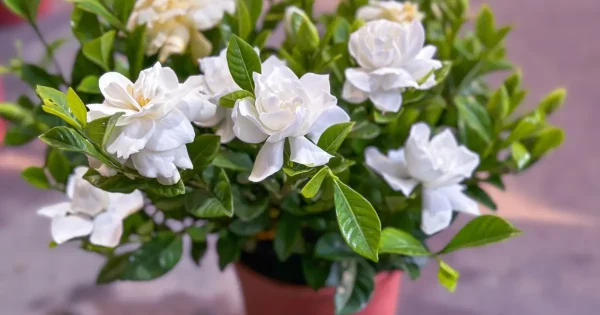
Frostproof Jasmine Care: 7 Tips for Successful Pot Growth
Most gardenias are known for being “divas.” They want perfect humidity, perfect soil, and they [...]
Mar
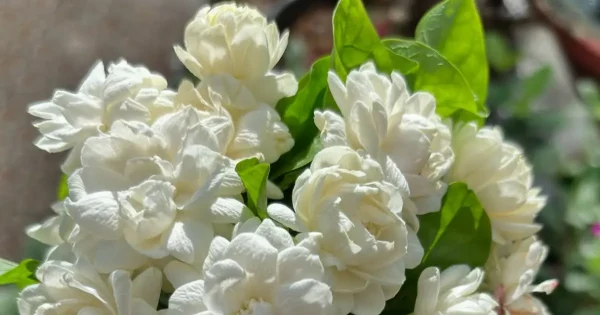
Top 7 Best Smelling Jasmine Varieties for a Heavenly Garden
Have you ever walked past a house and caught a scent so sweet you just [...]
Mar
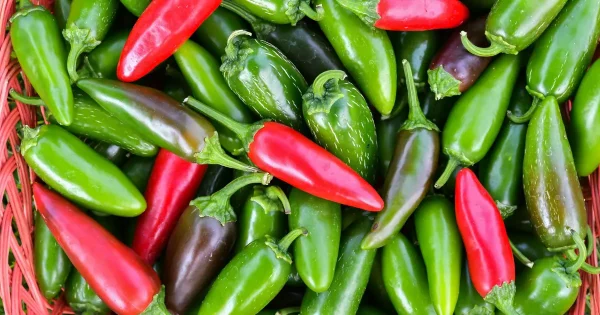
Master the Heat: 8 Expert Tips for Growing Jalapeños Like a Pro
Are you staring at your garden space, wondering why your pepper plants look more like [...]
Mar
Top 5 Must-Have Hoya Varieties for Beginners
Hoyas are easily one of my top recommendations if you’re hunting for a low-maintenance houseplant [...]
Mar
7 Moringa Plant Care Mistakes to Avoid for Healthy Growth
Have you ever looked at your Moringa tree and wondered why its once vibrant green [...]
Feb
How to Grow Potato Onions From True Seeds: A Step-by-Step Guide
Have you ever wondered how to grow potato onions from true seeds or why some [...]
Feb
Growing Walking Onions in Containers: The Ultimate Guide
Have you ever looked at your small balcony or cramped patio and wished you could [...]
Feb

9 Best Flower Seeds to Start in February for Early Blooms
If you’re a passionate gardener, you know that itchy feeling in your fingers when February [...]
Jan
Reviews
There are no reviews yet.