
Hardy Pecan Tree Bare Roots – 4 Live Plants, 12-20 Inches Tall, Outdoor
Original price was: $65.58.$59.02Current price is: $59.02.
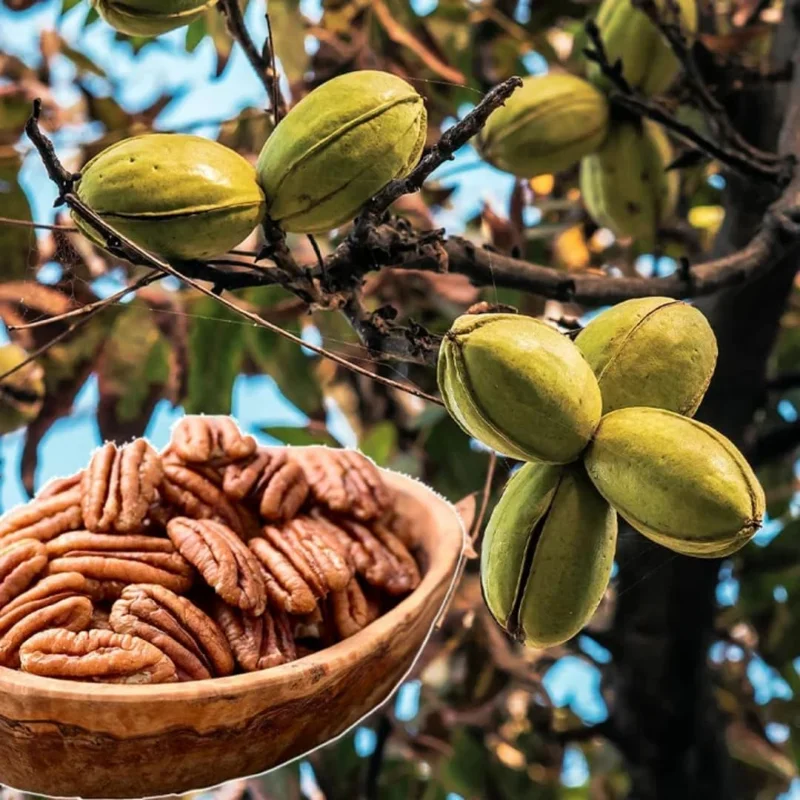
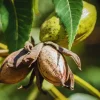
Cultivate your own orchard with these hardy pecan tree bare roots. Each pack contains 4 live plants, 12 to 20 inches tall, ready to establish in your garden. These robust pecan trees are known for their cold tolerance and ability to thrive in a variety of soils, making them an excellent choice for outdoor planting and a long-term investment in fresh nuts.
Shipping and Return policies:
We stand behind our plants with our Alive & Thrive Guarantee. If you experience any issues within the first 30 days, please email us, and our team will be happy to help. When needed, we’ll send you a one-time replacement free of charge to make sure your garden keeps growing strong.

Reasonable Price
We offer reasonable price

Support 24/7
Contact us 24 hrs a day
100% Money Back
You’ve 30 days to Return
Payment Secure
100% secure payment
Overview
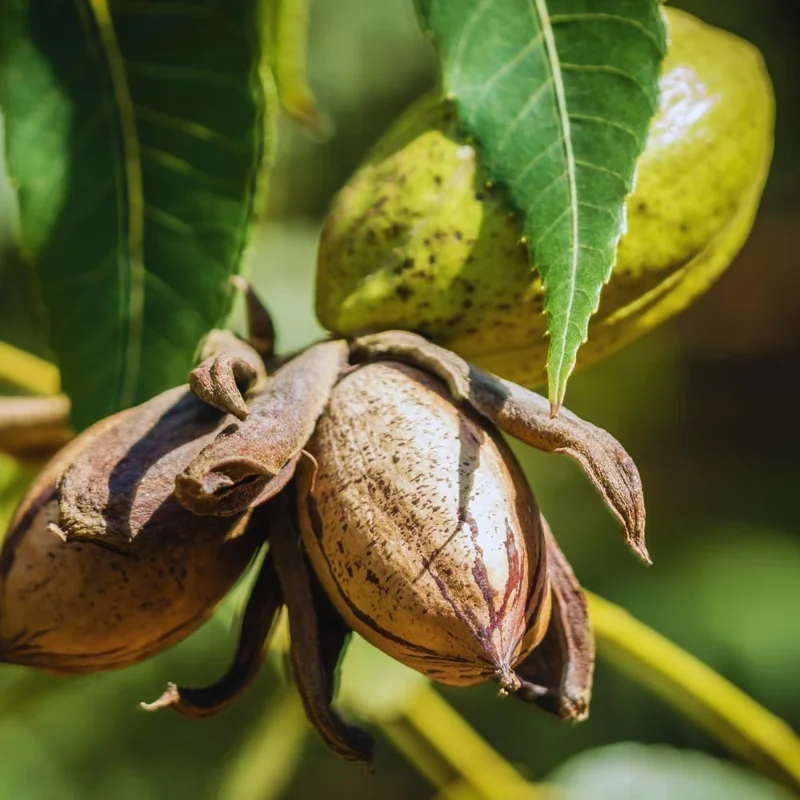
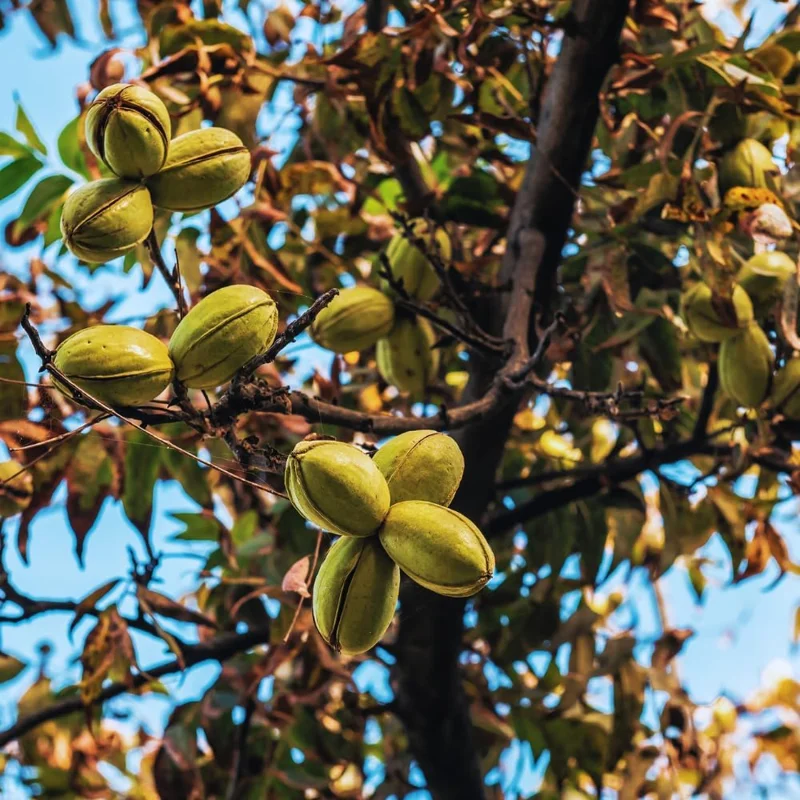
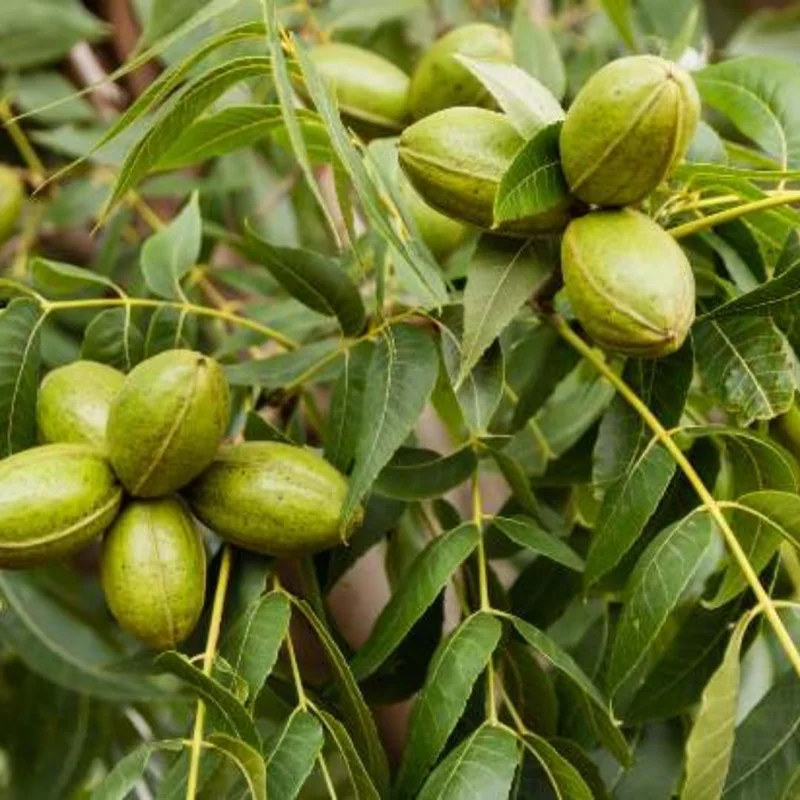
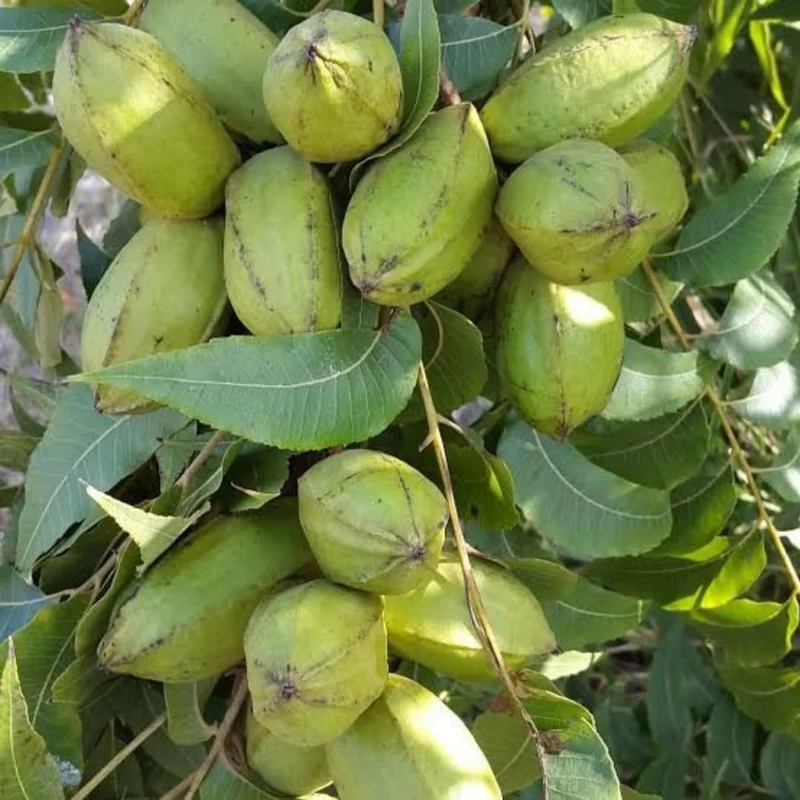
Embark on a rewarding gardening journey with our premium selection of hardy pecan tree bare roots. This offering includes 4 vigorous live plants, each measuring 12 to 20 inches tall, poised to become a productive addition to your landscape. Pecan trees, scientifically known as Carya illinoinensis, are highly prized for their delicious, nutritious nuts and their majestic presence in any garden or orchard. These bare root plants are an economical and effective way to establish new trees, as they are shipped dormant and ready for planting, minimizing transplant shock and promoting robust growth from the start. Perfect for home gardeners and aspiring orchardists, these pecan trees promise years of enjoyment and abundant harvests.
Our hardy pecan tree bare roots are specifically selected for their resilience and adaptability, ensuring they can withstand a range of environmental conditions. Pecan trees are deciduous, offering beautiful seasonal changes from lush green foliage in summer to golden hues in autumn. Beyond their ornamental value, they are a fantastic source of shade and a habitat for local wildlife. Growing your own pecan trees allows you to enjoy fresh, organic nuts right from your backyard, a truly satisfying experience for any plant enthusiast.
Key Benefits
Investing in these hardy pecan tree bare roots brings a wealth of advantages to your garden and lifestyle. These plants are not just trees; they are a long-term source of food, beauty, and environmental benefit.
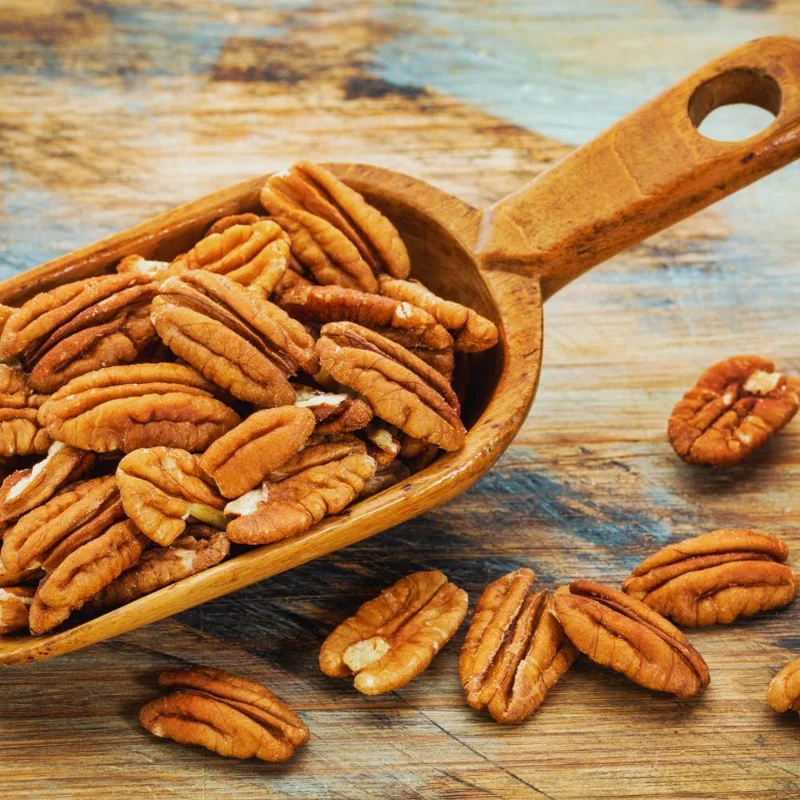
- Abundant Nut Production: Once established, these pecan trees will provide a generous harvest of flavorful, nutrient-rich pecans, perfect for baking, snacking, or sharing with family and friends. Enjoy the satisfaction of growing your own food.
- Exceptional Hardiness: Bred for resilience, these pecan trees are cold-tolerant and thrive in USDA Zones 4-8, making them suitable for a wide range of climates. They are designed to withstand challenging winter conditions.
- Low Maintenance: After initial establishment, pecan tree for sale requires relatively low maintenance compared to many other fruit-bearing trees. They are robust growers that adapt well to various soil types and conditions.
- Environmental Contribution: Pecan trees are excellent for the environment, providing significant shade, improving air quality, and offering a natural habitat for various wildlife species, contributing to local biodiversity.
- Long-Term Investment: A pecan tree is a long-lived plant that will continue to produce nuts for many decades, becoming a valuable asset to your property and a legacy for future generations.
- Aesthetic Appeal: With their stately form and beautiful foliage, pecan trees enhance the visual appeal of any landscape, providing a majestic backdrop and a focal point in your garden.
- Versatile Culinary Uses: Fresh pecans are incredibly versatile in the kitchen, used in pies, cakes, salads, and as a healthy snack. Having a fresh supply opens up endless culinary possibilities.
Plant Care & Growing Tips
To ensure your hardy pecan tree bare roots flourish, proper care and planting techniques are crucial. Pecan trees are known for their adaptability, but providing optimal conditions will lead to faster growth and more prolific nut production. When you are learning how to grow pecan tree, remember that the initial planting phase is vital for long-term success.
Sunlight requirements: Pecan trees are sun-loving plants and require at least 6-8 hours of direct, full sun exposure daily to thrive and produce nuts. Choose a location in your garden that receives ample sunlight throughout the day, away from competing shade from buildings or other large trees. While they can tolerate some partial shade, nut production will be significantly reduced.
Watering schedule and soil moisture preferences: Consistent moisture is key, especially during the first few years after planting. Water newly planted bare roots deeply and regularly, ensuring the soil remains consistently moist but not waterlogged. Once established, pecan trees are somewhat drought-tolerant but will benefit from deep watering during dry spells, particularly when nuts are developing. Aim for about 1 inch of water per week from rain or irrigation. The soil should be well-draining to prevent root rot.
Soil type and drainage requirements: Pecan trees prefer deep, well-draining, fertile loamy soil with a pH between 6.0 and 7.0. They can tolerate a range of soil types, but heavy clay soils should be amended with organic matter to improve drainage. Good drainage is paramount as pecan roots are susceptible to rot in saturated conditions. Ensure the planting site allows water to drain away freely.
Temperature range and USDA hardiness zone: These cold hardy pecan trees are suitable for USDA Hardiness Zones 4-8. They are deciduous and require a certain amount of chill hours during winter for proper dormancy and subsequent nut production. They tolerate a wide range of summer temperatures, but extreme heat without adequate moisture can stress the trees. Protect young trees from late spring frosts if temperatures dip unexpectedly.
Fertilization schedule and type: Begin fertilizing your pecan trees in their second year. Use a balanced fertilizer specifically formulated for trees or a slow-release granular fertilizer. Apply in early spring before new growth begins. Adjust the amount based on the tree’s size and growth rate. Over-fertilization can be detrimental, so follow product instructions carefully. A soil test can help determine specific nutrient deficiencies.
Size & Details
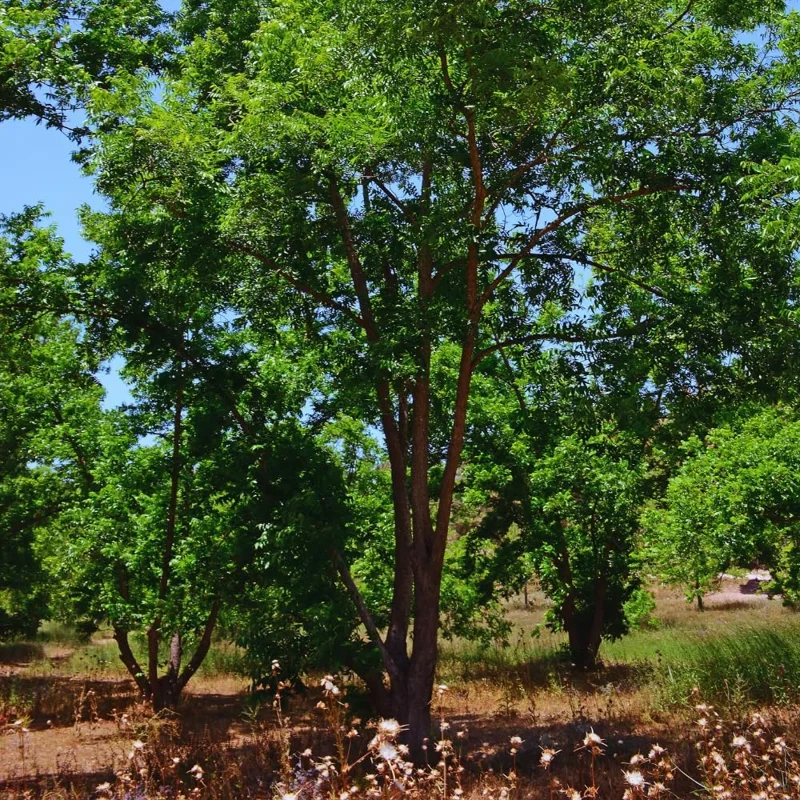
This offering includes 4 individual hardy pecan tree bare roots, each approximately 12 to 20 inches tall upon arrival. Bare roots are dormant plants that have been harvested from the ground with no soil around their roots, making them efficient to ship and ideal for planting during their dormant season. These young trees are expected to grow into substantial shade trees, reaching heights of 70-100 feet or more with a spread of 40-75 feet at maturity, depending on growing conditions and specific variety. The growth rate is moderate, typically adding 1-2 feet per year once established. You can expect your first significant nut production to begin around 6-10 years after planting, with full production achieved after 15-20 years. These bare roots are ready for immediate planting upon arrival in late winter or early spring.
Frequently Asked Questions
- Q: How big does this plant get? A: These hardy pecan tree bare roots are 12-20 inches tall when shipped. Once mature, a pecan tree can reach impressive heights of 70-100 feet or more, with a canopy spread of 40-75 feet, providing significant shade and a majestic presence in your landscape.
- Q: What size pot does it come in? A: These are bare root plants, meaning they are shipped without soil or a pot. They should be planted directly into the ground as soon as possible after arrival.
- Q: Is this an indoor or outdoor plant? A: Pecan trees are strictly outdoor plants. They are large deciduous trees that require full sun, specific chill hours in winter, and ample space to grow and produce nuts. They are not suitable for indoor cultivation.
- Q: How much sunlight does it need? A: For optimal growth and nut production, a pecan tree requires at least 6-8 hours of direct, full sun exposure daily. Choose a planting site that is unshaded for most of the day.
- Q: Is this plant easy to care for? A: While initial planting and establishment of a pecan plant care requires attention, mature pecan trees are relatively low-maintenance. They are hardy and adaptable, making them a good choice for gardeners willing to commit to their long-term growth.
- Q: What condition will it arrive in? A: Your 4 hardy pecan tree bare roots will arrive dormant, carefully packaged to protect their roots during transit. They will appear as woody stems with a root system, ready for planting.
- Q: Is it shipped in soil? A: No, bare root plants are shipped without soil. Their roots are usually packed in a moist medium like peat moss or sawdust to prevent drying out during shipping.
- Q: How long until it produces nuts? A: Pecan trees typically begin to produce nuts within 6-10 years after planting from bare root. Full production can be expected around 15-20 years, with yields increasing over time.
- Q: When is the best time to plant? A: The ideal time to plant bare root pecan trees is in late winter or early spring, while the trees are still dormant and before new growth begins. This allows the roots to establish before the stress of summer heat.
- Q: Will it survive winter in my zone? A: These hardy pecan tree bare roots are suitable for USDA Hardiness Zones 4-8, indicating they are well-adapted to survive the winter conditions within these regions.
- Q: What’s the minimum temperature it can tolerate? A: Pecan trees in zones 4-8 are known for their cold hardiness and can tolerate winter temperatures significantly below freezing, often down to -20°F (-29°C) or lower, especially when dormant.
Be the first to review “Hardy Pecan Tree Bare Roots – 4 Live Plants, 12-20 Inches Tall, Outdoor”
You must be logged in to post a review.
People also Viewed
Sold 50 products
Original price was: $17.58.$11.86Current price is: $11.86.
Sold 50 products
Price range: $32.99 through $35.99
Sold 50 products
$69.99
Sold 50 products
$18.99
Sold 50 products
Price range: $14.98 through $23.89
Sold 50 products
$32.99
Sold 50 products
$24.99
Sold 50 products
Price range: $43.99 through $44.99RELATED posts
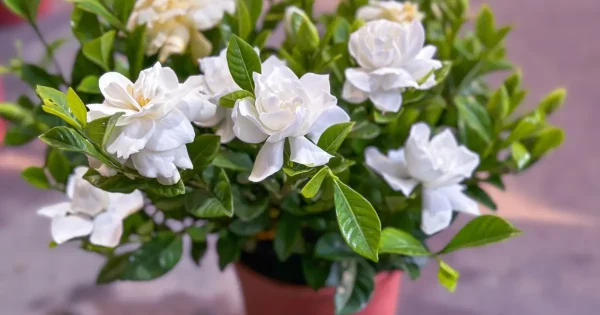
Frostproof Jasmine Care: 7 Tips for Successful Pot Growth
Most gardenias are known for being “divas.” They want perfect humidity, perfect soil, and they [...]
Mar
Top 7 Best Smelling Jasmine Varieties for a Heavenly Garden
Have you ever walked past a house and caught a scent so sweet you just [...]
Mar
Master the Heat: 8 Expert Tips for Growing Jalapeños Like a Pro
Are you staring at your garden space, wondering why your pepper plants look more like [...]
Mar
Top 5 Must-Have Hoya Varieties for Beginners
Hoyas are easily one of my top recommendations if you’re hunting for a low-maintenance houseplant [...]
Mar
7 Moringa Plant Care Mistakes to Avoid for Healthy Growth
Have you ever looked at your Moringa tree and wondered why its once vibrant green [...]
Feb
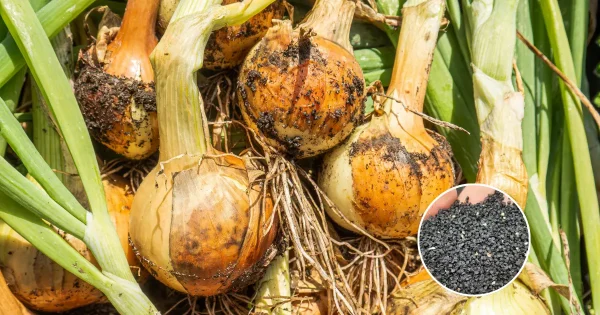
How to Grow Potato Onions From True Seeds: A Step-by-Step Guide
Have you ever wondered how to grow potato onions from true seeds or why some [...]
Feb
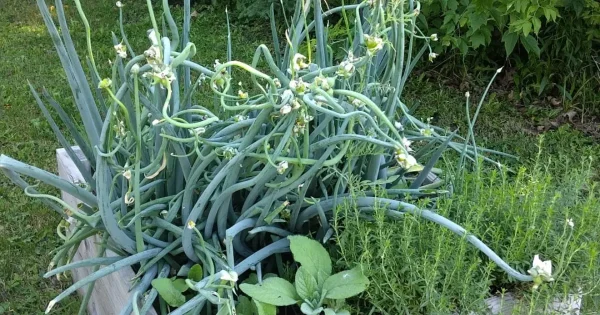
Growing Walking Onions in Containers: The Ultimate Guide
Have you ever looked at your small balcony or cramped patio and wished you could [...]
Feb

9 Best Flower Seeds to Start in February for Early Blooms
If you’re a passionate gardener, you know that itchy feeling in your fingers when February [...]
Jan
Reviews
There are no reviews yet.