
Hardy Male Kiwi Plant Live Vine – 5-9″ Tall Starter for Pollination Outdoor
$33.99
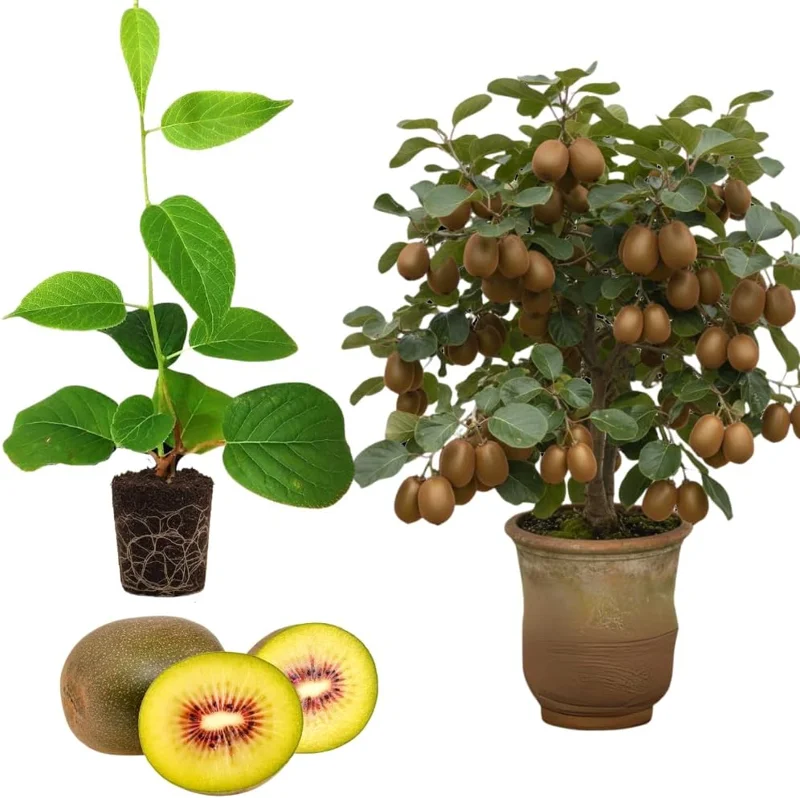
Ensure a successful kiwi harvest with this hardy male kiwi plant, a live starter vine. Standing 5-9 inches tall, this essential kiwi pollinator plant is crucial for fertilizing female kiwi vines, leading to an abundance of delicious kiwi berries. Easy to establish and perfect for outdoor gardens.
Shipping and Return policies:
We stand behind our plants with our Alive & Thrive Guarantee. If you experience any issues within the first 30 days, please email us, and our team will be happy to help. When needed, we’ll send you a one-time replacement free of charge to make sure your garden keeps growing strong.

Reasonable Price
We offer reasonable price

Support 24/7
Contact us 24 hrs a day
100% Money Back
You’ve 30 days to Return
Payment Secure
100% secure payment
Overview
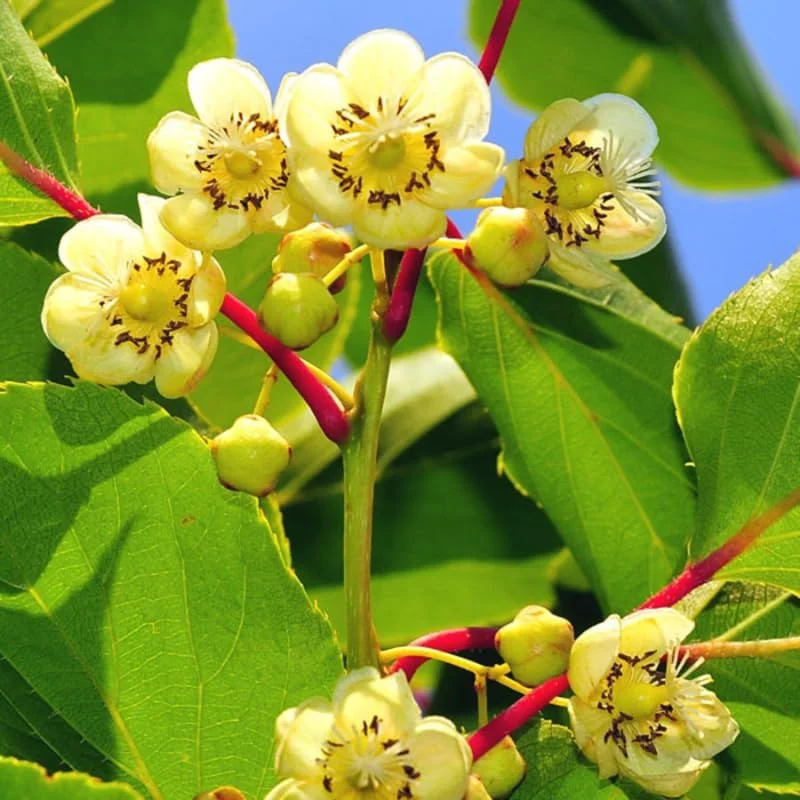
Embark on your journey to homegrown kiwi with this robust hardy male kiwi plant. This essential vine is a well-rooted starter, typically standing 5-9 inches tall, and is crucial for successful pollination of female kiwi plants, leading to a bountiful harvest of delicious kiwi berries. While this particular plant is male and will not produce fruit itself, it is indispensable for fertilizing female plants in your garden. Known for its vigorous growth and attractive foliage, the hardy male kiwi plant (often Actinidia arguta or Actinidia deliciosa male cultivars) is a resilient addition to any garden, thriving across a wide range of climates. It’s an excellent choice for gardeners looking to establish a sustainable and productive fruit-bearing landscape, providing the necessary pollen for female vines to flourish. This kiwi pollinator plant ensures your female plants will yield fruit. This kiwi berry plant care is straightforward, making it accessible for many growers.
This live, well-rooted starter is delivered ready for planting, ensuring a strong beginning for your kiwi cultivation efforts. Its hardiness makes it suitable for various outdoor settings, providing both ornamental appeal and functional benefits to your edible garden. The presence of a male plant is a key factor in the overall success and yield of your kiwi patch, making this a vital purchase for any aspiring kiwi plant for fruit grower. Consider this hardy male kiwi plant a long-term investment in your garden’s productivity.
Key Benefits
Adding a hardy male kiwi plant to your garden offers several significant benefits, particularly if you’re aiming to grow your own kiwi berries and are looking for effective kiwi plant for fruit production:
- Essential Pollination Partner: This male plant is absolutely critical for the successful pollination of female kiwi vines. Without a male kiwi vine nearby, female plants will not produce fruit, making this an indispensable component for a productive kiwi harvest.
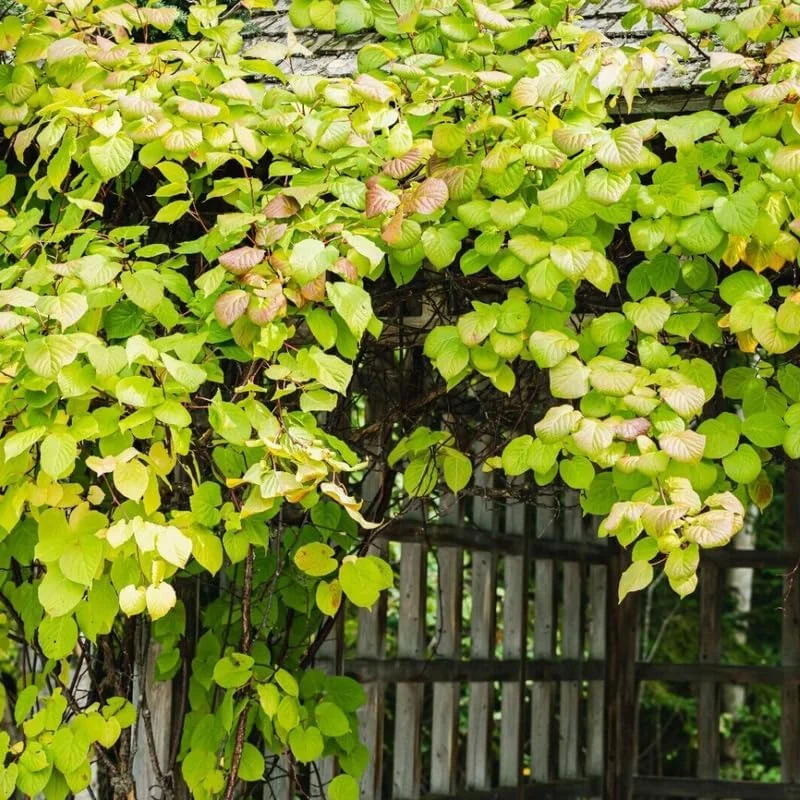
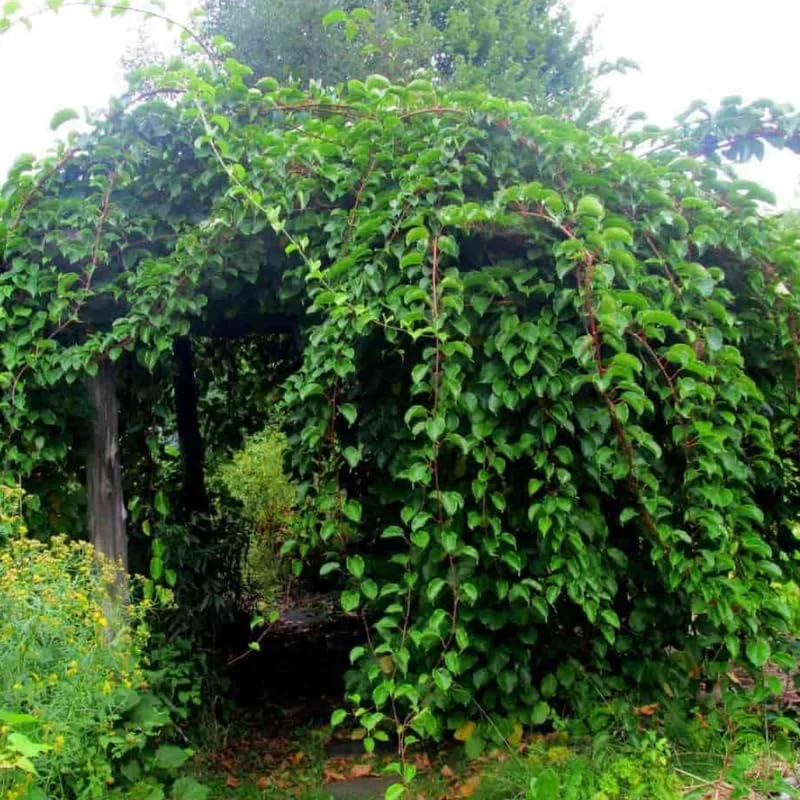
- Vigorous Growth and Ornamental Value: Beyond its functional role, the male kiwi vine is a beautiful plant in its own right. It exhibits vigorous growth, climbing readily and producing lush green foliage that can enhance arbors, trellises, and fences, adding aesthetic appeal to your landscape.
- Hardy and Adaptable: These plants are known for their resilience, thriving in USDA Zones 4-9. This means they can withstand a wide range of temperatures, from cold winters to warm summers, making them a reliable choice for many regions. This adaptability contributes to easier kiwi berry plant care.
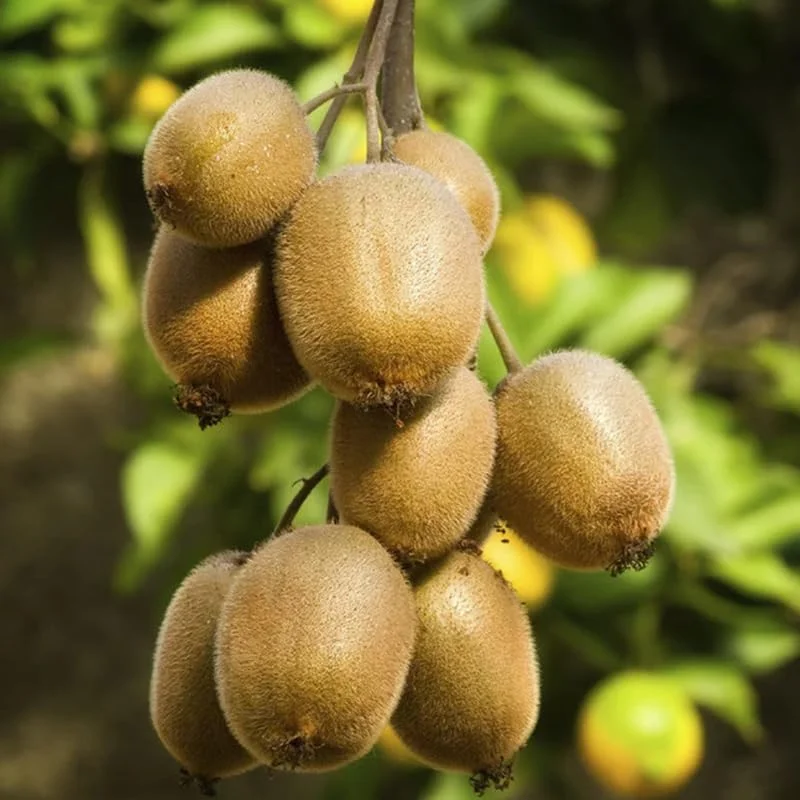
- Supports Fruit Production: By providing the necessary pollen, this plant directly contributes to the development of sweet, juicy kiwi berries on your female plants. Investing in a healthy kiwi pollinator plant ensures the best possible yield from your female vines.
- Long-Term Garden Investment: A well-established hardy male kiwi plant, especially a male pollinator, can provide years of invaluable service to your garden, ensuring consistent fruit production season after season. It’s a sustainable choice for edible gardening.
- Easy to Establish: Delivered as a well-rooted starter, this plant is designed for easy establishment in your garden. Its developed root system helps it quickly acclimate to its new environment, reducing transplant shock, simplifying kiwi berry plant care.
Plant Care & Growing Tips
Proper care is essential for ensuring your hardy male kiwi plant thrives and effectively pollinates your female vines. Kiwi plants generally prefer a location with full sun, meaning at least 6-8 hours of direct sunlight per day. Adequate sunlight is crucial for vigorous growth and pollen production. While tolerant of various soil types, they perform best in well-draining, slightly acidic to neutral soil (pH 5.0-7.0). Amending heavy clay soils with organic matter can improve drainage, while sandy soils may benefit from compost to retain moisture and nutrients. Consistent moisture is important, especially during dry periods, but avoid waterlogging as this can lead to root rot. Moderate watering, allowing the top inch or two of soil to dry slightly between waterings, is ideal. Ensure your male kiwi vine has proper support, such as a sturdy trellis, arbor, or fence, as it is a vigorous climber.
Kiwi plants are heavy feeders. Fertilize in early spring with a balanced slow-release fertilizer or an organic compost, and again in mid-summer if needed. Look for formulations specifically designed for fruit-bearing plants or those with a slightly higher potassium content. Pruning is vital for maintaining plant health, vigor, and pollen production. Prune in late winter or early spring while the plant is dormant to remove dead, damaged, or overcrowded canes. Summer pruning can help manage growth and improve air circulation. Keep an eye out for common pests like scale insects or spider mites, and treat with horticultural oil or insecticidal soap if necessary. Understanding kiwi berry plant care will ensure your kiwi pollinator plant remains healthy and productive, safeguarding your overall kiwi plant for fruit efforts.
Size & Details
This hardy male kiwi plant is offered as a live, well-rooted starter, typically measuring between 5-9 inches in height from the base of the rootball to the top of the plant. It arrives ready for planting, with an established root system that has been carefully nurtured to ensure successful transplantation. As a vine, its growth habit is climbing and sprawling, and it will require a support structure such as a trellis, arbor, or sturdy fence to thrive. Expect a moderate to fast growth rate once established, quickly developing into a substantial plant capable of producing abundant pollen. While this specific plant is a male pollinator and will not bear fruit itself, its robust nature ensures it will be an effective partner for your female kiwi plants, contributing to a healthy and productive kiwi patch for many years. This ensures successful kiwi plant for fruit production for your garden.
Frequently Asked Questions
- Q: How big does this plant get? A: This hardy male kiwi plant is a starter size, typically 5-9 inches tall upon arrival. Once established, it can grow quite vigorously, often reaching lengths of 15-20 feet or more, depending on pruning and support.
- Q: Is this an indoor or outdoor plant? A: This male kiwi vine is an outdoor plant, suited for garden cultivation. It requires full sun and thrives in USDA Zones 4-9, making it suitable for a wide range of climates across the US.
- Q: How much sunlight does it need? A: A kiwi plant requires full sun exposure, which means at least 6-8 hours of direct sunlight per day, especially during the growing season, to ensure robust growth and pollen production. This is crucial for optimal kiwi pollinator plant performance.
- Q: Is this plant easy to care for? A: Yes, kiwi plants are relatively easy to care for once established. They require consistent watering, annual fertilization, and regular pruning to manage growth and maintain health. Following good kiwi berry plant care practices will lead to success.
- Q: What condition will it arrive in? A: Your hardy male kiwi plant will arrive as a live, well-rooted starter plant, carefully packaged to ensure its health and vitality during transit. It will be dormant in winter with no leaves.
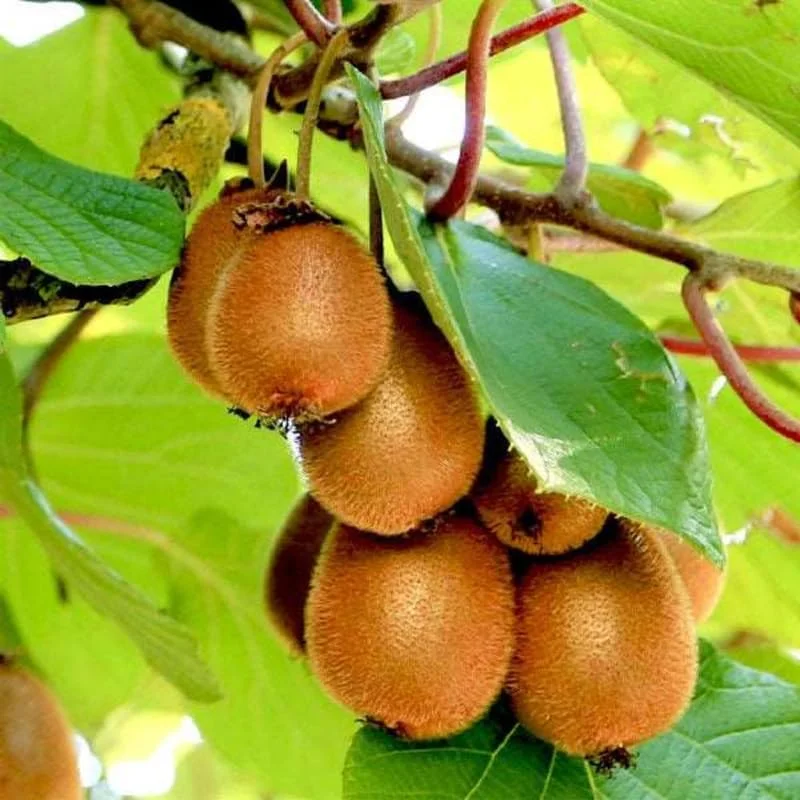
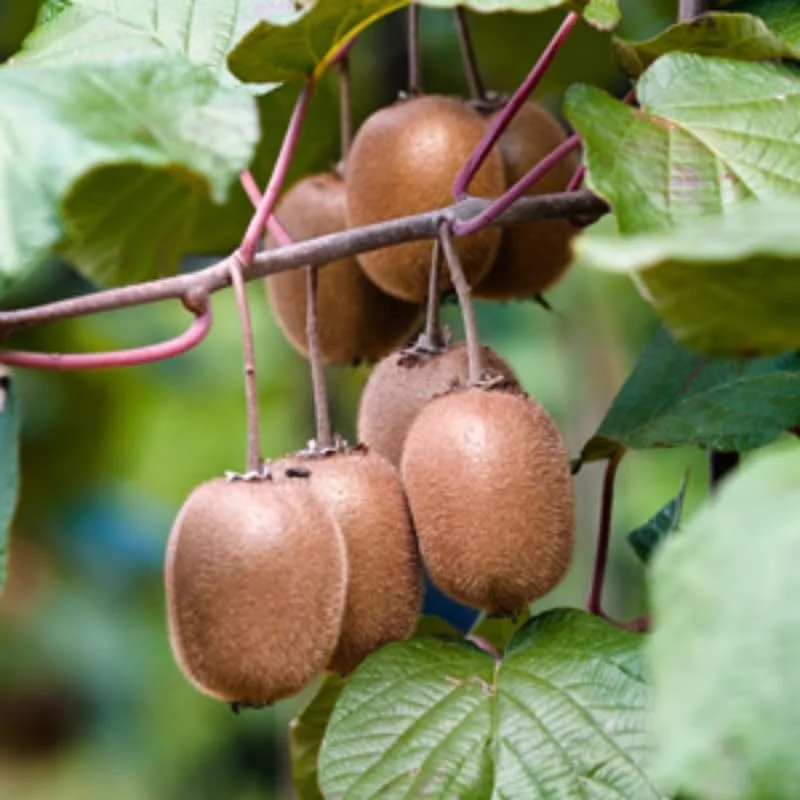
- Q: Can this plant produce fruit? A: No, this is a male kiwi plant, specifically grown to produce pollen. It will not bear fruit itself but is essential for pollinating female kiwi plants to ensure they produce kiwi berries, making it a vital kiwi plant for fruit production.
- Q: When is the best time to plant? A: The best time to plant your hardy male kiwi vine is typically in spring after the last frost, allowing it ample time to establish before the heat of summer or the cold of winter.
- Q: What’s the minimum temperature it can tolerate? A: This hardy kiwi plant is suitable for USDA Zones 4-9, meaning it can tolerate winter temperatures down to approximately -30°F (-34°C) once mature and established.
- Q: Does this plant need a trellis or support? A: Absolutely. The male kiwi vine is a vigorous climber and will require a sturdy support structure like a trellis, arbor, or fence to grow properly and keep its foliage off the ground.
- Q: Will this plant help my female kiwi plants produce more fruit? A: Yes, this male plant is specifically selected and grown to be an excellent pollinator, directly contributing to increased fruit set and a more abundant harvest from your female kiwi plants. It’s the key to successful kiwi plant for fruit yields.
Be the first to review “Hardy Male Kiwi Plant Live Vine – 5-9″ Tall Starter for Pollination Outdoor”
You must be logged in to post a review.
People also Viewed
Sold 50 products
Original price was: $28.58.$19.99Current price is: $19.99.
Sold 50 products
$32.39
Sold 50 products
$21.59
Sold 50 products
$35.99
Sold 50 products
Price range: $23.15 through $25.19
Sold 50 products
$38.39
Sold 50 products
Price range: $28.79 through $35.99
Sold 50 products
$26.39RELATED posts
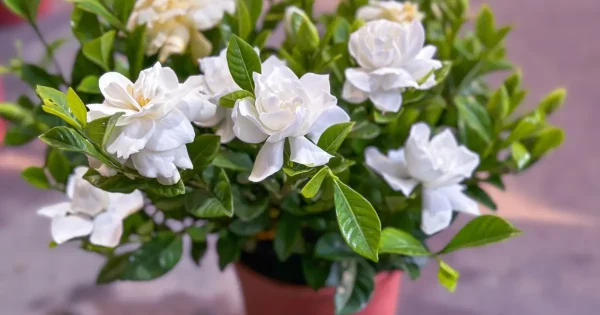
Frostproof Jasmine Care: 7 Tips for Successful Pot Growth
Most gardenias are known for being “divas.” They want perfect humidity, perfect soil, and they [...]
Mar
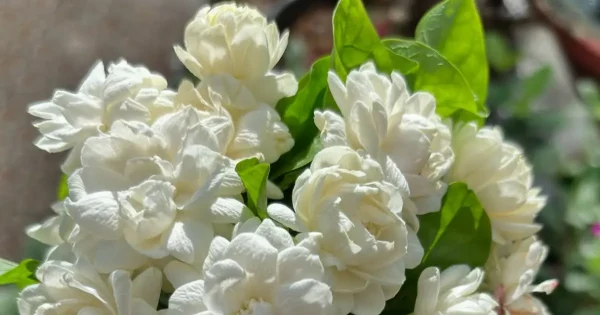
Top 7 Best Smelling Jasmine Varieties for a Heavenly Garden
Have you ever walked past a house and caught a scent so sweet you just [...]
Mar
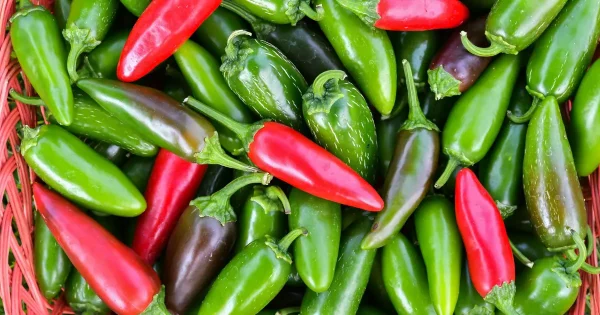
Master the Heat: 8 Expert Tips for Growing Jalapeños Like a Pro
Are you staring at your garden space, wondering why your pepper plants look more like [...]
Mar
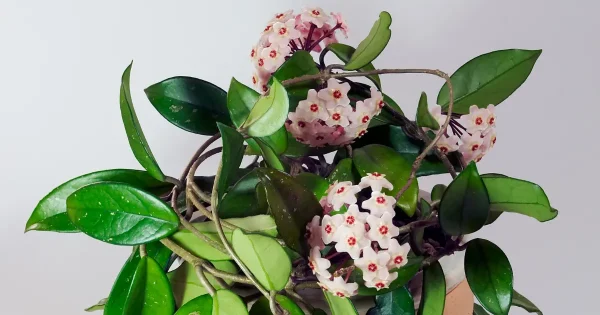
Top 5 Must-Have Hoya Varieties for Beginners
Hoyas are easily one of my top recommendations if you’re hunting for a low-maintenance houseplant [...]
Mar
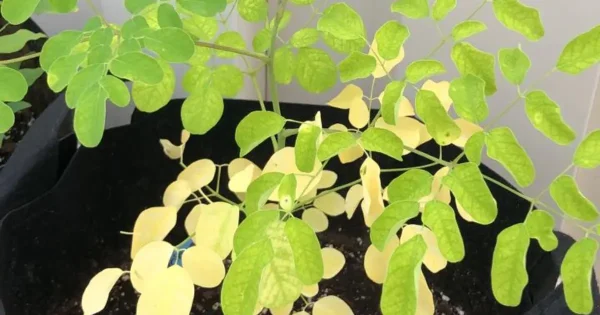
7 Moringa Plant Care Mistakes to Avoid for Healthy Growth
Have you ever looked at your Moringa tree and wondered why its once vibrant green [...]
Feb
How to Grow Potato Onions From True Seeds: A Step-by-Step Guide
Have you ever wondered how to grow potato onions from true seeds or why some [...]
Feb
Growing Walking Onions in Containers: The Ultimate Guide
Have you ever looked at your small balcony or cramped patio and wished you could [...]
Feb
9 Best Flower Seeds to Start in February for Early Blooms
If you’re a passionate gardener, you know that itchy feeling in your fingers when February [...]
Jan


Reviews
There are no reviews yet.