
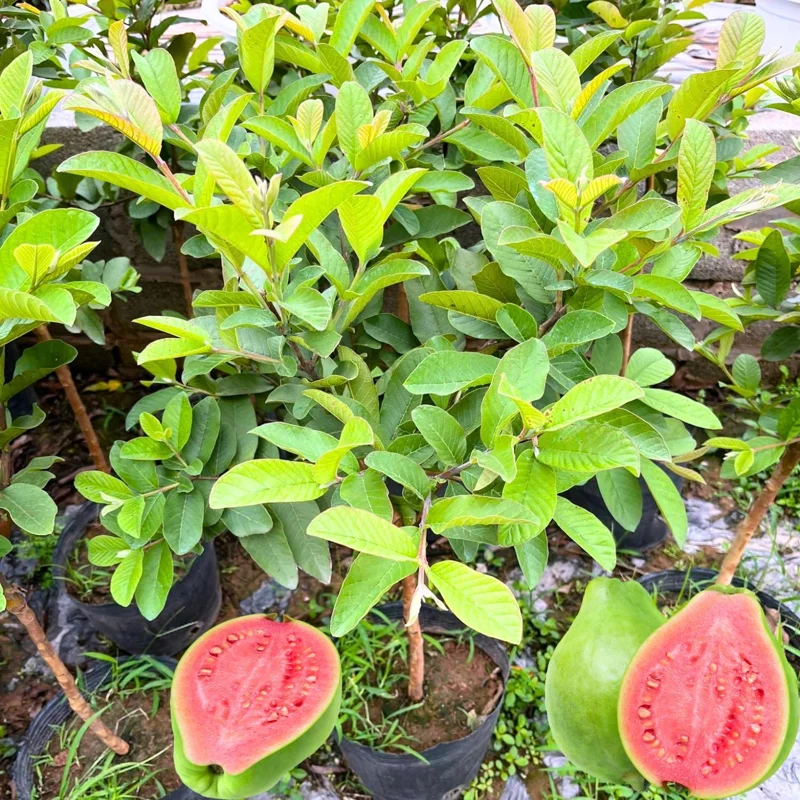
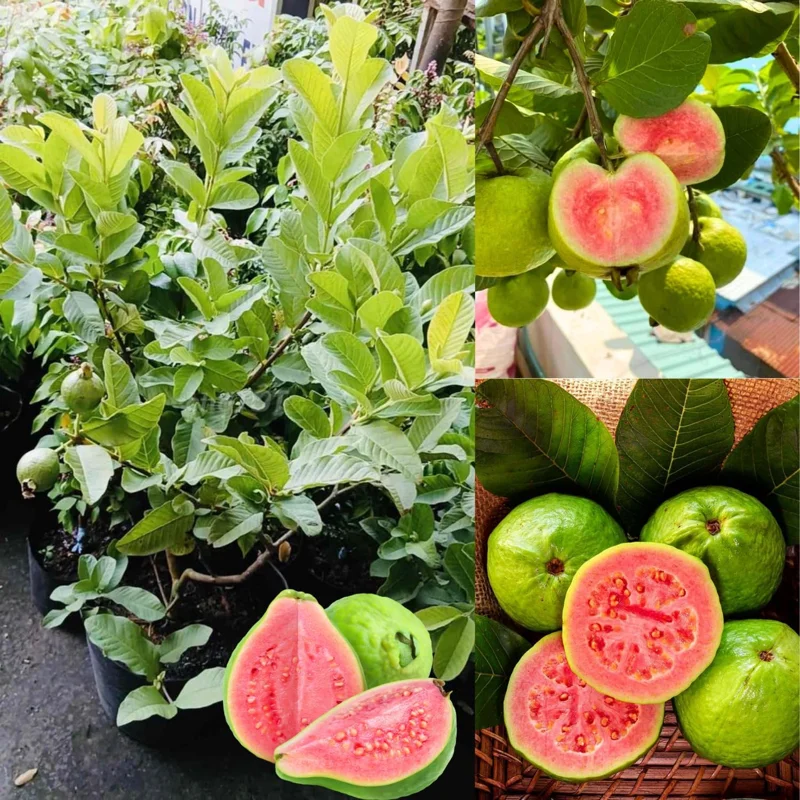
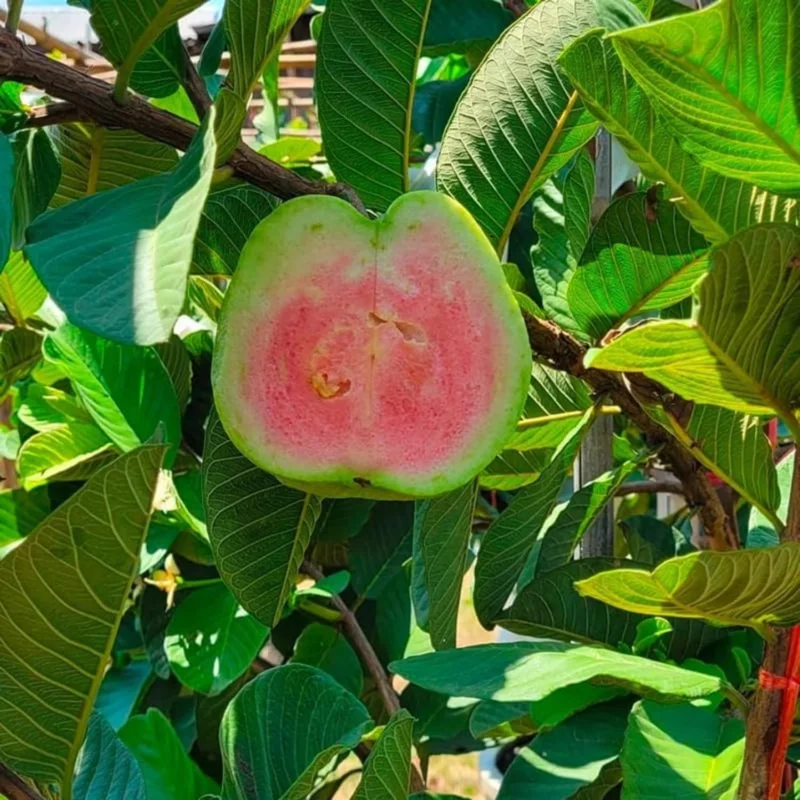
Grafted Ruby Guava Fruit Tree Live Plant, 4 Feet Tall, Potted, Zones 9-11, Tropical Fruit
$87.49
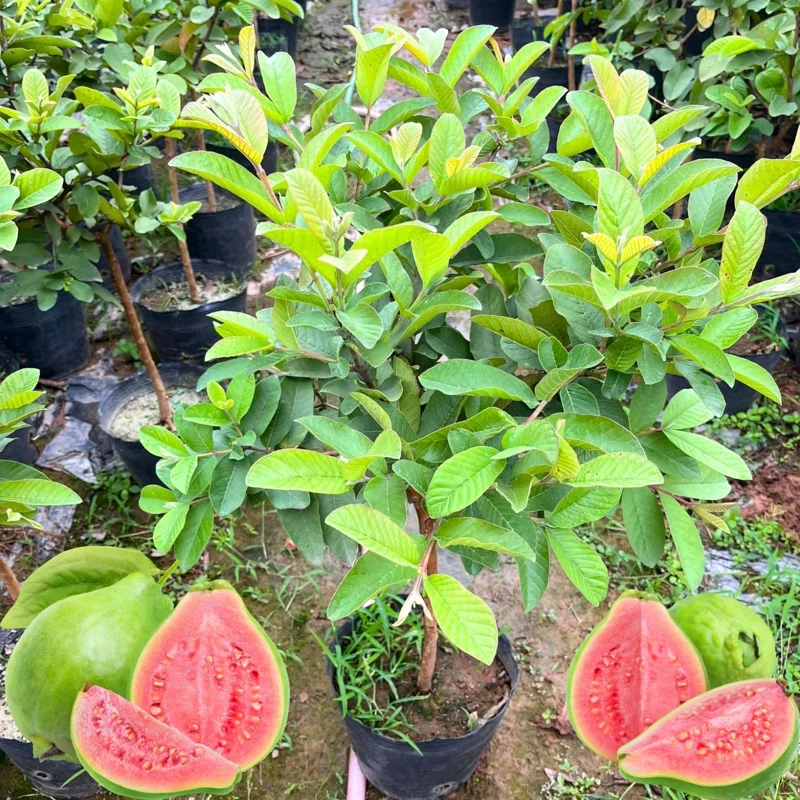
Cultivate your own exotic fruit with this healthy grafted ruby guava fruit tree. Standing at approximately 4 feet tall, this live, potted plant is ready for your home garden or patio. Ideal for USDA Zones 9-11, it brings the taste of the tropics to your backyard or balcony, yielding delicious ruby guavas.
Shipping and Return policies:
We stand behind our plants with our Alive & Thrive Guarantee. If you experience any issues within the first 30 days, please email us, and our team will be happy to help. When needed, we’ll send you a one-time replacement free of charge to make sure your garden keeps growing strong.

Reasonable Price
We offer reasonable price

Support 24/7
Contact us 24 hrs a day
100% Money Back
You’ve 30 days to Return
Payment Secure
100% secure payment
Overview
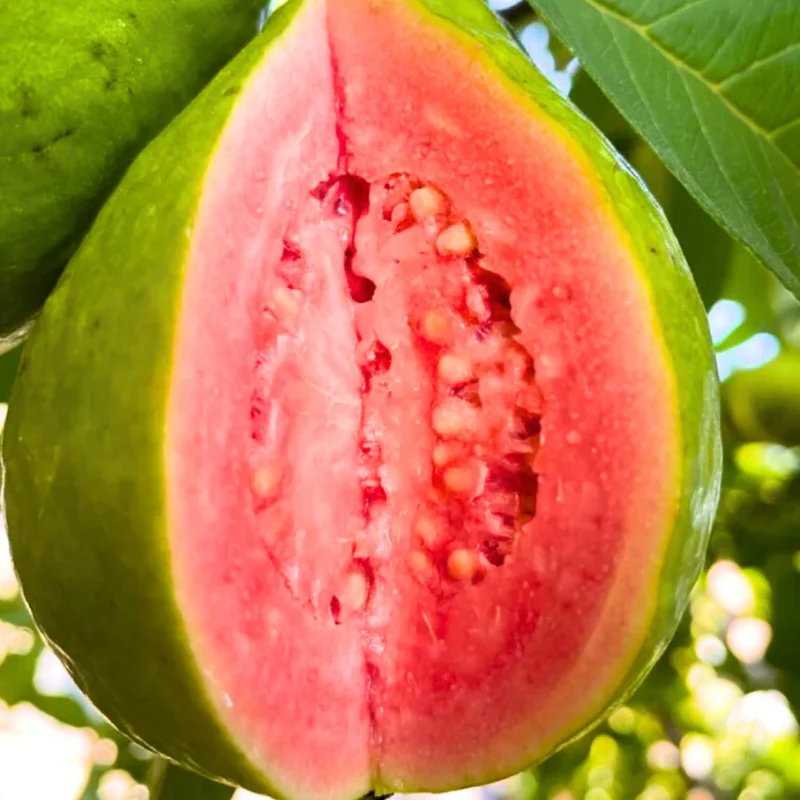
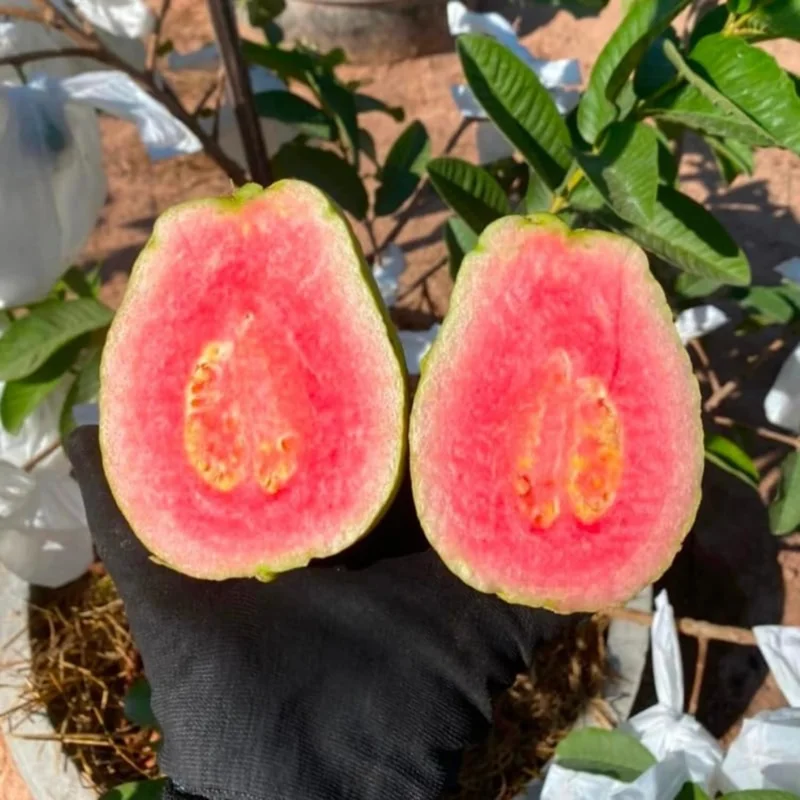
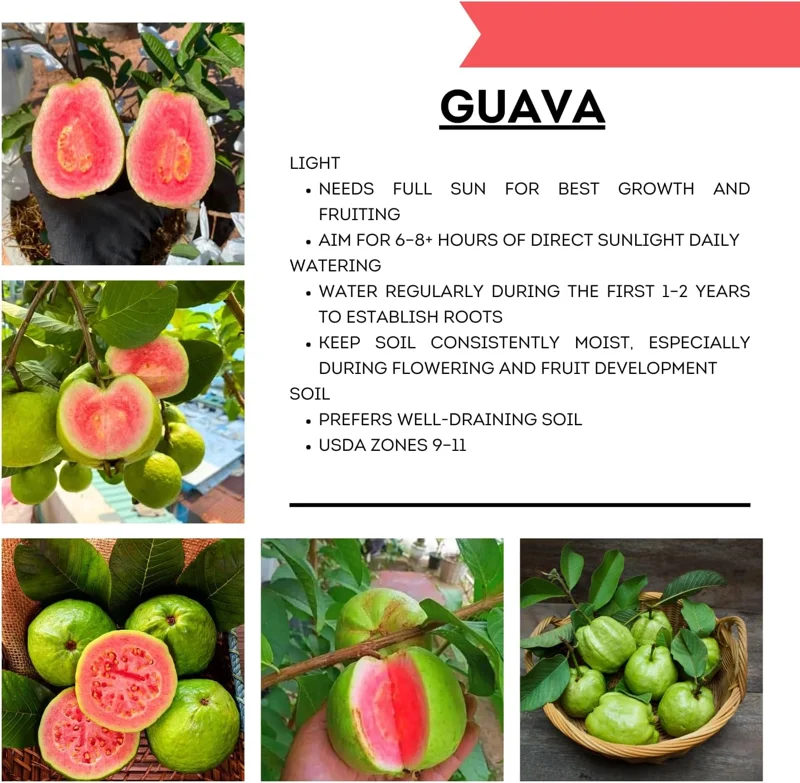
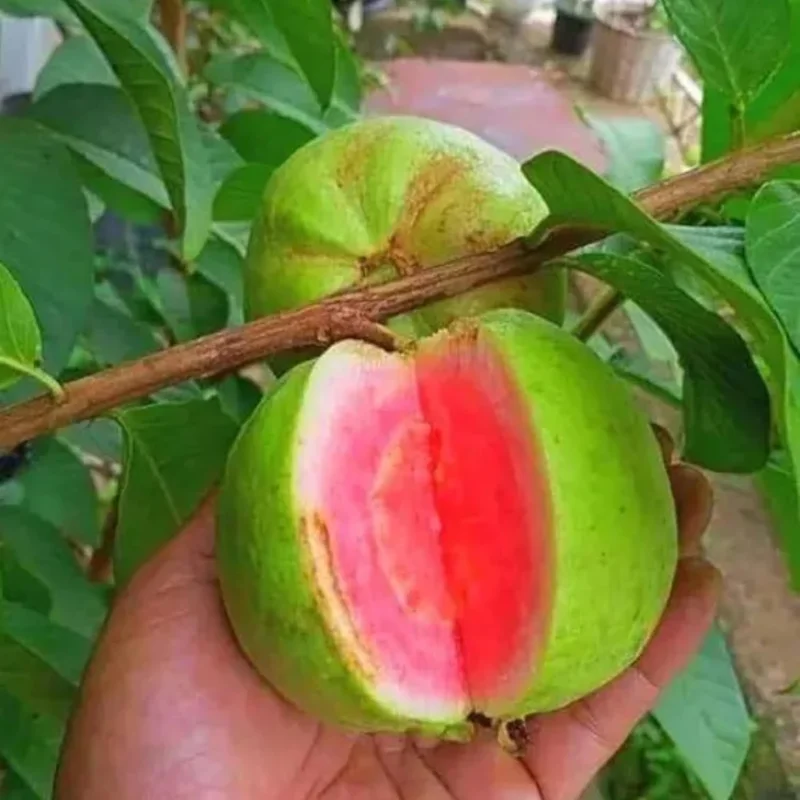
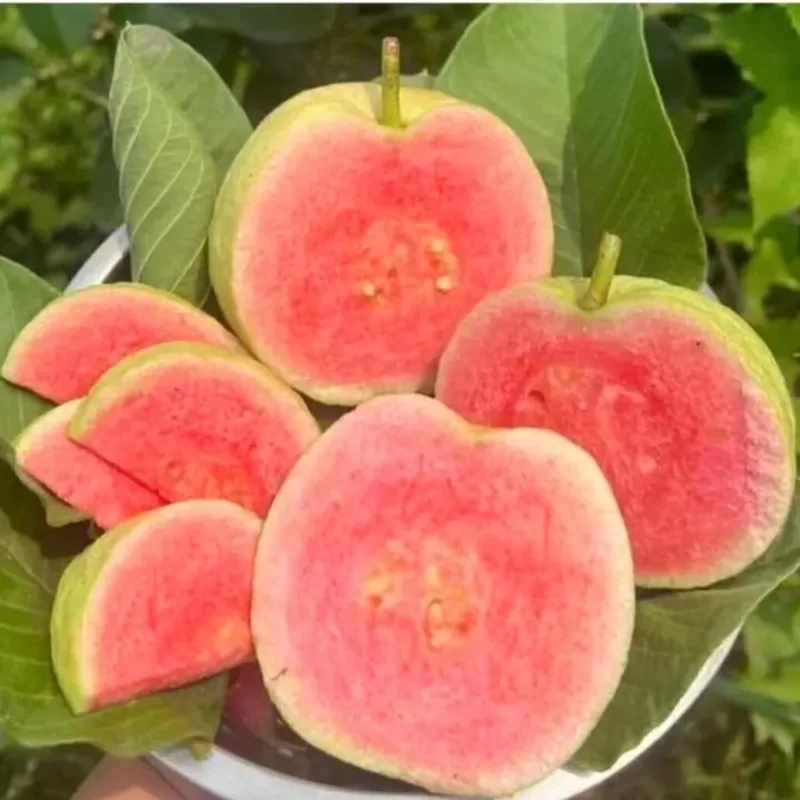
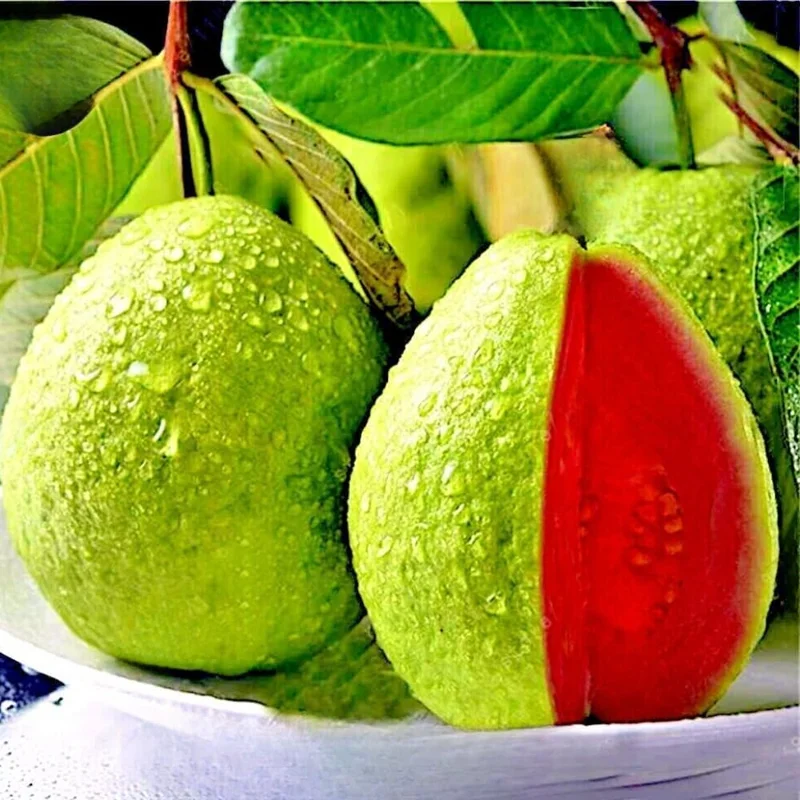
Bring the tropics to your home garden with this exquisite grafted ruby guava fruit tree. This live plant, standing at approximately 4 feet tall, is a fantastic addition for fruit enthusiasts and gardeners alike. Known for its sweet, aromatic fruit with a beautiful red-pink flesh, the Ruby Guava (Psidium guajava ‘Ruby’) is a delightful and productive tree. Grafting ensures that you receive a plant with desirable characteristics, such as earlier fruiting and consistent fruit quality, making it a superior choice for home cultivation. This particular grafted ruby guava fruit tree is well-rooted in its pot, ensuring a healthy start whether you choose to plant it in the ground or keep it in a container on your patio or balcony. It’s an excellent choice for those looking to enjoy fresh, homegrown tropical fruit.
Key Benefits
Growing your own grafted ruby guava fruit tree offers numerous advantages, from fresh fruit to aesthetic appeal. Here are some of the key benefits you can expect:
- Delicious Homegrown Fruit: Enjoy the succulent, sweet, and aromatic ruby guavas directly from your own garden. The fresh taste is unparalleled compared to store-bought varieties. This grafted ruby guava fruit tree is designed to produce high-quality fruit.
- Aesthetic Appeal: With its attractive foliage and delightful flowers, the guava tree adds a tropical touch to any landscape, patio, or balcony. It’s a beautiful ornamental plant even before it fruits.
- Early Fruiting: Due to grafting, this tree is likely to produce fruit sooner than seed-grown guavas, offering a quicker reward for your gardening efforts.
- Versatile Growing Options: Suitable for planting directly in the ground in warmer climates (USDA Zones 9-11) or for container gardening, allowing it to be moved indoors during colder periods. This makes it a great option if you’re wondering how to grow guava tree in varying conditions.
- Health Benefits: Guavas are packed with vitamins, especially Vitamin C, and antioxidants, contributing to a healthy diet.
- Relatively Easy Care: Once established, ruby guava plant care is straightforward, making it suitable for gardeners of various experience levels.
- Pollinator Friendly: The flowers attract beneficial pollinators to your garden, contributing to a healthier ecosystem.
Plant Care & Growing Tips
Proper care is essential for a thriving grafted ruby guava fruit tree. These tropical plants flourish with the right conditions. Guava trees thrive in full sun, requiring at least 6-8 hours of direct sunlight per day to produce abundant fruit. In very hot climates, some afternoon shade can be beneficial to prevent scorching. They prefer well-draining soil with a slightly acidic to neutral pH (6.0-7.0). If planting in a container, use a high-quality potting mix designed for fruit trees or tropical plants. Ensure the pot has adequate drainage holes to prevent waterlogging.
Watering should be consistent, especially during dry periods and when the tree is fruiting. Allow the top inch or two of soil to dry out between waterings, but avoid letting the plant become completely parched. Overwatering can lead to root rot. For optimal growth and fruit production, fertilize your guava tree every 2-3 months during the growing season (spring through fall) with a balanced fertilizer formulated for fruit trees. Reduce fertilization in winter. The ideal temperature range for ruby guavas is between 60-85°F (15-29°C). They are hardy in USDA Zones 9-11. If you live in a colder zone, grow your grafted ruby guava fruit tree in a container and bring it indoors when temperatures drop below 40°F (4°C). Protecting the tree from strong winds is also beneficial. Regular pruning helps maintain shape, promotes air circulation, and encourages fruit production. Remove any dead, diseased, or crossing branches.
Size & Details
This grafted ruby guava fruit tree is a robust specimen, arriving at an impressive height of approximately 4 feet (48 inches) from the base of the pot. It is shipped as a live, potted plant, ensuring minimal transplant shock and immediate readiness for planting or continued container growth. The tree is well-rooted, indicating a strong and healthy foundation for future development. While specific pot size may vary, it will arrive in a nursery pot suitable for its current size, ready for up-potting or planting. Guava trees are known for their moderate growth rate and can reach mature heights of 10-20 feet if planted in the ground, though they can be maintained at smaller sizes through pruning for container growing. Expect to see fruit production within 1-3 years, especially with a grafted variety, offering a relatively quick turnaround for fresh fruit. This makes them a great option among tropical fruit trees for sale.
Frequently Asked Questions
- Q: How big will this grafted ruby guava fruit tree get? A: This tree arrives at about 4 feet tall. If planted in the ground, it can reach 10-20 feet, but can be kept smaller with pruning in a container.
- Q: Is this an indoor or outdoor plant? A: It’s an outdoor plant suitable for USDA Zones 9-11. In colder zones, it can be grown outdoors in summer and brought indoors during winter.
- Q: How much sunlight does the guava tree need? A: Guava trees require full sun, meaning at least 6-8 hours of direct sunlight daily for optimal growth and fruit production.
- Q: Is this plant easy to care for? A: Yes, once established, ruby guava plant care is relatively easy. It requires consistent watering, proper sunlight, and occasional fertilization.
- Q: What condition will it arrive in? A: Your grafted ruby guava fruit tree will arrive as a live, potted, well-rooted plant, carefully packaged to ensure its health during transit.
- Q: How long until it starts producing fruit? A: As a grafted tree, it typically starts producing fruit within 1-3 years of planting, much sooner than seed-grown varieties.
- Q: Can I grow this tree if I’m not in USDA Zones 9-11? A: Yes, you can grow it in a container and move it indoors during colder months. This is a common method for how to grow guava tree in non-tropical climates.
- Q: What kind of soil is best for a guava tree? A: Guava trees prefer well-draining soil with a slightly acidic to neutral pH. A good quality potting mix for fruit trees works well for containers.
- Q: What are the main benefits of a grafted tree? A: Grafted trees generally fruit earlier, produce fruit true to the parent plant, and can be more vigorous or disease-resistant than seed-grown trees.
- Q: Are there any specific pests or diseases I should watch out for? A: Guavas can occasionally be affected by fruit flies or scale insects. Regular inspection and appropriate organic pest control methods can help manage these issues.
Be the first to review “Grafted Ruby Guava Fruit Tree Live Plant, 4 Feet Tall, Potted, Zones 9-11, Tropical Fruit”
You must be logged in to post a review.
People also Viewed
Sold 50 products
Original price was: $17.58.$11.86Current price is: $11.86.
Sold 50 products
Price range: $32.99 through $35.99
Sold 50 products
$69.99
Sold 50 products
$18.99
Sold 50 products
Price range: $14.98 through $23.89
Sold 50 products
$32.99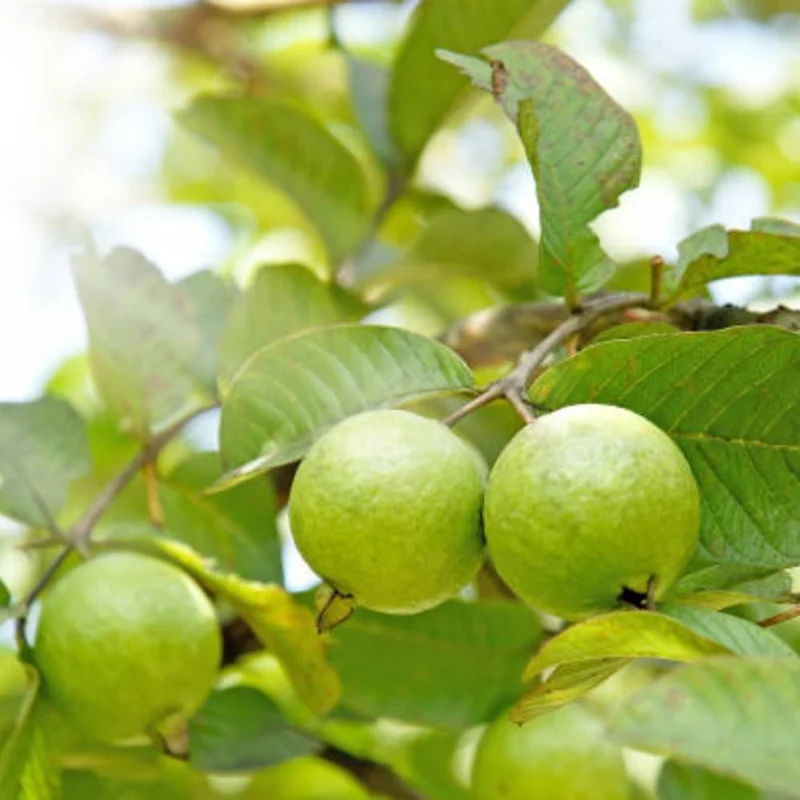
Sold 50 products
$24.99
Sold 50 products
Price range: $43.99 through $44.99RELATED posts
Top 7 Best Smelling Jasmine Varieties for a Heavenly Garden
Have you ever walked past a house and caught a scent so sweet you just [...]
Mar
Master the Heat: 8 Expert Tips for Growing Jalapeños Like a Pro
Are you staring at your garden space, wondering why your pepper plants look more like [...]
Mar
Top 5 Must-Have Hoya Varieties for Beginners
Hoyas are easily one of my top recommendations if you’re hunting for a low-maintenance houseplant [...]
Mar
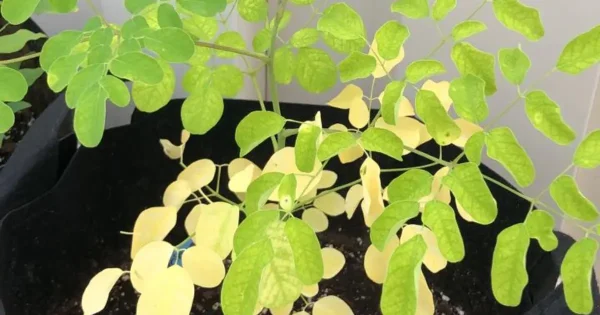
7 Moringa Plant Care Mistakes to Avoid for Healthy Growth
Have you ever looked at your Moringa tree and wondered why its once vibrant green [...]
Feb
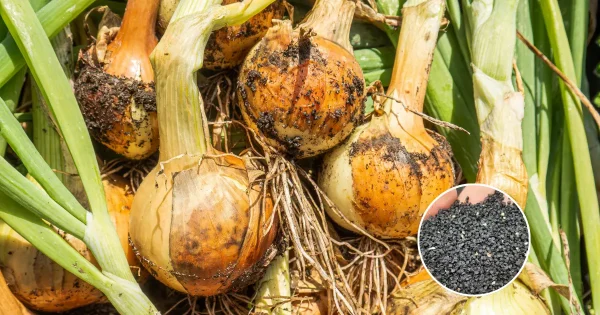
How to Grow Potato Onions From True Seeds: A Step-by-Step Guide
Have you ever wondered how to grow potato onions from true seeds or why some [...]
Feb
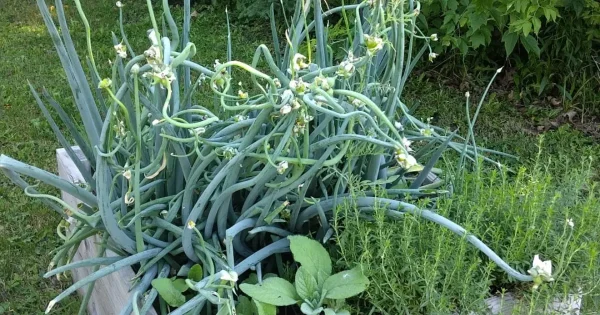
Growing Walking Onions in Containers: The Ultimate Guide
Have you ever looked at your small balcony or cramped patio and wished you could [...]
Feb

9 Best Flower Seeds to Start in February for Early Blooms
If you’re a passionate gardener, you know that itchy feeling in your fingers when February [...]
Jan
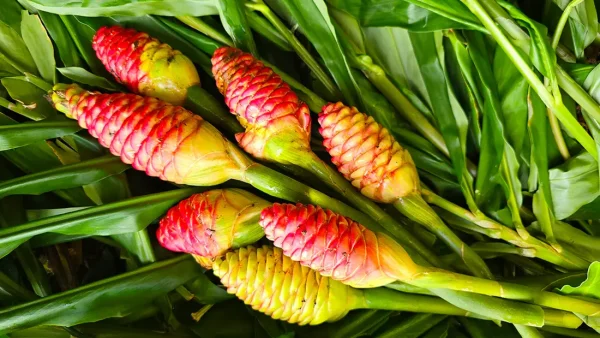
Growing Shampoo Ginger in Pots: Easy Guide to Potting Ginger Lilies
Are you looking to add a touch of exotic beauty to your home while growing [...]
Jan
Reviews
There are no reviews yet.