
Ginkgo Biloba Live Tree Plants – 2 Pack Bare Roots 6-12” Tall – Outdoor
$24.99
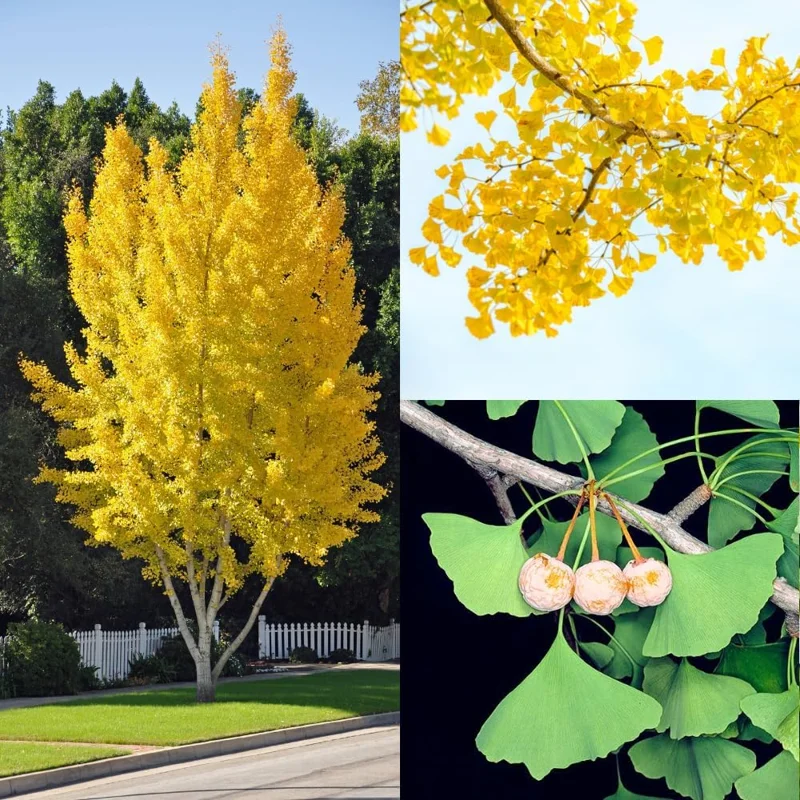
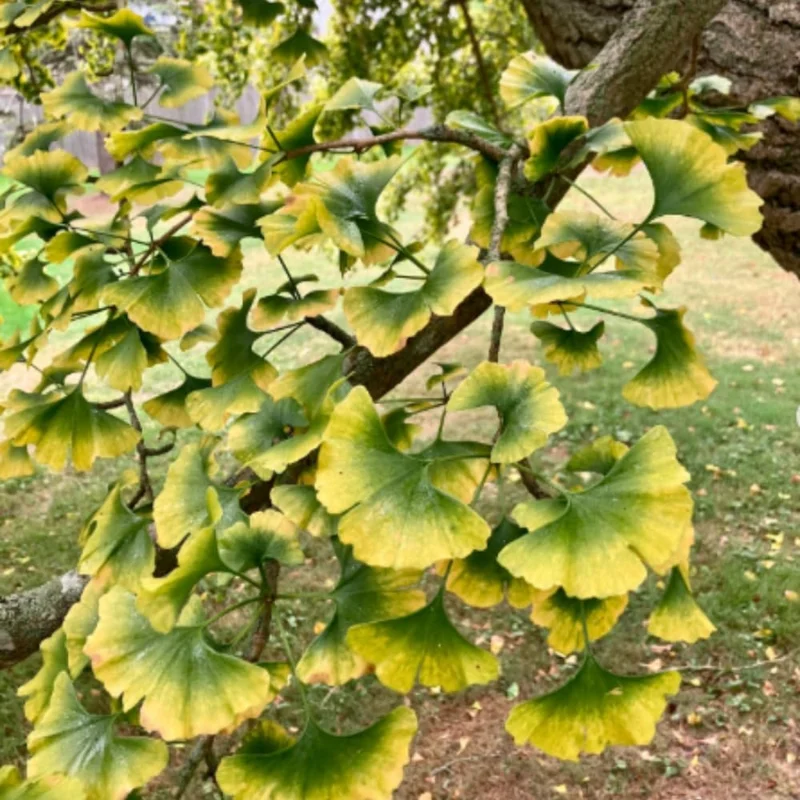
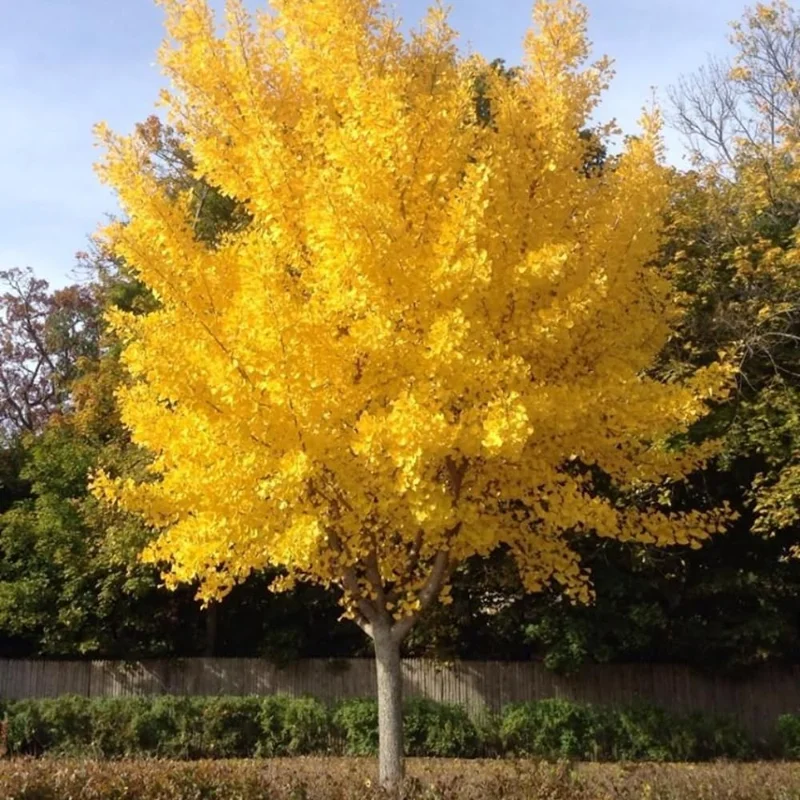
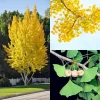
Cultivate a timeless landscape with this 2-pack of ginkgo biloba live tree bare root seedlings, each 6-12 inches tall. Known for their distinctive fan-shaped leaves that turn a brilliant yellow in autumn, these hardy trees are ideal for outdoor planting and long-term garden planning, thriving in USDA Zones 3-8.
Shipping and Return policies:
We stand behind our plants with our Alive & Thrive Guarantee. If you experience any issues within the first 30 days, please email us, and our team will be happy to help. When needed, we’ll send you a one-time replacement free of charge to make sure your garden keeps growing strong.

Reasonable Price
We offer reasonable price

Support 24/7
Contact us 24 hrs a day
100% Money Back
You’ve 30 days to Return
Payment Secure
100% secure payment
Overview
Transform your garden with the ancient beauty of the ginkgo biloba live tree. This offering includes two vigorous bare root seedlings, each measuring 6-12 inches tall, ready to establish in your outdoor space. The Ginkgo biloba, often referred to as the Maidenhair Tree, is a living fossil, celebrated for its unique fan-shaped leaves and incredible resilience. These deciduous trees are a fantastic choice for adding a touch of history and striking seasonal color to any landscape. As outdoor ginkgo trees, they promise to become a magnificent focal point, enhancing property value and providing shade for generations to come. Known for their robust nature and minimal care requirements once established, these trees are a sustainable and beautiful addition to any yard.
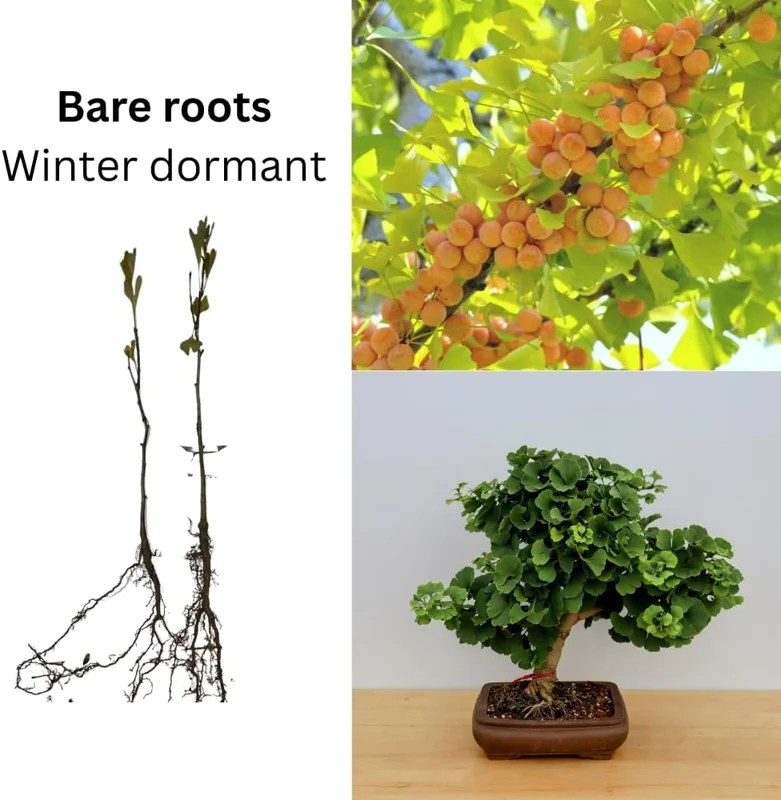
The Ginkgo biloba is not only visually appealing but also remarkably hardy, making it suitable for a wide range of climates. Our ginkgo bare root seedlings are shipped in a winter dormant state, ensuring they transplant easily and burst with life in the spring. They are a perfect choice for gardeners looking for a low-maintenance yet high-impact plant. With their distinctive foliage and bright autumn display, these trees offer year-round interest and a unique aesthetic that sets them apart from common landscape trees.
Key Benefits
Adding a ginkgo biloba live tree to your property offers numerous advantages, from aesthetic appeal to environmental benefits. These trees are known for their longevity and ability to thrive in various conditions, providing enduring beauty and value.
- Stunning Autumn Foliage: Experience a breathtaking display each fall as the unique fan-shaped leaves transform into a brilliant, eye-catching yellow, creating a spectacular visual focal point in your garden. This vibrant color makes the fan leaf tree a standout.
- Exceptional Hardiness: These trees are incredibly resilient and adaptable, tolerating a wide range of soil types and urban conditions. They are suitable for USDA Zones 3-8, ensuring they can withstand diverse climates.
- Low Maintenance: Once established, ginkgo bare root trees require minimal care, making them an excellent choice for busy gardeners. They are generally resistant to pests and diseases, reducing the need for constant attention.
- Longevity and Heritage: Ginkgo trees are known for their extraordinary lifespan, often living for hundreds or even thousands of years. Planting one is an investment in your landscape’s future and a connection to ancient botanical history.
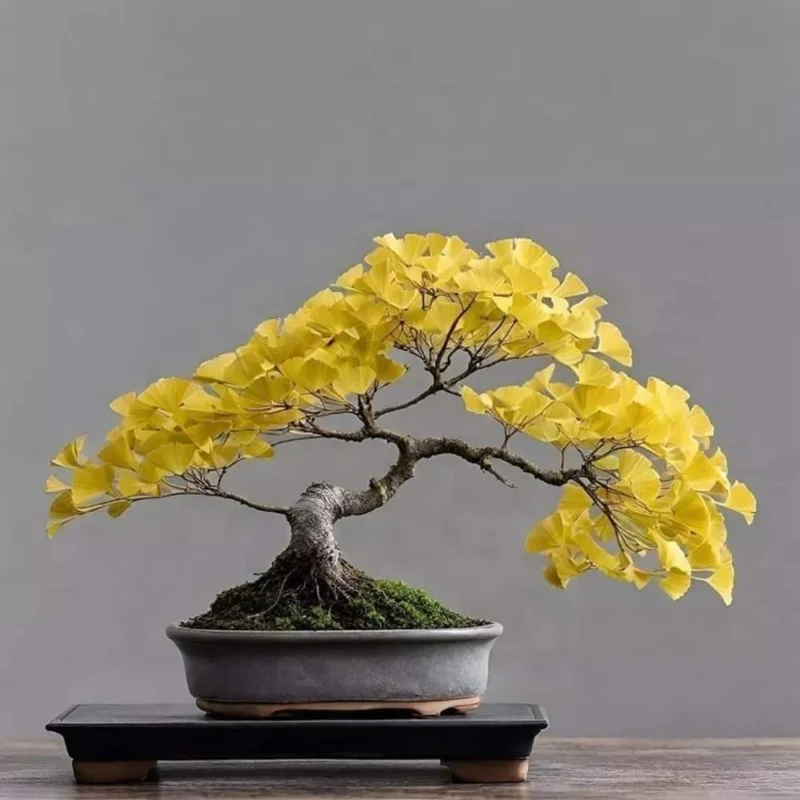
- Architectural Interest: The distinctive branching pattern and unique leaf shape of the ginkgo biloba live tree provide strong architectural interest, adding structure and elegance to borders, shade areas, and suburban yards.
- Air Purification: Like many trees, Ginkgo biloba contributes to air quality by absorbing carbon dioxide and releasing oxygen, making your outdoor environment healthier and more pleasant.
- Drought Tolerance: Once mature, outdoor ginkgo trees are remarkably drought-tolerant, reducing water usage and making them an eco-friendly choice for sustainable landscaping.
Plant Care & Growing Tips
Caring for your ginkgo biloba live tree is straightforward, especially when planted as a bare root seedling. Understanding their basic needs will ensure a healthy, robust tree that thrives for years. The first step for successful growth is proper planting and initial watering. Dig a hole wide enough to spread the roots comfortably and deep enough so the root flare is at soil level. Backfill with native soil, gently tamping to remove air pockets, and water thoroughly.
Sunlight requirements: These trees thrive in full sun, meaning at least 6 hours of direct sunlight per day. However, they are quite adaptable and will tolerate partial shade, though their autumn color display may be less intense. Ensure your chosen planting site allows for adequate light exposure throughout the day. For optimal growth and the most vibrant fall colors, aim for a spot that receives morning sun and some afternoon shade in extremely hot climates, or full sun in cooler regions.
Watering schedule and soil moisture preferences: During the first year after planting, regular and consistent watering is crucial for establishing the root system. Water deeply 2-3 times per week, especially during dry spells, ensuring the soil remains consistently moist but not waterlogged. Once established, outdoor ginkgo trees are quite drought-tolerant and will only need supplemental watering during prolonged dry periods. The key for ginkgo bare root plants is to ensure the soil never completely dries out in the initial stages.
Soil type and drainage requirements: Ginkgo biloba prefers well-drained soil but is highly adaptable to various soil conditions, including sandy, loamy, and clay soils. Good drainage is essential to prevent root rot, so avoid areas where water tends to pool. Amending heavy clay soils with organic matter can improve drainage. The ideal pH range is slightly acidic to slightly alkaline.
Temperature range and USDA hardiness zone: These hardy trees are suitable for USDA Zones 3-8. They are remarkably tolerant of both cold winters and hot summers, making them a versatile choice for many regions. The dormant period in winter is natural and necessary for their growth cycle. Understanding the ginkgo biloba plant care for your specific zone is important.
Fertilization schedule and type: In their first year, avoid fertilizing to allow the root system to focus on establishment. After the first year, a balanced, slow-release granular fertilizer applied in early spring can promote healthy growth. Follow the product instructions for application rates. Over-fertilization can harm young trees, so always err on the side of caution.
Common problems and solutions: Ginkgo trees are remarkably pest and disease resistant, which is one of their greatest advantages. The most common issues arise from improper watering – either too much leading to root rot, or too little causing stress. Ensure consistent, appropriate watering. Yellowing leaves can indicate overwatering or nutrient deficiency. Adjust watering practices and consider a soil test if issues persist. Overall, maintaining proper ginkgo biloba plant care will prevent most problems.
Size & Details
This offering includes a set of two ginkgo biloba live tree bare root seedlings. Each seedling measures approximately 6-12 inches tall from the root crown to the tip of the stem, making them ideal for easy handling and planting. Shipped in a dormant state, these bare root plants are ready to be planted directly into your garden or a temporary nursery pot upon arrival. Ginkgo biloba is a slow to medium-growth tree, typically adding 1-2 feet per year once established. Over time, these magnificent outdoor ginkgo trees can reach impressive heights of 50-80 feet with a spread of 30-40 feet, though they can be pruned to maintain a smaller size if desired. The mature form is typically pyramidal when young, becoming more spreading and irregular with age.
The trees are shipped without soil or pots, allowing for a more efficient and stress-free transplanting experience. This bare root format is excellent for establishing a strong root system directly in your garden soil. Expect to see new growth emerge in spring as the weather warms and the trees break dormancy. While initial growth may seem slow, once their roots are established, they will begin to develop into the sturdy, iconic fan leaf tree you envision for your landscape. These plants are excellent for long-term tree planning and will provide beauty for many decades.
Frequently Asked Questions
- Q: How big does this plant get? A: These ginkgo biloba live tree seedlings are 6-12 inches tall upon arrival. Once mature, a Ginkgo biloba can reach impressive heights of 50-80 feet with a spread of 30-40 feet, depending on growing conditions and pruning.
- Q: Is this an indoor or outdoor plant? A: The Ginkgo biloba is primarily an outdoor ginkgo tree. It requires a dormant period in winter and significant space to grow, making it unsuitable for long-term indoor cultivation.
- Q: How much sunlight does it need? A: This tree thrives in full sun, needing at least 6 hours of direct sunlight daily for optimal growth and vibrant fall color. It can tolerate partial shade, but performance may be reduced.
- Q: Is this plant easy to care for? Is it good for beginners? A: Yes, once established, the ginkgo bare root tree is very low-maintenance and resistant to most pests and diseases, making it an excellent choice for beginner gardeners. The initial planting and watering phase is the most critical.
- Q: What condition will it arrive in? A: Your ginkgo biloba live tree seedlings will arrive as bare roots, in a dormant state, ready for planting. This is a common and effective method for shipping deciduous trees.
- Q: How long until it shows new growth? A: As bare root, dormant plants, new growth typically emerges in spring once planted and conditions are favorable. The exact timing depends on local climate and planting time.
- Q: Will it survive winter in my zone? A: Yes, Ginkgo biloba is very hardy and suitable for USDA Zones 3-8, meaning it can withstand cold winter temperatures in these regions. The tree will naturally go dormant in winter.
- Q: What’s the best time to plant these bare roots? A: The ideal time to plant bare root Ginkgo biloba seedlings is in early spring, after the last hard frost but before hot summer temperatures arrive. This allows the roots to establish before the stress of summer heat.
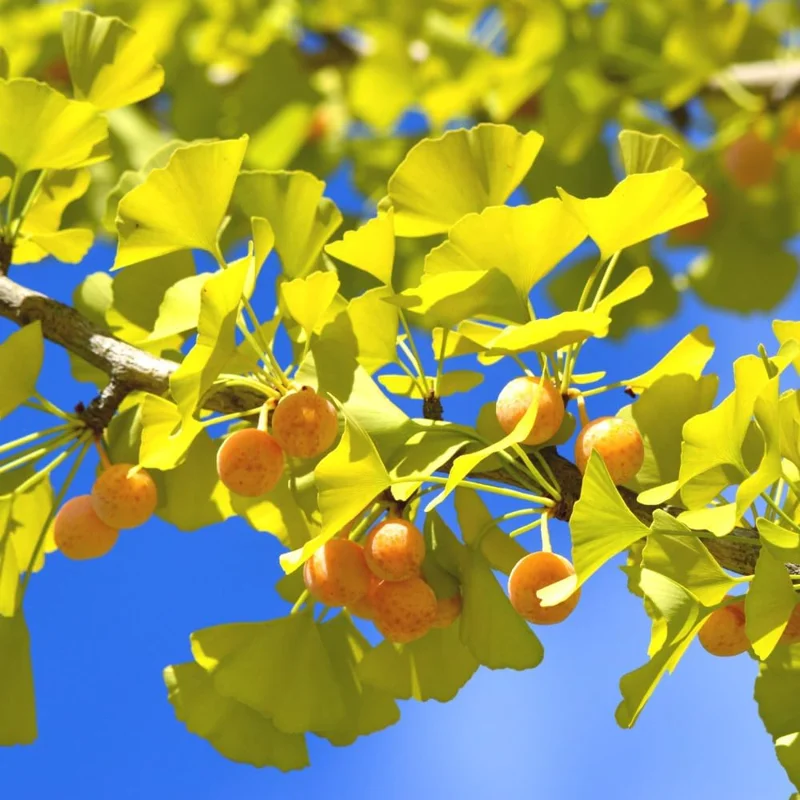
- Q: Do these trees have the characteristic “stinky fruit”? A: These seedlings are not sexed, so their future sex is unknown. Only female Ginkgo biloba trees produce fruit, which can have an unpleasant odor when ripe. Many cultivated varieties are male to avoid this issue, but these are standard seedlings.
- Q: How often should I fertilize my ginkgo? A: Avoid fertilizing in the first year. After the first year, you can apply a balanced, slow-release fertilizer in early spring, following the product instructions carefully. Excessive fertilization is not necessary for ginkgo biloba plant care.
Be the first to review “Ginkgo Biloba Live Tree Plants – 2 Pack Bare Roots 6-12” Tall – Outdoor”
You must be logged in to post a review.
People also Viewed
Sold 50 products
Original price was: $17.58.$11.86Current price is: $11.86.
Sold 50 products
Price range: $32.99 through $35.99
Sold 50 products
$69.99
Sold 50 products
$18.99
Sold 50 products
Price range: $14.98 through $23.89
Sold 50 products
$32.99
Sold 50 products
$24.99
Sold 50 products
Price range: $43.99 through $44.99RELATED posts
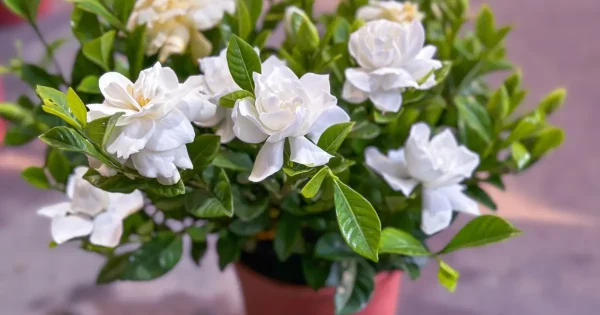
Frostproof Jasmine Care: 7 Tips for Successful Pot Growth
Most gardenias are known for being “divas.” They want perfect humidity, perfect soil, and they [...]
Mar
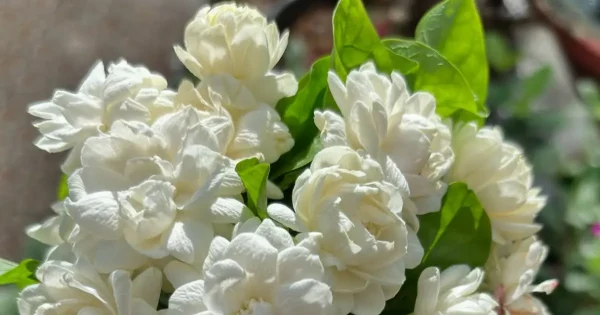
Top 7 Best Smelling Jasmine Varieties for a Heavenly Garden
Have you ever walked past a house and caught a scent so sweet you just [...]
Mar
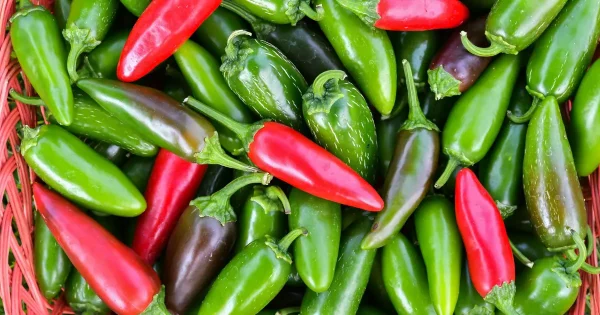
Master the Heat: 8 Expert Tips for Growing Jalapeños Like a Pro
Are you staring at your garden space, wondering why your pepper plants look more like [...]
Mar
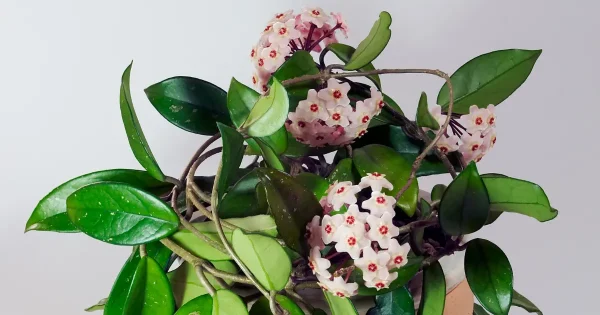
Top 5 Must-Have Hoya Varieties for Beginners
Hoyas are easily one of my top recommendations if you’re hunting for a low-maintenance houseplant [...]
Mar
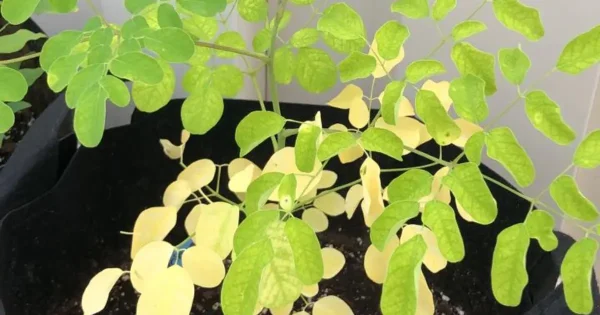
7 Moringa Plant Care Mistakes to Avoid for Healthy Growth
Have you ever looked at your Moringa tree and wondered why its once vibrant green [...]
Feb
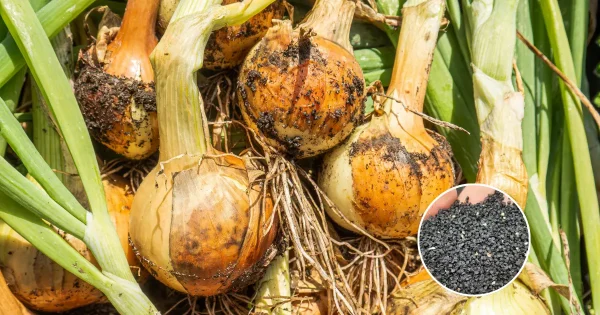
How to Grow Potato Onions From True Seeds: A Step-by-Step Guide
Have you ever wondered how to grow potato onions from true seeds or why some [...]
Feb
Growing Walking Onions in Containers: The Ultimate Guide
Have you ever looked at your small balcony or cramped patio and wished you could [...]
Feb
9 Best Flower Seeds to Start in February for Early Blooms
If you’re a passionate gardener, you know that itchy feeling in your fingers when February [...]
Jan
Reviews
There are no reviews yet.