
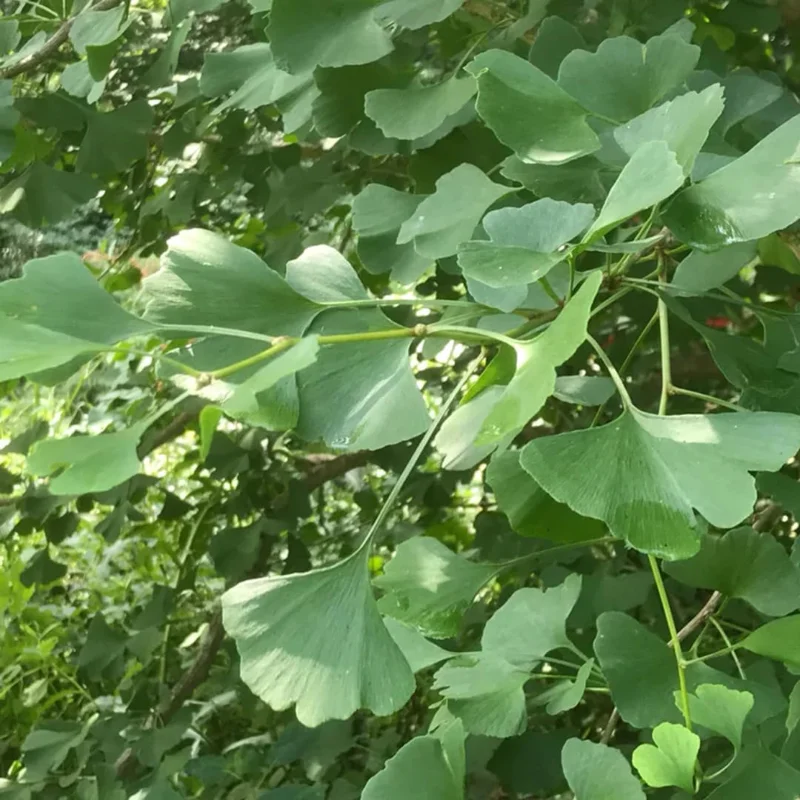
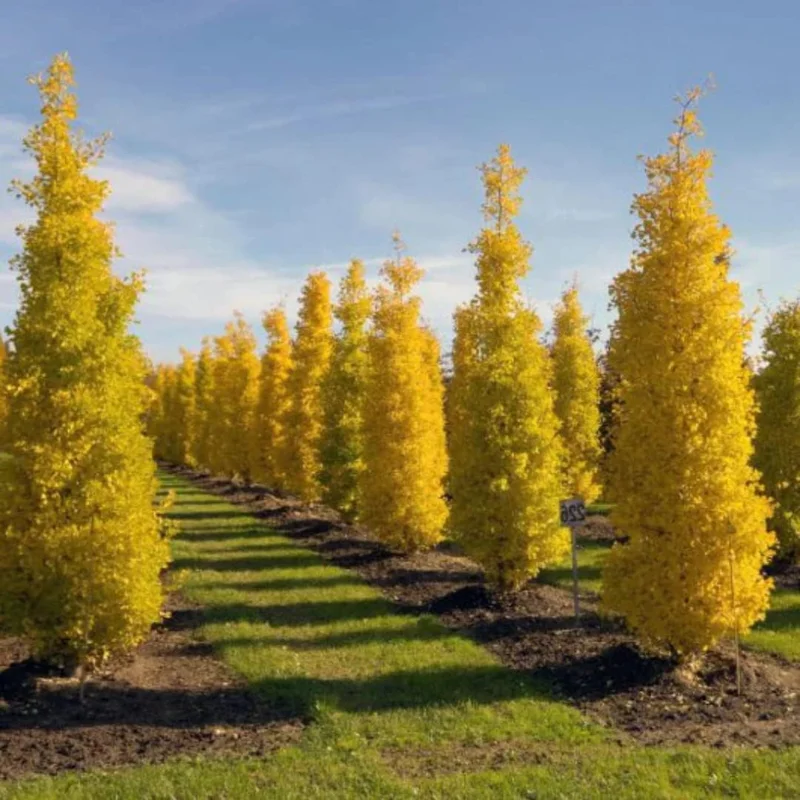
Ginkgo Biloba Live Tree – 6 to 12 Inch Tall Seedling – Outdoor Plant
Original price was: $47.98.$43.18Current price is: $43.18.
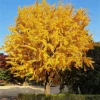
Add a piece of living history to your landscape with this ginkgo biloba live tree. This 6 to 12-inch tall seedling is ready to plant outdoors, offering vibrant yellow fall foliage and remarkable hardiness. Perfect for gardeners seeking a unique and resilient specimen.
Shipping and Return policies:
We stand behind our plants with our Alive & Thrive Guarantee. If you experience any issues within the first 30 days, please email us, and our team will be happy to help. When needed, we’ll send you a one-time replacement free of charge to make sure your garden keeps growing strong.

Reasonable Price
We offer reasonable price

Support 24/7
Contact us 24 hrs a day
100% Money Back
You’ve 30 days to Return
Payment Secure
100% secure payment
Overview
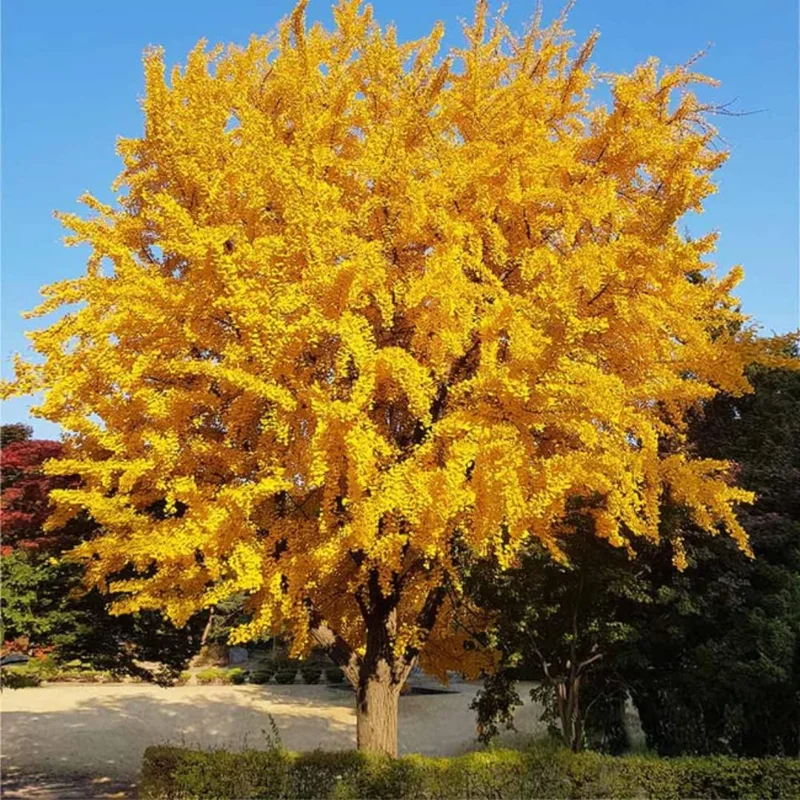
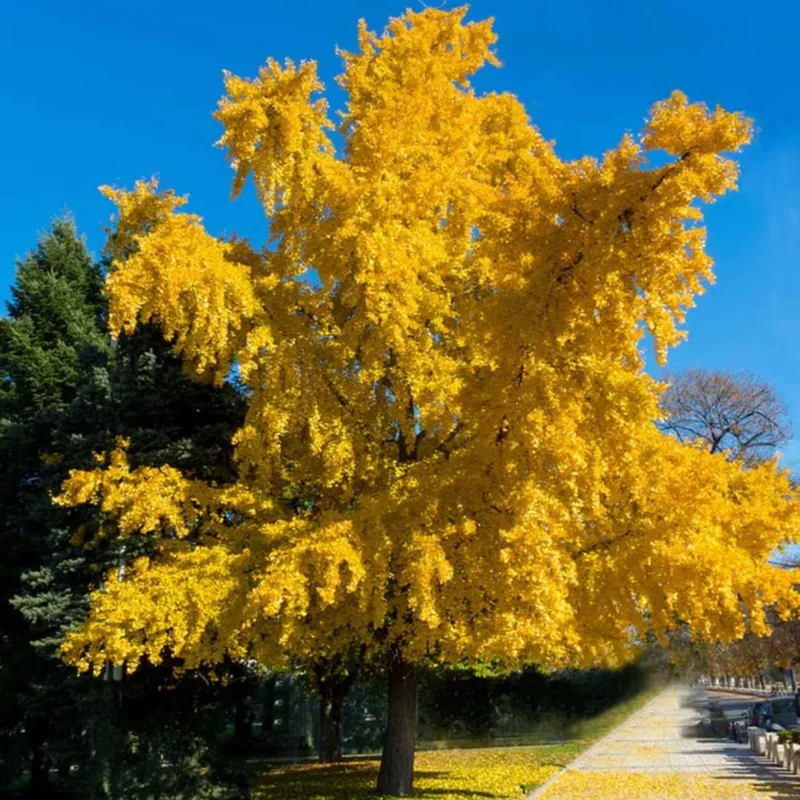
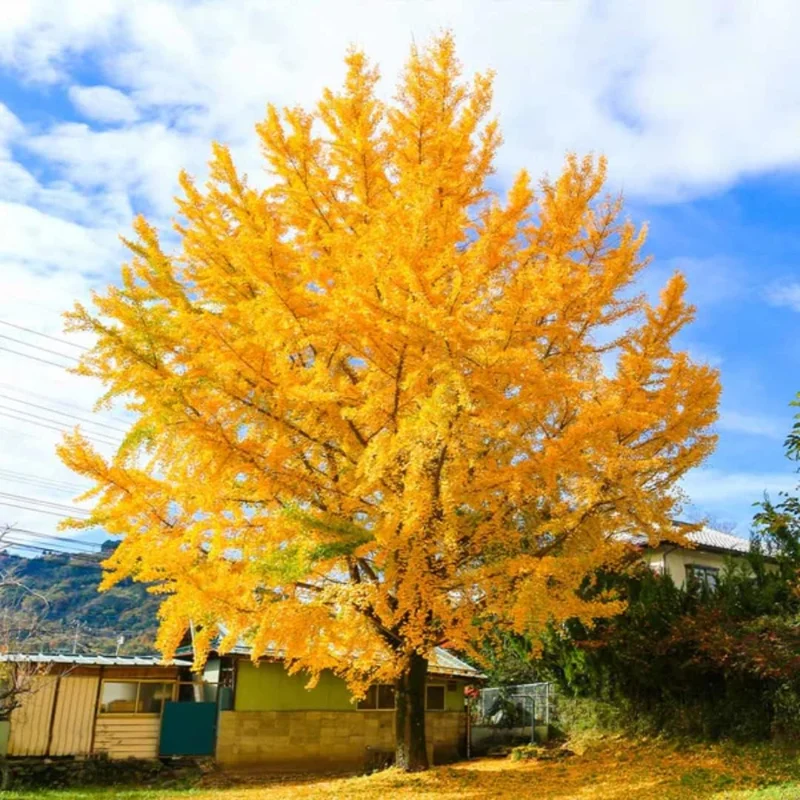
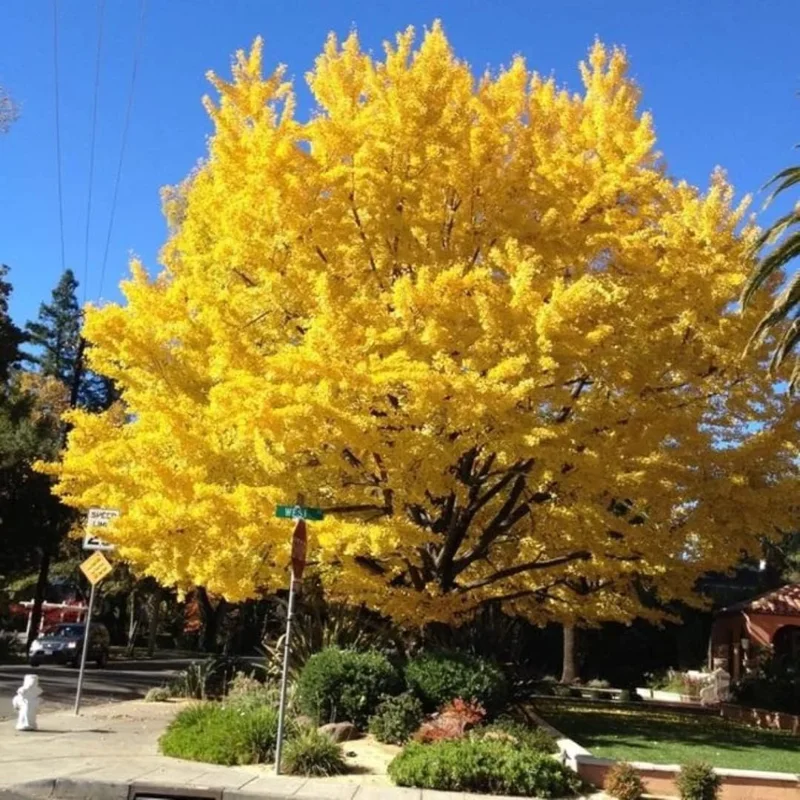
Introduce a majestic and ancient species to your garden with this ginkgo biloba live tree. Revered for its distinctive fan-shaped leaves that turn a brilliant golden yellow in autumn, the Ginkgo Biloba is a living fossil, known to have existed for millions of years. This offering is for a healthy 6 to 12-inch tall seedling, carefully cultivated to ensure a strong start in your landscape. Often referred to as the Maidenhair Tree, Ginkgo biloba is not only beautiful but also incredibly resilient, adapting to a wide range of growing conditions once established. It’s an excellent choice for adding unique architectural interest and seasonal color to any outdoor space, making it a focal point in your yard or garden for decades to come. Its deep historical roots and striking appearance make it a truly special addition for any plant enthusiast.
This young ginkgo biloba live tree is a perfect specimen for beginning its journey in your garden. Its robust nature and relatively fast growth rate in its early years mean you won’t have to wait long to enjoy its characteristic beauty. Plant it in a location where it can thrive and provide ample shade and visual appeal as it matures. The Ginkgo is a low-maintenance deciduous tree that provides year-round interest, from its fresh green spring leaves to its spectacular fall display, and even its unique branch structure in winter.
Key Benefits
The ginkgo biloba live tree offers a multitude of benefits that make it a cherished addition to any landscape. Its unique characteristics contribute to both aesthetic appeal and environmental well-being:
- Stunning Fall Foliage: Experience a breathtaking display each autumn as the fan-shaped leaves transform into a vibrant, uniform golden yellow, creating a spectacular focal point in your garden. This brilliant color lasts for several weeks, providing a long season of visual appeal.
- Historical Significance: Plant a living fossil in your yard. The Ginkgo Biloba is one of the oldest living tree species, adding a profound sense of history and endurance to your outdoor space. It’s a testament to nature’s resilience.
- Exceptional Hardiness: Known for its incredible adaptability, the Ginkgo Biloba is remarkably resistant to pests, diseases, air pollution, and harsh urban conditions, making it an excellent choice for various environments. This resilience ensures a long and healthy life for your tree.
- Unique Leaf Shape: The distinctive, two-lobed, fan-shaped leaves are instantly recognizable and provide unique texture and visual interest throughout the growing season, setting it apart from other deciduous trees. Its elegant form is truly captivating.
- Low Maintenance: Once established, the ginkgo biloba live tree requires minimal care. It is drought-tolerant and generally free from major problems, allowing you to enjoy its beauty without extensive upkeep.
- Shade Provider: As it matures, a Ginkgo tree develops a spreading canopy that offers excellent shade, making it ideal for planting near patios, walkways, or as a specimen tree in a lawn.
- Environmental Benefits: Like all trees, it contributes to air purification, carbon sequestration, and supports local ecosystems, enhancing the overall health of your garden and surroundings.
Plant Care & Growing Tips
Caring for your ginkgo biloba live tree is relatively straightforward, especially once it establishes its root system. These trees are renowned for their resilience, but providing optimal conditions during their early growth will ensure a strong and healthy specimen. The first step for anyone interested in ginkgo biloba tree care is selecting the right planting site. Ginkgo trees thrive in areas that receive full sun, meaning at least 6 hours of direct sunlight per day. While they can tolerate some partial shade, full sun promotes the best growth and most vibrant fall color. Ensure the planting location has good air circulation to prevent any potential fungal issues, though Ginkgos are generally very disease-resistant.
When it comes to watering, young Ginkgo trees require consistent moisture. Water deeply and regularly, especially during dry spells in their first few years, to help establish a strong root system. Once mature, the ginkgo tree outdoor is quite drought-tolerant and will only need supplemental watering during extended periods of extreme dryness. The ideal soil for a Ginkgo Biloba is well-draining, slightly acidic to neutral (pH 5.0 to 7.0), and can range from sandy to loamy. While they can adapt to various soil types, avoid heavily compacted or waterlogged soils, as this can lead to root rot. Amending heavy clay soils with organic matter can improve drainage significantly. Fertilization is not usually necessary for established trees in healthy soil, but a balanced slow-release fertilizer can be applied in spring for young trees to encourage vigorous growth. Pruning is generally minimal, focusing on removing dead, damaged, or crossing branches to maintain a strong structure. With proper care, your Ginkgo will flourish and become a cherished part of your landscape.
Size & Details
This offering is for one ginkgo biloba live tree seedling, which measures approximately 6 to 12 inches tall from the base of the root ball to the top of the plant. These young trees are shipped as healthy seedlings, often in a small nursery pot or with their roots carefully protected. While initial growth may seem slow, once established, Ginkgo trees can grow at a moderate rate, typically adding 1-2 feet of height per year. They will eventually mature into large, stately trees, often reaching heights of 50 to 80 feet, and sometimes even taller, with a spread of 30 to 40 feet, making them suitable for spacious landscapes. The distinctive fan-shaped leaves emerge bright green in spring, providing lush summer foliage before their iconic golden transformation in autumn. This particular variety is known for its robust nature, making it an excellent choice for a long-lasting addition to your garden. Plant in spring or early fall for best establishment, allowing the root system to settle before extreme temperatures.
Frequently Asked Questions
- Q: How big will this ginkgo biloba live tree get? A: This seedling is currently 6 to 12 inches tall. Once mature, Ginkgo Biloba trees can reach impressive heights of 50 to 80 feet, with a spread of 30 to 40 feet, depending on growing conditions and variety.
- Q: Is this an indoor or outdoor plant? A: The Ginkgo Biloba is primarily an outdoor plant. It is a deciduous tree that requires a period of dormancy in cold weather to thrive and is best suited for planting directly in the ground in a suitable climate.
- Q: How much sunlight does a maidenhair tree plant need? A: Ginkgo trees prefer full sun exposure, meaning at least 6 hours of direct sunlight per day. While they can tolerate some partial shade, full sun encourages the best growth and most vibrant fall color.
- Q: Is this plant easy to care for? Is it good for beginners? A: Yes, the Ginkgo Biloba is considered very easy to care for, especially once established. It’s highly resilient and generally free from pests and diseases, making it an excellent choice for beginner gardeners looking to grow a unique tree.
- Q: What condition will the ginkgo biloba live tree arrive in? A: Your Ginkgo seedling will arrive in a healthy, carefully packaged condition, typically with its roots protected in a small nursery container or bare-rooted, ready for planting upon arrival.
- Q: When is the best time to plant a ginkgo tree outdoor? A: The best time to plant a Ginkgo Biloba tree is in the spring after the last frost, or in early fall a few weeks before the first hard frost. This allows the tree to establish its root system before extreme temperatures.
- Q: Will it survive winter in my zone? What’s the minimum temperature? A: Ginkgo Biloba trees are incredibly hardy and can survive winters in USDA Hardiness Zones 3-9. They are very tolerant of cold temperatures once established, making them suitable for a wide range of climates.
- Q: How long until I see the distinctive yellow fall foliage? A: While your young seedling will eventually develop the iconic yellow fall foliage, it may take a few growing seasons for the tree to fully establish and produce its most vibrant and consistent autumn display.
- Q: What kind of soil does growing ginkgo biloba prefer? A: Ginkgo trees are adaptable but prefer well-draining soil that is slightly acidic to neutral. They can tolerate sandy, loamy, and even some clay soils, as long as good drainage is provided.
- Q: Are there any specific issues with ginkgo biloba tree care I should be aware of? A: Ginkgo trees are remarkably pest and disease resistant. The primary care consideration is consistent watering for young trees to establish and ensuring they are planted in a well-drained location to prevent root issues.
Be the first to review “Ginkgo Biloba Live Tree – 6 to 12 Inch Tall Seedling – Outdoor Plant”
You must be logged in to post a review.
People also Viewed
Sold 50 products
Original price was: $17.58.$11.86Current price is: $11.86.
Sold 50 products
Price range: $32.99 through $35.99
Sold 50 products
$69.99
Sold 50 products
$18.99
Sold 50 products
Price range: $14.98 through $23.89
Sold 50 products
$32.99
Sold 50 products
$24.99
Sold 50 products
Price range: $43.99 through $44.99RELATED posts
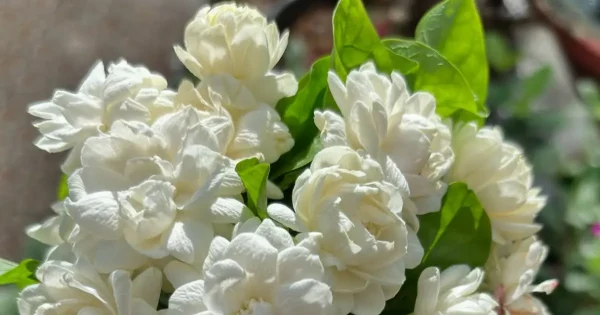
Top 7 Best Smelling Jasmine Varieties for a Heavenly Garden
Have you ever walked past a house and caught a scent so sweet you just [...]
Mar
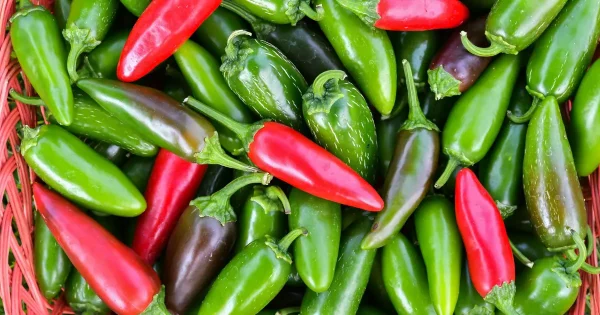
Master the Heat: 8 Expert Tips for Growing Jalapeños Like a Pro
Are you staring at your garden space, wondering why your pepper plants look more like [...]
Mar
Top 5 Must-Have Hoya Varieties for Beginners
Hoyas are easily one of my top recommendations if you’re hunting for a low-maintenance houseplant [...]
Mar
7 Moringa Plant Care Mistakes to Avoid for Healthy Growth
Have you ever looked at your Moringa tree and wondered why its once vibrant green [...]
Feb
How to Grow Potato Onions From True Seeds: A Step-by-Step Guide
Have you ever wondered how to grow potato onions from true seeds or why some [...]
Feb
Growing Walking Onions in Containers: The Ultimate Guide
Have you ever looked at your small balcony or cramped patio and wished you could [...]
Feb
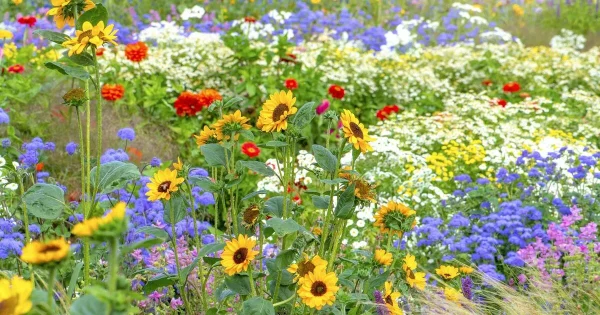
9 Best Flower Seeds to Start in February for Early Blooms
If you’re a passionate gardener, you know that itchy feeling in your fingers when February [...]
Jan
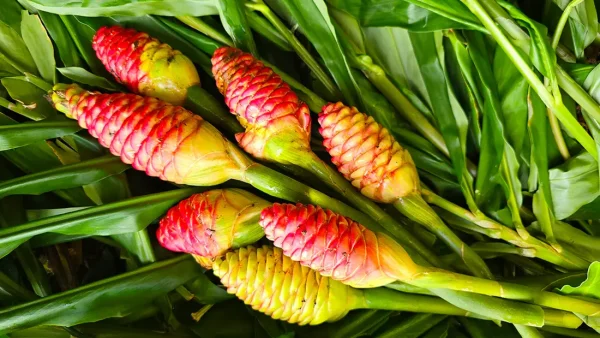
Growing Shampoo Ginger in Pots: Easy Guide to Potting Ginger Lilies
Are you looking to add a touch of exotic beauty to your home while growing [...]
Jan
Reviews
There are no reviews yet.