
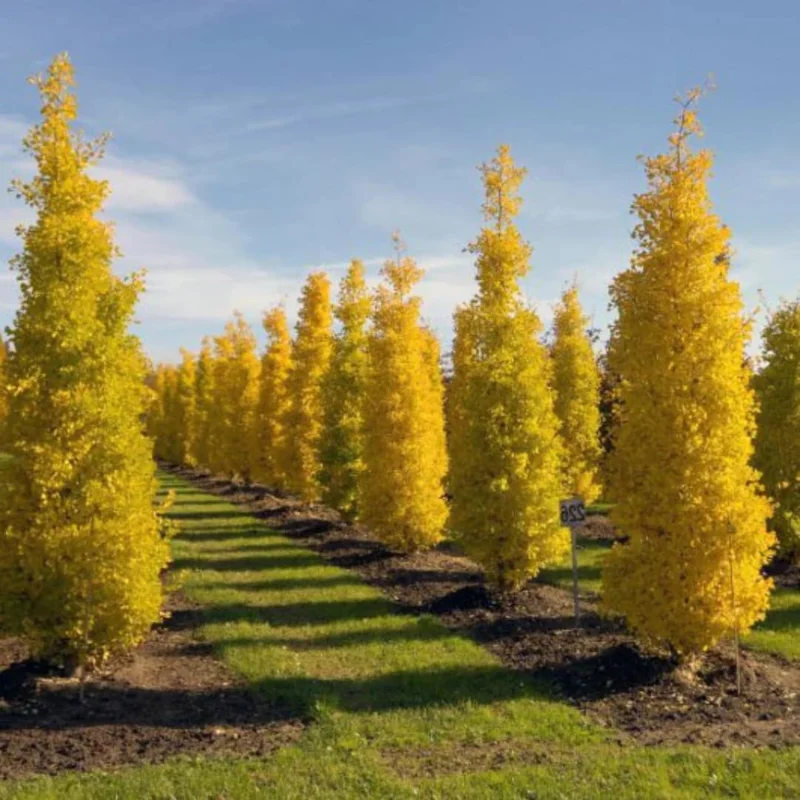
Ginkgo Biloba Live Plant Seedling 6-12″ Tall in Quart Pot – Shade Tree
Original price was: $49.98.$44.98Current price is: $44.98.
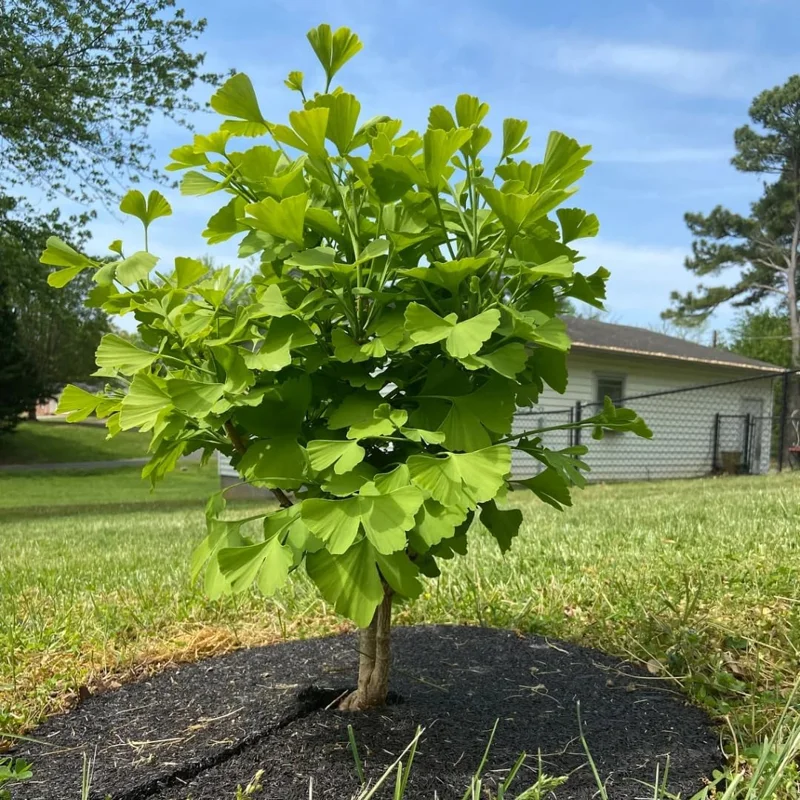
Cultivate your landscape with a Ginkgo Biloba live plant seedling, measuring 6-12 inches tall and delivered in a quart pot. Known for its distinctive fan-shaped leaves and vibrant yellow fall color, this resilient shade tree thrives in USDA Zones 3-9, offering a unique and long-lived addition to any garden or yard.
Shipping and Return policies:
We stand behind our plants with our Alive & Thrive Guarantee. If you experience any issues within the first 30 days, please email us, and our team will be happy to help. When needed, we’ll send you a one-time replacement free of charge to make sure your garden keeps growing strong.

Reasonable Price
We offer reasonable price

Support 24/7
Contact us 24 hrs a day
100% Money Back
You’ve 30 days to Return
Payment Secure
100% secure payment
Overview
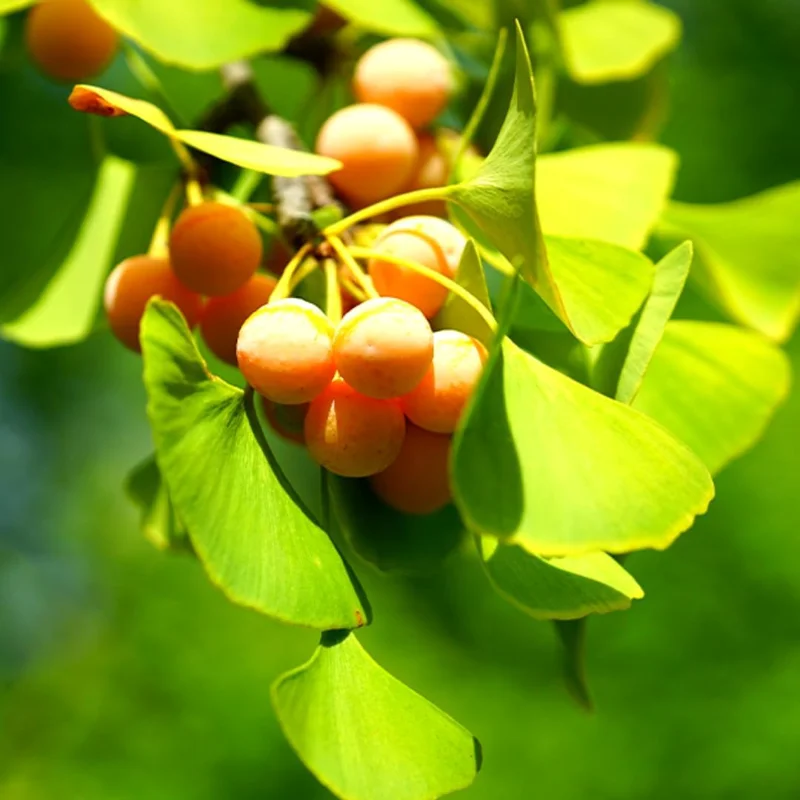
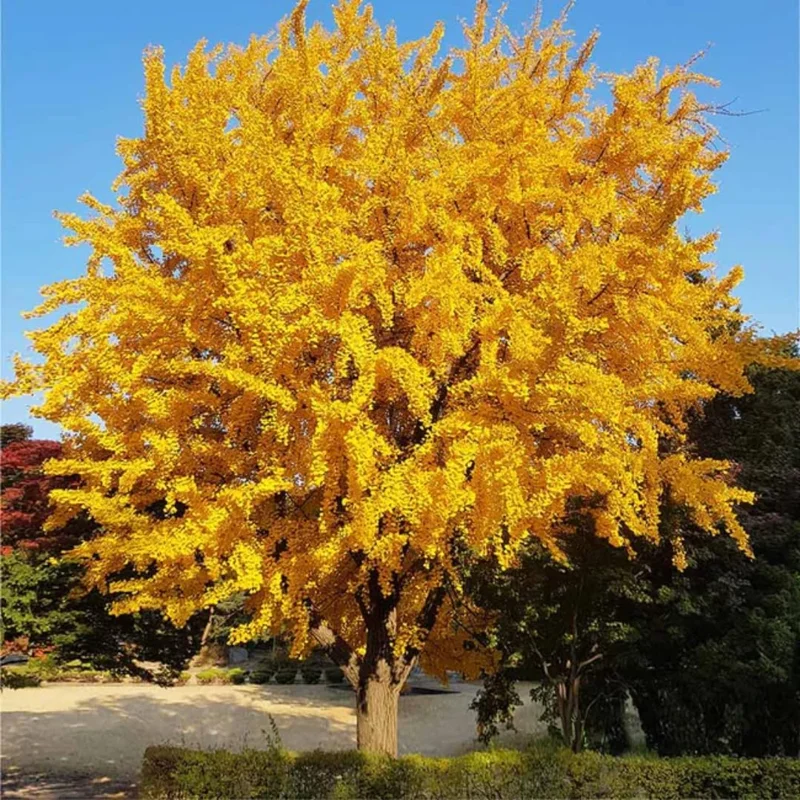
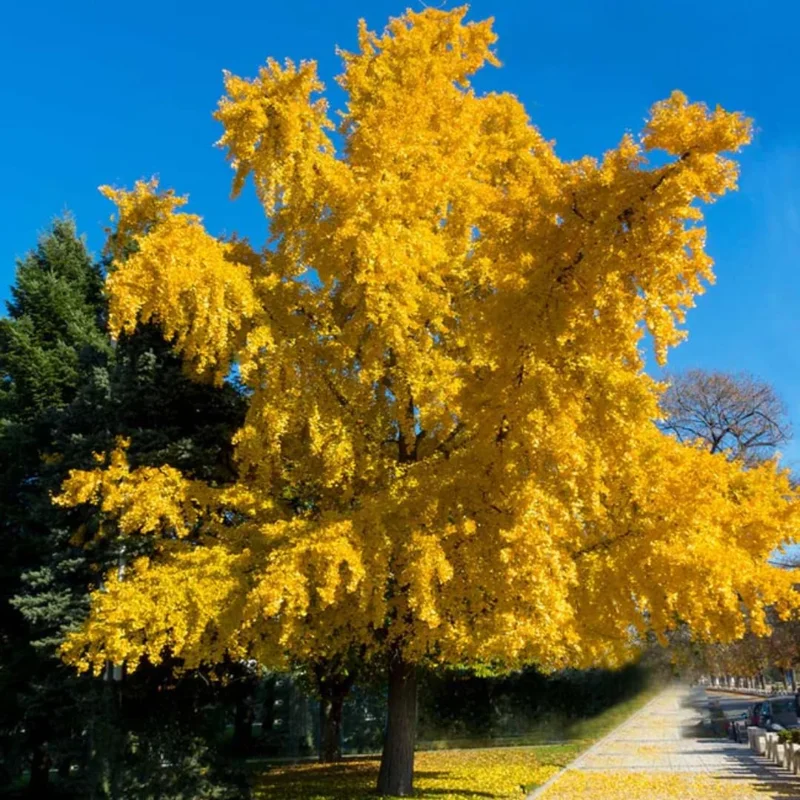
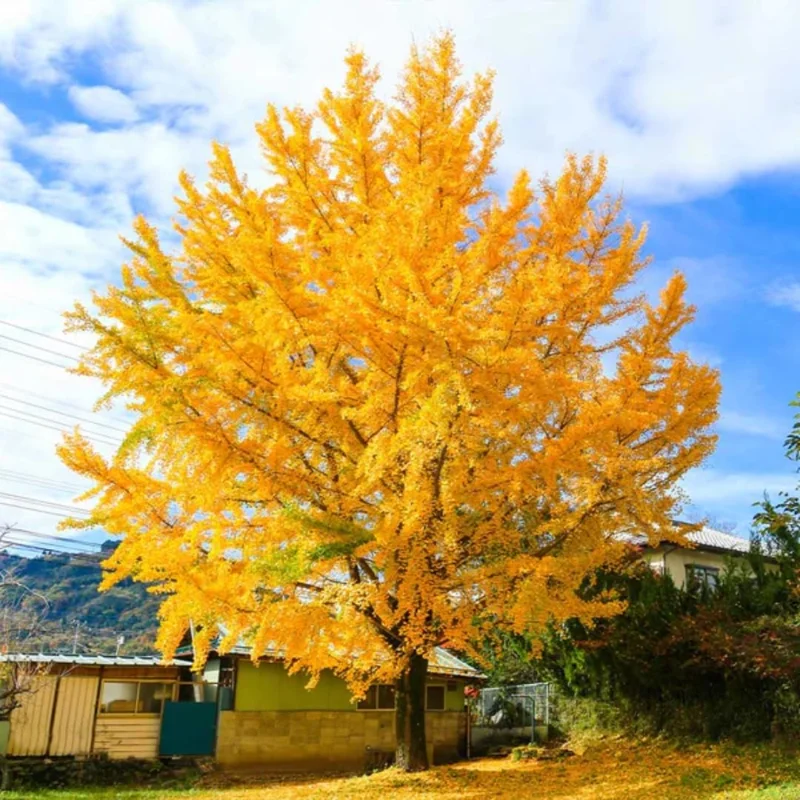
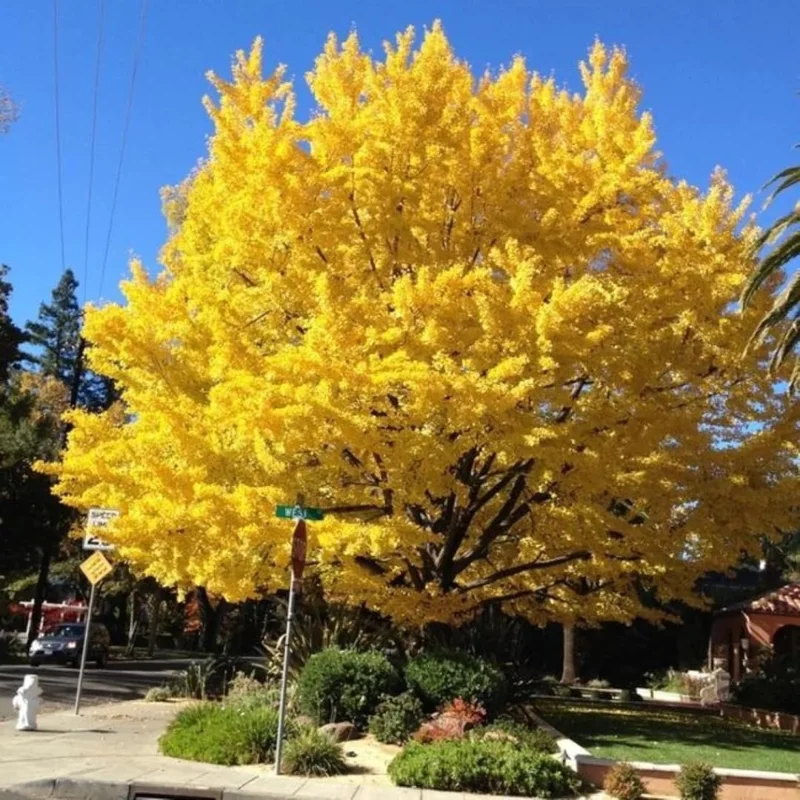
Introduce a piece of living history to your garden with this Ginkgo Biloba live plant seedling. Revered for its ancient lineage and striking beauty, the Ginkgo Biloba, also known as the Maidenhair Tree, is a deciduous tree celebrated for its unique fan-shaped leaves that turn a brilliant golden yellow in autumn. This young plant, measuring 6-12 inches tall, comes well-rooted in a quart pot, ready for planting. The Ginkgo Biloba live plant is a remarkable specimen, offering both aesthetic appeal and environmental benefits, making it a popular choice for gardeners and landscapers alike.
Originating from China, the Ginkgo Biloba is incredibly resilient and adaptable, able to withstand various urban conditions and pests. It’s a fantastic choice for those looking for a long-term investment in their landscape, as these trees can live for hundreds, even thousands, of years. This seedling provides an excellent starting point for growing a majestic Ginkgo shade tree that will provide beauty and shade for generations.
Key Benefits
Adding a Ginkgo Biloba live plant to your garden offers numerous advantages, from its striking visual appeal to its robust nature. Here are some of the key benefits:
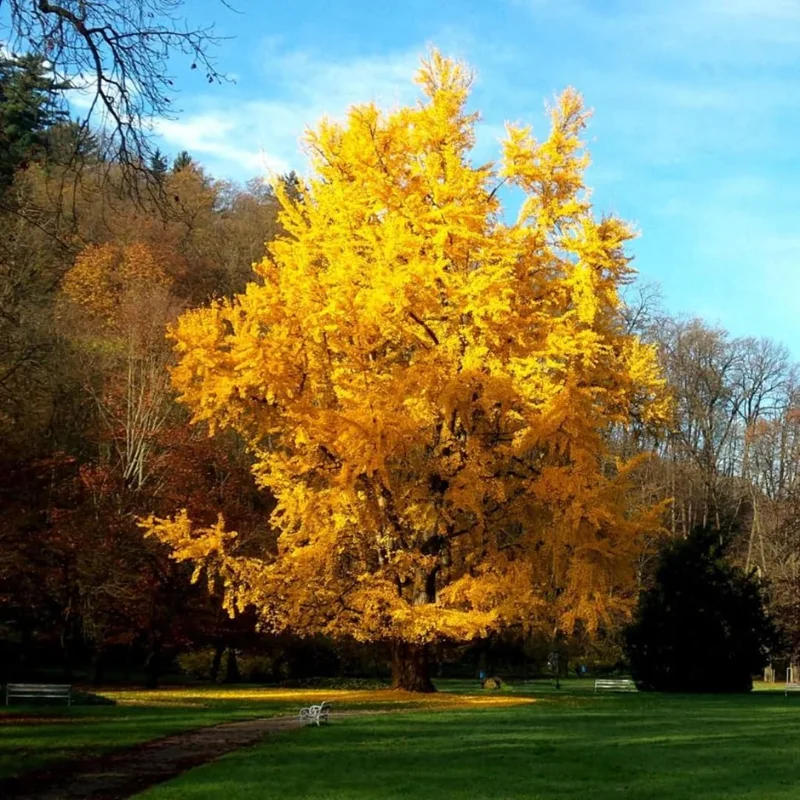
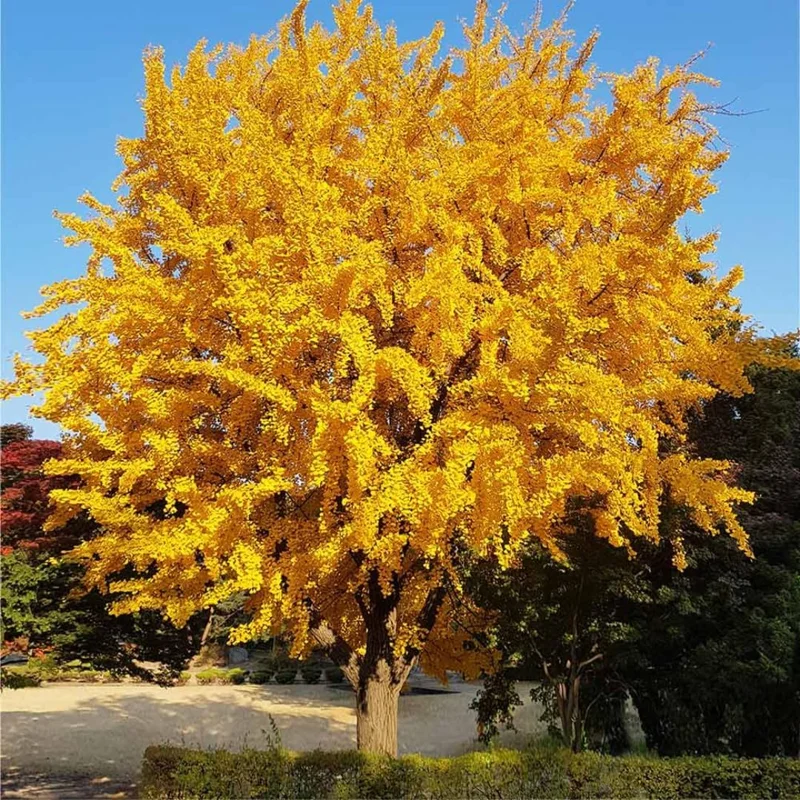
- Unique Ornamental Value: The distinct fan-shaped leaves are unlike any other, creating a captivating visual texture in the landscape. In autumn, these leaves transform into a spectacular golden yellow, providing a stunning display that enhances any garden. The architectural form of a mature Ginkgo Biloba live plant adds elegance and structure.
- Exceptional Hardiness: The Ginkgo Biloba is incredibly tough and adaptable, thriving in a wide range of climates and soil conditions. It is known to be highly resistant to pests, diseases, and even urban pollution, making it a low-maintenance choice for many environments.
- Long Lifespan: These trees are renowned for their longevity, often living for centuries. Planting a young Ginkgo Biloba live plant is an investment that will benefit your property for many generations, becoming a treasured part of your landscape’s heritage.
- Excellent Shade Tree: As it matures, the Ginkgo develops a broad, open canopy, providing ample shade during hot summer months. This can help reduce energy costs for cooling your home and create comfortable outdoor living spaces.
- Historical and Cultural Significance: The Ginkgo Biloba is often referred to as a ‘living fossil’ due to its ancient lineage. Its historical significance and unique evolutionary path add an intriguing layer of interest to your garden.
- Low Maintenance: Once established, Ginkgo tree growing requires minimal care. They are drought-tolerant and generally do not need frequent pruning, making them an easy-care option for busy gardeners.
- Resilience to Urban Conditions: Ginkgo trees are particularly well-suited for urban environments, tolerating poor soil, compacted soil, and air pollution better than many other tree species.
Plant Care & Growing Tips
Successful Ginkgo tree growing begins with proper planting and consistent care during its establishment phase. This Ginkgo Biloba live plant seedling is well-established and ready for its new home. Ginkgos prefer a location with full sun exposure, meaning at least 6 hours of direct sunlight per day. While they can tolerate some partial shade, optimal growth and the best fall color will occur in full sun. Ensure the planting site has good air circulation.
When it comes to soil, Ginkgos are not particularly fussy but thrive best in well-draining soil. They can tolerate a range of soil types, including sandy, loamy, and clay soils, as long as drainage is adequate. Avoid constantly waterlogged conditions, which can lead to root rot. For young trees, consistent moisture is crucial. Water regularly after planting, especially during dry spells, to help establish a strong root system. Once established, the Ginkgo Biloba live plant is quite drought-tolerant. Fertilization is generally not required annually for established trees; however, a balanced, slow-release fertilizer can be applied in spring for young trees to encourage vigorous growth.
This species is incredibly hardy, tolerating USDA Hardiness Zones 3-9. This wide range makes the Ginkgo Biloba live plant suitable for many climates across the United States. Pruning is typically minimal, focused on removing any dead, damaged, or crossing branches to maintain a strong structure and desired shape. Early training can help develop a good central leader for a classic shade tree form. Fortunately, Ginkgo trees are rarely bothered by serious pests or diseases, contributing to their reputation as a resilient and long-lived tree.
Size & Details
This offering is for one Ginkgo Biloba live plant seedling, standing approximately 6-12 inches tall from the top of the soil. It is shipped in a quart-sized pot, ensuring the roots are well-established and protected during transit, ready for successful transplantation. The young Ginkgo tree for sale will arrive with a healthy root system, which is crucial for its initial growth and establishment in your garden. While compact upon arrival, Ginkgo Biloba trees are known for their moderate growth rate, eventually reaching impressive heights of 50-80 feet with a spread of 30-40 feet at maturity, making them excellent candidates for a substantial Ginkgo shade tree.
The mature size can vary depending on growing conditions and specific cultivar, but all Ginkgos offer a stately presence. Expect the first few years to focus on root development, with more noticeable vertical growth in subsequent seasons. This particular specimen is suitable for planting in USDA Hardiness Zones 3-9, making it a versatile choice for a broad range of climates. It’s an ideal size for planting directly into the ground or potting up into a larger container for a period before permanent placement.
Frequently Asked Questions
- Q: How big does this plant get and what size pot does it come in? A: This Ginkgo Biloba live plant seedling is approximately 6-12 inches tall and comes in a quart-sized pot. While it’s small now, mature Ginkgo trees can reach impressive heights of 50-80 feet and a spread of 30-40 feet, making them magnificent shade trees.
- Q: Is this an indoor or outdoor plant? How much sunlight does it need? A: The Ginkgo Biloba is an outdoor tree. It requires full sun exposure, meaning at least 6 hours of direct sunlight daily, to thrive and develop its best fall color. While it can tolerate some partial shade, full sun is ideal for optimal Ginkgo tree growing.
- Q: Is this plant easy to care for? Is it good for beginners? A: Yes, once established, the Ginkgo Biloba live plant is considered very low-maintenance and resilient, making it an excellent choice for beginners. It’s tolerant of various conditions and generally resistant to pests and diseases.
- Q: What condition will it arrive in? Is it shipped in soil? A: Your Ginkgo Biloba live plant seedling will arrive well-rooted in its quart pot with soil, ensuring it is healthy and ready for planting. We take care to package plants securely for safe transit.
- Q: When is the best time to plant a young Ginkgo? A: The best time to plant a young Ginkgo Biloba live plant is in the spring or early fall. This allows the tree sufficient time to establish its root system before the stress of extreme summer heat or winter cold.
- Q: Will it survive winter in my zone? What’s the minimum temperature? A: This Ginkgo Biloba is hardy in USDA Zones 3-9. This means it can withstand winter temperatures well below freezing, typically down to -40°F (-40°C) in Zone 3.
- Q: What kind of soil does a Ginkgo prefer? A: Ginkgos are adaptable but prefer well-draining soil. They can grow in sandy, loamy, or clay soils as long as there is good drainage to prevent waterlogging.
- Q: How fast does a young Ginkgo tree grow? A: A young Ginkgo tree growing rate is moderate. In its first few years, it will focus on root establishment, and then you can expect more noticeable vertical growth, typically 1-2 feet per year once established.
- Q: Can I grow a Ginkgo Biloba in a container? A: While Ginkgos can be grown in large containers for a period, they will eventually need to be planted in the ground to reach their full potential as a large Ginkgo shade tree. If container growing, ensure the pot is large and has excellent drainage.
- Q: What is the main benefit of having a Ginkgo tree? A: Beyond its unique beauty and historical significance, one of the main benefits is its incredible resilience and adaptability. It’s a long-lived, low-maintenance tree that provides excellent shade and stunning fall color.
Be the first to review “Ginkgo Biloba Live Plant Seedling 6-12″ Tall in Quart Pot – Shade Tree”
You must be logged in to post a review.
People also Viewed
Sold 50 products
Original price was: $17.58.$11.86Current price is: $11.86.
Sold 50 products
Price range: $32.99 through $35.99
Sold 50 products
$69.99
Sold 50 products
$18.99
Sold 50 products
Price range: $14.98 through $23.89
Sold 50 products
$32.99
Sold 50 products
$24.99
Sold 50 products
Price range: $43.99 through $44.99RELATED posts
Top 7 Best Smelling Jasmine Varieties for a Heavenly Garden
Have you ever walked past a house and caught a scent so sweet you just [...]
Mar
Master the Heat: 8 Expert Tips for Growing Jalapeños Like a Pro
Are you staring at your garden space, wondering why your pepper plants look more like [...]
Mar
Top 5 Must-Have Hoya Varieties for Beginners
Hoyas are easily one of my top recommendations if you’re hunting for a low-maintenance houseplant [...]
Mar
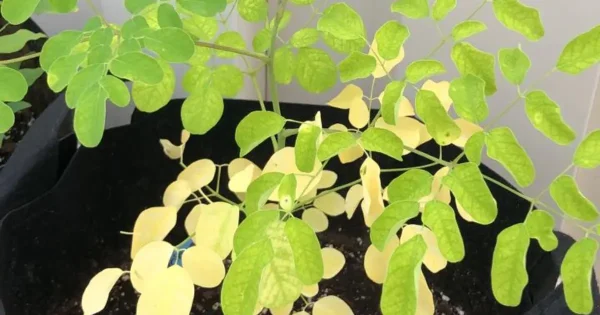
7 Moringa Plant Care Mistakes to Avoid for Healthy Growth
Have you ever looked at your Moringa tree and wondered why its once vibrant green [...]
Feb
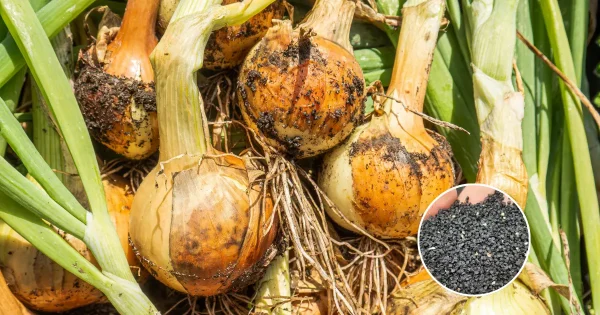
How to Grow Potato Onions From True Seeds: A Step-by-Step Guide
Have you ever wondered how to grow potato onions from true seeds or why some [...]
Feb
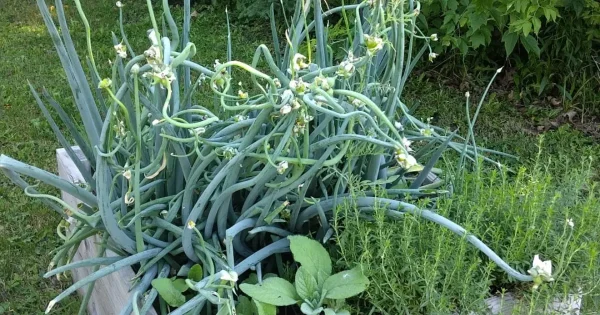
Growing Walking Onions in Containers: The Ultimate Guide
Have you ever looked at your small balcony or cramped patio and wished you could [...]
Feb
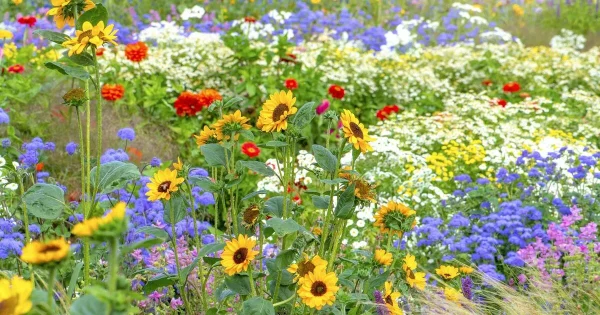
9 Best Flower Seeds to Start in February for Early Blooms
If you’re a passionate gardener, you know that itchy feeling in your fingers when February [...]
Jan
Growing Shampoo Ginger in Pots: Easy Guide to Potting Ginger Lilies
Are you looking to add a touch of exotic beauty to your home while growing [...]
Jan
Reviews
There are no reviews yet.