


French Pussy Willow Plant – 2.5 inch Pot – Unique Garden Shrub
Original price was: $39.97.$23.98Current price is: $23.98.
Add early spring beauty to your garden with the French Pussy Willow. Comes in a 2.5″ pot. A unique and beautiful shrub! Order yours today!
Shipping and Return policies:
We stand behind our plants with our Alive & Thrive Guarantee. If you experience any issues within the first 30 days, please email us, and our team will be happy to help. When needed, we’ll send you a one-time replacement free of charge to make sure your garden keeps growing strong.

Reasonable Price
We offer reasonable price

Support 24/7
Contact us 24 hrs a day
100% Money Back
You’ve 30 days to Return
Payment Secure
100% secure payment
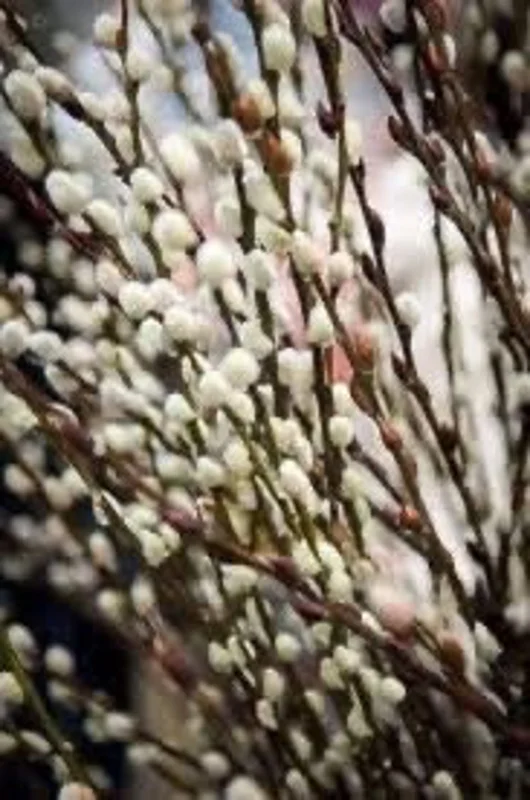
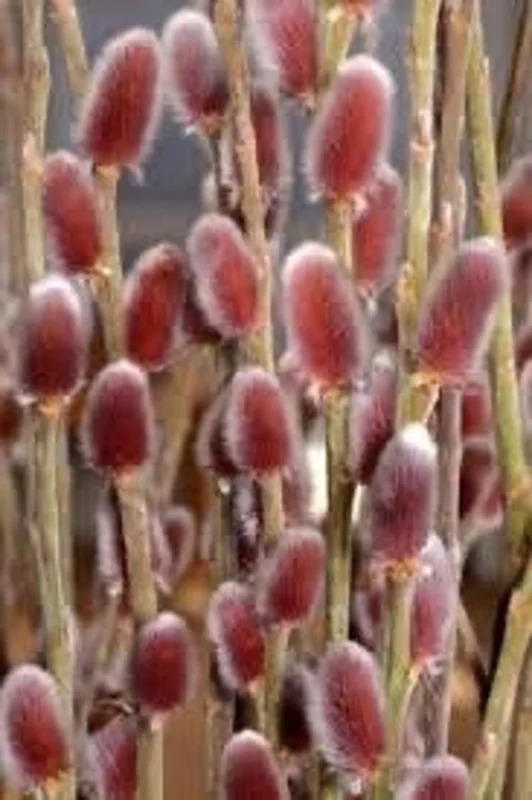
French Pussy Willow – A Springtime Delight
The French Pussy Willow, offered here in a convenient 2.5″ pot, is a delightful addition to any garden. Known for its soft, silvery catkins that emerge in early spring, this shrub provides a welcome burst of beauty after the long winter months. The French Pussy Willow is easy to grow and maintain, making it a perfect choice for both novice and experienced gardeners alike. Imagine the joy of cutting these beautiful branches to bring the beauty of early spring indoors!
This versatile shrub can be used in a variety of landscape settings. Plant it as a specimen plant to showcase its unique beauty, or use it in a mixed border to add texture and interest. The French Pussy Willow also makes a great addition to a cutting garden, providing you with a constant supply of beautiful branches for floral arrangements. Its adaptability and ornamental value make it a garden favorite.
Benefits of Growing French Pussy Willow:
- Provides early spring interest with its silvery catkins.
- Easy to grow and maintain.
- Versatile and can be used in a variety of landscape settings.
- Attracts pollinators to your garden.
- Provides beautiful branches for cutting and floral arrangements.
The French Pussy Willow is a fast-growing shrub that typically reaches a height of 6-10 feet. It prefers well-drained soil and full sun to partial shade. Regular pruning will help to maintain its shape and encourage the production of more catkins. This beautiful shrub is a must-have for any garden lover looking to add a touch of springtime magic.
Consider adding the French Pussy Willow to your garden today for a touch of elegance and early spring charm. Its unique catkins and easy-care nature make it a worthwhile investment for any landscape. Enjoy the beauty and benefits this stunning shrub provides year after year.
Frequently Asked Questions about French Pussy Willow
- How big will the French Pussy Willow get? Typically, it reaches a height of 6-10 feet and a spread of about the same.
- What kind of soil does it need? It thrives in well-drained soil, but it’s adaptable to different soil types.
- How much sunlight does it require? It prefers full sun to partial shade for optimal growth and catkin production.
- When is the best time to prune it? Prune after flowering in the spring to maintain its shape and encourage new growth.
- Will it attract bees and butterflies? Yes, the catkins are a good source of early-season nectar for pollinators.
Be the first to review “French Pussy Willow Plant – 2.5 inch Pot – Unique Garden Shrub”
You must be logged in to post a review.
People also Viewed
Sold 50 products
Original price was: $36.99.$16.99Current price is: $16.99.
Sold 50 products
Original price was: $31.99.$11.99Current price is: $11.99.
Sold 50 products
Original price was: $35.99.$15.99Current price is: $15.99.

Sold 50 products
Original price was: $31.99.$11.99Current price is: $11.99.
Sold 50 products
Original price was: $35.99.$15.99Current price is: $15.99.
Sold 50 products
Original price was: $31.99.$11.99Current price is: $11.99.
Sold 50 products
Original price was: $34.99.$14.99Current price is: $14.99.
Sold 50 products
Original price was: $31.99.$11.99Current price is: $11.99.RELATED posts
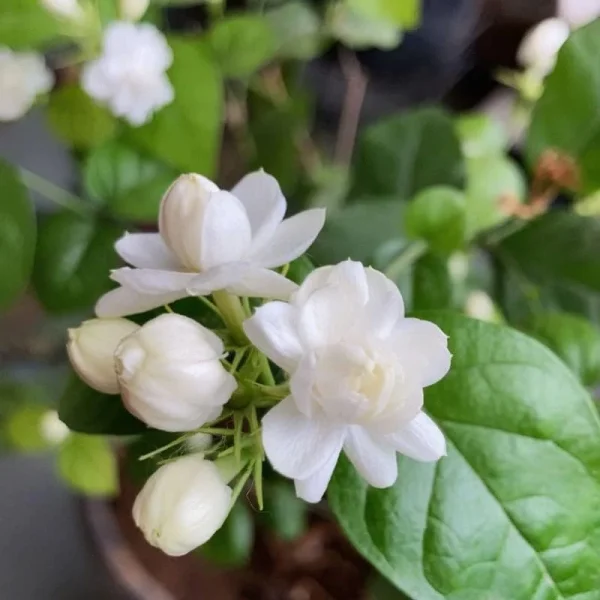
How to Grow Arabian Jasmine: A Complete Care Guide
If you’ve ever dreamed of a garden that smells like a tropical paradise, Jasminum sambac [...]
Apr
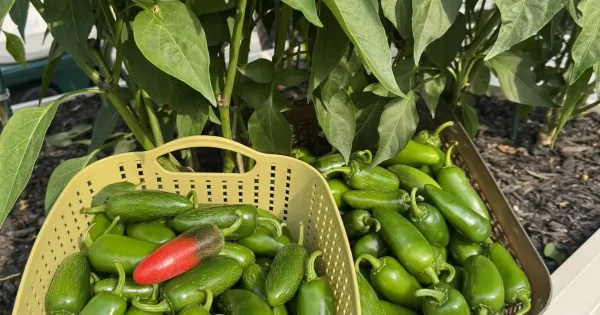
How to Grow Jalapeño Peppers From Seeds: A Step-by-Step Guide
Ready to spice things up in your garden? Jalapeños are the true life of the [...]
Apr
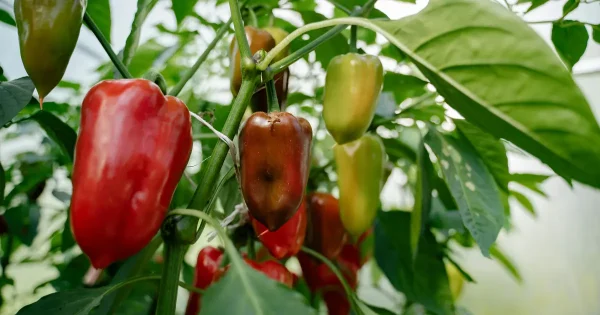
Top 12 Best Types of Peppers to Grow in Your Garden: Easy and High Yield
Growing peppers is, quite honestly, one of the biggest “wins” you can have in a [...]
Apr
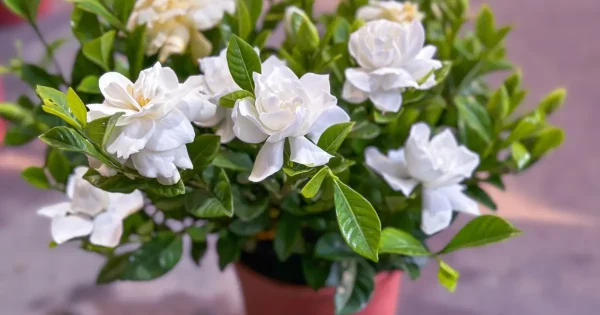
Frostproof Jasmine Care: 7 Tips for Successful Pot Growth
Most gardenias are known for being “divas.” They want perfect humidity, perfect soil, and they [...]
Mar
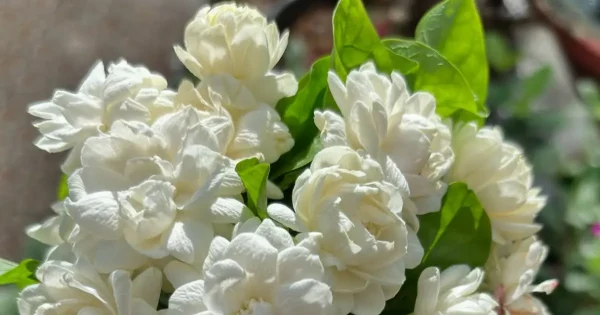
Top 7 Best Smelling Jasmine Varieties for a Heavenly Garden
Have you ever walked past a house and caught a scent so sweet you just [...]
Mar
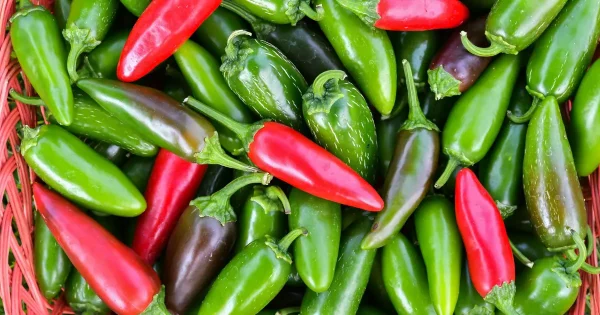
Master the Heat: 8 Expert Tips for Growing Jalapeños Like a Pro
Are you staring at your garden space, wondering why your pepper plants look more like [...]
Mar
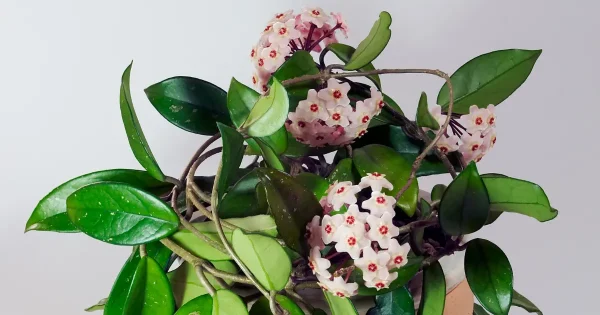
Top 5 Must-Have Hoya Varieties for Beginners
Hoyas are easily one of my top recommendations if you’re hunting for a low-maintenance houseplant [...]
Mar
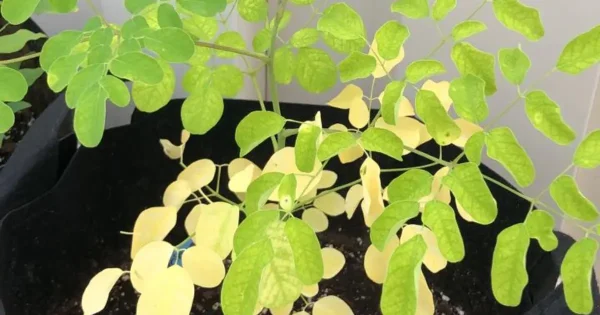
7 Moringa Plant Care Mistakes to Avoid for Healthy Growth
Have you ever looked at your Moringa tree and wondered why its once vibrant green [...]
Feb



Reviews
There are no reviews yet.