
French Lavender Live Plant – Fragrant Decorative Lavender – 4” Potted Plant
$16.99
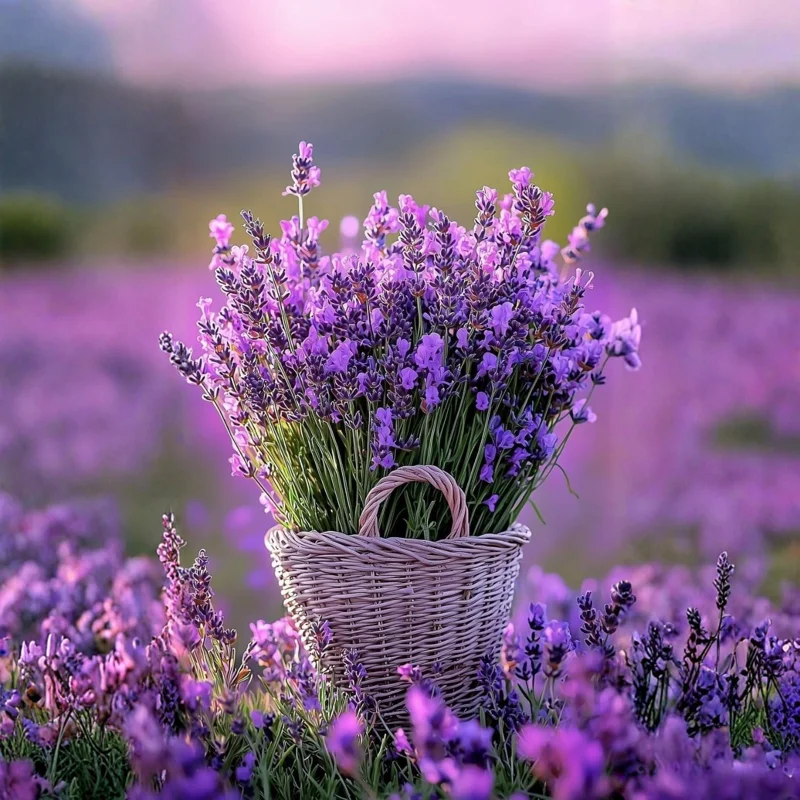
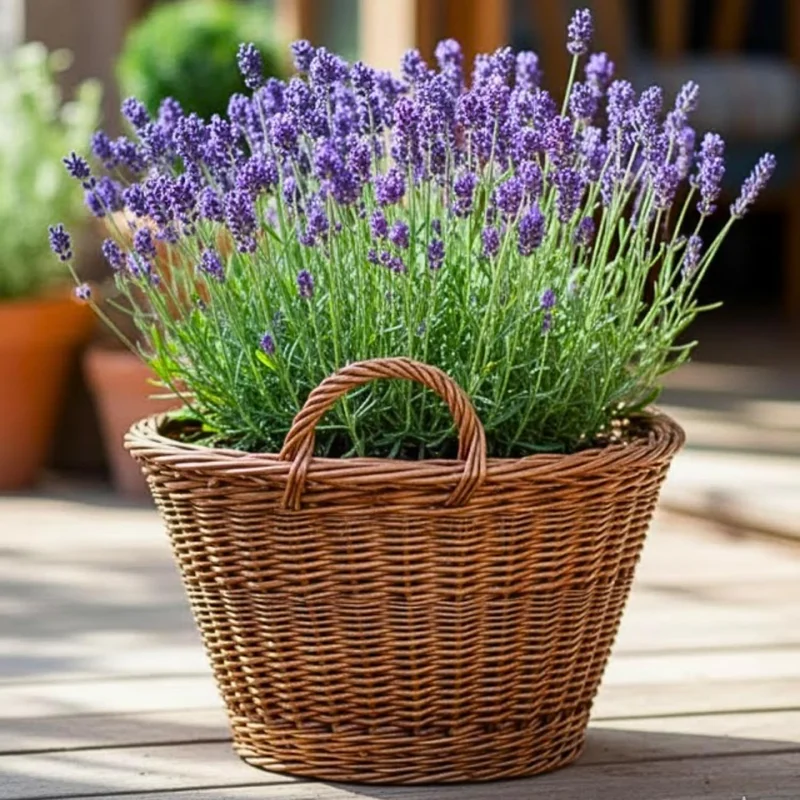
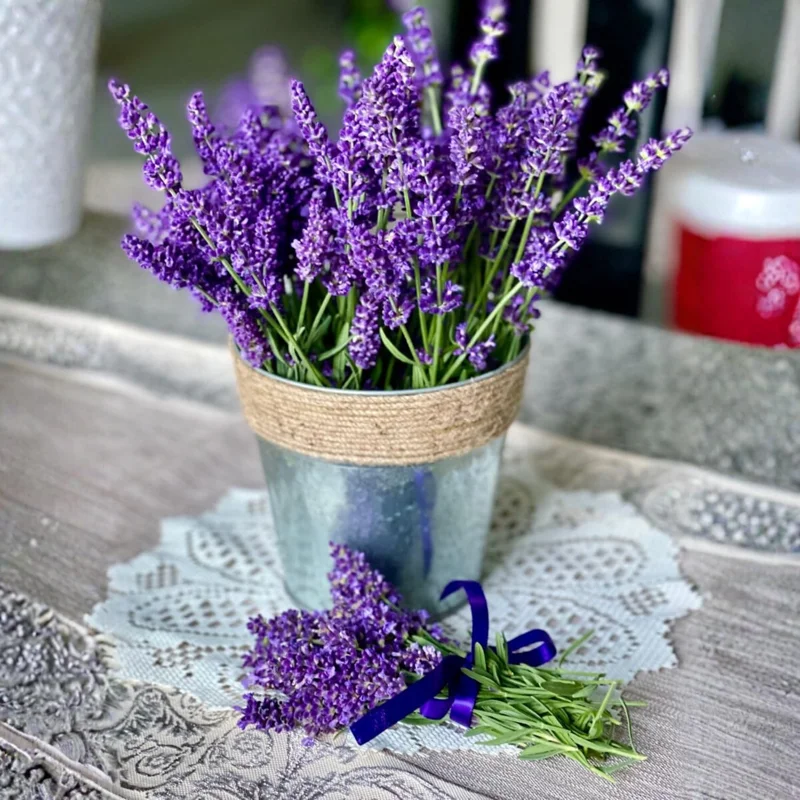
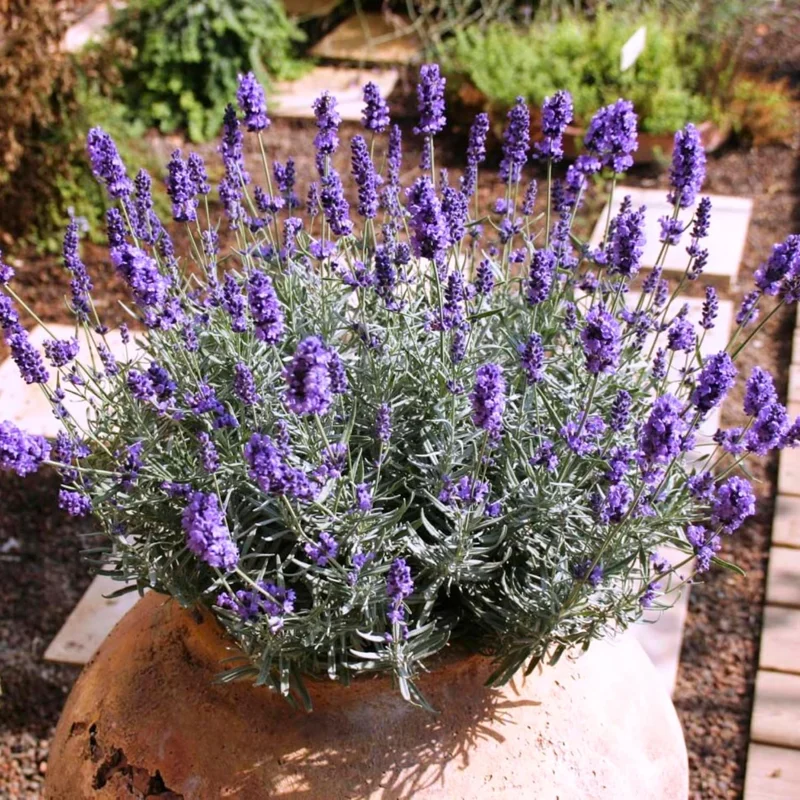
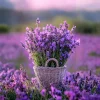
Transform your space with a beautiful French Lavender live plant. This 4-inch potted plant features striking purple blooms and wonderfully aromatic foliage. Perfect for both indoor lavender plant and outdoor lavender plant settings, it adds charm and a calming fragrance while being relatively low-maintenance.
Shipping and Return policies:
We stand behind our plants with our Alive & Thrive Guarantee. If you experience any issues within the first 30 days, please email us, and our team will be happy to help. When needed, we’ll send you a one-time replacement free of charge to make sure your garden keeps growing strong.

Reasonable Price
We offer reasonable price

Support 24/7
Contact us 24 hrs a day
100% Money Back
You’ve 30 days to Return
Payment Secure
100% secure payment
Overview
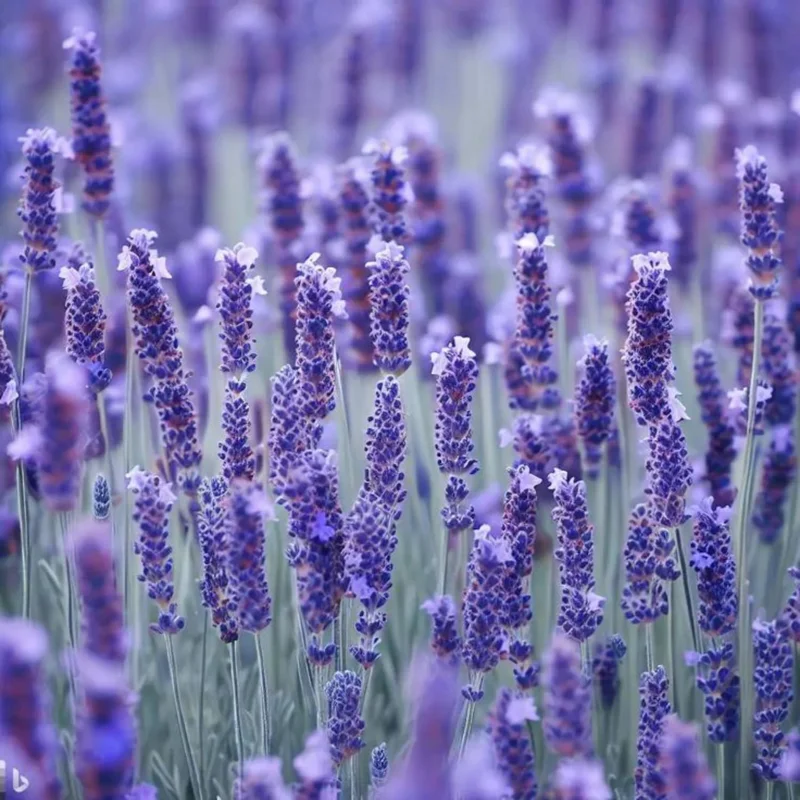
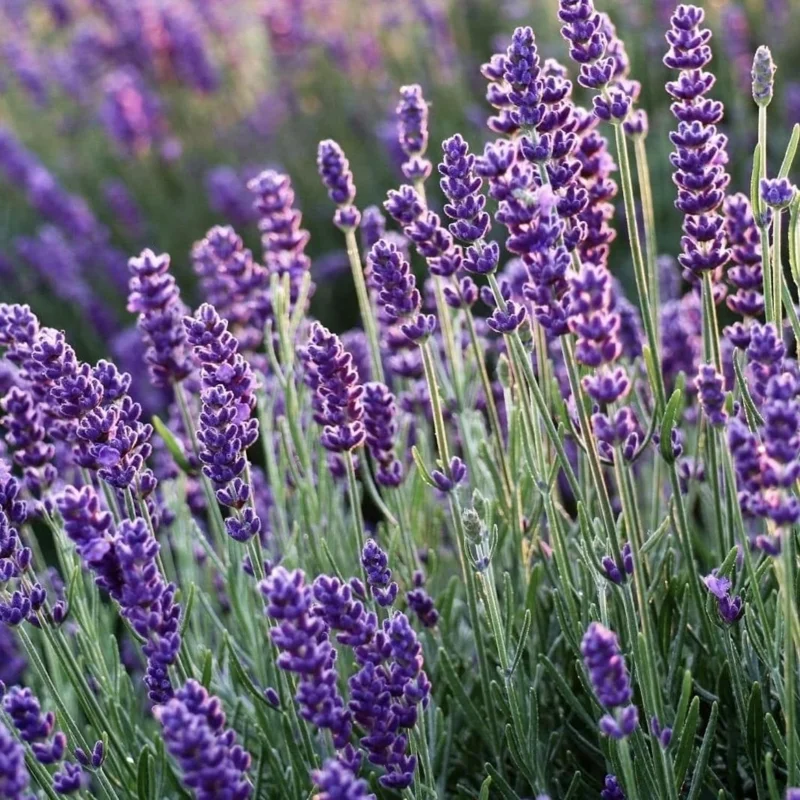
Transform your living space or garden with the enchanting beauty of a French Lavender live plant. This exquisite plant, known scientifically as Lavandula stoechas, is a beloved choice for its striking deep purple, pineapple-shaped blooms and its wonderfully aromatic foliage. Originating from the Mediterranean region, French Lavender live plant thrives in sunny conditions and well-draining soil, making it a relatively low-maintenance yet highly rewarding addition to any plant collection. Our 4-inch potted specimen arrives healthy and ready to be transplanted, whether you choose to place it in a decorative pot indoors, integrate it into your outdoor garden beds, or use it to create fragrant borders. The distinct fragrance of this fragrant lavender plant is not just pleasant; it’s also known to have calming properties, making it perfect for creating a serene environment. This particular variety is cherished for its vigorous growth and abundant flowering, promising a continuous display of color and scent throughout its growing season.
Key Benefits
Owning a French Lavender live plant offers a multitude of advantages, enriching your home and garden with its unique characteristics and versatile uses. From its aesthetic appeal to its practical applications, this plant is a true gem.
- Aromatic Delight: The primary allure of French Lavender live plant is its strong, pleasant fragrance. The essential oils in its leaves and flowers release a soothing scent that can help reduce stress and create a tranquil atmosphere, whether placed on a sunny windowsill or in a garden path. This makes it an excellent choice for a fragrant lavender plant.
- Stunning Visual Appeal: With its distinctive purple flower spikes topped with delicate bracts, French Lavender provides a captivating visual element. It adds a touch of rustic charm and elegance to any setting, blending beautifully with various garden designs and interior decor styles.
- Versatile Placement: This resilient plant is suitable for a wide range of environments. It can thrive as an indoor lavender plant, brightening up bright rooms, or flourish as an outdoor lavender plant in garden beds, containers, or rock gardens, provided it receives ample sunlight.
- Attracts Pollinators: French Lavender is a magnet for beneficial insects like bees and butterflies, contributing to the biodiversity and health of your garden ecosystem. This makes it a great choice for supporting local wildlife.
- Low Maintenance & Drought Tolerant: Once established, French Lavender is remarkably hardy and requires minimal care. It is particularly drought-tolerant, making it an ideal choice for gardeners seeking beautiful plants that don’t demand constant watering, a key aspect of effective lavender care tips.
- Culinary and Medicinal Uses: While less commonly used in culinary applications than English Lavender, French Lavender can still be used sparingly in certain dishes or to make fragrant sachets and potpourri. Its aromatic properties are also explored in aromatherapy.
- Pest Repellent Qualities: The strong scent of lavender can naturally deter common garden pests such as mosquitoes, flies, and even deer, providing a natural and attractive pest control solution for your outdoor spaces.
Plant Care & Growing Tips
Ensuring your French Lavender live plant thrives involves understanding its basic needs related to sunlight, water, soil, and environmental conditions. This plant is known for its resilience, but providing optimal care will encourage the most vibrant blooms and strongest fragrance. For successful growth, consistent application of these lavender care tips is essential.
Sunlight Requirements: French Lavender absolutely loves the sun. It requires at least 6-8 hours of direct sunlight per day to produce its best flowers and maintain its compact, bushy form. When grown indoors, place your indoor lavender plant in your brightest south-facing window, or supplement with a grow light if natural light is insufficient. For outdoor planting, choose a location that receives full sun exposure throughout the day. Insufficient light can lead to leggy growth and sparse flowering.
Watering Schedule and Soil Moisture: Overwatering is the most common killer of lavender plants. Allow the soil to dry out completely between waterings. When you do water, do so thoroughly until water drains from the bottom of the pot (for container plants) or the soil is moist several inches deep (for garden plants). In hot, dry climates, outdoor lavender plant may need more frequent watering, especially during establishment. Reduce watering significantly in cooler months. This ensures the roots of your fragrant lavender plant do not sit in soggy conditions.
Soil Type and Drainage Requirements: French Lavender thrives in lean, well-draining soil. A sandy or gravelly loam with a slightly alkaline pH (6.7 to 7.3) is ideal. Avoid heavy clay soils that retain too much moisture. If planting in containers, use a high-quality potting mix formulated for succulents or Mediterranean plants, often containing perlite or sand to improve drainage. Good drainage is crucial for preventing root rot and is a cornerstone of proper lavender care tips.
Temperature Range and USDA Hardiness Zone: This plant is hardy in USDA Zones 7–9. It prefers warm to hot temperatures and can tolerate some cold, but prolonged freezing temperatures can be damaging. If you live in a colder zone, treating your outdoor lavender plant as an annual or bringing it indoors for winter is recommended. Indoors, maintain average room temperatures between 65-75°F (18-24°C) and protect it from cold drafts.
Fertilization Schedule and Type: French Lavender generally prefers lean soil and does not require heavy fertilization. Excessive fertilizer, especially nitrogen, can lead to lush foliage but fewer flowers. If your soil is very poor, a light application of a balanced, slow-release granular fertilizer in early spring can be beneficial. Alternatively, a diluted liquid fertilizer every few months during the growing season is sufficient. Always follow package instructions and avoid over-fertilizing.
Common Problems and Solutions: The most common issues for French Lavender are related to improper watering and lack of sunlight. Yellowing leaves and stunted growth often indicate overwatering or poor drainage. Leggy growth and lack of blooms point to insufficient light. Watch for fungal diseases like root rot, which are preventable with proper watering and soil. Pests are rare due to the plant’s strong scent, but occasional aphids or whiteflies can be managed with insecticidal soap. Regular pruning after flowering helps maintain shape and encourages new growth for your French Lavender live plant.
Size & Details
This offering is for one vibrant French Lavender live plant, meticulously grown and shipped in a 4-inch nursery pot. The plant arrives ready for transplanting, typically measuring between 4-6 inches tall from the top of the soil, depending on current growth. French Lavender is a moderate grower, and when mature, it typically reaches a height and spread of 18-24 inches, forming an attractive, mounding shrub. The plant you receive will be a young specimen, perfect for establishing in its new home. Expect it to begin blooming within the first year, with peak flowering occurring from late spring through summer, offering a continuous display of its distinct purple flowers and intoxicating fragrance. This 4-inch potted plant provides a substantial start for your garden or indoor collection, offering a robust root system for easy establishment. The compact size makes it ideal for immediate placement in smaller decorative pots or for grouping in larger containers.
Frequently Asked Questions
- Q: How big does this plant get and what size pot does it come in? A: This French Lavender live plant comes in a 4-inch nursery pot. When mature, it typically grows to be about 18-24 inches tall and wide, forming a compact, bushy shrub.
- Q: Is this an indoor or outdoor plant? How much sunlight does it need? A: French Lavender can thrive as both an indoor lavender plant and an outdoor lavender plant. It requires full sun, meaning at least 6-8 hours of direct sunlight daily for optimal growth and flowering.
- Q: Is this plant easy to care for? Is it good for beginners? A: Yes, French Lavender is generally considered easy to care for, especially for those who can provide ample sunlight and avoid overwatering. It’s a great choice for beginners looking for beautiful, fragrant plants. Following basic lavender care tips will ensure its success.
- Q: What condition will it arrive in? Is it shipped in soil? A: Your plant will arrive healthy and well-packaged in its 4-inch nursery pot with its soil intact, ready for transplanting. We take great care to ensure it reaches you in excellent condition.
- Q: Can I use this fragrant lavender plant for culinary purposes? A: While French Lavender is primarily grown for its ornamental and aromatic qualities, and less commonly used in cooking than English Lavender, its flowers can be used sparingly for decorative garnishes or in sachets.
- Q: How long until it blooms? When is the best time to plant? A: Your French Lavender live plant may already have buds or blooms upon arrival, or it will typically begin to bloom within its first year after planting. The best time to plant outdoors is in spring after the last frost, allowing it time to establish before summer heat.
- Q: Will it survive winter in my zone? What’s the minimum temperature? A: French Lavender is hardy in USDA Zones 7-9. It can withstand temperatures down to about 0-10°F (-18 to -12°C) if well-established and mulched. In colder zones, it’s best grown in containers and brought indoors for winter, or treated as an annual.
- Q: What type of soil does this outdoor lavender plant prefer? A: This plant prefers well-draining, sandy or gravelly soil with a slightly alkaline pH. Good drainage is crucial to prevent root rot.
- Q: Does this fragrant lavender plant attract bees and butterflies? A: Yes, French Lavender is well-known for attracting pollinators like bees and butterflies, making it a wonderful addition to a pollinator-friendly garden.
- Q: How often should I prune my French Lavender live plant? A: Pruning is best done after the main flush of flowers has faded. Lightly trim back spent blooms and about one-third of the plant’s growth to maintain shape and encourage new flowering. Avoid heavy pruning into old wood.
Be the first to review “French Lavender Live Plant – Fragrant Decorative Lavender – 4” Potted Plant”
You must be logged in to post a review.
People also Viewed
Sold 50 products
Original price was: $28.58.$19.99Current price is: $19.99.
Sold 50 products
$32.39
Sold 50 products
$21.59
Sold 50 products
$35.99
Sold 50 products
Price range: $23.15 through $25.19
Sold 50 products
$38.39
Sold 50 products
Price range: $28.79 through $35.99
Sold 50 products
$26.39RELATED posts
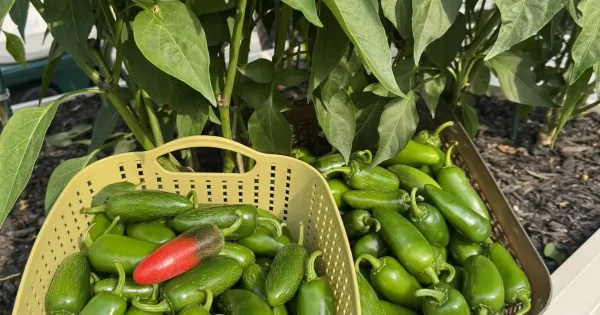
How to Grow Jalapeño Peppers From Seeds: A Step-by-Step Guide
Ready to spice things up in your garden? Jalapeños are the true life of the [...]
Apr
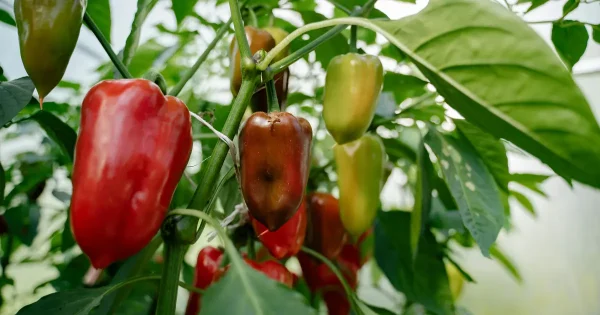
Top 12 Best Types of Peppers to Grow in Your Garden: Easy and High Yield
Growing peppers is, quite honestly, one of the biggest “wins” you can have in a [...]
Apr
Frostproof Jasmine Care: 7 Tips for Successful Pot Growth
Most gardenias are known for being “divas.” They want perfect humidity, perfect soil, and they [...]
Mar
Top 7 Best Smelling Jasmine Varieties for a Heavenly Garden
Have you ever walked past a house and caught a scent so sweet you just [...]
Mar
Master the Heat: 8 Expert Tips for Growing Jalapeños Like a Pro
Are you staring at your garden space, wondering why your pepper plants look more like [...]
Mar
Top 5 Must-Have Hoya Varieties for Beginners
Hoyas are easily one of my top recommendations if you’re hunting for a low-maintenance houseplant [...]
Mar
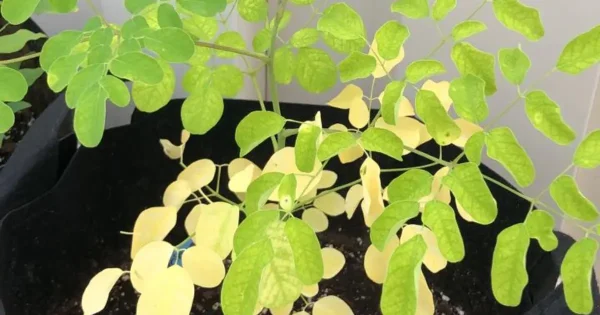
7 Moringa Plant Care Mistakes to Avoid for Healthy Growth
Have you ever looked at your Moringa tree and wondered why its once vibrant green [...]
Feb
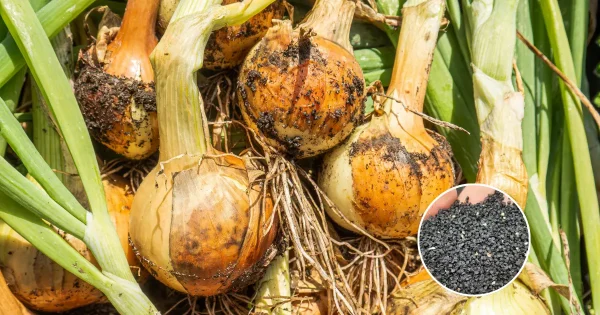
How to Grow Potato Onions From True Seeds: A Step-by-Step Guide
Have you ever wondered how to grow potato onions from true seeds or why some [...]
Feb
Reviews
There are no reviews yet.