
Fava Bean Seeds – 25 Seed Pack – Hardy, High-Yield Legumes for Gardens & Containers
Original price was: $39.99.$19.99Current price is: $19.99.
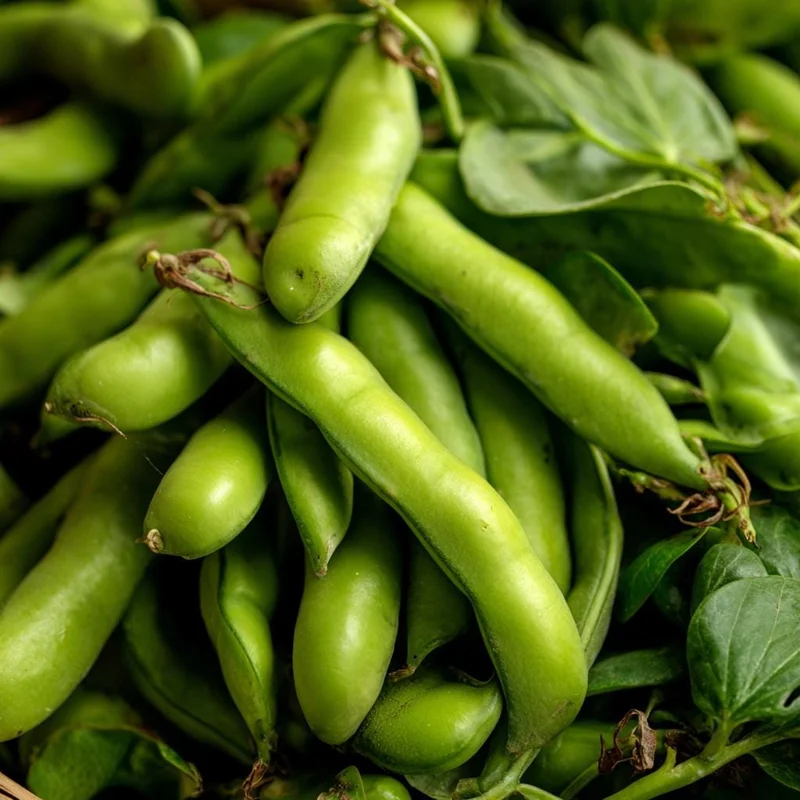
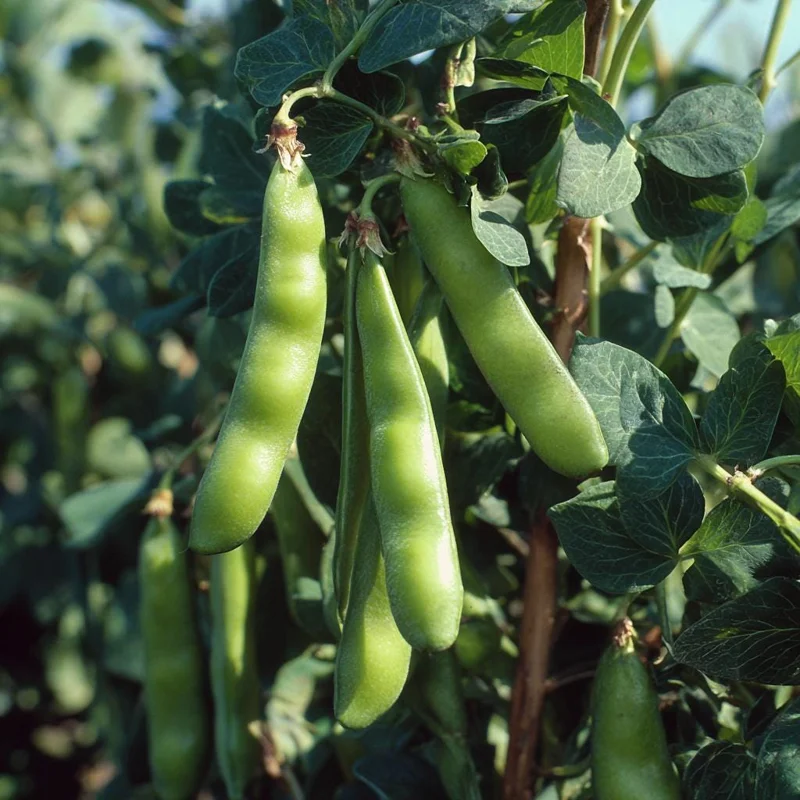
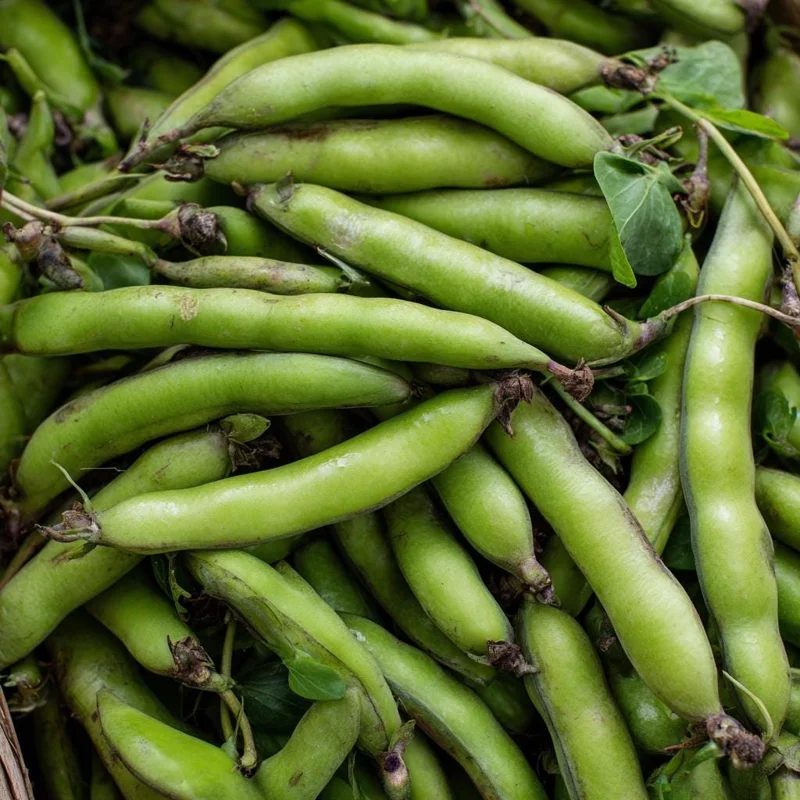
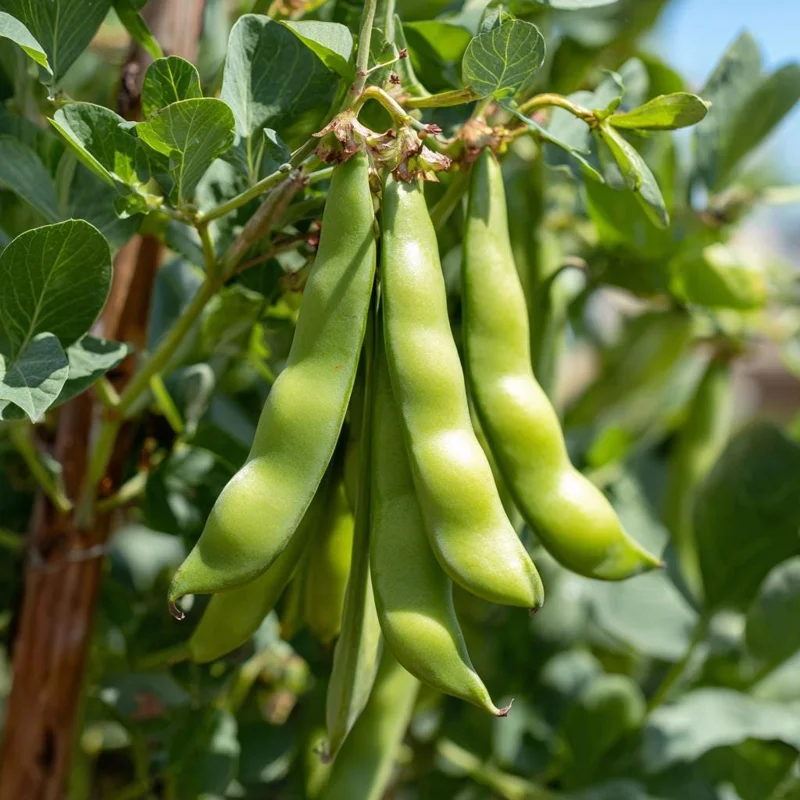
Cultivate your own nutritious legumes with this pack of fava bean seeds. Known for their high yield and robust growth, these broad bean seeds are ideal for home gardens and containers. Enjoy fresh, earthy beans that also improve soil health through nitrogen fixation. Perfect for aspiring and experienced gardeners alike.
Shipping and Return policies:
We stand behind our plants with our Alive & Thrive Guarantee. If you experience any issues within the first 30 days, please email us, and our team will be happy to help. When needed, we’ll send you a one-time replacement free of charge to make sure your garden keeps growing strong.

Reasonable Price
We offer reasonable price

Support 24/7
Contact us 24 hrs a day
100% Money Back
You’ve 30 days to Return
Payment Secure
100% secure payment
Overview
Embark on a rewarding gardening journey with our premium fava bean seeds. Also known as broad beans (Vicia faba), these versatile and nutritious legumes are celebrated for their large, tender seeds and vigorous growth habit. Easy to grow in cool climates, fava beans are not only a delicious addition to your culinary repertoire but also an excellent companion crop, enriching your soil by fixing atmospheric nitrogen. Whether you’re an experienced gardener or just starting, these seeds offer a reliable path to a bountiful harvest. Our fava bean seeds are carefully selected to ensure strong germination rates and healthy plants, providing you with the satisfaction of growing your own food.
These legumes are perfect for a variety of uses, from fresh eating in salads and stir-fries to being a hearty ingredient in soups and stews. Their rich, earthy flavor and high protein content make them a valuable food source. Growing fava bean seeds in your garden or containers allows you to enjoy fresh, organic produce right from your backyard, ensuring peak freshness and flavor that store-bought beans can’t match. Experience the joy of harvesting your own nutrient-dense beans and contributing to a healthier, more sustainable diet.
Key Benefits
Growing fava bean seeds offers a multitude of advantages for both your garden and your diet. These robust legumes are a fantastic choice for gardeners seeking both productivity and soil improvement:
- Nutrient-Rich Harvest: Fava beans are packed with protein, fiber, and essential vitamins and minerals, making them a highly nutritious addition to any meal. Enjoy their earthy flavor fresh, dried, or frozen.
- Soil Improvement: As nitrogen-fixing legumes, growing broad bean seeds naturally enhance soil fertility. They convert atmospheric nitrogen into a form usable by plants, benefiting not only themselves but also neighboring crops.
- High-Yielding Plants: These plants are known for their generous production of pods, providing a substantial harvest from a relatively small planting area. This makes them an efficient choice for maximizing garden space.
- Versatile Culinary Use: From fresh consumption in salads to being a staple in stews, soups, and spreads, fava beans are incredibly versatile in the kitchen. Learning how to grow fava beans opens up a world of culinary possibilities.
- Easy to Grow: Fava beans are relatively low-maintenance, thriving in cool weather and requiring minimal fuss once established. They are an excellent option for beginner gardeners looking for reliable success.
- Pest and Disease Resistance: Generally, fava beans exhibit good resistance to many common garden pests and diseases, simplifying care and reducing the need for interventions.
- Container Gardening Friendly: Certain varieties of fava beans are well-suited for container gardening, making it possible to enjoy a fresh harvest even with limited garden space or on patios and balconies.
Plant Care & Growing Tips
Successfully cultivating fava bean seeds begins with proper planting and consistent care. These legumes thrive in specific conditions that mimic their natural cool-weather preferences. Sow seeds directly outdoors in early spring as soon as the soil is workable, or in late fall in mild climates where winters are not too harsh. Plant the fava bean planting seeds 1–2 inches deep and 4–6 inches apart within rows, with rows spaced 18–24 inches apart. This spacing gives the plants ample room to develop strong root systems and produce abundant pods. Keep the soil consistently moist during the germination period, which typically occurs within 7–14 days. Once seedlings emerge, thin them to allow 6–8 inches between plants for optimal air circulation and growth, helping to prevent disease and encourage higher yields.
For best results, fava bean seeds prefer a location with full sun, meaning at least 6-8 hours of direct sunlight per day. They also require well-drained, fertile soil. Incorporating compost or other organic matter into your garden bed before planting will significantly improve soil structure and nutrient content. Consistent watering is crucial, especially during flowering and pod development, to encourage strong growth and healthy, plump pods. While many varieties are self-supporting, taller types may benefit from staking or trellising to prevent them from flopping over, especially when laden with beans. Harvest pods when they are fully filled but still tender for fresh consumption. Regular harvesting encourages the plant to continue producing, ensuring a prolonged and productive season for your broad bean seeds.
Monitor your plants for any signs of common issues, though fava beans are generally robust. Ensuring good air circulation and appropriate watering can help prevent fungal diseases. If you’re looking for a reliable and productive crop that also benefits your garden’s ecosystem, learning how to grow fava beans is an excellent choice. These plants are a rewarding experience, providing fresh, homegrown goodness.
Size & Details
This offering includes 25 high-quality fava bean seeds, carefully selected for optimal germination and robust plant growth. Each seed is ready for direct sowing, providing a convenient way to start your legume garden. Fava bean plants typically grow to a height of 2 to 4 feet, depending on the variety and growing conditions, and produce numerous pods throughout their growing season. The seeds will arrive in a protective packet, ensuring their viability until you are ready to plant. With proper care, you can expect to begin harvesting delicious fava beans approximately 75-85 days after planting, offering a relatively quick turnaround for such a nutritious crop. These high-yield legumes are perfect for maximizing your garden’s output.
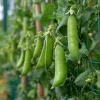
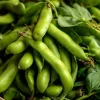
The mature pods are generally 6-8 inches long, each containing several large, tender beans. These seeds are suitable for planting in both traditional garden beds and larger containers, making them adaptable to various gardening setups. The compact nature of many fava bean varieties means they don’t require extensive space, yet they deliver a significant harvest. Whether you’re aiming for fresh eating or drying for later use, these fava bean planting seeds provide the foundation for a productive and satisfying harvest.
Frequently Asked Questions
- Q: How many fava bean seeds are included in this pack? A: This pack contains 25 high-quality fava bean seeds, providing a good quantity for starting a productive patch in your garden or several containers.
- Q: What size do fava bean plants typically reach? A: Most fava bean plants grow to an average height of 2 to 4 feet, though some varieties may be shorter or taller. They are generally upright and bushy.
- Q: Are these fava bean seeds suitable for container gardening? A: Yes, fava bean seeds can be successfully grown in containers, especially larger pots or raised beds, making them a great option for patios or smaller spaces.
- Q: How much sunlight do fava beans need to thrive? A: Fava beans prefer full sun, meaning they should receive at least 6-8 hours of direct sunlight per day for optimal growth and pod production.
- Q: Is this plant easy to care for, especially for beginners? A: Yes, fava beans are considered relatively easy to grow and are a good choice for beginner gardeners. They are quite hardy and require basic care.
- Q: When is the best time to plant fava bean seeds? A: The best time to plant fava bean planting seeds is in early spring as soon as the soil can be worked, or in late fall in mild climates with light winters.
- Q: How long does it take for fava beans to be ready for harvest? A: You can typically expect to harvest fava beans approximately 75-85 days after planting the broad bean seeds, once the pods are plump and green.
- Q: Do fava beans require any special soil conditions? A: Fava beans prefer well-drained, fertile soil. Amending your soil with organic matter like compost will greatly benefit their growth and yield.
- Q: Can I save seeds from my fava bean plants for next year? A: Yes, you can save seeds from open-pollinated fava bean varieties. Allow some pods to fully dry on the plant until they are brown and brittle, then shell and store the seeds.
- Q: What are the main benefits of growing high-yield legumes like fava beans? A: Growing high-yield legumes like fava beans provides a nutritious food source, improves soil fertility through nitrogen fixation, and offers a rewarding gardening experience with abundant harvests.
Be the first to review “Fava Bean Seeds – 25 Seed Pack – Hardy, High-Yield Legumes for Gardens & Containers”
You must be logged in to post a review.
People also Viewed
Sold 50 products
Original price was: $36.99.$16.99Current price is: $16.99.
Sold 50 products
Original price was: $31.99.$11.99Current price is: $11.99.
Sold 50 products
Original price was: $35.99.$15.99Current price is: $15.99.
Sold 50 products
Original price was: $31.99.$11.99Current price is: $11.99.
Sold 50 products
Original price was: $35.99.$15.99Current price is: $15.99.
Sold 50 products
Original price was: $31.99.$11.99Current price is: $11.99.
Sold 50 products
Original price was: $34.99.$14.99Current price is: $14.99.
Sold 50 products
Original price was: $31.99.$11.99Current price is: $11.99.RELATED posts
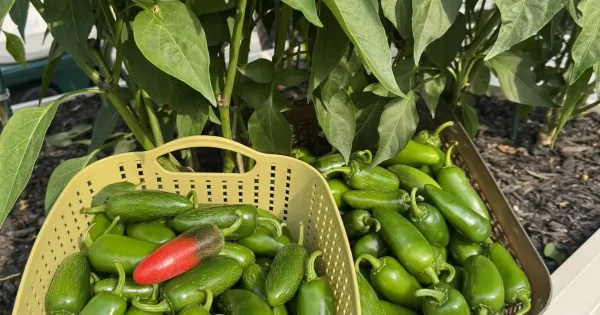
How to Grow Jalapeño Peppers From Seeds: A Step-by-Step Guide
Ready to spice things up in your garden? Jalapeños are the true life of the [...]
Apr
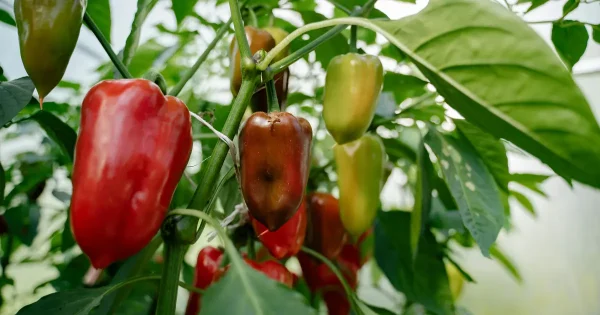
Top 12 Best Types of Peppers to Grow in Your Garden: Easy and High Yield
Growing peppers is, quite honestly, one of the biggest “wins” you can have in a [...]
Apr
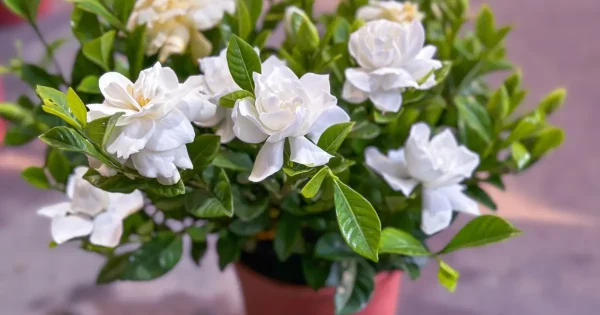
Frostproof Jasmine Care: 7 Tips for Successful Pot Growth
Most gardenias are known for being “divas.” They want perfect humidity, perfect soil, and they [...]
Mar
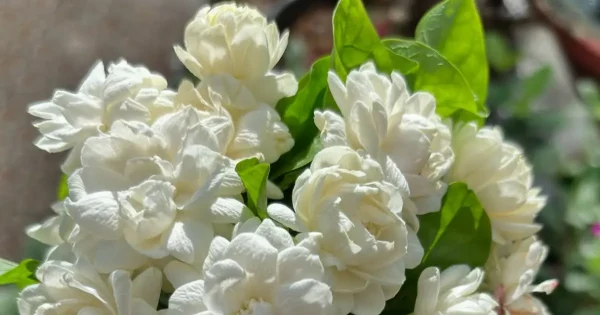
Top 7 Best Smelling Jasmine Varieties for a Heavenly Garden
Have you ever walked past a house and caught a scent so sweet you just [...]
Mar
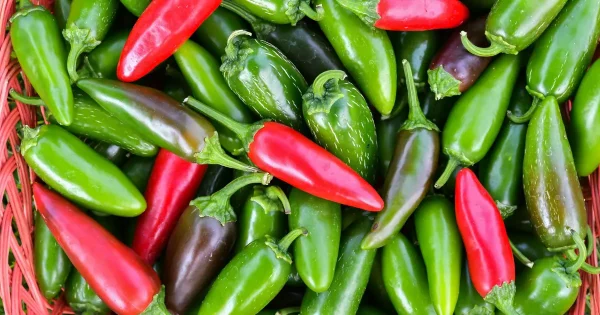
Master the Heat: 8 Expert Tips for Growing Jalapeños Like a Pro
Are you staring at your garden space, wondering why your pepper plants look more like [...]
Mar
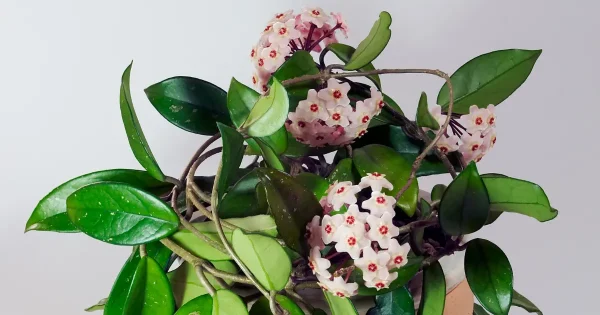
Top 5 Must-Have Hoya Varieties for Beginners
Hoyas are easily one of my top recommendations if you’re hunting for a low-maintenance houseplant [...]
Mar
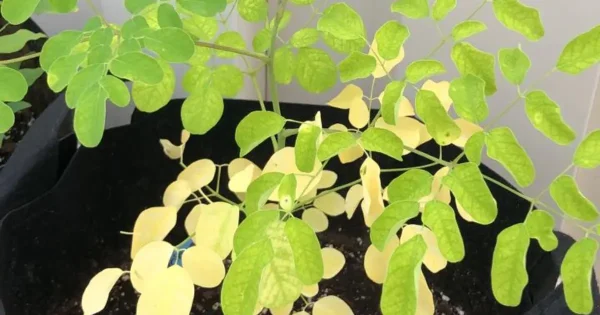
7 Moringa Plant Care Mistakes to Avoid for Healthy Growth
Have you ever looked at your Moringa tree and wondered why its once vibrant green [...]
Feb
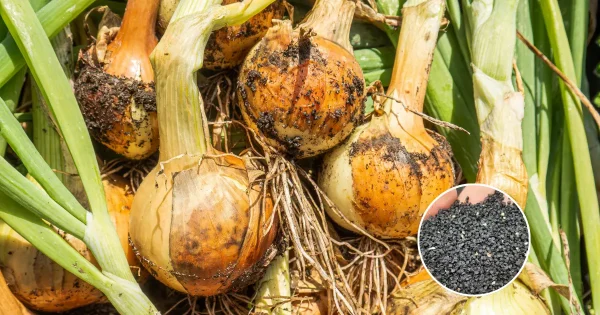
How to Grow Potato Onions From True Seeds: A Step-by-Step Guide
Have you ever wondered how to grow potato onions from true seeds or why some [...]
Feb
Reviews
There are no reviews yet.