
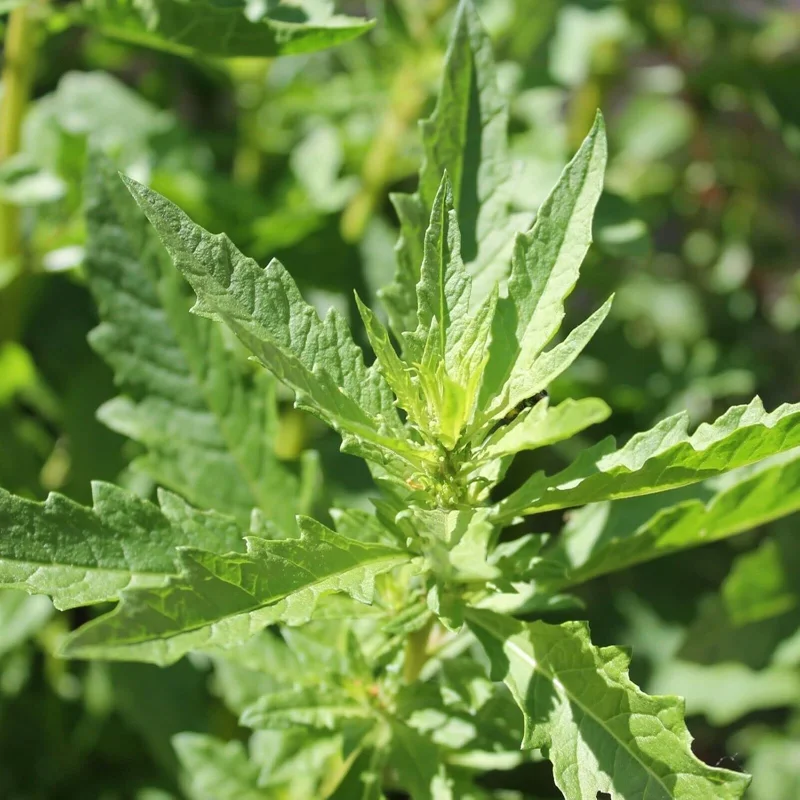
Epazote Live Plant – Culinary Herb in 4 Inch Pot for Indoor & Outdoor Gardens
$19.99
Cultivate authentic Mexican flavors with this epazote live plant, shipped in a 4-inch nursery pot. This easy-to-grow culinary herb is perfect for enhancing bean dishes and moles, thriving both indoors and outdoors. Discover the unique taste and traditional epazote plant benefits for your garden.
Shipping and Return policies:
We stand behind our plants with our Alive & Thrive Guarantee. If you experience any issues within the first 30 days, please email us, and our team will be happy to help. When needed, we’ll send you a one-time replacement free of charge to make sure your garden keeps growing strong.

Reasonable Price
We offer reasonable price

Support 24/7
Contact us 24 hrs a day
100% Money Back
You’ve 30 days to Return
Payment Secure
100% secure payment
Overview
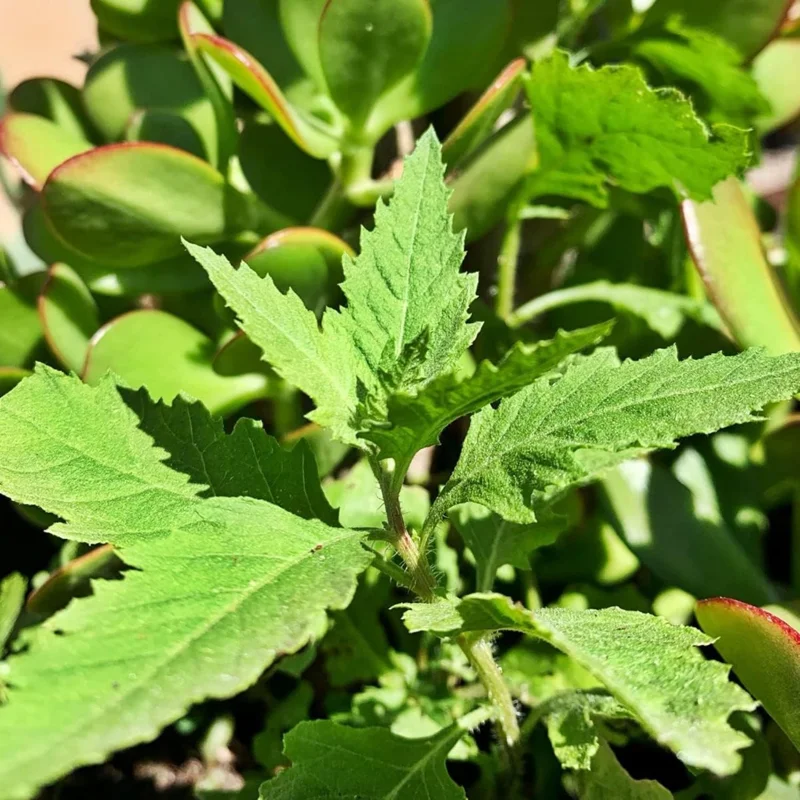
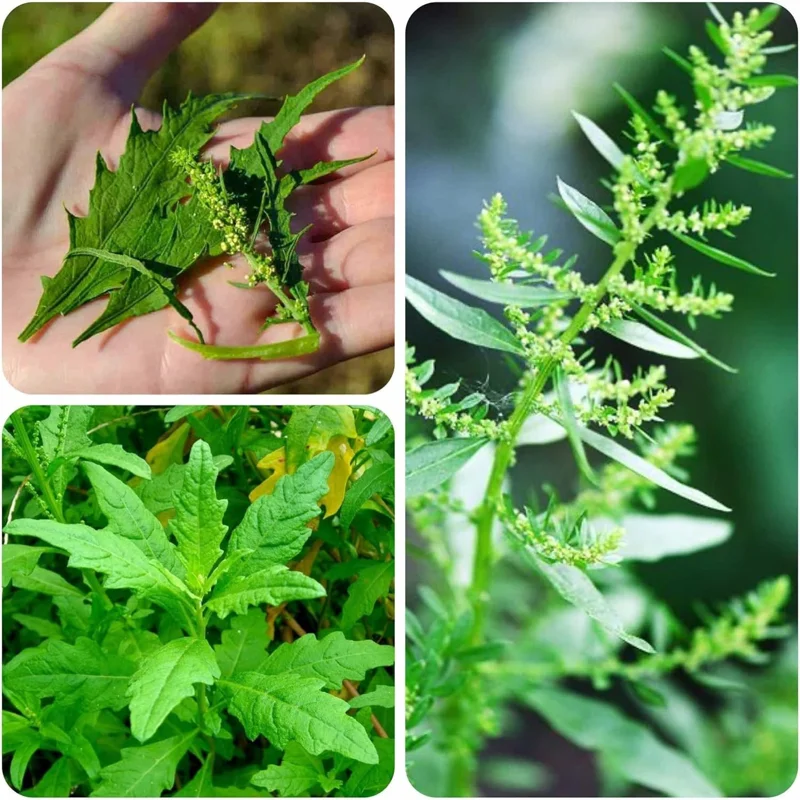
Introduce an authentic and unique flavor to your culinary creations with the epazote live plant. This vibrant herb, often referred to as wormseed, Jesuit’s tea, or Mexican tea, is a staple in traditional Mexican cuisine, particularly prized for its ability to enhance the flavor of bean dishes and mitigate their gaseous effects. Our healthy epazote live plant arrives ready to thrive in your garden or a pot on your patio, bringing a touch of the tropics to your home. Botanically known as Dysphania ambrosioides (formerly Chenopodium ambrosioides), this fast-growing herb produces slender, aromatic leaves that release a pungent, earthy, and slightly minty aroma when crushed. Growing your own culinary epazote ensures a fresh supply of this irreplaceable herb, which is difficult to find dried or fresh in many grocery stores.
Whether you are a seasoned chef or a home gardener looking to expand your herb collection, this epazote live plant offers a rewarding growing experience. It’s an excellent choice for those interested in authentic international flavors and the benefits of fresh, home-grown ingredients. This perennial herb, often grown as an annual in cooler climates, can reach an impressive size of 2-4 feet tall, making it a striking and functional addition to any herb garden. Understanding optimal epazote herb care is key to a flourishing plant.
Key Benefits
Having a fresh epazote live plant in your garden offers numerous advantages, from culinary applications to ease of growth. This robust herb is not only a kitchen essential but also a beautiful and fragrant addition to your botanical collection, offering significant epazote plant benefits.
- Authentic Culinary Flavor: Epazote is a crucial ingredient for authentic Mexican dishes, especially black beans, quesadillas, and moles. Its unique, strong flavor cannot be replicated by other herbs, making it indispensable for specific recipes. Growing culinary epazote ensures you always have this fresh, distinctive taste at hand, elevating your home cooking.
- Digestive Aid: Traditionally, epazote has been used to reduce the flatulence associated with eating beans, making your meals more enjoyable and comfortable. This traditional use highlights one of the practical benefits of the epazote live plant, contributing to digestive wellness.
- Easy to Grow: This herb is known for its resilience and ease of cultivation, making it suitable for both experienced gardeners and beginners. It thrives with minimal fuss, provided it has adequate sunlight and well-draining soil, simplifying your gardening efforts.
- Versatile Growing Conditions: The epazote plant adapts well to various environments, flourishing in full sun to partial shade. This flexibility means you can successfully grow epazote indoors near a sunny window or outdoors in a garden bed or container, fitting diverse home setups.
- Aromatic Foliage: Beyond its culinary uses, the plant emits a strong, distinctive aroma that can be pleasant in a garden setting, and some even claim it deters certain pests, adding a natural defense to your garden.
- Perennial in Warmer Zones: In USDA Hardiness Zones 8-11, epazote can behave as a perennial, returning year after year. In colder regions, it’s typically grown as a productive annual, providing fresh leaves throughout the growing season.
- Medicinal Properties: Historically, epazote has been used in folk medicine for various ailments, though it should be used cautiously due to its potency. Understanding these historical epazote plant benefits adds to its allure and cultural significance.
Plant Care & Growing Tips
Caring for your epazote live plant is straightforward, ensuring a bountiful harvest of this unique herb. Epazote is a hardy plant that prefers a warm climate and plenty of sunshine to thrive. For optimal growth, plant your epazote in a location where it receives at least 6 hours of direct sunlight per day. While it can tolerate partial shade, full sun will result in a more robust plant with stronger flavor. When considering how to grow epazote indoors, choose your sunniest window, preferably south-facing, to mimic its preferred outdoor conditions.
Well-draining soil is crucial for epazote. It prefers sandy or loamy soil with a neutral to slightly alkaline pH. Avoid heavy, waterlogged soils, as this can lead to root rot. If growing in containers, use a good quality potting mix amended with perlite or sand to improve drainage. Water moderately, allowing the top inch of soil to dry out between waterings. Epazote is somewhat drought-tolerant once established but will perform best with consistent moisture. Fertilization is generally not heavily required; a light application of a balanced organic fertilizer every few months during the growing season is usually sufficient. Keep an eye out for common garden pests, though epazote’s strong scent often acts as a natural deterrent. Harvesting regularly by pinching off the top leaves will encourage bushier growth and prevent the plant from flowering too early. Mastering epazote herb care is simple and rewarding.
This epazote live plant is hardy in USDA zones 8-11, where it can be grown as a perennial. In colder zones, it is best treated as an annual and replanted each spring after the last frost. The plant can reach a mature size of 2-4 feet tall, so ensure it has enough space to spread. Proper care will ensure you get the most out of your culinary epazote.
Size & Details
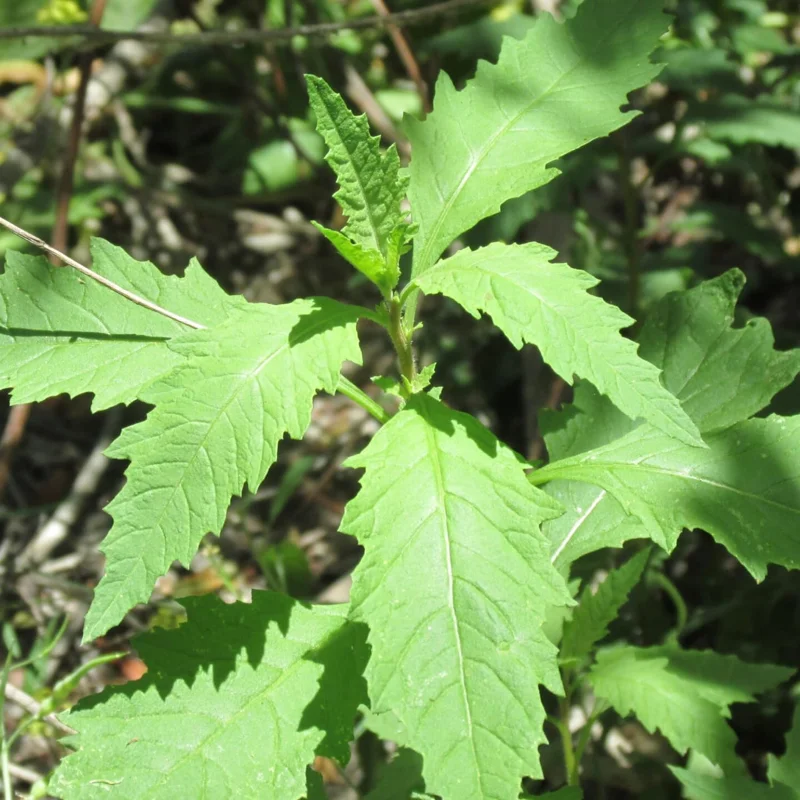
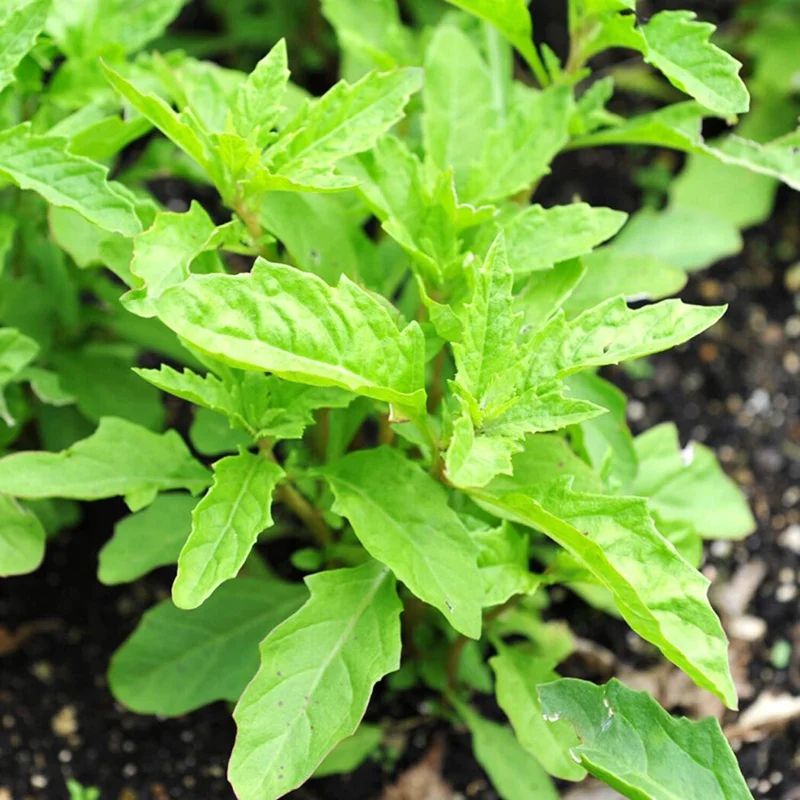
This epazote live plant is shipped in a 4-inch nursery pot, providing a well-established root system ready for transplanting. Upon arrival, the plant will typically be 6-12 inches tall, allowing for immediate growth in your garden or chosen container. Epazote is a fast-growing herb, and with proper care, it can reach its mature height of 2-4 feet tall within a single growing season when grown as an annual. In its perennial zones (USDA 8-11), it will continue to grow and expand its foliage year after year. The plant has a bushy growth habit, making it an attractive addition to herb gardens or as a standalone specimen. Expect to begin harvesting fresh leaves within a few weeks of planting, providing a continuous supply of this essential culinary herb throughout the warm months. The leaves are elongated and serrated, with a distinctive texture and aroma, perfect for your culinary epazote needs.
Frequently Asked Questions
- Q: How big does this epazote plant get? A: Your epazote live plant can grow to a mature size of 2-4 feet tall when provided with optimal growing conditions. Its bushy habit makes it an excellent filler in garden beds or larger containers.
- Q: Is this an indoor or outdoor plant? A: This epazote live plant is versatile and can thrive both indoors and outdoors. For outdoor growth, ensure it’s planted after the last frost. If you choose to grow epazote indoors, place it in a sunny window for best results.
- Q: How much sunlight does it need? A: Epazote prefers full sun, meaning at least 6 hours of direct sunlight per day. It can tolerate partial shade, but growth may be less vigorous.
- Q: Is this plant easy to care for? A: Yes, epazote is considered an easy-to-care-for herb, suitable for beginners. It’s quite resilient and doesn’t demand constant attention, making epazote herb care relatively simple and rewarding.
- Q: What condition will it arrive in? A: Your epazote live plant will arrive in a 4-inch nursery pot, carefully packaged to ensure it reaches you in healthy, vibrant condition, ready for planting and continued growth.
- Q: Can I use culinary epazote in cooking right away? A: Yes, once your plant has settled into its new environment and shown signs of new growth, you can begin harvesting leaves for your culinary needs.
- Q: What’s the best soil type for epazote? A: Epazote thrives in well-draining soil, ideally a sandy or loamy mix. Avoid heavy clay soils that retain too much moisture to prevent root issues.
- Q: When is the best time to plant epazote? A: For outdoor planting, wait until all danger of frost has passed in spring. Indoors, it can be planted year-round, making it a flexible choice for gardeners.
- Q: Will it survive winter in my zone? A: In USDA Hardiness Zones 8-11, epazote can be a perennial. In colder zones, it is typically grown as an annual and will need to be replanted each spring after the last frost.
- Q: What are the main epazote plant benefits? A: Beyond its unique culinary flavor, epazote is known for its traditional use as a digestive aid, particularly with bean dishes, and some historical medicinal applications, making it a valuable addition to your garden.
Be the first to review “Epazote Live Plant – Culinary Herb in 4 Inch Pot for Indoor & Outdoor Gardens”
You must be logged in to post a review.
People also Viewed
Sold 50 products
Original price was: $28.58.$19.99Current price is: $19.99.
Sold 50 products
$32.39
Sold 50 products
$21.59
Sold 50 products
$35.99
Sold 50 products
Price range: $23.15 through $25.19
Sold 50 products
$38.39
Sold 50 products
Price range: $28.79 through $35.99
Sold 50 products
$26.39RELATED posts
How to Grow Jalapeño Peppers From Seeds: A Step-by-Step Guide
Ready to spice things up in your garden? Jalapeños are the true life of the [...]
Apr
Top 12 Best Types of Peppers to Grow in Your Garden: Easy and High Yield
Growing peppers is, quite honestly, one of the biggest “wins” you can have in a [...]
Apr
Frostproof Jasmine Care: 7 Tips for Successful Pot Growth
Most gardenias are known for being “divas.” They want perfect humidity, perfect soil, and they [...]
Mar
Top 7 Best Smelling Jasmine Varieties for a Heavenly Garden
Have you ever walked past a house and caught a scent so sweet you just [...]
Mar
Master the Heat: 8 Expert Tips for Growing Jalapeños Like a Pro
Are you staring at your garden space, wondering why your pepper plants look more like [...]
Mar
Top 5 Must-Have Hoya Varieties for Beginners
Hoyas are easily one of my top recommendations if you’re hunting for a low-maintenance houseplant [...]
Mar
7 Moringa Plant Care Mistakes to Avoid for Healthy Growth
Have you ever looked at your Moringa tree and wondered why its once vibrant green [...]
Feb
How to Grow Potato Onions From True Seeds: A Step-by-Step Guide
Have you ever wondered how to grow potato onions from true seeds or why some [...]
Feb
Reviews
There are no reviews yet.