
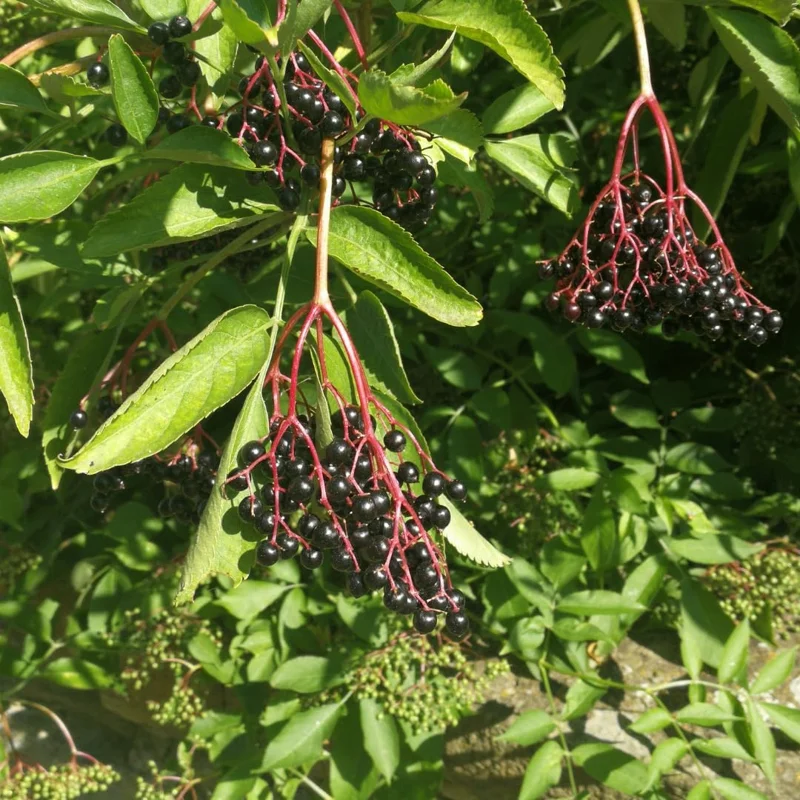
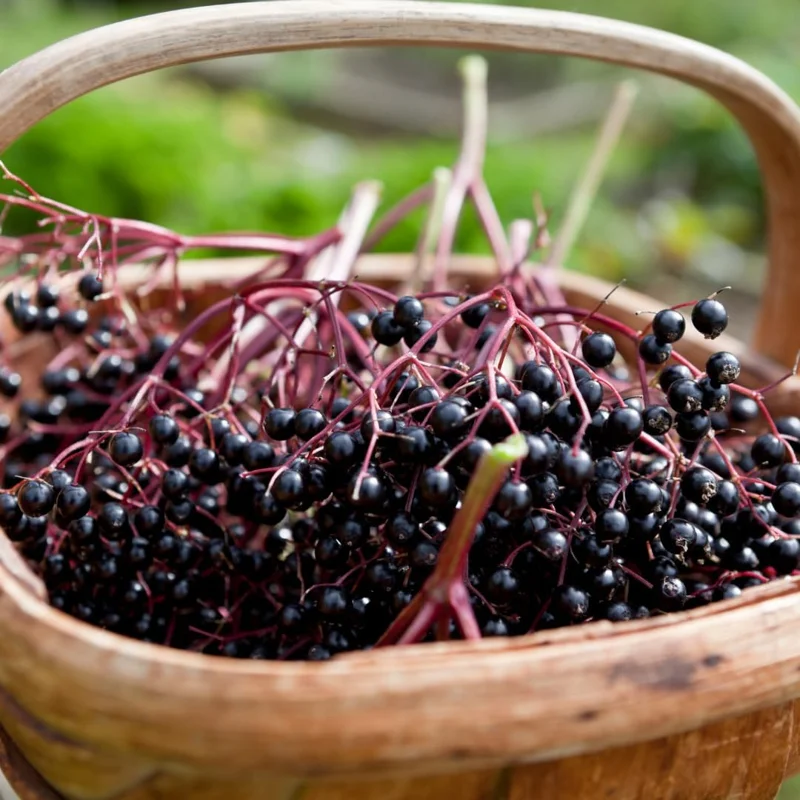
Elderberry Live Plant Cuttings – Set of 2 Black Elderberries, 8-12 Inch Tall, USDA Zones 3-9
$21.24
Start your own elderberry patch with this elderberry live plant set. You’ll receive two 8-12 inch black elderberry cuttings, ready for planting. These robust plants are known for their ease of care and ability to thrive in USDA Zones 3-9, producing delicious berries and attractive foliage.
Shipping and Return policies:
We stand behind our plants with our Alive & Thrive Guarantee. If you experience any issues within the first 30 days, please email us, and our team will be happy to help. When needed, we’ll send you a one-time replacement free of charge to make sure your garden keeps growing strong.

Reasonable Price
We offer reasonable price

Support 24/7
Contact us 24 hrs a day
100% Money Back
You’ve 30 days to Return
Payment Secure
100% secure payment
Overview
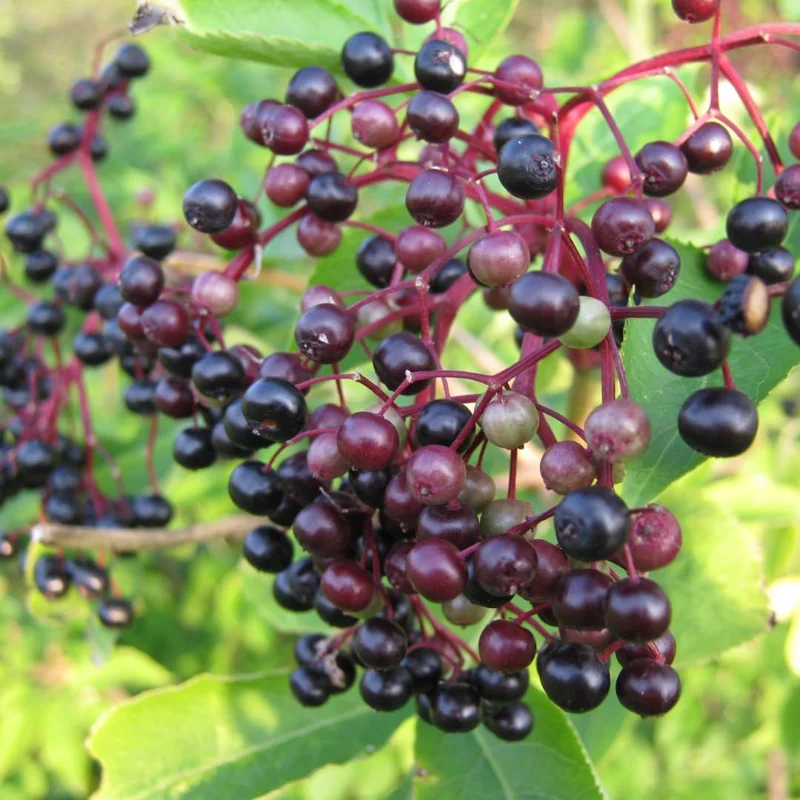
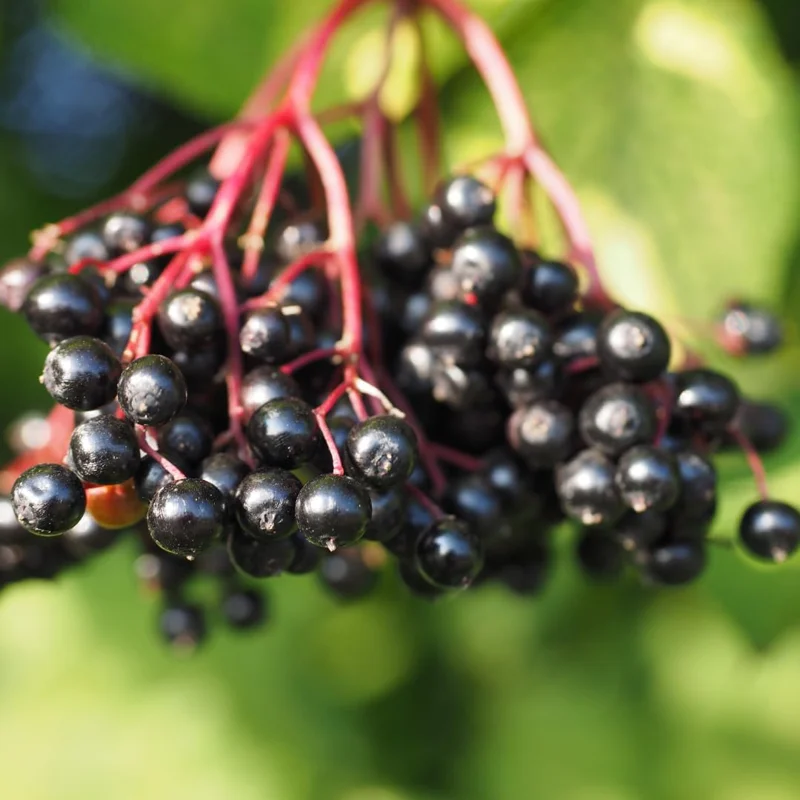
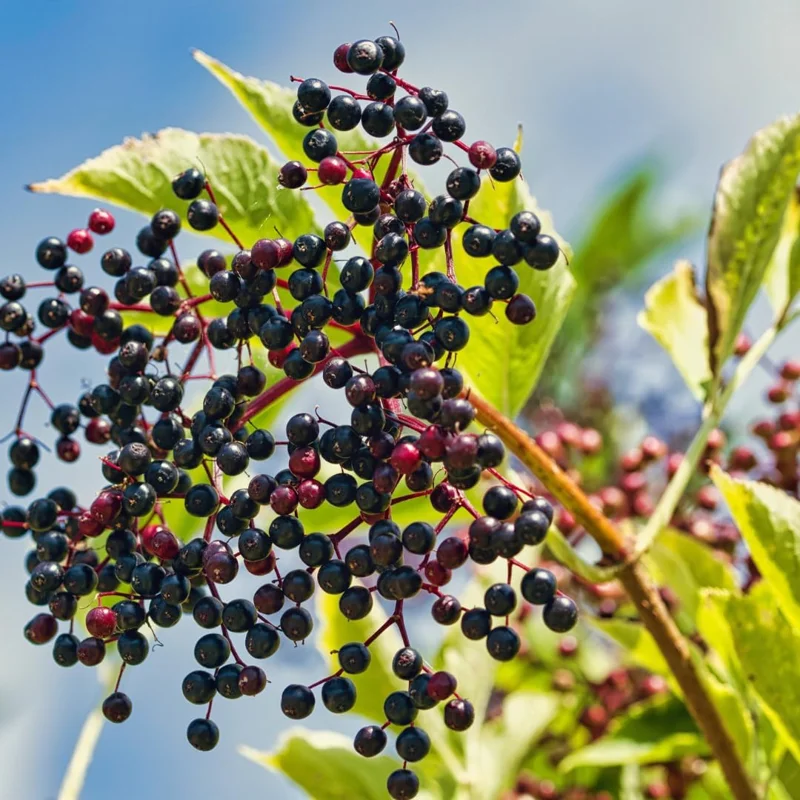
Embark on a rewarding gardening journey with our elderberry live plant set. This offering includes two vigorous, approximately 8-12 inch tall rooted cuttings of the popular Black Elderberry (Sambucus nigra). These cuttings are carefully prepared and ready to be planted, providing an excellent foundation for establishing your own elderberry bushes. Known for their resilience and bountiful harvests of nutrient-rich berries, elderberries are a fantastic addition to any garden. Whether you’re an experienced horticulturist or a budding green thumb, these black elderberry cuttings offer a straightforward path to cultivating a plant celebrated for its ornamental beauty and practical uses. The ease of growing elderberry plants makes them a favorite among home gardeners.
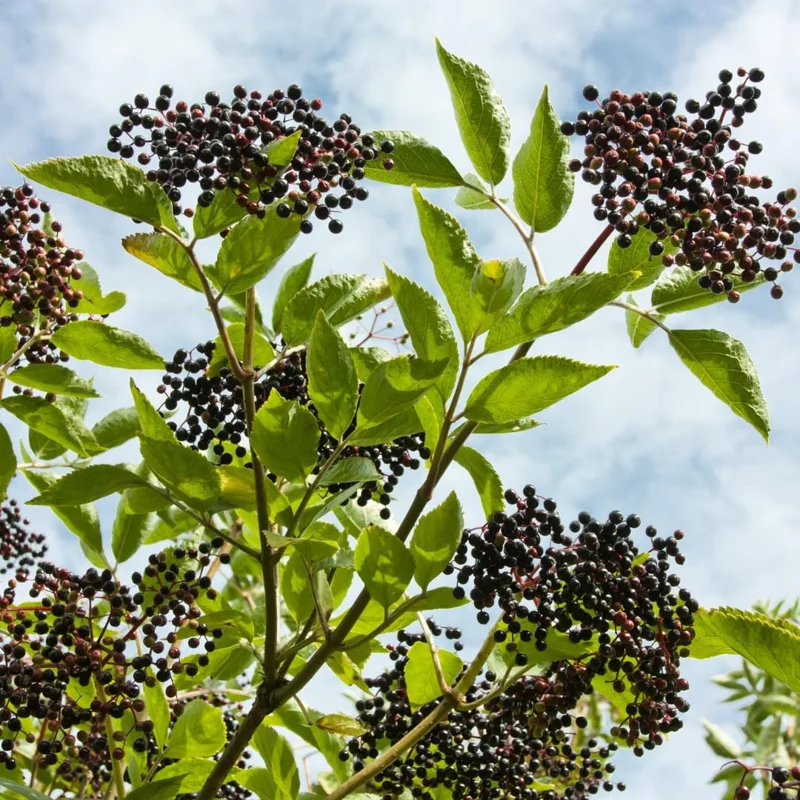
Elderberries are deciduous shrubs that can reach significant heights, providing structure and seasonal interest with their creamy white flower clusters in spring and dark purple berries in late summer. Beyond their aesthetic appeal, the berries are highly sought after for making jams, jellies, pies, and beverages, and are also recognized for their traditional health benefits. With minimal effort, you can enjoy fresh, homegrown elderberries right from your backyard, enhancing both your landscape and your pantry.
Key Benefits
Our elderberry live plant cuttings offer a multitude of advantages for the home gardener. These robust plants are not only beautiful but also highly productive, providing a sustainable source of fruit. Here are some of the key benefits:
- Abundant Harvests: Enjoy plentiful crops of dark, juicy black elderberries, perfect for culinary creations like jams, jellies, and wines.
- Easy to Grow: These plants are known for their hardiness and adaptability, making growing elderberry plants a relatively low-maintenance experience for gardeners of all skill levels.
- Hardy and Resilient: Thriving across a wide range of climates, these elderberries are suitable for USDA Hardiness Zones 3-9, tolerating various conditions from full sun to partial shade.
- Attractive Landscape Addition: Beyond fruit production, elderberry bushes offer ornamental value with their beautiful white flower clusters in spring and lush green foliage throughout the growing season.
- Supports Local Wildlife: The berries and flowers can attract beneficial pollinators and provide food for local bird species, contributing to your garden’s ecosystem.
- Versatile Use: The berries can be used fresh or processed, offering flexibility for cooking, baking, and even making homemade remedies.
- Vigorous Growth: These rooted cuttings establish quickly and grow into mature plants that can reach 6-10 feet tall, providing a substantial presence in your garden.
Plant Care & Growing Tips
Proper elderberry plant care is essential for ensuring a healthy and productive bush. These plants are relatively forgiving, but providing optimal conditions will lead to the best results. Elderberries prefer a location with full sun to partial shade, meaning they should receive at least 4-6 hours of direct sunlight per day. While they can tolerate some shade, more sun generally translates to more berries. Ensure the planting site has moist, well-drained soil. They are not particular about soil type but will perform best in rich, organic soil with a pH between 5.5 and 6.5. Avoid excessively dry or waterlogged conditions.
When it comes to watering, consistent moisture is key, especially during dry spells and the plant’s establishment phase. Water deeply and regularly, ensuring the soil remains evenly moist but not saturated. Once established, elderberries are reasonably drought-tolerant, but supplemental watering during extended dry periods will benefit fruit production. Fertilization can be done in early spring with a balanced slow-release fertilizer or a layer of compost around the base of the plant. Pruning is important for maintaining plant health and maximizing fruit yield. In late winter or early spring, remove any dead, damaged, or weak canes. You can also thin out older, less productive canes to encourage new growth.
Common problems are few, but watch out for aphids or spider mites, which can be managed with insecticidal soap. Fungal issues are rare if good air circulation is maintained. These sambucus nigra plant cuttings are hardy in USDA Zones 3-9, meaning they can withstand winter temperatures down to -40°F (-40°C). Protection in extreme cold is generally not needed in these zones. With these simple care guidelines, your elderberry live plant will flourish and provide you with years of enjoyment and delicious berries.
Size & Details
This offering includes a set of two elderberry live plant rooted cuttings. Each cutting measures approximately 8-12 inches in height, providing a robust start for your garden. They are shipped as rooted cuttings, meaning they have already begun to develop a healthy root system, which significantly aids in their successful establishment after planting. These plants are expected to mature into full-sized shrubs, reaching a typical height of 6-10 feet with a similar spread, creating a substantial and attractive bush. The growth rate is moderate to fast, allowing you to establish a productive elderberry patch within a few seasons. They are ready to be planted directly into your garden beds or larger containers upon arrival.
Frequently Asked Questions
- Q: How big will these elderberry plants get? A: When fully mature, these elderberry live plant bushes can reach a height of 6-10 feet and a similar spread, forming a substantial and bushy plant in your landscape.
- Q: Is this an indoor or outdoor plant? A: These are outdoor plants, ideally suited for garden beds or large outdoor containers where they can receive adequate sunlight and space to grow. They are not typically grown as houseplants.
- Q: How much sunlight do elderberry plants need? A: Elderberries thrive in full sun to partial shade, ideally receiving at least 4-6 hours of direct sunlight daily for optimal growth and fruit production.
- Q: Are these black elderberry cuttings difficult to care for? A: No, elderberries are generally considered easy to care for and are suitable for beginner gardeners due to their hardiness and adaptability. Basic care involves proper watering, soil, and occasional pruning.
- Q: What condition will the cuttings arrive in? A: Your order will include two live, rooted elderberry live plant cuttings, carefully packaged to ensure they arrive healthy and ready for planting.
- Q: When is the best time to plant these elderberry cuttings? A: The best time to plant these cuttings is typically in spring after the last frost, or in early fall before the ground freezes, allowing them to establish their root systems.
- Q: Will these plants produce fruit in the first year? A: While some plants may produce a small amount of fruit in their first year, significant fruit production usually begins in the second or third year after planting, as the plant matures.
- Q: What USDA Hardiness Zones are these elderberries suitable for? A: These sambucus nigra plant cuttings are suitable for USDA Hardiness Zones 3-9, making them resilient in a wide range of temperate climates.
- Q: Can I use the berries from these plants for cooking? A: Yes, the black elderberries produced by these plants are excellent for culinary uses, including making jams, jellies, pies, wines, and syrups.
- Q: What kind of soil do these growing elderberry plants prefer? A: Elderberries prefer moist, well-drained soil. They are adaptable but thrive best in rich, organic soil with a slightly acidic to neutral pH.
Be the first to review “Elderberry Live Plant Cuttings – Set of 2 Black Elderberries, 8-12 Inch Tall, USDA Zones 3-9”
You must be logged in to post a review.
People also Viewed
Sold 50 products
Original price was: $17.58.$11.86Current price is: $11.86.
Sold 50 products
Price range: $32.99 through $35.99
Sold 50 products
$69.99
Sold 50 products
$18.99
Sold 50 products
Price range: $14.98 through $23.89
Sold 50 products
$32.99
Sold 50 products
$24.99
Sold 50 products
Price range: $43.99 through $44.99RELATED posts
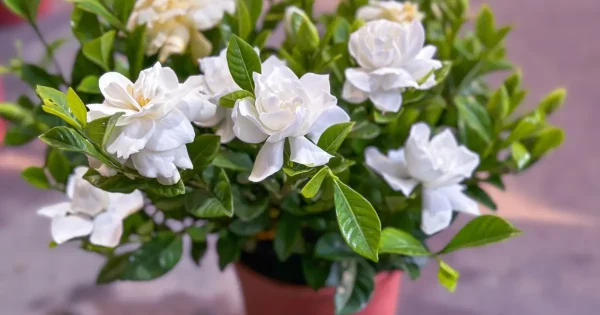
Frostproof Jasmine Care: 7 Tips for Successful Pot Growth
Most gardenias are known for being “divas.” They want perfect humidity, perfect soil, and they [...]
Mar
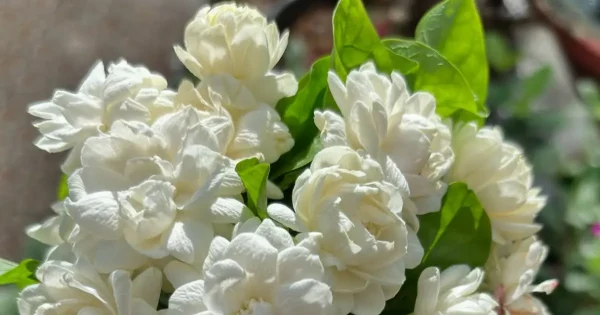
Top 7 Best Smelling Jasmine Varieties for a Heavenly Garden
Have you ever walked past a house and caught a scent so sweet you just [...]
Mar
Master the Heat: 8 Expert Tips for Growing Jalapeños Like a Pro
Are you staring at your garden space, wondering why your pepper plants look more like [...]
Mar
Top 5 Must-Have Hoya Varieties for Beginners
Hoyas are easily one of my top recommendations if you’re hunting for a low-maintenance houseplant [...]
Mar
7 Moringa Plant Care Mistakes to Avoid for Healthy Growth
Have you ever looked at your Moringa tree and wondered why its once vibrant green [...]
Feb
How to Grow Potato Onions From True Seeds: A Step-by-Step Guide
Have you ever wondered how to grow potato onions from true seeds or why some [...]
Feb
Growing Walking Onions in Containers: The Ultimate Guide
Have you ever looked at your small balcony or cramped patio and wished you could [...]
Feb

9 Best Flower Seeds to Start in February for Early Blooms
If you’re a passionate gardener, you know that itchy feeling in your fingers when February [...]
Jan
Reviews
There are no reviews yet.