
Eastern Redbud Live Trees – 10 Pack Dormant, 1-2 ft Tall, Pink Purple Flowers, Zones 4-9
Original price was: $69.98.$62.98Current price is: $62.98.
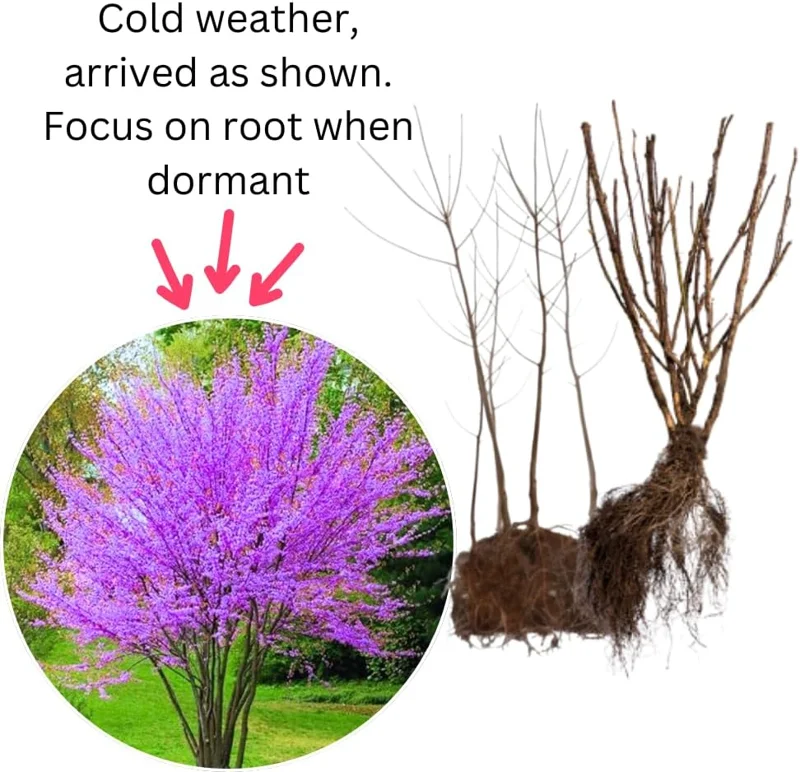
Cultivate stunning spring beauty with a 10-pack of Eastern Redbud live trees. These Redbud dormant trees arrive bare-root, ready for planting to establish quickly. Enjoy vibrant pink-purple blooms and a robust, hardy presence in your garden.
Shipping and Return policies:
We stand behind our plants with our Alive & Thrive Guarantee. If you experience any issues within the first 30 days, please email us, and our team will be happy to help. When needed, we’ll send you a one-time replacement free of charge to make sure your garden keeps growing strong.

Reasonable Price
We offer reasonable price

Support 24/7
Contact us 24 hrs a day
100% Money Back
You’ve 30 days to Return
Payment Secure
100% secure payment
Overview
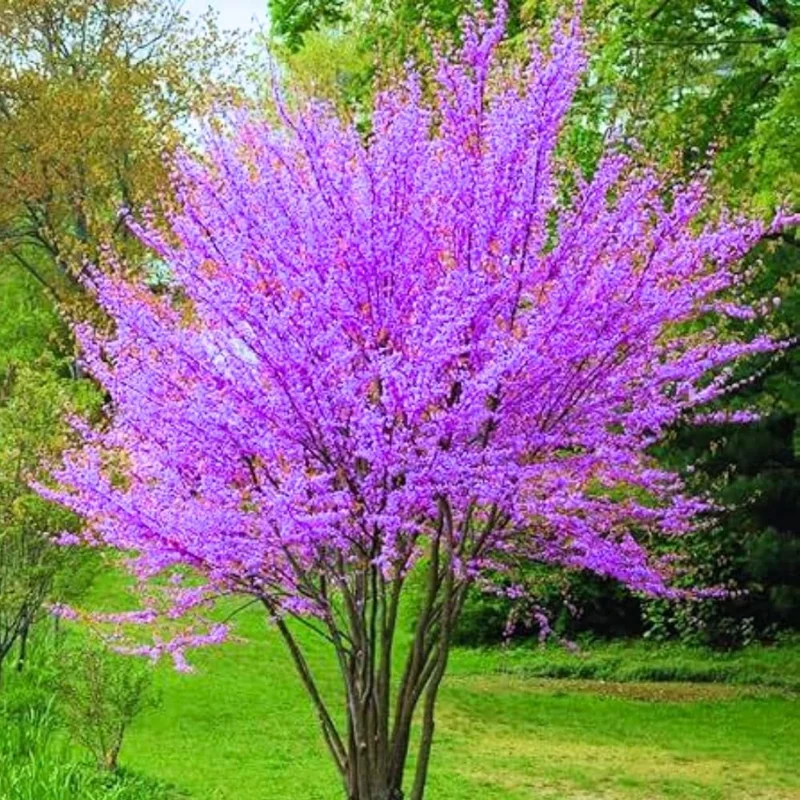
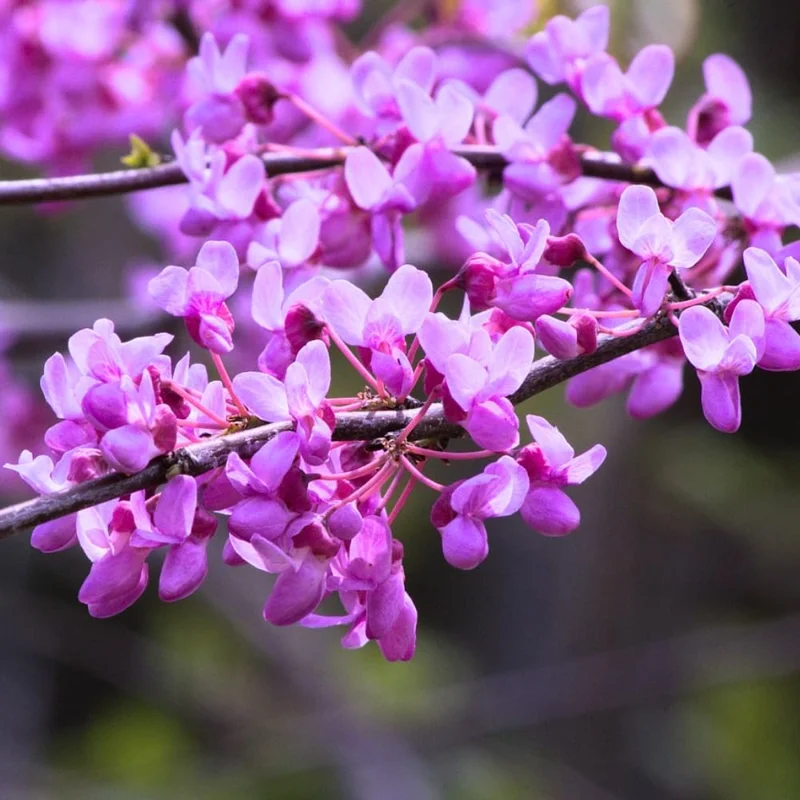
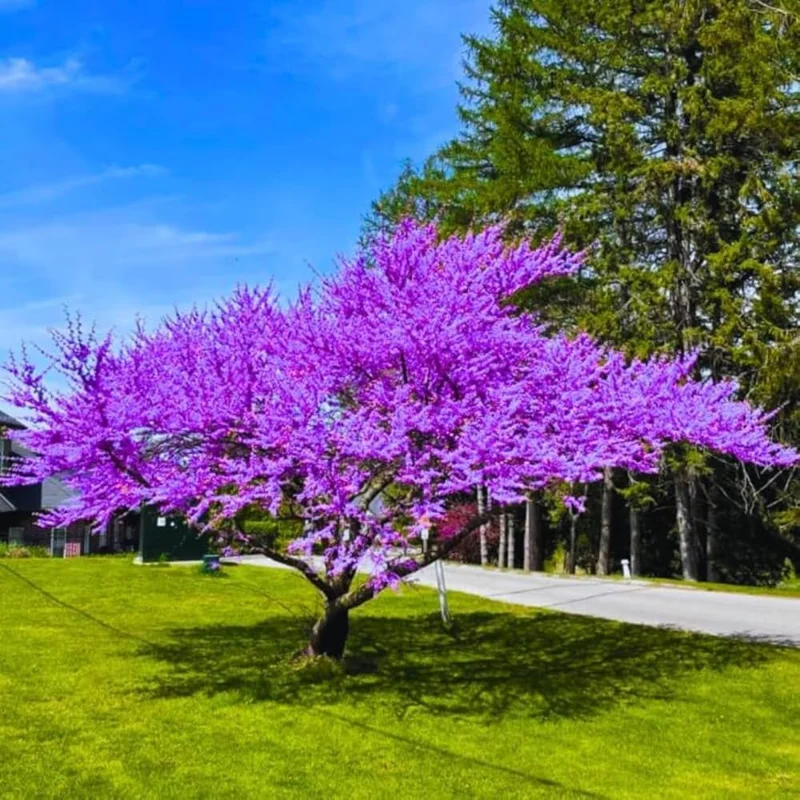
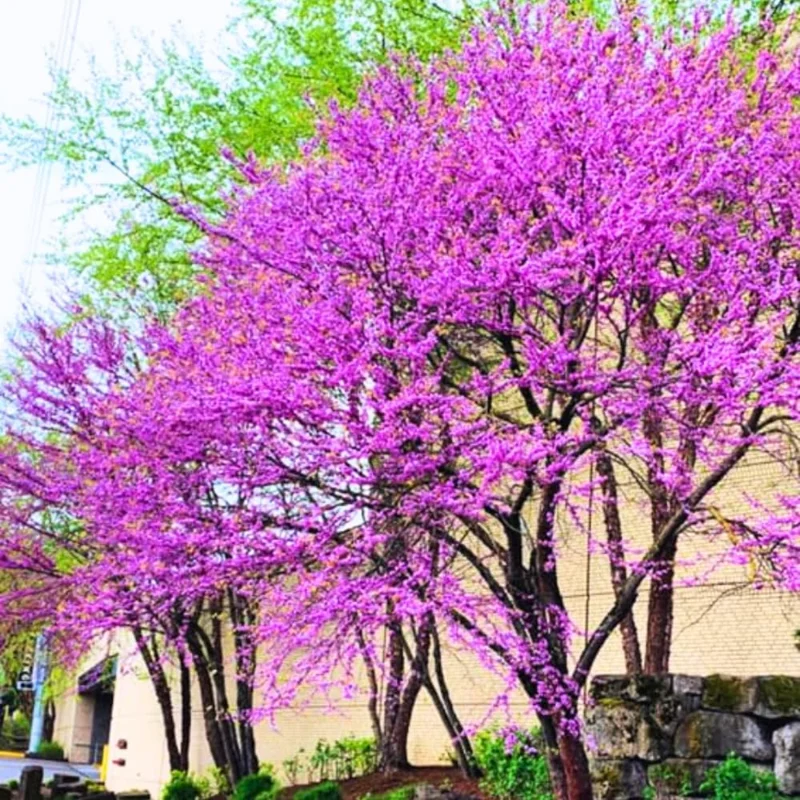
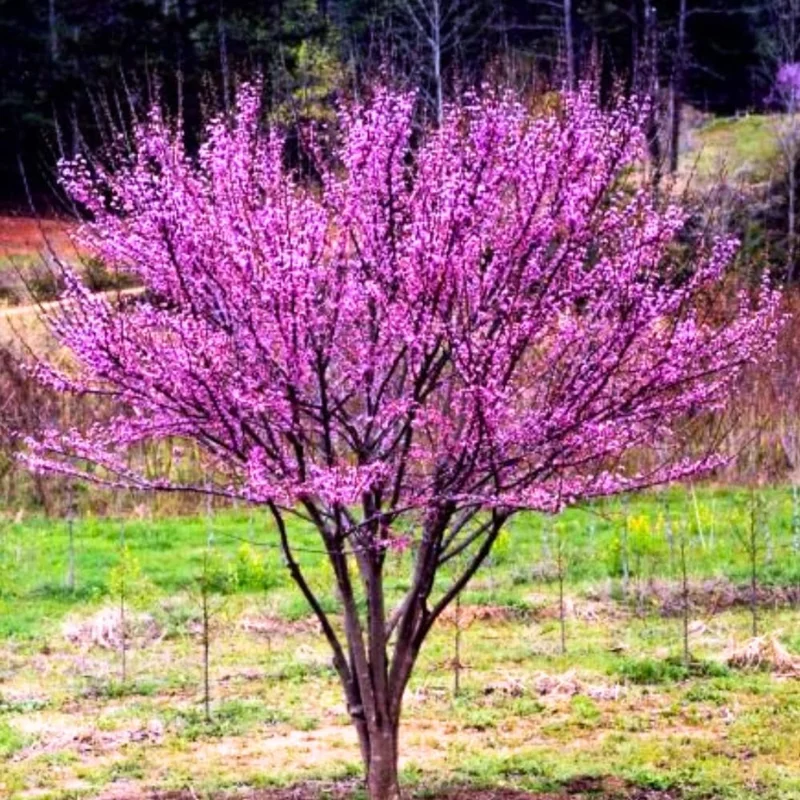
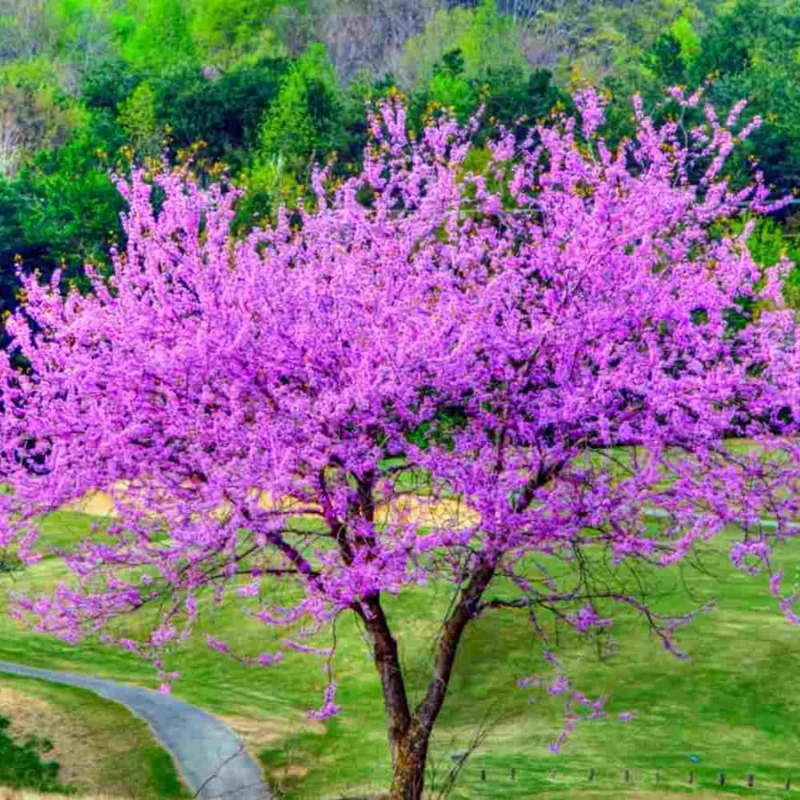
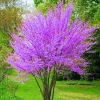
Transform your outdoor space with this exceptional 10-pack of Eastern Redbud live trees. Revered for their breathtaking spring display, these deciduous trees are a cornerstone of any well-designed landscape. Each tree arrives dormant and bare-root, standing approximately 1-2 feet tall, ensuring easy handling and successful establishment. The Eastern Redbud (Cercis canadensis) is celebrated for its distinctive heart-shaped leaves and prolific clusters of pink-purple flowers that emerge directly on the branches in early spring, often before the leaves appear. These Redbud dormant trees are an excellent choice for creating a striking visual impact, attracting pollinators, and providing a touch of natural elegance to your garden.
As they mature, these Eastern Redbud live trees develop into attractive, medium-sized specimens, offering not just seasonal beauty but also a robust structure to your garden. Their adaptability and relatively low maintenance make them suitable for a wide range of planting scenarios, from specimen trees to naturalized groupings. If you’re looking for hardy flowering trees that deliver consistent beauty and require minimal fuss, the Eastern Redbud is an ideal selection.
Key Benefits
Investing in Eastern Redbud live trees brings a multitude of advantages to your garden and local ecosystem. These trees are not only visually appealing but also contribute significantly to biodiversity and environmental health.
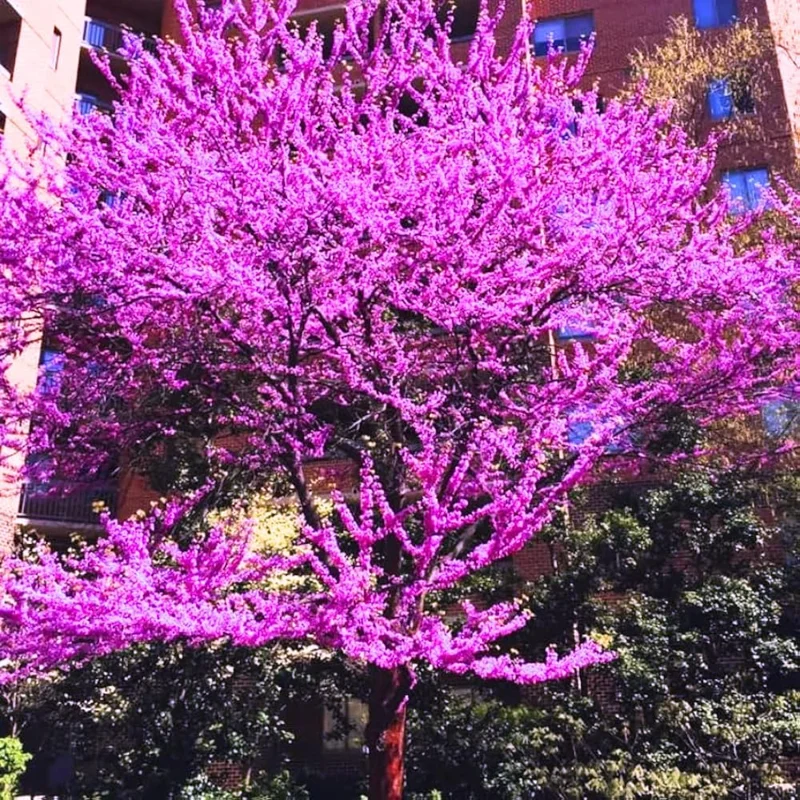
- Spectacular Spring Blooms: Enjoy an early spring spectacle with abundant clusters of vibrant pink to purple flowers that adorn the bare branches, creating a stunning visual display before most other plants begin to leaf out. This makes them a focal point in any garden.
- Hardy and Adaptable: These hardy flowering trees thrive across USDA Zones 4-9, demonstrating excellent cold tolerance and adaptability to various growing conditions, making them a reliable choice for many regions.
- Pollinator Attraction: The early spring flowers provide a crucial nectar source for bees and other early-season pollinators, supporting local wildlife and contributing to a healthy garden ecosystem.
- Attractive Foliage: Following the bloom, heart-shaped green leaves emerge, offering a lush backdrop throughout the summer, often turning a cheerful yellow in the fall for multi-season interest.
- Easy to Plant and Establish: Shipped as dormant, bare-root Redbud tree seedlings, they are designed for straightforward planting and have a high success rate when given proper initial care.
- Versatile Landscape Use: Perfect as ornamental specimens, understory trees, or planted in groups to create a naturalized woodland edge. Their moderate size fits well into various garden designs.
- Low Maintenance: Once established, these Eastern Redbud live trees require minimal care, making them an excellent choice for gardeners seeking beauty without intensive upkeep.
Plant Care & Growing Tips
Successful planting Redbud trees and ensuring their long-term health is straightforward with a few key care practices. These hardy flowering trees prefer a location with full sun to partial shade, meaning they should receive at least 4-6 hours of direct sunlight per day. While they tolerate some shade, more sun generally leads to a more profuse floral display. When selecting a site, consider the mature size of the tree, which can reach 20-30 feet tall and 25-35 feet wide, and ensure it has adequate space to grow without crowding.
The Eastern Redbud thrives in well-drained soil. It tolerates a range of soil types, including clay, loam, and sand, but good drainage is crucial to prevent root rot. Amend heavy clay soils with organic matter to improve drainage and aeration. Regular watering is essential during the first year after planting Redbud trees to help them establish a strong root system. Once established, they are moderately drought-tolerant but will benefit from supplemental watering during prolonged dry spells. Fertilize sparingly in early spring with a balanced, slow-release fertilizer if soil nutrients are lacking, but generally, these trees do not require heavy feeding. Pruning should be done in late winter or early spring to remove dead, damaged, or crossing branches and to maintain an attractive shape. Avoid heavy pruning, as Redbuds can be sensitive to large cuts.
These Redbud dormant trees are cold-hardy, suitable for USDA Zones 4-9. They are generally resistant to most pests and diseases, though occasional issues like canker or verticillium wilt can occur, especially in stressed trees. Ensuring proper site selection, good drainage, and adequate air circulation will help prevent most problems. Protecting young trees from deer browsing can also be beneficial in areas with high deer populations. Follow these care guidelines to ensure your Eastern Redbud live trees flourish for years to come.
Size & Details
This offering includes a pack of 10 Eastern Redbud live trees, each arriving in a dormant, bare-root state, making them ideal for new plantings. Each tree measures approximately 1-2 feet in height at the time of shipment, providing a significant head start for growth. These Redbud tree seedlings are ready to be planted upon arrival and, once established, will exhibit a moderate to fast growth rate. At maturity, expect these magnificent hardy flowering trees to reach an impressive height of 20-30 feet with a spread of 25-35 feet, creating a broad, rounded canopy.
The dormant, bare-root form allows for easier transport and planting, as the trees are not actively growing and have minimal foliage. This also often leads to better root establishment once planted, as the roots can directly interact with the soil without the shock of transplanting from a pot. The vibrant pink-purple blooms will typically appear in early spring, usually in April or May, depending on your specific climate and USDA hardiness zone. These trees are an investment in your landscape, providing decades of beauty and ecological benefit.
Frequently Asked Questions
- Q: How big do these Eastern Redbud live trees get? A: At maturity, these Eastern Redbud live trees typically reach a height of 20-30 feet and can spread 25-35 feet wide, forming a beautiful, rounded canopy.
- Q: What condition will the Redbud dormant trees arrive in? A: Your Redbud dormant trees will arrive bare-root, meaning they are shipped without soil around their roots, which are carefully packaged to retain moisture. They will be dormant, without leaves, ready for planting.
- Q: How much sunlight do these hardy flowering trees need? A: These hardy flowering trees prefer full sun to partial shade. For the best bloom production, aim for at least 4-6 hours of direct sunlight per day.
- Q: Is this pack suitable for beginners interested in planting Redbud trees? A: Yes, planting Redbud trees is generally considered manageable for beginners, especially with bare-root seedlings. Detailed care instructions are crucial for successful establishment.
- Q: When is the best time to plant these Redbud tree seedlings? A: The best time for planting Redbud trees that are shipped dormant and bare-root is in early spring, after the last hard frost, or in the fall before the ground freezes.
- Q: Will these Eastern Redbud live trees survive winter in cold climates? A: Yes, these Eastern Redbud live trees are exceptionally cold-hardy, thriving in USDA Zones 4-9, making them suitable for many winter conditions.
- Q: What kind of soil is best for these trees? A: Eastern Redbuds prefer well-drained soil. They can tolerate various soil types, but good drainage is essential to prevent root issues.
- Q: How often should I water my newly planted Redbud tree seedlings? A: New Redbud tree seedlings require consistent watering, especially during their first year, to ensure the soil remains consistently moist but not waterlogged. Reduce frequency once established.
- Q: Are the flowers of the Eastern Redbud edible? A: Yes, the flowers of the Eastern Redbud live trees are indeed edible and have a slightly tart, pleasant flavor, often used in salads or as a garnish.
- Q: Do these trees attract wildlife? A: Yes, the early spring blooms are an important food source for pollinators like bees, and the seeds can provide food for birds later in the season.
Be the first to review “Eastern Redbud Live Trees – 10 Pack Dormant, 1-2 ft Tall, Pink Purple Flowers, Zones 4-9”
You must be logged in to post a review.
People also Viewed
Sold 50 products
Original price was: $17.58.$11.86Current price is: $11.86.
Sold 50 products
Price range: $32.99 through $35.99
Sold 50 products
$69.99
Sold 50 products
$18.99
Sold 50 products
Price range: $14.98 through $23.89
Sold 50 products
$32.99
Sold 50 products
$24.99
Sold 50 products
Price range: $43.99 through $44.99RELATED posts
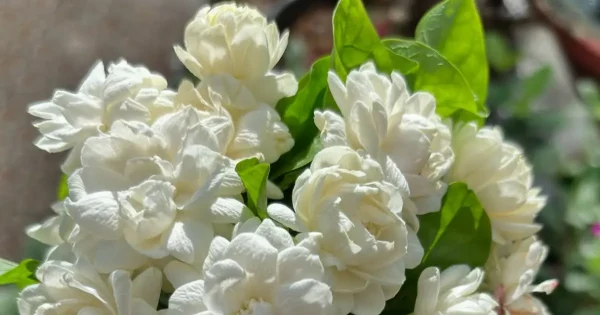
Top 7 Best Smelling Jasmine Varieties for a Heavenly Garden
Have you ever walked past a house and caught a scent so sweet you just [...]
Mar
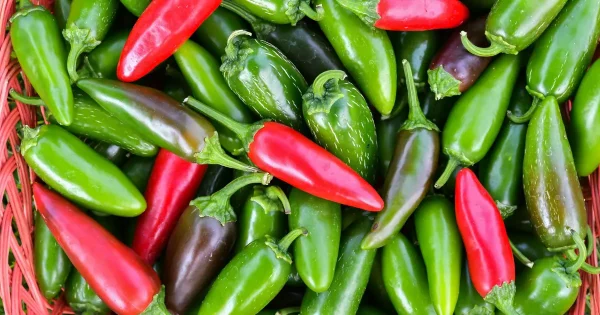
Master the Heat: 8 Expert Tips for Growing Jalapeños Like a Pro
Are you staring at your garden space, wondering why your pepper plants look more like [...]
Mar
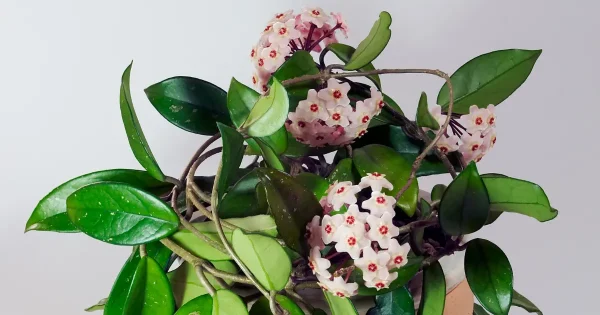
Top 5 Must-Have Hoya Varieties for Beginners
Hoyas are easily one of my top recommendations if you’re hunting for a low-maintenance houseplant [...]
Mar
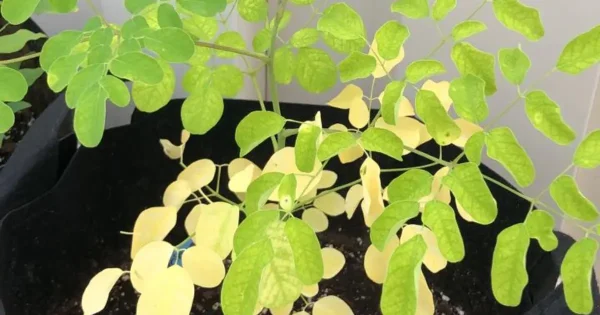
7 Moringa Plant Care Mistakes to Avoid for Healthy Growth
Have you ever looked at your Moringa tree and wondered why its once vibrant green [...]
Feb
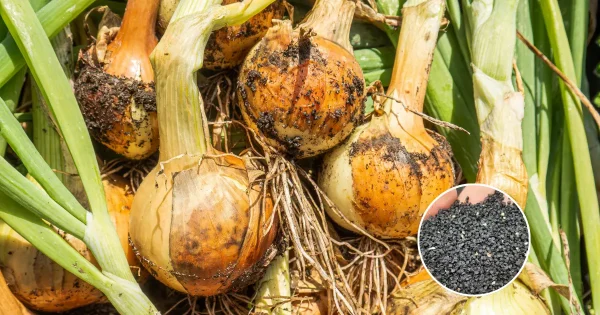
How to Grow Potato Onions From True Seeds: A Step-by-Step Guide
Have you ever wondered how to grow potato onions from true seeds or why some [...]
Feb
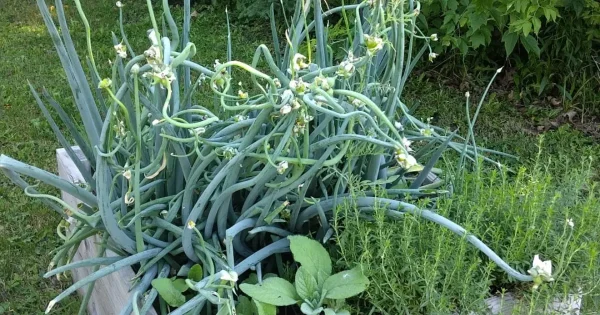
Growing Walking Onions in Containers: The Ultimate Guide
Have you ever looked at your small balcony or cramped patio and wished you could [...]
Feb

9 Best Flower Seeds to Start in February for Early Blooms
If you’re a passionate gardener, you know that itchy feeling in your fingers when February [...]
Jan
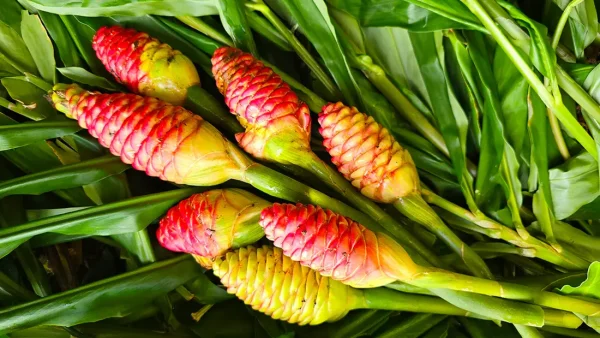
Growing Shampoo Ginger in Pots: Easy Guide to Potting Ginger Lilies
Are you looking to add a touch of exotic beauty to your home while growing [...]
Jan
Reviews
There are no reviews yet.