


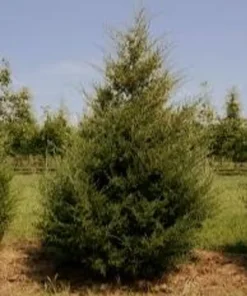

Eastern Red Cedar Tree – Native Seedling in Quart Pot – Perfect for Landscaping
Original price was: $49.97.$33.98Current price is: $33.98.
Enhance your landscape with a Native Eastern Red Cedar in a convenient quart pot. This adaptable evergreen offers year-round beauty and supports local wildlife. Perfect for hedging, screens, and windbreaks.
Shipping and Return policies:
We stand behind our plants with our Alive & Thrive Guarantee. If you experience any issues within the first 30 days, please email us, and our team will be happy to help. When needed, we’ll send you a one-time replacement free of charge to make sure your garden keeps growing strong.

Reasonable Price
We offer reasonable price

Support 24/7
Contact us 24 hrs a day
100% Money Back
You’ve 30 days to Return
Payment Secure
100% secure payment
Native Eastern Red Cedar – A Landscape Staple
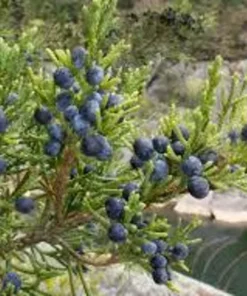
The Native Eastern Red Cedar (Juniperus virginiana) is a versatile and resilient evergreen tree, perfect for adding structure and beauty to any landscape. This native species is well-adapted to a wide range of conditions, making it an excellent choice for gardeners and landscapers alike. Its dense foliage provides year-round interest, while its berries offer a valuable food source for birds and other wildlife. Consider this tree to provide windbreaks, screens, and property dividers.
This particular offering is a young Eastern Red Cedar in a quart pot, making it easy to plant and establish in your garden. By planting native trees, you contribute to the health of local ecosystems and support biodiversity. The Eastern Red Cedar is known for its tolerance of poor soils and drought conditions, making it a low-maintenance option for busy gardeners. It provides excellent shelter for birds and other small animals.
Key Benefits of Planting Eastern Red Cedar:
- Year-Round Interest: Enjoy the evergreen foliage throughout all seasons.
- Wildlife Habitat: Provides food and shelter for birds and other animals.
- Low Maintenance: Tolerates a wide range of soil conditions and drought.
- Windbreak and Screen: Creates a natural barrier against wind and noise.
- Native Species: Supports local ecosystems and biodiversity.
The Eastern Red Cedar is also an excellent choice for erosion control, as its extensive root system helps to stabilize soil. Its aromatic wood is naturally resistant to decay and insects, making it a popular choice for fence posts and other outdoor applications. Adding one or more of these trees to your property will increase its value and create a lasting legacy for future generations.
Frequently Asked Questions:
- How big will this Eastern Red Cedar get? Mature trees can reach heights of 40-50 feet with a spread of 10-20 feet, depending on growing conditions.
- What are the specific soil requirements for the Eastern Red Cedar? It thrives in well-drained soil but tolerates a wide range of soil types, including rocky and sandy conditions.
- How much sunlight does it need? Eastern Red Cedars need at least 6 hours of sunlight per day.
- When is the best time to plant this tree? Spring or fall are the ideal planting seasons, allowing the tree to establish roots before extreme temperatures arrive.
- How often should I water the newly planted tree? Water deeply and regularly during the first year, especially during dry periods, to help the tree establish a strong root system.
Be the first to review “Eastern Red Cedar Tree – Native Seedling in Quart Pot – Perfect for Landscaping”
You must be logged in to post a review.
People also Viewed
Sold 50 products
Original price was: $17.58.$11.86Current price is: $11.86.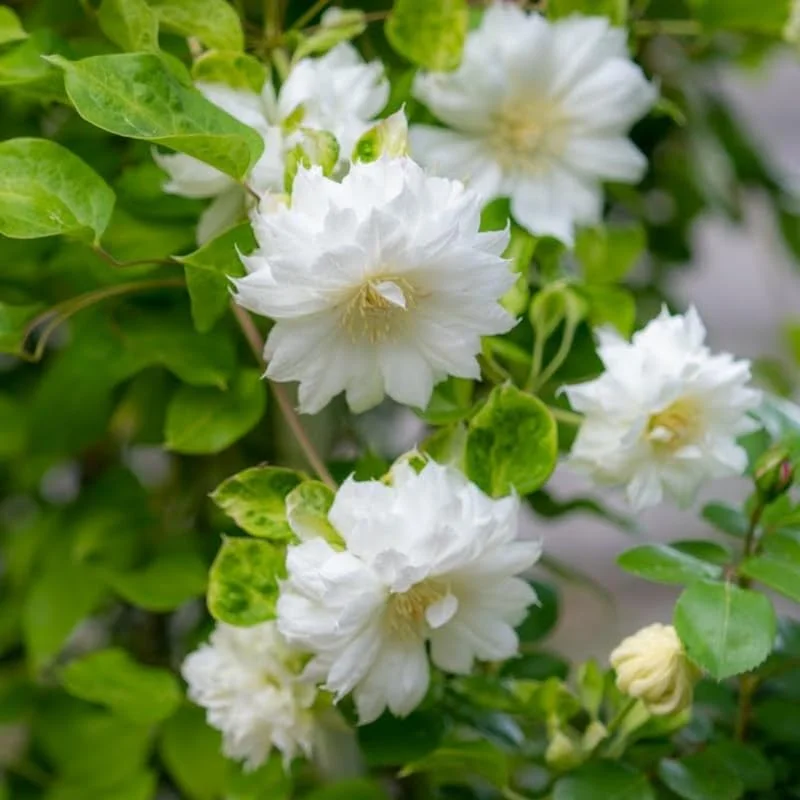
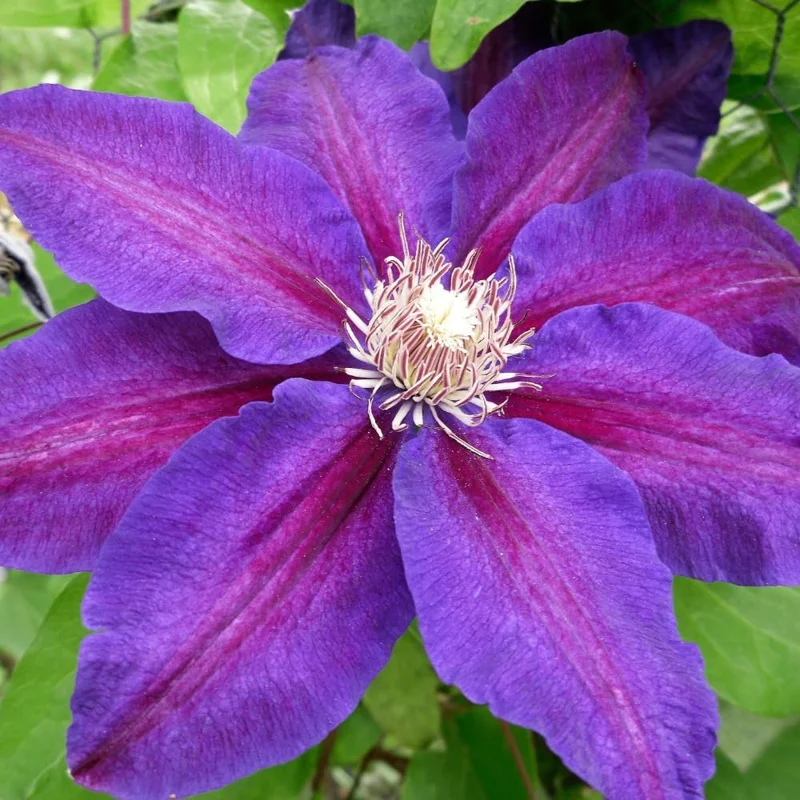
Sold 50 products
Price range: $32.99 through $35.99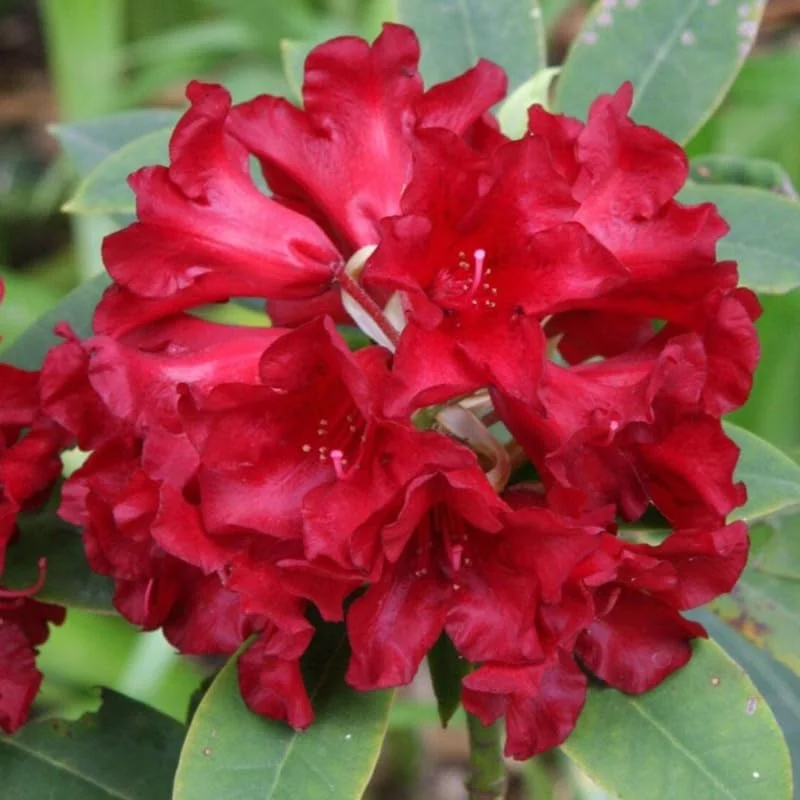
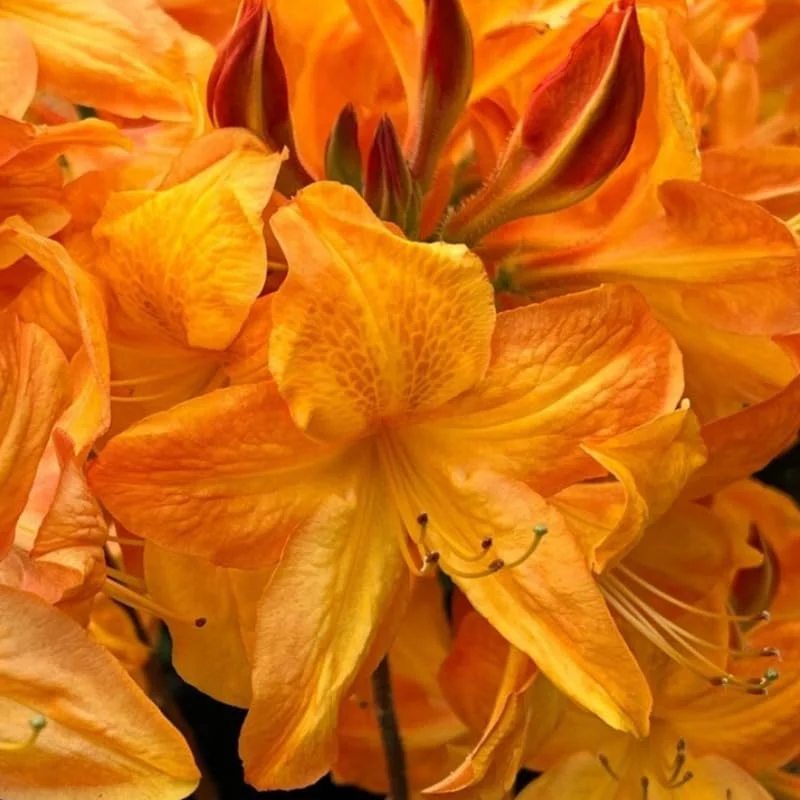
Sold 50 products
$69.99
Sold 50 products
$18.99
Sold 50 products
Price range: $14.98 through $23.89
Sold 50 products
$32.99
Sold 50 products
$24.99
Sold 50 products
Price range: $43.99 through $44.99RELATED posts
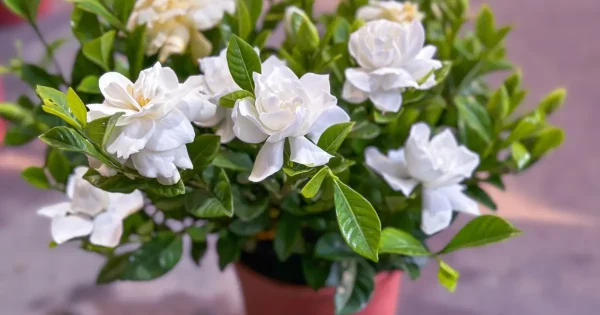
Frostproof Jasmine Care: 7 Tips for Successful Pot Growth
Most gardenias are known for being “divas.” They want perfect humidity, perfect soil, and they [...]
Mar
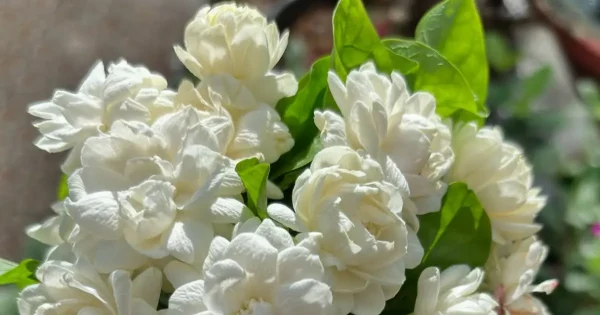
Top 7 Best Smelling Jasmine Varieties for a Heavenly Garden
Have you ever walked past a house and caught a scent so sweet you just [...]
Mar
Master the Heat: 8 Expert Tips for Growing Jalapeños Like a Pro
Are you staring at your garden space, wondering why your pepper plants look more like [...]
Mar
Top 5 Must-Have Hoya Varieties for Beginners
Hoyas are easily one of my top recommendations if you’re hunting for a low-maintenance houseplant [...]
Mar
7 Moringa Plant Care Mistakes to Avoid for Healthy Growth
Have you ever looked at your Moringa tree and wondered why its once vibrant green [...]
Feb
How to Grow Potato Onions From True Seeds: A Step-by-Step Guide
Have you ever wondered how to grow potato onions from true seeds or why some [...]
Feb
Growing Walking Onions in Containers: The Ultimate Guide
Have you ever looked at your small balcony or cramped patio and wished you could [...]
Feb
9 Best Flower Seeds to Start in February for Early Blooms
If you’re a passionate gardener, you know that itchy feeling in your fingers when February [...]
Jan


Reviews
There are no reviews yet.