
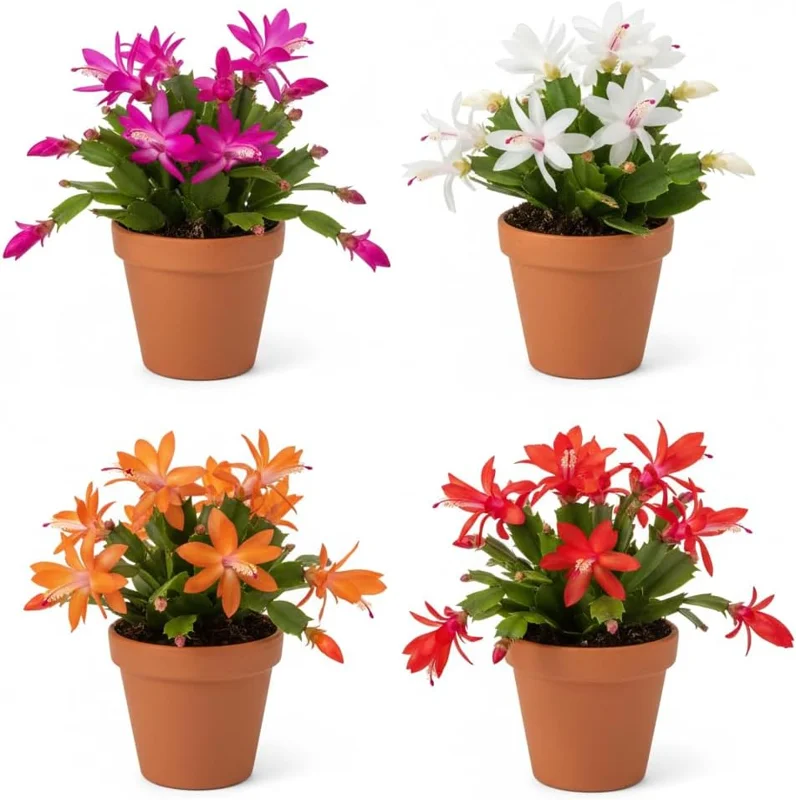
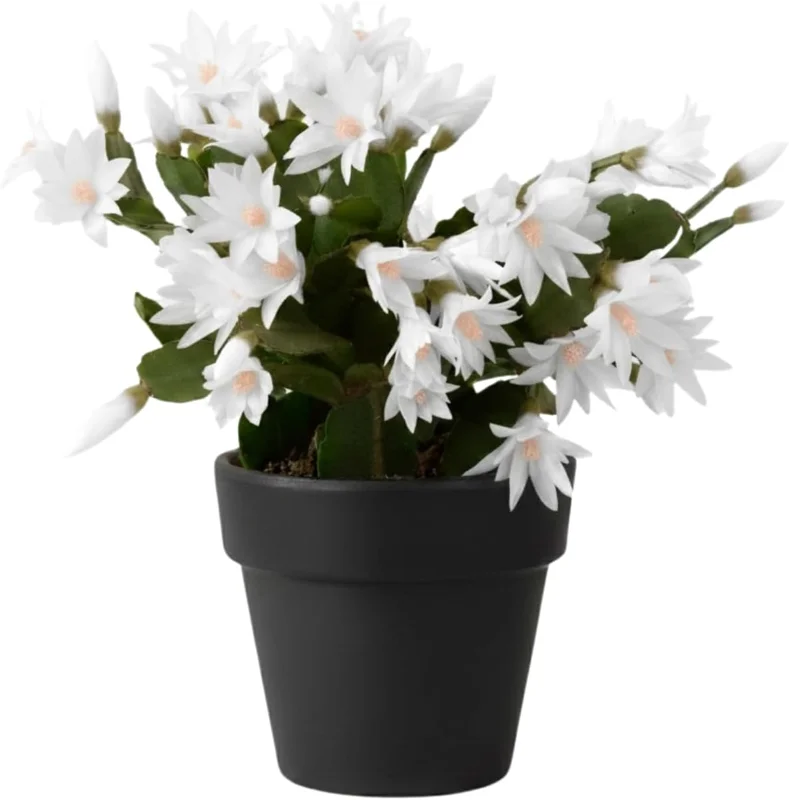
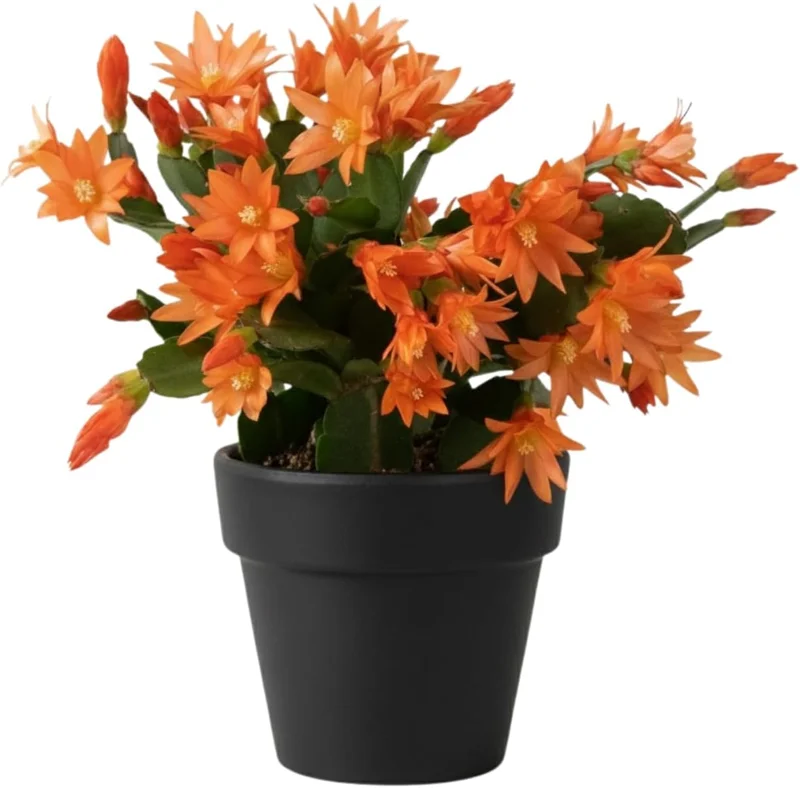
Easter Cactus Live Plant – Rhipsalidopsis Gaertneri – 4-8” Tall – Assorted Blooms – No Pot
Price range: $24.99 through $32.99
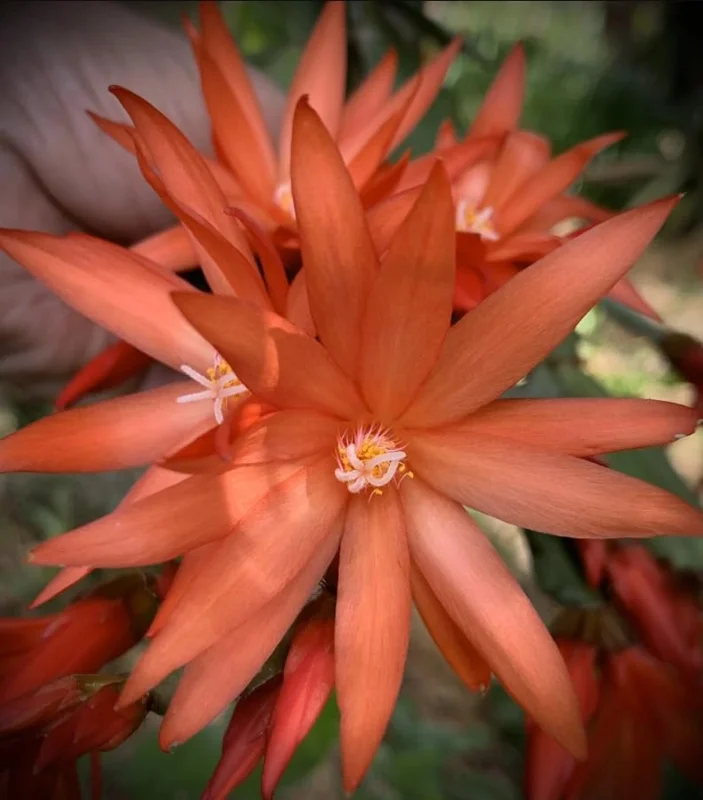
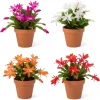
Welcome spring with a beautiful Easter Cactus live plant, scientifically known as Rhipsalidopsis gaertneri. This vibrant succulent, measuring 4-8 inches tall, offers spectacular, assorted blooms in shades of pink, white, red, or orange. Ideal for both indoor cactus plant enthusiasts and outdoor garden settings in suitable climates, it’s a low-maintenance, pet-friendly cactus that brings lasting beauty.
Shipping and Return policies:
We stand behind our plants with our Alive & Thrive Guarantee. If you experience any issues within the first 30 days, please email us, and our team will be happy to help. When needed, we’ll send you a one-time replacement free of charge to make sure your garden keeps growing strong.

Reasonable Price
We offer reasonable price

Support 24/7
Contact us 24 hrs a day
100% Money Back
You’ve 30 days to Return
Payment Secure
100% secure payment
Overview
Welcome a burst of spring color into your home or garden with the exquisite Easter Cactus live plant. This captivating succulent, scientifically known as Rhipsalidopsis gaertneri, is celebrated for its spectacular, vibrant blooms that typically appear around the Easter season. Unlike its desert-dwelling cousins, the Easter Cactus is an epiphytic plant, naturally growing on trees in tropical rainforests. This particular offering provides a healthy, established plant, measuring 4-8 inches tall, ready to produce dazzling flowers in an array of assorted colors, including shades of pink, white, red, or orange. Its unique segmented stems and prolific flowering habit make it a beloved choice for both seasoned gardeners and those new to plant care. The Easter Cactus live plant is a delightful addition to any collection, offering beauty and charm with relatively low maintenance.
Originating from the humid forests of Brazil, the Easter Cactus thrives in conditions that mimic its natural habitat. It’s a beautiful alternative to traditional flowering plants, providing long-lasting blooms and interesting foliage year-round. This resilient plant adapts well to various settings, making it suitable for windowsills, decorative pots, or even sheltered outdoor areas in appropriate climates. Its ease of care and stunning floral display ensure it remains a popular choice for gifting or personal enjoyment, transforming any space with its cheerful presence. This easy-to-grow indoor cactus plant is perfect for adding a touch of nature to your living space.
Key Benefits
The Easter Cactus live plant offers a multitude of benefits, making it an excellent choice for any plant enthusiast:
- Spectacular Seasonal Blooms: Enjoy a profusion of vibrant, colorful flowers in shades of pink, white, red, or orange, typically blooming in spring and lasting for several weeks, providing a stunning visual display. These blooms are the highlight of any Easter Cactus live plant.
- Easy to Care For: This plant is remarkably low-maintenance, making it perfect for both beginner and experienced gardeners. Its forgiving nature allows it to thrive with minimal fuss, making blooming cactus care simple and rewarding.
- Versatile Placement: Ideal for placement indoors on windowsills, shelves, or desks, and can also be enjoyed outdoors in shaded patios or garden beds in suitable climates, offering flexible decorative options.
- Air Purifying Qualities: Like many houseplants, the Easter Cactus contributes to a healthier indoor environment by helping to filter airborne toxins, improving air quality in your home.
- Unique Foliage: Even when not in bloom, the segmented, paddle-like stems provide interesting texture and greenery, adding year-round aesthetic appeal to your space.
- Long Lifespan: With proper care, an indoor cactus plant like the Easter Cactus can live for many years, becoming a cherished part of your plant collection and providing recurring beauty each spring.
- Pet-Friendly: The pet-friendly cactus is generally considered non-toxic to pets, offering peace of mind for households with cats and dogs, unlike some other common houseplants.
Plant Care & Growing Tips
Caring for your Easter Cactus live plant is straightforward, ensuring years of beautiful blooms. This plant thrives in bright, indirect sunlight. Avoid direct, intense sun, especially during the hottest parts of the day, as this can scorch its delicate foliage. An east-facing window is often ideal, providing gentle morning sun. If grown outdoors, choose a location with dappled shade or morning sun and afternoon shade. Proper light exposure is crucial for encouraging abundant flowering. Insufficient light may result in fewer blooms, while too much direct sun can lead to yellowing leaves and stress. Successful blooming cactus care depends on these light conditions.
When it comes to watering, the Easter Cactus prefers consistently moist but not waterlogged soil. Water thoroughly when the top inch of soil feels dry to the touch, then allow excess water to drain completely. Overwatering can lead to root rot, a common issue for many succulents. Reduce watering frequency during its dormant period after flowering, typically in summer. The ideal soil for this epiphytic succulent is a well-draining potting mix, ideally one formulated for cacti and succulents, or an orchid mix, which provides good aeration. The plant thrives in USDA Hardiness Zones 9-11 if grown outdoors, but it is primarily enjoyed as an indoor cactus plant in most regions.
For optimal growth and blooming, fertilize your Rhipsalidopsis gaertneri every 2-4 weeks during its active growing season (spring through fall) with a balanced liquid fertilizer diluted to half strength. Suspend fertilization during winter dormancy. Maintain average room temperatures between 60-75°F (15-24°C) and provide adequate humidity, especially during dry indoor conditions. You can increase humidity by misting the plant or placing its pot on a pebble tray filled with water. To encourage blooming, provide a cool period (around 50-55°F or 10-13°C) and reduced light for 6-8 weeks in late fall/early winter. This mimics its natural seasonal cues and is key to a spectacular spring display. Propagation is easy from stem cuttings, making it simple to share your plant with friends.
Size & Details
This offering is for one healthy Easter Cactus live plant, typically measuring between 4 to 8 inches in height. The plant is shipped without a pot, allowing you the flexibility to choose your preferred container and potting medium upon arrival. It comes as a bare root plant or with minimal soil, carefully packaged to ensure safe transit. The plant consists of multiple segmented stems, ready to establish quickly in its new home. Expected growth rate is moderate, with plants reaching a mature size of approximately 8-12 inches tall and wide over several years, forming a lovely cascading habit. With proper care, you can anticipate vibrant blooms appearing each spring, typically from March to May, providing a festive display of assorted colors. This particular Rhipsalidopsis gaertneri is a fantastic addition to any plant collection.
Frequently Asked Questions
- Q: How big does this Easter Cactus get? A: This Easter Cactus live plant is typically 4-8 inches tall upon arrival. With proper care, it can grow to a mature size of about 8-12 inches tall and wide, forming a beautiful, full plant.
- Q: Is this an indoor or outdoor plant? A: The Easter Cactus is highly versatile. It thrives as an indoor cactus plant in most climates, especially in bright, indirect light. In USDA Zones 9-11, it can also be grown outdoors in shaded or partially shaded locations.
- Q: How much sunlight does it need? A: For optimal blooming cactus care, this plant requires bright, indirect sunlight. Avoid direct, harsh sun exposure which can scorch its leaves. A spot near an east or north-facing window is usually ideal indoors.
- Q: Is this plant easy to care for? A: Yes, the Easter Cactus is considered an easy-care plant, suitable for beginners and experienced gardeners alike. Its straightforward watering and light requirements make it a rewarding choice. It is a great pet-friendly cactus for beginners.
- Q: What condition will it arrive in? A: Your Easter Cactus will arrive as a healthy, bare-root plant (or with minimal soil), carefully packaged to prevent damage during transit. It will be ready for immediate potting upon arrival.
- Q: When is the best time to plant or repot it? A: The best time to plant or repot your Easter Cactus is after it has finished blooming, typically in late spring or early summer. This allows the plant to recover and establish itself before its next flowering cycle.
- Q: Will it survive winter in my zone? A: If you are outside USDA Hardiness Zones 9-11, your Easter Cactus live plant should be brought indoors before the first frost. It prefers temperatures above 50°F (10°C) and will not tolerate freezing conditions.
- Q: Does this plant have a specific blooming season? A: Yes, the Rhipsalidopsis gaertneri, or Easter Cactus, is known for its spectacular blooms that typically appear in the spring, usually around the Easter holiday, hence its common name.
- Q: What kind of soil is best for an Easter Cactus? A: A well-draining potting mix is essential. A specialized cactus and succulent mix or an orchid potting mix that provides good aeration and drainage is highly recommended for this type of indoor cactus plant.
- Q: Is the Easter Cactus pet-safe? A: Yes, the Easter Cactus is generally considered non-toxic to cats and dogs, making it a safer choice for households with pets compared to many other common houseplants. This makes it an ideal pet-friendly cactus.
| Color | Assorted Blooms, Orange Blooms, White Blooms |
|---|
Be the first to review “Easter Cactus Live Plant – Rhipsalidopsis Gaertneri – 4-8” Tall – Assorted Blooms – No Pot”
You must be logged in to post a review.
People also Viewed
Sold 50 products
Original price was: $17.58.$11.86Current price is: $11.86.
Sold 50 products
Price range: $32.99 through $35.99
Sold 50 products
$69.99
Sold 50 products
$18.99
Sold 50 products
Price range: $14.98 through $23.89
Sold 50 products
$32.99
Sold 50 products
$24.99

Sold 50 products
Price range: $43.99 through $44.99RELATED posts
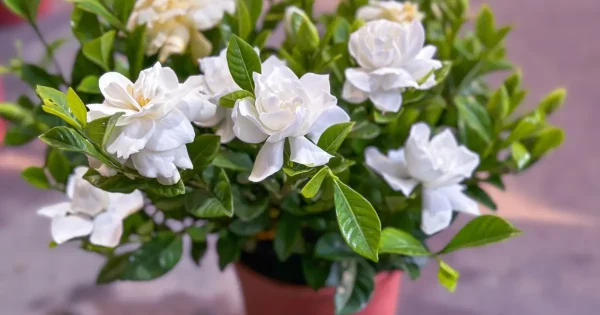
Frostproof Jasmine Care: 7 Tips for Successful Pot Growth
Most gardenias are known for being “divas.” They want perfect humidity, perfect soil, and they [...]
Mar
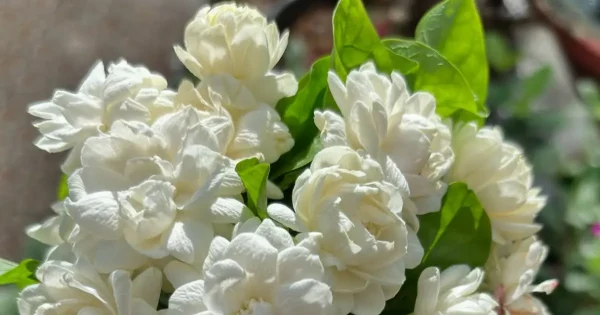
Top 7 Best Smelling Jasmine Varieties for a Heavenly Garden
Have you ever walked past a house and caught a scent so sweet you just [...]
Mar
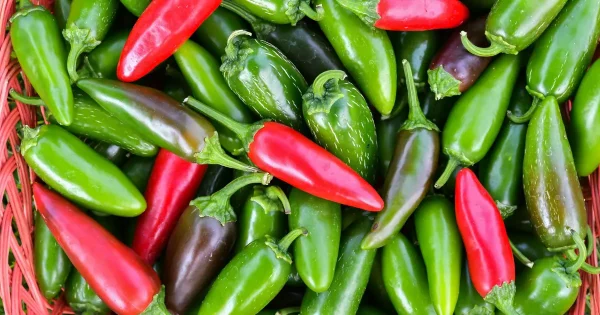
Master the Heat: 8 Expert Tips for Growing Jalapeños Like a Pro
Are you staring at your garden space, wondering why your pepper plants look more like [...]
Mar
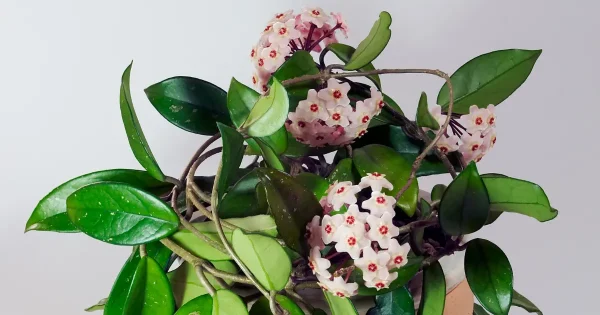
Top 5 Must-Have Hoya Varieties for Beginners
Hoyas are easily one of my top recommendations if you’re hunting for a low-maintenance houseplant [...]
Mar
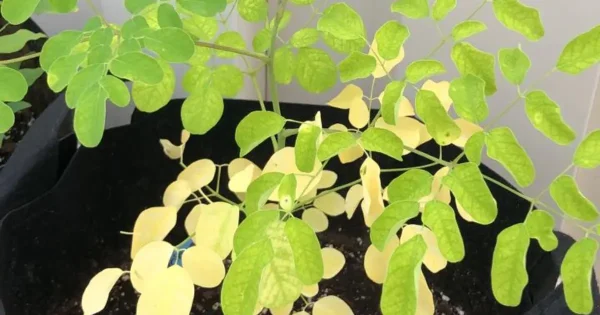
7 Moringa Plant Care Mistakes to Avoid for Healthy Growth
Have you ever looked at your Moringa tree and wondered why its once vibrant green [...]
Feb
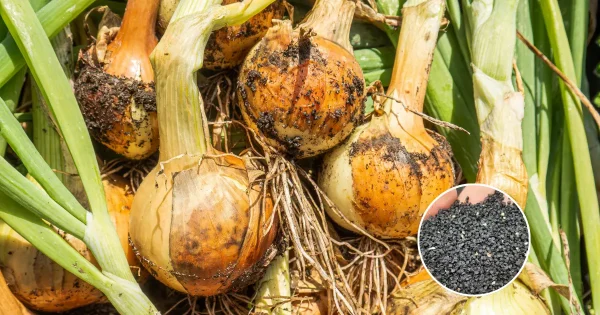
How to Grow Potato Onions From True Seeds: A Step-by-Step Guide
Have you ever wondered how to grow potato onions from true seeds or why some [...]
Feb
Growing Walking Onions in Containers: The Ultimate Guide
Have you ever looked at your small balcony or cramped patio and wished you could [...]
Feb

9 Best Flower Seeds to Start in February for Early Blooms
If you’re a passionate gardener, you know that itchy feeling in your fingers when February [...]
Jan

Reviews
There are no reviews yet.