
Dwarf Pink Flowering Almond Plant – Quart Pot – Flowering Shrub
Original price was: $49.97.$33.98Current price is: $33.98.
Add a touch of pink to your garden with the Dwarf Pink Flowering Almond! This compact shrub is perfect for small spaces and provides beautiful spring blooms. Shipped bareroot.
Shipping and Return policies:
We stand behind our plants with our Alive & Thrive Guarantee. If you experience any issues within the first 30 days, please email us, and our team will be happy to help. When needed, we’ll send you a one-time replacement free of charge to make sure your garden keeps growing strong.

Reasonable Price
We offer reasonable price

Support 24/7
Contact us 24 hrs a day
100% Money Back
You’ve 30 days to Return
Payment Secure
100% secure payment
Dwarf Pink Flowering Almond: A Springtime Delight
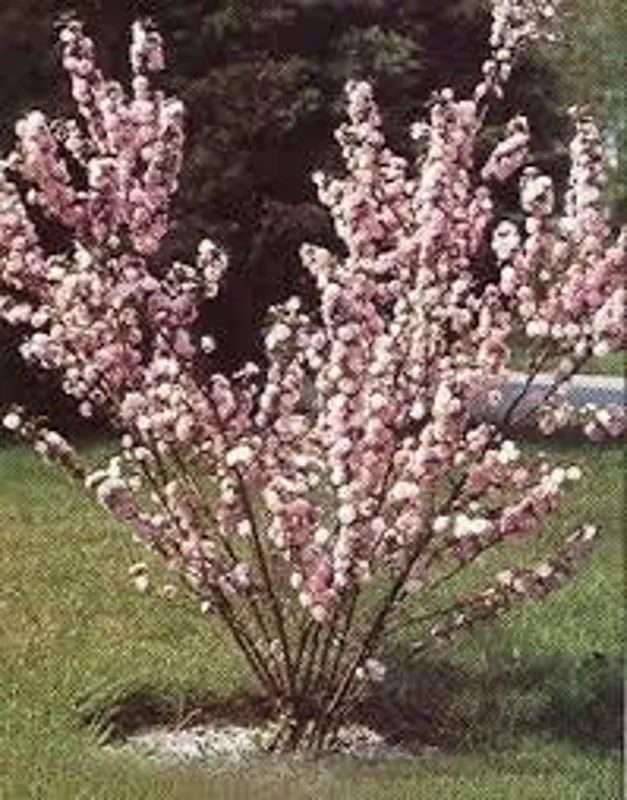
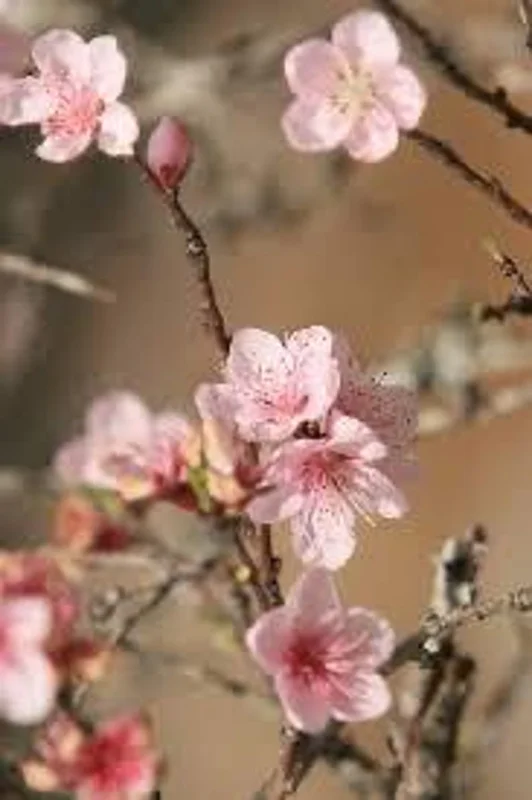
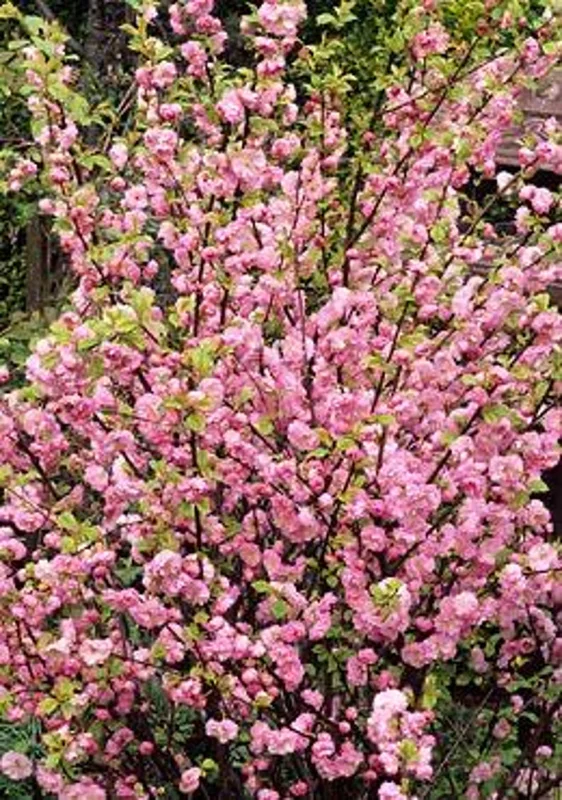
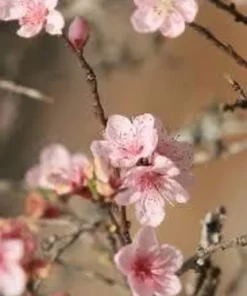
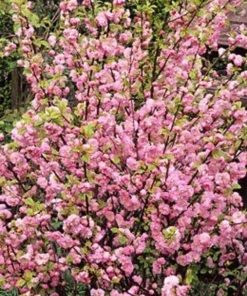
The Dwarf Pink Flowering Almond (Prunus glandulosa) is a stunning ornamental shrub known for its profuse display of delicate pink blossoms in early spring. This deciduous shrub is a popular choice for gardeners seeking to add a splash of color to their landscapes after the long winter months. Its compact size makes it ideal for smaller gardens, borders, or even container planting. The Dwarf Pink Flowering Almond is a relatively low-maintenance plant, making it a great option for both experienced and novice gardeners.
This charming shrub typically grows to a height and width of 4-5 feet, forming a rounded, bushy shape. Its slender branches are covered in double, rose-pink flowers that create a breathtaking spectacle. After the flowers fade, small green leaves emerge, providing a lush backdrop throughout the growing season. The Dwarf Pink Flowering Almond offers several benefits, including its early spring bloom time, attractive foliage, and compact size. It’s also relatively deer-resistant.
Key Features:
- Early Spring Blooms: Enjoy a vibrant display of pink flowers in early spring, signaling the arrival of warmer weather.
- Compact Size: Perfect for small gardens, borders, or containers.
- Low Maintenance: Easy to care for, making it suitable for gardeners of all skill levels.
- Deer Resistant: Less likely to be damaged by deer.
- Attracts Pollinators: The flowers attract bees and other beneficial insects to your garden.
Planting and Care:
The Dwarf Pink Flowering Almond thrives in well-drained soil and prefers full sun exposure. Plant it in a location that receives at least 6 hours of direct sunlight per day. Water regularly, especially during dry periods. Prune after flowering to maintain its shape and remove any dead or damaged branches. Fertilize in early spring with a balanced fertilizer.
Frequently Asked Questions:
- How big will my Dwarf Pink Flowering Almond get? Typically reaches 4-5 feet in height and width, making it ideal for smaller spaces.
- What kind of soil does it need? Prefers well-drained soil; avoid heavy clay soils that retain too much moisture.
- How much sun does it need? Requires at least 6 hours of direct sunlight per day for optimal flowering.
- When is the best time to prune it? Prune immediately after flowering to encourage new growth and maintain its shape.
- Is it deer resistant? Yes, it’s considered relatively deer-resistant, although no plant is completely immune to deer browsing.
Be the first to review “Dwarf Pink Flowering Almond Plant – Quart Pot – Flowering Shrub”
You must be logged in to post a review.
People also Viewed
Sold 50 products
Original price was: $17.58.$11.86Current price is: $11.86.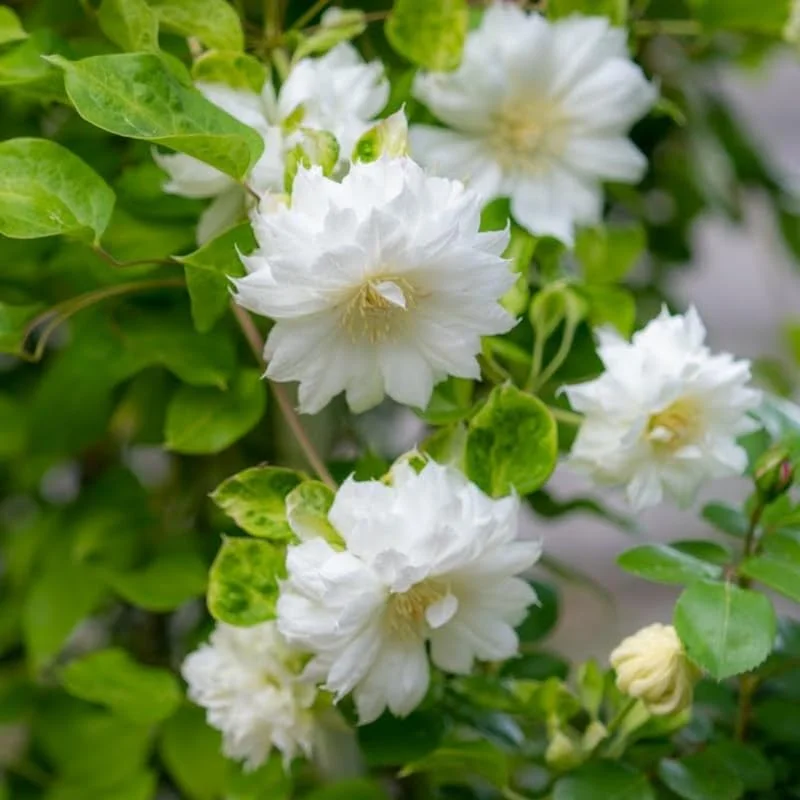
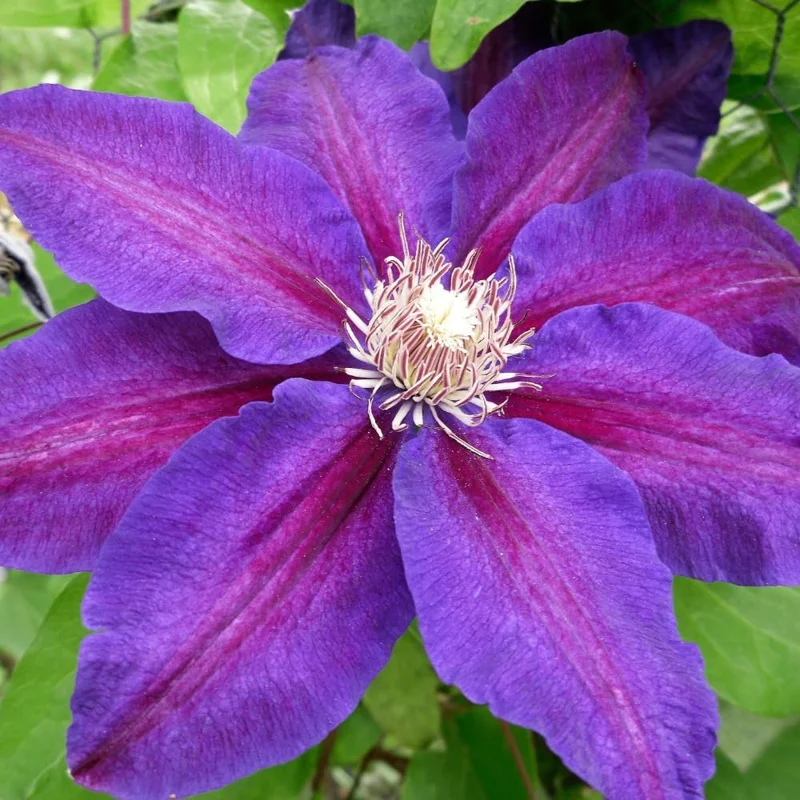
Sold 50 products
Price range: $32.99 through $35.99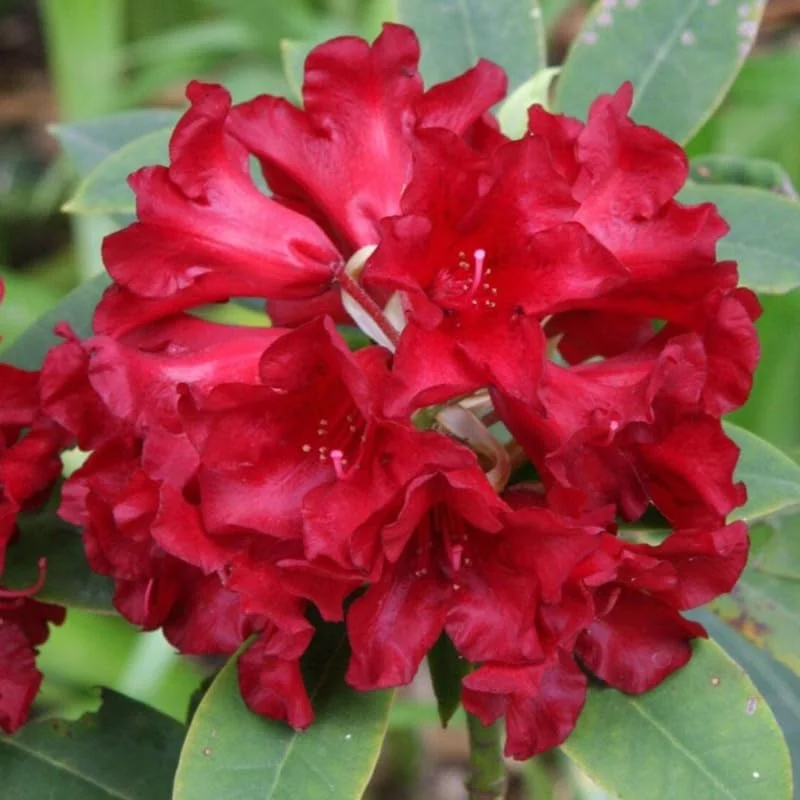
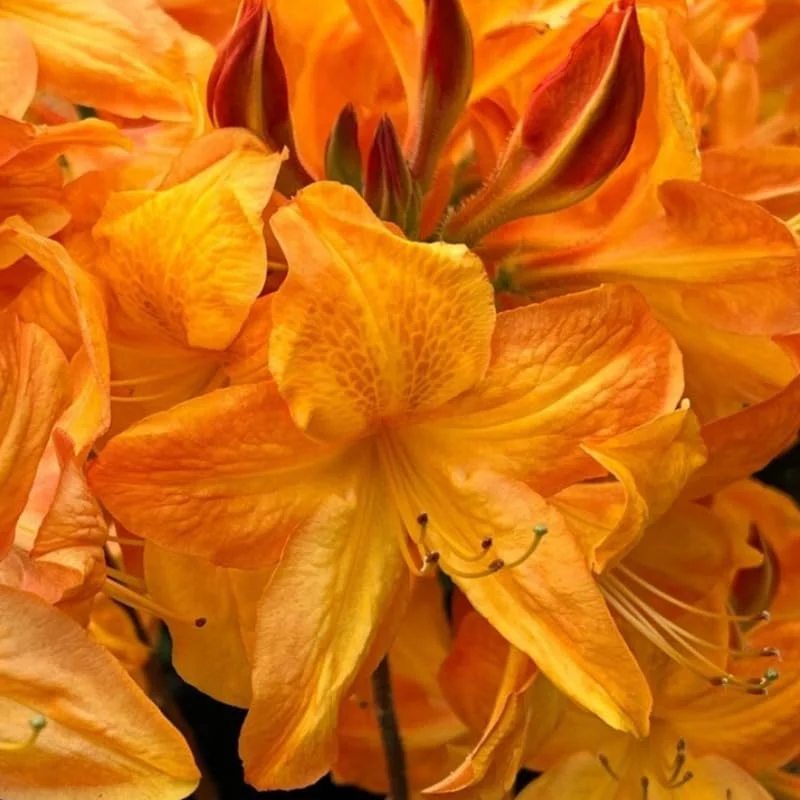
Sold 50 products
$69.99
Sold 50 products
$18.99
Sold 50 products
Price range: $14.98 through $23.89
Sold 50 products
$32.99
Sold 50 products
$24.99
Sold 50 products
Price range: $43.99 through $44.99RELATED posts
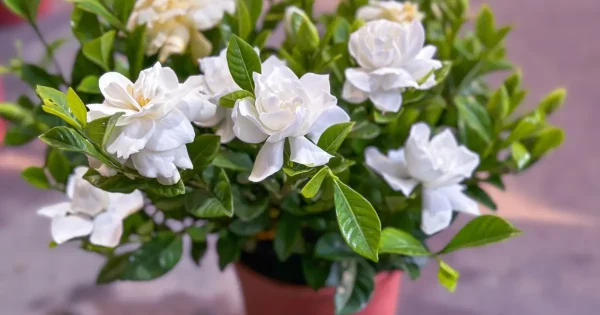
Frostproof Jasmine Care: 7 Tips for Successful Pot Growth
Most gardenias are known for being “divas.” They want perfect humidity, perfect soil, and they [...]
Mar
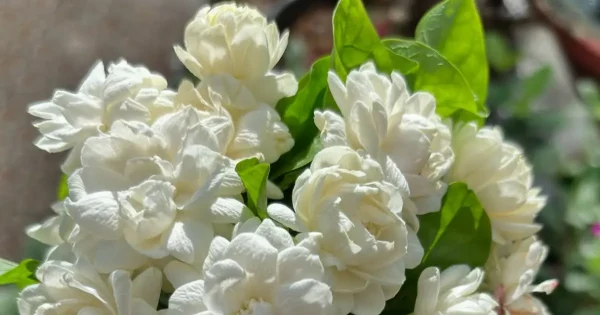
Top 7 Best Smelling Jasmine Varieties for a Heavenly Garden
Have you ever walked past a house and caught a scent so sweet you just [...]
Mar
Master the Heat: 8 Expert Tips for Growing Jalapeños Like a Pro
Are you staring at your garden space, wondering why your pepper plants look more like [...]
Mar
Top 5 Must-Have Hoya Varieties for Beginners
Hoyas are easily one of my top recommendations if you’re hunting for a low-maintenance houseplant [...]
Mar
7 Moringa Plant Care Mistakes to Avoid for Healthy Growth
Have you ever looked at your Moringa tree and wondered why its once vibrant green [...]
Feb
How to Grow Potato Onions From True Seeds: A Step-by-Step Guide
Have you ever wondered how to grow potato onions from true seeds or why some [...]
Feb
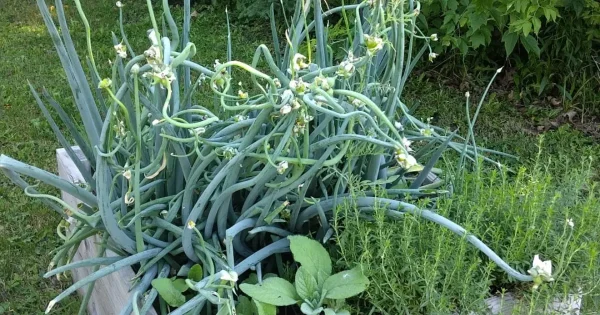
Growing Walking Onions in Containers: The Ultimate Guide
Have you ever looked at your small balcony or cramped patio and wished you could [...]
Feb

9 Best Flower Seeds to Start in February for Early Blooms
If you’re a passionate gardener, you know that itchy feeling in your fingers when February [...]
Jan
Reviews
There are no reviews yet.