
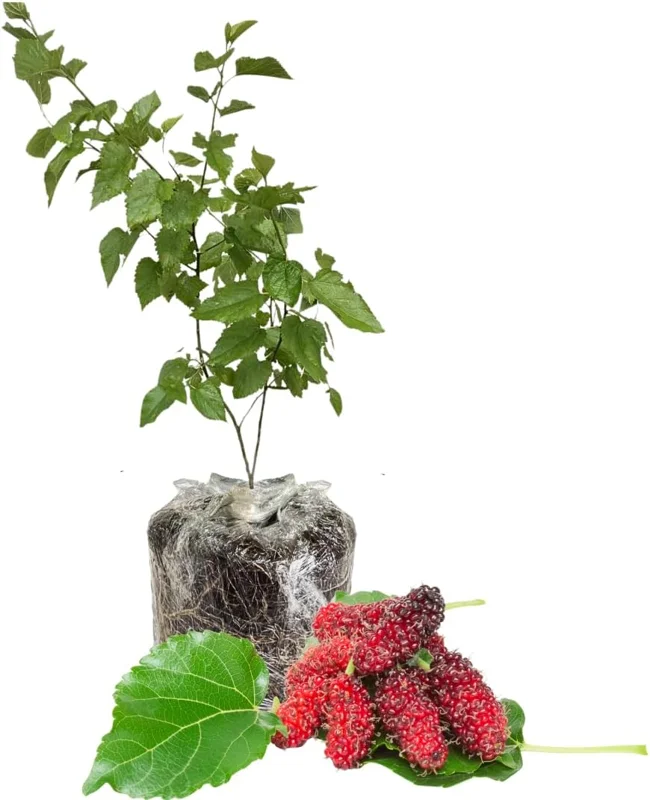
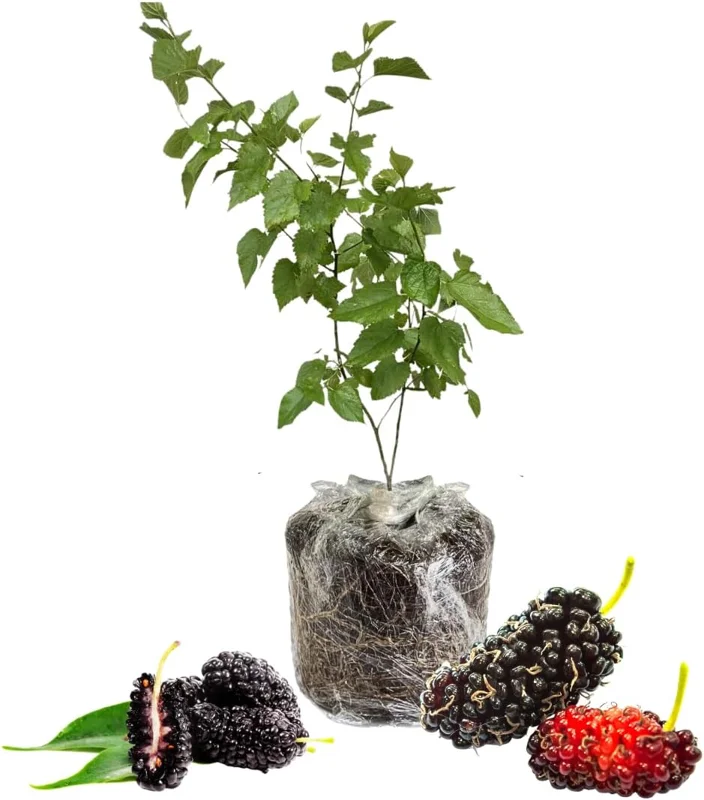
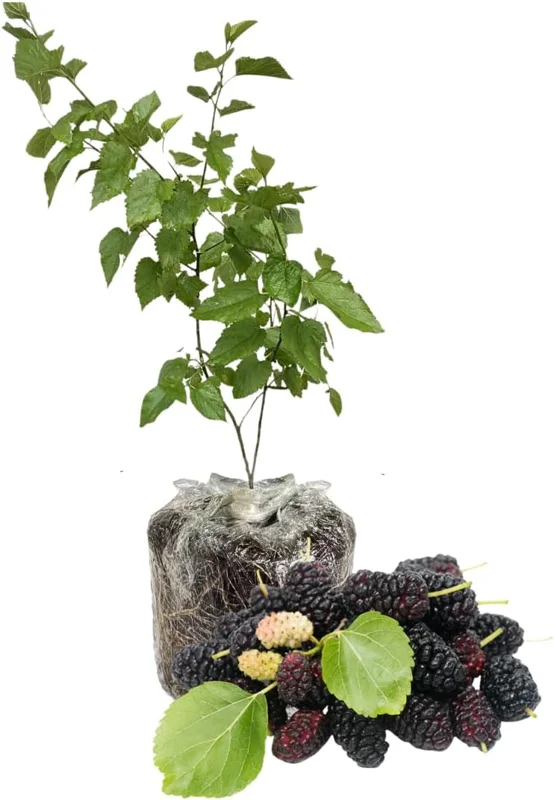
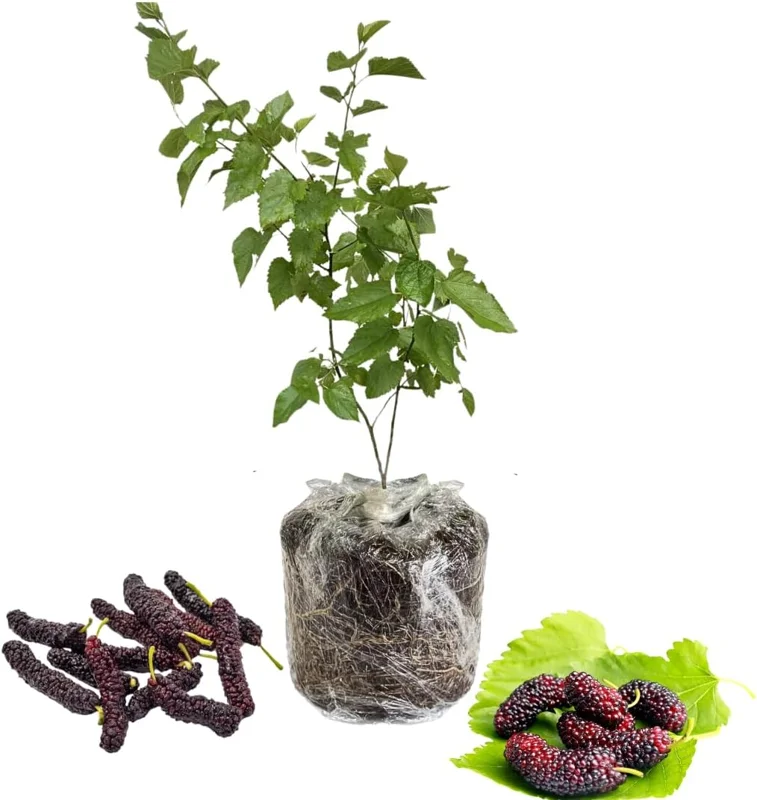
Dwarf Mulberry Live Plant for Planting – Sweet Fruit Tree Seedling 5 to 8 Inch Tall
Price range: $39.58 through $50.38
Cultivate your own delicious fruit with this dwarf mulberry live plant. Standing 5 to 8 inches tall, this seedling is perfect for planting in gardens or containers, offering sweet mulberries. Enjoy fresh fruit directly from your yard with this easy-to-grow sweet mulberry fruit tree.
Shipping and Return policies:
We stand behind our plants with our Alive & Thrive Guarantee. If you experience any issues within the first 30 days, please email us, and our team will be happy to help. When needed, we’ll send you a one-time replacement free of charge to make sure your garden keeps growing strong.

Reasonable Price
We offer reasonable price

Support 24/7
Contact us 24 hrs a day
100% Money Back
You’ve 30 days to Return
Payment Secure
100% secure payment
Overview
Experience the joy of growing your own delicious fruit with our dwarf mulberry live plant. This vibrant seedling, typically 5 to 8 inches tall, provides an excellent opportunity to cultivate fresh, sweet mulberries right in your backyard or even in a container on your patio. Known for their rapid growth and abundant fruit production, dwarf mulberries are an ideal choice for both seasoned gardeners and beginners. Imagine harvesting succulent berries straight from your very own sweet mulberry fruit tree, perfect for snacking, baking, or making jams. This live plant is ready for planting and will quickly establish itself, bringing beauty and bounty to your outdoor space. It’s a wonderful addition for anyone looking to add an edible landscape feature.
The dwarf mulberry live plant is a resilient deciduous tree or shrub that provides both ornamental value and a bountiful harvest. Unlike their larger relatives, dwarf varieties are well-suited for smaller gardens or container cultivation, making fresh mulberries accessible to more people. These plants are celebrated for their ease of care and adaptability, thriving in various conditions once established. Each mulberry seedling is carefully nurtured to ensure it arrives healthy and ready to flourish in its new home, promising years of delightful fruit production.
Key Benefits
Adding a dwarf mulberry live plant to your garden offers numerous advantages, from fresh fruit to ecological benefits. This versatile plant is a fantastic choice for those seeking both an aesthetically pleasing and productive addition to their landscape.
- Fresh, Delicious Fruit: Enjoy an abundance of sweet, juicy mulberries directly from your own tree. These berries are perfect for eating fresh, making pies, jams, or smoothies, offering a taste experience far superior to store-bought varieties.
- Compact Growth Habit: The dwarf nature of this sweet mulberry fruit tree makes it ideal for small gardens, patios, or container growing. It allows you to grow fruit even with limited space, bringing the orchard experience to urban environments.
- Easy to Grow & Low Maintenance: Mulberries are known for their hardiness and resilience. Once established, they require minimal care, making them suitable for gardeners of all experience levels. This robust mulberry seedling thrives with basic attention.
- Attracts Wildlife: Mulberry trees are a magnet for local birds and other wildlife, providing a natural food source and enhancing biodiversity in your garden. Watching nature interact with your tree adds another layer of enjoyment.
- Ornamental Value: Beyond its fruit, the mulberry plant offers attractive foliage and a pleasing form, adding visual interest to your garden throughout the growing season. Its deciduous nature also provides seasonal change.
- Adaptable to Various Climates: These plants thrive in USDA hardiness zones 5 to 9, demonstrating a wide range of climatic adaptability, ensuring success in many regions across the US.
- Long-Lived Production: With proper care, your dwarf mulberry tree can produce fruit for many years, offering a sustainable source of fresh berries season after season. This makes growing mulberries a rewarding long-term endeavor.
Plant Care & Growing Tips
Caring for your dwarf mulberry live plant is relatively straightforward, ensuring a bountiful harvest of sweet fruit. Mulberries prefer full sun exposure, meaning at least 6-8 hours of direct sunlight per day is ideal for optimal growth and fruit production. While they can tolerate partial shade, full sun will yield the best results for your sweet mulberry fruit tree. Plant your seedling in well-draining soil to prevent root rot, as mulberries do not like to sit in soggy conditions. A good quality garden soil amended with compost will provide the necessary nutrients and drainage.
When it comes to watering, mulberries have moderate moisture needs. Water regularly, especially during dry spells and when the plant is young, to help establish a strong root system. Once mature, they are somewhat drought-tolerant but will benefit from consistent moisture during fruiting periods. Fertilize in early spring with a balanced, slow-release fertilizer to support vigorous growth and fruit development. Pruning should be done in late winter or early spring while the tree is dormant to maintain shape, remove dead or crossing branches, and encourage better air circulation and fruit production. Understanding mulberry plant care ensures a healthy, productive tree.
Protect your young mulberry seedling from extreme temperatures, especially frost, until it is well-established. Mulberries are generally resistant to most pests and diseases, but occasional checks for common garden issues are always recommended. Ensure good air circulation around the plant to deter fungal problems. With these basic care practices, your dwarf mulberry live plant will thrive and provide you with delicious fruit for years to come. For optimal results when growing mulberries, consider local climate conditions and adjust watering and feeding schedules accordingly.
Size & Details
This offering is for one dwarf mulberry live plant, typically ranging from 5 to 8 inches in height upon arrival. Each mulberry seedling is carefully cultivated and shipped in a nursery pot, ensuring it is healthy and ready for immediate planting. The plant is a young, developing specimen, ready to establish quickly in your garden or container. Dwarf mulberries are known for their manageable size, making them excellent choices for smaller spaces while still producing a generous yield of fruit. While mature size can vary based on growing conditions and pruning, these trees generally remain compact, often reaching heights of 6 to 10 feet if left unpruned, and can be maintained at smaller sizes through regular trimming.
The growth habit of this sweet mulberry fruit tree is deciduous, meaning it will shed its leaves in the fall and regrow them in the spring. Fruit production typically begins within 1-2 years of planting, with increasing yields as the plant matures. It thrives in USDA hardiness zones 5 to 9, making it suitable for a wide range of climates across the United States. Ensure adequate space for its root system, even if growing in a container, to support healthy development and fruit production. This plant arrives ready to be transplanted and begin its journey to becoming a productive fruit-bearing tree.
Frequently Asked Questions
- Q: How big does this dwarf mulberry live plant get? A: This dwarf mulberry live plant typically arrives 5 to 8 inches tall. When mature, dwarf mulberries can reach heights of 6 to 10 feet, but they are easily kept smaller with regular pruning, making them perfect for containers or small garden spaces.
- Q: Is this an indoor or outdoor plant? A: The dwarf mulberry live plant is primarily an outdoor plant that thrives in full sun. While it can be started indoors in certain conditions, it needs significant light and space to produce fruit and is best suited for planting directly in the ground or a large container outdoors.
- Q: How much sunlight does this sweet mulberry fruit tree need? A: This sweet mulberry fruit tree requires full sun exposure, meaning at least 6-8 hours of direct sunlight per day for optimal growth and fruit production. More sun generally leads to more abundant and sweeter berries.
- Q: Is this plant easy to care for? A: Yes, mulberries are known for being relatively low-maintenance and easy to care for, making them a great choice for beginners. Basic mulberry plant care includes well-draining soil, regular watering, and occasional fertilization.
- Q: What condition will the mulberry seedling arrive in? A: Your mulberry seedling will arrive as a healthy, live plant, typically in a nursery pot, ranging from 5 to 8 inches tall, ready for planting. We take great care in packaging to ensure it reaches you in excellent condition.
- Q: How long until it produces fruit? A: Dwarf mulberry plants can begin producing fruit within 1-2 years after planting, with fruit production increasing significantly as the tree matures. Consistent care and suitable growing conditions will encourage earlier fruiting.
- Q: What is the best time for growing mulberries? A: The best time for growing mulberries and planting your seedling is typically in spring after the last frost, or in early fall before the ground freezes. This allows the plant to establish its root system before extreme weather.
- Q: What USDA Hardiness Zones are suitable for this plant? A: This dwarf mulberry plant thrives in USDA Hardiness Zones 5 to 9. It is important to check your local zone to ensure the plant will survive and flourish in your climate.
- Q: Is this mulberry plant drought-tolerant? A: Once established, dwarf mulberry live plants show some drought tolerance. However, for best fruit production and overall plant health, consistent moisture is recommended, especially during dry periods and when the plant is actively fruiting.
- Q: Can I grow this mulberry seedling in a container? A: Yes, due to its dwarf nature, this mulberry seedling is an excellent candidate for container growing. Choose a large pot with good drainage and provide proper water and nutrients to ensure healthy growth and fruit yield.
| Style | Dwarf Mulberry, Illinois Everbearing Mulberry, Pakistan Mulberry, Red Mulberry |
|---|
Be the first to review “Dwarf Mulberry Live Plant for Planting – Sweet Fruit Tree Seedling 5 to 8 Inch Tall”
You must be logged in to post a review.
People also Viewed
Sold 50 products
Original price was: $17.58.$11.86Current price is: $11.86.
Sold 50 products
Price range: $32.99 through $35.99
Sold 50 products
$69.99
Sold 50 products
$18.99
Sold 50 products
Price range: $14.98 through $23.89
Sold 50 products
$32.99
Sold 50 products
$24.99
Sold 50 products
Price range: $43.99 through $44.99RELATED posts
Top 7 Best Smelling Jasmine Varieties for a Heavenly Garden
Have you ever walked past a house and caught a scent so sweet you just [...]
Mar
Master the Heat: 8 Expert Tips for Growing Jalapeños Like a Pro
Are you staring at your garden space, wondering why your pepper plants look more like [...]
Mar
Top 5 Must-Have Hoya Varieties for Beginners
Hoyas are easily one of my top recommendations if you’re hunting for a low-maintenance houseplant [...]
Mar
7 Moringa Plant Care Mistakes to Avoid for Healthy Growth
Have you ever looked at your Moringa tree and wondered why its once vibrant green [...]
Feb
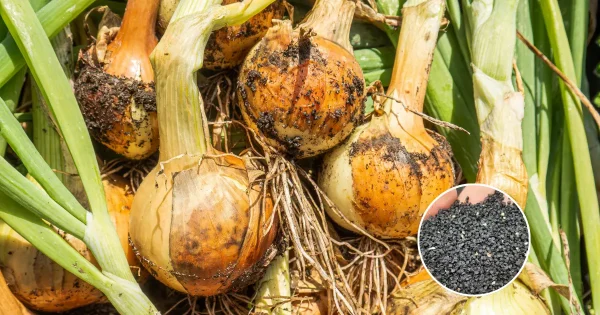
How to Grow Potato Onions From True Seeds: A Step-by-Step Guide
Have you ever wondered how to grow potato onions from true seeds or why some [...]
Feb
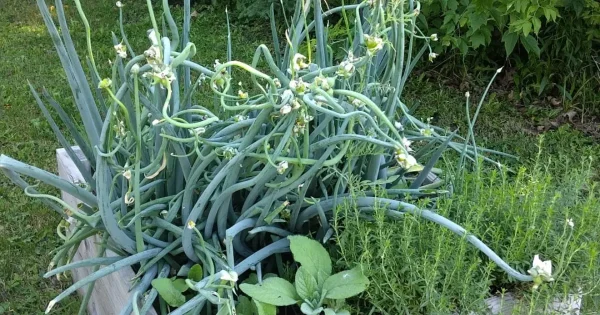
Growing Walking Onions in Containers: The Ultimate Guide
Have you ever looked at your small balcony or cramped patio and wished you could [...]
Feb

9 Best Flower Seeds to Start in February for Early Blooms
If you’re a passionate gardener, you know that itchy feeling in your fingers when February [...]
Jan
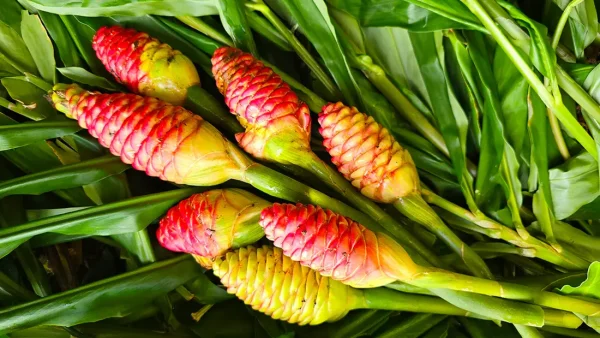
Growing Shampoo Ginger in Pots: Easy Guide to Potting Ginger Lilies
Are you looking to add a touch of exotic beauty to your home while growing [...]
Jan
Reviews
There are no reviews yet.