
Dwarf Coconut Tree Live Plant – 2-3 Ft Tall Tropical Fruit Tree – Indoor/Outdoor
$79.99
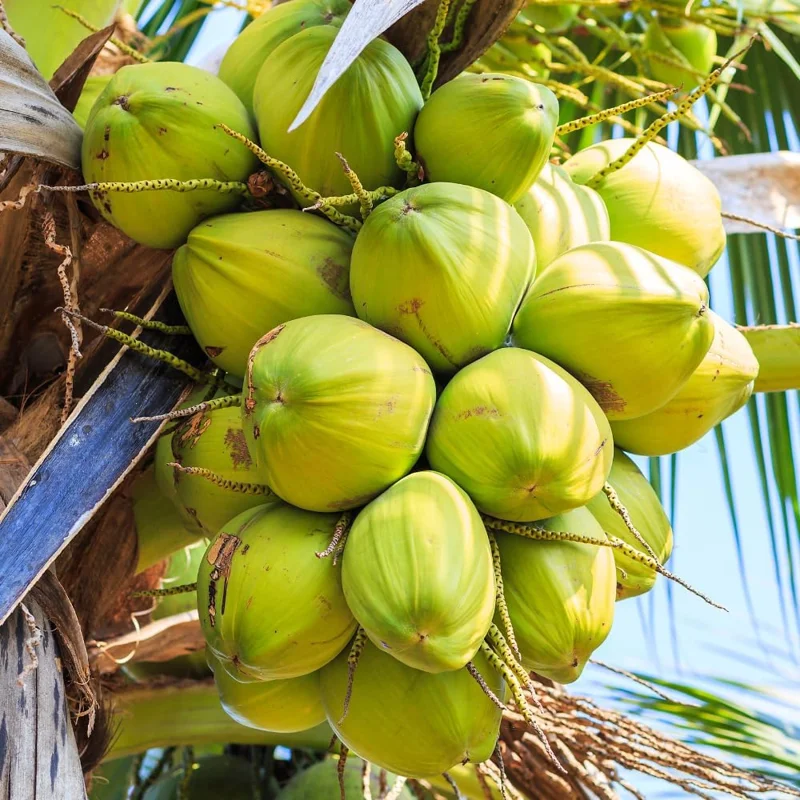
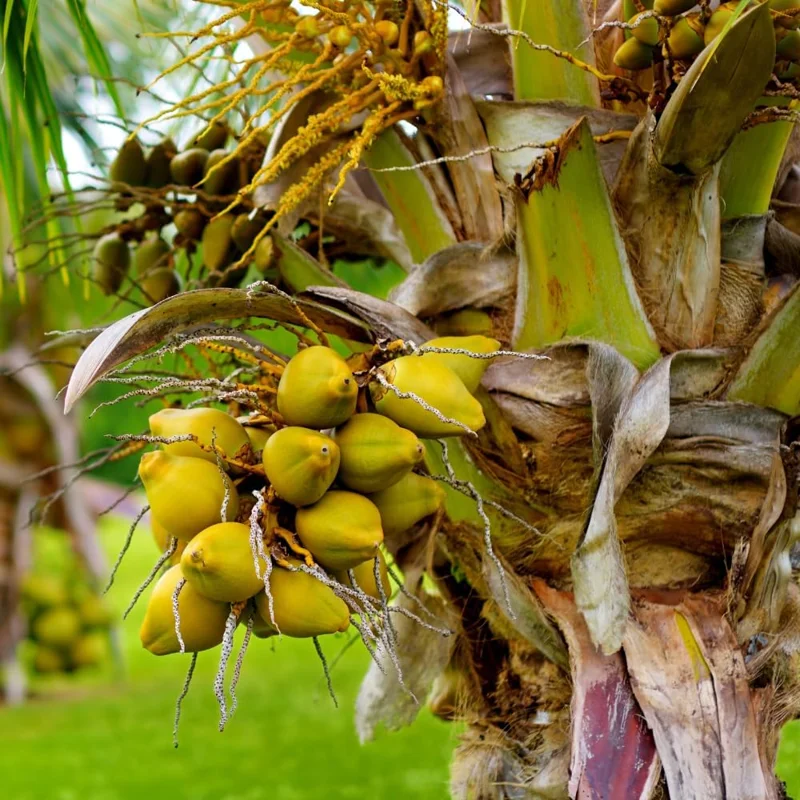
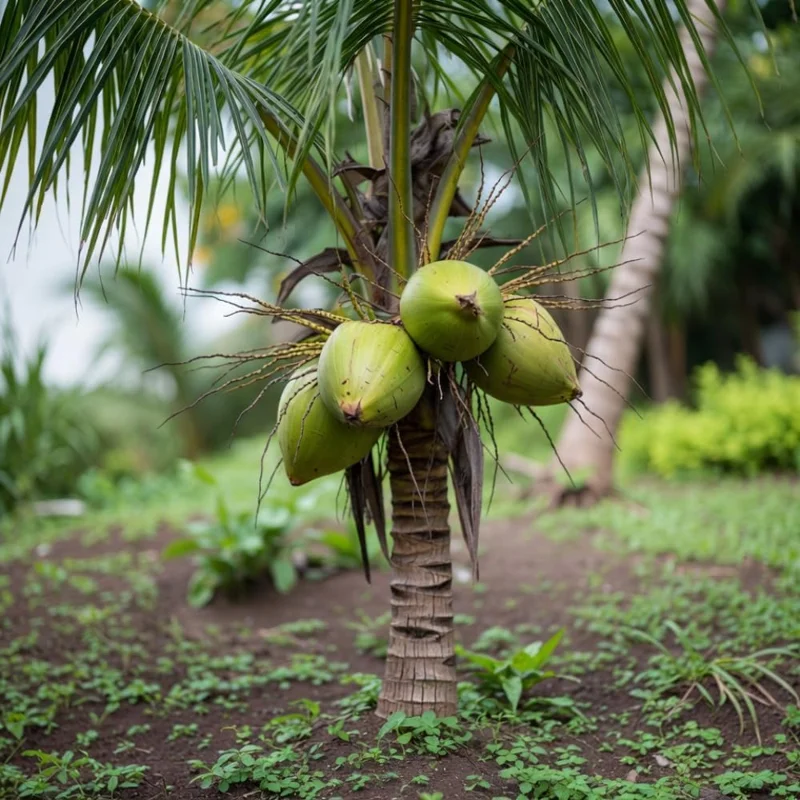
Cultivate your own piece of paradise with this dwarf coconut tree live plant. Standing 2-3 feet tall and well-rooted, it’s ideal for bringing a tropical touch to any indoor or outdoor space. This versatile tropical fruit plant promises lush foliage and the potential for delicious green and yellow coconuts.
Shipping and Return policies:
We stand behind our plants with our Alive & Thrive Guarantee. If you experience any issues within the first 30 days, please email us, and our team will be happy to help. When needed, we’ll send you a one-time replacement free of charge to make sure your garden keeps growing strong.

Reasonable Price
We offer reasonable price

Support 24/7
Contact us 24 hrs a day
100% Money Back
You’ve 30 days to Return
Payment Secure
100% secure payment
Overview
Experience the allure of a tropical paradise with your very own dwarf coconut tree live plant. This exquisite specimen, well-rooted and standing between 2 to 3 feet tall, is perfect for cultivating a lush, exotic atmosphere whether indoors or out. Unlike its towering cousins, this dwarf variety is more manageable, making it an excellent choice for home gardeners looking to grow their own tropical fruits. Known for its elegant fronds and the promise of delicious coconuts, this tropical fruit plant brings both aesthetic beauty and potential bounty to your space. Imagine harvesting fresh, green and yellow coconuts right from your patio or sunroom. This specific variety is celebrated for its manageable size and consistent fruit production, offering a unique gardening experience for enthusiasts and those seeking an exotic touch. For those interested in growing their own tropical produce, a coconut palm tree is an ideal choice.
A dwarf coconut tree live plant is not just a decorative item; it’s a living, breathing piece of the tropics that can provide fresh, healthy fruit. These trees are known for their resilience and ability to adapt to various environments, provided their basic needs for sunlight and water are met. The vibrant green and yellow coconuts add a splash of color to any setting, while the swaying fronds create a relaxing, resort-like ambiance. Whether you’re an experienced gardener or just starting, growing a coconut palm tree can be a rewarding and enjoyable endeavor, offering a connection to nature and a source of delicious, homegrown produce. This plant is a fantastic indoor outdoor coconut tree option for many climates.
Key Benefits
Cultivating a dwarf coconut tree live plant offers numerous advantages, transforming your living space and providing a unique gardening experience. From its aesthetic appeal to the potential for fresh fruit, this plant is a fantastic addition to any home or garden.
- Exotic Aesthetic Appeal: The elegant, arching fronds and compact size of this dwarf coconut tree live plant bring an instant tropical vibe to any indoor or outdoor area, creating a serene and inviting atmosphere. It truly embodies the spirit of a tropical fruit plant.
- Potential for Fresh Fruit: Enjoy the unique satisfaction of growing and harvesting your own green and yellow coconuts, providing a fresh and healthy treat directly from your garden or home. This is a true tropical fruit plant experience.
- Adaptable for Indoor/Outdoor Use: This versatile plant thrives as an indoor outdoor coconut tree, allowing you to enjoy its beauty and bounty whether you have a spacious garden, a sunny patio, or a bright indoor spot.
- Low Maintenance: Despite its exotic nature, the dwarf coconut tree is surprisingly low maintenance, requiring consistent care but not constant attention, making it suitable for busy gardeners.
- Long-Lived Beauty: With proper care, your coconut palm tree can flourish for many years, providing a long-term source of beauty and delicious fruit, becoming a cherished part of your landscape.
- Unique Conversation Starter: Owning a productive coconut tree is a rare and intriguing feature that is sure to captivate guests and spark conversations about its origins and care.
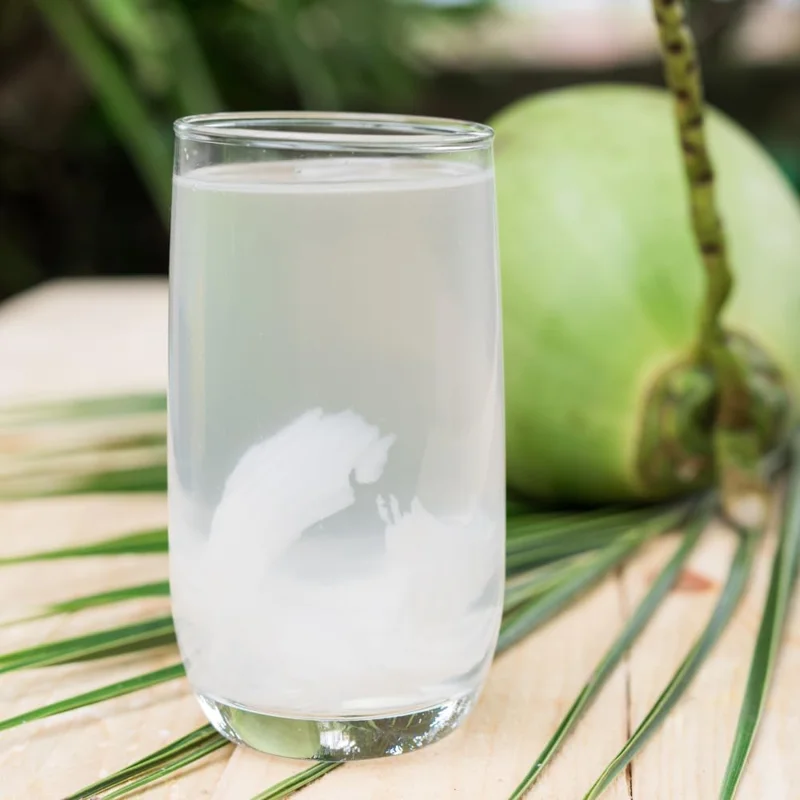
- Health Benefits: Fresh coconuts offer a wealth of nutrients, including electrolytes and healthy fats, contributing to a healthy lifestyle directly from your backyard.
Plant Care & Growing Tips
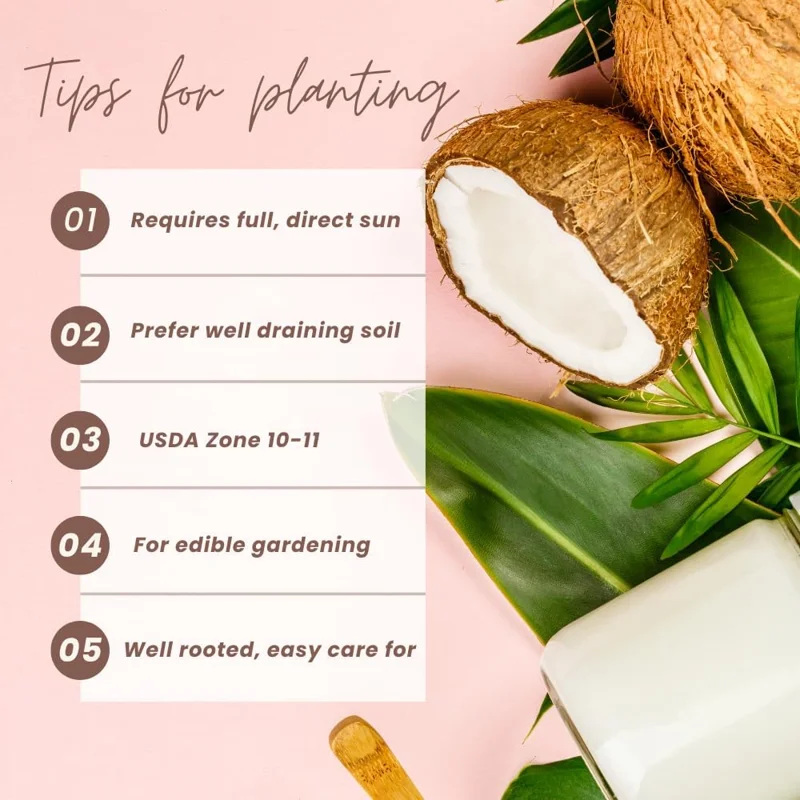
Caring for your dwarf coconut tree live plant involves understanding its tropical origins and providing an environment that mimics its natural habitat. Sunlight is paramount; this tree requires full, direct sun exposure for at least 6-8 hours daily to thrive and produce fruit. If growing indoors, place it near a south-facing window or supplement with a grow light to ensure it receives adequate light. Rotate the plant periodically to ensure even growth. The ideal temperature range for a tropical fruit plant like the coconut tree is between 70-90°F (21-32°C), and it should be protected from temperatures below 60°F (15°C).
Watering is crucial for a healthy coconut palm tree. The soil should be kept consistently moist but never waterlogged. Allow the top inch or two of soil to dry out slightly between waterings. Overwatering can lead to root rot, while underwatering can cause stress and hinder growth. Well-draining soil is essential; a sandy loam mix is ideal. Ensure your pot has drainage holes if growing indoors. Fertilize every 2-3 months during the growing season (spring and summer) with a balanced, slow-release fertilizer or one specifically formulated for palms, rich in potassium and magnesium. Monitor for common pests like spider mites or mealybugs, and treat promptly with organic insecticidal soap if detected. This attention to detail will ensure your green yellow coconut plant remains vibrant and productive.
For outdoor planting, ensure your climate falls within USDA Hardiness Zones 10-11. In these zones, the tree can typically tolerate year-round outdoor conditions. In cooler climates, it’s best grown in a container that can be moved indoors during colder months, treating it as an indoor outdoor coconut tree. Pruning is generally minimal, focusing on removing any dead or yellowing fronds to maintain its aesthetic and health. Providing consistent care will lead to a robust and fruitful dwarf coconut tree that will be a highlight of your garden or home.
Size & Details
This dwarf coconut tree live plant arrives well-rooted and measures between 2 to 3 feet tall, providing a significant head start for your tropical gardening project. While it is a dwarf variety, it still possesses the potential to grow quite large over time, reaching an expected mature height of approximately 30 feet in ideal conditions. In its natural habitat, or with full maturity, it can even exceed 50 feet. It features a tall, slender trunk and produces long, elegant leaves, which are the hallmark of a healthy coconut palm. The plant is shipped as a live, potted specimen, ensuring its health and vitality upon arrival.
The growth rate of a tropical fruit plant like this can vary depending on environmental conditions, but with optimal sunlight, water, and nutrients, it will establish quickly. It will eventually produce large, edible nuts, which typically appear year-round once the tree reaches maturity. The flowers are generally pale yellow or white, clustered beneath the fronds, leading to fruit production. This green yellow coconut plant is a single specimen, ready to be planted in a suitable container or directly into the ground if your climate permits.
Frequently Asked Questions
- Q: How big does this dwarf coconut tree get? A: While it’s a dwarf variety, this dwarf coconut tree live plant can still grow quite tall, reaching an expected mature height of around 30 feet. In optimal conditions, it can grow 50-100 feet or more, producing impressive fronds and coconuts.
- Q: Is this an indoor or outdoor plant? A: This is a versatile indoor outdoor coconut tree. It can be grown outdoors in USDA Zones 10-11 year-round. In cooler climates, it thrives as an indoor plant or can be moved indoors during cold weather.
- Q: How much sunlight does the coconut tree need? A: A coconut palm tree requires full, direct sunlight, ideally 6-8 hours per day. If kept indoors, place it in the brightest available location, such as a south-facing window, or use supplemental grow lights.
- Q: Is this plant easy to care for? A: This tropical fruit plant is considered low maintenance, but it does require consistent care regarding sunlight, watering, and well-draining soil. It’s suitable for gardeners of most experience levels who can meet its basic needs.
- Q: What condition will the plant arrive in? A: Your green yellow coconut plant will arrive well-rooted and in a healthy, live condition, typically in a nursery pot ready for transplanting. We ensure careful packaging to protect it during transit.
- Q: What’s the best soil type for this plant? A: The dwarf coconut tree prefers well-drained soil. A sandy loam mix or a potting mix specifically designed for palms or tropical plants is ideal to prevent waterlogging and promote healthy root growth.
- Q: How often should I water my coconut tree? A: Keep the soil consistently moist but not soggy. Allow the top inch or two of soil to dry out slightly before watering again. Adjust frequency based on temperature, humidity, and pot size.
- Q: When can I expect it to produce fruit? A: Once mature and given optimal growing conditions, your dwarf coconut tree live plant can produce fruit year-round. The exact timeline to maturity can vary based on care and environment.
- Q: What USDA Hardiness Zone is suitable for this tree? A: This tree is suitable for USDA Hardiness Zones 10 and 11. If you live outside these zones, it’s recommended to grow it in a container and bring it indoors during colder months.
- Q: Are the coconuts edible? A: Yes, the coconuts produced by this tropical fruit plant are edible. They are known for their fresh taste and can be harvested once mature, offering both green and yellow varieties.
Be the first to review “Dwarf Coconut Tree Live Plant – 2-3 Ft Tall Tropical Fruit Tree – Indoor/Outdoor”
You must be logged in to post a review.
People also Viewed
Sold 50 products
Original price was: $28.58.$19.99Current price is: $19.99.
Sold 50 products
$32.39
Sold 50 products
$21.59
Sold 50 products
$35.99
Sold 50 products
Price range: $23.15 through $25.19
Sold 50 products
$38.39
Sold 50 products
Price range: $28.79 through $35.99
Sold 50 products
$26.39RELATED posts
Frostproof Jasmine Care: 7 Tips for Successful Pot Growth
Most gardenias are known for being “divas.” They want perfect humidity, perfect soil, and they [...]
Mar
Top 7 Best Smelling Jasmine Varieties for a Heavenly Garden
Have you ever walked past a house and caught a scent so sweet you just [...]
Mar
Master the Heat: 8 Expert Tips for Growing Jalapeños Like a Pro
Are you staring at your garden space, wondering why your pepper plants look more like [...]
Mar
Top 5 Must-Have Hoya Varieties for Beginners
Hoyas are easily one of my top recommendations if you’re hunting for a low-maintenance houseplant [...]
Mar
7 Moringa Plant Care Mistakes to Avoid for Healthy Growth
Have you ever looked at your Moringa tree and wondered why its once vibrant green [...]
Feb
How to Grow Potato Onions From True Seeds: A Step-by-Step Guide
Have you ever wondered how to grow potato onions from true seeds or why some [...]
Feb
Growing Walking Onions in Containers: The Ultimate Guide
Have you ever looked at your small balcony or cramped patio and wished you could [...]
Feb

9 Best Flower Seeds to Start in February for Early Blooms
If you’re a passionate gardener, you know that itchy feeling in your fingers when February [...]
Jan

Reviews
There are no reviews yet.