
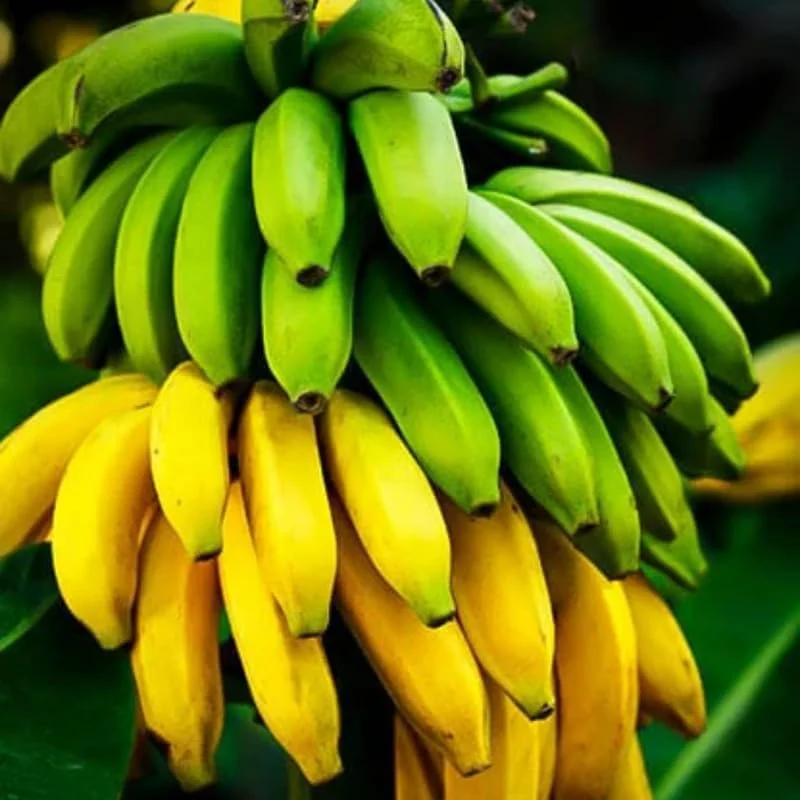
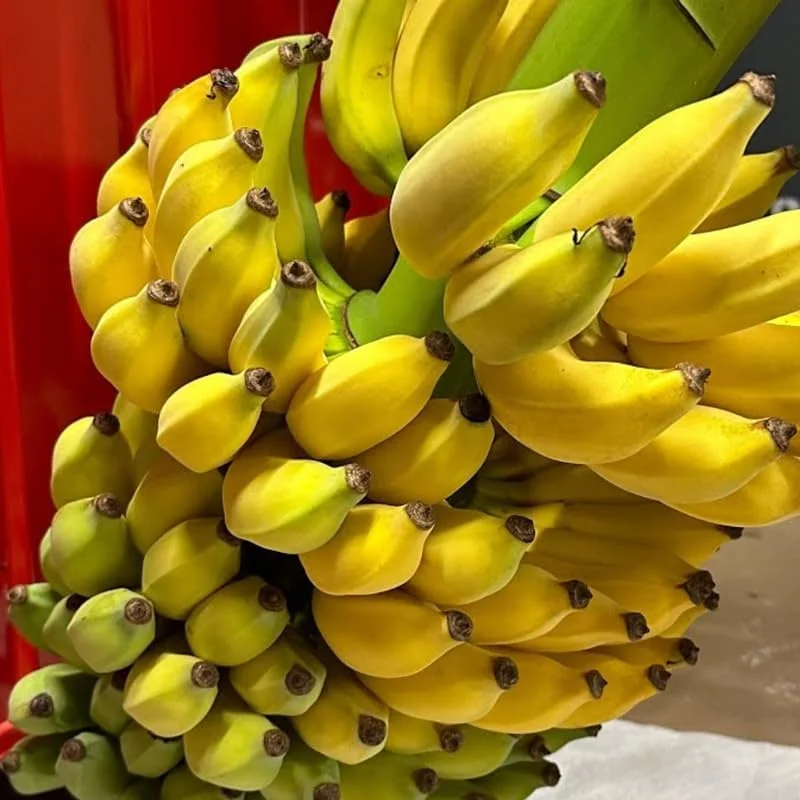
Dwarf Cavendish Banana Live Plant – 4-7″ Tall Cold Hardy Musa Tree
$29.99
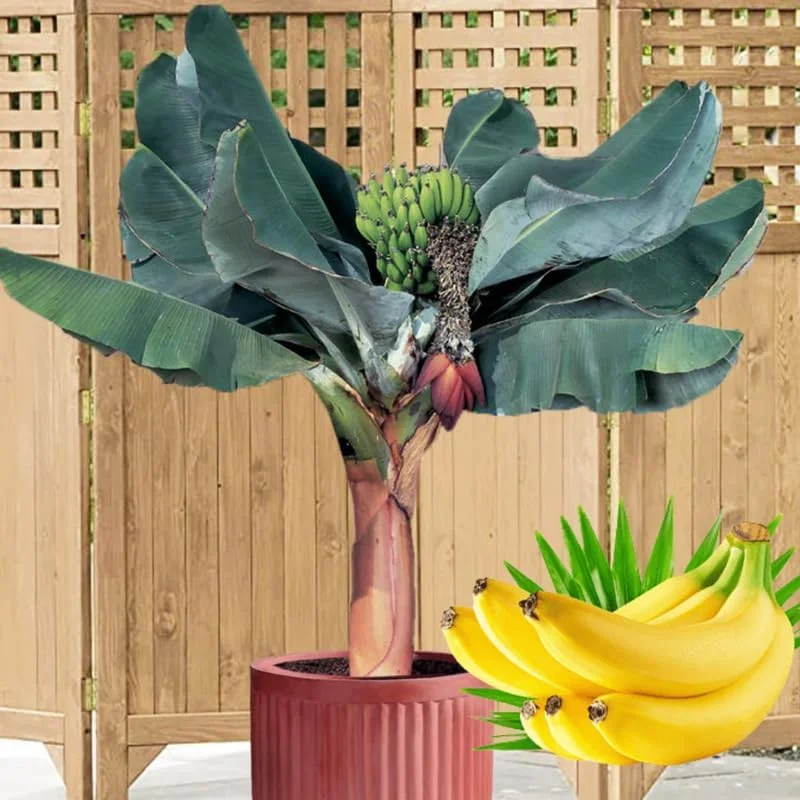
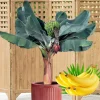
Bring tropical charm to your home with the dwarf cavendish banana plant. This compact, 4-7 inch tall musa banana plant is ideal for small spaces, thriving indoors or outdoors in containers. Enjoy the unique foliage and the promise of homegrown fruit from this easy-to-grow, cold hardy banana tree.
Shipping and Return policies:
We stand behind our plants with our Alive & Thrive Guarantee. If you experience any issues within the first 30 days, please email us, and our team will be happy to help. When needed, we’ll send you a one-time replacement free of charge to make sure your garden keeps growing strong.

Reasonable Price
We offer reasonable price

Support 24/7
Contact us 24 hrs a day
100% Money Back
You’ve 30 days to Return
Payment Secure
100% secure payment
Overview
Introduce a touch of the tropics to your home or garden with the exquisite dwarf cavendish banana plant. This particular offering is for a live plant, typically arriving 4-7 inches tall, ready for planting. Known for its compact size, the dwarf cavendish banana plant (Musa acuminata ‘Dwarf Cavendish’) is a popular choice for enthusiasts who desire to grow their own bananas but have limited space. Unlike its larger relatives, this variety is perfectly suited for container gardening, making it an excellent addition to patios, balconies, or even sunny indoor locations. Its lush, broad leaves provide a striking ornamental appeal, bringing a vibrant, exotic feel to any setting. This resilient plant is cherished not only for its potential to produce sweet, firm bananas, but also for its relatively easy care and adaptability, making it suitable for both novice and experienced gardeners.
The musa banana plant is renowned for its rapid growth and ability to thrive in various conditions, provided its basic needs are met. This specific variety, the Dwarf Cavendish, is a true gem, offering the full banana-growing experience in a more manageable form. It’s an excellent conversation starter and a rewarding plant to cultivate, promising the unique satisfaction of harvesting your own fruit. Whether you’re looking to enhance your indoor jungle or add an exotic flair to your outdoor landscape, this dwarf cavendish banana plant is an exceptional choice that combines beauty with productivity.
Key Benefits
Cultivating a dwarf cavendish banana plant offers a multitude of benefits, from aesthetic enhancement to the potential for fresh, homegrown fruit. This versatile plant brings tropical elegance and a sense of accomplishment to any gardener.
- Compact Size for Any Space: This dwarf banana tree grows to a manageable height, typically 4-6 feet when mature, making it perfect for smaller gardens, patios, or even as an indoor banana plant. Its compact nature ensures it won’t outgrow its space quickly.
- Tropical Aesthetic Appeal: The large, vibrant green leaves of the musa banana plant instantly transform any area into a tropical oasis, adding dramatic texture and a lush, exotic feel to your decor.
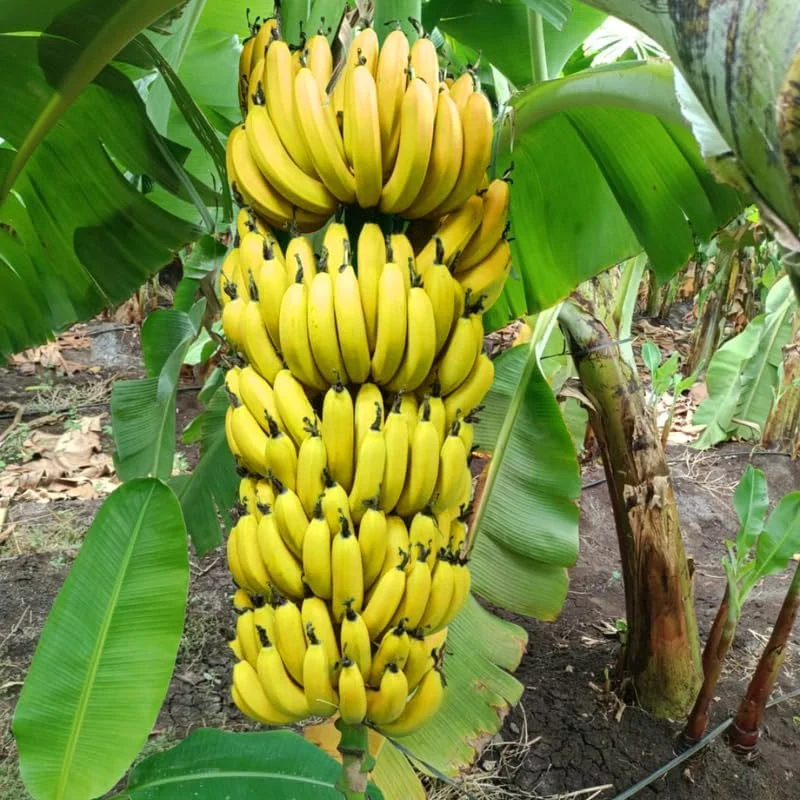
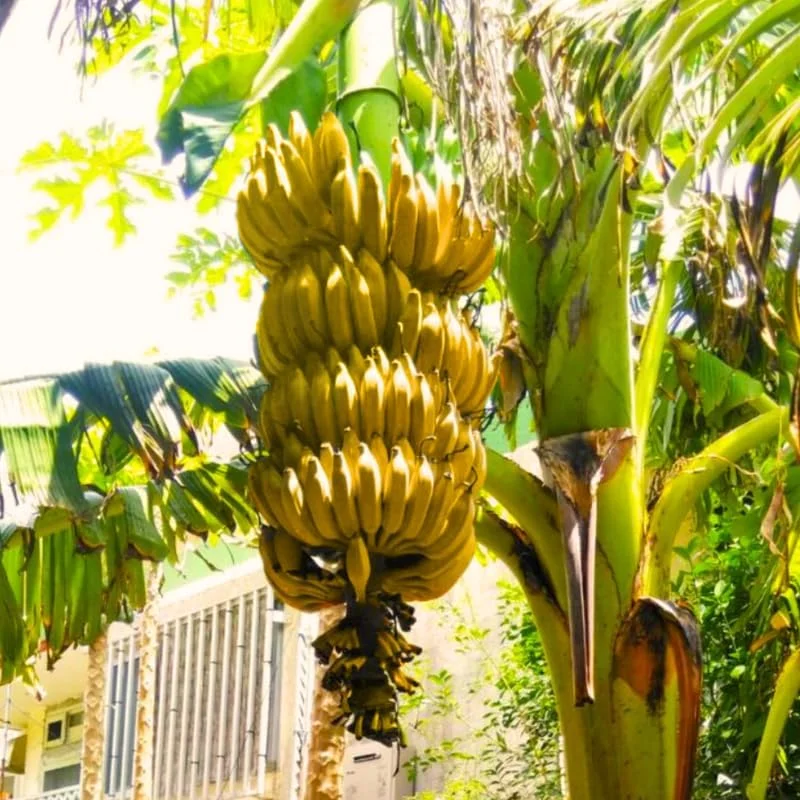
- Potential for Homegrown Bananas: With proper care, this plant can produce delicious, sweet bananas right in your own home or garden. Imagine the satisfaction of harvesting your own fresh fruit!
- Relatively Cold Hardy: While tropical, the Dwarf Cavendish shows a surprising degree of cold hardiness compared to many other banana varieties, allowing it to tolerate cooler temperatures, especially when protected. This makes it a great choice for various climates.
- Beginner-Friendly Growth: Known for being relatively low-maintenance, the dwarf cavendish banana plant is an ideal choice for new gardeners. It thrives with consistent watering and adequate sunlight, rewarding you with steady growth.
- Air Purification Qualities: Like many large-leaved plants, the banana plant contributes to improved indoor air quality by absorbing toxins and releasing oxygen, creating a healthier living environment.
- Versatile Container Gardening: Its ability to flourish in pots means you can easily move your dwarf cavendish banana plant indoors during colder months or reposition it to optimize sunlight exposure.
Plant Care & Growing Tips
Caring for your dwarf cavendish banana plant is a rewarding experience, and with a few key practices, you can ensure it thrives and potentially produces fruit. These plants prefer warm, humid conditions, mimicking their native tropical environment.
Sunlight Requirements: The dwarf cavendish banana plant thrives in full sun, meaning at least 6-8 hours of direct sunlight per day. If growing indoors, place it in your brightest window, ideally a south-facing one. Supplemental grow lights can be beneficial, especially during shorter winter days. For outdoor planting, choose a location that receives ample sunlight but is also sheltered from strong winds, which can tear the large leaves.
Watering Schedule & Soil Moisture: Banana plants are heavy feeders and drinkers. They require consistently moist, but not waterlogged, soil. Water thoroughly when the top inch of soil feels dry to the touch. During hot, dry periods, this might mean daily watering. Reduce watering slightly in cooler months or when the plant is dormant. Ensure excellent drainage to prevent root rot, which is detrimental to your musa banana plant.
Soil Type & Drainage: A rich, well-draining potting mix is essential. A good blend would include compost, perlite, and peat moss to provide nutrients and ensure proper aeration and drainage. For outdoor planting, enrich your garden soil with plenty of organic matter. The pH preference is slightly acidic to neutral, between 6.0 and 7.0.
Temperature Range & USDA Hardiness Zone: While considered somewhat cold hardy banana tree, the Dwarf Cavendish prefers temperatures between 65°F and 80°F (18°C-27°C). It can tolerate brief dips to around 40°F (4°C) if mature, but prolonged cold will damage or kill it. It is generally suitable for USDA Zones 9-11 for outdoor year-round growth. In colder zones, it must be brought indoors for winter or protected heavily. Humidity is also important; consider misting regularly or using a pebble tray for indoor plants.
Fertilization Schedule & Type: Banana plants are heavy feeders. During the growing season (spring through fall), fertilize every 2-4 weeks with a balanced, slow-release fertilizer or a liquid fertilizer high in potassium. Reduce or stop fertilization during winter months. Always follow the manufacturer’s instructions for dosage.
Common Problems & Solutions: Watch out for common pests like spider mites, mealybugs, and aphids, especially on indoor banana plant specimens. Treat with insecticidal soap or neem oil. Yellowing leaves can indicate overwatering or nutrient deficiency. Brown, crispy leaf edges often point to underwatering or low humidity. Ensure consistent care to keep your dwarf cavendish banana plant healthy.
Size & Details
This offering is for a young dwarf cavendish banana plant, typically measuring 4-7 inches in height upon arrival. These live plants are shipped without a pot, often as a bare root or with minimal soil around the root ball, ensuring safe transit and readiness for immediate planting in your chosen container or garden bed. The Dwarf Cavendish variety is known for its relatively fast growth rate under optimal conditions, quickly developing into a substantial plant.
When mature, a dwarf banana tree of this variety usually reaches an average height of 4 to 6 feet, making it a perfect candidate for container cultivation and smaller spaces. The broad, paddle-shaped leaves can grow quite large, contributing to its lush, tropical appearance. While the time to fruit can vary based on growing conditions and climate, a healthy, well-cared-for musa banana plant can start producing fruit within 12-24 months. The plant will establish its root system and develop its pseudostem before initiating flowering and fruiting cycles.
Frequently Asked Questions
- Q: How big does this plant get? A: This dwarf cavendish banana plant usually arrives 4-7 inches tall. When mature, it typically grows to 4-6 feet tall, making it a compact choice for both indoor and outdoor container growing.
- Q: Is this an indoor or outdoor plant? A: The dwarf cavendish banana plant is versatile. It can be grown as an indoor banana plant in a sunny location or outdoors in warmer climates (USDA Zones 9-11). In colder regions, it should be brought indoors during winter.
- Q: How much sunlight does it need? A: This musa banana plant thrives in full sun, requiring at least 6-8 hours of direct sunlight daily. If growing indoors, place it in your brightest window, preferably south-facing.
- Q: Is this plant easy to care for? A: Yes, the dwarf cavendish banana plant is considered relatively easy to care for, making it suitable for beginners. It primarily needs consistent watering, ample sunlight, and regular fertilization during the growing season.
- Q: What condition will it arrive in? A: Your dwarf cavendish banana plant will arrive as a live plant, typically 4-7 inches tall, without a pot. It will be carefully packaged to ensure its health during transit, ready for you to plant.
- Q: How long until it blooms or fruits? A: With proper care and optimal growing conditions, a healthy dwarf cavendish banana plant can start to bloom and produce fruit within 12-24 months after planting. Fruiting time can vary based on environment.
- Q: Is this a cold hardy banana tree? A: The Dwarf Cavendish variety shows better cold tolerance than many other banana plants, making it a relatively cold hardy banana tree. It can withstand brief temperature dips but should be protected from prolonged frost, especially in zones below USDA 9.
- Q: What’s the best soil for a dwarf cavendish banana plant? A: A rich, well-draining potting mix is ideal. Look for a mix that includes organic matter like compost, along with perlite or sand to ensure good drainage and aeration for your dwarf banana tree.
- Q: Can I grow this plant in a small apartment? A: Absolutely! Its compact size and suitability for container growing make the dwarf cavendish banana plant an excellent choice for small apartments or homes that lack large garden space, provided it receives enough light.
- Q: How often should I fertilize my banana plant? A: During the active growing season (spring to fall), fertilize your dwarf cavendish banana plant every 2-4 weeks with a balanced, high-potassium fertilizer. Reduce or stop fertilizing during winter dormancy.
Be the first to review “Dwarf Cavendish Banana Live Plant – 4-7″ Tall Cold Hardy Musa Tree”
You must be logged in to post a review.
People also Viewed
Sold 50 products
Original price was: $17.58.$11.86Current price is: $11.86.
Sold 50 products
Price range: $32.99 through $35.99
Sold 50 products
$69.99
Sold 50 products
$18.99
Sold 50 products
Price range: $14.98 through $23.89
Sold 50 products
$32.99
Sold 50 products
$24.99
Sold 50 products
Price range: $43.99 through $44.99RELATED posts
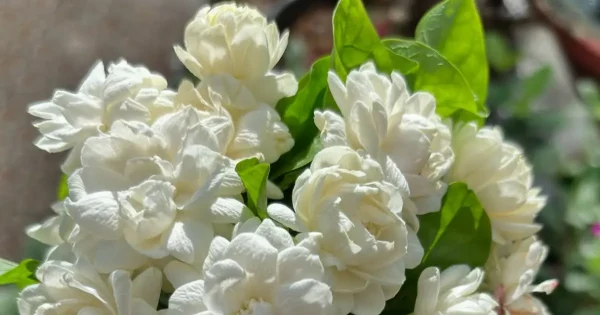
Top 7 Best Smelling Jasmine Varieties for a Heavenly Garden
Have you ever walked past a house and caught a scent so sweet you just [...]
Mar
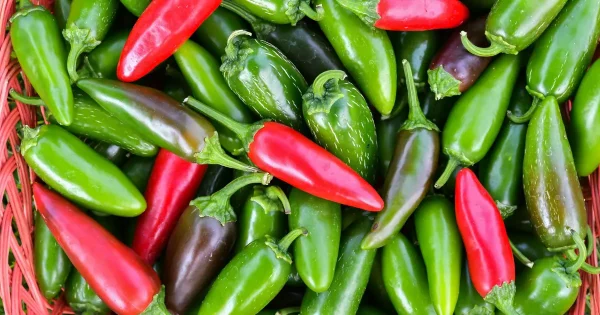
Master the Heat: 8 Expert Tips for Growing Jalapeños Like a Pro
Are you staring at your garden space, wondering why your pepper plants look more like [...]
Mar
Top 5 Must-Have Hoya Varieties for Beginners
Hoyas are easily one of my top recommendations if you’re hunting for a low-maintenance houseplant [...]
Mar
7 Moringa Plant Care Mistakes to Avoid for Healthy Growth
Have you ever looked at your Moringa tree and wondered why its once vibrant green [...]
Feb
How to Grow Potato Onions From True Seeds: A Step-by-Step Guide
Have you ever wondered how to grow potato onions from true seeds or why some [...]
Feb
Growing Walking Onions in Containers: The Ultimate Guide
Have you ever looked at your small balcony or cramped patio and wished you could [...]
Feb
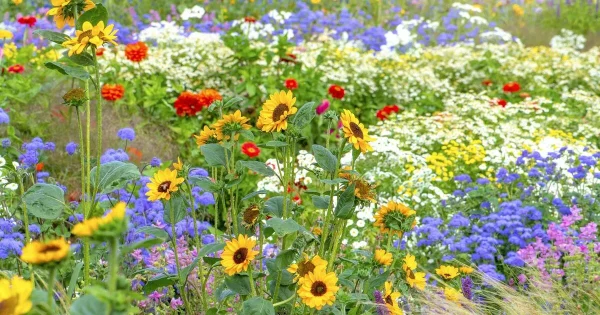
9 Best Flower Seeds to Start in February for Early Blooms
If you’re a passionate gardener, you know that itchy feeling in your fingers when February [...]
Jan
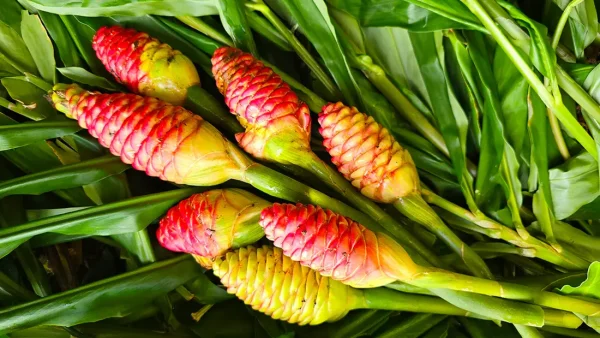
Growing Shampoo Ginger in Pots: Easy Guide to Potting Ginger Lilies
Are you looking to add a touch of exotic beauty to your home while growing [...]
Jan
Reviews
There are no reviews yet.