
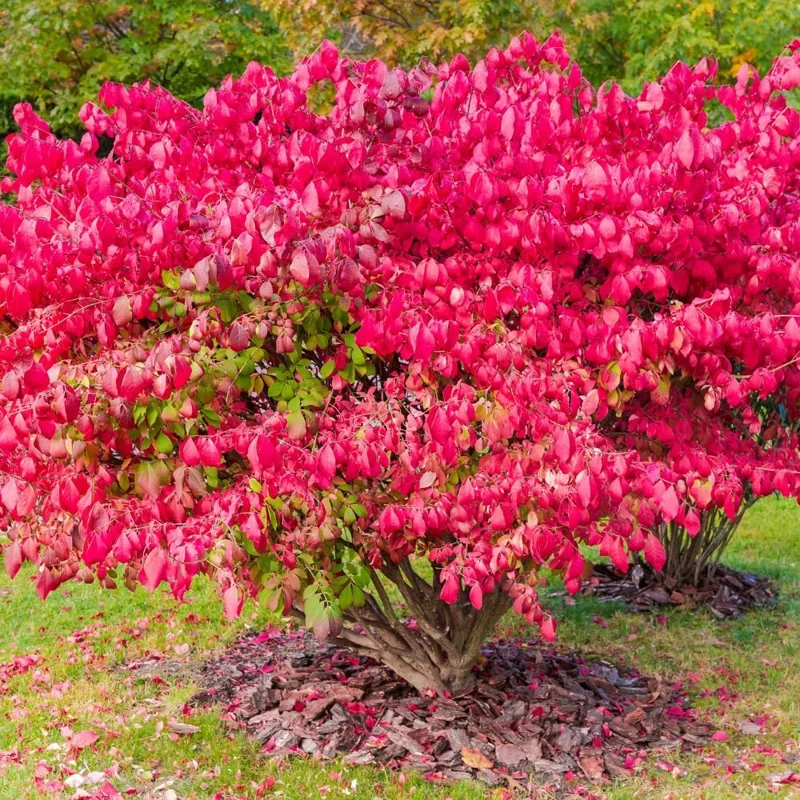
Dwarf Burning Bush Live Plant Quart Pot – Red Fall Shrub, Outdoor Planting
Original price was: $57.90.$52.11Current price is: $52.11.
Add a pop of brilliant red to your garden with this dwarf burning bush live plant. This compact, hardy shrub is ideal for hedges, borders, or as a striking specimen plant. Enjoy vibrant fall foliage and easy care for a stunning landscape.
Shipping and Return policies:
We stand behind our plants with our Alive & Thrive Guarantee. If you experience any issues within the first 30 days, please email us, and our team will be happy to help. When needed, we’ll send you a one-time replacement free of charge to make sure your garden keeps growing strong.

Reasonable Price
We offer reasonable price

Support 24/7
Contact us 24 hrs a day
100% Money Back
You’ve 30 days to Return
Payment Secure
100% secure payment
Overview
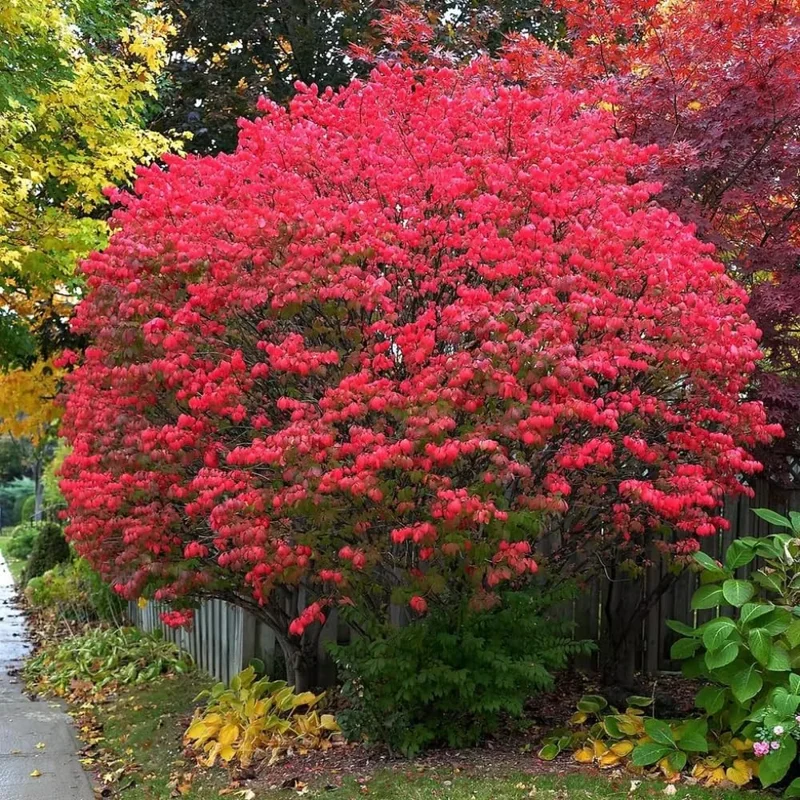
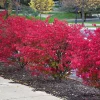
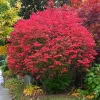
Transform your garden with the captivating beauty of the dwarf burning bush live plant. This exceptional shrub, scientifically known as Euonymus alatus ‘Compactus’, is celebrated for its truly spectacular, fiery red fall foliage that creates a breathtaking display. Perfect for adding a dramatic splash of color to any landscape, the burning bush shrub is a versatile and resilient choice for gardeners seeking both visual impact and ease of care. Arriving in a quart pot, this young plant is ready to be transplanted and establish itself, providing years of vibrant seasonal interest. Its dense, mounded growth habit makes it an excellent candidate for various garden applications, from formal hedges to informal mass plantings or as a striking specimen plant. Experience the joy of watching your garden come alive with the intense hues of this remarkable plant each autumn.
The dwarf burning bush live plant is renowned for its adaptability and hardiness, thriving across a wide range of climates. Its compact size makes it suitable for smaller gardens or for use in containers, allowing even those with limited space to enjoy its brilliant colors. This deciduous shrub offers year-round appeal, with attractive green foliage during spring and summer before its dramatic transformation in the fall. If you’re looking for a low-maintenance yet high-impact addition to your outdoor space, the euonymus alatus compactus is an excellent choice that promises to deliver stunning visual results.
Key Benefits
The dwarf burning bush live plant offers a multitude of benefits that make it a highly desirable addition to any garden. Its unique characteristics contribute to both aesthetic appeal and practical landscaping solutions.
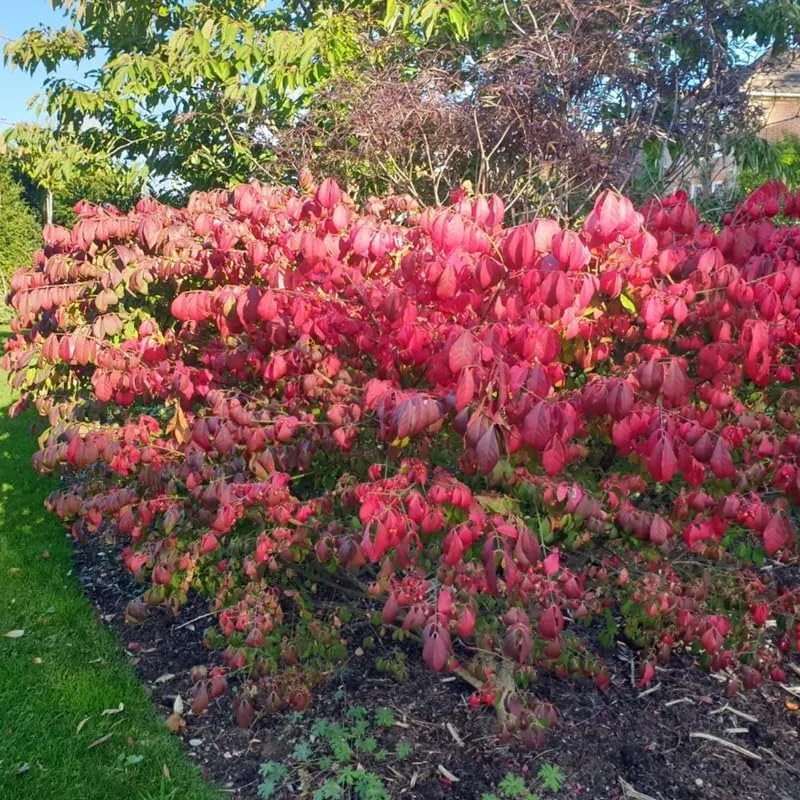
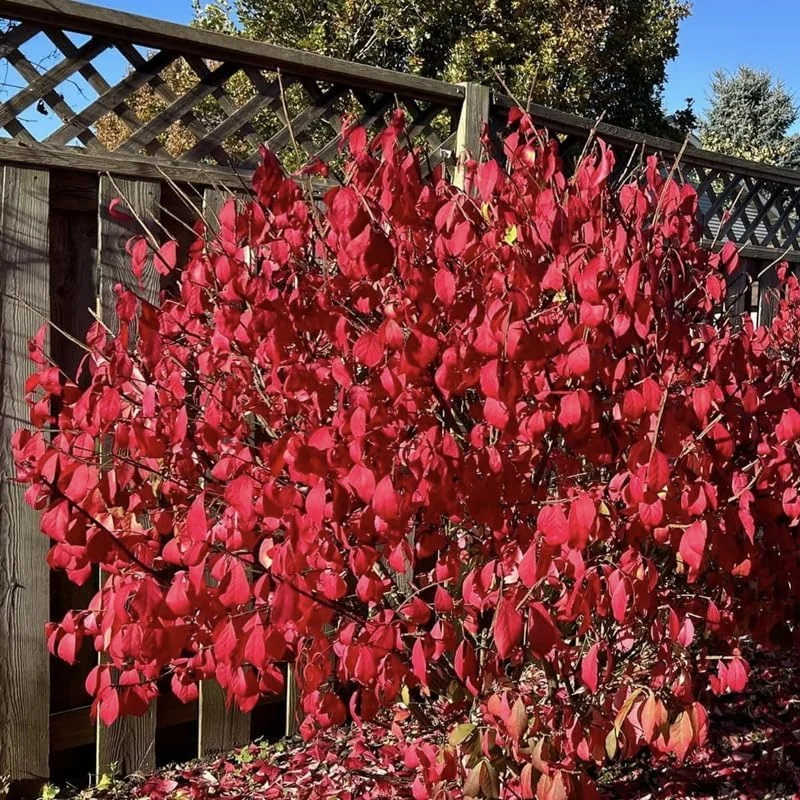
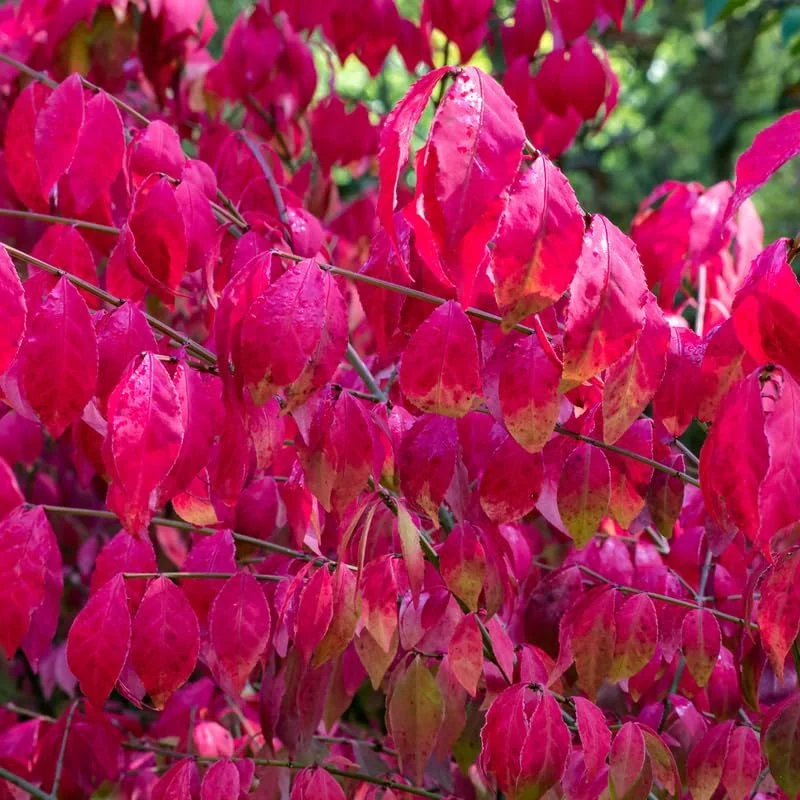
- Spectacular Fall Color: The most prominent feature is its intense, fiery red fall foliage, providing a stunning visual spectacle that stands out in any landscape. This brilliant coloration lasts for several weeks, extending the garden’s season of interest.
- Versatile Landscaping Use: This burning bush shrub can be used in numerous ways – as a vibrant hedge, an eye-catching border plant, or a striking standalone specimen. Its adaptability makes it suitable for various garden designs and purposes.
- Hardy and Adaptable: Known for its resilience, the dwarf burning bush live plant tolerates a wide range of soil conditions and climates, making it a reliable choice for many gardeners. It is particularly drought-tolerant once established.
- Compact Growth Habit: Growing to a mature height of 6-10 feet, its dwarf nature ensures it fits well into smaller gardens or can be maintained at a desired size with minimal pruning, making it an excellent choice for urban and suburban settings.
- Low Maintenance: This shrub requires minimal care once established, making it perfect for busy gardeners. It’s relatively pest and disease resistant, ensuring a healthy and thriving plant with little effort.
- Year-Round Interest: While famous for its fall color, the dense green foliage in spring and summer, along with its unique winged stems, provides textural interest throughout the growing season.
- Wildlife Appeal: Though not its primary feature, the small berries produced by the shrub can attract birds, adding another layer of natural beauty to your garden.
Plant Care & Growing Tips
Caring for your dwarf burning bush live plant is straightforward, ensuring it thrives and delivers its spectacular fall color year after year. This hardy shrub is known for its resilience and adaptability, making it a favorite among gardeners. For optimal growth and the most vibrant autumnal display, plant your burning bush shrub in a location that receives full sun to partial shade. Full sun exposure will generally lead to the most intense red fall coloration. Ensure the soil is well-draining, as burning bushes do not tolerate consistently wet feet. While adaptable to various soil types, a loamy, slightly acidic to neutral soil is ideal. When planting, dig a hole twice as wide as the root ball and just as deep, gently loosen the roots, and backfill with soil, watering thoroughly to settle the plant.
Once established, the euonymus alatus compactus is remarkably drought-tolerant, requiring only moderate watering. During its first growing season, water regularly to help establish a strong root system. After that, water during prolonged dry spells. Fertilization is generally not heavily required; a balanced, slow-release fertilizer applied in early spring can promote healthy growth, but avoid over-fertilizing. Pruning can be done in late winter or early spring to shape the plant, remove any dead or damaged branches, and control its size. The dwarf burning bush live plant is hardy in USDA Zones 3-11, making it suitable for a vast array of climates. Protect young plants during their first winter in colder zones with a layer of mulch around the base.
Watch out for common issues such as spider mites, especially in hot, dry conditions, though they are generally not a severe problem. Proper air circulation and occasional spraying with water can help deter them. With these simple care guidelines, your red fall foliage plant will flourish, becoming a highlight of your garden landscape. Its easy-care nature combined with its stunning visual impact makes it a rewarding choice for both novice and experienced gardeners alike.
Size & Details
This dwarf burning bush live plant arrives in a quart-sized pot, making it a convenient size for immediate planting and establishment in your garden. The young plant is well-rooted and ready to grow into a robust and vibrant shrub. Typically, a dwarf burning bush will reach a mature height of 6-10 feet and a similar spread, forming a dense, rounded shape. Its growth rate is moderate, allowing you to enjoy its developing beauty without it quickly outgrowing its space. The plant is shipped in its nursery container with soil, ensuring minimal transplant shock upon arrival. Expect the plant to begin showing its iconic brilliant red fall color as soon as its first autumn, becoming more intense with each passing year.
The unique corky ‘wings’ on its stems provide an interesting texture, especially in winter after the leaves have dropped. This compact variety, Euonymus alatus ‘Compactus’, is specifically bred for its smaller stature compared to the species, making it an excellent choice for a wide range of landscape applications where space might be a consideration. With proper care, your hardy landscape shrub will establish quickly and become a long-lasting, low-maintenance feature in your outdoor living space.
Frequently Asked Questions
- Q: How big does this dwarf burning bush live plant get? A: This dwarf variety of burning bush typically grows to a mature height of 6-10 feet and can have a similar spread, forming a dense, rounded shrub. Its size makes it suitable for various landscape uses without becoming overly large.
- Q: Is this an indoor or outdoor plant? A: The dwarf burning bush live plant is an outdoor plant, best suited for garden beds, hedges, or large containers in a landscape setting. It is not designed for indoor cultivation.
- Q: How much sunlight does the burning bush shrub need? A: For the most vibrant red fall color, your burning bush shrub should receive full sun exposure (at least 6 hours of direct sunlight per day). It can tolerate partial shade, but the fall color may be less intense.
- Q: What condition will the dwarf burning bush arrive in? A: Your dwarf burning bush live plant will arrive well-rooted in a quart-sized nursery pot with soil, carefully packaged to ensure it reaches you in healthy condition, ready for planting.
- Q: Is this plant easy to care for? A: Yes, the euonymus alatus compactus is known for being a very easy-to-care-for plant. Once established, it is drought-tolerant and requires minimal maintenance, making it suitable for beginners.
- Q: When is the best time to plant this red fall foliage plant? A: The best times to plant your red fall foliage plant are in spring or early fall, allowing the roots to establish before extreme summer heat or winter cold.
- Q: Will it survive winter in my zone? A: This hardy landscape shrub is very cold-tolerant, thriving in USDA Hardiness Zones 3-11. It will readily survive winter in these zones, often providing interesting stem texture even when dormant.
- Q: What type of soil does the dwarf burning bush prefer? A: The burning bush prefers well-draining soil and is adaptable to various soil types, including sandy or loamy soils. It does not tolerate consistently wet or waterlogged conditions.
- Q: Does this plant attract wildlife? A: While primarily grown for its foliage, the small, bright red berries that follow the flowers can attract birds, adding to your garden’s biodiversity.
- Q: How often should I water my dwarf burning bush after planting? A: During its first growing season, water your dwarf burning bush live plant regularly, about 2-3 times a week, to help it establish. Once established, it is drought-tolerant and needs less frequent watering, mainly during dry periods.
Be the first to review “Dwarf Burning Bush Live Plant Quart Pot – Red Fall Shrub, Outdoor Planting”
You must be logged in to post a review.
People also Viewed
Sold 50 products
Original price was: $17.58.$11.86Current price is: $11.86.
Sold 50 products
Price range: $32.99 through $35.99
Sold 50 products
$69.99
Sold 50 products
$18.99
Sold 50 products
Price range: $14.98 through $23.89
Sold 50 products
$32.99
Sold 50 products
$24.99
Sold 50 products
Price range: $43.99 through $44.99RELATED posts
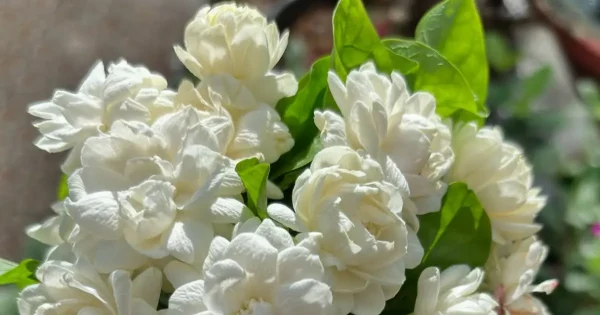
Top 7 Best Smelling Jasmine Varieties for a Heavenly Garden
Have you ever walked past a house and caught a scent so sweet you just [...]
Mar
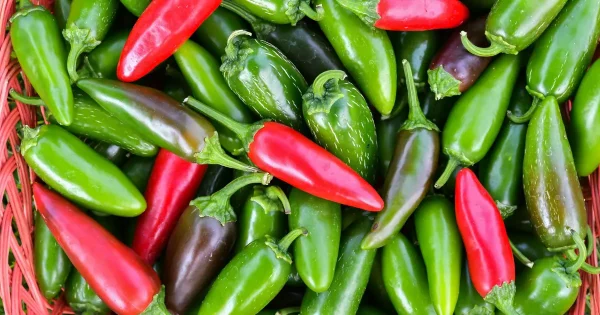
Master the Heat: 8 Expert Tips for Growing Jalapeños Like a Pro
Are you staring at your garden space, wondering why your pepper plants look more like [...]
Mar
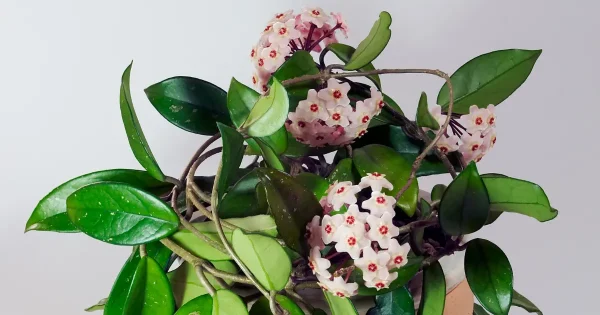
Top 5 Must-Have Hoya Varieties for Beginners
Hoyas are easily one of my top recommendations if you’re hunting for a low-maintenance houseplant [...]
Mar
7 Moringa Plant Care Mistakes to Avoid for Healthy Growth
Have you ever looked at your Moringa tree and wondered why its once vibrant green [...]
Feb
How to Grow Potato Onions From True Seeds: A Step-by-Step Guide
Have you ever wondered how to grow potato onions from true seeds or why some [...]
Feb
Growing Walking Onions in Containers: The Ultimate Guide
Have you ever looked at your small balcony or cramped patio and wished you could [...]
Feb
9 Best Flower Seeds to Start in February for Early Blooms
If you’re a passionate gardener, you know that itchy feeling in your fingers when February [...]
Jan
Growing Shampoo Ginger in Pots: Easy Guide to Potting Ginger Lilies
Are you looking to add a touch of exotic beauty to your home while growing [...]
Jan
Reviews
There are no reviews yet.