
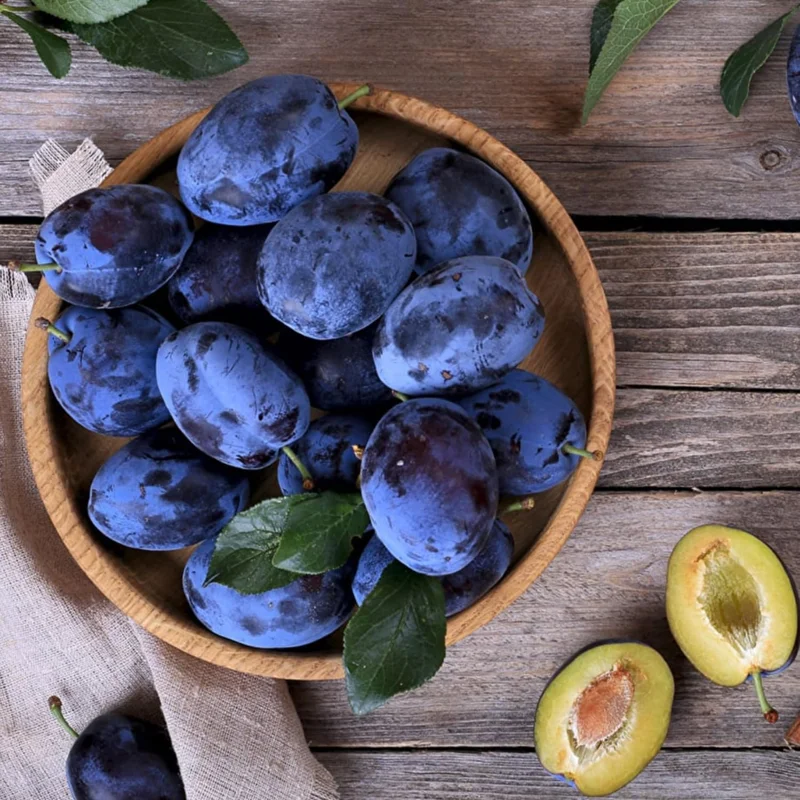
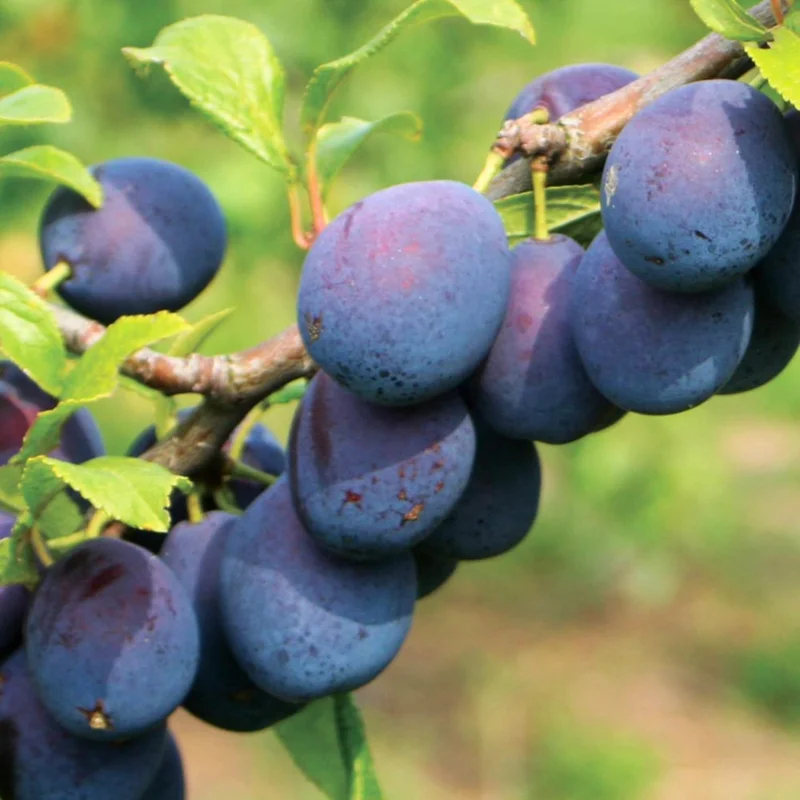
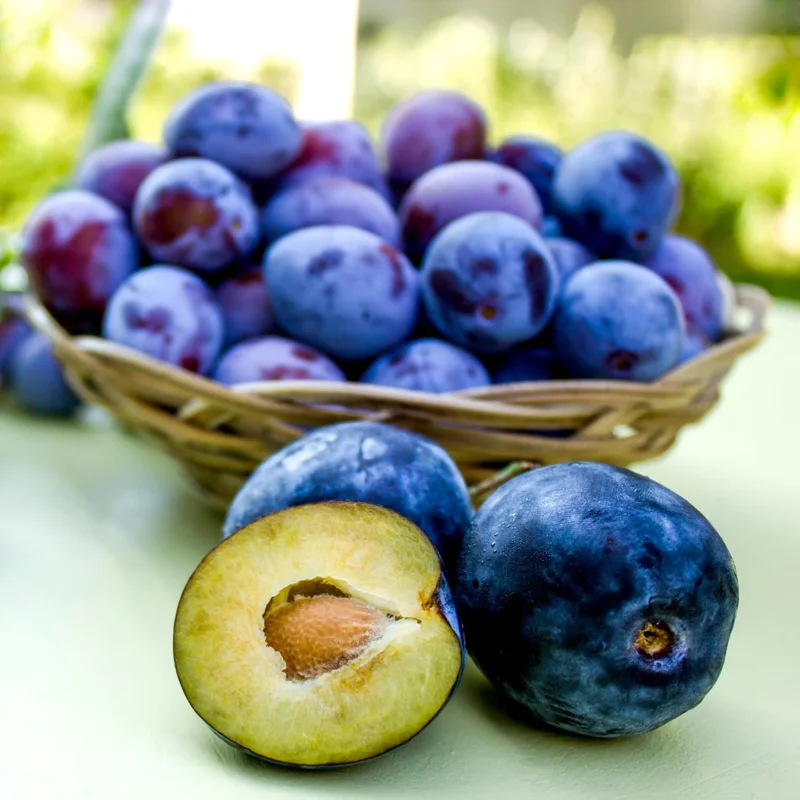
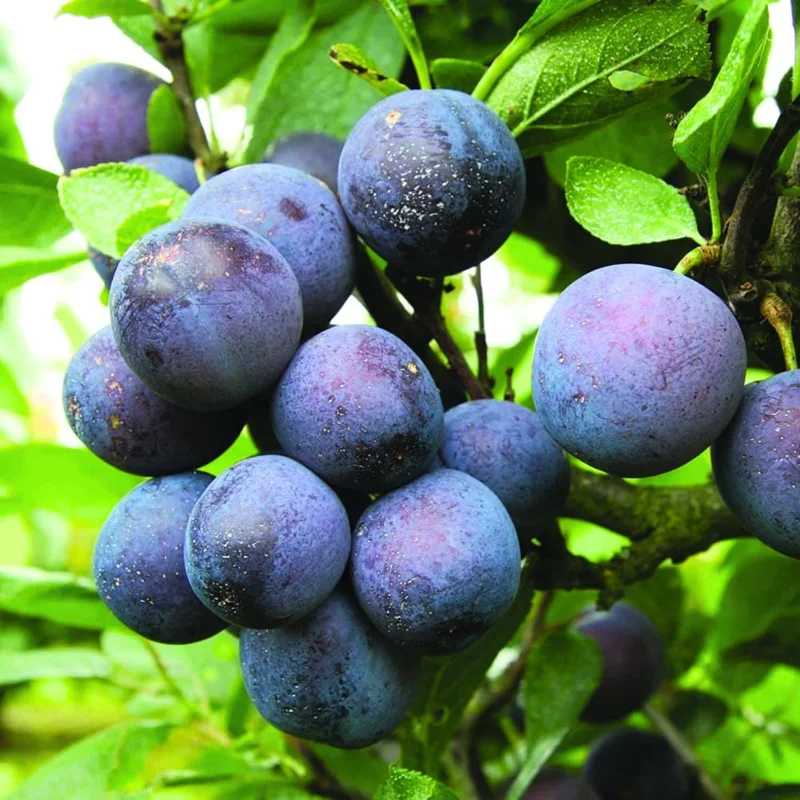
Dark Purple Plum Tree – Live Bare Root Fruit Tree – 6-15 Inch Tall – Outdoor Planting
$62.49
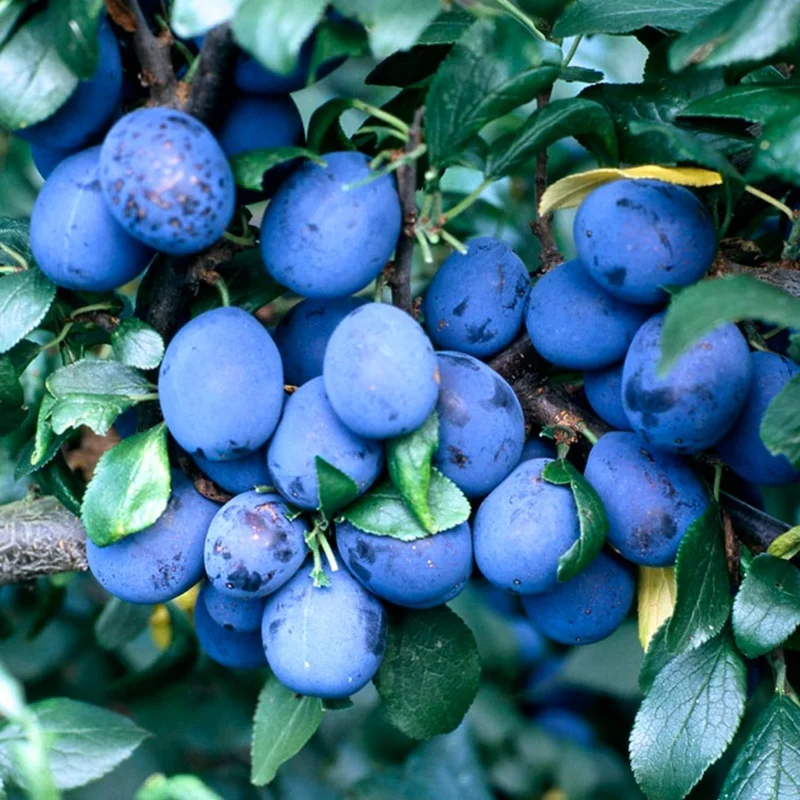
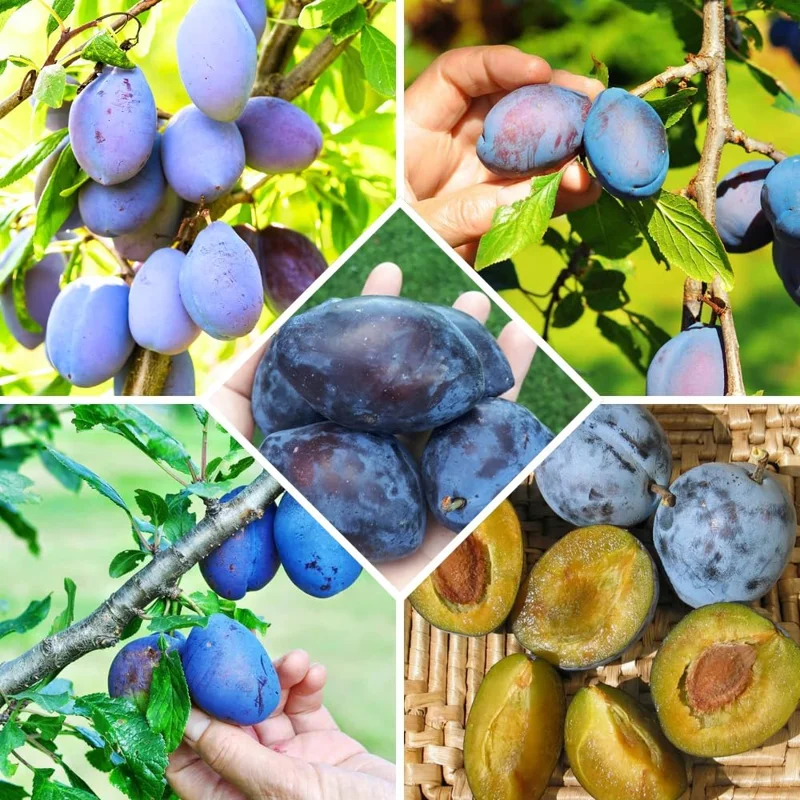
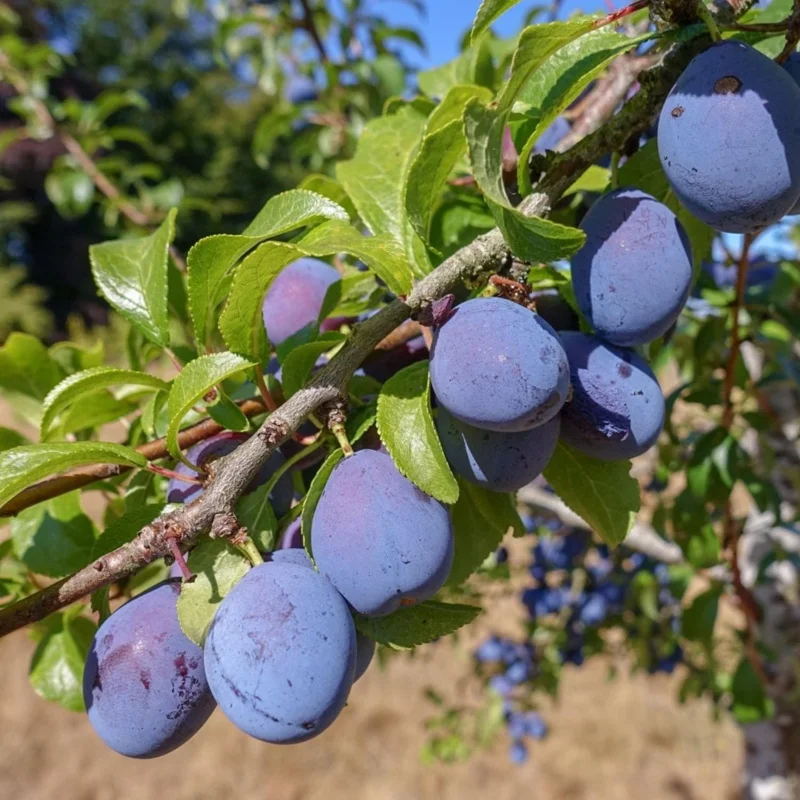
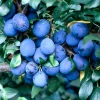
Cultivate your own delicious fruit with this dark purple plum tree. Arriving as a 6-15 inch tall bare root specimen, this hardy plum fruit tree is ideal for outdoor planting and home orchards, promising sweet and juicy dark purple plums.
Shipping and Return policies:
We stand behind our plants with our Alive & Thrive Guarantee. If you experience any issues within the first 30 days, please email us, and our team will be happy to help. When needed, we’ll send you a one-time replacement free of charge to make sure your garden keeps growing strong.

Reasonable Price
We offer reasonable price

Support 24/7
Contact us 24 hrs a day
100% Money Back
You’ve 30 days to Return
Payment Secure
100% secure payment
Overview
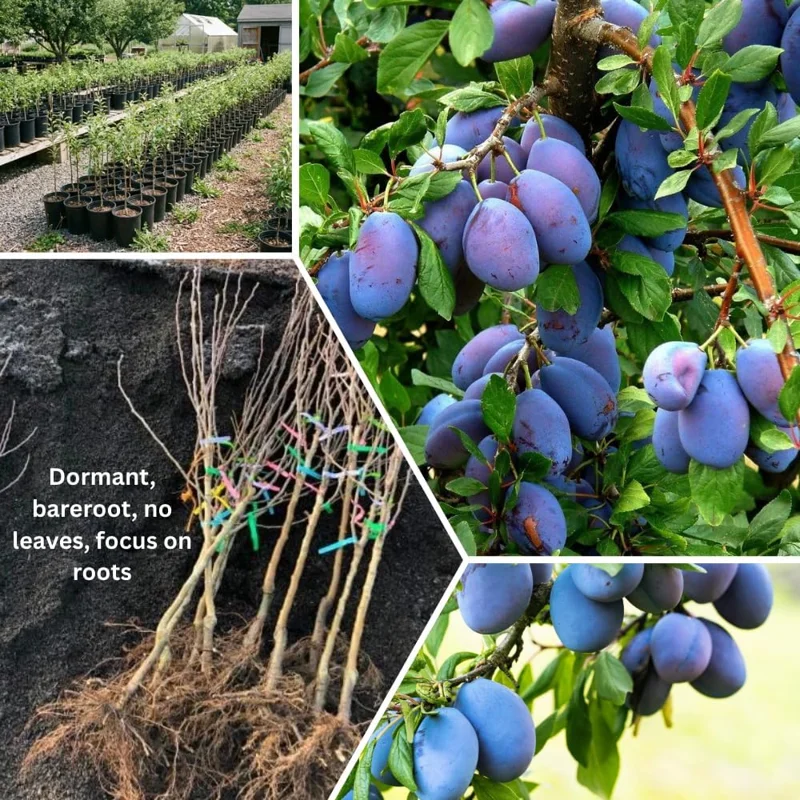
Bring the joy of fresh, homegrown fruit to your garden with this exceptional dark purple plum tree. This bare root specimen, measuring 6-15 inches tall, is delivered dormant, focusing its energy on its root system for a strong start in your landscape. Renowned for producing large, sweet, and juicy dark purple plums, this variety is a fantastic addition for both novice and experienced gardeners. Perfect for creating a thriving home orchard or enhancing your edible landscape, this hardy plum fruit tree offers both beauty and bountiful harvests. Plums are a cherished fruit, enjoyed fresh, in desserts, or as preserves, and growing your own ensures the freshest taste and highest quality.
Plums belong to the genus Prunus, which also includes cherries and peaches. This particular variety is selected for its robust growth and delicious, deep-colored fruit. Planting a bare root tree allows it to establish quickly, making it a sustainable choice for your garden. The tree arrives without leaves, which is normal for a dormant bare root plant, ready to awaken with the warmth of spring.
Key Benefits
This dark purple plum tree offers numerous advantages, making it a highly desirable choice for any fruit enthusiast or gardener:
-
Abundant, Delicious Fruit: Enjoy a prolific harvest of large, sweet, and incredibly juicy dark purple plums directly from your own backyard. These plums are perfect for fresh eating, baking, canning, or making jams.
-
Hardy and Resilient Growth: This hardy plum fruit tree is known for its robust nature, thriving in a wide range of climates (USDA Zones 4–9). It performs exceptionally well in warm summers and mild winters, ensuring consistent performance.
-
Ideal for Home Orchards: With a mature size of approximately 15–25 feet tall and 15–20 feet wide, this tree is perfectly suited for backyard growers, edible landscapes, and small orchards, providing a significant yield without requiring an enormous amount of space.
-
Easy to Establish Bare Root: Shipped as a bare root, dormant tree, it focuses its energy on developing a strong root system upon planting, leading to vigorous growth. This method is often preferred for its ease of handling and successful establishment.
-
Enhances Landscape Appeal: Beyond its fruit-bearing capabilities, the plum tree adds significant ornamental value to your garden. Its spring blossoms are beautiful, and the mature tree provides shade and structure to your outdoor space.
-
Fast-Growing Potential: This variety is a fast-growing fruit tree, meaning you can look forward to enjoying its delicious fruit sooner rather than later, making your gardening efforts highly rewarding.
Plant Care & Growing Tips
Proper care is essential for ensuring your dark purple plum tree thrives and produces a bountiful harvest. Plant your bare root tree in early spring before buds begin to swell. Choose a location that receives full sun, meaning at least 6-8 hours of direct sunlight daily, which is crucial for fruit development. Dig a hole wide enough to spread the roots out naturally and deep enough so the graft union (the slightly swollen area where the tree was grafted) sits just above the soil line. Backfill with well-draining soil, tamping gently to remove air pockets, and water thoroughly.
This hardy plum fruit tree prefers consistently moist soil, especially during its establishment phase and when fruit is developing. Moderate watering is key; ensure the soil doesn’t dry out completely but also avoid waterlogging. A good rule of thumb is to water deeply once or twice a week, depending on rainfall and temperature. Fertilize in early spring with a balanced fruit tree fertilizer once the tree has established in its second year. Pruning should be done in late winter or early spring to remove dead or diseased branches, improve air circulation, and shape the tree for optimal fruit production. Understanding plum tree care is vital for a successful harvest.
Plum trees generally thrive in USDA Zones 4–9. Protecting young trees from pests and diseases with appropriate organic or chemical treatments is important. Keep an eye out for common plum issues like aphids or plum curculio and address them promptly. Regular monitoring and care will ensure your tree remains healthy and productive. For those interested in growing plum trees, consistent attention to these details will yield the best results.
Size & Details
This offering is for one dark purple plum tree, provided as a bare root, dormant specimen. The tree measures approximately 6-15 inches tall upon arrival, an ideal size for establishing in your garden. As a bare root plant, it is shipped without soil or leaves, with its root system carefully packaged to maintain viability. This allows the tree to focus its energy on root development once planted. When mature, this plum tree can reach an impressive height of 15–25 feet and spread 15–20 feet wide, creating a substantial and productive presence in your landscape. It is a fast-growing variety, meaning you can anticipate enjoying its delicious fruit within a few years of planting. The tree is designed for outdoor planting and is a robust choice for home orchards and edible gardens, making the process of growing plum trees rewarding.
Frequently Asked Questions
-
Q: How big does this dark purple plum tree get? A: This plum tree typically grows to a mature height of 15–25 feet and can spread 15–20 feet wide, providing a good amount of shade and a significant fruit yield.
-
Q: What condition will the bare root plum tree arrive in? A: The tree will arrive dormant, as a bare root specimen. This means it will not have leaves or soil, but its roots will be carefully packaged to ensure its health and readiness for planting.
-
Q: How much sunlight does this hardy plum fruit tree need? A: This fruit tree requires full sun exposure, meaning it needs at least 6-8 hours of direct sunlight each day to thrive and produce the best fruit.
-
Q: Is this plum tree suitable for beginners? A: Yes, with basic knowledge of plum tree care and proper planting techniques, this hardy variety is a good choice for beginners looking to grow their own fruit.
-
Q: When is the best time to plant this bare root plum tree? A: The best time to plant a bare root plum tree is in early spring, as soon as the soil can be worked and before the tree breaks dormancy and begins to bud.
-
Q: What USDA Zones is this plum tree hardy in? A: This variety is hardy in USDA Zones 4–9, making it suitable for a wide range of climates across the United States.
-
Q: How often should I water my newly planted plum tree? A: Initially, water frequently to keep the soil consistently moist but not waterlogged. Once established, moderate watering, typically once or twice a week during dry periods, is sufficient.
-
Q: Can I grow this plum tree in a large container? A: While possible for a short period, for optimal growth and fruit production, this tree is best planted directly in the ground due to its mature size and root system requirements when growing plum trees.
-
Q: What kind of soil does this plum tree prefer? A: This tree thrives in well-draining soil that is rich in organic matter. Avoid heavy clay soils that retain too much water.
-
Q: How long until I can expect fruit from my plum tree? A: Plum trees typically begin producing fruit within 3-5 years of planting, with increasing yields as the tree matures.
Be the first to review “Dark Purple Plum Tree – Live Bare Root Fruit Tree – 6-15 Inch Tall – Outdoor Planting”
You must be logged in to post a review.
People also Viewed
Sold 50 products
Original price was: $17.58.$11.86Current price is: $11.86.
Sold 50 products
Price range: $32.99 through $35.99
Sold 50 products
$69.99
Sold 50 products
$18.99
Sold 50 products
Price range: $14.98 through $23.89
Sold 50 products
$32.99
Sold 50 products
$24.99
Sold 50 products
Price range: $43.99 through $44.99RELATED posts
Top 7 Best Smelling Jasmine Varieties for a Heavenly Garden
Have you ever walked past a house and caught a scent so sweet you just [...]
Mar
Master the Heat: 8 Expert Tips for Growing Jalapeños Like a Pro
Are you staring at your garden space, wondering why your pepper plants look more like [...]
Mar
Top 5 Must-Have Hoya Varieties for Beginners
Hoyas are easily one of my top recommendations if you’re hunting for a low-maintenance houseplant [...]
Mar
7 Moringa Plant Care Mistakes to Avoid for Healthy Growth
Have you ever looked at your Moringa tree and wondered why its once vibrant green [...]
Feb
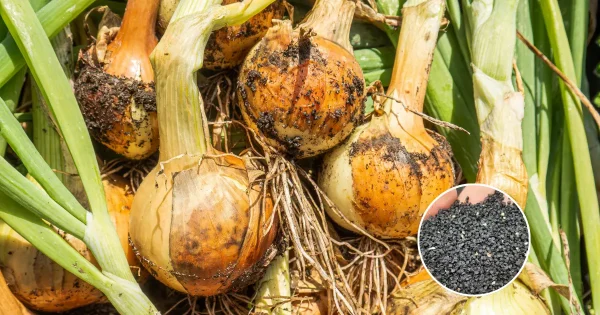
How to Grow Potato Onions From True Seeds: A Step-by-Step Guide
Have you ever wondered how to grow potato onions from true seeds or why some [...]
Feb
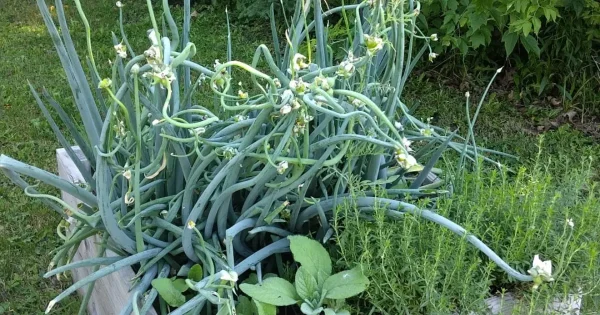
Growing Walking Onions in Containers: The Ultimate Guide
Have you ever looked at your small balcony or cramped patio and wished you could [...]
Feb

9 Best Flower Seeds to Start in February for Early Blooms
If you’re a passionate gardener, you know that itchy feeling in your fingers when February [...]
Jan
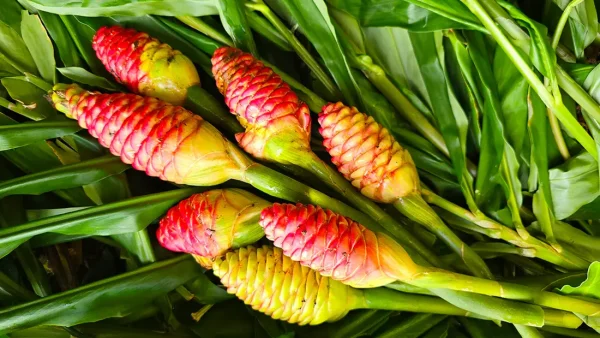
Growing Shampoo Ginger in Pots: Easy Guide to Potting Ginger Lilies
Are you looking to add a touch of exotic beauty to your home while growing [...]
Jan
Reviews
There are no reviews yet.