
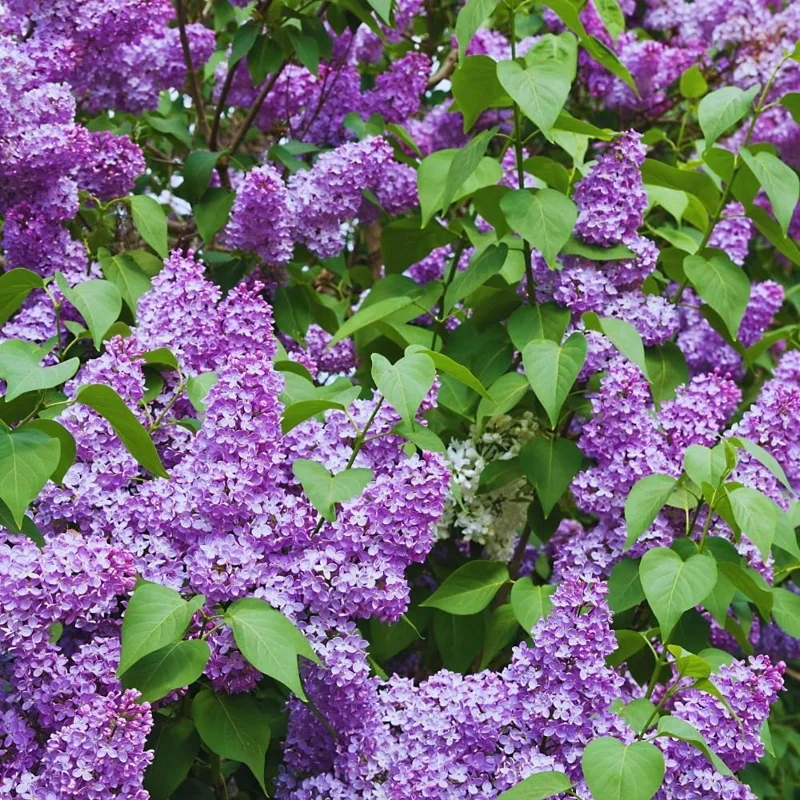
Dark Purple Lilac Tree Live Plant, Quart Pot, Dormant, Zones 3-7, Outdoor
$32.24
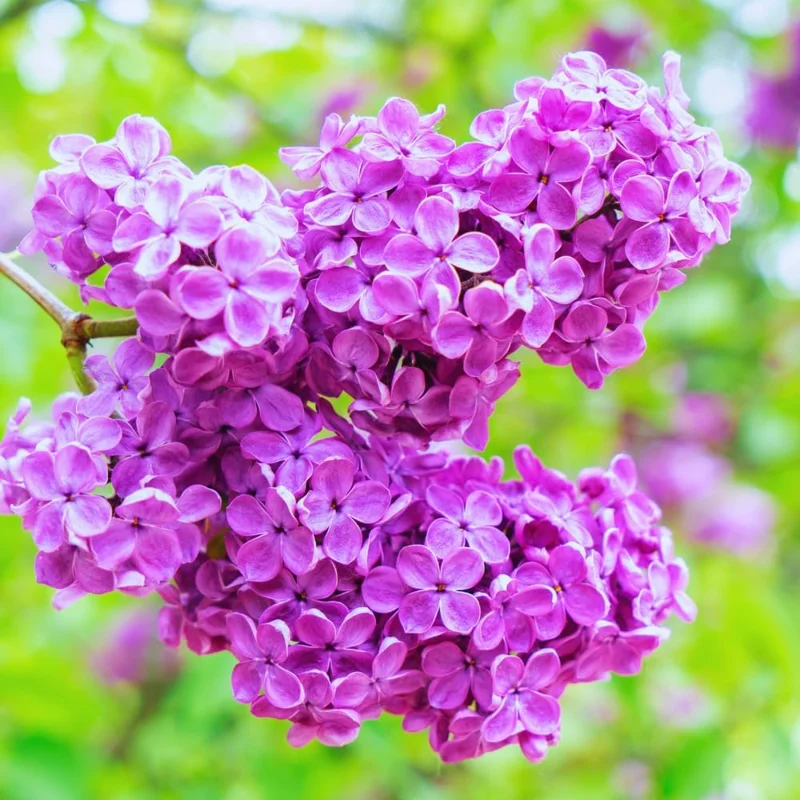
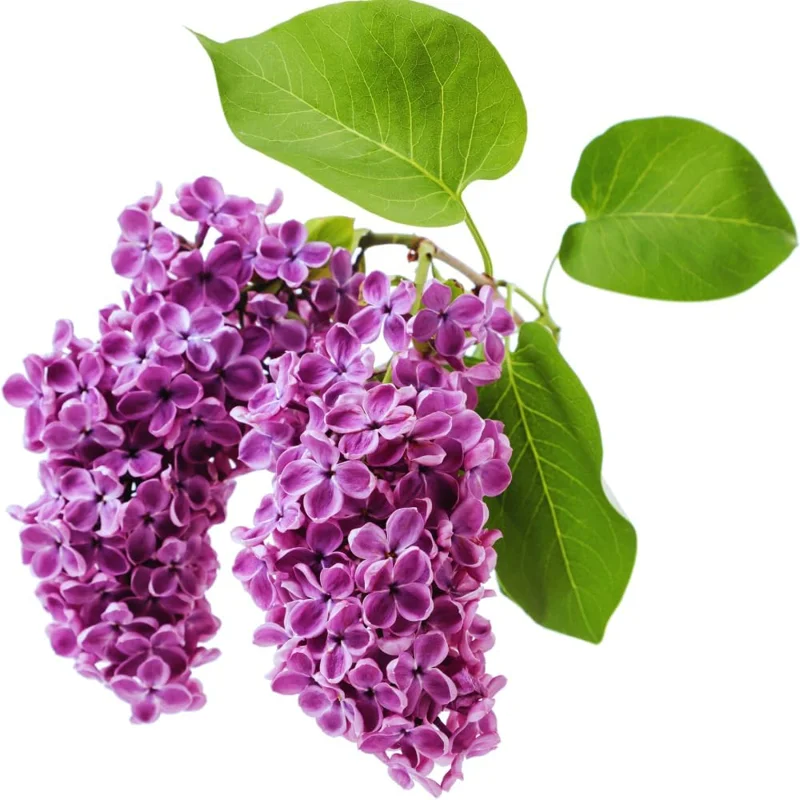
Bring timeless beauty to your garden with this lilac tree live plant. This dark purple variety arrives dormant in a quart pot, ready to establish roots and flourish. Perfect for zones 3-7, it offers stunning spring blooms and a delightful fragrance, growing into a beautiful shrub or small tree.
Shipping and Return policies:
We stand behind our plants with our Alive & Thrive Guarantee. If you experience any issues within the first 30 days, please email us, and our team will be happy to help. When needed, we’ll send you a one-time replacement free of charge to make sure your garden keeps growing strong.

Reasonable Price
We offer reasonable price

Support 24/7
Contact us 24 hrs a day
100% Money Back
You’ve 30 days to Return
Payment Secure
100% secure payment
Overview
Introducing the exquisite lilac tree live plant, a magnificent addition to any garden or landscape. This particular variety boasts stunning dark purple blooms that emerge in spring, filling the air with a sweet and unforgettable fragrance. Shipped as a dormant plant in a quart pot, it’s perfectly prepared for planting and establishing itself in its new home. Often referred to as dark purple lilac tree, this plant is a classic choice for gardeners seeking both visual appeal and aromatic charm. Lilac trees, scientifically known as Syringa vulgaris, are beloved deciduous shrubs or small trees that symbolize love and renewal.
This resilient plant is well-suited for a wide range of climates, thriving in USDA hardiness zones 3 through 7. Its ability to arrive dormant ensures a smooth transition to your garden, allowing it to conserve energy and focus on root development before the growing season. Whether you envision it as a focal point in your yard or as part of a fragrant border, this lilac tree live plant promises years of enjoyment with its vibrant color and enchanting scent.
Key Benefits
Cultivating a lilac tree live plant offers numerous advantages, enhancing your outdoor space with its natural splendor and delightful attributes. From its captivating appearance to its low-maintenance nature, this plant is a rewarding choice for gardeners of all experience levels.
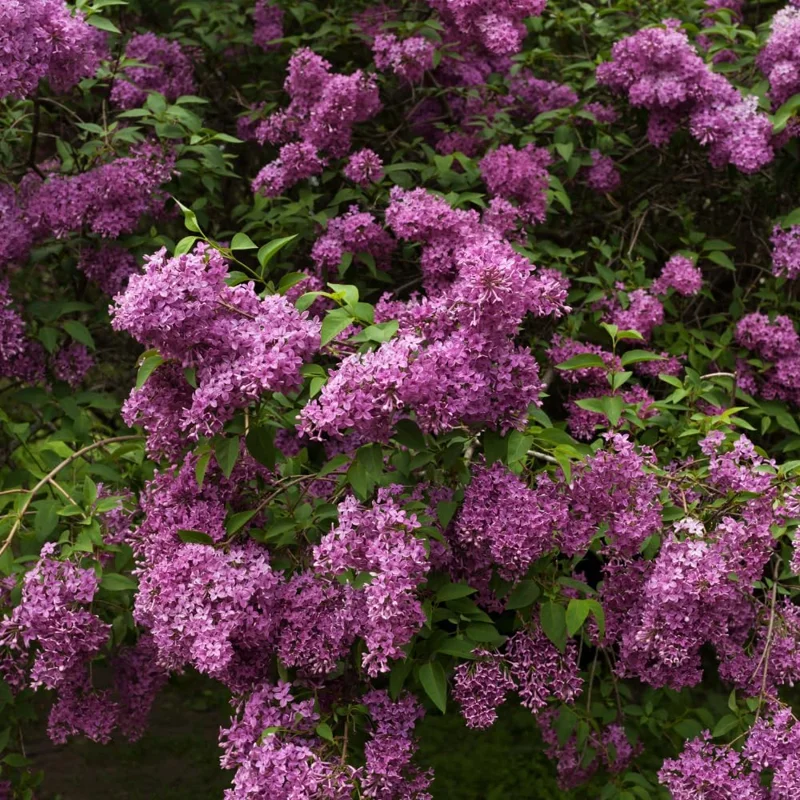
- Stunning Spring Blooms: Enjoy a spectacular display of deeply colored, fragrant purple flowers each spring. These blooms are a visual feast and a welcome sign of warmer weather, making your garden a vibrant sanctuary.
- Enchanting Fragrance: The sweet, classic scent of lilac flowers is truly intoxicating. Planting a dark purple lilac tree near a patio or window will allow you to savor its perfume, creating a more inviting outdoor living space.
- Hardy and Resilient: This plant is incredibly robust, thriving in USDA zones 3-7. It tolerates various conditions and is known for its ability to withstand colder temperatures, ensuring long-term beauty in your landscape.
- Attracts Pollinators: The vibrant flowers are a magnet for bees, butterflies, and other beneficial pollinators, contributing to the health and biodiversity of your garden ecosystem.
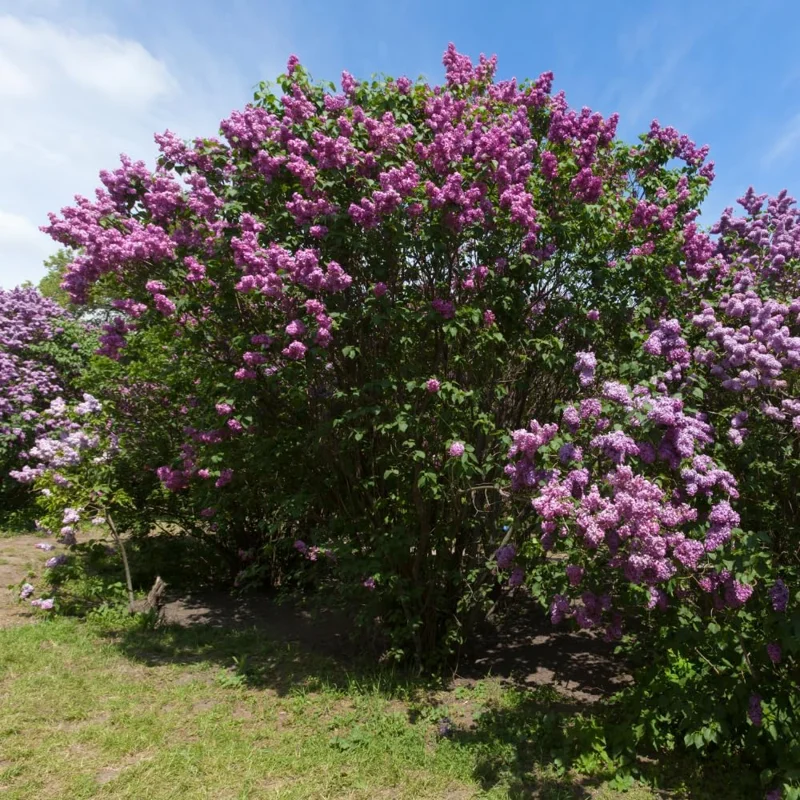
- Versatile Landscape Use: Grows into either a multi-stemmed shrub or can be trained into a small tree form, reaching 6-10 feet tall. This versatility allows it to be used as a specimen plant, in hedges, or as part of a mixed border.
- Low Maintenance: Once established, this dormant lilac plant requires minimal care. It’s drought-tolerant and generally resistant to pests and diseases, making it an ideal choice for busy gardeners.
- Dormant Arrival for Optimal Growth: Shipped dormant in a quart pot, the plant is in its best state for transplanting, minimizing shock and encouraging vigorous root development and a healthy start in your garden.
Plant Care & Growing Tips
To ensure your lilac tree live plant flourishes, understanding its care requirements is essential. Despite being a hardy plant, providing the right conditions from the start will lead to more abundant blooms and a healthier specimen. This fragrant lilac shrub is relatively easy to care for, making it suitable for both novice and experienced gardeners.
Sunlight Requirements: Lilacs thrive in full sun, meaning they need at least 6-8 hours of direct sunlight per day to produce the best blooms. While they can tolerate partial shade, too little sun will result in fewer flowers. Choose a location in your garden that receives ample morning and afternoon sun. Watering Schedule & Soil Moisture: Water thoroughly after planting. Once established, lilacs are quite drought-tolerant, but they benefit from regular watering during prolonged dry spells, especially in their first year. The soil should be consistently moist but never waterlogged. Overwatering can lead to root rot. Soil Type and Drainage: This dark purple lilac tree prefers well-draining, fertile soil with a neutral to slightly alkaline pH. If your soil is heavy clay, amend it with organic matter like compost to improve drainage. Good drainage is crucial to prevent waterlogging.
Temperature Range & USDA Hardiness Zone: This lilac is hardy in USDA zones 3-7, meaning it can withstand winter temperatures as low as -40°F (-40°C). It requires a period of cold dormancy to set flower buds. Fertilization Schedule: Lilacs don’t typically require heavy fertilization. An annual application of a balanced, slow-release fertilizer in early spring, before new growth appears, is usually sufficient. Avoid over-fertilizing, especially with high-nitrogen fertilizers, as this can promote leafy growth at the expense of flowers. Common Problems and Solutions: Watch for powdery mildew, especially in humid conditions or areas with poor air circulation. Ensure proper spacing and prune for good airflow. Pests like lilac borers can be an issue; healthy plants are more resistant. Consult a local nursery or extension office for specific pest management advice. For a comprehensive lilac care guide, consider local resources for tailored advice.
Size & Details
This lilac tree live plant is shipped dormant in a quart-sized pot, making it easy to handle and plant upon arrival. Dormancy is a natural state for many deciduous plants during winter, ensuring they are ready to burst forth with new growth and blooms when spring arrives. When mature, this dark purple lilac tree typically grows into a substantial shrub or small tree, reaching heights of 6 to 10 feet tall with a similar spread. Its growth rate is moderate, allowing it to establish itself well within a few years.
The plant arrives as a young, healthy specimen, carefully prepared for transplanting. Expect to see significant growth and the first signs of its beautiful, fragrant blooms in the spring following planting, though it may take a year or two to reach its full flowering potential. This fragrant lilac shrub is a long-lived plant, providing decades of beauty and perfume in your garden. Its robust nature makes it a valuable addition to any landscape, offering both ornamental appeal and a delightful sensory experience.
Frequently Asked Questions
- Q: How big does this lilac tree live plant get? A: This lilac variety typically grows to a mature height of 6 to 10 feet tall with a similar spread, forming a beautiful shrub or small tree. Its ultimate size depends on growing conditions and pruning.
- Q: What size pot does it come in? A: The plant is shipped dormant in a quart-sized nursery pot, which is an ideal size for transplanting directly into your garden or a larger container.
- Q: Is this an indoor or outdoor plant? A: This dark purple lilac tree is an outdoor plant. It requires a period of winter dormancy and full sun to thrive and produce its characteristic blooms, making it unsuitable for long-term indoor cultivation.
- Q: How much sunlight does it need? A: For optimal growth and flowering, this lilac requires full sun, meaning at least 6-8 hours of direct sunlight per day. Less sun may result in fewer and less vibrant blooms.
- Q: Is this plant easy to care for? A: Yes, once established, this dormant lilac plant is relatively low-maintenance. It’s hardy, drought-tolerant, and generally resistant to pests and diseases, making it a good choice for various gardeners.
- Q: What condition will it arrive in? A: Your lilac tree live plant will arrive dormant, which is a natural and healthy state for deciduous plants during shipping and before planting in cooler seasons. It will appear to have no leaves or growth.
- Q: When is the best time to plant this lilac? A: The best time to plant this dormant lilac is in early spring or fall. This allows the plant to establish its root system before the stress of summer heat or winter cold.
- Q: Will it survive winter in my zone? A: Yes, this lilac is hardy in USDA zones 3-7, meaning it is well-equipped to survive cold winters within this range. It requires the cold period for proper bud development.
- Q: What is the bloom season for this fragrant lilac shrub? A: This lilac typically blooms in spring to early summer, gracing your garden with its beautiful dark purple flowers and delightful fragrance during this period.
- Q: Can I use this plant for a hedge? A: Absolutely! Given its mature size and shrub-like growth, this lilac makes an excellent informal hedge or screen, providing both privacy and a beautiful floral display. For more detailed guidance, refer to a comprehensive lilac care guide.
Be the first to review “Dark Purple Lilac Tree Live Plant, Quart Pot, Dormant, Zones 3-7, Outdoor”
You must be logged in to post a review.
People also Viewed
Sold 50 products
Original price was: $17.58.$11.86Current price is: $11.86.
Sold 50 products
Price range: $32.99 through $35.99
Sold 50 products
$69.99
Sold 50 products
$18.99
Sold 50 products
Price range: $14.98 through $23.89
Sold 50 products
$32.99
Sold 50 products
$24.99

Sold 50 products
Price range: $43.99 through $44.99RELATED posts
Frostproof Jasmine Care: 7 Tips for Successful Pot Growth
Most gardenias are known for being “divas.” They want perfect humidity, perfect soil, and they [...]
Mar
Top 7 Best Smelling Jasmine Varieties for a Heavenly Garden
Have you ever walked past a house and caught a scent so sweet you just [...]
Mar

Master the Heat: 8 Expert Tips for Growing Jalapeños Like a Pro
Are you staring at your garden space, wondering why your pepper plants look more like [...]
Mar
Top 5 Must-Have Hoya Varieties for Beginners
Hoyas are easily one of my top recommendations if you’re hunting for a low-maintenance houseplant [...]
Mar
7 Moringa Plant Care Mistakes to Avoid for Healthy Growth
Have you ever looked at your Moringa tree and wondered why its once vibrant green [...]
Feb
How to Grow Potato Onions From True Seeds: A Step-by-Step Guide
Have you ever wondered how to grow potato onions from true seeds or why some [...]
Feb
Growing Walking Onions in Containers: The Ultimate Guide
Have you ever looked at your small balcony or cramped patio and wished you could [...]
Feb

9 Best Flower Seeds to Start in February for Early Blooms
If you’re a passionate gardener, you know that itchy feeling in your fingers when February [...]
Jan



Reviews
There are no reviews yet.