
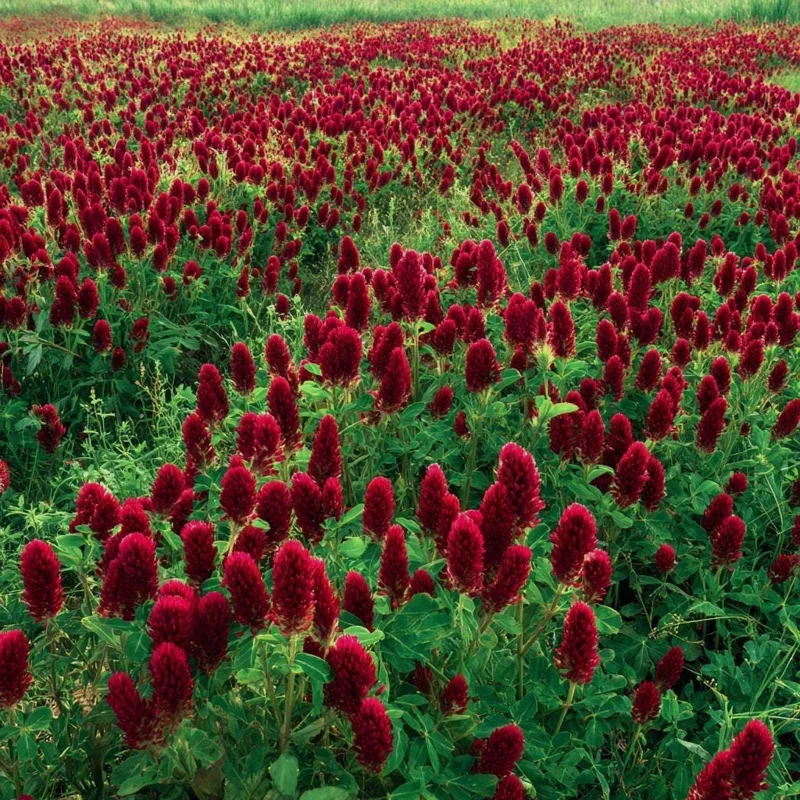
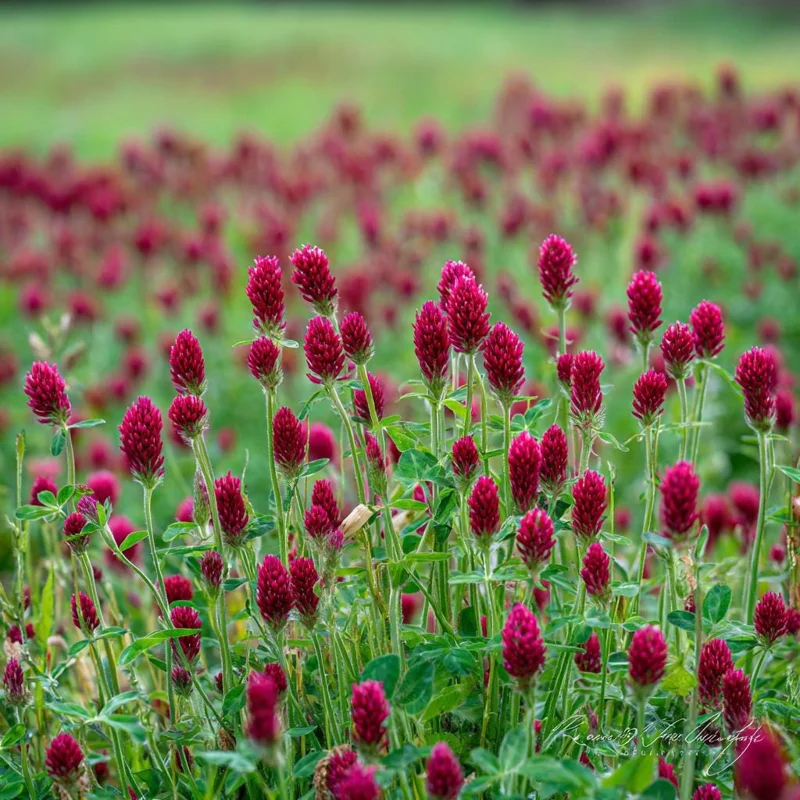
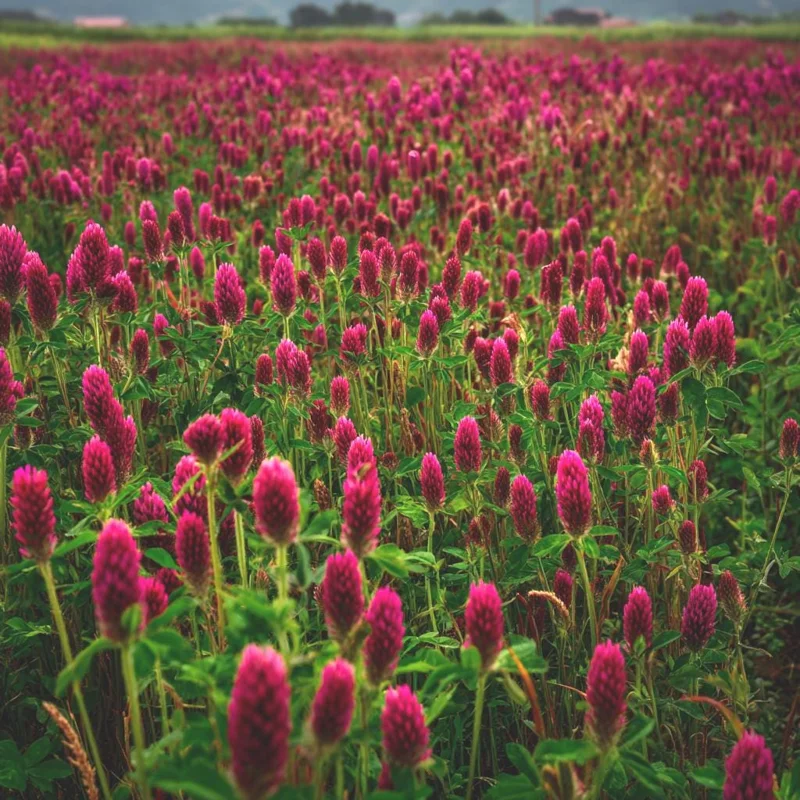
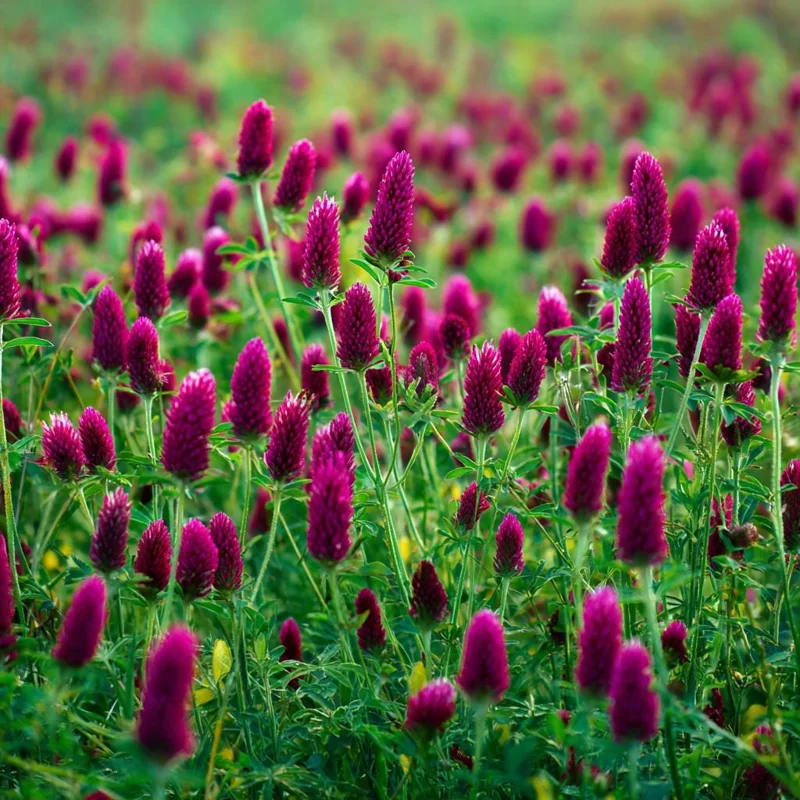
Crimson Clover Seeds – 1000 Count, Vibrant Red Blooms, Cover Crop, Pollinator Magnet, Soil Enricher
Original price was: $31.99.$11.99Current price is: $11.99.
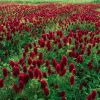
Cultivate beautiful and beneficial crimson clover seeds (Trifolium incarnatum), ideal for vibrant red blooms. This 1000-count seed pack is perfect for use as a cover crop seeds, attracting crucial pollinators, and naturally enriching your garden’s soil. Enjoy easy growth and a stunning display.
Shipping and Return policies:
We stand behind our plants with our Alive & Thrive Guarantee. If you experience any issues within the first 30 days, please email us, and our team will be happy to help. When needed, we’ll send you a one-time replacement free of charge to make sure your garden keeps growing strong.

Reasonable Price
We offer reasonable price

Support 24/7
Contact us 24 hrs a day
100% Money Back
You’ve 30 days to Return
Payment Secure
100% secure payment
Overview
Transform your garden or farm with our premium crimson clover seeds, scientifically known as Trifolium incarnatum. This annual legume is celebrated for its striking, dense, crimson-red flower spikes that bring a spectacular burst of color to any landscape from late spring through early summer. Beyond its undeniable ornamental appeal, crimson clover is a powerhouse for ecological gardening. It serves as an exceptional cover crop seeds, significantly improving soil fertility by naturally fixing nitrogen and effectively suppressing undesirable weeds, leading to healthier and more productive growing environments. Its nectar-rich blossoms are a strong draw for a wide array of beneficial insects, including bees and butterflies, making it a vital component for creating thriving pollinator habitats, supporting permaculture designs, and enhancing eco-friendly landscapes. These versatile seeds offer a sustainable and beautiful solution for gardeners and farmers alike.
Our 1000-count seed pack provides ample opportunity to establish a robust stand of this beneficial plant. Whether you’re looking to enhance your soil, support local wildlife, or simply add a touch of vibrant red to your garden, these Trifolium incarnatum seeds are an excellent choice. They are easy to sow and require minimal care once established, making them suitable for both experienced gardeners and those new to cover cropping or pollinator gardening. Experience the dual benefits of beauty and environmental stewardship with every seed you plant.
Key Benefits
Choosing to plant crimson clover seeds offers a multitude of advantages for your garden and local ecosystem. These seeds are not just for growing beautiful flowers; they are an investment in the health and vitality of your outdoor space, providing both aesthetic and practical benefits:
- Soil Enrichment & Nitrogen Fixation: As a legume, crimson clover excels at fixing atmospheric nitrogen into the soil, naturally improving fertility and reducing the need for synthetic fertilizers. This process enhances soil structure and overall plant health, making it an excellent choice for a soil enriching seeds strategy.
- Weed Suppression: The dense growth of crimson clover effectively smothers out weeds, reducing competition for nutrients and water, and minimizing the need for manual weeding or herbicides. This creates a cleaner, more manageable garden space.
- Pollinator Attraction: The vibrant red blooms are a magnet for bees, butterflies, and other beneficial insects, making it an ideal plant for supporting local pollinator populations and enhancing biodiversity in your garden. It’s truly a pollinator friendly seeds option.
- Erosion Control: Its extensive root system helps to stabilize soil, preventing erosion, especially in sloped areas or during heavy rainfall. This protects valuable topsoil and keeps your garden intact.
- Green Manure: When tilled into the soil, crimson clover adds valuable organic matter, further improving soil structure, water retention, and nutrient availability for subsequent crops.
- Aesthetic Appeal: Beyond its practical uses, the rich crimson flowers provide stunning visual interest, adding bold color to gardens, wildflower meadows, and agricultural fields.
- Low Maintenance: Once established, crimson clover is relatively drought-tolerant and requires minimal care, making it a resilient and easy-to-manage addition to your landscape.
Plant Care & Growing Tips
Growing crimson clover seeds is a straightforward process, making it accessible for gardeners of all experience levels. For optimal results, understanding its basic needs will ensure a successful and vibrant stand. Crimson clover thrives in areas that receive full sun, meaning at least 6 hours of direct sunlight per day. While it can tolerate some partial shade, abundant sunshine promotes the most vigorous growth and prolific flowering. It prefers moderately fertile, well-drained soil. Avoid heavy, waterlogged soils, as this can lead to root rot. A soil pH between 6.0 and 7.0 is generally ideal. Before sowing, prepare the seedbed by clearing weeds and lightly raking the surface to create a fine tilth.
Sow your Trifolium incarnatum seeds directly outdoors in early spring after the last frost, or in late summer to early fall. For cover cropping, broadcast the seeds densely across the prepared area. For ornamental use, you can sow them slightly less densely, aiming for a spacing that allows individual plants to flourish. Plant seeds about 1/4 inch deep and gently rake them into the soil. Keep the soil consistently moist, but not waterlogged, until germination occurs, which typically happens within 7–14 days. Once established, crimson clover is relatively drought-tolerant, but consistent moisture during dry spells will support healthier growth and more abundant blooms. Fertilization is generally not necessary due to its nitrogen-fixing capabilities, especially if used as a soil enriching seeds crop.
For cover crop applications, consider mowing or trimming the clover before it sets seed. This prevents self-seeding and allows the plant material to decompose, returning nutrients to the soil. If your goal is to support pollinators, allow the plants to flower fully. You can also allow some to go to seed for future harvests or natural reseeding. Crimson clover is typically grown as an annual, completing its life cycle within one growing season. It’s a hardy plant, generally suited for a wide range of climates (USDA Zones 4-9 for an annual, though it can reseed in warmer zones), making it a reliable choice for enhancing soil and attracting beneficial insects.
Size & Details
This offering includes 1000 crimson clover seeds, providing a substantial quantity for various planting needs, from small garden plots to larger cover crop applications. Each seed is carefully selected to ensure high germination rates, giving you the best start for your planting project. Crimson clover (Trifolium incarnatum) typically grows to a height of 12 to 24 inches (30-60 cm) with a spread of about 6-12 inches per plant when given ample space. Its growth rate is relatively fast, establishing a dense cover within a few weeks of germination. The vibrant crimson-red flowers usually appear in late spring to early summer, creating a stunning visual display and attracting numerous pollinators.
These crimson clover seeds are shipped in a protective packet, ensuring their viability upon arrival. They are ready for immediate sowing upon receipt, allowing you to begin your planting project without delay. Expect a flush of rich red blooms approximately 8-10 weeks after planting, depending on climate and growing conditions. This annual plant is perfect for seasonal color, soil improvement, and supporting biodiversity, delivering robust growth and ecological benefits throughout its growing cycle.
Frequently Asked Questions
- Q: How many crimson clover seeds are included? A: This package contains 1000 crimson clover seeds, providing a generous quantity for planting in various garden sizes or for cover cropping purposes.
- Q: Is crimson clover an annual or perennial? A: Crimson clover (Trifolium incarnatum) is an annual plant, meaning it completes its life cycle within one growing season. However, it can often self-seed in favorable conditions.
- Q: How much sunlight does crimson clover need? A: Crimson clover thrives in full sun, requiring at least 6 hours of direct sunlight per day for the best growth and flowering. It can tolerate some light shade but may not flower as profusely.
- Q: When is the best time to plant crimson clover seeds? A: You can sow crimson clover seeds in early spring after the last frost, or in late summer to early fall. Both periods allow for good establishment before extreme temperatures.
- Q: What are the main benefits of planting crimson clover? A: Crimson clover is excellent for soil enrichment through nitrogen fixation, weed suppression, erosion control, and attracting beneficial pollinators like bees and butterflies, making it a fantastic pollinator friendly seeds option.
- Q: What type of soil does crimson clover prefer? A: It prefers moderately fertile, well-drained soil with a pH between 6.0 and 7.0. Avoid heavy, waterlogged conditions to prevent root issues.
- Q: How long does it take for crimson clover to germinate? A: Germination typically occurs within 7–14 days after sowing, provided the soil is kept consistently moist and temperatures are suitable.
- Q: Can I use these seeds as a cover crop? A: Yes, these crimson clover seeds are highly recommended for use as a cover crop due to their ability to fix nitrogen and suppress weeds, making them ideal cover crop seeds.
- Q: Will crimson clover attract bees and butterflies? A: Absolutely! The vibrant, nectar-rich red blooms of crimson clover are a strong attractant for bees, butterflies, and other beneficial insects, supporting local ecosystems.
- Q: Do I need to fertilize crimson clover? A: Generally, no. As a nitrogen-fixing legume, crimson clover naturally enriches the soil, reducing or eliminating the need for additional nitrogen fertilizers.
Be the first to review “Crimson Clover Seeds – 1000 Count, Vibrant Red Blooms, Cover Crop, Pollinator Magnet, Soil Enricher”
You must be logged in to post a review.
People also Viewed
Sold 50 products
Original price was: $36.99.$16.99Current price is: $16.99.
Sold 50 products
Original price was: $31.99.$11.99Current price is: $11.99.
Sold 50 products
Original price was: $35.99.$15.99Current price is: $15.99.
Sold 50 products
Original price was: $31.99.$11.99Current price is: $11.99.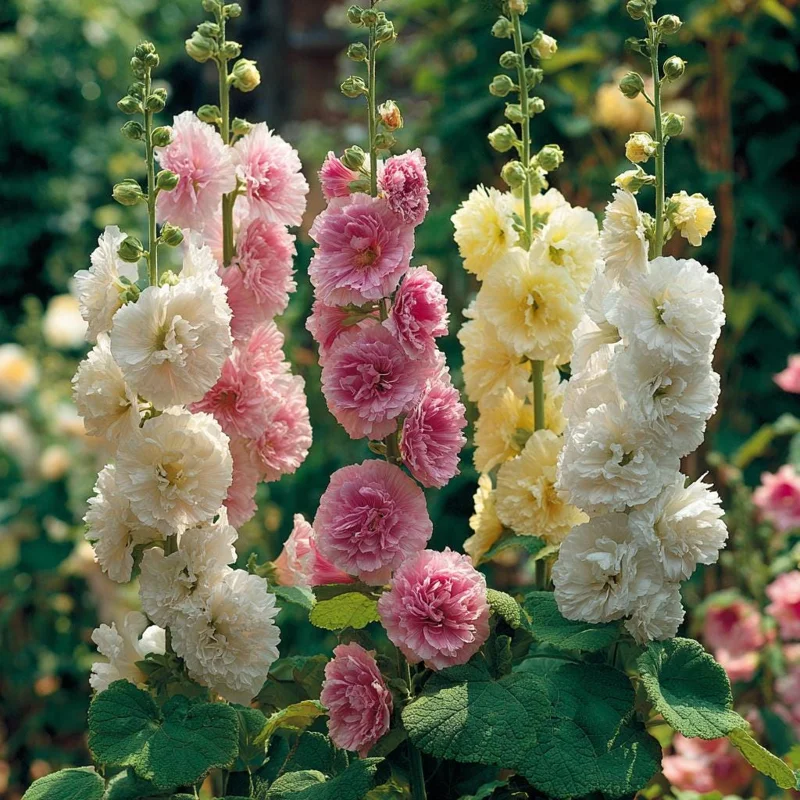
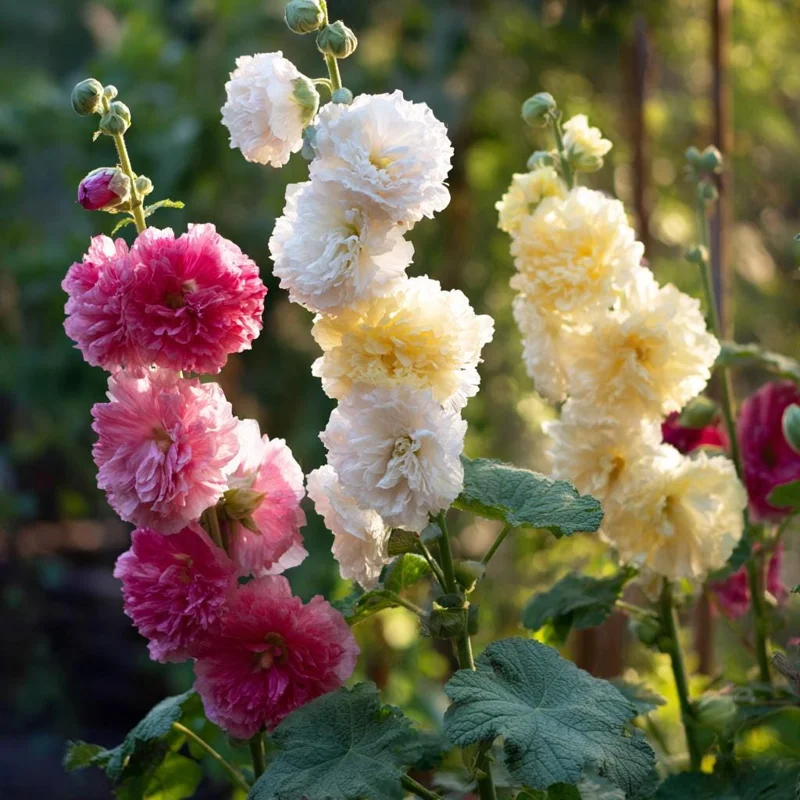
Sold 50 products
Original price was: $35.99.$15.99Current price is: $15.99.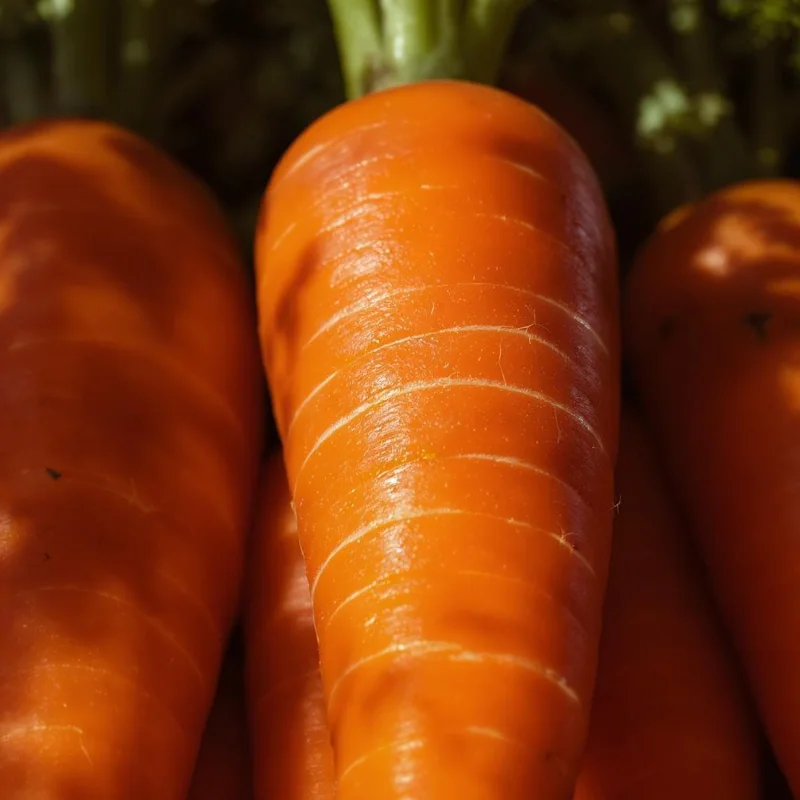
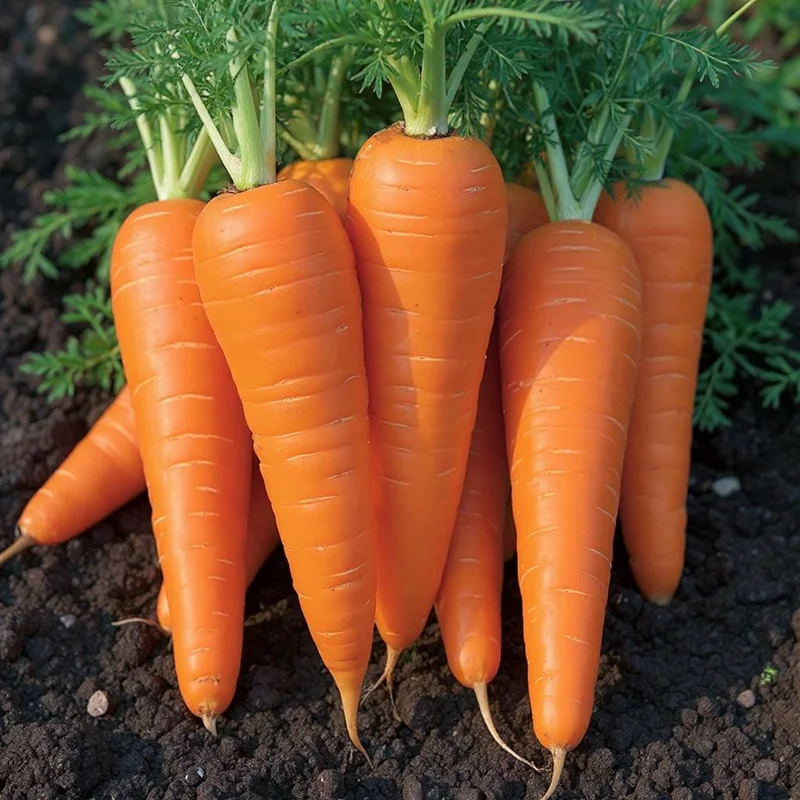
Sold 50 products
Original price was: $31.99.$11.99Current price is: $11.99.
Sold 50 products
Original price was: $34.99.$14.99Current price is: $14.99.
Sold 50 products
Original price was: $31.99.$11.99Current price is: $11.99.RELATED posts
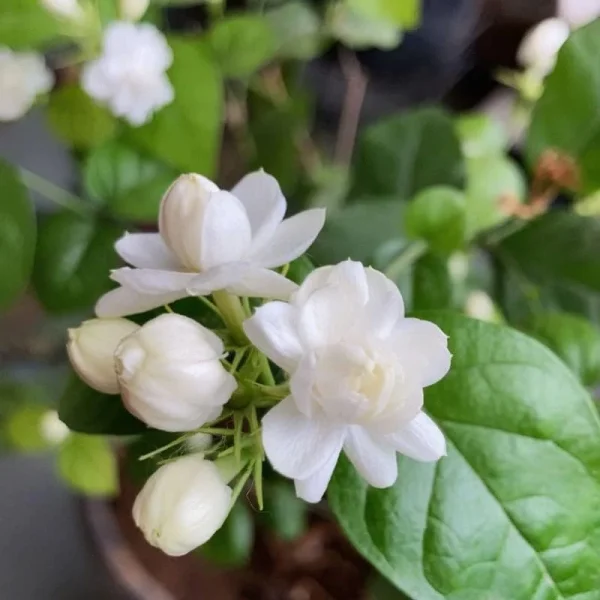
How to Grow Arabian Jasmine: A Complete Care Guide
If you’ve ever dreamed of a garden that smells like a tropical paradise, Jasminum sambac [...]
Apr
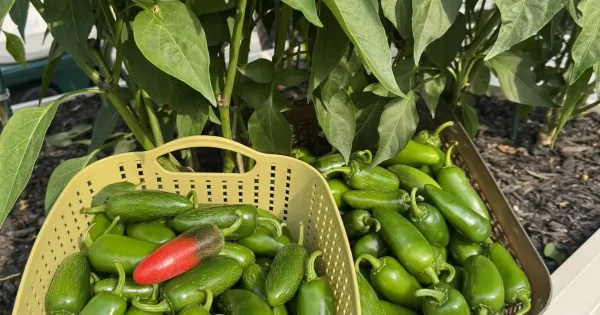
How to Grow Jalapeño Peppers From Seeds: A Step-by-Step Guide
Ready to spice things up in your garden? Jalapeños are the true life of the [...]
Apr
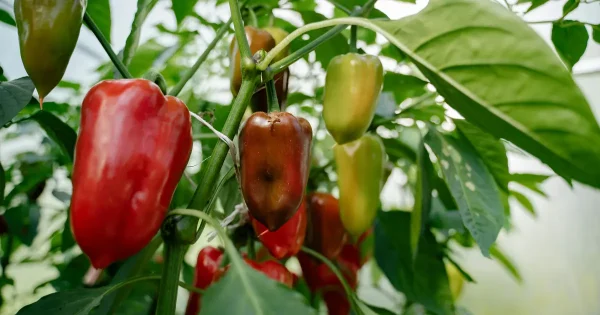
Top 12 Best Types of Peppers to Grow in Your Garden: Easy and High Yield
Growing peppers is, quite honestly, one of the biggest “wins” you can have in a [...]
Apr
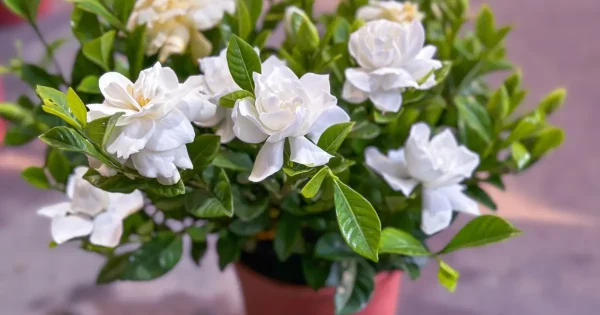
Frostproof Jasmine Care: 7 Tips for Successful Pot Growth
Most gardenias are known for being “divas.” They want perfect humidity, perfect soil, and they [...]
Mar
Top 7 Best Smelling Jasmine Varieties for a Heavenly Garden
Have you ever walked past a house and caught a scent so sweet you just [...]
Mar
Master the Heat: 8 Expert Tips for Growing Jalapeños Like a Pro
Are you staring at your garden space, wondering why your pepper plants look more like [...]
Mar
Top 5 Must-Have Hoya Varieties for Beginners
Hoyas are easily one of my top recommendations if you’re hunting for a low-maintenance houseplant [...]
Mar
7 Moringa Plant Care Mistakes to Avoid for Healthy Growth
Have you ever looked at your Moringa tree and wondered why its once vibrant green [...]
Feb
Reviews
There are no reviews yet.