
Common Milkweed Seeds 50 Count – Native Pollinator Plant for Gardens
Original price was: $31.99.$11.99Current price is: $11.99.
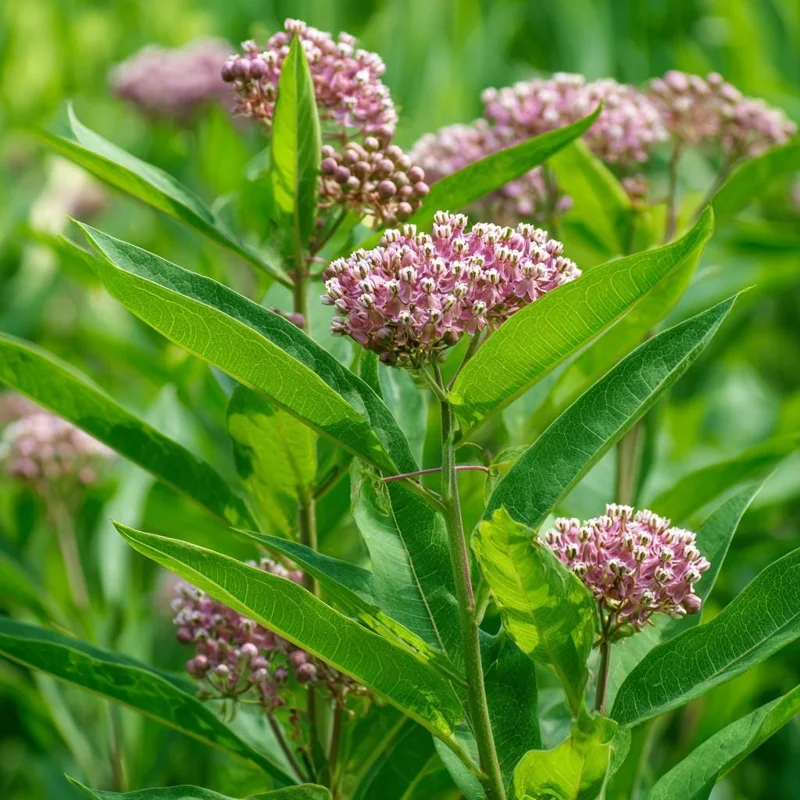
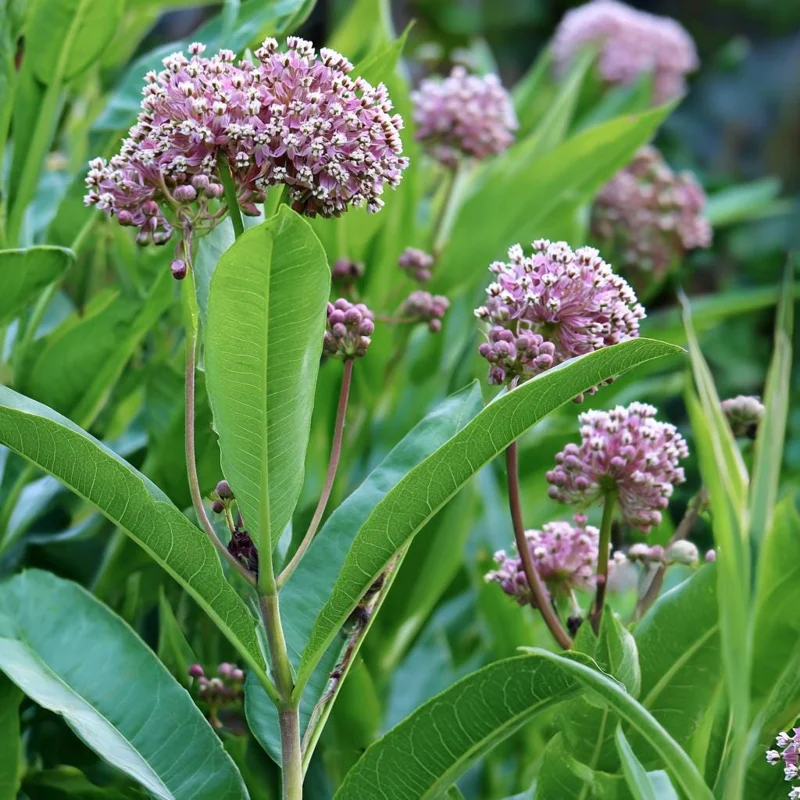
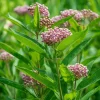
Cultivate a vibrant pollinator haven with common milkweed seeds. This pack of 50 seeds offers a wonderful opportunity to grow asclepias syriaca seeds, a crucial native plant known for attracting butterflies and bees. Ideal for gardens and naturalized landscapes, these seeds will produce hardy perennials with beautiful pink-purple flowers, enhancing biodiversity and supporting local wildlife.
Shipping and Return policies:
We stand behind our plants with our Alive & Thrive Guarantee. If you experience any issues within the first 30 days, please email us, and our team will be happy to help. When needed, we’ll send you a one-time replacement free of charge to make sure your garden keeps growing strong.

Reasonable Price
We offer reasonable price

Support 24/7
Contact us 24 hrs a day
100% Money Back
You’ve 30 days to Return
Payment Secure
100% secure payment
Overview
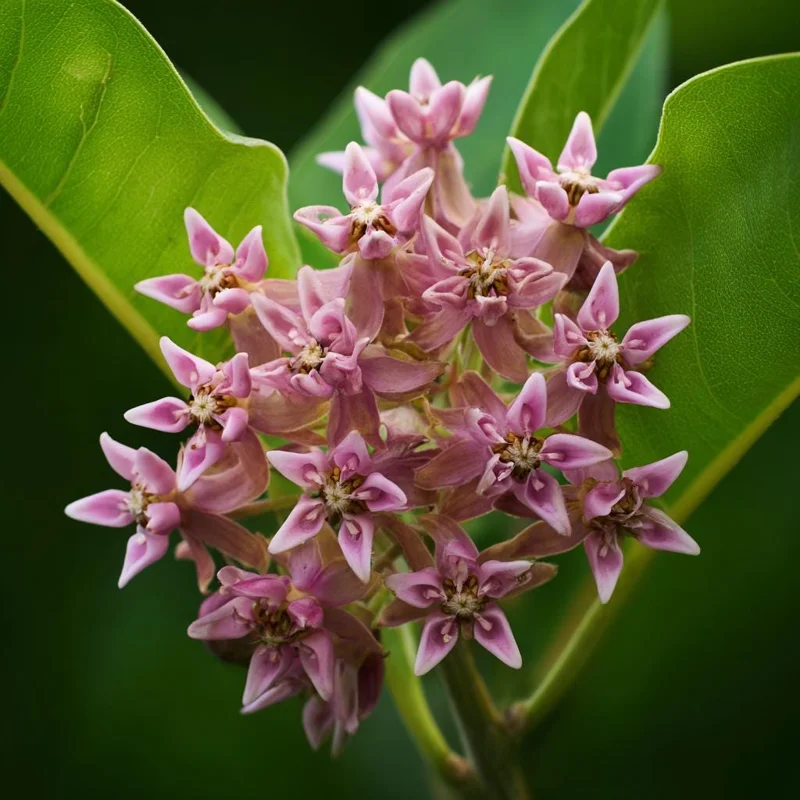
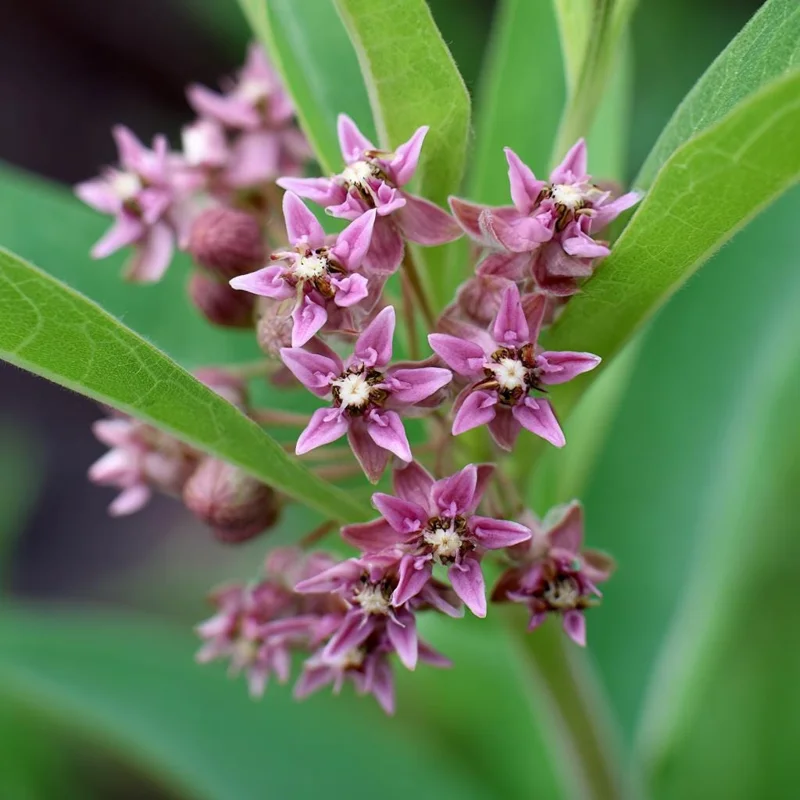
Bring life and color to your garden with this pack of 50 common milkweed seeds. Asclepias syriaca, commonly known as Common Milkweed, is a vital perennial native to North America, known for its distinctive fragrant pink-purple flower clusters. This remarkable plant plays an indispensable role in supporting diverse ecosystems, particularly as the sole host plant for monarch butterfly caterpillars. By planting these native pollinator seeds, you contribute directly to the conservation of these magnificent insects and other beneficial pollinators like bees. Beyond its ecological significance, Common Milkweed is a beautiful addition to any garden, meadow, or naturalized landscape, offering both visual appeal and a thriving habitat for wildlife.
These high-quality common milkweed seeds are ready to be sown, allowing you to cultivate a resilient and beautiful plant that requires minimal maintenance once established. Whether you’re an experienced gardener or just starting, growing Common Milkweed from seed is a rewarding experience that helps create a healthier environment. Its robust nature and ability to thrive in various conditions make it an excellent choice for sustainable gardening practices and supporting local biodiversity. Learn how to grow milkweed from seed and enjoy the benefits.
Key Benefits
Planting common milkweed seeds offers a multitude of advantages for your garden and the environment. This native plant is not only beautiful but also serves a critical ecological function, making it a valuable addition to any outdoor space.
- Supports Pollinators: Common Milkweed is the exclusive host plant for monarch butterfly caterpillars, providing essential food for their development. Its nectar-rich flowers also attract a wide array of other butterflies, bees, and beneficial insects, significantly boosting your garden’s pollinator activity.
- Enhances Biodiversity: By establishing native plants like asclepias syriaca seeds, you create a more balanced and resilient ecosystem, encouraging a greater variety of wildlife to flourish in your area.
- Low Maintenance: Once established, Common Milkweed is incredibly hardy and drought-tolerant, requiring minimal watering and care. It’s a perfect choice for gardeners seeking beautiful plants with less upkeep.
- Adaptable & Resilient: Thrives in a variety of soil conditions and climates, making it suitable for many regions across North America. Its adaptability ensures successful growth in diverse garden settings.
- Beautiful Blooms: Produces attractive clusters of fragrant pink-purple flowers throughout the summer, adding visual interest and a pleasant aroma to your garden.
- Erosion Control: Its strong root system helps stabilize soil, making it beneficial for naturalized areas and preventing soil erosion.
- Educational Value: Provides an excellent opportunity to observe the life cycle of monarch butterflies and learn about native plant ecology, making it a great plant for family gardens or educational settings.
Plant Care & Growing Tips
Successfully growing common milkweed seeds involves a few key steps to ensure robust plants. Common Milkweed (Asclepias syriaca) is relatively easy to care for, especially once established, making it a favorite among gardeners focused on native flora. Understanding its specific needs will help you cultivate healthy, thriving plants that attract abundant wildlife.
For germination, common milkweed seeds require cold stratification. You can sow seeds outdoors in late fall or early winter, allowing natural cold temperatures to stratify them over 30–60 days. Alternatively, for indoor starts, mix seeds with a moist substrate (like sand or vermiculite) in a sealed bag and refrigerate for 30–60 days before planting. Sow seeds ¼ inch deep in well-drained soil. Germination typically occurs within 14–28 days after the stratification period. Once seedlings emerge, thin them to 12–18 inches apart to allow for optimal growth and air circulation. Proper spacing is crucial as plants mature, ensuring they have enough resources to develop strong stems and abundant flowers. Consider how to best grow milkweed from seed for your specific climate.
Common milkweed plant care is straightforward. This plant thrives in full sun, meaning at least 6 hours of direct sunlight per day. It prefers well-drained, fertile soil, but is quite adaptable to various soil types, including sandy or clay soils, as long as drainage is adequate. Water regularly during the first growing season to help establish a strong root system, especially during dry spells. Once established, it is highly drought-tolerant and rarely needs supplemental watering. Minimal fertilization is needed; in fact, too much fertilizer can reduce flowering. Deadhead spent flowers to prevent excessive self-seeding if you wish to control its spread, or allow them to go to seed to encourage natural propagation and provide food for birds. This resilient plant is generally pest and disease-free, making it a low-maintenance choice for attracting pollinators and supporting ecological balance in your garden. For effective milkweed plant care, ensure proper sunlight and drainage.
Size & Details
This product includes a pack of 50 common milkweed seeds (Asclepias syriaca), providing ample opportunity to establish a significant patch of this beneficial native plant. Each seed has the potential to grow into a robust perennial plant, typically reaching an average height of 3 to 6 feet tall with a spread of 2 to 3 feet. The growth rate is moderate, with plants generally flowering in their second year from seed. These seeds are suitable for planting in a variety of settings, from dedicated pollinator gardens to naturalized areas and meadows. The plants will develop strong, deep taproots, making them resilient to drought once mature. Expect fragrant pink-purple flower clusters to appear from June to August, followed by distinctive seed pods in late summer and fall. Learning how to grow milkweed from seed will allow you to enjoy this full lifecycle.
Frequently Asked Questions
- Q: How many seeds are included in this pack? A: This pack contains 50 common milkweed seeds, providing a generous quantity for planting a significant area or multiple smaller patches.
- Q: Is common milkweed an indoor or outdoor plant? A: Common Milkweed (Asclepias syriaca) is primarily an outdoor plant, native to North America. It requires full sun exposure and is best grown in gardens, meadows, or naturalized landscapes.
- Q: How much sunlight does Common Milkweed need? A: For optimal growth and flowering, Common Milkweed requires full sun, which means at least 6 hours of direct sunlight per day. It can tolerate partial sun but may produce fewer flowers.
- Q: Is this plant easy to care for? A: Yes, milkweed plant care is relatively easy. Once established, Common Milkweed is very low-maintenance, drought-tolerant, and adaptable to various soil types, making it suitable for beginner gardeners.
- Q: What condition will the seeds arrive in? A: The seeds will arrive in a dry, viable condition, ready for stratification and planting. They are carefully packaged to ensure their quality during transit.
- Q: How long until Common Milkweed blooms from seed? A: Common Milkweed typically blooms in its second year from seed. The first year focuses on establishing a strong root system, and then it will produce its characteristic pink-purple flowers.
- Q: Will Common Milkweed survive winter in my zone? A: Common Milkweed is a hardy perennial and is well-suited for USDA Zones 3-9. It will die back to the ground in winter and regrow from its rootstock in the spring.
- Q: What is the best way to grow milkweed from seed? A: The best way to grow milkweed from seed is to provide cold stratification for 30-60 days before planting. This mimics natural winter conditions and encourages germination.
- Q: Why is Common Milkweed important for the environment? A: Common Milkweed is crucial because it is the sole host plant for monarch butterfly caterpillars, meaning monarchs can only lay their eggs and their larvae can only feed on milkweed plants. It also provides nectar for a wide range of other pollinators.
- Q: Do these seeds require any special soil? A: While Common Milkweed prefers well-drained, fertile soil, it is highly adaptable and can grow in a variety of soil types, including sandy, loamy, or clay soils, as long as they are not waterlogged.
Be the first to review “Common Milkweed Seeds 50 Count – Native Pollinator Plant for Gardens”
You must be logged in to post a review.
People also Viewed
Sold 50 products
Original price was: $36.99.$16.99Current price is: $16.99.
Sold 50 products
Original price was: $31.99.$11.99Current price is: $11.99.
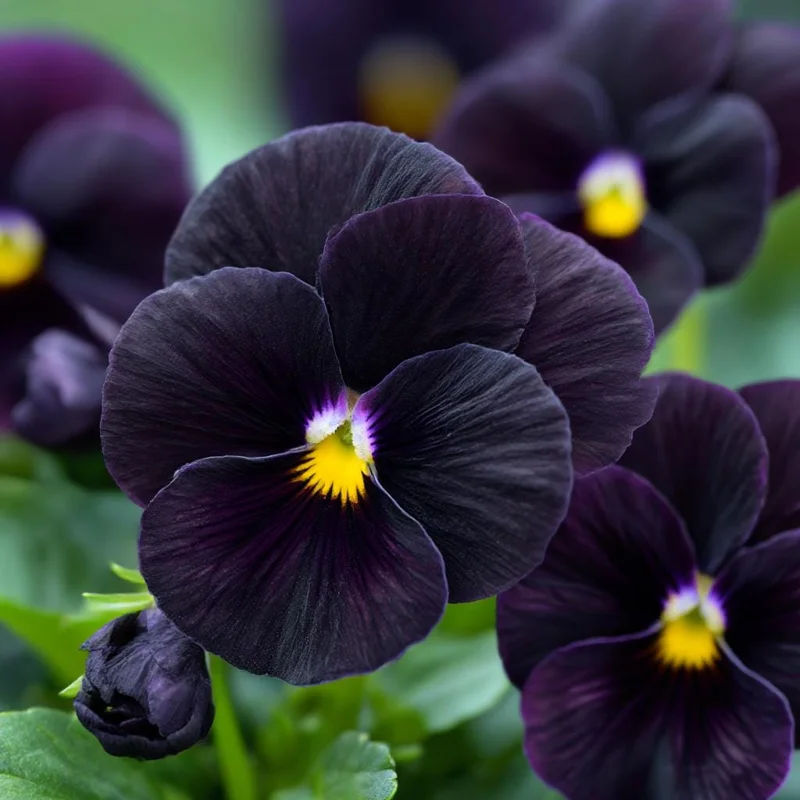
Sold 50 products
Original price was: $35.99.$15.99Current price is: $15.99.

Sold 50 products
Original price was: $31.99.$11.99Current price is: $11.99.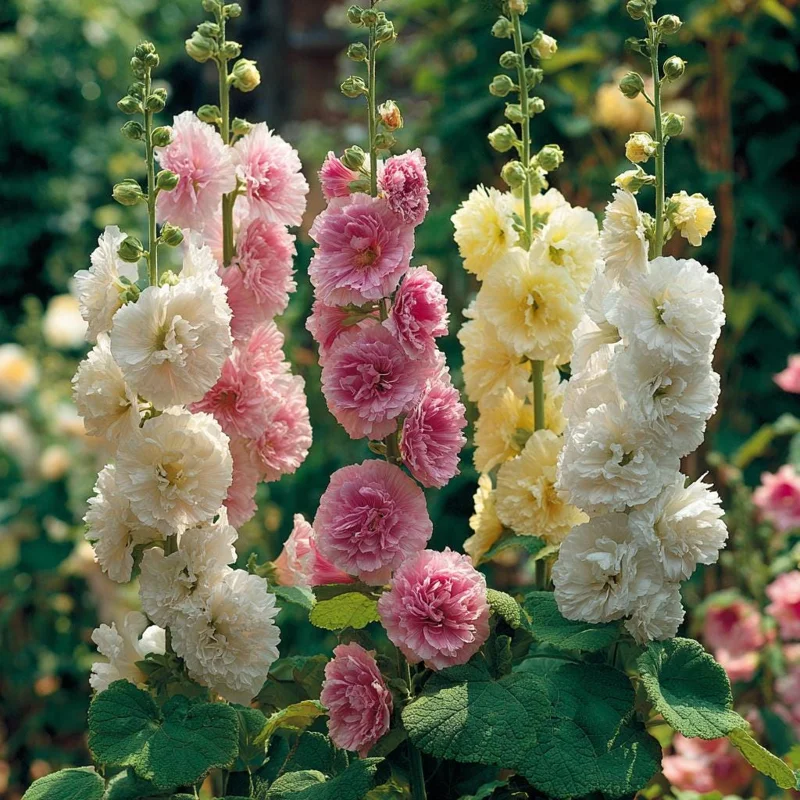
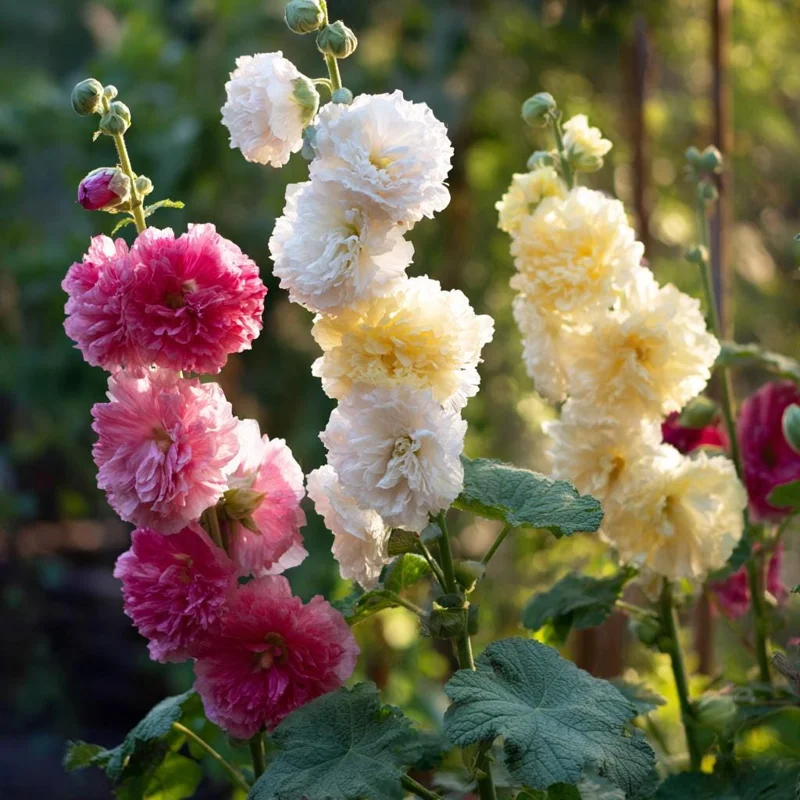
Sold 50 products
Original price was: $35.99.$15.99Current price is: $15.99.
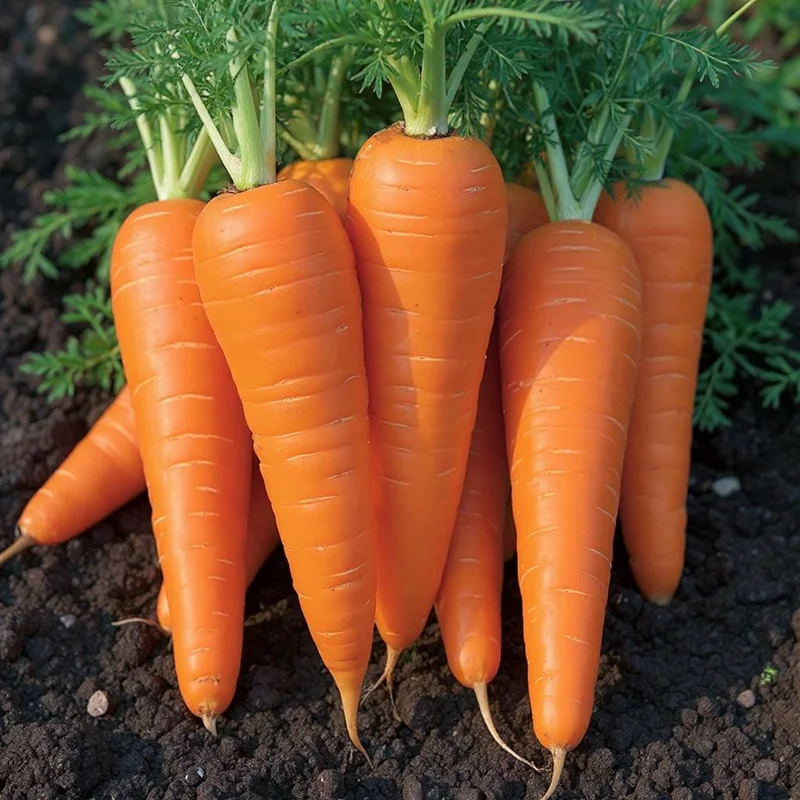
Sold 50 products
Original price was: $31.99.$11.99Current price is: $11.99.
Sold 50 products
Original price was: $34.99.$14.99Current price is: $14.99.
Sold 50 products
Original price was: $31.99.$11.99Current price is: $11.99.RELATED posts
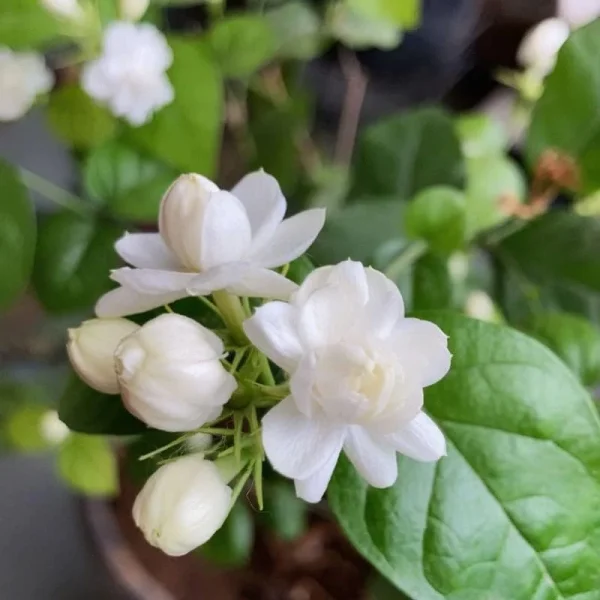
How to Grow Arabian Jasmine: A Complete Care Guide
If you’ve ever dreamed of a garden that smells like a tropical paradise, Jasminum sambac [...]
Apr
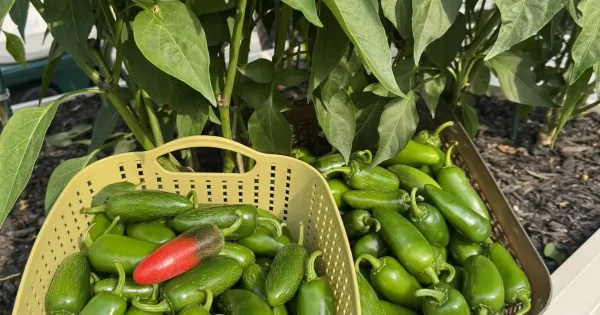
How to Grow Jalapeño Peppers From Seeds: A Step-by-Step Guide
Ready to spice things up in your garden? Jalapeños are the true life of the [...]
Apr
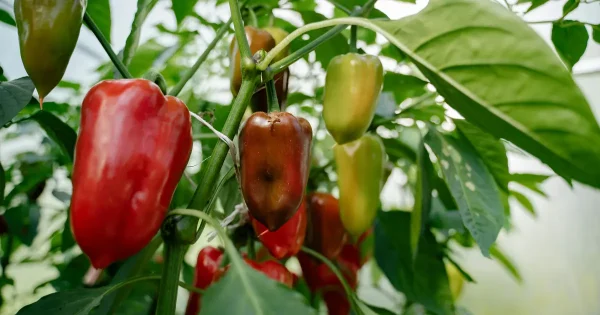
Top 12 Best Types of Peppers to Grow in Your Garden: Easy and High Yield
Growing peppers is, quite honestly, one of the biggest “wins” you can have in a [...]
Apr
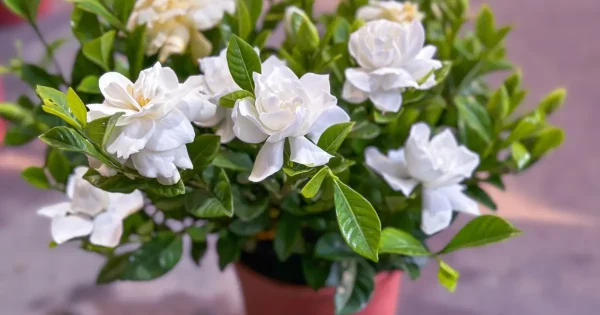
Frostproof Jasmine Care: 7 Tips for Successful Pot Growth
Most gardenias are known for being “divas.” They want perfect humidity, perfect soil, and they [...]
Mar
Top 7 Best Smelling Jasmine Varieties for a Heavenly Garden
Have you ever walked past a house and caught a scent so sweet you just [...]
Mar

Master the Heat: 8 Expert Tips for Growing Jalapeños Like a Pro
Are you staring at your garden space, wondering why your pepper plants look more like [...]
Mar
Top 5 Must-Have Hoya Varieties for Beginners
Hoyas are easily one of my top recommendations if you’re hunting for a low-maintenance houseplant [...]
Mar
7 Moringa Plant Care Mistakes to Avoid for Healthy Growth
Have you ever looked at your Moringa tree and wondered why its once vibrant green [...]
Feb

Reviews
There are no reviews yet.