
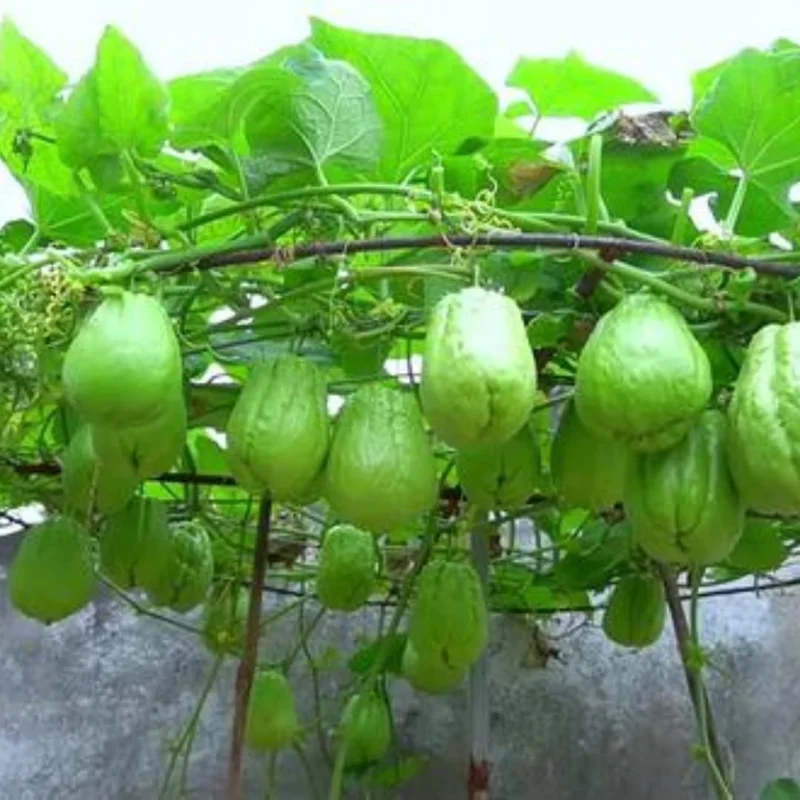
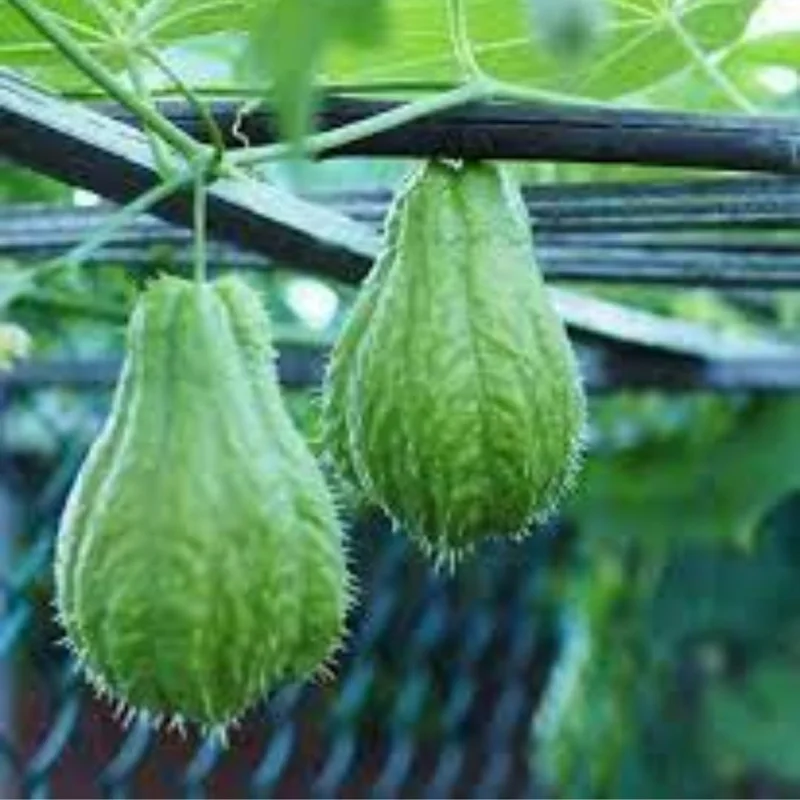

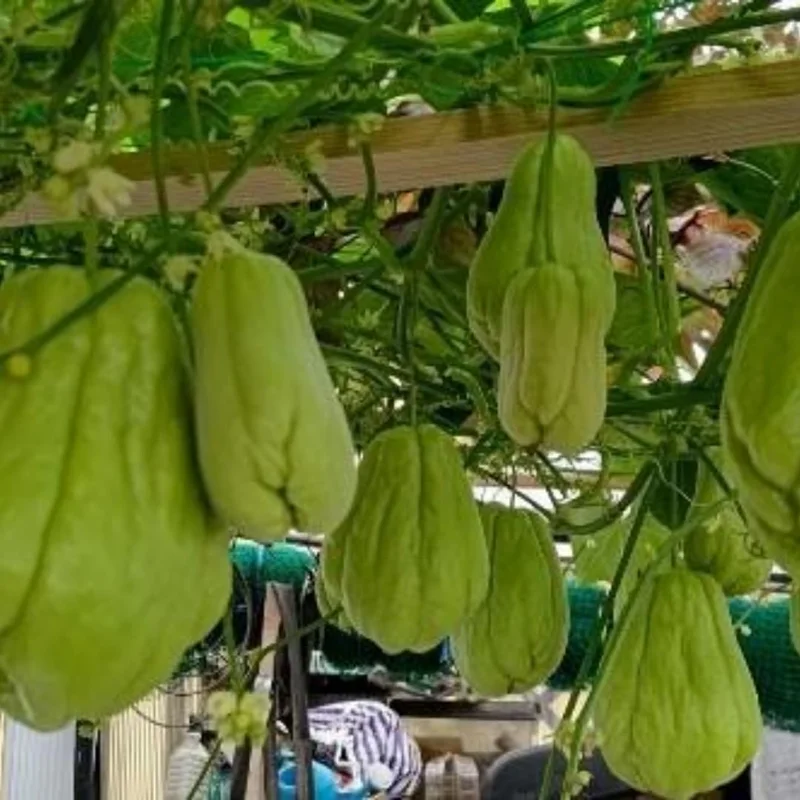


Chayote Squash Live Plant – Gallon Pot, 7-10 Inches Tall, Vegetable Vine
$43.99
Bring home a vigorous chayote squash live plant, ready to thrive in your garden. This 7-10 inch tall vegetable vine comes in a 1-gallon pot, perfect for growing your own delicious and versatile chayote (also known as mirliton squash plant or vegetable pear vine). Enjoy abundant harvests of nutritious fruits with relatively low maintenance.
Shipping and Return policies:
We stand behind our plants with our Alive & Thrive Guarantee. If you experience any issues within the first 30 days, please email us, and our team will be happy to help. When needed, we’ll send you a one-time replacement free of charge to make sure your garden keeps growing strong.

Reasonable Price
We offer reasonable price

Support 24/7
Contact us 24 hrs a day
100% Money Back
You’ve 30 days to Return
Payment Secure
100% secure payment
Overview
Bring the joy of fresh, homegrown produce to your garden with the chayote squash live plant. This vigorous and fast-growing vegetable vine is perfect for gardeners looking to cultivate unique and nutritious fruits. Chayote (Sechium edule), also known as mirliton squash plant, vegetable pear, or choko, is celebrated for its mild flavor and versatility in various culinary dishes, from stir-fries to salads. Our healthy live plant comes pre-potted in a gallon container, standing approximately 7-9 inches tall, ready to be transplanted into your outdoor garden space. Its climbing habit makes it an excellent choice for trellises or fences, adding both beauty and bounty to your landscape. Growing chayote squash is a rewarding experience, offering an abundant harvest of these unique, pear-shaped fruits.
Key Benefits
Growing chayote squash offers numerous advantages, from fresh produce to an attractive garden addition. This plant is not only a source of healthy food but also provides an engaging gardening experience.
- Abundant Harvest: The chayote vine is known for its prolific production, providing a generous yield of fruits throughout its growing season. One healthy chayote squash live plant can supply many meals, making it a highly efficient use of garden space.
- Culinary Versatility: Chayote squash has a mild, slightly sweet flavor and a crisp texture, making it incredibly adaptable in the kitchen. It can be baked, boiled, fried, stir-fried, or eaten raw in salads, absorbing flavors beautifully. This makes the vegetable pear vine a kitchen staple.
- Nutritional Value: Chayote is low in calories and rich in dietary fiber, vitamins (especially C and B vitamins), and minerals. It’s a healthy addition to any diet, supporting overall well-being.
- Fast-Growing Vine: This plant is a vigorous climber, quickly covering trellises, fences, or arbors, providing lush green foliage and an attractive vertical element to your garden. It can reach lengths of 10-30 feet.
- Relatively Low Maintenance: Once established, the chayote squash live plant is quite resilient. With proper sunlight and consistent watering, it thrives with minimal fuss, making growing chayote squash accessible for many gardeners.
- Unique Garden Addition: Beyond its edible fruits, the chayote vine’s large leaves and climbing habit create a distinctive and tropical aesthetic in your garden.
Plant Care & Growing Tips
To ensure your chayote squash live plant thrives and produces a bountiful harvest, understanding its specific care requirements is essential. This fast-growing vine prefers warm climates and consistent attention to light, water, and soil. Successful chayote plant care involves providing optimal conditions for growth and fruiting.
Sunlight Requirements: Chayote squash plants are sun-lovers and require full sun exposure, meaning at least 6-8 hours of direct sunlight per day. Plant them in a location that receives ample morning sun and some afternoon shade in extremely hot climates to prevent scorching. For optimal fruit production, adequate sunlight is crucial for this outdoor vegetable vine.
Watering Schedule & Soil Moisture: These plants have moderate watering needs. Keep the soil consistently moist but never waterlogged. Deep watering 2-3 times a week, especially during dry spells and when fruits are developing, is generally sufficient. Reduce watering in cooler weather. Good drainage is key to prevent root rot.
Soil Type & Drainage: Chayote thrives in rich, well-draining soil with a slightly acidic to neutral pH (6.0-6.8). Amend heavy clay soils with compost or organic matter to improve drainage and fertility. A raised bed or mounded soil can also help ensure proper drainage. Avoid planting in areas where water tends to sit.
Temperature Range & USDA Hardiness Zone: Chayote is a tender perennial, typically grown as an annual in most temperate regions. It prefers warm temperatures, ideally between 65°F and 80°F (18°C-27°C). It is sensitive to frost and will not tolerate freezing temperatures. This plant is best suited for USDA Hardiness Zone 7 and above. In colder zones, it must be grown as an annual or brought indoors for winter. To successfully plant chayote vegetable, ensure your local climate meets these warmth requirements.
Fertilization Schedule: Begin with a balanced slow-release fertilizer at planting time. Once the vine starts actively growing and flowering, feed every 4-6 weeks with a fertilizer higher in phosphorus and potassium to encourage fruiting. Organic options like compost tea or aged manure can also provide excellent nutrients for your chayote squash live plant.
Common Problems & Solutions: Watch out for common garden pests like aphids and squash bugs. Use organic pest control methods such as neem oil or insecticidal soap if infestations occur. Ensure good air circulation to prevent fungal diseases like powdery mildew, especially in humid conditions. Proper watering and spacing can help prevent many issues when growing chayote squash.
Size & Details
This chayote squash live plant arrives as a vibrant, actively growing specimen, ready for transplanting into your garden. Each plant is approximately 7-9 inches tall from the base of the soil to the top of the foliage and is securely rooted in a one-gallon nursery pot. The fast-growing climbing vine can reach an impressive length of 10-30 feet, making it an excellent choice for vertical gardening or covering arbors and fences. It typically begins producing fruit within 90-120 days after planting, with continuous harvests throughout the warm season. This rapid growth contributes to the appeal of the vegetable pear vine.
The plant is shipped as a healthy, potted plant, ensuring minimal transplant shock. Expect a robust root system and strong foliage, indicating its readiness to establish quickly in its new environment. With proper care, your chayote plant care will reward you with numerous edible fruits. The fruits themselves are typically pear-shaped, light green, and can weigh between 0.5 to 2 pounds each, depending on growing conditions and variety.
Frequently Asked Questions
- Q: How big does this plant get? A: The chayote squash live plant is a vigorous climbing vine that can reach lengths of 10-30 feet. It will quickly cover trellises, fences, or other support structures, making it an impressive vegetable pear vine.
- Q: What size pot does it come in? A: This chayote squash live plant is shipped in a one-gallon nursery pot, and the plant itself is approximately 7-9 inches tall upon arrival.
- Q: Is this an indoor or outdoor plant? A: Chayote squash is primarily an outdoor plant, thriving in full sun and warm temperatures. While it can be started indoors in colder climates, it needs to be transplanted outdoors for optimal growth and fruiting.
- Q: How much sunlight does it need? A: For best results, the chayote squash live plant requires full sun exposure, meaning at least 6-8 hours of direct sunlight daily.
- Q: Is this plant easy to care for? A: Once established, chayote squash is relatively easy to care for. It primarily needs consistent watering, full sun, and a sturdy support structure for its climbing vines. Effective chayote plant care is straightforward.
- Q: What condition will it arrive in? A: Your chayote squash live plant will arrive as a healthy, actively growing specimen in its gallon pot, carefully packaged to ensure its safety during transit.
- Q: Can I use chayote in cooking? A: Absolutely! Chayote squash is a versatile vegetable used in a wide range of dishes, including stir-fries, soups, stews, salads, and even baked goods. Its mild flavor makes it a great addition to many recipes, a key benefit of the mirliton squash plant.
- Q: How long until it produces fruit? A: Typically, the chayote squash live plant will start producing fruit within 90-120 days after being planted in its permanent outdoor location, provided it has ideal growing conditions.
- Q: Will it survive winter in my zone? A: Chayote is a tender perennial suitable for USDA Hardiness Zone 7 and warmer. In colder zones, it is best grown as an annual or brought indoors for overwintering if you wish to keep the plant alive.
- Q: What’s the minimum temperature it can tolerate? A: The chayote squash live plant is sensitive to cold and will not tolerate frost. It thrives in temperatures above 65°F (18°C) and will suffer damage or die if exposed to freezing temperatures.
Be the first to review “Chayote Squash Live Plant – Gallon Pot, 7-10 Inches Tall, Vegetable Vine”
You must be logged in to post a review.
People also Viewed
Sold 50 products
Original price was: $28.58.$19.99Current price is: $19.99.
Sold 50 products
$32.39
Sold 50 products
$21.59
Sold 50 products
$35.99
Sold 50 products
Price range: $23.15 through $25.19
Sold 50 products
$38.39

Sold 50 products
Price range: $28.79 through $35.99
Sold 50 products
$26.39RELATED posts
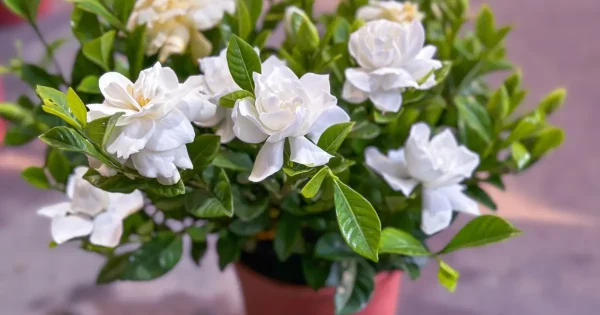
Frostproof Jasmine Care: 7 Tips for Successful Pot Growth
Most gardenias are known for being “divas.” They want perfect humidity, perfect soil, and they [...]
Mar
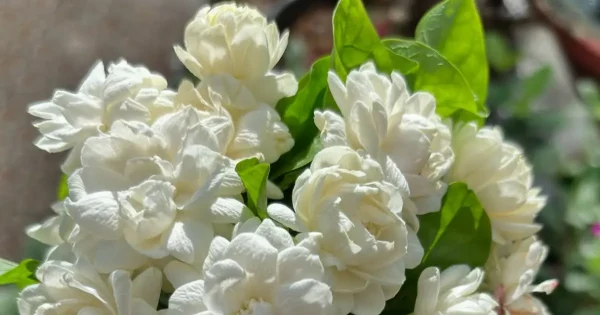
Top 7 Best Smelling Jasmine Varieties for a Heavenly Garden
Have you ever walked past a house and caught a scent so sweet you just [...]
Mar
Master the Heat: 8 Expert Tips for Growing Jalapeños Like a Pro
Are you staring at your garden space, wondering why your pepper plants look more like [...]
Mar
Top 5 Must-Have Hoya Varieties for Beginners
Hoyas are easily one of my top recommendations if you’re hunting for a low-maintenance houseplant [...]
Mar
7 Moringa Plant Care Mistakes to Avoid for Healthy Growth
Have you ever looked at your Moringa tree and wondered why its once vibrant green [...]
Feb
How to Grow Potato Onions From True Seeds: A Step-by-Step Guide
Have you ever wondered how to grow potato onions from true seeds or why some [...]
Feb
Growing Walking Onions in Containers: The Ultimate Guide
Have you ever looked at your small balcony or cramped patio and wished you could [...]
Feb

9 Best Flower Seeds to Start in February for Early Blooms
If you’re a passionate gardener, you know that itchy feeling in your fingers when February [...]
Jan



Reviews
There are no reviews yet.