
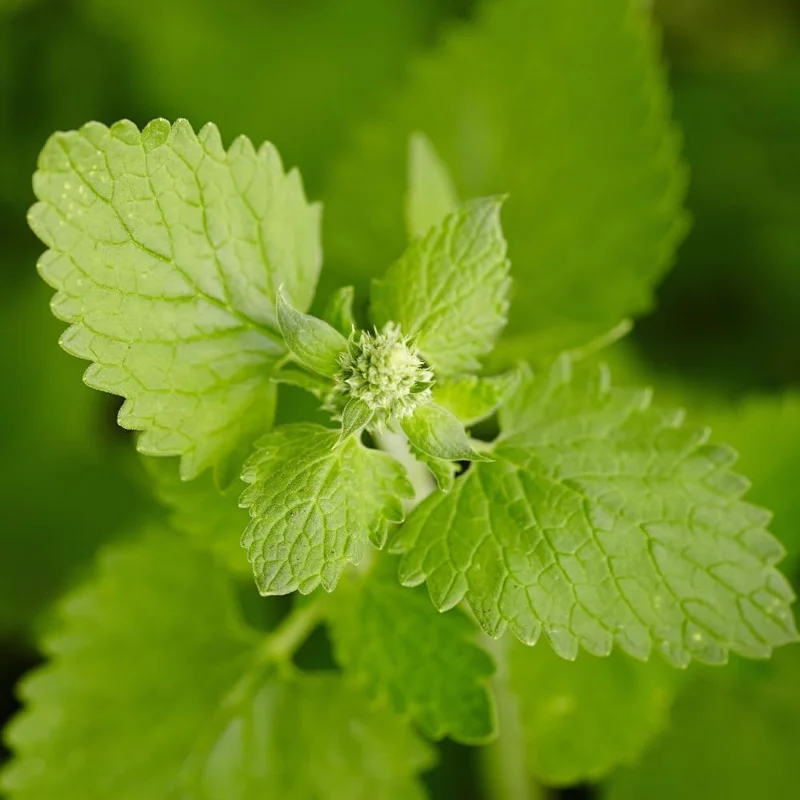
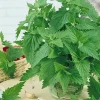
Catnip Live Plant Pack – 3 Well-Rooted Herbs, 4-7″ Tall, Indoor/Outdoor
$24.99
Bring joy to your feline friends and enhance your garden with this catnip live plant 3-pack. Each well-rooted herb measures 4-7 inches tall, ready for planting indoors or outdoors. Enjoy the fragrant, low-maintenance nature of these vibrant perennial plants.
Shipping and Return policies:
We stand behind our plants with our Alive & Thrive Guarantee. If you experience any issues within the first 30 days, please email us, and our team will be happy to help. When needed, we’ll send you a one-time replacement free of charge to make sure your garden keeps growing strong.

Reasonable Price
We offer reasonable price

Support 24/7
Contact us 24 hrs a day
100% Money Back
You’ve 30 days to Return
Payment Secure
100% secure payment
Overview
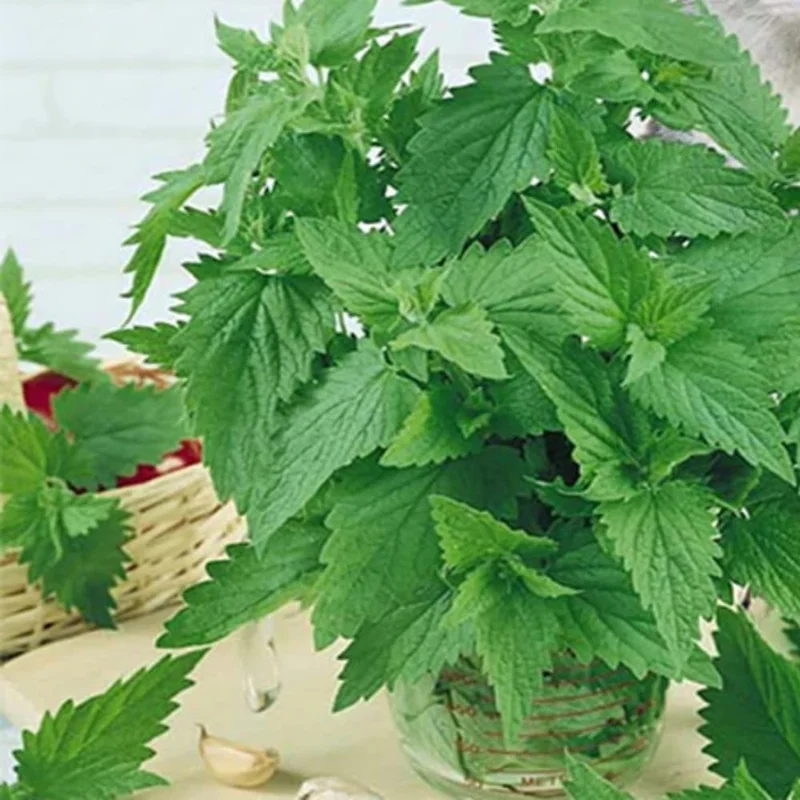
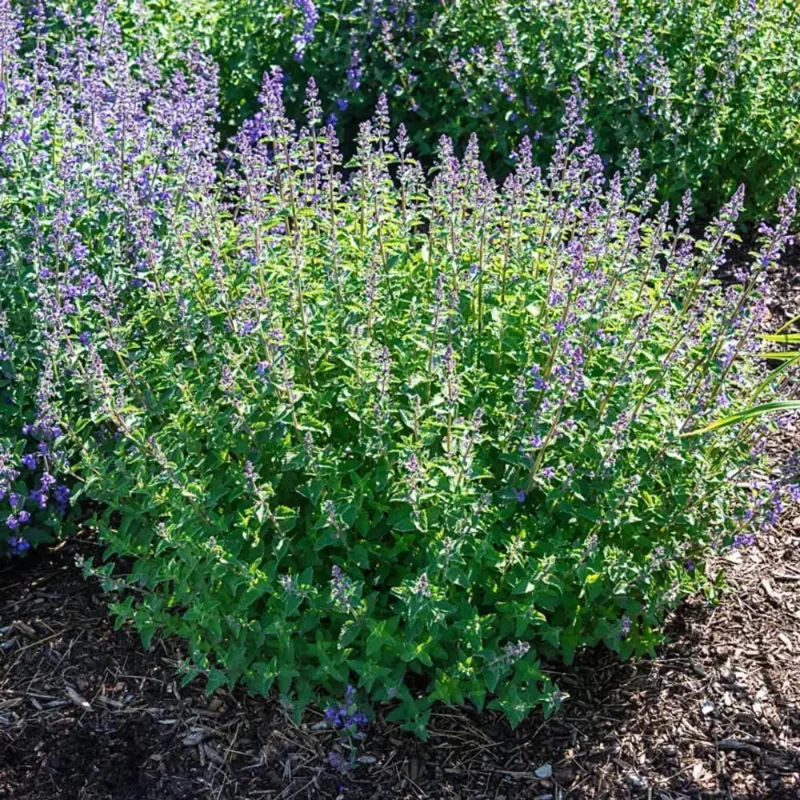
Introduce a delightful and engaging addition to your home or garden with our catnip live plant 3-pack. Each order includes three robust, well-rooted live catnip plants, each measuring an impressive 4-7 inches tall, ensuring a strong start in your chosen environment. Catnip, scientifically known as Nepeta cataria, is a beloved perennial herb famous for its aromatic foliage and the euphoric effect it has on many cats. This fast-growing plant is incredibly versatile, thriving in various settings from indoor pots to outdoor garden beds, making it an excellent choice for both experienced gardeners and beginners looking for catnip plants for cats or a fragrant herb for their collection.
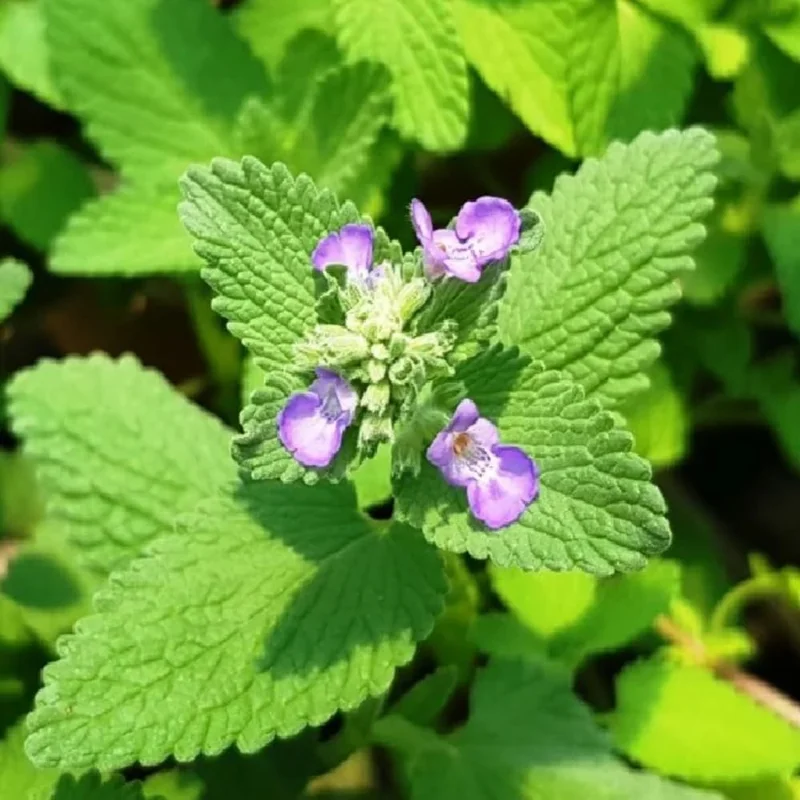
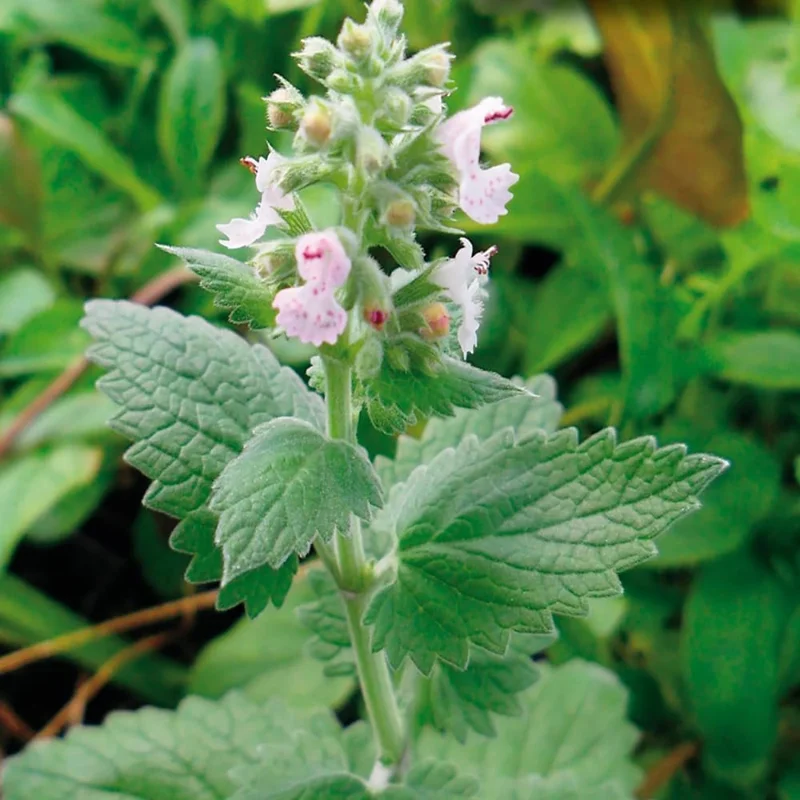
Our catnip plants are carefully cultivated to be healthy and ready for transplanting, minimizing stress and maximizing their potential for vigorous growth. Whether you’re creating a dedicated herb garden, adding a touch of greenery to your patio, or simply want to treat your feline companions, these catnip plants offer a natural and enriching experience. Their vibrant green leaves and potential for delicate lavender-like flowers add an aesthetic appeal to any space, while their distinctive scent makes them a fantastic choice for a sensory garden or as a natural deterrent for certain pests.
Key Benefits
Integrating these vibrant catnip live plant specimens into your home or garden offers a multitude of benefits, from enhancing your pet’s well-being to elevating your gardening experience. These plants are not only a source of joy for cats but also a low-maintenance, fragrant addition to any plant collection.
- Natural Cat Enrichment: Provide a safe and natural stimulant for your cats. The nepetalactone in catnip often induces playful, happy behaviors, offering hours of entertainment and reducing stress for your feline companions.
- Aromatic Garden Addition: Enjoy the pleasant, minty fragrance of catnip, which can refresh your living spaces or garden areas. It’s a wonderful herb to include in sensory gardens.
- Low Maintenance & Hardy: These plants are incredibly resilient and require minimal care, making them perfect for busy individuals or novice gardeners. They are cold hardy in USDA Zones 3–9, tolerating a wide range of climates.
- Versatile Growing Options: Thrive equally well in containers, raised beds, or directly in the ground. This flexibility allows you to grow catnip indoors as a houseplant or outdoors in your garden.
- Fast-Growing Perennial: As a perennial, catnip returns year after year, providing continuous enjoyment. It grows quickly, reaching mature sizes of 18–24 inches tall and wide, filling out your space beautifully.
- Pest Deterrent: Beyond attracting cats, catnip is known to naturally deter certain garden pests, offering a natural, eco-friendly solution for protecting other plants.
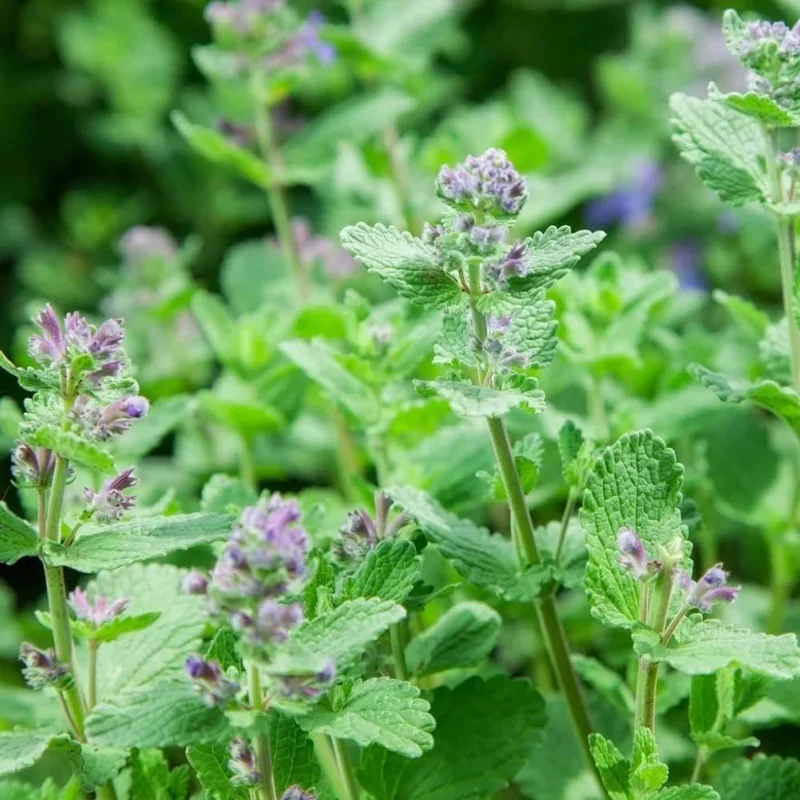
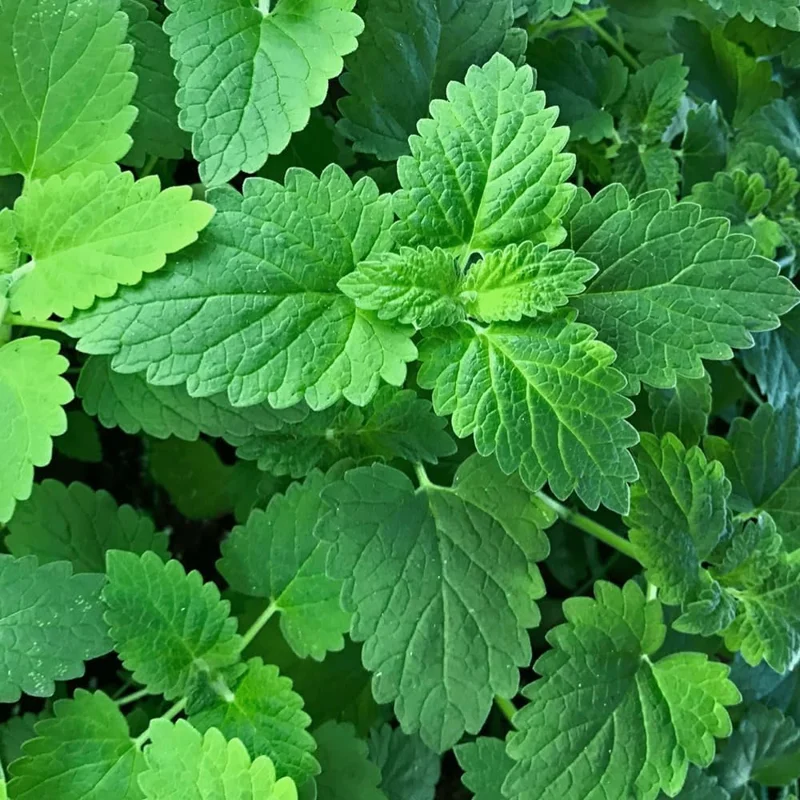
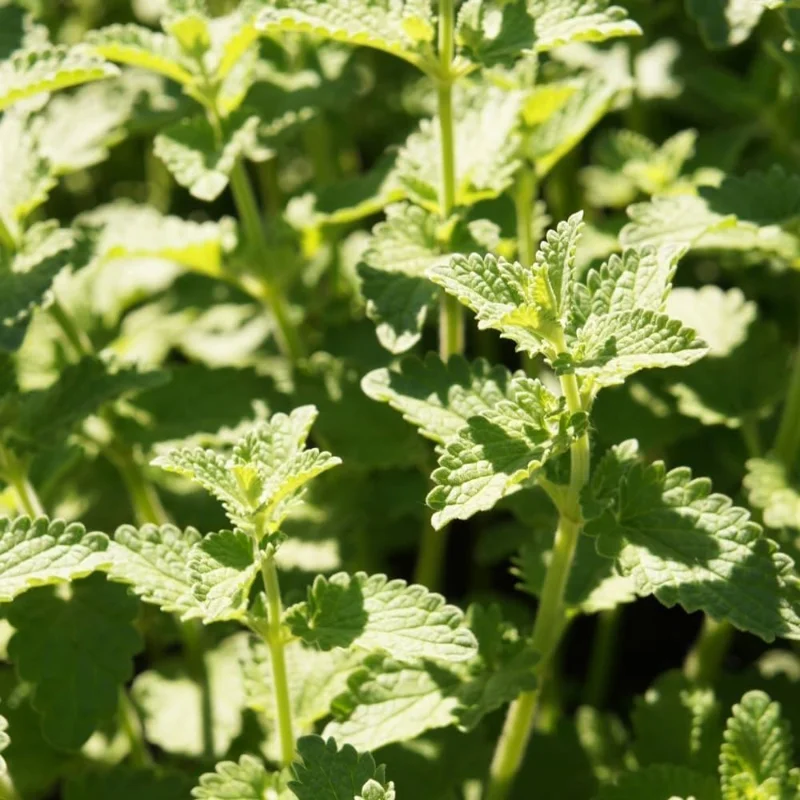
- Attractive Foliage: The soft, green leaves and upright growth habit make nepeta cataria plant an attractive ornamental herb, suitable for various landscape designs or as a standalone potted specimen.
Plant Care & Growing Tips
Caring for your catnip live plant is straightforward, making it an ideal choice for gardeners of all skill levels. These resilient herbs thrive with basic attention, ensuring vigorous growth and a bountiful harvest. For optimal health, understanding their fundamental needs for light, water, and soil is crucial.
Catnip prefers a location with sunlight exposure ranging from full sun to partial shade. In warmer climates, some afternoon shade can prevent leaf scorch, while in cooler regions, full sun encourages robust growth and higher nepetalactone content. Aim for at least 4-6 hours of direct sunlight daily for the best results. When it comes to moisture needs, catnip is relatively drought-tolerant once established but appreciates moderate watering. Allow the top inch or two of soil to dry out between waterings to prevent root rot, especially for plants grown in containers. Overwatering is a common mistake, so err on the side of underwatering rather than overwatering.
The ideal soil type for catnip is well-drained soil. It’s not particularly fussy about soil fertility but good drainage is paramount. A standard potting mix amended with some perlite or sand works well for containers, while garden beds should have loose, loamy soil. Catnip is cold hardy in USDA Hardiness Zones 3-9, meaning it can withstand a broad range of winter temperatures and will typically return each spring. Fertilization is generally not heavily required; a light application of a balanced liquid fertilizer once or twice during the growing season is usually sufficient, especially for plants in pots. Watch out for common pests like aphids or spider mites, which can be managed with insecticidal soap if necessary. Pruning can encourage bushier growth and prevent the plant from becoming leggy, ensuring a continuous supply of fresh leaves for your growing catnip indoors or out.
Size & Details
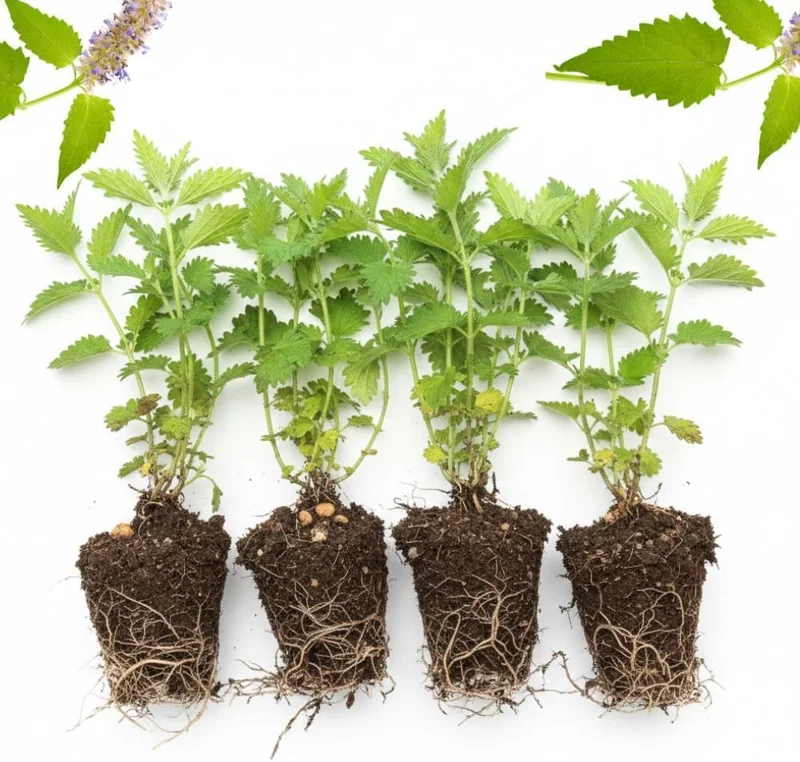
This offering includes a pack of three individual catnip live plant specimens, each carefully nurtured to reach a healthy height of 4-7 inches tall at the time of shipment. These plants are well-rooted in their nursery pots, ensuring they are ready for immediate transplanting into your chosen container or garden bed. When mature, each catnip plant is expected to reach a significant size of 18-24 inches in both height and width, forming a lush, bushy presence. The vigorous growth rate means you won’t have to wait long to enjoy the full benefits and beauty of your catnip herb garden.
These perennial herbs are shipped in their pots with soil to minimize transplant shock and ensure they arrive in prime condition, ready to thrive. With proper care, they will quickly establish themselves and begin producing their characteristic fragrant foliage, providing enjoyment for seasons to come. The expected planting period is spring, but given their hardiness and adaptability, they can be successfully planted throughout the growing season, especially when grown indoors or in climates with mild winters. Each plant is a robust starter that will quickly grow into a substantial, mature specimen.
Frequently Asked Questions
- Q: How big does this plant get? A: Each catnip live plant is shipped at 4-7 inches tall. When mature, it can grow to approximately 18-24 inches tall and wide, forming a bushy, fragrant mound.
- Q: What size pot does it come in? A: The plants are shipped in small nursery pots with soil, ensuring they are well-rooted and ready for transplanting into a larger container or directly into your garden.
- Q: Is this an indoor or outdoor plant? A: Catnip is highly versatile and can be grown both indoors as a potted plant or outdoors in garden beds, raised beds, or containers. It thrives in various environments.
- Q: How much sunlight does it need? A: Catnip prefers full sun to partial shade. Aim for at least 4-6 hours of direct sunlight daily. In very hot climates, partial afternoon shade can be beneficial.
- Q: Is this plant easy to care for? A: Yes, growing catnip indoors or outdoors is very easy. It is a low-maintenance, hardy perennial that tolerates a range of conditions and is suitable for beginners.
- Q: Is it good for beginners? A: Absolutely! Catnip is known for its resilience and forgiving nature, making it an excellent choice for those new to gardening.
- Q: What condition will it arrive in? A: Your catnip live plant will arrive well-rooted in its nursery pot, packed carefully to ensure it reaches you in healthy, vibrant condition, ready for planting.
- Q: Is it shipped in soil? A: Yes, the plants are shipped in their original nursery pots with soil to protect the root system and ensure a smooth transition to your home.
- Q: Is this plant pet-safe? A: Yes, catnip is generally considered safe for cats and is often used as a natural treat or enrichment. However, moderation is always advised.
- Q: Will it survive winter in my zone? A: Catnip is cold hardy in USDA Zones 3–9, meaning it is a perennial that will typically return each spring in these regions, even after cold winters.
- Q: When is the best time to plant? A: The expected planting period is spring, but established plants can be successfully transplanted throughout the growing season. For indoor growing, planting can occur year-round.
- Q: What’s the minimum temperature it can tolerate? A: As a perennial in USDA Zones 3-9, it can tolerate winter temperatures well below freezing once established. For young plants or those in colder zones, protection may be needed.
Be the first to review “Catnip Live Plant Pack – 3 Well-Rooted Herbs, 4-7″ Tall, Indoor/Outdoor”
You must be logged in to post a review.
People also Viewed
Sold 50 products
Original price was: $17.58.$11.86Current price is: $11.86.
Sold 50 products
Price range: $32.99 through $35.99
Sold 50 products
$69.99
Sold 50 products
$18.99
Sold 50 products
Price range: $14.98 through $23.89
Sold 50 products
$32.99

Sold 50 products
$24.99

Sold 50 products
Price range: $43.99 through $44.99RELATED posts
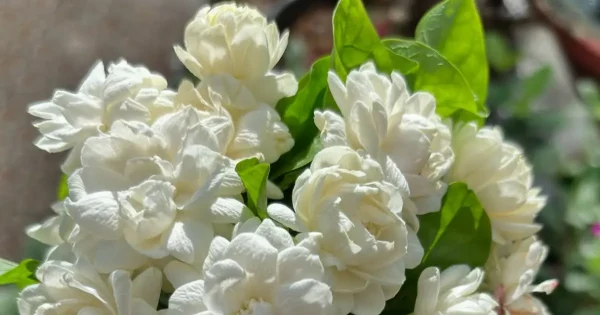
Top 7 Best Smelling Jasmine Varieties for a Heavenly Garden
Have you ever walked past a house and caught a scent so sweet you just [...]
Mar
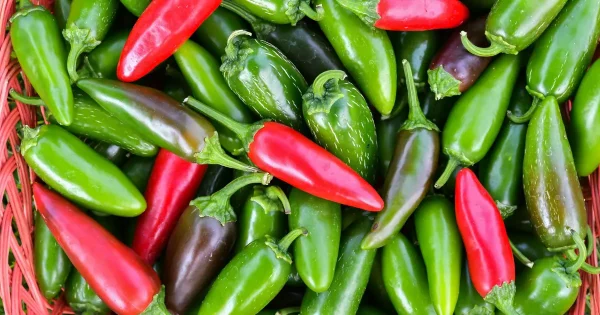
Master the Heat: 8 Expert Tips for Growing Jalapeños Like a Pro
Are you staring at your garden space, wondering why your pepper plants look more like [...]
Mar
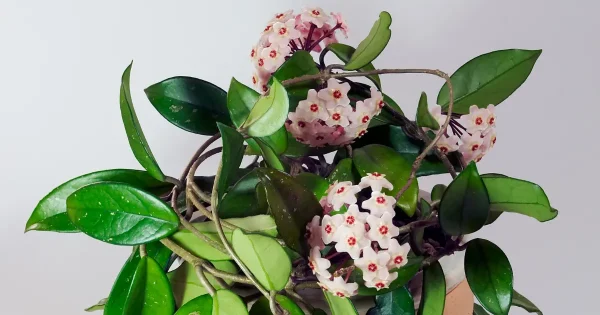
Top 5 Must-Have Hoya Varieties for Beginners
Hoyas are easily one of my top recommendations if you’re hunting for a low-maintenance houseplant [...]
Mar
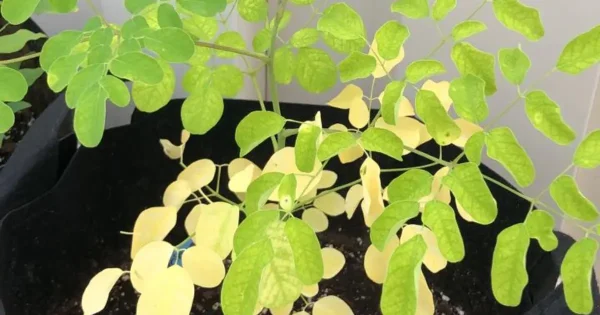
7 Moringa Plant Care Mistakes to Avoid for Healthy Growth
Have you ever looked at your Moringa tree and wondered why its once vibrant green [...]
Feb
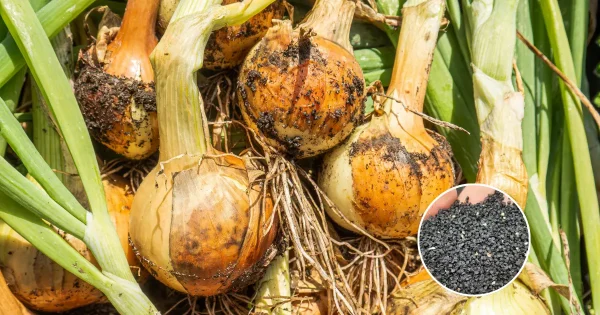
How to Grow Potato Onions From True Seeds: A Step-by-Step Guide
Have you ever wondered how to grow potato onions from true seeds or why some [...]
Feb
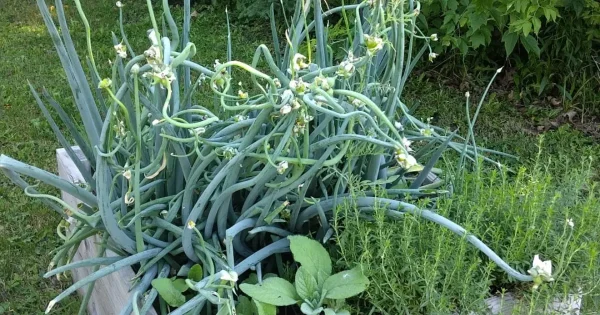
Growing Walking Onions in Containers: The Ultimate Guide
Have you ever looked at your small balcony or cramped patio and wished you could [...]
Feb

9 Best Flower Seeds to Start in February for Early Blooms
If you’re a passionate gardener, you know that itchy feeling in your fingers when February [...]
Jan
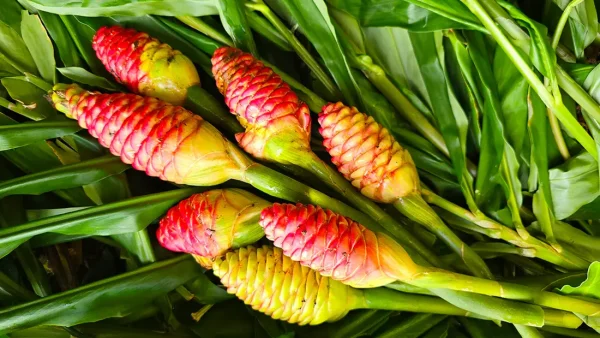
Growing Shampoo Ginger in Pots: Easy Guide to Potting Ginger Lilies
Are you looking to add a touch of exotic beauty to your home while growing [...]
Jan
Reviews
There are no reviews yet.