
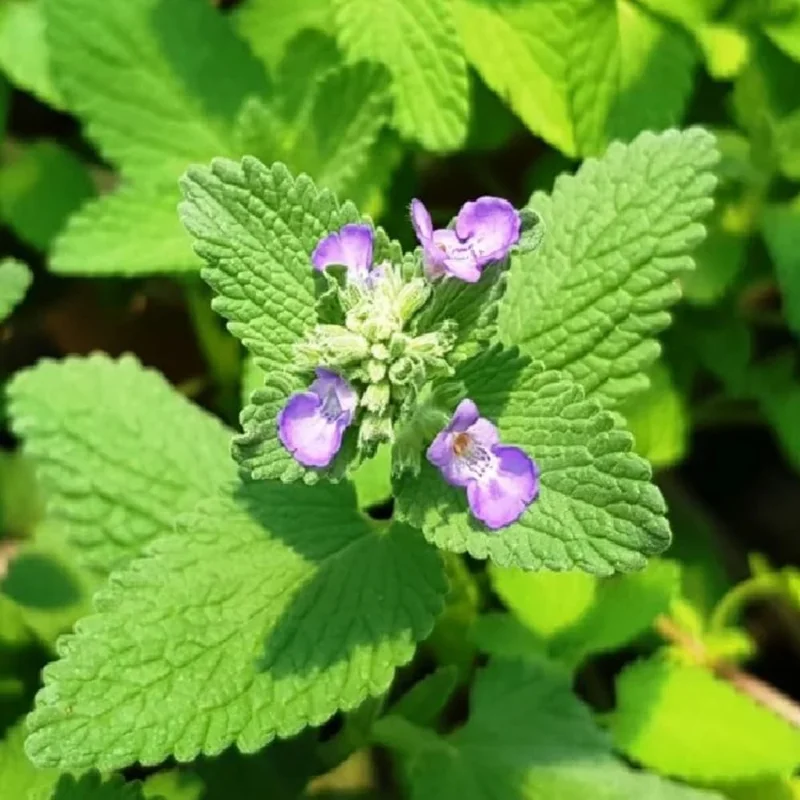
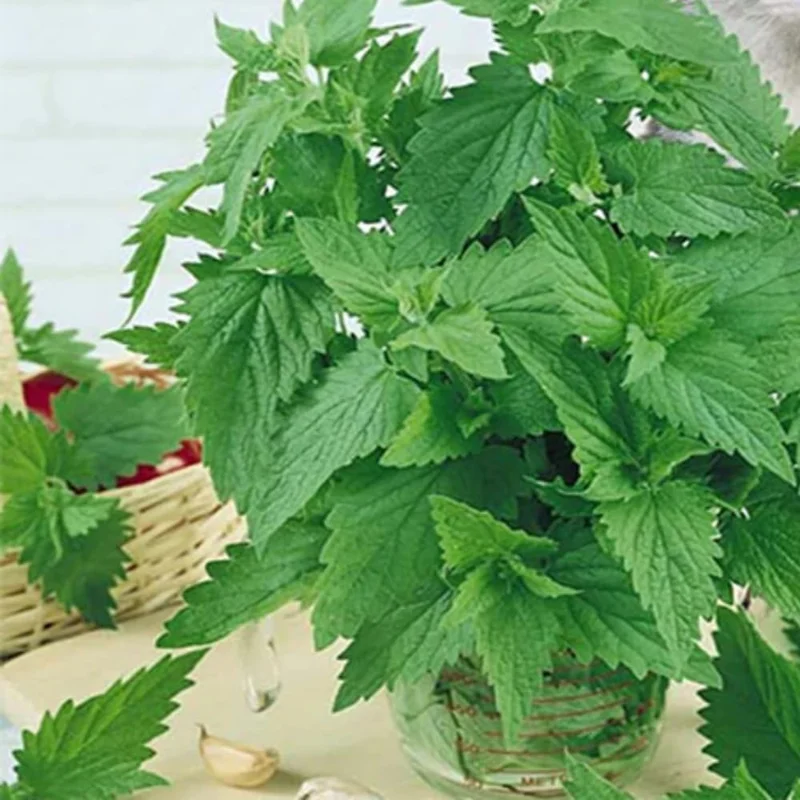
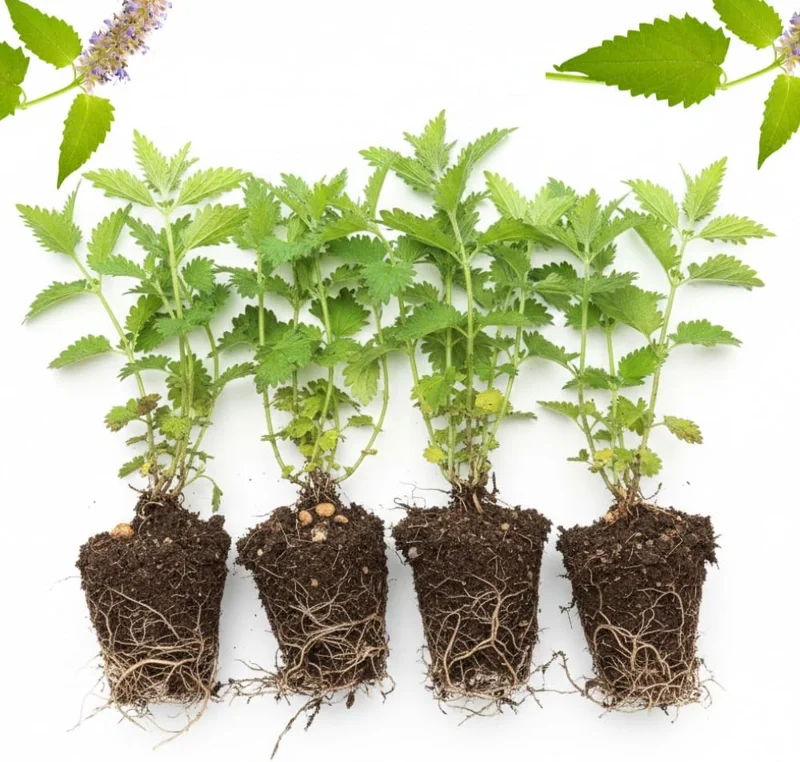
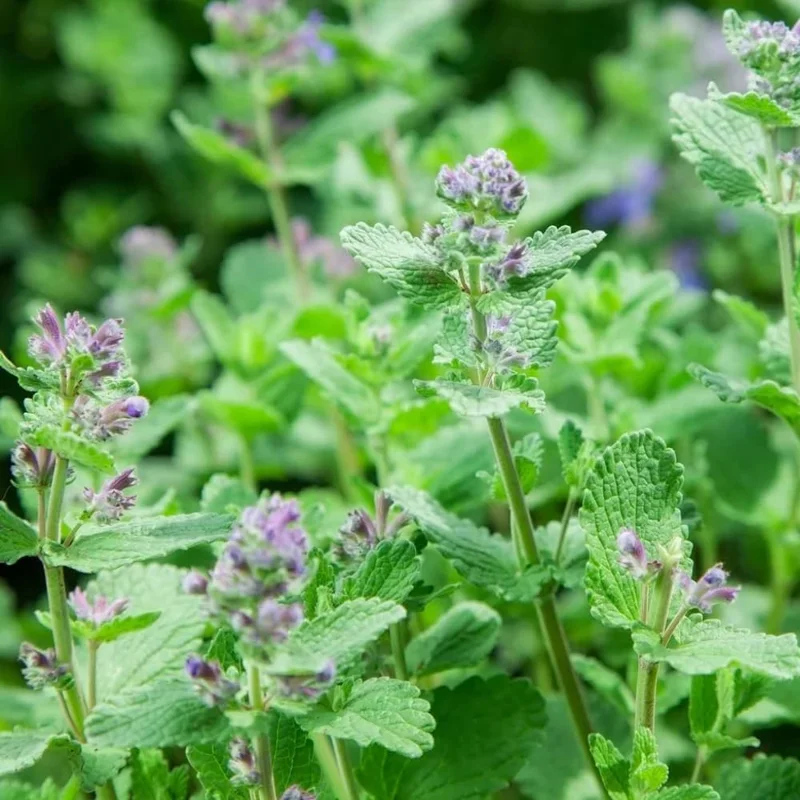
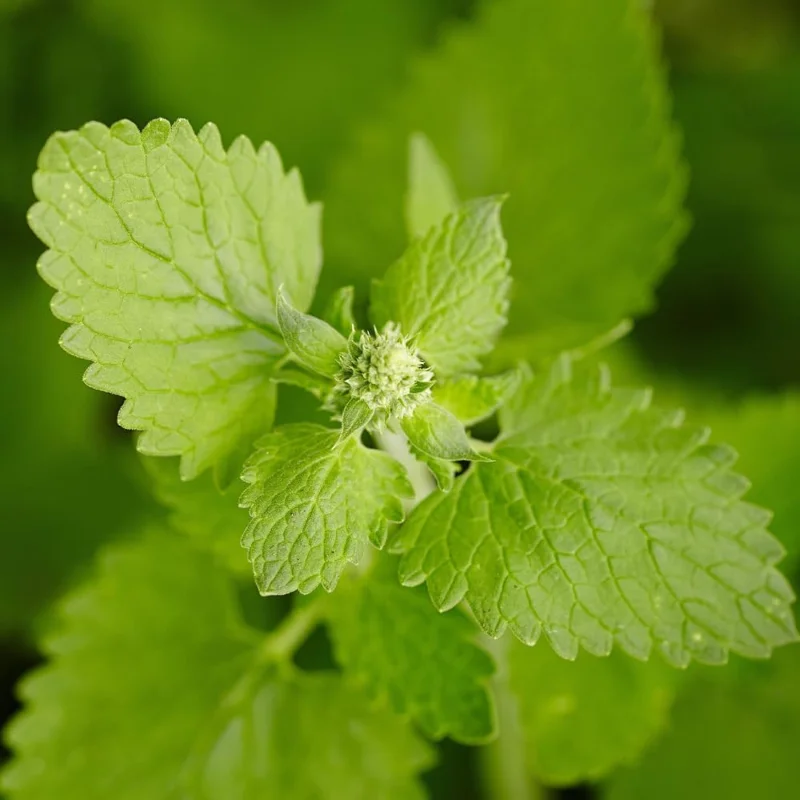
Catnip Live Plant – 4 Pack, 4-6″ Tall Well-Rooted Starter Plants – Indoor/Outdoor
$28.74
Bring joy to your feline friends and a fresh aroma to your home with this catnip live plant 4-pack. Each well-rooted starter plant is 4-6 inches tall, ready for planting in your garden or an indoor pot. Enjoy watching your cats interact with this fragrant, low-maintenance herb.
Shipping and Return policies:
We stand behind our plants with our Alive & Thrive Guarantee. If you experience any issues within the first 30 days, please email us, and our team will be happy to help. When needed, we’ll send you a one-time replacement free of charge to make sure your garden keeps growing strong.

Reasonable Price
We offer reasonable price

Support 24/7
Contact us 24 hrs a day
100% Money Back
You’ve 30 days to Return
Payment Secure
100% secure payment
Overview
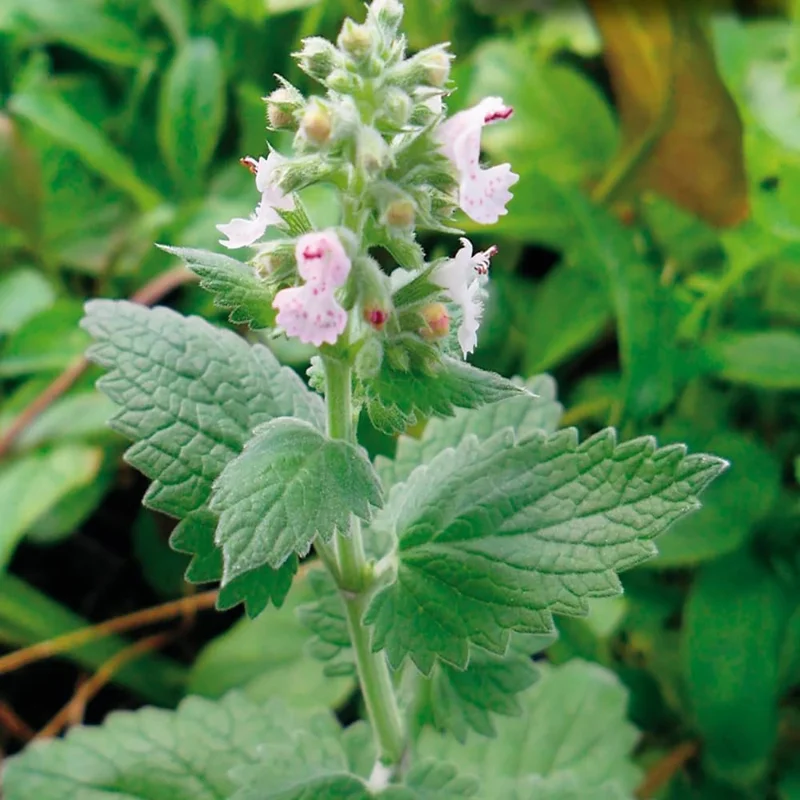
Introduce the delightful and stimulating world of Nepeta cataria to your garden or indoor space with our premium catnip live plant 4-pack. These robust, well-rooted starter plants, each measuring 4-6 inches tall, are perfect for cultivating a fresh supply of this beloved herb. Commonly known as catnip or catmint, Nepeta cataria is famous for its intoxicating effect on many felines, providing hours of playful entertainment. Beyond its appeal to cats, this perennial herb also offers a pleasant minty fragrance and can serve as an attractive, low-maintenance addition to any herb garden, container, or landscape.
Our catnip live plant collection is ideal for both novice and experienced gardeners. These hardy plants adapt well to various growing conditions, thriving both outdoors in garden beds and indoors in pots. Enjoy the simplicity of growing your own fresh catnip, ensuring your pets have access to a natural treat free from additives. This pack of four ensures you have plenty to share or to spread throughout different areas of your home and garden.
Key Benefits
Cultivating a catnip live plant offers a multitude of advantages, from pet enrichment to aesthetic appeal and ease of care. These plants are a rewarding addition to any home or garden.
- Natural Pet Enrichment: Provide a safe and natural stimulant for your cats. The nepetalactone compound in catnip can induce playful behavior, relaxation, or excitement in many felines, offering great mental and physical enrichment.
- Aromatic Garden Addition: Beyond its effect on cats, catnip boasts a pleasant, fresh, mint-like fragrance that can enhance your garden or indoor living space. It’s a lovely aromatic plant for sensory gardens.
- Low Maintenance: These catnip mint plants are remarkably resilient and easy to care for, requiring minimal attention once established. They are forgiving of various soil types and can tolerate periods of drought, making them perfect for busy gardeners.
- Versatile Growing Options: Suitable for both indoor and outdoor cultivation, catnip thrives in containers, raised beds, or directly in the ground. This flexibility allows you to enjoy fresh catnip year-round, regardless of your climate or available space.
- Hardy Perennial: As a cold-hardy perennial, catnip returns year after year in USDA Zones 3-9, providing a continuous supply of fresh leaves without the need for replanting each season.
- Attracts Pollinators: While beloved by cats, catnip flowers also attract beneficial pollinators like bees and butterflies, contributing to a healthier and more vibrant ecosystem in your garden.
- Pest Deterrent: Some gardeners find that catnip can deter certain garden pests, making it a useful companion plant for vegetables and other herbs.
Plant Care & Growing Tips
Caring for your catnip live plant is straightforward, making it an excellent choice for gardeners of all skill levels. These resilient herbs thrive with basic attention to their environmental needs.
Sunlight Requirements: Catnip prefers full sun to partial shade. For optimal growth and a stronger aroma, aim for at least 6 hours of direct sunlight per day. If grown indoors, place your plants near a south-facing window or under grow lights to ensure they receive adequate light. While they can tolerate some shade, too little light may result in leggy growth and less potent leaves.
Watering Schedule and Soil Moisture: These plants have moderate watering needs. Water thoroughly when the top inch of soil feels dry to the touch, then allow the soil to dry out slightly before the next watering. Avoid overwatering, as catnip is susceptible to root rot in consistently soggy conditions. Good drainage is crucial. During hot, dry periods, outdoor plants may require more frequent watering.
Soil Type and Drainage: Catnip is not overly particular about soil, but it absolutely requires well-draining soil. A standard potting mix amended with some sand or perlite works well for containers. For garden beds, ensure the soil is loose, fertile, and drains freely. Heavy clay soils should be amended with organic matter to improve drainage.
Temperature Range and USDA Hardiness Zone: This plant is remarkably cold hardy, thriving in USDA Hardiness Zones 3-9. It can withstand frost and will typically return in spring even after harsh winters. Indoors, maintain average room temperatures between 60-75°F (15-24°C). Protect outdoor plants from extreme heat by providing some afternoon shade in very hot climates.
Fertilization Schedule: Catnip is not a heavy feeder. A light application of a balanced, all-purpose liquid fertilizer once a month during the growing season (spring and summer) is usually sufficient for container-grown plants. Outdoor plants in fertile soil may not require any additional feeding. Avoid over-fertilizing, as this can lead to lush foliage but less potent leaves.
Common Problems and Solutions: Catnip is generally pest-resistant, but occasionally aphids or spider mites may appear. Treat with insecticidal soap if necessary. The most common issue is overwatering, leading to yellowing leaves or root rot. Ensure proper drainage and adjust your watering schedule. Pruning regularly helps maintain a bushy shape and encourages new growth, preventing the plant from becoming leggy. Pinch back flowers to encourage more leaf production, especially if your primary goal is to provide fresh leaves for your cats.
Size & Details
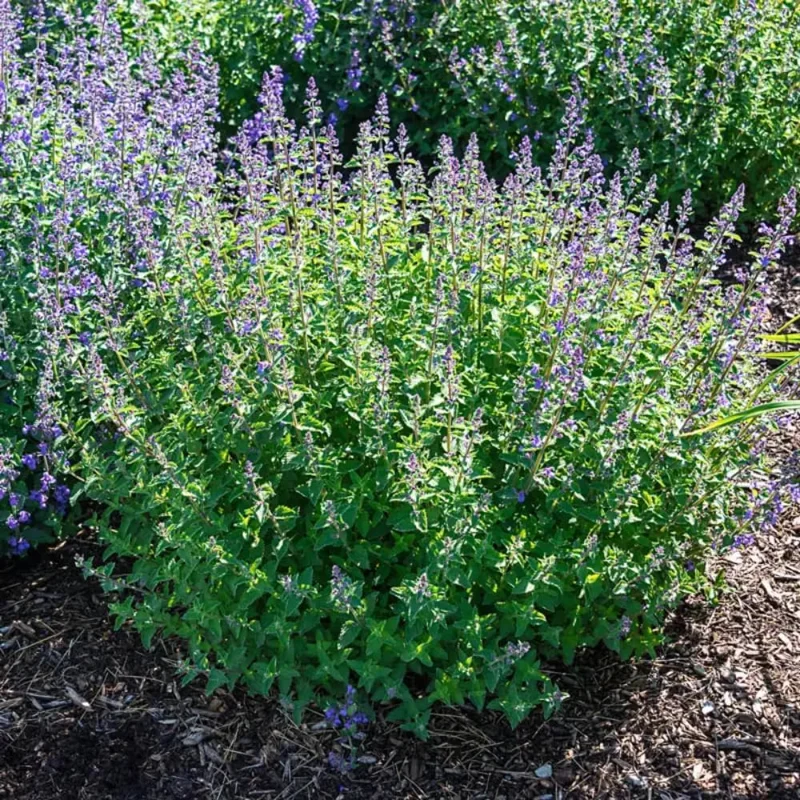
This offering includes a pack of 4 individual catnip live plant starter plants. Each plant measures approximately 4-6 inches tall upon arrival, providing a substantial foundation for vigorous growth. These are well-rooted plants, ensuring a higher success rate when transplanting into your chosen growing environment. Catnip is known for its fast-growing nature, and when mature, these plants can reach an impressive size of 18-24 inches tall and wide, forming an attractive, bushy mound. They are shipped as live potted plants, carefully packaged to ensure their health during transit.
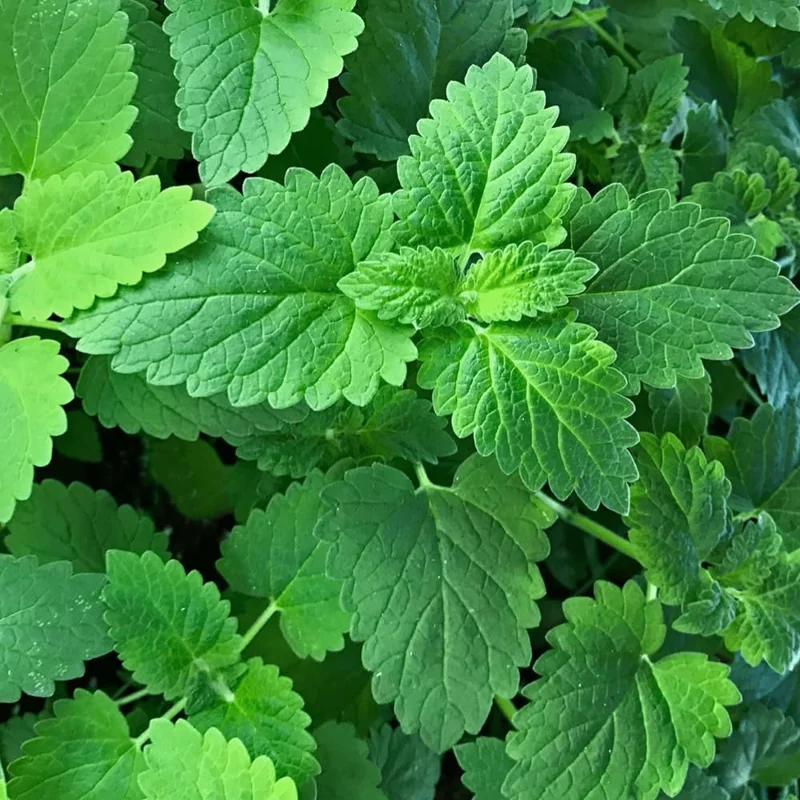
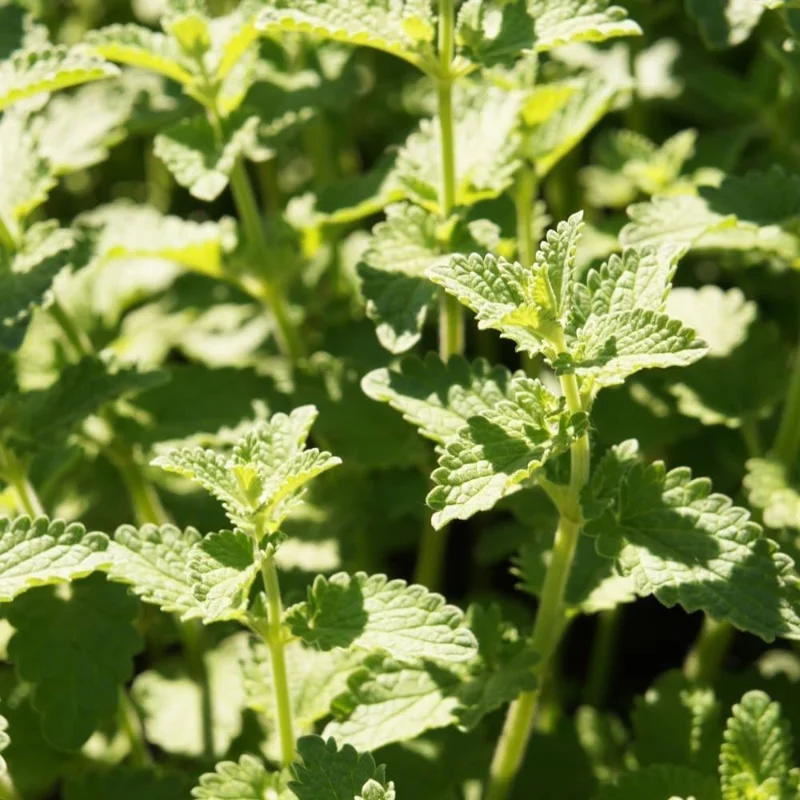
Expect these perennial herb plants to establish quickly and begin producing fragrant foliage. With proper care, you can enjoy fresh catnip for your pets and garden throughout the growing season, and for many years to come as they return each spring. The robust nature of these plants means they will quickly fill out containers or garden beds, providing ample material for harvesting.
Frequently Asked Questions
- Q: How big does this plant get? A: Each catnip live plant typically grows to 18-24 inches tall and wide when mature, forming a bushy, attractive mound. These starter plants are 4-6 inches tall upon arrival.
- Q: Is this an indoor or outdoor plant? A: Catnip is versatile and can be grown both indoors and outdoors. It thrives outdoors in USDA Zones 3-9, and can also be cultivated as a potted houseplant near a sunny window.
- Q: How much sunlight does it need? A: Catnip prefers full sun to partial shade, ideally receiving at least 6 hours of direct sunlight daily for the best growth and fragrance.
- Q: Is this plant easy to care for? A: Yes, catnip is considered a low-maintenance and hardy herb, making it an excellent choice for beginners and experienced gardeners alike. It’s quite forgiving of various conditions.
- Q: What condition will it arrive in? A: Your catnip live plant four-pack will arrive as well-rooted starter plants, carefully packaged to ensure their health and vitality during shipping.
- Q: Is it shipped in soil? A: Yes, these are live potted starter plants and will be shipped with their roots in soil, ready for transplanting.
- Q: Can I use catnip for my cats? A: Absolutely! This is true Nepeta cataria, known for its stimulating effects on many cats. You can offer fresh leaves or dry them for later use.
- Q: When is the best time to plant? A: While you can plant indoors year-round, the ideal time for outdoor planting in most regions is in the spring, after the last frost, or in early summer.
- Q: Will it survive winter in my zone? A: If you are in USDA Hardiness Zones 3-9, your outdoor catnip plants are cold hardy and should survive winter, returning vigorously in the spring.
- Q: What’s the minimum temperature it can tolerate? A: Established catnip plants are quite cold-hardy and can tolerate temperatures well below freezing, typically surviving down to -40°F (-40°C) in Zone 3.
- Q: How often should I water my growing catnip indoors? A: Water indoor catnip plants when the top inch of soil feels dry to the touch, ensuring good drainage to prevent root rot.
- Q: What are the benefits of catnip for cats? A: Catnip can stimulate playful behavior, reduce stress, and provide a natural form of enrichment, offering both physical activity and mental engagement.
Be the first to review “Catnip Live Plant – 4 Pack, 4-6″ Tall Well-Rooted Starter Plants – Indoor/Outdoor”
You must be logged in to post a review.
People also Viewed
Sold 50 products
Original price was: $17.58.$11.86Current price is: $11.86.
Sold 50 products
Price range: $32.99 through $35.99
Sold 50 products
$69.99
Sold 50 products
$18.99
Sold 50 products
Price range: $14.98 through $23.89
Sold 50 products
$32.99

Sold 50 products
$24.99

Sold 50 products
Price range: $43.99 through $44.99RELATED posts
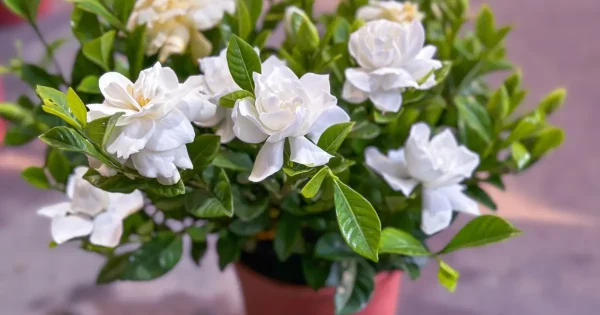
Frostproof Jasmine Care: 7 Tips for Successful Pot Growth
Most gardenias are known for being “divas.” They want perfect humidity, perfect soil, and they [...]
Mar
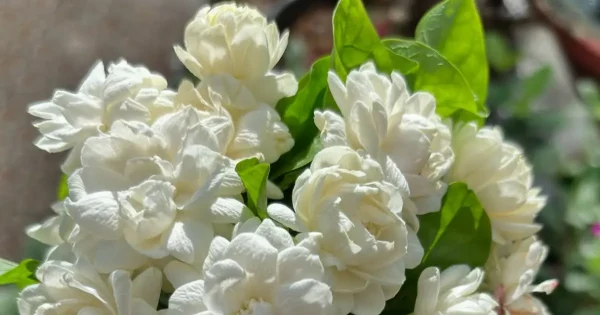
Top 7 Best Smelling Jasmine Varieties for a Heavenly Garden
Have you ever walked past a house and caught a scent so sweet you just [...]
Mar
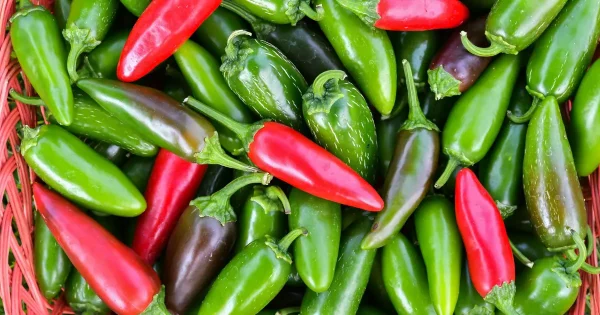
Master the Heat: 8 Expert Tips for Growing Jalapeños Like a Pro
Are you staring at your garden space, wondering why your pepper plants look more like [...]
Mar
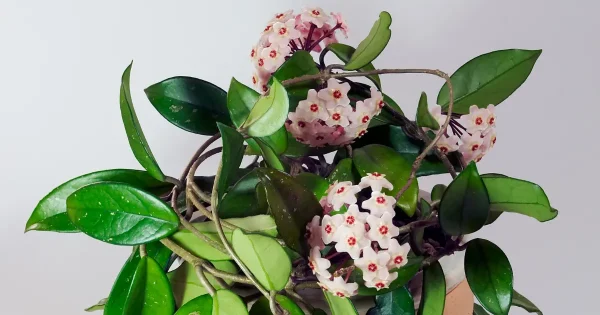
Top 5 Must-Have Hoya Varieties for Beginners
Hoyas are easily one of my top recommendations if you’re hunting for a low-maintenance houseplant [...]
Mar
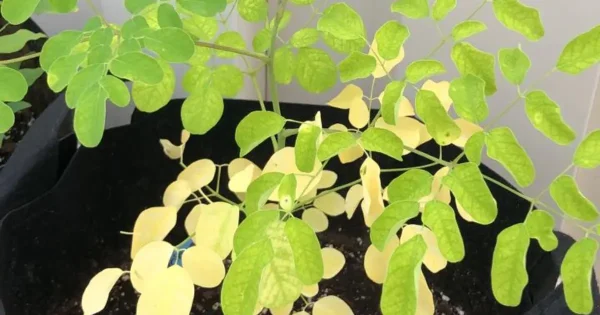
7 Moringa Plant Care Mistakes to Avoid for Healthy Growth
Have you ever looked at your Moringa tree and wondered why its once vibrant green [...]
Feb
How to Grow Potato Onions From True Seeds: A Step-by-Step Guide
Have you ever wondered how to grow potato onions from true seeds or why some [...]
Feb
Growing Walking Onions in Containers: The Ultimate Guide
Have you ever looked at your small balcony or cramped patio and wished you could [...]
Feb

9 Best Flower Seeds to Start in February for Early Blooms
If you’re a passionate gardener, you know that itchy feeling in your fingers when February [...]
Jan

Reviews
There are no reviews yet.