
Carnivorous Plant Mix: Green & Red Venus Fly Traps, Nepenthes Pitcher Plant – Live Tropical Starter Collection
$79.99
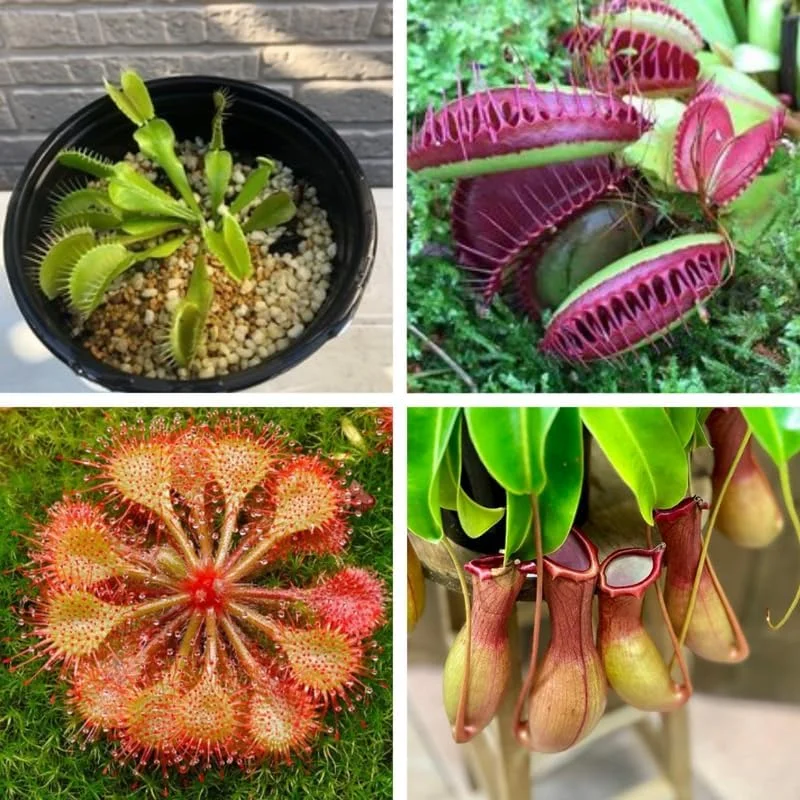
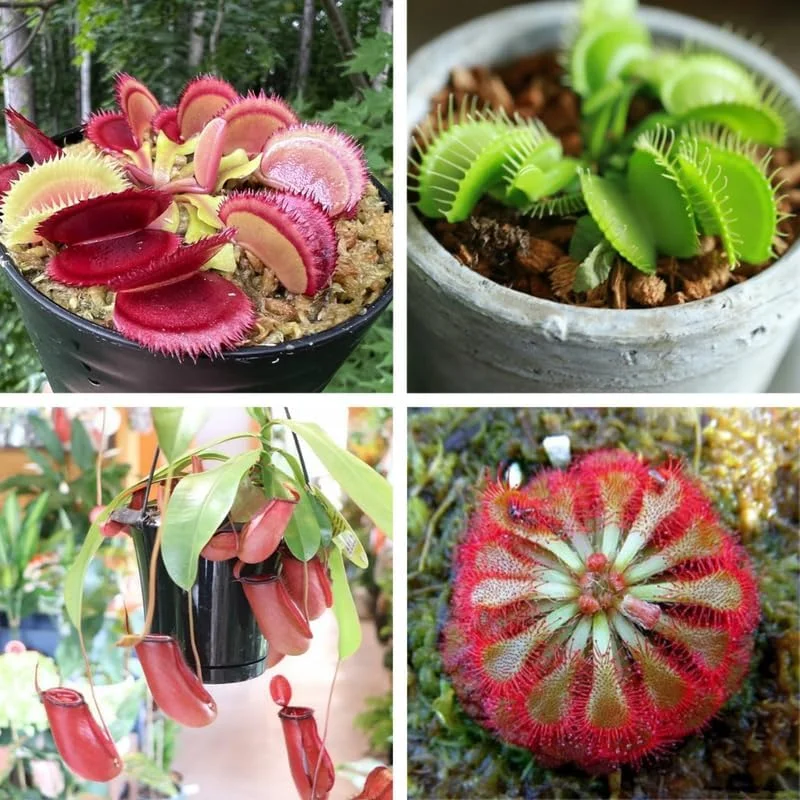
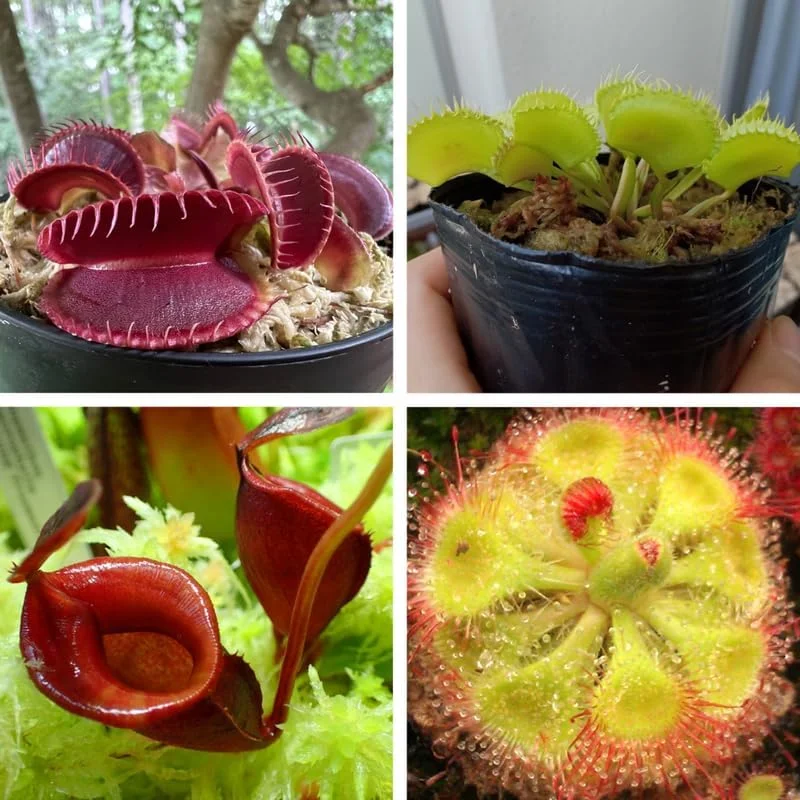
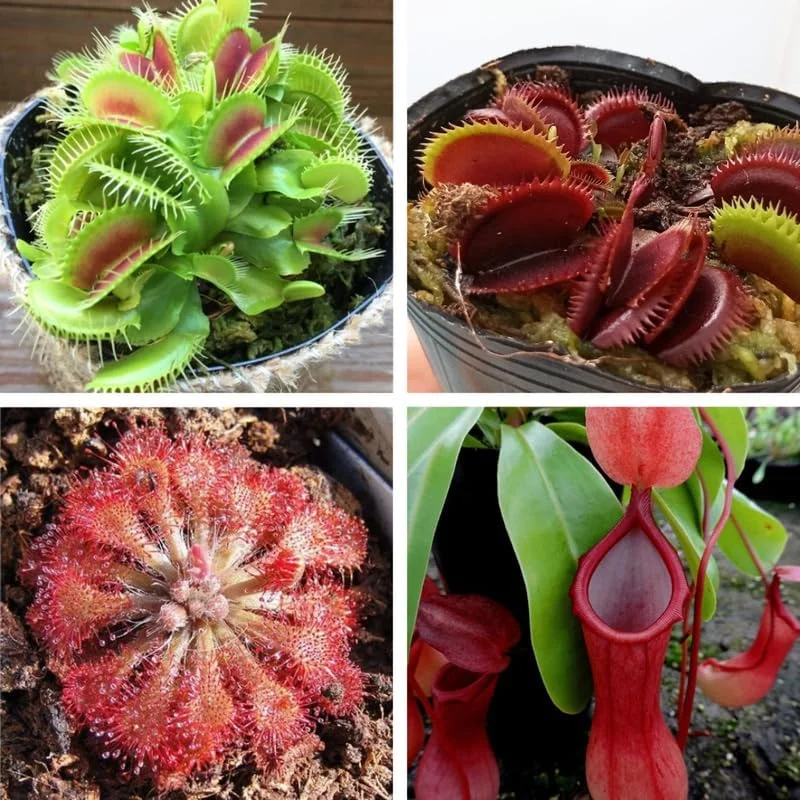
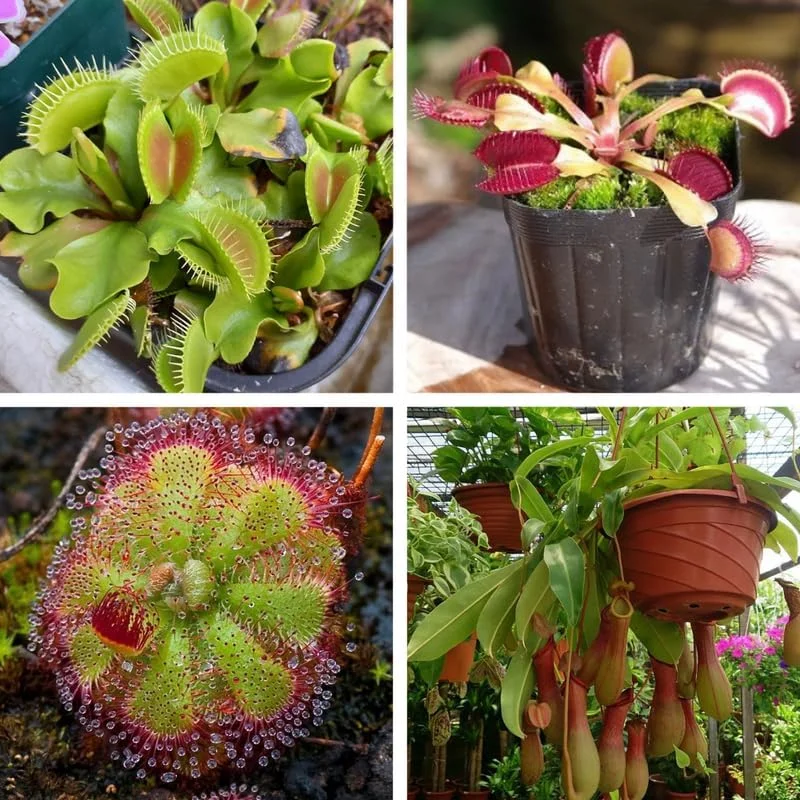
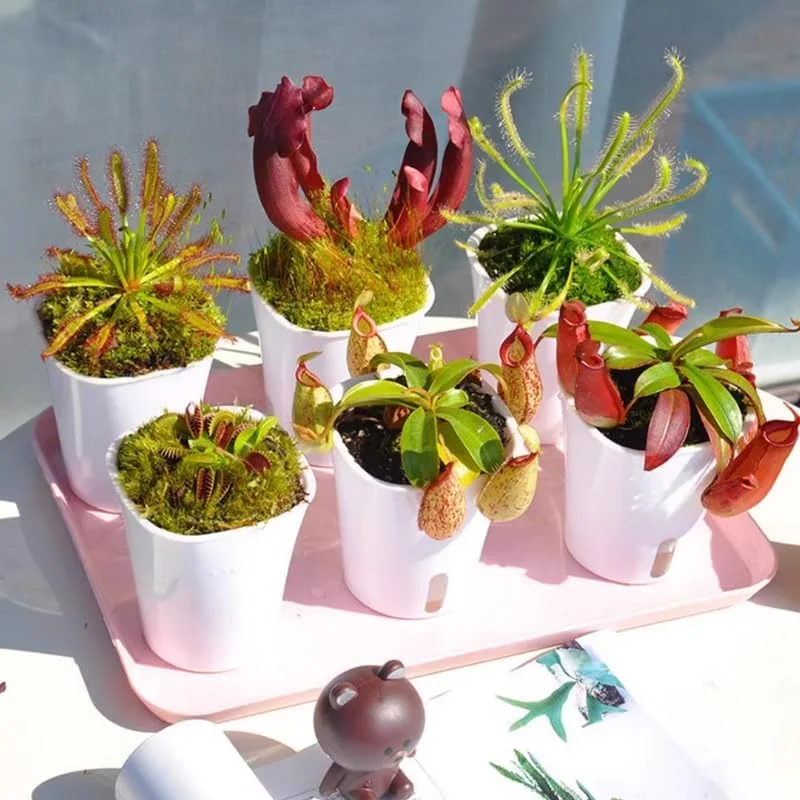
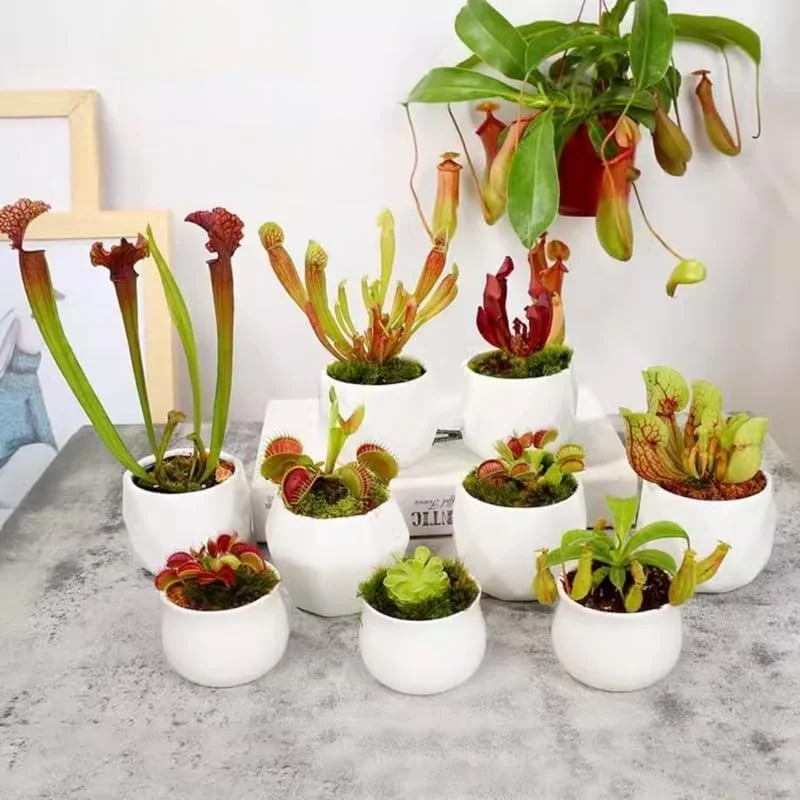
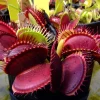
Introduce natural pest control and exotic beauty with this carnivorous plant mix. This collection includes three live carnivorous plants: a Green Venus Fly Trap, a Red Venus Fly Trap, and a Nepenthes pitcher plant. Perfect starter plants for indoor fascination or unique outdoor bog gardens.
Shipping and Return policies:
We stand behind our plants with our Alive & Thrive Guarantee. If you experience any issues within the first 30 days, please email us, and our team will be happy to help. When needed, we’ll send you a one-time replacement free of charge to make sure your garden keeps growing strong.

Reasonable Price
We offer reasonable price

Support 24/7
Contact us 24 hrs a day
100% Money Back
You’ve 30 days to Return
Payment Secure
100% secure payment
Overview
Introduce a fascinating world of natural pest control and exotic beauty to your home or garden with this unique carnivorous plant mix. This collection includes three distinct and captivating live carnivorous plants: one vibrant Green Venus Fly Trap, one striking Red Venus Fly Trap, and one intriguing Nepenthes pitcher plant. Perfectly sized as starter plants, this trio offers an exceptional opportunity for both novice and experienced plant enthusiasts to explore the wonders of carnivorous flora. Each plant in this collection is carefully selected to provide a diverse and visually appealing display, making it a standout addition to any plant collection. These predatory plants are not only visually stunning but also serve a practical purpose by naturally trapping insects, adding an educational and engaging element to your botanical endeavors.
Our carnivorous plant mix provides an instant mini-ecosystem, showcasing the incredible adaptations these plants have developed to thrive in nutrient-poor environments. The iconic snapping traps of the Venus fly trap (Dionaea muscipula) and the elegant, liquid-filled pitchers of the Nepenthes (tropical pitcher plant) offer endless fascination. This exotic plant collection is easy to integrate into various settings, from a sunny windowsill indoors to a bog garden setup outdoors in appropriate climates. Experience the thrill of watching these unique plants in action as they demonstrate their remarkable predatory mechanisms. This starter collection is an excellent way to begin or expand your passion for rare and unusual plants, promising both aesthetic appeal and intriguing biological processes.
Key Benefits
This carnivorous plant mix offers a multitude of benefits, making it an excellent choice for any plant lover seeking something extraordinary and functional. The inclusion of three distinct live carnivorous plants ensures a diverse and engaging display, providing both visual interest and practical advantages.
- Natural Pest Control: The Venus Fly Traps actively catch flies and other small insects, while the Nepenthes pitcher plant captures a wider range of pests in its alluring pitchers. This offers an eco-friendly and fascinating way to manage household or garden insects without chemicals.
- Exotic Aesthetic Appeal: Each plant boasts unique forms and colors, from the vibrant red interiors of some fly traps to the intricate patterns of the Nepenthes pitchers, adding a striking and unusual element to your decor. This exotic plant collection instantly elevates the visual interest of any space.
- Educational and Engaging: Observing the predatory mechanisms of these plants provides an incredible learning experience for all ages. It’s a living science lesson that showcases the marvels of natural adaptation.
- Low Maintenance (Once Established): While they have specific care requirements, these live carnivorous plants are relatively low maintenance once their ideal conditions are met, requiring consistent moisture and bright light.
- Versatile Growing Options: Suitable for both indoor cultivation on a bright windowsill or in a terrarium, and outdoor planting in appropriate climates (USDA Zones 8-10) in bog garden settings.
- Conversation Starter: These unique plants are sure to capture attention and spark interesting conversations among guests, making them a fantastic focal point.
Plant Care & Growing Tips
Caring for your carnivorous plant mix requires attention to a few key details to ensure they thrive. The Venus fly trap and Nepenthes pitcher plant have slightly different needs, but both generally prefer specific conditions. Both types of live carnivorous plants in this collection require bright light. For indoor growing, a south-facing window or a grow light for 12-16 hours a day is ideal. If grown outdoors, ensure they receive at least 4-6 hours of direct sunlight, especially for the Venus Fly Traps. Avoid placing them in deep shade, as this will lead to weak growth and poor trap development. Good air circulation is also beneficial, particularly for Nepenthes.
Watering is crucial for these plants. They require consistently moist soil, but not waterlogged. The most critical factor is the water quality – always use distilled water, reverse osmosis water, or rainwater. Tap water often contains minerals and salts that can be toxic to carnivorous plants over time. For Venus Fly Traps, the tray method (keeping the pot in a tray of water) works well to ensure constant moisture. Nepenthes prefer their soil to be moist but not sitting in water; water from the top and allow some drainage. Both thrive in a nutrient-poor, acidic soil mix, typically a blend of peat moss and perlite or sand. Avoid standard potting soil, which is too rich in nutrients and can harm these specialized plants. Fertilization is generally unnecessary and can be detrimental; they get their nutrients from insects. A healthy exotic plant collection of carnivorous plants will attract and digest its own food.
Temperature and humidity are also important. Venus Fly Traps are temperate plants and require a winter dormancy period with cooler temperatures (around 40-50°F or 4-10°C). Nepenthes are tropical and prefer warmer temperatures (65-85°F or 18-29°C) and high humidity, which can be provided by misting or growing in a terrarium. For outdoor cultivation, these plants are suitable for USDA Zones 8-10, where temperatures do not drop too low. Protect them from harsh frosts. With careful attention to these specific requirements, your Venus fly trap and Nepenthes pitcher plant will flourish, providing years of fascination.
Size & Details
This carnivorous plant mix includes three starter-sized live plants, making it perfect for beginners or those looking to expand their collection with young, adaptable specimens. You will receive one Green Venus Fly Trap, one Red Venus Fly Trap, and one Nepenthes Pitcher Plant. Each plant is typically shipped in a small nursery pot, ready for you to transplant into a larger pot or bog garden setup. The exact size of each plant will vary slightly due to natural growth, but they are generally young plants with established root systems, measuring a few inches in height or diameter.
Upon arrival, these live carnivorous plants will be carefully packaged to ensure their safe journey. While starter plants, they are robust and ready to grow into larger, more impressive specimens with proper care. Expect the Venus Fly Traps to develop multiple traps, and the Nepenthes to begin forming its characteristic pitchers as it matures. The growth rate will depend on the growing conditions provided, but with adequate light and water, they will grow steadily. This exotic plant collection is designed to offer a diverse and engaging experience from the moment it arrives.
Frequently Asked Questions
- Q: How big will this carnivorous plant mix get? A: As starter plants, they arrive small, typically a few inches in height. With proper care, Venus Fly Traps can grow to form rosettes 4-6 inches in diameter, and the Nepenthes can develop vines several feet long with pitchers up to 6-8 inches, depending on the specific variety and growing conditions.
- Q: Is this an indoor or outdoor plant collection? A: This carnivorous plant mix is versatile. Venus Fly Traps can thrive outdoors in USDA Zones 8-10 in a bog garden or indoors with sufficient light. Nepenthes are tropical and generally prefer indoor environments with high humidity or warm, humid outdoor climates.
- Q: How much sunlight do these live carnivorous plants need? A: Both the Venus fly trap and the Nepenthes pitcher plant require bright light. Aim for at least 4-6 hours of direct sun daily if outdoors, or a very bright south-facing window/grow light for 12-16 hours indoors.
- Q: Is this plant collection easy to care for? Is it good for beginners? A: Yes, this carnivorous plant mix is suitable for beginners, provided you follow the specific watering and light instructions. The key is using purified water (distilled, RO, or rainwater) and providing ample light. Once established, they are relatively low maintenance.
- Q: What condition will the plants arrive in? Is it shipped in soil? A: Your live carnivorous plants will arrive carefully packaged, typically in small nursery pots with their appropriate soil mix (peat and perlite/sand). They will be healthy and ready for you to acclimate them to their new environment.
- Q: How often should I water my Venus fly trap and Nepenthes pitcher plant? A: Venus Fly Traps prefer constant moisture and can be kept in a tray of purified water. Nepenthes like consistently moist but not waterlogged soil; water from the top when the surface feels slightly dry. Always use purified water.
- Q: Do I need to feed my carnivorous plants? A: No, you do not need to manually feed them. If grown outdoors, they will catch their own insects. Indoors, they may catch occasional house flies. Overfeeding or feeding large insects can harm them. They get nutrients from insects, not the soil.
- Q: What kind of soil is best for this exotic plant collection? A: Use a nutrient-poor, acidic soil mix, typically a blend of sphagnum peat moss (not potting soil) and perlite or horticultural sand. Do not use regular potting soil or garden soil, as the nutrients will kill them.
- Q: Will the Venus Fly Trap need a dormancy period? A: Yes, Venus Fly Traps require a winter dormancy period, typically from late fall to early spring. During this time, reduce watering and keep them in a cooler environment (around 40-50°F). The Nepenthes pitcher plant does not require dormancy.
- Q: Can I grow these plants in a terrarium? A: Yes, Nepenthes thrive in high-humidity terrariums, especially when young. Venus Fly Traps can also be grown in terrariums, but ensure adequate air circulation and cool temperatures during dormancy for the fly traps.
Be the first to review “Carnivorous Plant Mix: Green & Red Venus Fly Traps, Nepenthes Pitcher Plant – Live Tropical Starter Collection”
You must be logged in to post a review.
People also Viewed
Sold 50 products
Original price was: $28.58.$19.99Current price is: $19.99.
Sold 50 products
$32.39
Sold 50 products
$21.59
Sold 50 products
$35.99
Sold 50 products
Price range: $23.15 through $25.19
Sold 50 products
$38.39
Sold 50 products
Price range: $28.79 through $35.99
Sold 50 products
$26.39RELATED posts
How to Grow Jalapeño Peppers From Seeds: A Step-by-Step Guide
Ready to spice things up in your garden? Jalapeños are the true life of the [...]
Apr
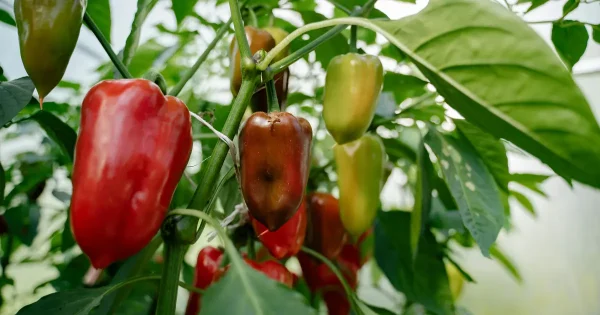
Top 12 Best Types of Peppers to Grow in Your Garden: Easy and High Yield
Growing peppers is, quite honestly, one of the biggest “wins” you can have in a [...]
Apr
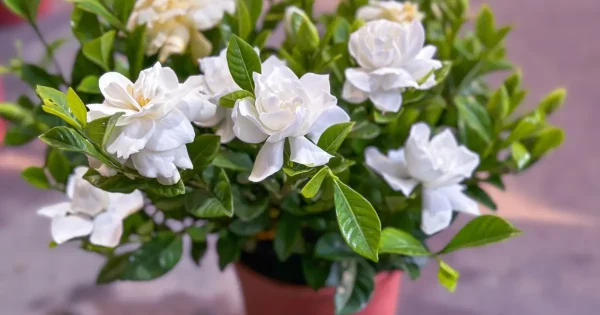
Frostproof Jasmine Care: 7 Tips for Successful Pot Growth
Most gardenias are known for being “divas.” They want perfect humidity, perfect soil, and they [...]
Mar
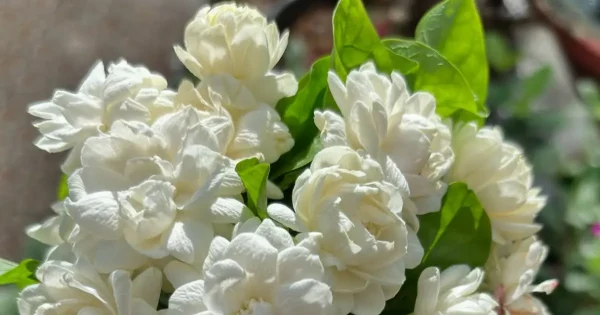
Top 7 Best Smelling Jasmine Varieties for a Heavenly Garden
Have you ever walked past a house and caught a scent so sweet you just [...]
Mar
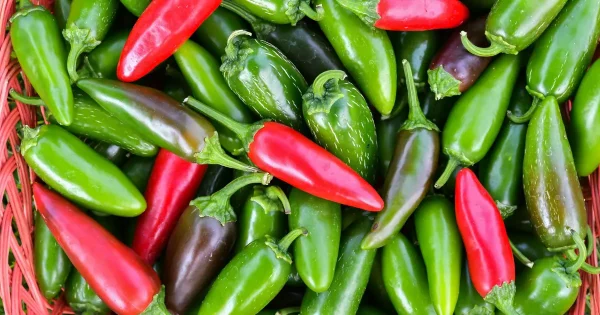
Master the Heat: 8 Expert Tips for Growing Jalapeños Like a Pro
Are you staring at your garden space, wondering why your pepper plants look more like [...]
Mar
Top 5 Must-Have Hoya Varieties for Beginners
Hoyas are easily one of my top recommendations if you’re hunting for a low-maintenance houseplant [...]
Mar
7 Moringa Plant Care Mistakes to Avoid for Healthy Growth
Have you ever looked at your Moringa tree and wondered why its once vibrant green [...]
Feb
How to Grow Potato Onions From True Seeds: A Step-by-Step Guide
Have you ever wondered how to grow potato onions from true seeds or why some [...]
Feb

Reviews
There are no reviews yet.