
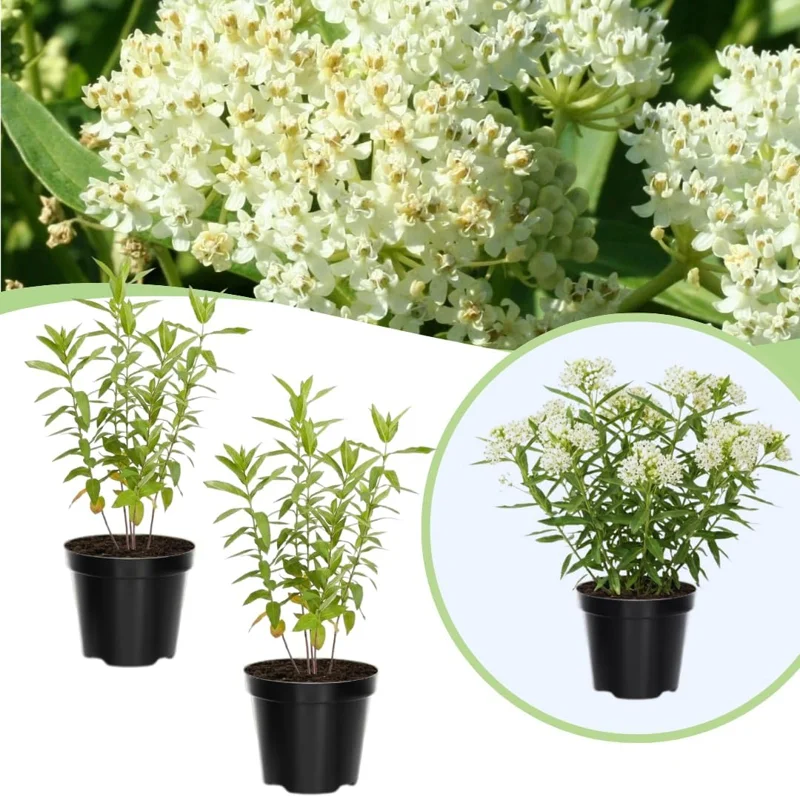
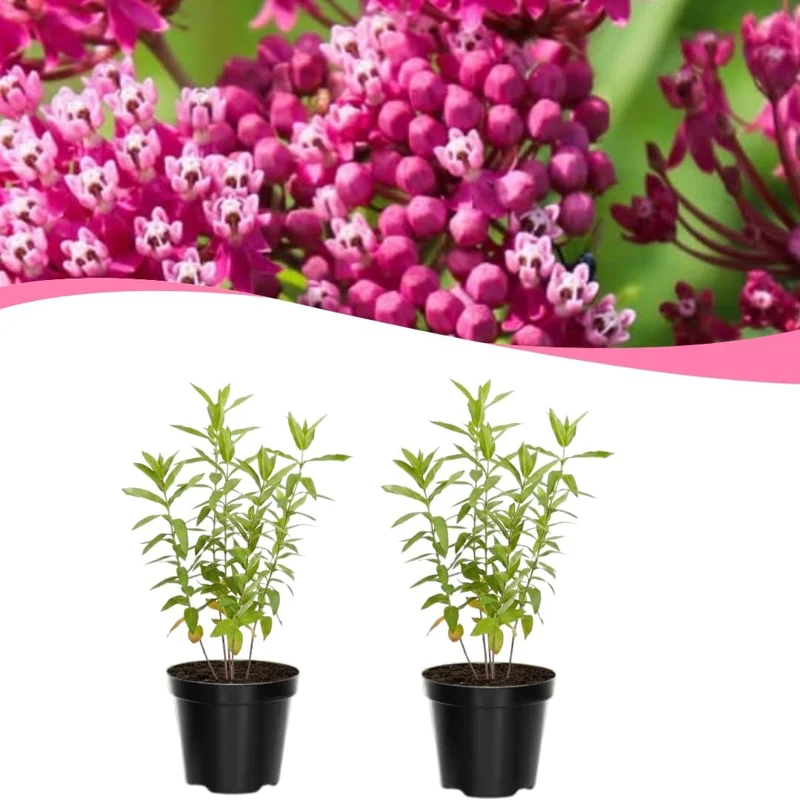
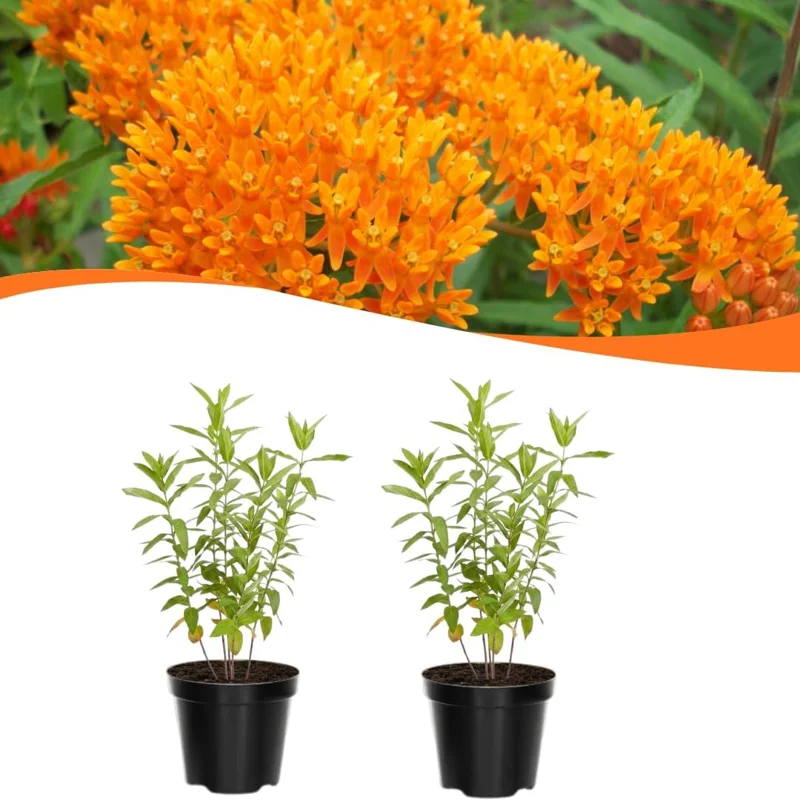
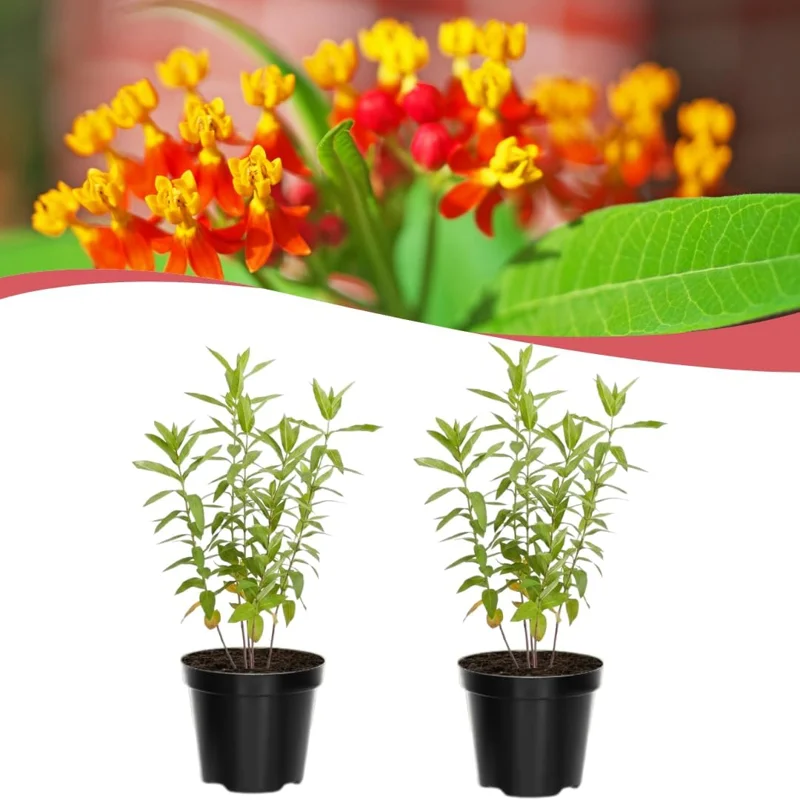
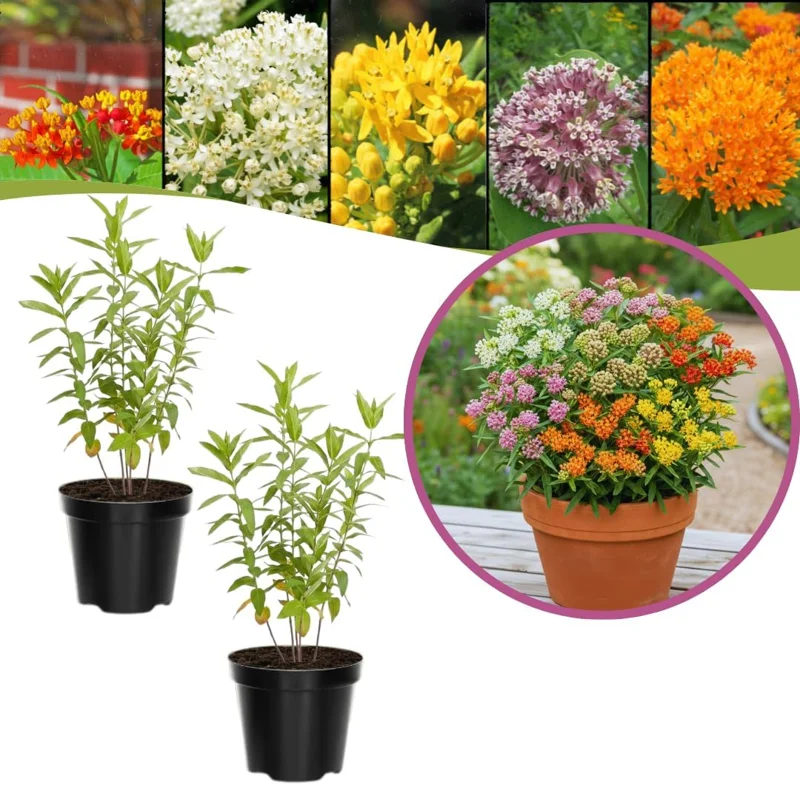
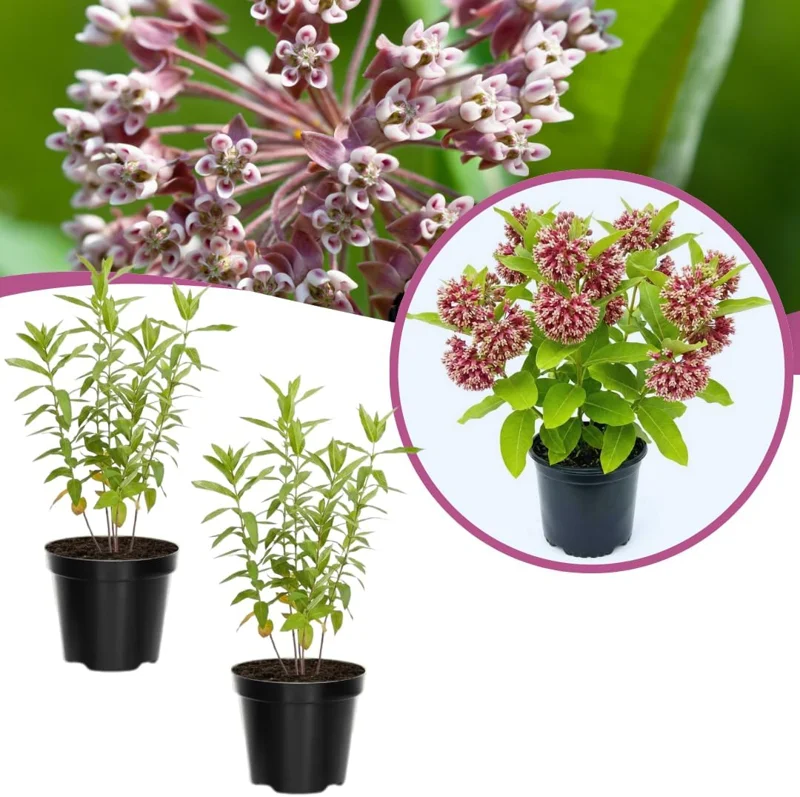
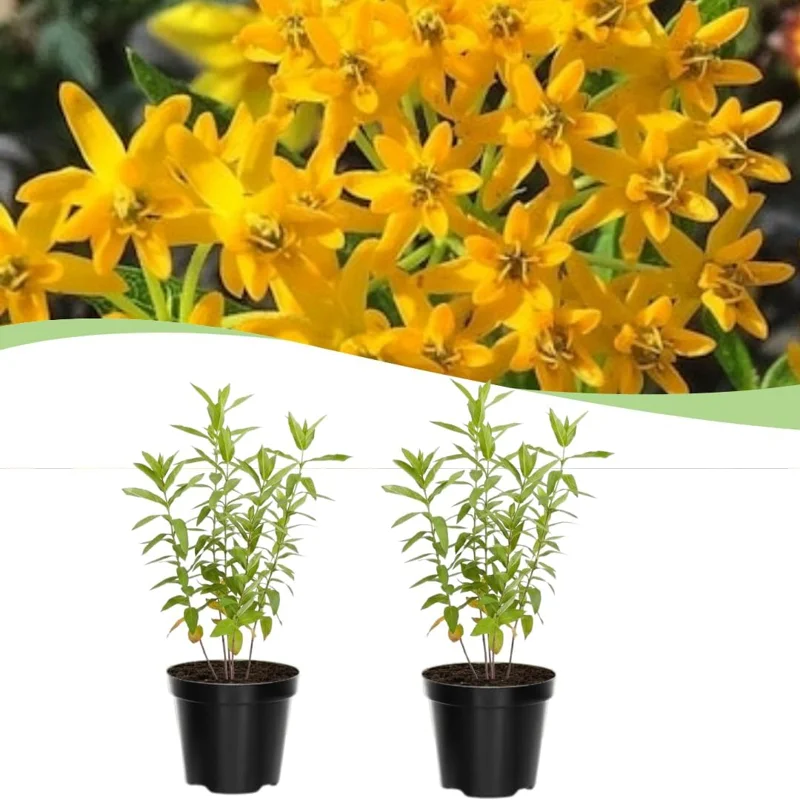
Butterfly Milkweed Live Plants – Asclepias Tuberosa – 5-8 Inch Tall – Set of 2
$31.24
Bring vibrant life to your garden with this set of two butterfly milkweed live plant specimens. Each asclepias tuberosa plant measures 5-8 inches tall, ideal for establishing in your indoor or outdoor space. Known for attracting monarch butterflies, these purple milkweed care plants are a beautiful and ecological addition.
Shipping and Return policies:
We stand behind our plants with our Alive & Thrive Guarantee. If you experience any issues within the first 30 days, please email us, and our team will be happy to help. When needed, we’ll send you a one-time replacement free of charge to make sure your garden keeps growing strong.

Reasonable Price
We offer reasonable price

Support 24/7
Contact us 24 hrs a day
100% Money Back
You’ve 30 days to Return
Payment Secure
100% secure payment
Overview
Welcome a crucial pollinator host to your garden with this set of two butterfly milkweed live plant specimens. Also known by its botanical name, Asclepias Tuberosa plant, this perennial is a vibrant addition to any landscape, cherished for its brilliant purple blooms and its vital role in supporting monarch butterfly populations. Each live plant arrives 5-8 inches tall, ready for planting and eager to establish itself in your garden or container. Unlike some milkweed varieties, this specific type of butterfly milkweed live plant is non-toxic to humans and pets, making it a safe choice for family gardens. Its easy-to-grow nature and stunning appearance make it a favorite among gardeners looking to create a thriving ecosystem.
These robust plants are cold hardy, flourishing in USDA growing zones 3-9, ensuring they return year after year with proper care. They are adaptable for both indoor and outdoor cultivation, provided their basic needs are met. The vivid purple flowers not only add aesthetic appeal but also serve as a beacon for pollinators, contributing to biodiversity. By planting this asclepias tuberosa plant, you directly participate in conservation efforts for monarch butterflies, whose populations have faced significant decline. Enjoy the beauty and ecological benefit these plants bring.
Key Benefits
Investing in butterfly milkweed live plant specimens offers a multitude of benefits, both for your garden’s aesthetic and for local wildlife. These plants are truly a gift to any gardener, providing continuous beauty and ecological impact.
- Supports Pollinators: The primary benefit of the Asclepias Tuberosa plant is its critical role as a host plant for monarch butterfly caterpillars. Adult monarchs also feed on its nectar, making it an essential part of their life cycle and migration. By planting milkweed, you are actively participating in the conservation of these magnificent insects.
- Vibrant Floral Display: These plants produce striking clusters of purple flowers that add a burst of color to any garden bed, border, or container. The cheerful blooms are long-lasting, providing continuous visual interest throughout the growing season.
- Low Maintenance & Drought Tolerant: Once established, purple milkweed care is relatively simple. It is known for its resilience and ability to thrive in various conditions, including periods of drought, making it an excellent choice for gardeners seeking beautiful yet undemanding plants.
- Cold Hardy Perennial: Suitable for USDA zones 3-9, this milkweed variety will return year after year, providing reliable beauty and ecological benefits without the need for annual replanting. This makes it a sustainable and cost-effective garden choice.
- Versatile Planting Options: Whether you’re looking to enhance a garden bed, create a vibrant border, or add a pop of color to patio planters and containers, this milkweed is highly adaptable. Its moderate size makes it suitable for various landscape designs.
- Attracts Beneficial Insects: Beyond monarch butterflies, the flowers also attract a wide array of other beneficial insects, including bees and other butterflies, further enhancing your garden’s ecosystem and promoting natural pest control.
- Ecologically Responsible Choice: Planting native species like Asclepias Tuberosa plant helps to restore natural habitats and support local wildlife, contributing to a healthier environment and a more balanced ecosystem in your own backyard. This is a key step in attracting butterflies to garden spaces.
Plant Care & Growing Tips
Caring for your butterfly milkweed live plant is straightforward, allowing even novice gardeners to enjoy its beauty and ecological benefits. These plants are known for their resilience, but providing optimal conditions will ensure a thriving display of blooms and a haven for pollinators. The key to successful purple milkweed care lies in understanding its fundamental needs regarding sunlight, soil, and water.
This perennial thrives in full sun, meaning it requires at least 6-8 hours of direct sunlight per day to produce abundant flowers and strong growth. When choosing a location, consider an area that receives ample morning sun and some afternoon shade in hotter climates, though it generally tolerates intense heat well. For soil, the Asclepias Tuberosa plant prefers well-draining soil. Avoid heavy, waterlogged conditions, as this can lead to root rot. If your soil is clay-heavy, consider amending it with sand or compost to improve drainage. Moderate watering is ideal; allow the top inch or two of soil to dry out between waterings, especially once the plant is established. Overwatering is a common mistake, so err on the side of slightly dry rather than consistently wet soil.
Regarding temperature, these plants are cold hardy in USDA zones 3-9, meaning they can withstand winter temperatures in these regions and regrow in spring. Fertilization is generally not heavily required; a light application of a balanced, slow-release fertilizer in early spring can promote vigorous growth, but avoid over-fertilizing. Watch for common garden pests, though milkweed is generally resistant. If aphids appear, a strong spray of water or insecticidal soap can usually manage them. By following these simple guidelines, you’ll ensure your butterfly milkweed live plant flourishes, providing beauty and vital support for monarch butterflies and other pollinators, truly enhancing your efforts in attracting butterflies to garden.
Size & Details
Each order includes a set of two vibrant butterfly milkweed live plant specimens, ready to be introduced to your garden or patio. These plants are shipped approximately 5-8 inches tall, providing a healthy start for establishment. As perennials, they will mature over time, typically reaching a height of 18-24 inches tall with a similar spread, creating a bushy and floriferous display. These plants are supplied in a nursery pot, ensuring the root ball is intact and healthy for transplanting. The growth rate is moderate, with noticeable development in their first season, and full maturity often achieved within 2-3 years. Expect the first blooms in late spring to early summer, continuing through fall, providing an extended season for attracting butterflies to garden.
The Asclepias Tuberosa plant is ideal for various landscaping applications, from naturalized meadows to formal borders. Its compact size when mature makes it perfect for container gardening on balconies or patios, allowing even those with limited space to contribute to pollinator support. The plants are robust and designed to withstand the journey to your home, arriving in optimal condition for immediate planting. With appropriate purple milkweed care, these plants will become a lasting and cherished feature in your outdoor space, flourishing and multiplying over the years. Understanding the plant’s mature size is crucial for proper placement and ensuring it has ample room to thrive.
Frequently Asked Questions
- Q: How big does this plant get? A: This butterfly milkweed live plant typically matures to a height of 18-24 inches tall with a similar spread, forming a dense, attractive clump of foliage and flowers. The plants you receive will be 5-8 inches tall, ready for growth.
- Q: Is this an indoor or outdoor plant? A: While primarily an outdoor plant, especially for attracting butterflies to garden, it can be grown indoors in a very sunny location with proper care. It is cold hardy for outdoor planting in USDA zones 3-9.
- Q: How much sunlight does it need? A: The Asclepias Tuberosa plant requires full sun, meaning at least 6-8 hours of direct sunlight daily, to ensure the best growth and most abundant blooms.
- Q: Is this plant easy to care for? A: Yes, this milkweed variety is considered low maintenance once established. It’s drought-tolerant and generally pest-resistant, making purple milkweed care relatively easy for gardeners of all experience levels.
- Q: What condition will it arrive in? A: Your plants will arrive as healthy, live specimens, approximately 5-8 inches tall, carefully packaged to ensure they reach you in excellent condition, ready for planting.
- Q: When is the best time to plant? A: The best time to plant your milkweed is in spring after the last frost, or in early fall. This allows the plant ample time to establish its root system before extreme weather.
- Q: Will it survive winter in my zone? A: Yes, this butterfly milkweed live plant is cold hardy in USDA growing zones 3-9, meaning it will die back in winter but regrow from its roots in spring in these regions.
- Q: Is milkweed truly important for monarch butterflies? A: Absolutely. Milkweed is the sole host plant for monarch butterfly caterpillars. Without milkweed, monarchs cannot complete their life cycle, making it critical for milkweed for monarchs conservation efforts.
- Q: What kind of soil does it prefer? A: This plant thrives in well-draining soil. It tolerates a range of soil types but will struggle in heavy, waterlogged conditions. Amending with sand or compost can improve drainage.
- Q: How often should I water my milkweed? A: Once established, water moderately. Allow the top few inches of soil to dry out completely between waterings. It is quite drought-tolerant, so avoid overwatering.
| Color | Orange Milkweed, Pink Milkweed, Purple Milkweed, Random Color Milkweed, Red Milkweed, White Milkweed, Yellow Milkweed |
|---|
Be the first to review “Butterfly Milkweed Live Plants – Asclepias Tuberosa – 5-8 Inch Tall – Set of 2”
You must be logged in to post a review.
People also Viewed
Sold 50 products
Original price was: $17.58.$11.86Current price is: $11.86.
Sold 50 products
Price range: $32.99 through $35.99
Sold 50 products
$69.99
Sold 50 products
$18.99
Sold 50 products
Price range: $14.98 through $23.89
Sold 50 products
$32.99

Sold 50 products
$24.99

Sold 50 products
Price range: $43.99 through $44.99RELATED posts
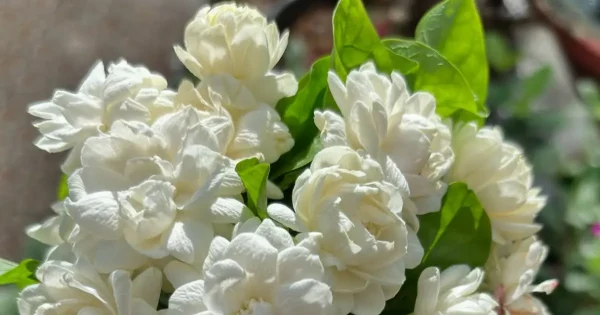
Top 7 Best Smelling Jasmine Varieties for a Heavenly Garden
Have you ever walked past a house and caught a scent so sweet you just [...]
Mar

Master the Heat: 8 Expert Tips for Growing Jalapeños Like a Pro
Are you staring at your garden space, wondering why your pepper plants look more like [...]
Mar
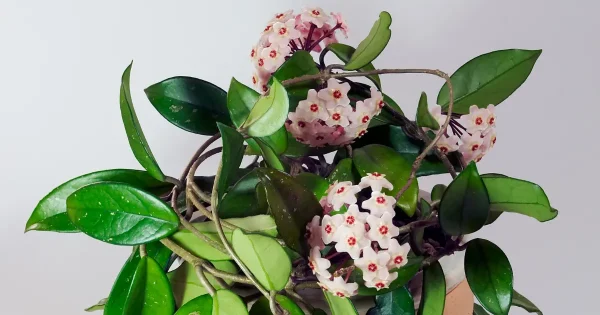
Top 5 Must-Have Hoya Varieties for Beginners
Hoyas are easily one of my top recommendations if you’re hunting for a low-maintenance houseplant [...]
Mar
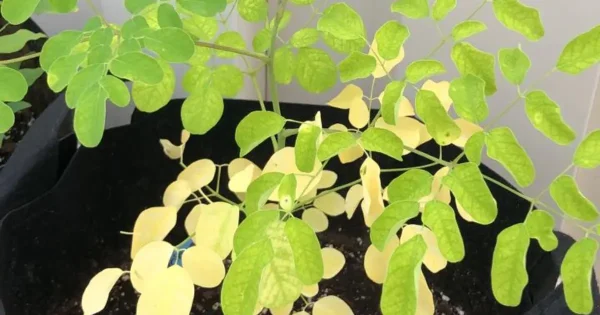
7 Moringa Plant Care Mistakes to Avoid for Healthy Growth
Have you ever looked at your Moringa tree and wondered why its once vibrant green [...]
Feb
How to Grow Potato Onions From True Seeds: A Step-by-Step Guide
Have you ever wondered how to grow potato onions from true seeds or why some [...]
Feb
Growing Walking Onions in Containers: The Ultimate Guide
Have you ever looked at your small balcony or cramped patio and wished you could [...]
Feb

9 Best Flower Seeds to Start in February for Early Blooms
If you’re a passionate gardener, you know that itchy feeling in your fingers when February [...]
Jan
Growing Shampoo Ginger in Pots: Easy Guide to Potting Ginger Lilies
Are you looking to add a touch of exotic beauty to your home while growing [...]
Jan


Reviews
There are no reviews yet.