
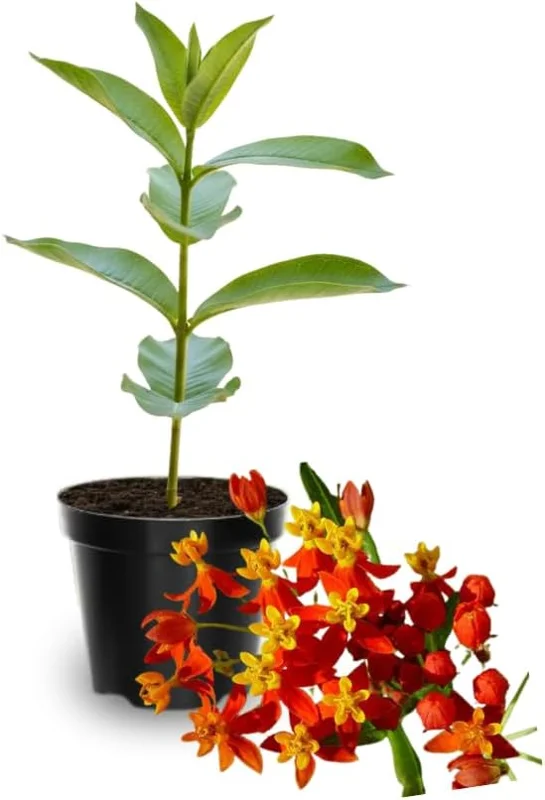
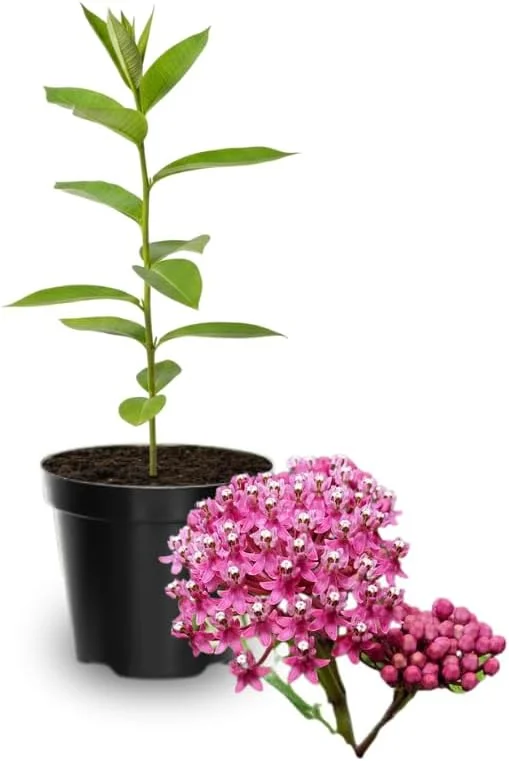
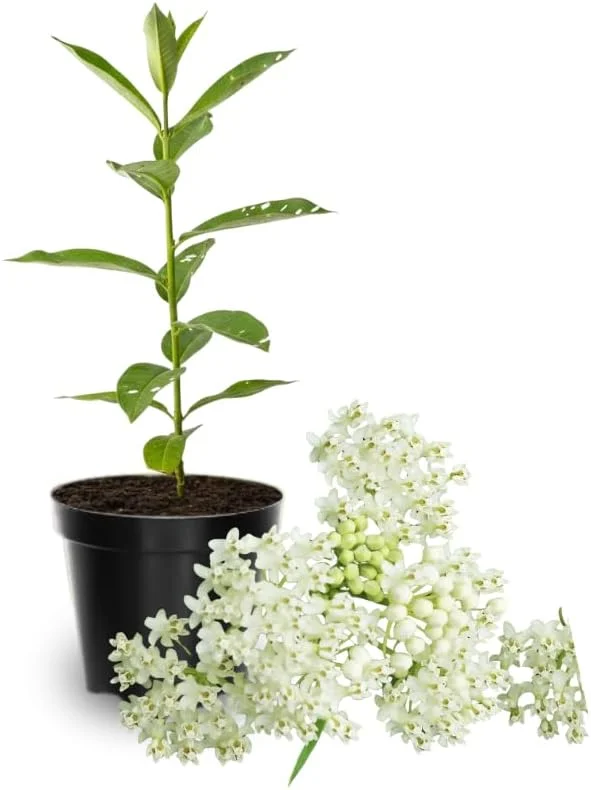
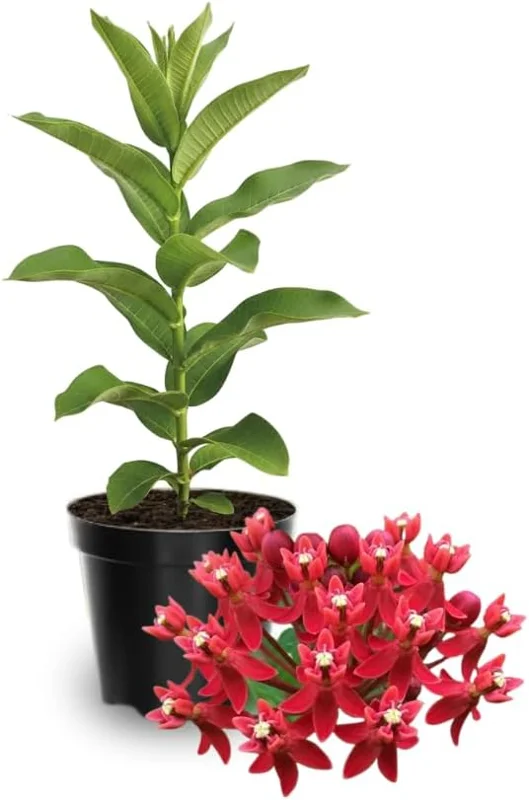
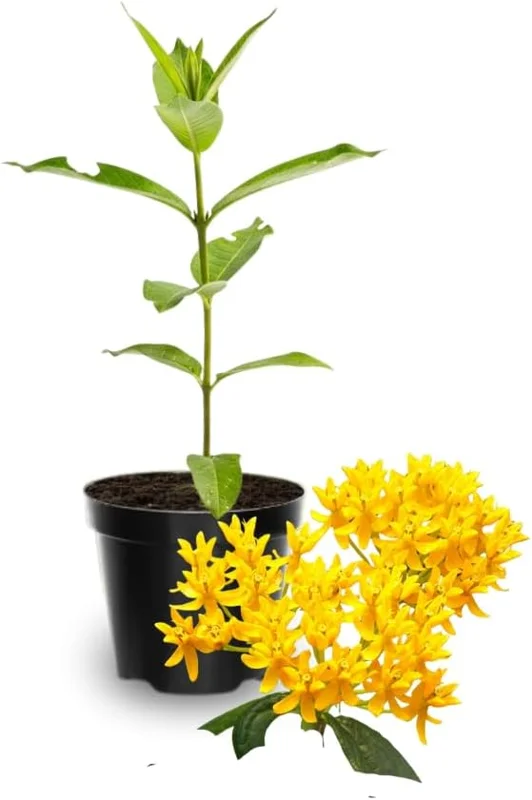
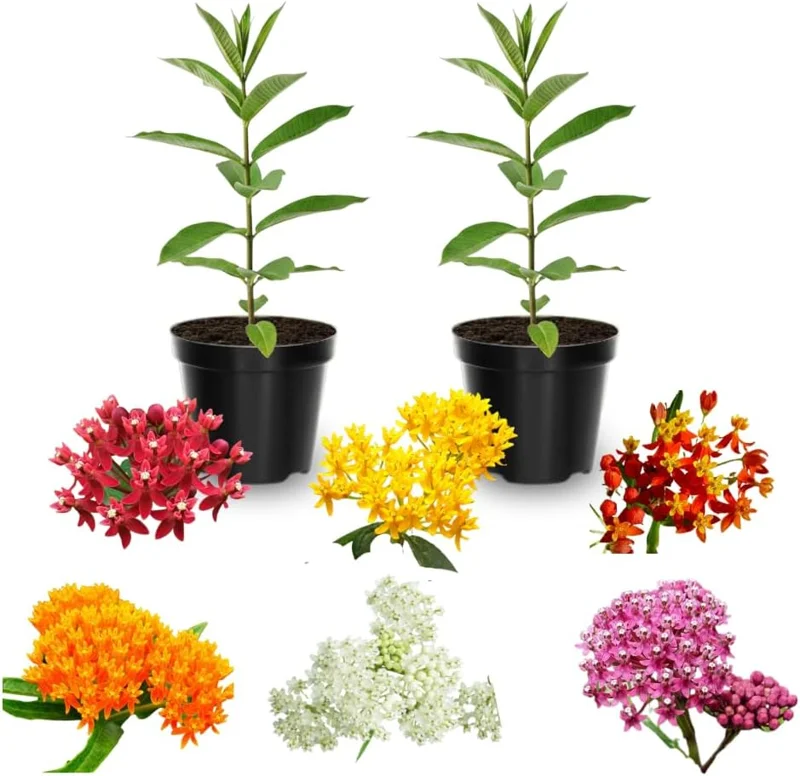
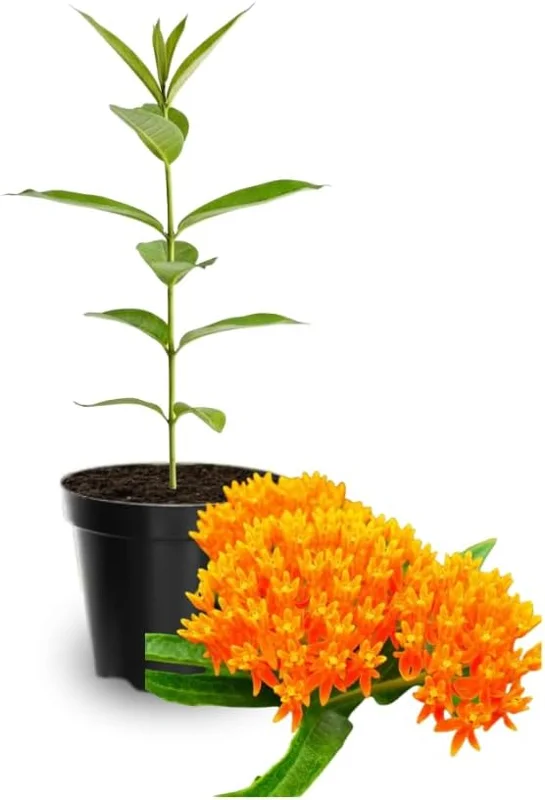
Butterfly Milkweed Live Plants, Asclepias Tuberosa, 4-8 Inch, Deep Red, 2-Pack
Price range: $46.78 through $50.38
Bring life and color to your garden with this butterfly milkweed live plants 2-pack. Featuring deep red blooms, these 4-8 inch tall Asclepias Tuberosa plants are perfect for attracting pollinators and creating a vibrant outdoor space. Drought tolerant and easy to care for.
Shipping and Return policies:
We stand behind our plants with our Alive & Thrive Guarantee. If you experience any issues within the first 30 days, please email us, and our team will be happy to help. When needed, we’ll send you a one-time replacement free of charge to make sure your garden keeps growing strong.

Reasonable Price
We offer reasonable price

Support 24/7
Contact us 24 hrs a day
100% Money Back
You’ve 30 days to Return
Payment Secure
100% secure payment
Overview
Transform your outdoor space into a pollinator paradise with our premium butterfly milkweed live plants. This offering includes a convenient 2-pack of Asclepias Tuberosa, commonly known as Butterfly Milkweed, ready to bring vibrant deep red hues to your garden. Each plant arrives at a healthy 4-8 inches in height, ensuring a strong start for establishment. These spectacular plants are renowned for their brilliant clusters of flowers that bloom from late spring through fall, providing an essential nectar source for a variety of pollinators, especially monarch butterflies. Not only are they beautiful, but they are also incredibly hardy and drought tolerant, making them an excellent choice for gardeners seeking both beauty and resilience. Plant these captivating specimens and watch your garden come alive with the flutter of wings.
The Asclepias Tuberosa is a native North American plant, celebrated for its ecological value and stunning visual appeal. Unlike some other milkweed varieties, butterfly milkweed live plants are non-invasive and grow in an attractive clump-forming habit. Their bright, fiery orange-red flowers are a beacon for beneficial insects, making them an indispensable addition to any wildlife-friendly landscape. These plants are easy to grow and maintain, suitable for a wide range of climates, and will establish themselves quickly to provide years of enjoyment. Cultivate a living ecosystem right in your backyard with these magnificent, pollinator-friendly plants.
Key Benefits
Investing in butterfly milkweed live plants offers a multitude of advantages for both your garden and the local ecosystem. These plants are more than just ornamental; they are vital components of a thriving natural environment, providing continuous joy and ecological support.
- Attracts Pollinators: The primary benefit of these butterfly milkweed live plants is their incredible ability to attract a wide array of pollinators, including monarch butterflies, bees, and other beneficial insects. Their nectar-rich flowers provide crucial sustenance, supporting local biodiversity and contributing to a healthy ecosystem.
- Vibrant Deep Red Blooms: Enjoy stunning clusters of deep red flowers that provide continuous color from late spring through fall. These eye-catching blooms create a focal point in any garden, drawing attention and admiration.
- Drought Tolerant: Once established, Asclepias Tuberosa is remarkably drought tolerant, requiring less frequent watering than many other flowering plants. This makes them an excellent choice for xeriscaping or gardens in drier climates, reducing water consumption and maintenance.
- Low Maintenance: These hardy plants are known for their ease of care. They thrive with minimal intervention, making them perfect for both seasoned gardeners and beginners looking for beautiful, hassle-free additions to their landscape.
- Supports Monarch Butterflies: As a host plant for monarch butterfly caterpillars, planting deep red milkweed directly contributes to the conservation of this iconic species. The leaves provide the sole food source for monarch larvae, making these plants essential for their life cycle.
- Long Blooming Season: Experience extended periods of bloom, as these plants produce flowers from late spring, through the summer, and into the fall. This ensures a consistent display of color and a prolonged food source for pollinators.
- Adaptable & Hardy: Suitable for a wide range of climates and conditions, these plants are known for their hardiness and ability to thrive in various garden settings, from full sun borders to naturalized areas.
Plant Care & Growing Tips
Caring for your butterfly milkweed live plants (Asclepias Tuberosa) is straightforward, ensuring they flourish and provide a spectacular display of deep red blooms. These plants are naturally robust and require minimal attention once established. The most crucial factor for their success is adequate sunlight. They perform best in areas that receive full sun, meaning at least six hours of direct sunlight per day. While they can tolerate partial shade, flowering may be less prolific. When planting, choose a location where they will receive ample light throughout the growing season.
When it comes to watering, asclepias tuberosa care is relatively simple. These plants prefer moderate watering, especially during their establishment phase. Once mature, they are quite drought tolerant and can withstand periods of dry weather. Overwatering should be avoided, as it can lead to root rot. Well-draining soil is essential to prevent waterlogged conditions. A sandy or loamy soil enriched with some organic matter is ideal. For fertilization, a light application of a balanced, slow-release fertilizer in spring is usually sufficient. Avoid over-fertilizing, as this can lead to lush foliage at the expense of flowers.
To encourage continuous blooming and a tidy appearance, deadhead spent flowers throughout the season. This practice can also prevent unwanted self-seeding if you prefer to control their spread. While generally pest-resistant, keep an eye out for aphids, which can sometimes be found on milkweed plants. A strong spray of water or an insecticidal soap can effectively manage these pests. These plants are hardy and typically do not require winter protection in their ideal USDA zones, as their roots will survive underground to resprout in spring. Understanding the specific needs for drought tolerant milkweed ensures a vibrant and healthy addition to your garden.
Size & Details
This offering includes a pack of two butterfly milkweed live plants, specifically Asclepias Tuberosa. Each plant measures approximately 4-8 inches tall upon arrival, providing a robust young specimen ready for planting. These plants are shipped in a nursery pot with soil, ensuring they are well-rooted and protected during transit. Butterfly Milkweed is a moderately fast-growing perennial that typically reaches a mature height of 1-3 feet (3-5 feet as per data provided) with a similar spread, forming an attractive clump. The deep red flowers appear in clusters, creating a striking visual impact in your garden beds or borders.
The growth rate of these deep red milkweed plants allows them to establish quickly in the landscape, often blooming in their first year if planted in spring. They are known for their long bloom period, providing continuous color and nectar from late spring through early fall. The perennial nature of Asclepias Tuberosa means that with proper care, it will return year after year, growing larger and more floriferous over time. Plant these specimens in a location where they have enough space to reach their mature size for optimal health and aesthetic appeal.
Frequently Asked Questions
- Q: How big do these butterfly milkweed live plants get? A: These plants typically grow to a mature height of 1-3 feet (3-5 feet as per data provided) and spread about 1-2 feet wide, forming an attractive clump. They arrive at 4-8 inches tall, ready to grow in your garden.
- Q: Is this an indoor or outdoor plant? A: Asclepias Tuberosa, or butterfly milkweed live plants, are primarily outdoor plants. They thrive in full sun and are best suited for garden beds, borders, or naturalized areas where they can attract pollinators.
- Q: How much sunlight does it need? A: These plants require full sun exposure, meaning at least 6 hours of direct sunlight per day, for optimal growth and flowering. They can tolerate partial shade, but blooming may be reduced.
- Q: Is this plant easy to care for? A: Yes, asclepias tuberosa care is considered easy. It is a hardy and low-maintenance plant that is drought tolerant once established, making it suitable for gardeners of all experience levels.
- Q: What condition will it arrive in? A: Your plants will arrive as healthy, live specimens, approximately 4-8 inches tall, shipped in a nursery pot with soil to ensure their vitality during transit.
- Q: When is the best time to plant deep red milkweed? A: The best time to plant deep red milkweed is in spring after the last frost, allowing the plants ample time to establish their root system before the heat of summer or the cold of winter.
- Q: Will it survive winter in my zone? A: Asclepias Tuberosa is typically hardy in USDA zones 3-9. In these zones, the plant’s foliage will die back in winter, but the roots will survive to resprout in spring.
- Q: Is this milkweed variety good for attracting monarch butterflies? A: Absolutely! Asclepias Tuberosa is a crucial host plant for monarch butterfly caterpillars and provides nectar for adult monarchs, making it an excellent choice if you want to attract butterflies garden.
- Q: What kind of soil does it prefer? A: It prefers well-draining soil, ideally sandy or loamy. Good drainage is essential to prevent root rot.
- Q: How often should I water it? A: Water moderately until established. Once mature, these plants are quite drought tolerant and will only need occasional watering during prolonged dry spells. Avoid overwatering.
| Color | Assorted, Deep Red, Orange, Pink, Red, White, Yellow |
|---|
Be the first to review “Butterfly Milkweed Live Plants, Asclepias Tuberosa, 4-8 Inch, Deep Red, 2-Pack”
You must be logged in to post a review.
People also Viewed
Sold 50 products
Original price was: $17.58.$11.86Current price is: $11.86.
Sold 50 products
Price range: $32.99 through $35.99
Sold 50 products
$69.99
Sold 50 products
$18.99
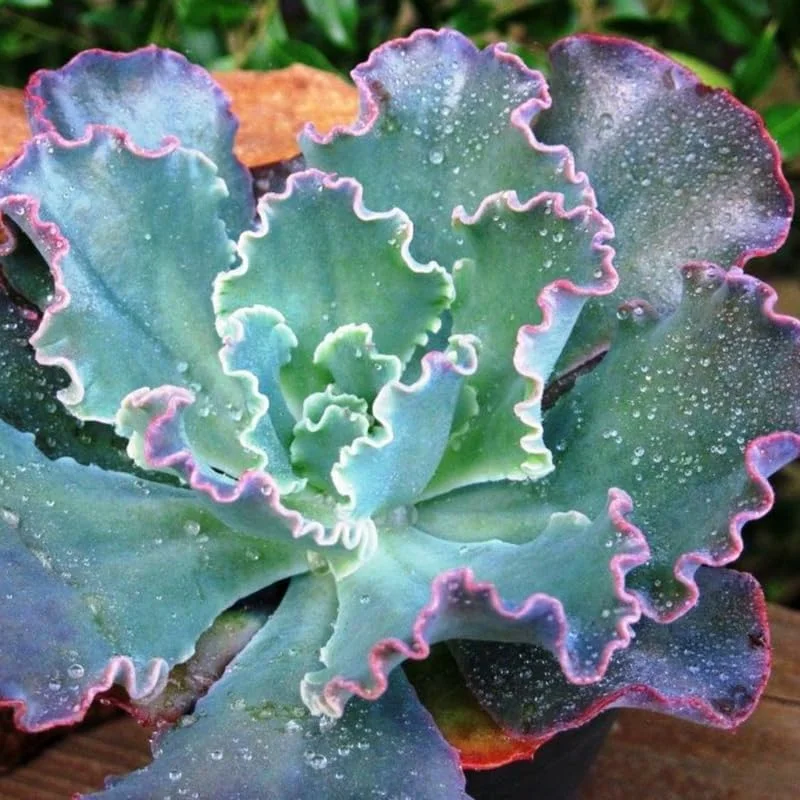
Sold 50 products
Price range: $14.98 through $23.89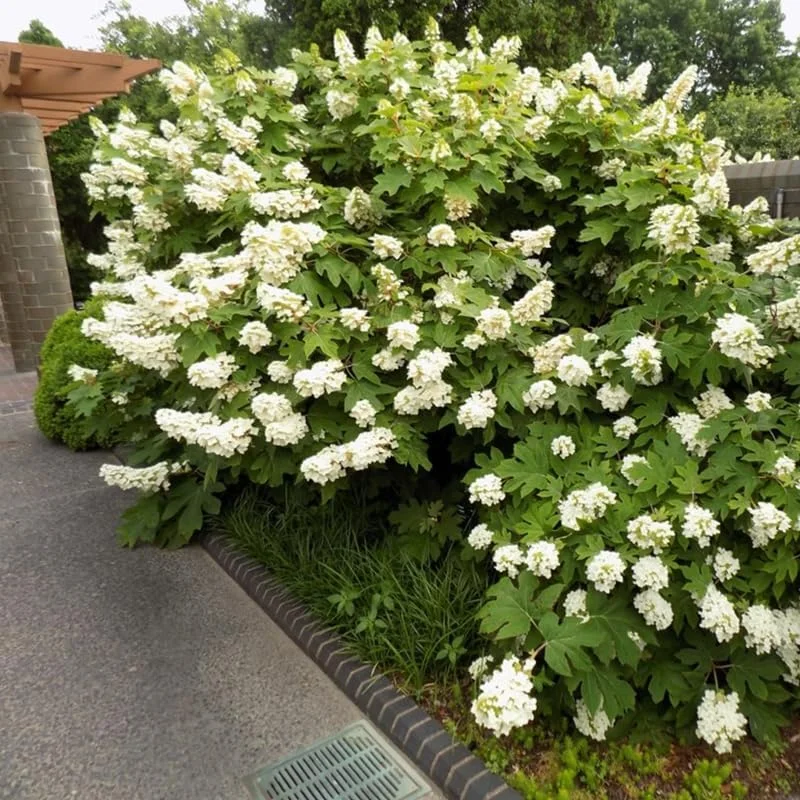
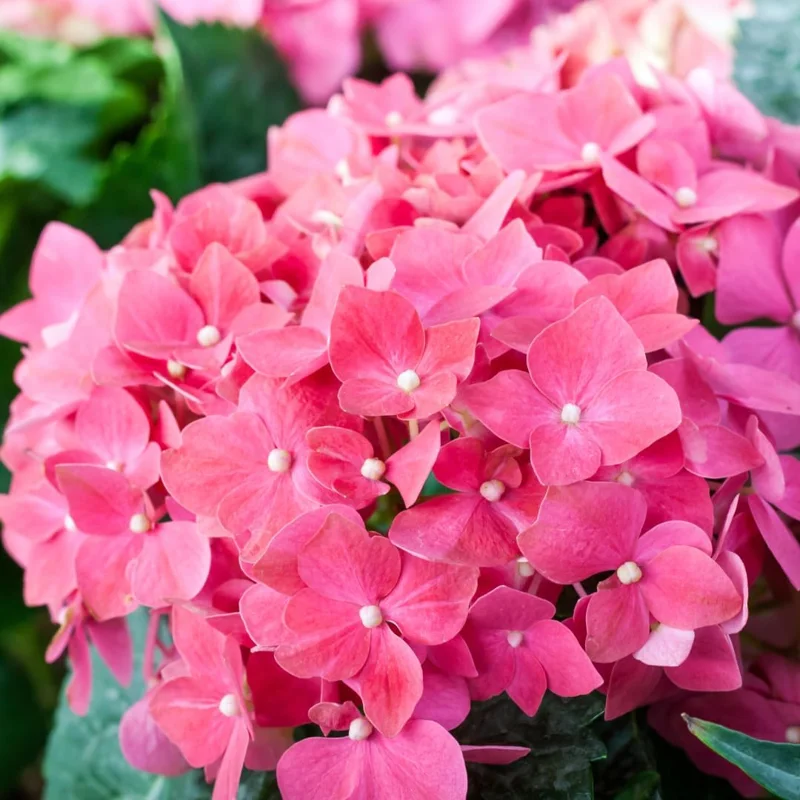
Sold 50 products
$32.99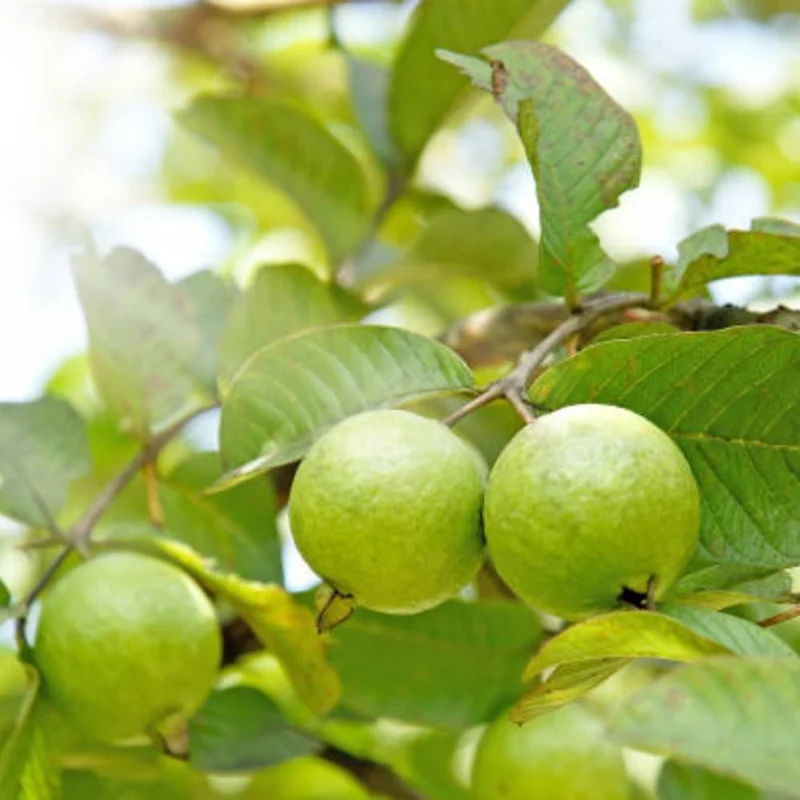
Sold 50 products
$24.99

Sold 50 products
Price range: $43.99 through $44.99RELATED posts
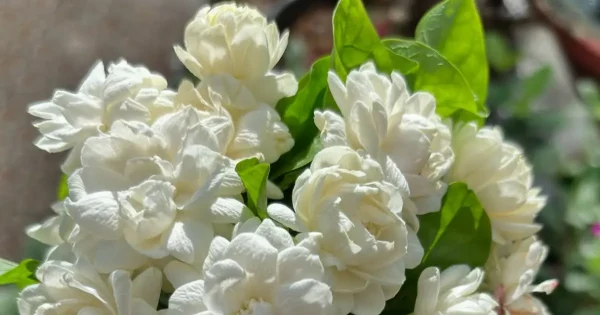
Top 7 Best Smelling Jasmine Varieties for a Heavenly Garden
Have you ever walked past a house and caught a scent so sweet you just [...]
Mar
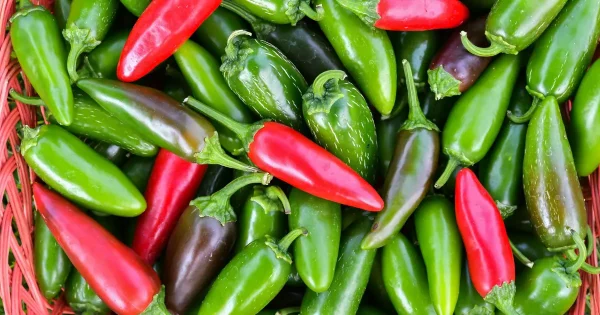
Master the Heat: 8 Expert Tips for Growing Jalapeños Like a Pro
Are you staring at your garden space, wondering why your pepper plants look more like [...]
Mar
Top 5 Must-Have Hoya Varieties for Beginners
Hoyas are easily one of my top recommendations if you’re hunting for a low-maintenance houseplant [...]
Mar
7 Moringa Plant Care Mistakes to Avoid for Healthy Growth
Have you ever looked at your Moringa tree and wondered why its once vibrant green [...]
Feb
How to Grow Potato Onions From True Seeds: A Step-by-Step Guide
Have you ever wondered how to grow potato onions from true seeds or why some [...]
Feb
Growing Walking Onions in Containers: The Ultimate Guide
Have you ever looked at your small balcony or cramped patio and wished you could [...]
Feb

9 Best Flower Seeds to Start in February for Early Blooms
If you’re a passionate gardener, you know that itchy feeling in your fingers when February [...]
Jan
Growing Shampoo Ginger in Pots: Easy Guide to Potting Ginger Lilies
Are you looking to add a touch of exotic beauty to your home while growing [...]
Jan


Reviews
There are no reviews yet.