
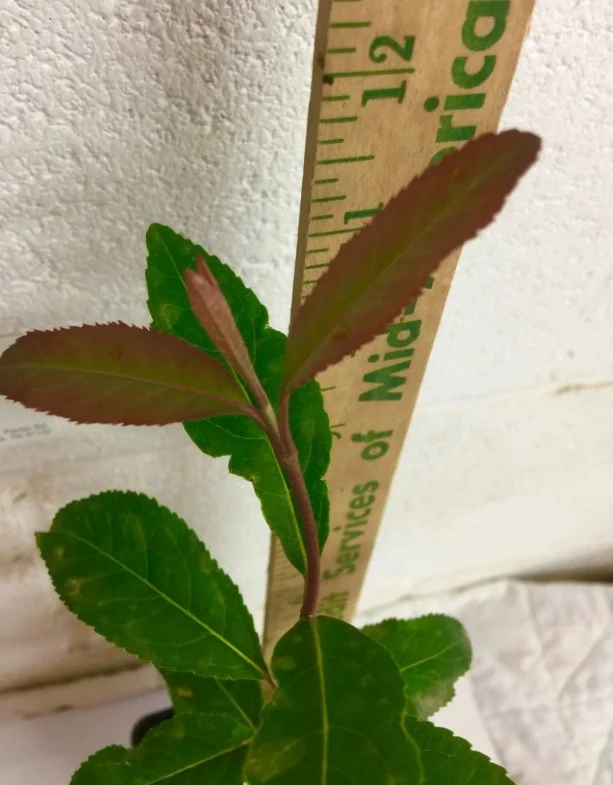
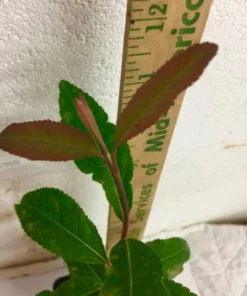
Blackhaw Viburnum Live Plant 6-12″ Tall in a 4″ Pot – Viburnum Prunifolium – Flowering Shrub – Ornamental Plant Outdoor Garden – Dormant shipping in winter, NO LEAF
Original price was: $32.99.$22.99Current price is: $22.99.
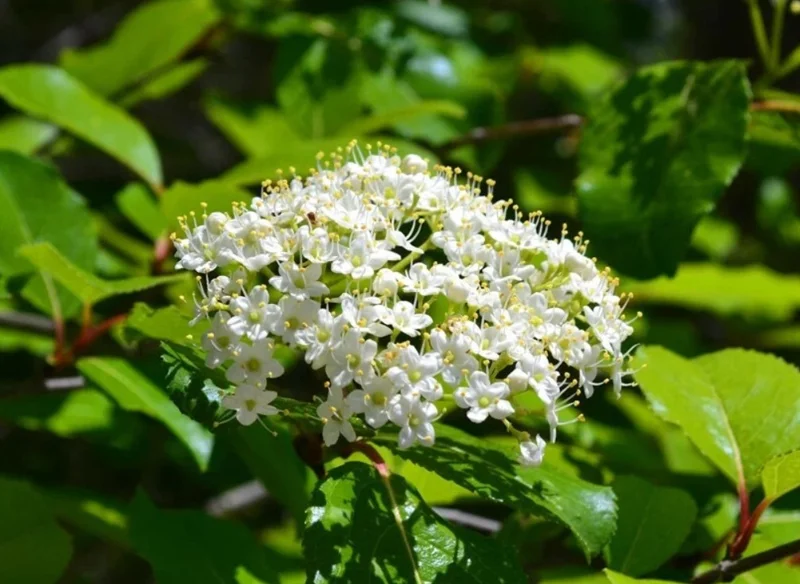
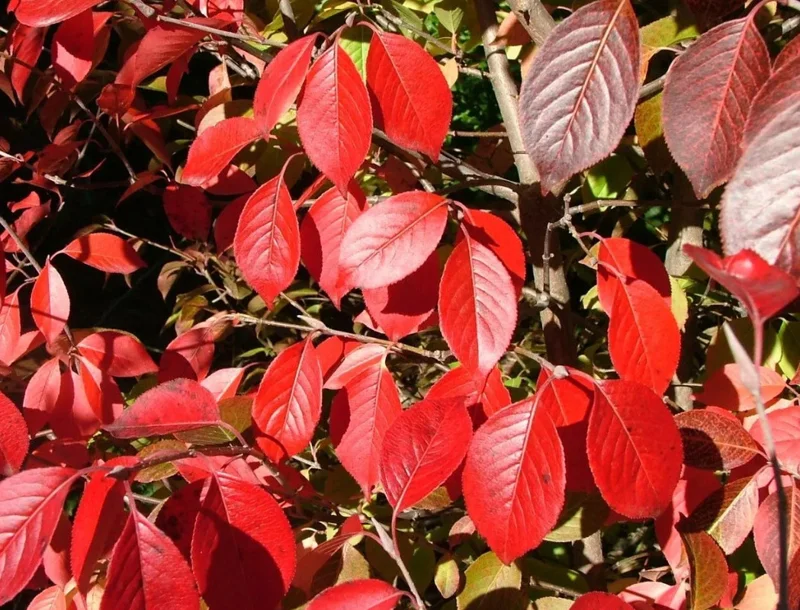
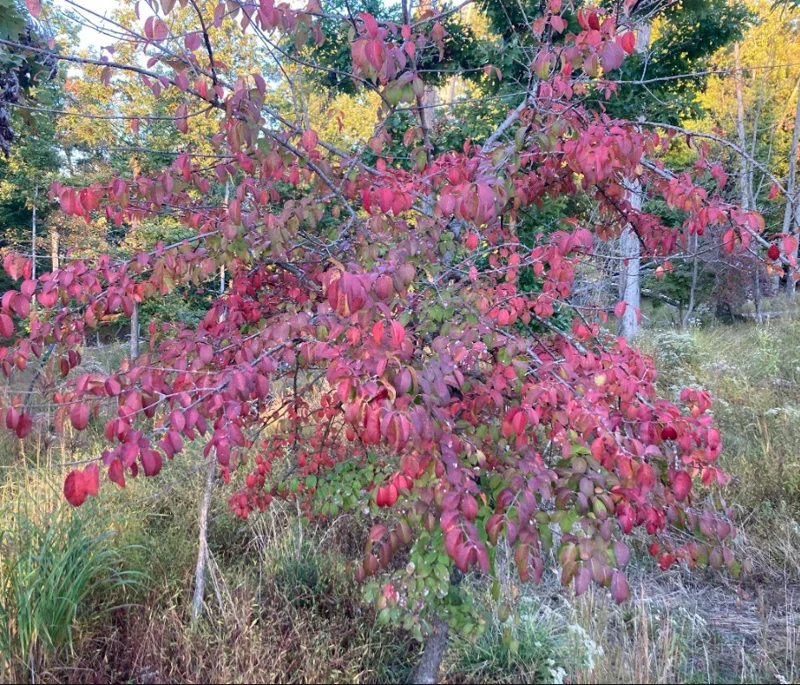
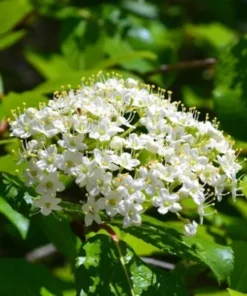
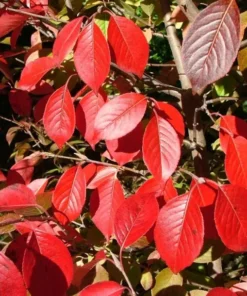
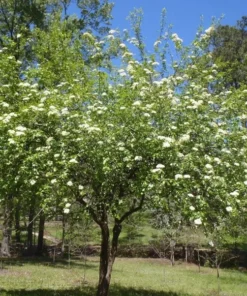
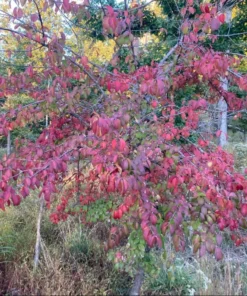
This Blackhaw Viburnum offers year-round beauty. Enjoy white spring flowers, blue/black berries that attract birds, and stunning red/purple fall foliage. Great as an individual plant or a tall hedge.
Shipping and Return policies:
We stand behind our plants with our Alive & Thrive Guarantee. If you experience any issues within the first 30 days, please email us, and our team will be happy to help. When needed, we’ll send you a one-time replacement free of charge to make sure your garden keeps growing strong.

Reasonable Price
We offer reasonable price

Support 24/7
Contact us 24 hrs a day
100% Money Back
You’ve 30 days to Return
Payment Secure
100% secure payment
About Blackhaw Viburnum (Viburnum prunifolium)
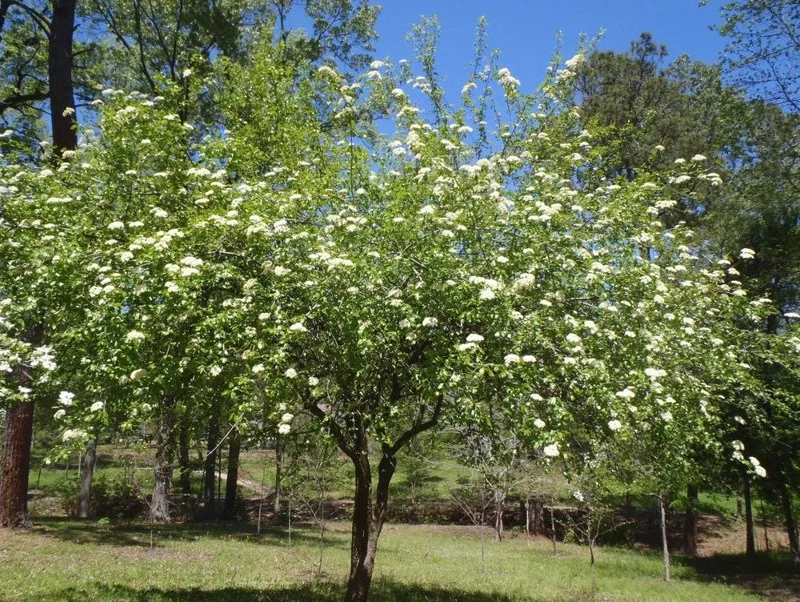
The Blackhaw Viburnum, scientifically known as Viburnum prunifolium, is a versatile and attractive shrub that adds beauty to any landscape. Its rounded, upright growth makes it ideal as a standalone specimen or when grouped to create a tall, natural hedge or screen. The Blackhaw Viburnum is a beautiful addition to any landscape.
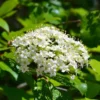
In the spring, flat clusters of white flowers emerge, adding a touch of elegance. These blooms then give way to yellow berries that mature into a deep blue/black color, providing a valuable food source for birds and can be used in preserves. The shrub’s multi-stemmed structure displays dark green, finely toothed foliage that transforms into vibrant red and purple hues come autumn. The Blackhaw Viburnum is a self-fertile shrub, but cross-pollination is recommended to ensure reliable fruit production.
Benefits of Planting Blackhaw Viburnum:
- Year-Round Beauty: Enjoy flowers, berries, and stunning fall color.
- Wildlife Attraction: Berries provide food for birds.
- Versatile Use: Plant individually, as a hedge, or as a screen.
- Low Maintenance: Hardy and adaptable to various conditions.
- Edible Berries: Berries can be used in preserves.
For optimal fruiting, it is recommended to plant two or three shrubs together. The Blackhaw Viburnum is hardy in zones 3-9 and can reach heights of 12-15 feet with a spread of approximately 5 feet.
The Blackhaw Viburnum is a great choice for creating privacy screens, attracting wildlife, or simply adding visual interest to your garden. Its adaptability and low-maintenance nature make it an excellent option for both experienced and novice gardeners.
Frequently Asked Questions About Blackhaw Viburnum
- How big does a Blackhaw Viburnum get? The Blackhaw Viburnum typically reaches a height of 12-15 feet and a spread of around 5 feet at maturity.
- What kind of sunlight does Blackhaw Viburnum need? This shrub thrives in full sun to partial shade, requiring at least 4-6 hours of sunlight per day for optimal growth and fruiting.
- What type of soil is best for Blackhaw Viburnum? Blackhaw Viburnum prefers well-drained soil but is adaptable to a variety of soil types, including clay, loam, and sandy soils.
- When is the best time to plant a Blackhaw Viburnum? The ideal time to plant is in the spring or fall to allow the roots to establish before extreme temperatures occur.
- How do I ensure the Blackhaw Viburnum produces berries? While self-fertile, planting two or three shrubs together will increase the likelihood of reliable fruit production through cross-pollination.
Be the first to review “Blackhaw Viburnum Live Plant 6-12″ Tall in a 4″ Pot – Viburnum Prunifolium – Flowering Shrub – Ornamental Plant Outdoor Garden – Dormant shipping in winter, NO LEAF”
You must be logged in to post a review.
People also Viewed
Sold 50 products
Original price was: $28.58.$19.99Current price is: $19.99.
Sold 50 products
$32.39
Sold 50 products
$21.59
Sold 50 products
$35.99
Sold 50 products
Price range: $23.15 through $25.19
Sold 50 products
$38.39
Sold 50 products
Price range: $28.79 through $35.99
Sold 50 products
$26.39RELATED posts
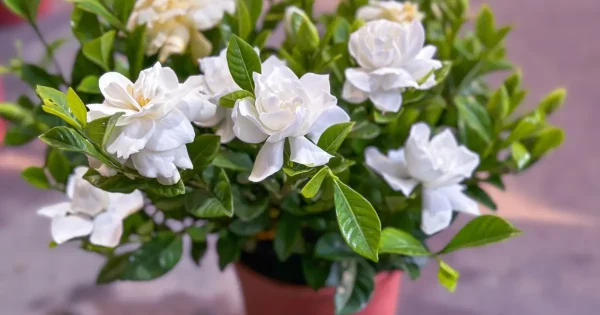
Frostproof Jasmine Care: 7 Tips for Successful Pot Growth
Most gardenias are known for being “divas.” They want perfect humidity, perfect soil, and they [...]
Mar
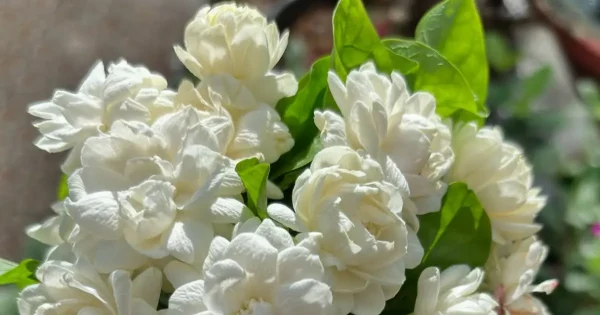
Top 7 Best Smelling Jasmine Varieties for a Heavenly Garden
Have you ever walked past a house and caught a scent so sweet you just [...]
Mar
Master the Heat: 8 Expert Tips for Growing Jalapeños Like a Pro
Are you staring at your garden space, wondering why your pepper plants look more like [...]
Mar
Top 5 Must-Have Hoya Varieties for Beginners
Hoyas are easily one of my top recommendations if you’re hunting for a low-maintenance houseplant [...]
Mar
7 Moringa Plant Care Mistakes to Avoid for Healthy Growth
Have you ever looked at your Moringa tree and wondered why its once vibrant green [...]
Feb
How to Grow Potato Onions From True Seeds: A Step-by-Step Guide
Have you ever wondered how to grow potato onions from true seeds or why some [...]
Feb
Growing Walking Onions in Containers: The Ultimate Guide
Have you ever looked at your small balcony or cramped patio and wished you could [...]
Feb

9 Best Flower Seeds to Start in February for Early Blooms
If you’re a passionate gardener, you know that itchy feeling in your fingers when February [...]
Jan
Reviews
There are no reviews yet.