
Black Walnut Tree Live Plant in 4″ Pot – Hardy 1 Year Old Outdoor Walnut
$29.99
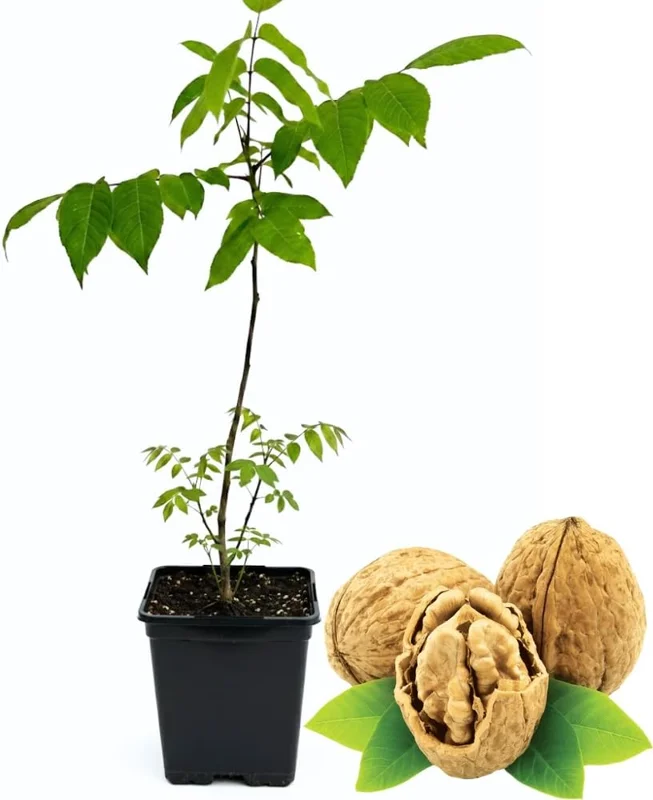
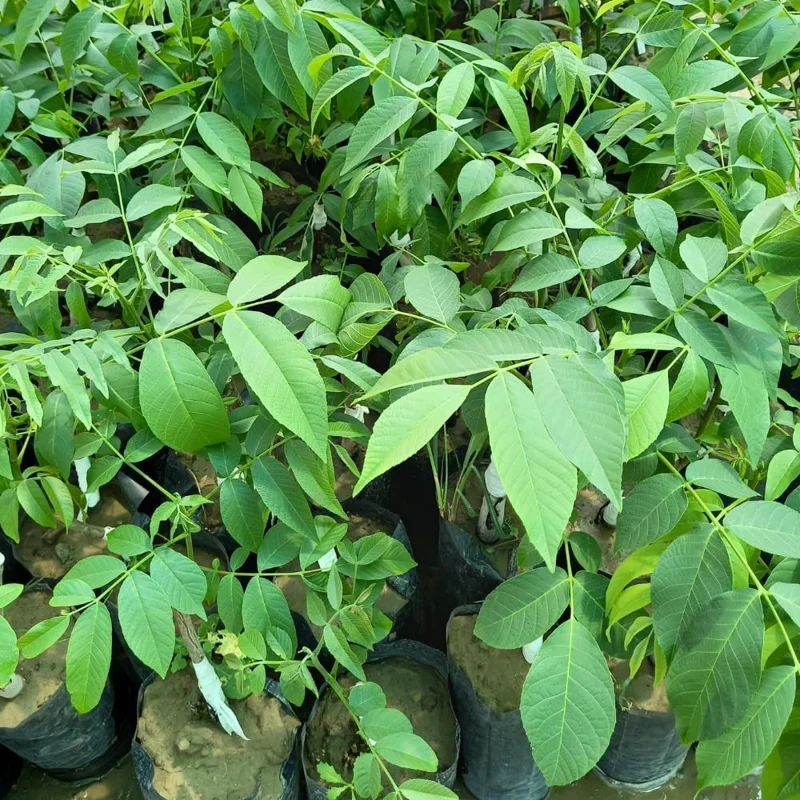
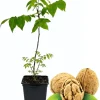
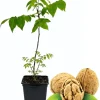
Cultivate a majestic black walnut tree live plant in your landscape. This 1-year-old, hardy specimen arrives in a 4-inch pot, ready for outdoor planting. Known for its fast growth and valuable timber and nuts, it’s an excellent choice for zones 4-9.
Shipping and Return policies:
We stand behind our plants with our Alive & Thrive Guarantee. If you experience any issues within the first 30 days, please email us, and our team will be happy to help. When needed, we’ll send you a one-time replacement free of charge to make sure your garden keeps growing strong.

Reasonable Price
We offer reasonable price

Support 24/7
Contact us 24 hrs a day
100% Money Back
You’ve 30 days to Return
Payment Secure
100% secure payment
Overview
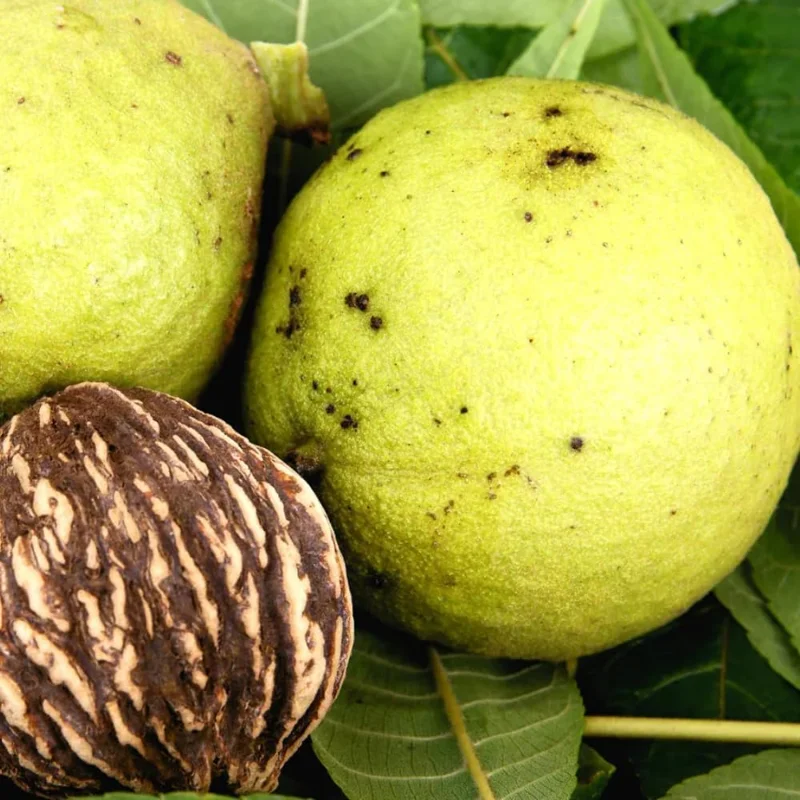
Bring the grandeur of nature to your property with this robust black walnut tree live plant. This impressive tree, scientifically known as Juglans nigra, is a highly sought-after species for its rapid growth, beautiful foliage, and valuable timber and nuts. Our 1-year-old live plant is carefully nurtured in a 4-inch pot, ensuring a healthy root system and a strong start for outdoor planting. Ideal for home landscapes, farms, and reforestation projects, the hardy walnut plant is a long-term investment that provides shade, wildlife habitat, and a harvest of nutritious walnuts for years to come.
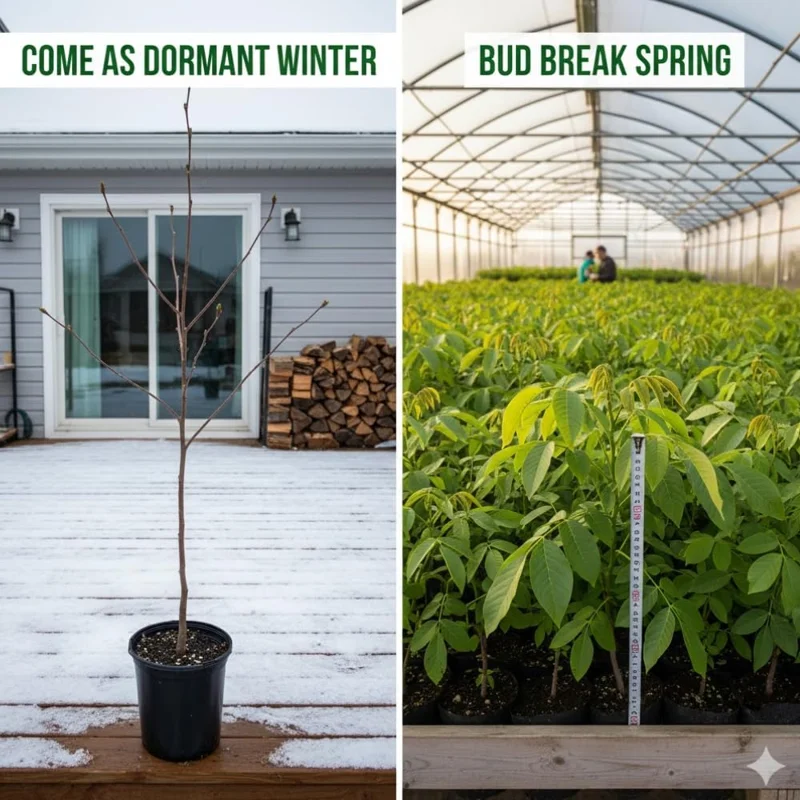
The black walnut tree live plant adapts well to various environments once established, demonstrating resilience and vigor. While dormant in winter with no leaves, it focuses on developing a strong root system, ready to burst forth with lush foliage in spring and summer. This native North American tree is a fantastic addition for those looking to enhance their land with a species known for both its ecological benefits and economic potential.
Key Benefits
Adding a black walnut tree live plant to your garden offers numerous advantages, from ecological contributions to potential harvests. These trees are not just plants; they are living legacies that grow with you and your property.
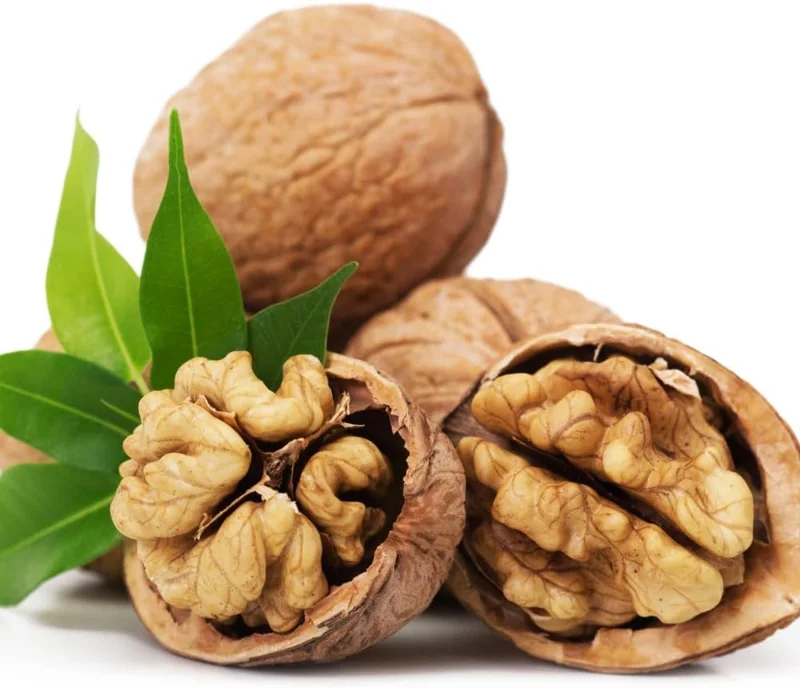
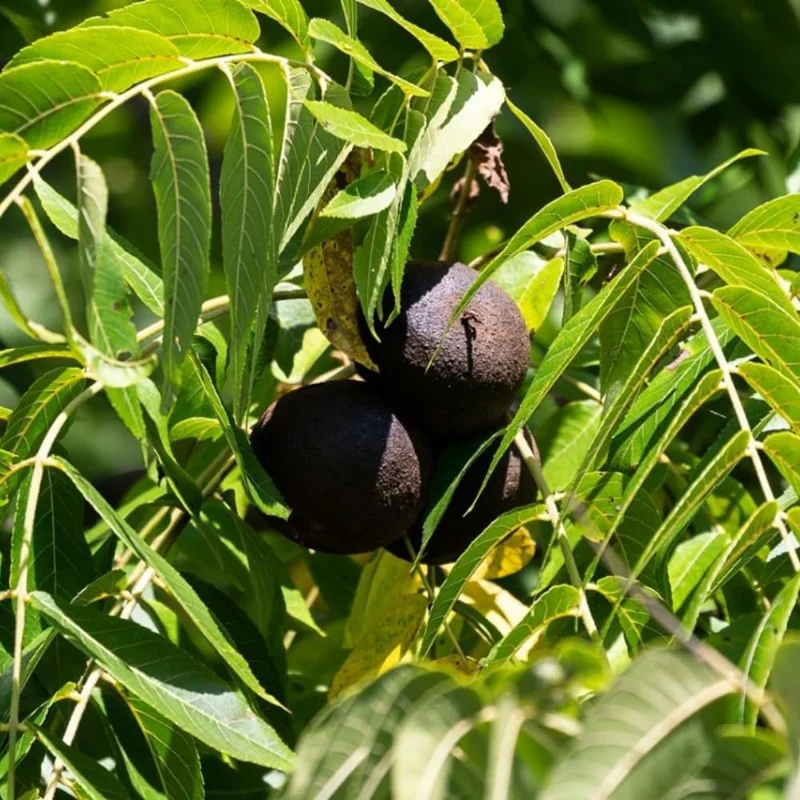
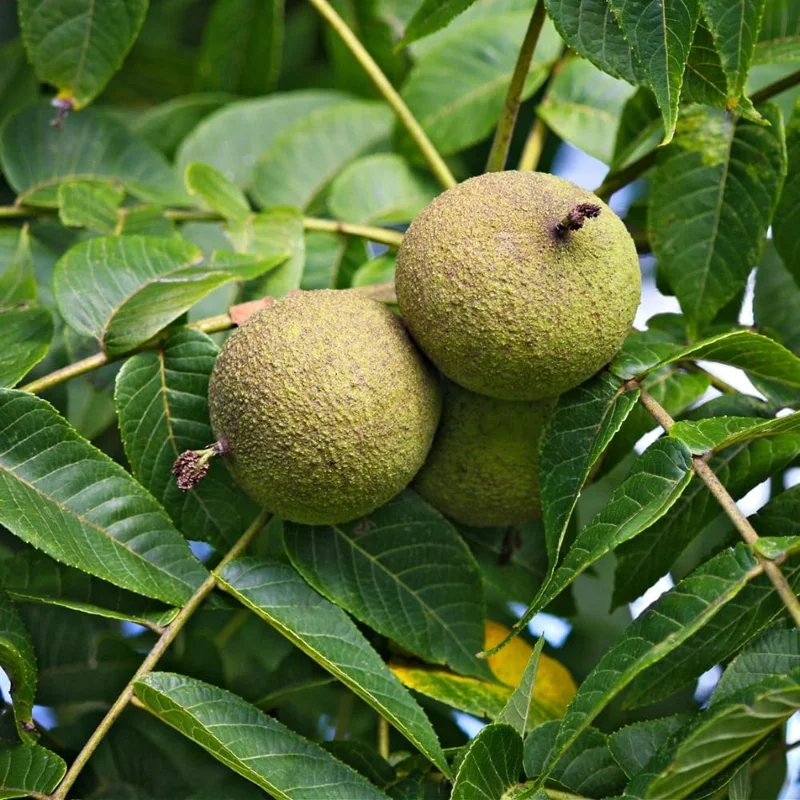
- Valuable Timber & Nuts: Black walnut trees are renowned for their high-quality, dark hardwood, prized in furniture making. They also produce delicious, edible nuts that are rich in nutrients and flavor, perfect for culinary uses or attracting local wildlife.
- Fast-Growing & Cold-Hardy: This species is known for its relatively rapid growth rate, quickly establishing itself in your landscape. It’s also exceptionally cold-hardy, thriving in USDA Zones 4-9, making it suitable for a wide range of climates.
- Drought-Tolerant Once Established: After its initial establishment period, the hardy walnut plant develops a deep root system, allowing it to withstand periods of drought, reducing the need for constant watering.
- Adapts to Various Soil Types: While it prefers deep, rich, well-draining soil, the black walnut tree is adaptable to a variety of soil conditions, showcasing its resilience and ease of cultivation.
- Ecological Benefits: Provides excellent shade in summer, contributes to local biodiversity by offering shelter and food for wildlife, and improves soil health over time.
- Long Lifespan: A black walnut tree live plant can live for many decades, even centuries, becoming a permanent and stately feature of your landscape.
- Natural Pest Deterrent: Black walnuts produce juglone, a natural chemical that can deter certain pests and inhibit the growth of some competing plants, making it a unique addition to a permaculture setup.
Plant Care & Growing Tips
Caring for your black walnut tree live plant is straightforward, especially once it’s established. Understanding its basic needs will ensure healthy growth and a thriving tree. This juglans nigra tree is a resilient species, but a little attention to detail in its early years will pay dividends.
For sunlight, the black walnut tree prefers full sun, meaning at least 6 hours of direct sunlight per day. While it can tolerate some partial shade, optimal growth and nut production occur in full sun. When it comes to watering, young trees need consistent moisture, especially during dry spells. Water deeply once or twice a week, ensuring the soil is moist but not waterlogged. Once established, typically after 2-3 years, the tree becomes drought-tolerant, only requiring supplemental watering during extended dry periods. The ideal soil type for this hardy walnut plant is deep, well-draining loam. It can tolerate clay and sandy soils but will thrive best in fertile, slightly acidic to neutral soil (pH 6.0-7.0). Good drainage is crucial to prevent root rot.
The black walnut tree live plant is cold-hardy, suitable for USDA Zones 4-9. It can withstand winter temperatures in these zones, naturally going dormant. Fertilization is generally not necessary for established trees in good soil. For young trees, a balanced slow-release fertilizer can be applied in spring, following product instructions. Common problems include walnut caterpillars and anthracnose, though these are rarely fatal to mature trees. Ensure good air circulation and consider organic pest control methods if issues arise. Understanding black walnut tree care is key to its success.
Size & Details
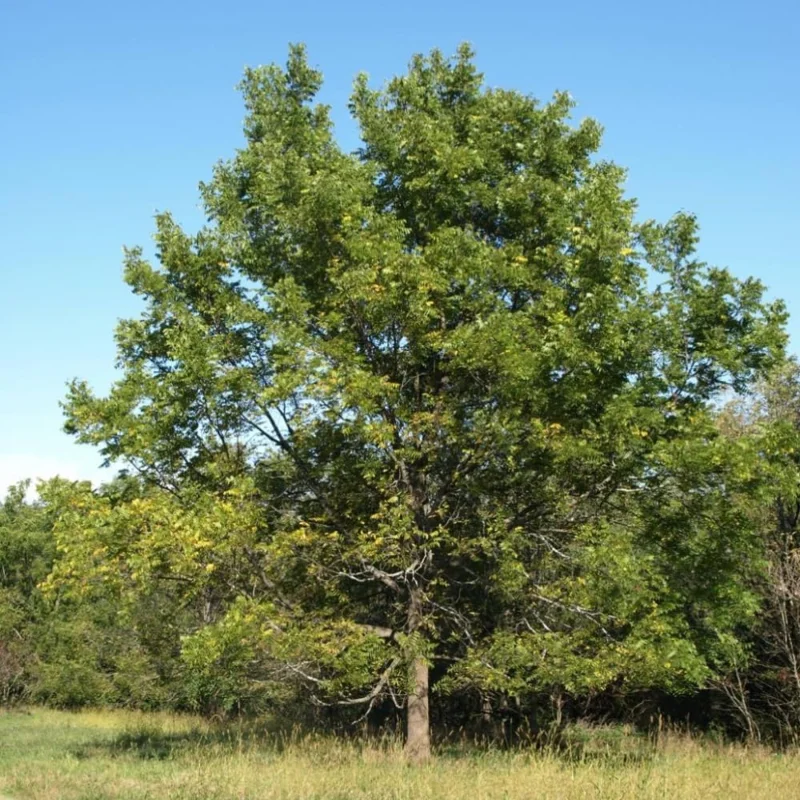
This offering is for one black walnut tree live plant, which is approximately 1 year old and comes rooted in a 4-inch nursery pot. At maturity, these trees are impressive, reaching heights of 50-75 feet and spreading 50-75 feet wide, forming a broad, rounded canopy. The plant will arrive dormant with no leaves if ordered in colder months, focusing its energy on its robust root system, which is crucial for long-term health. New leaves will emerge in spring with warmer temperatures.
The tree exhibits a fast growth rate, quickly adding several feet of height each year under optimal conditions. It ships as a healthy, rooted specimen, ready for transplanting into your garden or a larger pot upon arrival. Expect the first nuts to appear after about 10-15 years, with significant production starting around 20 years. This long-term investment promises a bountiful future.
Frequently Asked Questions
- Q: How big does this plant get? A: A mature black walnut tree live plant can grow to an impressive height of 50-75 feet and spread equally wide, providing substantial shade and presence in your landscape.
- Q: What size pot does it come in? A: This hardy walnut plant is shipped in a 4-inch nursery pot, perfectly sized for a 1-year-old specimen with a well-developed root system.
- Q: Is this an indoor or outdoor plant? A: The black walnut tree live plant is an outdoor tree. It requires significant space to grow and thrives in full sun conditions in USDA Zones 4-9. It is not suitable for long-term indoor cultivation.
- Q: How much sunlight does it need? A: This tree needs full sun exposure, meaning at least 6 hours of direct sunlight daily, to ensure healthy growth and optimal nut production.
- Q: Is this plant easy to care for? A: Yes, once established, the black walnut tree live plant is relatively low-maintenance. Young trees require consistent watering, but mature trees are quite drought-tolerant and adaptable.
- Q: What condition will it arrive in? A: Your black walnut tree live plant will arrive as a healthy, rooted specimen. If ordered during winter, it will be dormant with no leaves, which is normal and indicates a strong root system.
- Q: Is it shipped in soil? A: Yes, the plant is shipped securely in its 4-inch nursery pot with appropriate soil to protect its roots during transit.
- Q: Can I use black walnut nuts in cooking? A: Absolutely! Black walnuts are highly prized for their distinct, rich flavor and are excellent in baking, ice cream, salads, and as a snack.
- Q: When is the best time to plant a black walnut tree? A: The best time to plant a black walnut tree live plant is in spring or early fall, allowing the roots to establish before extreme temperatures.
- Q: Will it survive winter in my zone? A: This black walnut tree is cold-hardy and suitable for USDA Zones 4-9, meaning it will survive winter in these regions by going dormant and regrowing in spring.
Be the first to review “Black Walnut Tree Live Plant in 4″ Pot – Hardy 1 Year Old Outdoor Walnut”
You must be logged in to post a review.
People also Viewed
Sold 50 products
Original price was: $17.58.$11.86Current price is: $11.86.
Sold 50 products
Price range: $32.99 through $35.99
Sold 50 products
$69.99
Sold 50 products
$18.99
Sold 50 products
Price range: $14.98 through $23.89
Sold 50 products
$32.99
Sold 50 products
$24.99
Sold 50 products
Price range: $43.99 through $44.99RELATED posts
Frostproof Jasmine Care: 7 Tips for Successful Pot Growth
Most gardenias are known for being “divas.” They want perfect humidity, perfect soil, and they [...]
Mar
Top 7 Best Smelling Jasmine Varieties for a Heavenly Garden
Have you ever walked past a house and caught a scent so sweet you just [...]
Mar
Master the Heat: 8 Expert Tips for Growing Jalapeños Like a Pro
Are you staring at your garden space, wondering why your pepper plants look more like [...]
Mar
Top 5 Must-Have Hoya Varieties for Beginners
Hoyas are easily one of my top recommendations if you’re hunting for a low-maintenance houseplant [...]
Mar
7 Moringa Plant Care Mistakes to Avoid for Healthy Growth
Have you ever looked at your Moringa tree and wondered why its once vibrant green [...]
Feb
How to Grow Potato Onions From True Seeds: A Step-by-Step Guide
Have you ever wondered how to grow potato onions from true seeds or why some [...]
Feb
Growing Walking Onions in Containers: The Ultimate Guide
Have you ever looked at your small balcony or cramped patio and wished you could [...]
Feb
9 Best Flower Seeds to Start in February for Early Blooms
If you’re a passionate gardener, you know that itchy feeling in your fingers when February [...]
Jan
Reviews
There are no reviews yet.