
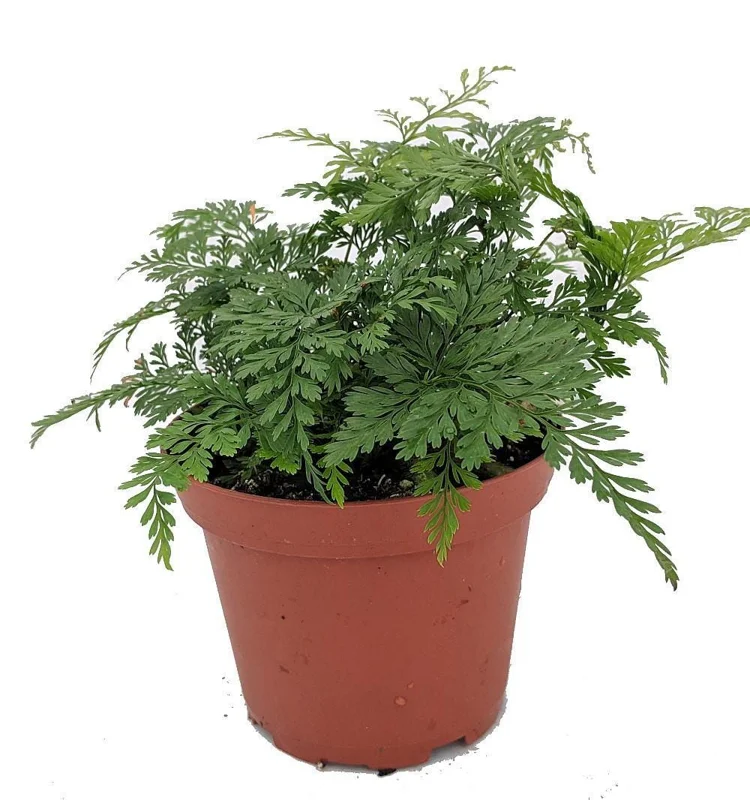
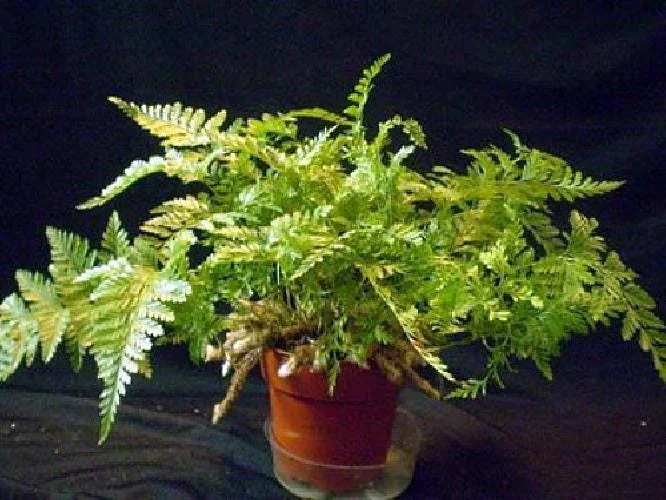
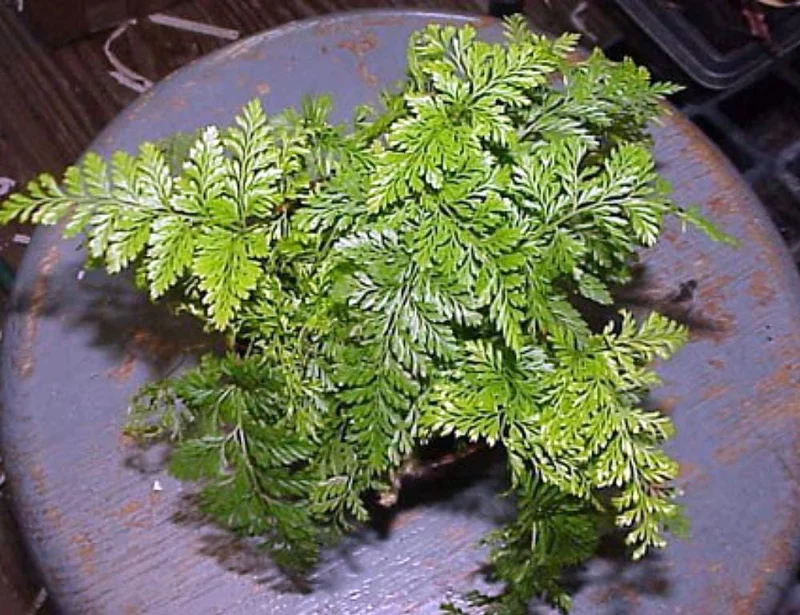
Black Rabbit’s Foot Fern Live Plant – Davallia trichomanoides – 3.7″ Pot
Original price was: $27.28.$21.82Current price is: $21.82.
Add unique texture to your indoor garden with the black rabbit’s foot fern. This charming Davallia trichomanoides features distinctive fuzzy rhizomes and bright green, delicate foliage. An ideal low light houseplant, it thrives in high humidity, making it perfect for terrariums or as a desk companion. Enjoy easy rabbit foot fern care and its captivating appearance.
Shipping and Return policies:
We stand behind our plants with our Alive & Thrive Guarantee. If you experience any issues within the first 30 days, please email us, and our team will be happy to help. When needed, we’ll send you a one-time replacement free of charge to make sure your garden keeps growing strong.

Reasonable Price
We offer reasonable price

Support 24/7
Contact us 24 hrs a day
100% Money Back
You’ve 30 days to Return
Payment Secure
100% secure payment
Overview
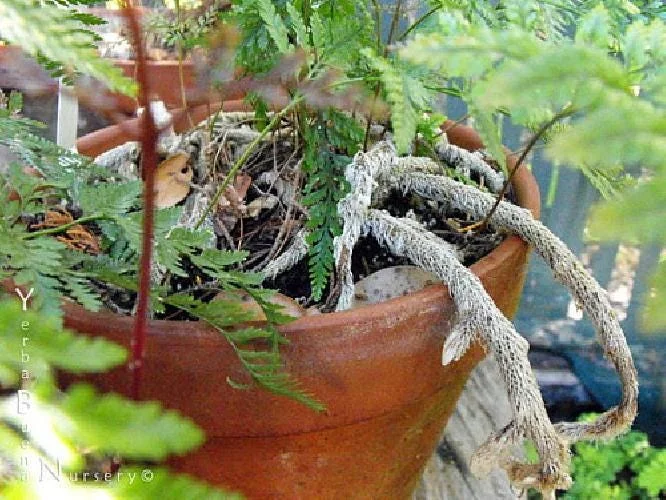
Introduce an element of exotic charm and unique texture to your indoor plant collection with the exquisite black rabbit’s foot fern. This fascinating live plant, scientifically known as Davallia trichomanoides, is celebrated for its distinctive appearance, particularly its creeping, brown, fuzzy rhizomes that resemble a rabbit’s foot, hence its endearing common name. Unlike many ferns, the ‘Black Rabbit’s Foot’ variety boasts a surprisingly vibrant, brighter green foliage compared to its ‘White Rabbit’s Foot’ counterpart, adding a lively pop of color to any space. Originating from tropical regions, this fern is a true testament to nature’s artistry, offering a visually intriguing and relatively low-maintenance option for plant enthusiasts. Whether you’re a seasoned collector or just beginning your journey into the world of houseplants, the Davallia trichomanoides provides an engaging and beautiful addition to your home or office environment.
As a low light houseplant, the Black Rabbit’s Foot Fern is exceptionally versatile, thriving in conditions where many other plants might struggle. It is an excellent choice for adding lush greenery to dimly lit corners, shaded shelves, or even bathrooms where humidity is naturally higher. This resilient fern is not only beautiful but also contributes to a more serene and natural indoor atmosphere. Its delicate, finely cut fronds create an airy and elegant silhouette, perfectly complementing its unique rhizomes. The black rabbit’s foot fern arrives in a convenient 3.7-inch pot, ready to be displayed or transplanted, ensuring a smooth transition into its new home. Embrace the allure of this extraordinary fern and watch it transform your living space with its captivating presence.
Key Benefits
The black rabbit’s foot fern offers a multitude of benefits that make it a highly desirable addition to any indoor plant collection. Its unique characteristics provide both aesthetic appeal and practical advantages, enhancing your living environment in various ways. This Davallia trichomanoides is truly a gem for any plant lover.
- Unique Aesthetic Appeal: The most striking feature of this fern is its fuzzy, creeping rhizomes that spill over the pot’s edge, resembling a rabbit’s foot. This unusual texture, combined with its vibrant green fronds, creates a captivating display that draws the eye and adds a conversation piece to your decor.
- Low Light Tolerance: As an ideal low light houseplant, this fern thrives in less-than-bright conditions, making it perfect for adding greenery to shaded rooms, offices, or terrariums where direct sunlight is scarce. It allows you to enjoy lush foliage in areas typically challenging for other plants.
- High Humidity Lover: The black rabbit’s foot fern flourishes in humid environments, making it an excellent choice for bathrooms, kitchens, or enclosed terrariums. Its preference for humidity helps create a tropical ambiance and supports healthy, vibrant growth.
- Air Purifying Qualities: Like many ferns, this plant can help improve indoor air quality by absorbing certain airborne toxins and releasing oxygen. While not as potent as some other plants, it contributes to a fresher, healthier living space.
- Terrarium Friendly: Its compact growth habit and love for humidity make the Davallia trichomanoides a fantastic specimen for terrariums. It adds a touch of the wild to miniature ecosystems, creating a lush, self-contained display.
- Relatively Easy Care: With proper attention to its humidity and watering needs, rabbit foot fern care is straightforward. It’s a forgiving plant that rewards consistent attention with continuous growth and beauty, suitable for both beginners and experienced plant parents.
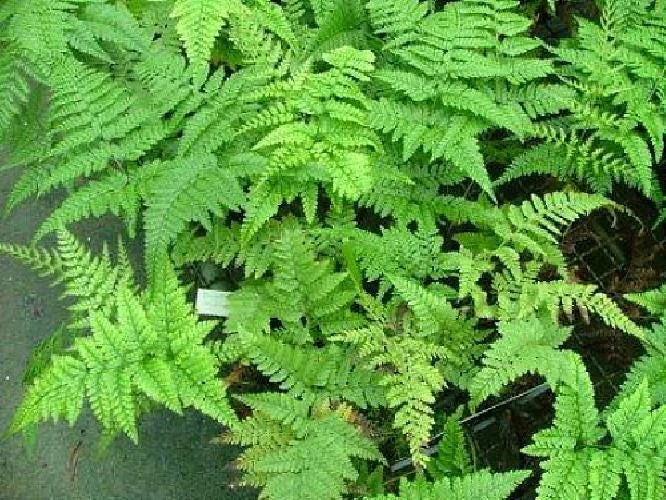
- Distinctive Foliage: The bright green, finely divided fronds of the ‘Black Rabbit’s Foot’ fern are a visual delight. They offer a delicate, feathery texture that contrasts beautifully with the fuzzy rhizomes, providing depth and interest to your plant arrangements.
Plant Care & Growing Tips
Providing the right environment is key to successful rabbit foot fern care. This unique fern, the black rabbit’s foot fern, thrives when its specific needs for light, humidity, and watering are met. Understanding these requirements will ensure your Davallia trichomanoides remains healthy and vibrant, displaying its full beauty.
Sunlight requirements: This fern prefers bright, indirect light. Avoid direct sunlight, as it can scorch the delicate fronds. An east-facing window or a spot several feet away from a south or west-facing window is ideal. It is a true low light houseplant, making it suitable for shadier indoor locations. If growing outdoors in a very humid climate, ensure it is in a deeply shaded area. Watering schedule and soil moisture preferences: Keep the soil consistently moist but never waterlogged. Allow the top inch of soil to dry out slightly between waterings, but do not let the plant completely dry out. Overwatering can lead to root rot, while underwatering can cause fronds to crisp. Humid conditions are crucial; mist the plant frequently, use a pebble tray, or place it near a humidifier. Its fuzzy rhizomes also appreciate occasional misting.
Soil type and drainage requirements: A well-ddraining, peat-based potting mix is best for this fern. A mix designed for ferns or a general houseplant mix amended with perlite or orchid bark will provide the necessary aeration and drainage. Ensure the pot has drainage holes to prevent water from accumulating at the bottom. Temperature range and USDA hardiness zone: The black rabbit’s foot fern prefers average to warm indoor temperatures, ideally between 65-75°F (18-24°C). Avoid sudden temperature fluctuations and cold drafts. As a tropical plant, it is not frost-hardy and is typically grown indoors in all USDA zones. If grown outdoors in zones 10-11, it requires consistent shade and high humidity. Fertilization schedule and type: Fertilize sparingly during the growing season (spring and summer) with a half-strength liquid fertilizer formulated for houseplants. Avoid fertilizing in fall and winter when the plant’s growth slows. Over-fertilization can harm the delicate roots. Common problems and solutions: Browning frond tips usually indicate low humidity or underwatering. Increase misting and ensure consistent soil moisture. Yellowing fronds can suggest overwatering or nutrient deficiency. Adjust watering habits and consider a light feeding. Pests like spider mites can occur in dry conditions; regular misting helps deter them, and insecticidal soap can treat infestations.
Size & Details
The black rabbit’s foot fern, or Davallia trichomanoides, is a charming and compact live plant, perfect for adding a touch of nature to smaller spaces. It is typically supplied in a 3.7" pot, an ideal size for immediate display on a desk, shelf, or as part of a terrarium landscape. In this pot, the plant’s fronds usually reach a modest height of 6-10 inches, with an equivalent spread, creating a full yet contained appearance. The distinctive fuzzy rhizomes will gradually grow and cascade over the edges of the pot, adding to its unique appeal. These rhizomes contribute to the plant’s overall width as they spread.
This fern exhibits a moderate growth rate, slowly expanding its fronds and rhizomes over time. With consistent rabbit foot fern care, including adequate humidity and indirect light, it will continue to fill out its pot and potentially require repotting into a slightly larger container every 1-2 years. It is shipped as a healthy, established live plant, ensuring it arrives ready to thrive in your home. The 3.7" pot size makes it a versatile choice for various indoor settings, from small apartments to spacious homes looking for a distinctive and easy-to-manage low light houseplant.
Frequently Asked Questions
- Q: How big does the black rabbit’s foot fern get? A: The black rabbit’s foot fern typically grows to about 6-10 inches tall and wide in a 3.7" pot. Its fuzzy rhizomes will trail over the pot’s edges, contributing to its overall spread.
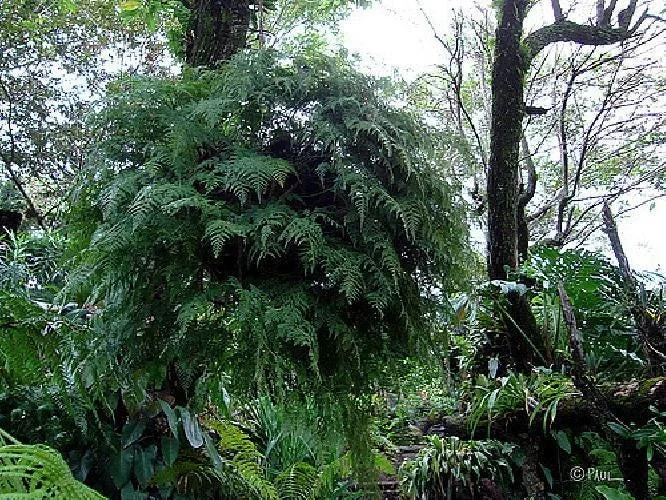
- Q: Is this an indoor or outdoor plant? A: This is primarily an indoor plant, especially suitable as a low light houseplant. It can be grown outdoors in very warm, humid, and shaded tropical climates (USDA zones 10-11), but it will not tolerate frost.
- Q: How much sunlight does it need? A: The Davallia trichomanoides thrives in bright, indirect light. Avoid direct sunlight, which can burn its delicate fronds. It can also tolerate lower light conditions, making it versatile for various indoor spots.
- Q: Is this plant easy to care for? A: Yes, with consistent attention to its humidity and watering needs, rabbit foot fern care is considered relatively easy. It’s a good choice for beginners who can provide a humid environment.
- Q: What condition will it arrive in? A: Your black rabbit’s foot fern will arrive as a healthy, established live plant in its 3.7" nursery pot, carefully packaged to ensure its safe journey to your home.
- Q: How often should I water my rabbit’s foot fern? A: Water when the top inch of soil feels dry to the touch. Keep the soil consistently moist but never soggy. Ensure good drainage to prevent root rot.
- Q: Is the black rabbit’s foot fern pet-safe? A: Yes, the black rabbit’s foot fern is generally considered non-toxic to pets, making it a safe choice for homes with cats and dogs.
- Q: Can I put this fern in a terrarium? A: Absolutely! Its love for high humidity and compact size makes the Davallia trichomanoides an excellent choice for closed terrariums, where it will flourish.
- Q: Why are the fronds of my black rabbit’s foot fern turning brown? A: Browning fronds usually indicate insufficient humidity or underwatering. Increase misting, consider a humidifier, or use a pebble tray to boost humidity, and ensure consistent soil moisture.
- Q: Does this fern produce flowers? A: No, ferns reproduce via spores and do not produce flowers or seeds. The beauty of the black rabbit’s foot fern lies entirely in its unique foliage and fuzzy rhizomes.
Be the first to review “Black Rabbit’s Foot Fern Live Plant – Davallia trichomanoides – 3.7″ Pot”
You must be logged in to post a review.
People also Viewed
Sold 50 products
Original price was: $17.58.$11.86Current price is: $11.86.
Sold 50 products
Price range: $32.99 through $35.99
Sold 50 products
$69.99
Sold 50 products
$18.99
Sold 50 products
Price range: $14.98 through $23.89
Sold 50 products
$32.99
Sold 50 products
$24.99

Sold 50 products
Price range: $43.99 through $44.99RELATED posts
Frostproof Jasmine Care: 7 Tips for Successful Pot Growth
Most gardenias are known for being “divas.” They want perfect humidity, perfect soil, and they [...]
Mar
Top 7 Best Smelling Jasmine Varieties for a Heavenly Garden
Have you ever walked past a house and caught a scent so sweet you just [...]
Mar

Master the Heat: 8 Expert Tips for Growing Jalapeños Like a Pro
Are you staring at your garden space, wondering why your pepper plants look more like [...]
Mar
Top 5 Must-Have Hoya Varieties for Beginners
Hoyas are easily one of my top recommendations if you’re hunting for a low-maintenance houseplant [...]
Mar
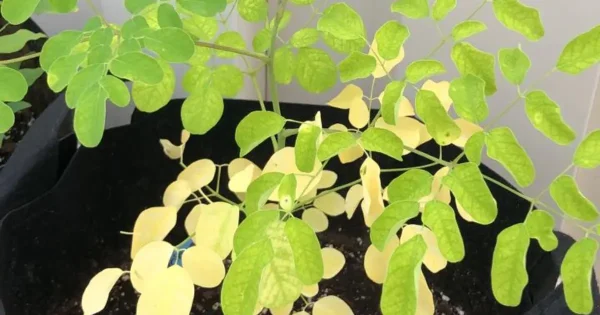
7 Moringa Plant Care Mistakes to Avoid for Healthy Growth
Have you ever looked at your Moringa tree and wondered why its once vibrant green [...]
Feb
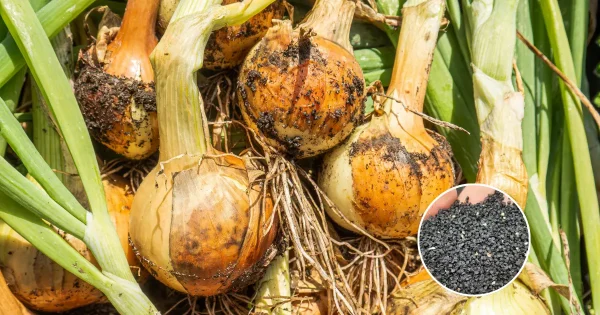
How to Grow Potato Onions From True Seeds: A Step-by-Step Guide
Have you ever wondered how to grow potato onions from true seeds or why some [...]
Feb
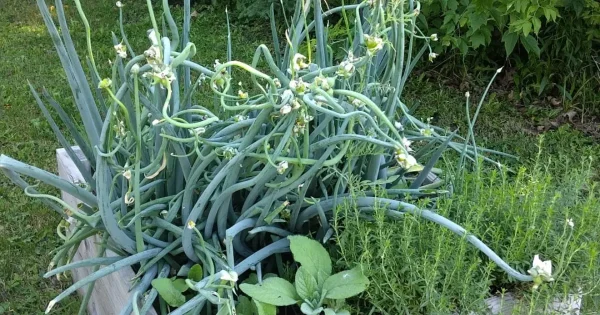
Growing Walking Onions in Containers: The Ultimate Guide
Have you ever looked at your small balcony or cramped patio and wished you could [...]
Feb

9 Best Flower Seeds to Start in February for Early Blooms
If you’re a passionate gardener, you know that itchy feeling in your fingers when February [...]
Jan
Reviews
There are no reviews yet.