
Bird of Paradise Live Plant – Tropical Ornamental Houseplant (Orange) 6-8″ Tall – Indoor/Outdoor Zones 9-11
Price range: $28.79 through $35.99
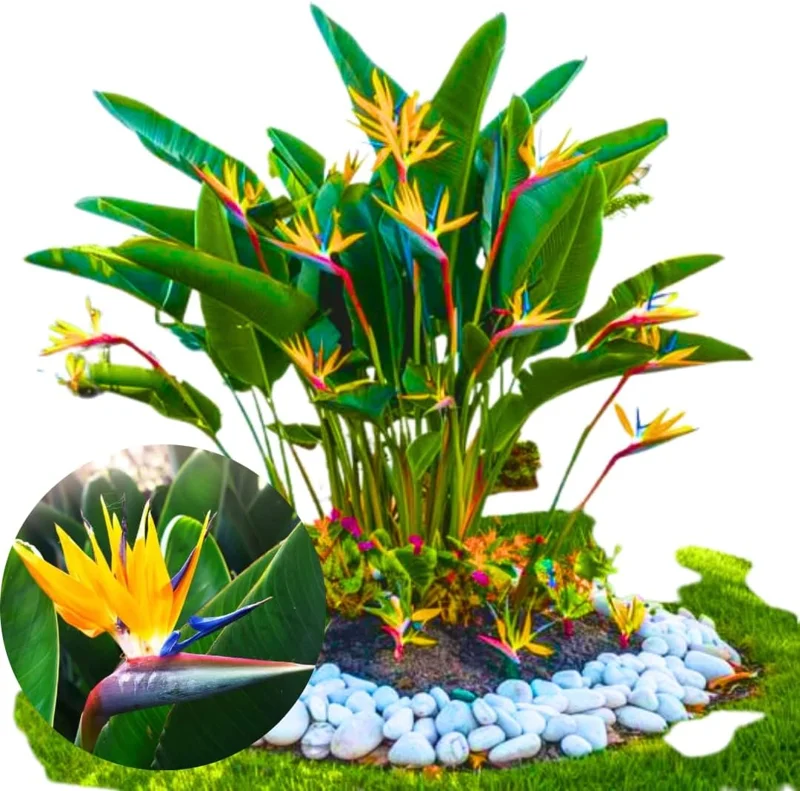
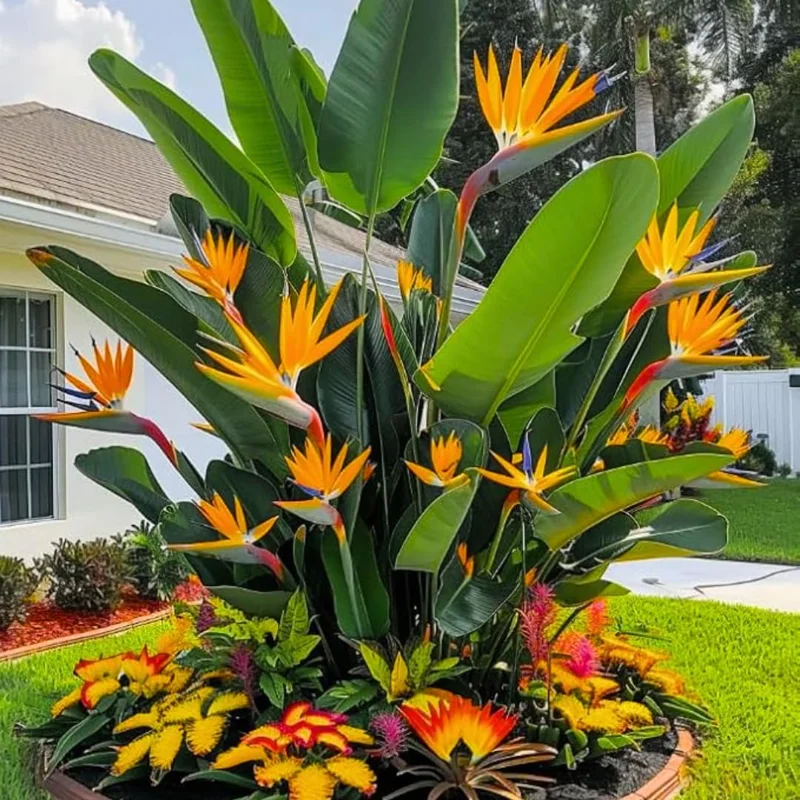
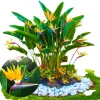
Cultivate a piece of paradise with this vibrant Bird of Paradise live plant. Known for its striking orange, bird-like blooms and lush foliage, it’s a perfect tropical houseplant for brightening any space, indoors or out.
Shipping and Return policies:
We stand behind our plants with our Alive & Thrive Guarantee. If you experience any issues within the first 30 days, please email us, and our team will be happy to help. When needed, we’ll send you a one-time replacement free of charge to make sure your garden keeps growing strong.

Reasonable Price
We offer reasonable price

Support 24/7
Contact us 24 hrs a day
100% Money Back
You’ve 30 days to Return
Payment Secure
100% secure payment
Overview
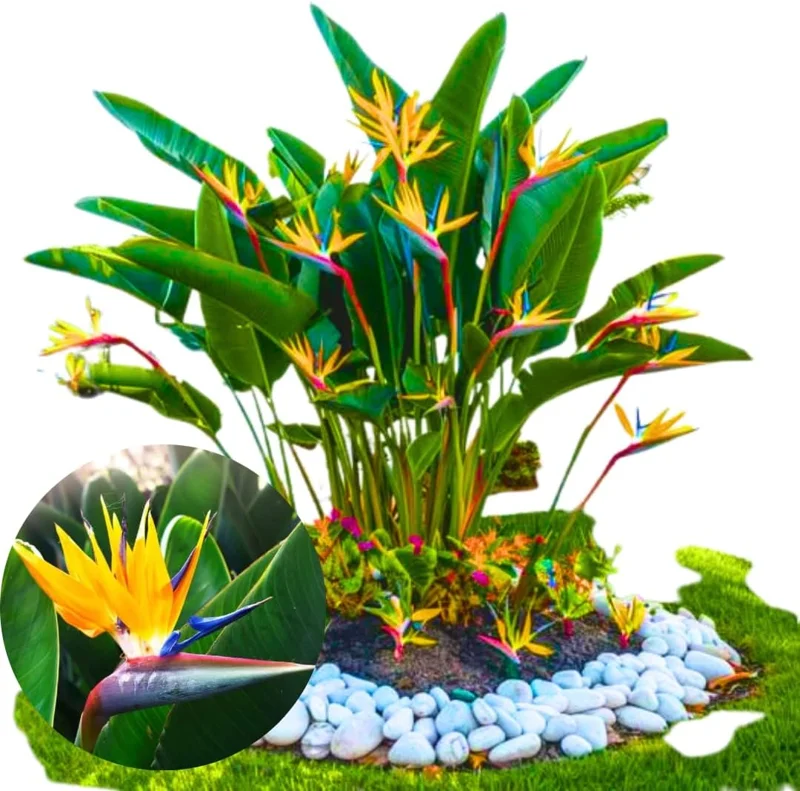
Transform your living space into a tropical oasis with the magnificent Bird of Paradise live plant. This exotic beauty, botanically known as Strelitzia reginae, is renowned for its spectacular, crane-like flowers that vividly resemble a bird in flight, showcasing brilliant orange and blue hues. Originating from South Africa, this tropical houseplant brings an undeniable sense of drama and elegance to any environment. Whether you’re looking to create a focal point indoors or add a touch of the exotic to your outdoor garden in warmer climates, the Bird of Paradise live plant is a resilient and rewarding choice. These plants are shipped as live specimens, typically measuring 6-8 inches tall, ready to thrive in their new home and eventually produce their iconic blooms.
Key Benefits
The Strelitzia reginae offers a multitude of benefits beyond its stunning appearance, making it a highly desirable addition for both novice and experienced plant enthusiasts. Its unique characteristics contribute to a vibrant and inviting atmosphere.
- Spectacular Blooms: The most striking feature, the vibrant orange and blue flowers, provide an unparalleled visual display, resembling exotic birds. These long-lasting blooms are perfect for cut flower arrangements, adding a dramatic flair to any bouquet.
- Lush Foliage: Even when not in bloom, the large, banana-like leaves provide a lush, architectural element to your decor, contributing to a vibrant green aesthetic.
- Versatile Placement: Suitable for both indoor container growing and outdoor landscaping in appropriate climates (USDA Zones 9-11), offering flexibility in how you enjoy this tropical beauty.
- Air Purification: Like many houseplants, the tropical houseplant may contribute to improved indoor air quality by absorbing common household toxins, promoting a healthier living environment.
- Low Maintenance: Once established, the Bird of Paradise is relatively easy to care for, requiring consistent watering and bright light, making it a great choice for those seeking high reward with minimal fuss.
- Exotic Appeal: Instantly elevates the aesthetic of any space, providing an exotic and luxurious feel that transports you to a tropical paradise.
- Long Lifespan: With proper care, a Bird of Paradise live plant can live for many years, becoming a long-term fixture in your home or garden.
Plant Care & Growing Tips
Caring for your Bird of Paradise live plant involves understanding its needs for light, water, and temperature to ensure healthy growth and spectacular blooms. The right environment will encourage this exotic flowering plant to flourish.
Sunlight Requirements: The Bird of Paradise thrives in full sun, meaning at least 6 hours of direct sunlight per day. When grown indoors, place it in the brightest spot available, such as a south-facing window. If outdoor conditions are too harsh, partial shade during the hottest part of the day can prevent leaf scorch. Ensuring adequate light is crucial for flower production.
Watering Schedule and Soil Moisture: This plant prefers consistently moist soil but dislikes being waterlogged. Water thoroughly when the top 1-2 inches of soil feel dry to the touch. Reduce watering during the dormant winter months. Good drainage is essential to prevent root rot. Monitor the soil moisture regularly, especially during warmer periods.
Soil Type and Drainage: Plant your Bird of Paradise in a well-draining potting mix. A mix designed for tropical plants or a general-purpose potting mix amended with perlite or coarse sand will provide the necessary drainage. The soil should be rich in organic matter to support its vigorous growth.
Temperature Range and USDA Hardiness Zone: The Bird of Paradise is a tropical plant and prefers temperatures between 65-80°F (18-27°C). It is hardy in USDA Zones 9-11, meaning it can tolerate mild frosts but should be brought indoors or protected from freezing temperatures. If growing outdoors in zone 9, ensure it’s in a sheltered location and consider covering it during cold snaps. Ideal conditions are key for a thriving bird of paradise care routine.
Fertilization Schedule and Type: Feed your plant every 2-4 weeks during the growing season (spring and summer) with a balanced liquid fertilizer. Reduce or stop fertilization during fall and winter. A fertilizer rich in phosphorus can encourage blooming. Always follow the product instructions for dilution and application.
Common Problems and Solutions: Overwatering can lead to root rot, so ensure proper drainage and allow the soil to dry slightly between waterings. Pests like spider mites and mealybugs can be an issue; treat with insecticidal soap or neem oil. Yellowing leaves can indicate overwatering, nutrient deficiency, or insufficient light. Adjust care as needed to maintain a healthy Strelitzia reginae.
Size & Details
This offering is for a single Bird of Paradise live plant, typically standing 6-8 inches tall upon arrival. These young plants are grown from seed or division and are ready to establish themselves in your chosen container or garden spot. While juvenile, they will mature over time to impressive sizes, with mature plants reaching heights of 3-5 feet (or even taller in ideal outdoor conditions) and a similar spread. The growth rate is moderate, and with proper care, you can expect to see significant development within the first year. The plant will eventually develop large, leathery leaves up to 18 inches long, setting the stage for its iconic blooms. Flowering typically begins when the plant is 3-5 years old, but the lush foliage provides year-round beauty.
Frequently Asked Questions
- Q: How big does this plant get? A: This Bird of Paradise live plant typically arrives 6-8 inches tall. Mature plants can reach 3-5 feet in height and spread, and even taller when grown outdoors in ideal tropical conditions.
- Q: Is this an indoor or outdoor plant? A: The Bird of Paradise is versatile. It can be grown as a stunning tropical houseplant indoors in all zones, or outdoors in USDA Hardiness Zones 9-11 where it can tolerate mild winters.
- Q: How much sunlight does it need? A: This exotic flowering plant thrives in full sun, requiring at least 6 hours of direct sunlight daily for optimal growth and flowering. Indoors, place it in your brightest window.
- Q: Is this plant easy to care for? A: Once established, the Bird of Paradise is considered moderately easy to care for, making it a good choice for those willing to provide consistent light and watering. It’s not overly fussy about specific bird of paradise care.
- Q: What condition will it arrive in? A: Your Strelitzia reginae will arrive as a live, healthy plant in a nursery pot, carefully packaged to ensure its safe journey.
- Q: How long until it blooms? A: Bird of Paradise plants typically begin to bloom when they are 3-5 years old. Younger plants will focus on establishing a strong root system and foliage before flowering.
- Q: Will it survive winter in my zone? A: If you are in USDA Zones 9-11, it can survive winter outdoors with some protection. In colder zones, it must be brought indoors before the first frost and treated as a tropical houseplant.
- Q: What type of soil is best for a Bird of Paradise? A: It prefers a well-draining, rich potting mix. You can use a standard tropical plant mix or amend a general-purpose potting mix with perlite or coarse sand for improved drainage.
- Q: Can I propagate my Bird of Paradise plant? A: Yes, the Bird of Paradise live plant can be propagated through division of the rhizomes, which is best done during repotting in spring.
- Q: Is the Bird of Paradise plant toxic to pets? A: Yes, the Bird of Paradise plant is considered mildly toxic to pets if ingested. It’s best to keep it out of reach of curious animals.
| Color | Orange, Yellow |
|---|
Be the first to review “Bird of Paradise Live Plant – Tropical Ornamental Houseplant (Orange) 6-8″ Tall – Indoor/Outdoor Zones 9-11”
You must be logged in to post a review.
People also Viewed
Sold 50 products
Original price was: $28.58.$19.99Current price is: $19.99.
Sold 50 products
$32.39
Sold 50 products
$21.59
Sold 50 products
$35.99
Sold 50 products
Price range: $23.15 through $25.19
Sold 50 products
$38.39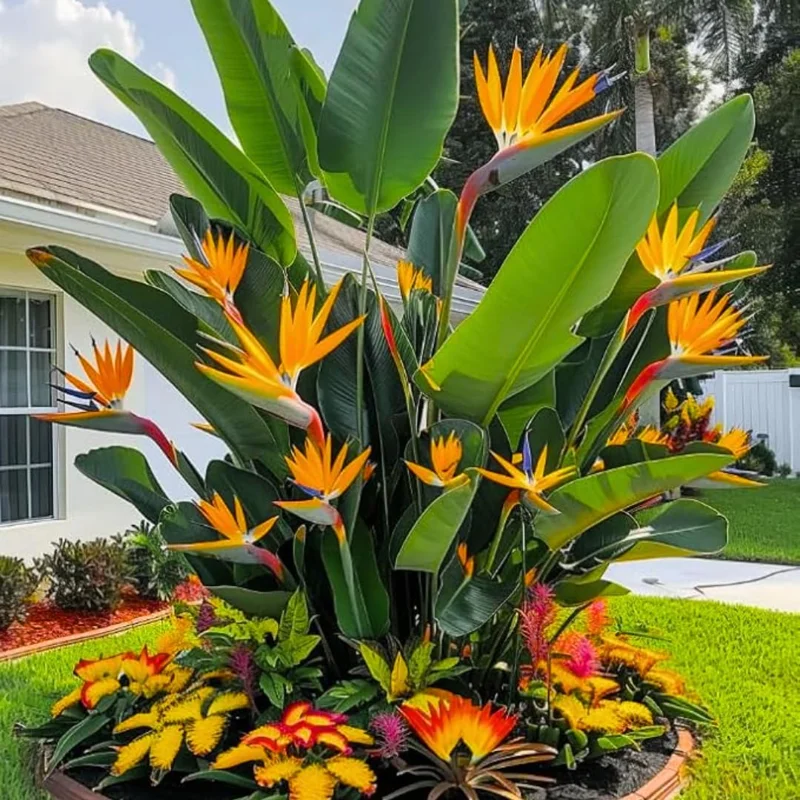
Sold 50 products
Price range: $28.79 through $35.99
Sold 50 products
$26.39RELATED posts
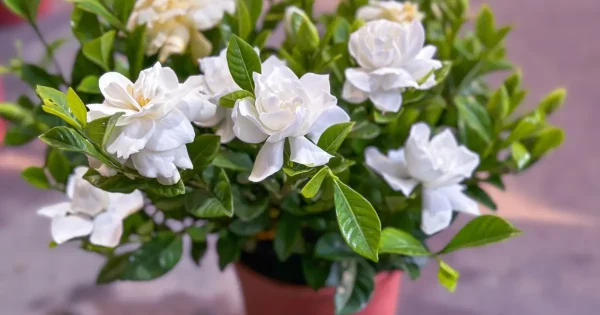
Frostproof Jasmine Care: 7 Tips for Successful Pot Growth
Most gardenias are known for being “divas.” They want perfect humidity, perfect soil, and they [...]
Mar
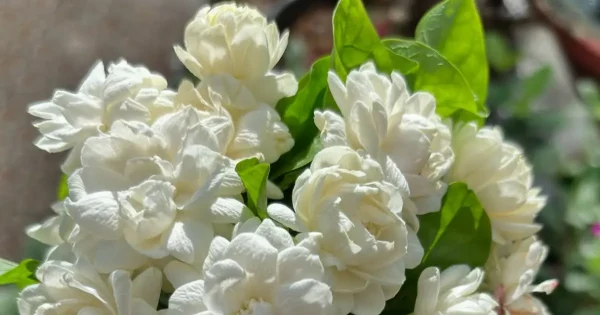
Top 7 Best Smelling Jasmine Varieties for a Heavenly Garden
Have you ever walked past a house and caught a scent so sweet you just [...]
Mar
Master the Heat: 8 Expert Tips for Growing Jalapeños Like a Pro
Are you staring at your garden space, wondering why your pepper plants look more like [...]
Mar
Top 5 Must-Have Hoya Varieties for Beginners
Hoyas are easily one of my top recommendations if you’re hunting for a low-maintenance houseplant [...]
Mar
7 Moringa Plant Care Mistakes to Avoid for Healthy Growth
Have you ever looked at your Moringa tree and wondered why its once vibrant green [...]
Feb
How to Grow Potato Onions From True Seeds: A Step-by-Step Guide
Have you ever wondered how to grow potato onions from true seeds or why some [...]
Feb
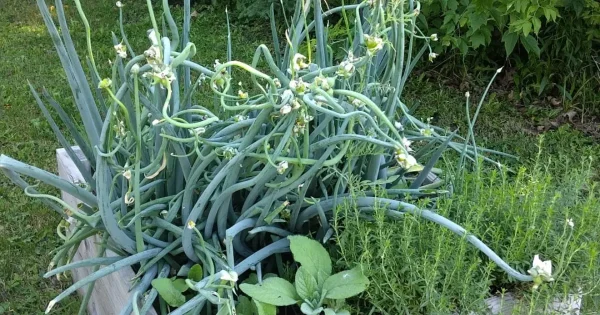
Growing Walking Onions in Containers: The Ultimate Guide
Have you ever looked at your small balcony or cramped patio and wished you could [...]
Feb
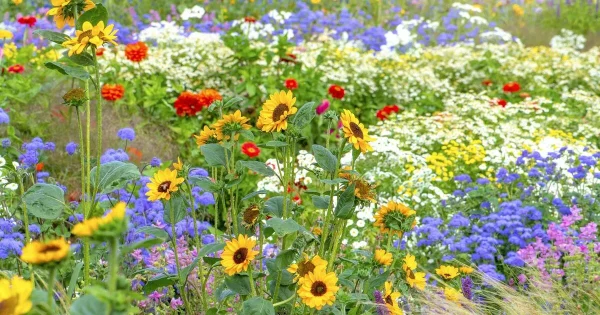
9 Best Flower Seeds to Start in February for Early Blooms
If you’re a passionate gardener, you know that itchy feeling in your fingers when February [...]
Jan
Reviews
There are no reviews yet.