
Bird of Paradise Live Plant – Tropical Houseplant, 6-8″ Tall, Indoor/Outdoor
Price range: $28.79 through $35.99
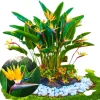
Embrace exotic elegance with this beautiful bird of paradise live plant. Standing 6-8 inches tall, this tropical houseplant thrives indoors or outdoors in warmer climates (Zones 9-11), showcasing lush foliage and vibrant, unique blooms. An ideal bird of paradise houseplant to add a touch of the tropics to any space.
Shipping and Return policies:
We stand behind our plants with our Alive & Thrive Guarantee. If you experience any issues within the first 30 days, please email us, and our team will be happy to help. When needed, we’ll send you a one-time replacement free of charge to make sure your garden keeps growing strong.

Reasonable Price
We offer reasonable price

Support 24/7
Contact us 24 hrs a day
100% Money Back
You’ve 30 days to Return
Payment Secure
100% secure payment
Overview
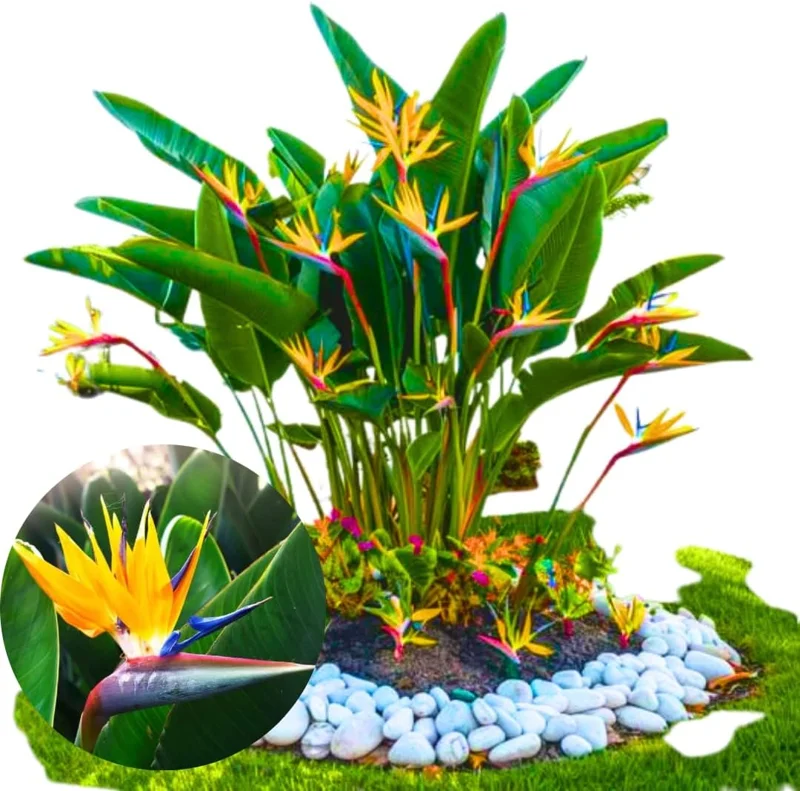
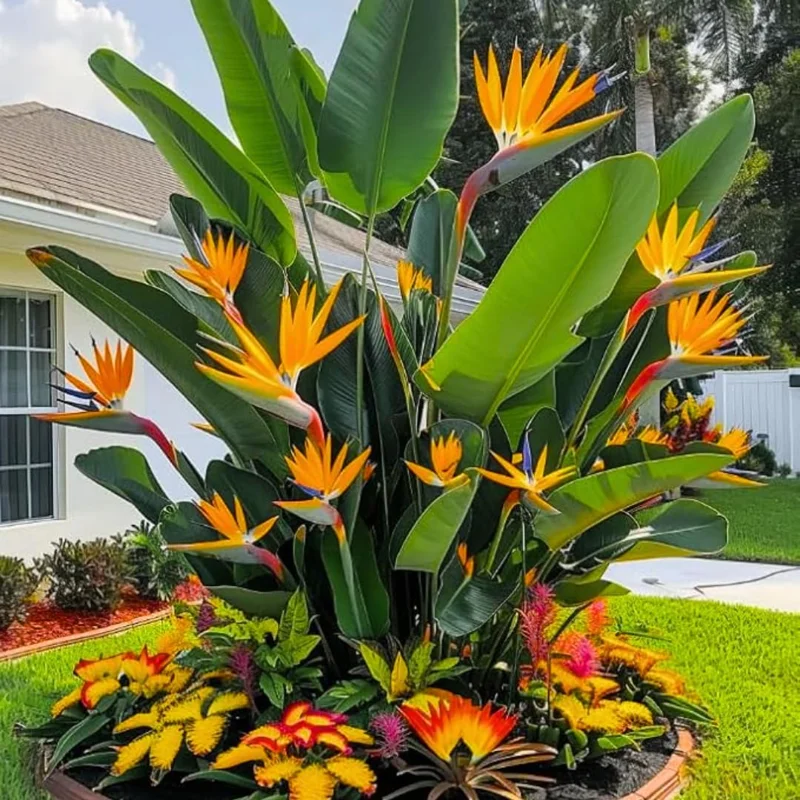
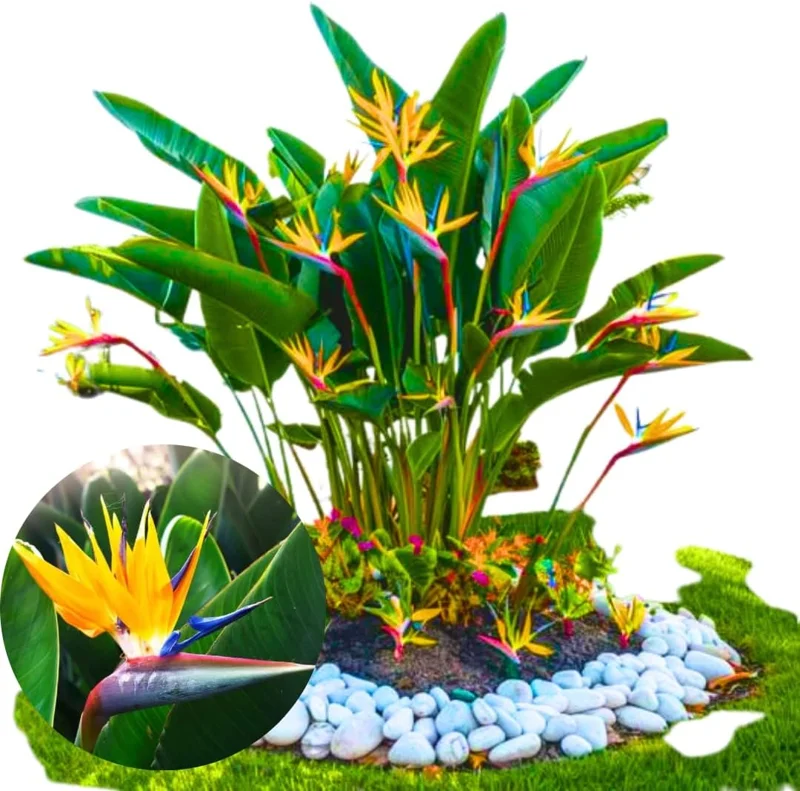
Introduce a touch of the exotic to your home or garden with this magnificent bird of paradise live plant. Known for its striking, crane-like flowers that resemble a bird in flight, this tropical ornamental is a showstopper. Scientifically known as Strelitzia reginae, it’s a popular choice for both seasoned plant enthusiasts and beginners alike due to its relative ease of care and spectacular visual appeal. This particular offering provides a healthy, young plant, typically 6-8 inches in height, ready to establish itself in your chosen environment. Whether you’re looking to create a vibrant indoor oasis or enhance your outdoor landscape in suitable climates, the bird of paradise live plant promises to deliver unparalleled beauty and a truly tropical ambiance. Its large, banana-like leaves provide a lush backdrop for the iconic orange and blue blooms, making it a focal point in any setting.
Key Benefits
Cultivating a bird of paradise plant offers numerous advantages, transforming your living space into a vibrant, tropical haven. This plant is not just a decorative item; it’s a living piece of art that provides continuous enjoyment and a sense of tranquility.
- Stunning Ornamental Value: The primary draw of the bird of paradise live plant is its breathtaking flowers. These unique, brightly colored blooms, with their vibrant orange sepals and blue petals, create an instant tropical feel and are a guaranteed conversation starter. They add an architectural element to your decor.
- Lush Tropical Foliage: Even when not in bloom, the large, paddle-shaped, dark green leaves provide a luxuriant, verdant backdrop. This foliage alone can create a serene and exotic atmosphere, contributing to a sense of calm and natural beauty in your home or garden.
- Versatile Placement: This plant is highly adaptable, thriving as an indoor houseplant in most regions and as an outdoor perennial in warmer USDA Zones 9-11. This versatility allows you to enjoy its beauty regardless of your local climate, making it an excellent tropical plant for home interiors or sun-drenched patios.
- Low Maintenance & Resilient: Despite its exotic appearance, the bird of paradise is surprisingly hardy and relatively easy to care for. It tolerates a range of conditions and is quite forgiving, making it suitable for gardeners of varying experience levels. Its resilience ensures long-lasting enjoyment.
- Excellent for Cut Flowers: The striking flowers are not only beautiful on the plant but also make exceptional cut flowers. They have a long vase life, allowing you to bring their vibrant beauty indoors for stunning floral arrangements and home decorations.
- Conversation Starter: The unique appearance of the strelitzia reginae plant ensures it will be a focal point wherever it’s placed. Its distinctive blooms and tropical vibe are sure to capture attention and spark admiration from guests.
Plant Care & Growing Tips
To ensure your bird of paradise live plant flourishes, understanding its specific care requirements is essential. While generally robust, providing optimal conditions will encourage vigorous growth and abundant flowering. This plant prefers consistent care but is forgiving of occasional neglect.
Sunlight Requirements: The Bird of Paradise thrives in bright light. For outdoor planting, choose a location that receives full sun (at least 6 hours of direct sunlight per day). Indoors, place your bird of paradise houseplant near a south or west-facing window where it can receive plenty of bright, indirect light. It can tolerate some direct morning sun, but intense afternoon sun can scorch the leaves, especially when young. If light is insufficient, flowering may be sparse or absent.
Watering Schedule and Soil Moisture: These plants prefer consistently moist, but not waterlogged, soil during the growing season (spring through fall). Water thoroughly when the top 1-2 inches of soil feel dry to the touch. Reduce watering in winter when the plant’s growth slows. Ensure good drainage to prevent root rot. Overwatering is a common issue, so always check the soil moisture before watering again. A good rule of thumb is to let the soil dry out slightly between waterings.
Soil Type and Drainage: A well-draining, rich potting mix is ideal. A mix formulated for tropical plants or a general-purpose potting mix amended with perlite or coarse sand will provide the necessary drainage and aeration. Good drainage is crucial for the health of the roots of your strelitzia reginae plant. Outdoor plants prefer well-drained loamy soil.
Temperature Range and USDA Hardiness Zone: The Bird of Paradise is a true tropical plant for home and prefers warm temperatures. It thrives in temperatures between 65-80°F (18-27°C). It is hardy outdoors in USDA Zones 9-11, where it can tolerate brief dips to just above freezing. In colder zones, it must be brought indoors before the first frost. Protect it from cold drafts and sudden temperature fluctuations.
Fertilization: During the active growing season (spring and summer), feed your plant monthly with a balanced liquid fertilizer diluted to half strength. Reduce or cease fertilization during the fall and winter months. An all-purpose granular fertilizer can also be used for outdoor plants, following package instructions.
Common Problems: Watch out for common pests like spider mites, mealybugs, and scale, especially on indoor plants. Treat infestations with insecticidal soap. Yellowing leaves can indicate overwatering or nutrient deficiencies. Brown leaf tips often suggest low humidity or inconsistent watering.
Size & Details
This offering is for one vibrant bird of paradise live plant, typically standing 6-8 inches tall from the base of the soil to the top of its foliage. These young plants are carefully nurtured to ensure they arrive healthy and ready for successful transplanting. While young, they already exhibit the characteristic lush, paddle-shaped leaves that will mature into impressive tropical foliage. The growth rate of the Bird of Paradise is moderate, and with proper care, it will gradually increase in size, eventually reaching heights of 5-6 feet indoors and up to 10 feet or more when planted outdoors in ideal conditions. The plant is shipped in a nursery pot, ensuring its root system is protected during transit and ready for immediate planting upon arrival. Expect the first exotic blooms to appear once the plant is mature, typically within 3-5 years, bringing the iconic orange bird of paradise flowers to your space.
Frequently Asked Questions
- Q: How big does this plant get? A: This particular plant starts at 6-8 inches tall. With proper care, it can grow to 5-6 feet indoors and over 10 feet tall outdoors in optimal conditions.
- Q: Is this an indoor or outdoor plant? A: The bird of paradise live plant is versatile. It can be grown as an indoor houseplant in all zones or outdoors as a perennial in USDA Hardiness Zones 9-11.
- Q: How much sunlight does it need? A: It requires bright light. Place it in full sun outdoors or a very bright spot near a south or west-facing window indoors.
- Q: Is this plant easy to care for? A: Yes, despite its exotic appearance, the Bird of Paradise is considered relatively easy to care for and is quite resilient, making it suitable for various skill levels.
- Q: What condition will it arrive in? A: Your bird of paradise houseplant will arrive healthy and well-packaged in a nursery pot, with its root system intact and ready for planting.
- Q: How long until it blooms? A: Bird of Paradise plants typically begin to bloom once they reach maturity, which can take 3-5 years from a young plant. Patience is key!
- Q: Will it survive winter in my zone? A: If you live in USDA Zones 9-11, it can survive winter outdoors. In colder zones, it must be brought indoors before temperatures drop below 50°F (10°C).
- Q: What color are the flowers? A: This variety, strelitzia reginae plant, features the classic vibrant orange sepals and blue petals, giving it the distinctive ‘bird-like’ appearance.
- Q: Is the orange bird of paradise plant pet-safe? A: The Bird of Paradise plant is considered mildly toxic if ingested by pets, potentially causing digestive upset. It’s best to keep it out of reach of curious animals.
- Q: What kind of soil is best for this plant? A: A well-draining, rich potting mix is ideal. You can use a general potting mix amended with perlite for better drainage.
| Color | Orange, Yellow |
|---|
Be the first to review “Bird of Paradise Live Plant – Tropical Houseplant, 6-8″ Tall, Indoor/Outdoor”
You must be logged in to post a review.
People also Viewed
Sold 50 products
Original price was: $28.58.$19.99Current price is: $19.99.
Sold 50 products
$32.39
Sold 50 products
$21.59
Sold 50 products
$35.99
Sold 50 products
Price range: $23.15 through $25.19
Sold 50 products
$38.39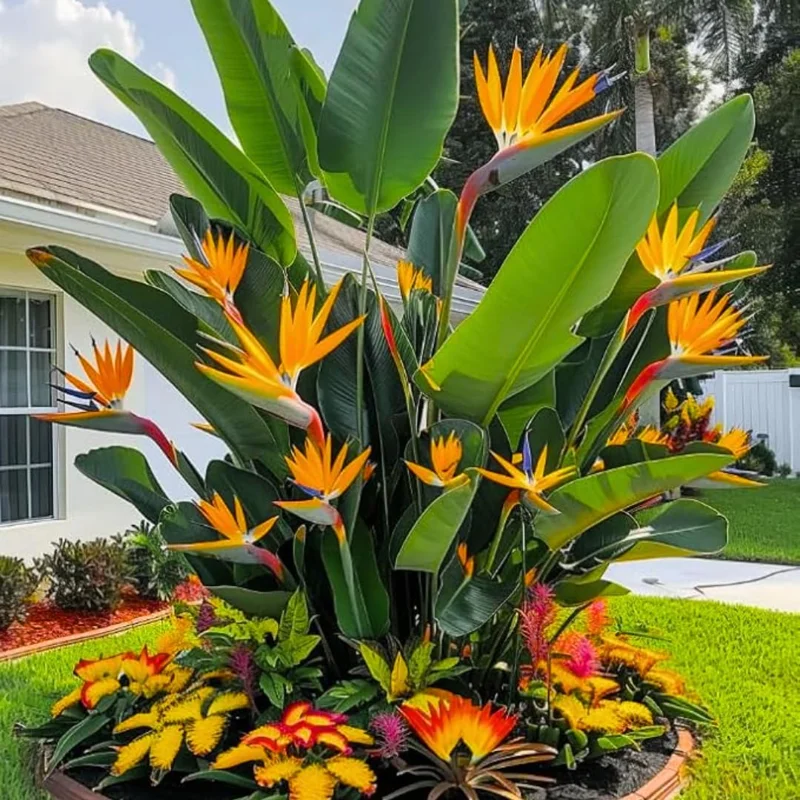
Sold 50 products
Price range: $28.79 through $35.99
Sold 50 products
$26.39RELATED posts
Frostproof Jasmine Care: 7 Tips for Successful Pot Growth
Most gardenias are known for being “divas.” They want perfect humidity, perfect soil, and they [...]
Mar
Top 7 Best Smelling Jasmine Varieties for a Heavenly Garden
Have you ever walked past a house and caught a scent so sweet you just [...]
Mar
Master the Heat: 8 Expert Tips for Growing Jalapeños Like a Pro
Are you staring at your garden space, wondering why your pepper plants look more like [...]
Mar
Top 5 Must-Have Hoya Varieties for Beginners
Hoyas are easily one of my top recommendations if you’re hunting for a low-maintenance houseplant [...]
Mar
7 Moringa Plant Care Mistakes to Avoid for Healthy Growth
Have you ever looked at your Moringa tree and wondered why its once vibrant green [...]
Feb
How to Grow Potato Onions From True Seeds: A Step-by-Step Guide
Have you ever wondered how to grow potato onions from true seeds or why some [...]
Feb
Growing Walking Onions in Containers: The Ultimate Guide
Have you ever looked at your small balcony or cramped patio and wished you could [...]
Feb
9 Best Flower Seeds to Start in February for Early Blooms
If you’re a passionate gardener, you know that itchy feeling in your fingers when February [...]
Jan
Reviews
There are no reviews yet.