

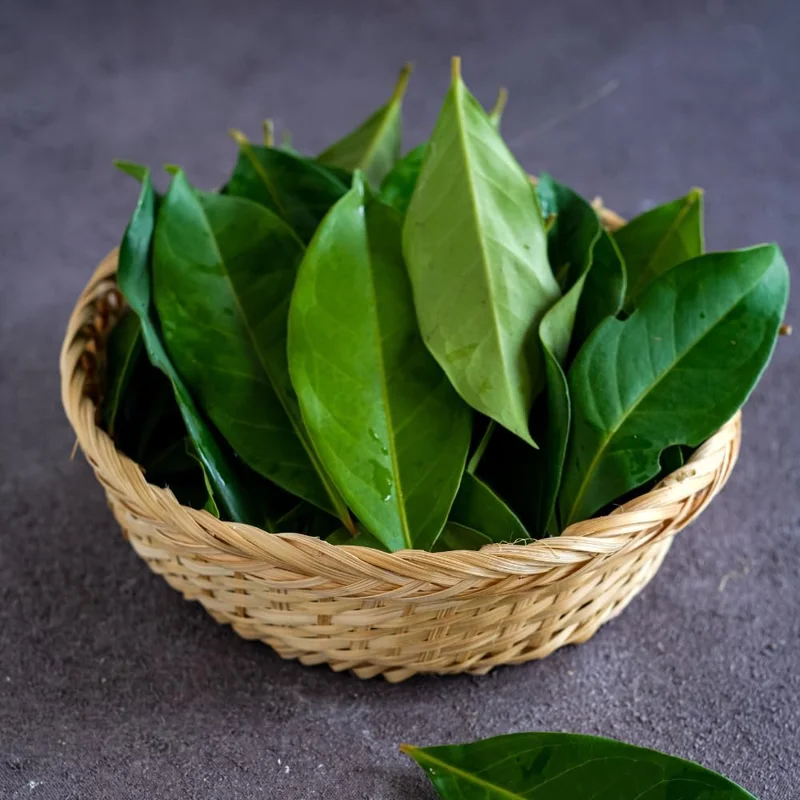
Bay Leaf Tree Live Plant – Sweet Bay Laurel Laurus Nobilis 8-10 Inches – Indoor/Outdoor Herb
$25.99
Bring the fresh taste of Mediterranean cuisine to your home with this bay leaf tree live plant. This 8-10 inch sweet bay laurel tree (Laurus Nobilis) is ideal for both indoor container gardening and outdoor planting, providing a continuous supply of aromatic leaves for your culinary creations. Enjoy its evergreen beauty and easy care.
Shipping and Return policies:
We stand behind our plants with our Alive & Thrive Guarantee. If you experience any issues within the first 30 days, please email us, and our team will be happy to help. When needed, we’ll send you a one-time replacement free of charge to make sure your garden keeps growing strong.

Reasonable Price
We offer reasonable price

Support 24/7
Contact us 24 hrs a day
100% Money Back
You’ve 30 days to Return
Payment Secure
100% secure payment
Overview
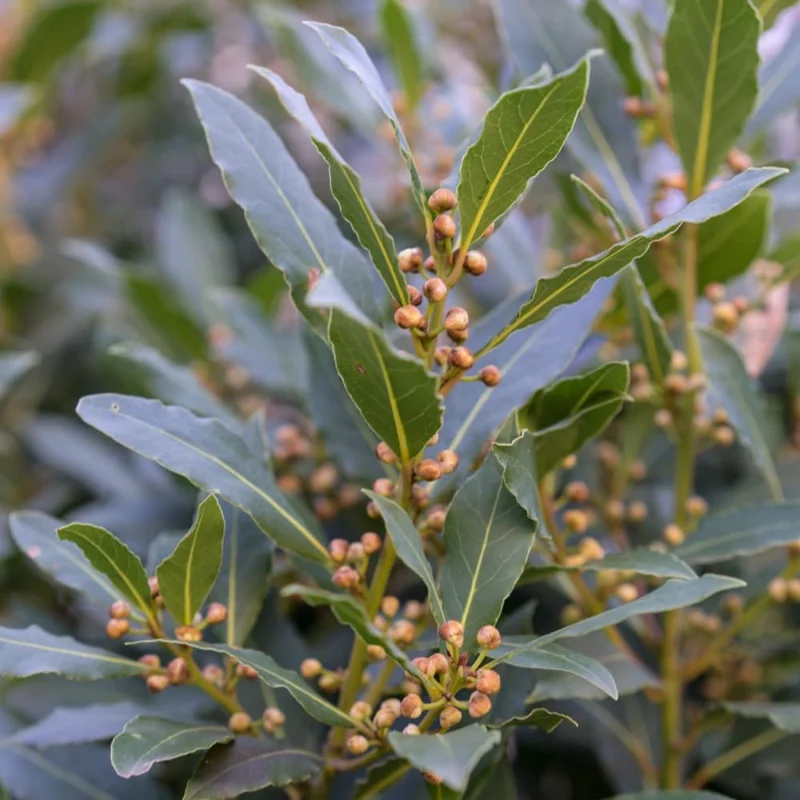
Bring the taste of fresh herbs into your home or garden with this beautiful bay leaf tree live plant. Known botanically as Laurus Nobilis, this aromatic evergreen is commonly referred to as sweet bay laurel tree. This particular specimen is approximately 8 to 10 inches tall, making it a perfect size for beginning its journey in your space. Whether you’re an experienced gardener or just starting, this plant offers both aesthetic appeal and practical culinary benefits. Its glossy green leaves are a staple in many cuisines, providing a distinct flavor to stews, soups, and sauces. Beyond its culinary uses, the bay leaf tree live plant also serves as an attractive ornamental plant, offering a touch of Mediterranean elegance to any setting. It’s a resilient and rewarding plant that can thrive for many years with proper care.
This bay leaf tree live plant is a versatile choice, suitable for both indoor container gardening in brighter spots or as an outdoor addition in warmer climates. Its compact size upon arrival makes it easy to handle and transplant. As it matures, this sweet bay laurel tree can grow into a substantial shrub or small tree, providing a continuous supply of fresh bay leaves. Its robust nature and relatively low maintenance requirements make it an excellent choice for those looking to expand their herb collection or add a touch of greenery with purpose. Consider adding this Laurus Nobilis plant to your collection for a touch of elegance and flavor.
Key Benefits
The bay leaf tree live plant offers a multitude of benefits, from enhancing your cooking to beautifying your living space. Its practical uses combined with its ornamental value make it a truly rewarding plant to grow.
- Fresh Culinary Herb: Enjoy a continuous supply of fresh bay leaves for cooking. The leaves from your own sweet bay laurel tree will infuse dishes with a rich, authentic flavor far superior to dried varieties. Perfect for soups, stews, sauces, and marinades, elevating your culinary experience with homegrown freshness.
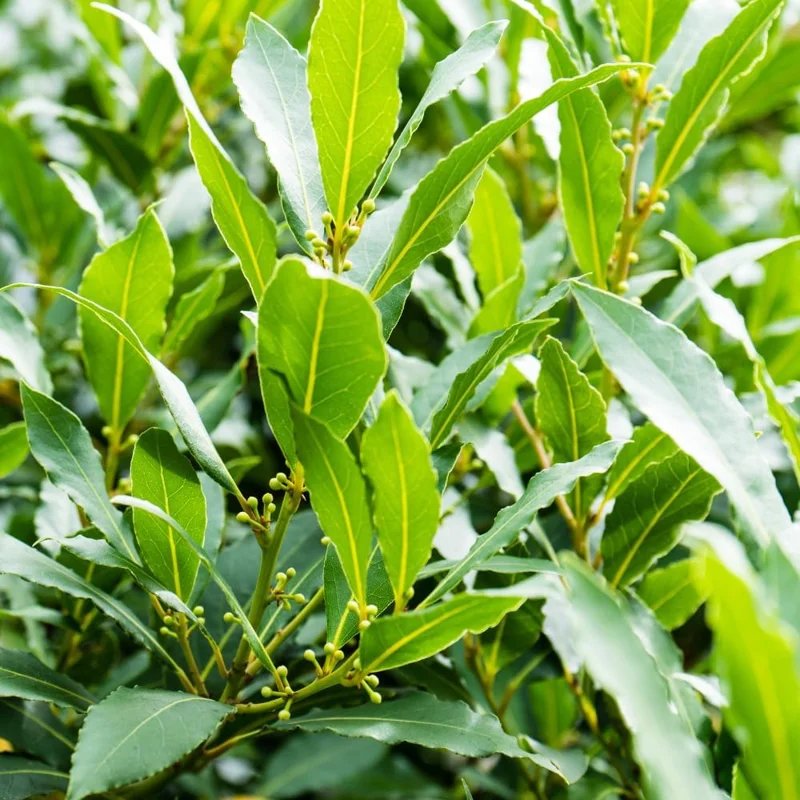
- Attractive Evergreen Foliage: This Laurus Nobilis plant features glossy, dark green leaves that remain vibrant year-round, adding a constant touch of natural beauty to your indoor or outdoor environment. Its elegant appearance makes it a lovely decorative plant that brightens any setting.
- Drought Tolerant: Once established, the bay leaf tree live plant is quite resilient and can tolerate periods of drought, making it a relatively low-maintenance option for busy gardeners. This contributes to its overall hardiness and ease of care, ensuring it thrives even with occasional neglect. This makes it a truly drought tolerant bay leaf.
- Versatile Planting Options: Suitable for both indoor container gardening in a sunny window or outdoor planting in garden beds and larger pots. This adaptability makes it a flexible choice for various living situations and climates, allowing you to enjoy your bay tree anywhere. It’s an excellent choice for an indoor bay leaf tree.
- Aromatic Qualities: The leaves emit a pleasant, subtle fragrance when brushed or crushed, adding an aromatic dimension to your home or garden space. This natural aroma can be a refreshing addition to any room, enhancing your environment.
- Long-Lived Plant: With proper care, a sweet bay laurel tree can live for many years, growing into a substantial and productive plant that provides enjoyment and utility for decades. It’s an investment in your culinary and gardening future.
- Air Purifying Properties: Like many plants, the bay leaf tree live plant contributes to a healthier indoor environment by helping to filter the air and improve its quality, making your home a fresher place to be.
Plant Care & Growing Tips
Caring for your bay leaf tree live plant is straightforward, making it an excellent choice for gardeners of all experience levels. Understanding its basic needs for sunlight, water, and soil will ensure a thriving and productive plant. This Laurus Nobilis plant is known for its resilience, but consistent care will yield the best results.
Sunlight Requirements: The sweet bay laurel tree thrives in full sun, meaning it needs at least 6 hours of direct sunlight per day. If grown indoors, place it in your brightest window, preferably south or west-facing. For outdoor planting, choose a location that receives ample sun throughout the day. While it can tolerate some partial shade, too little light will result in sparse growth and fewer aromatic leaves. Ensure your indoor bay leaf tree gets adequate light to maintain its vigor and produce abundant, flavorful leaves.
Watering Schedule and Soil Moisture: Water your bay leaf tree live plant regularly, especially during dry periods and when it’s actively growing. The soil should be kept consistently moist but never waterlogged. Allow the top inch or two of soil to dry out between waterings to prevent root rot. Reduce watering frequency in cooler months or if the plant is dormant. Good drainage is crucial, so ensure pots have drainage holes and outdoor planting sites don’t retain excessive water. This drought tolerant bay leaf does not appreciate soggy feet, so always check soil moisture before watering again.
Soil Type and Drainage: This plant prefers well-draining soil that is rich in organic matter. A good quality potting mix designed for herbs or general houseplants is suitable for container growing. For outdoor planting, amend heavy clay soils with compost or sand to improve drainage. The ideal pH range is slightly acidic to neutral (6.0-7.0). Proper soil aeration is vital for healthy root development of your sweet bay laurel tree, preventing common root issues.
Temperature Range and USDA Hardiness Zone: The bay leaf tree live plant is hardy in USDA Zones 8-11, meaning it can tolerate mild winters in these regions. In colder zones (7 and below), it should be grown in a container and brought indoors before the first frost. It prefers temperatures between 50°F and 80°F (10°C and 27°C). Protect it from harsh winds and extreme temperature fluctuations, especially when young. An indoor bay leaf tree is ideal for those outside its hardiness zone, allowing year-round enjoyment.
Fertilization: Fertilize your Laurus Nobilis plant sparingly, typically once every 2-3 months during the growing season (spring and summer). Use a balanced liquid fertilizer diluted to half strength. Avoid fertilizing in fall and winter when the plant’s growth slows. Over-fertilization can lead to leggy growth and reduced leaf quality, so always follow product instructions carefully.
Pruning and Pest Control: Prune your bay leaf tree live plant as needed to maintain its shape, size, and encourage bushier growth. This can be done at any time of year, but spring is ideal for significant shaping. Remove any dead, damaged, or crossing branches. Bay trees are generally resistant to most pests, but occasionally watch for scale insects or mealybugs. Treat with insecticidal soap if necessary. Proper air circulation also helps prevent fungal issues, keeping your plant healthy.
Size & Details
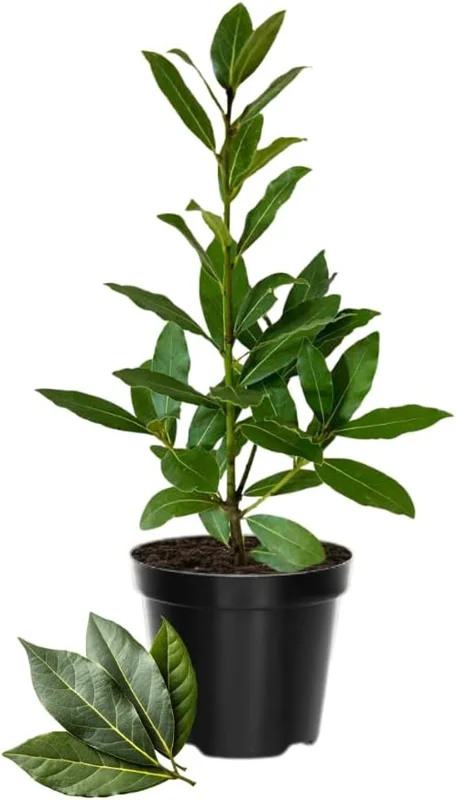
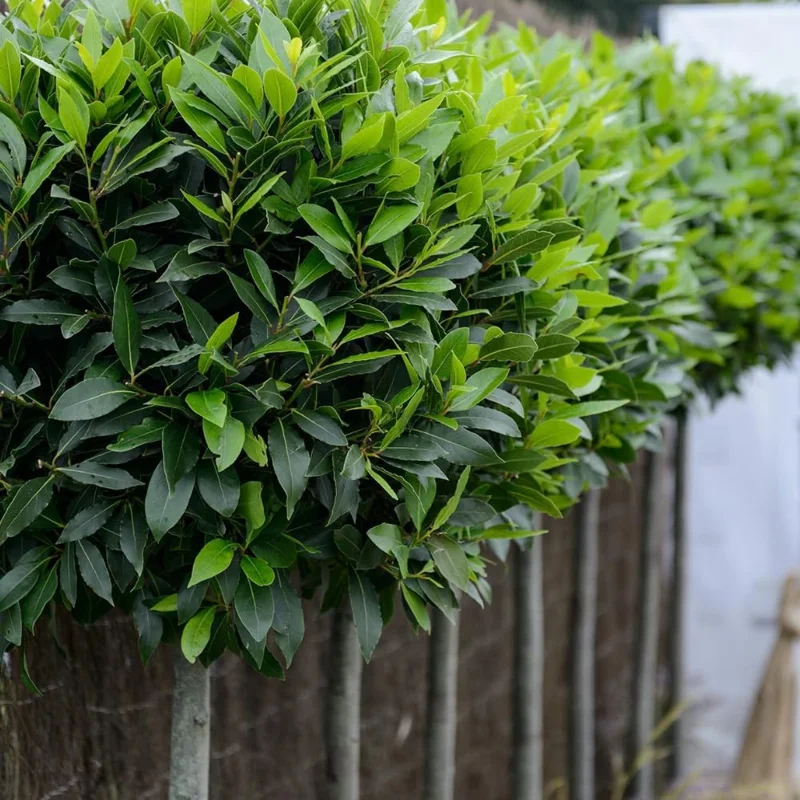
This offering is for one bay leaf tree live plant, specifically a sweet bay laurel tree (Laurus Nobilis). The plant you receive will be approximately 8 to 10 inches in height, measured from the base of the soil to the top of the foliage. It ships as a healthy, thriving plant, typically in a nursery pot with established roots, ready for transplanting into a larger container or directly into your garden if your climate allows. The initial growth rate is moderate, and with proper care, it will gradually increase in size, eventually reaching 6-12 feet tall in ideal outdoor conditions, or remaining smaller when kept pruned in a container. This makes it a versatile addition, whether you prefer a compact indoor bay leaf tree or a larger outdoor specimen.
The plant is carefully packaged to ensure its safe arrival, minimizing stress during transit. Each Laurus Nobilis plant is selected for its vigor and health, providing you with a strong foundation for growing your own bay leaves. Expect to see new growth shortly after planting, especially during the spring and summer months. This size makes it perfect for starting an herb garden or adding a new specimen to your collection, providing fresh bay leaves for years to come.
Frequently Asked Questions
- Q: How big does this plant get? A: This bay leaf tree live plant arrives at 8-10 inches tall. When planted outdoors in suitable climates, a sweet bay laurel tree can eventually grow 6-12 feet tall. If kept in a container and regularly pruned, it can be maintained at a much smaller, manageable size for indoor use, making it adaptable to your space.
- Q: Is this an indoor or outdoor plant? A: This versatile Laurus Nobilis plant is suitable for both indoor and outdoor growing. In USDA Zones 8-11, it can thrive outdoors year-round. In colder zones, it should be grown as an indoor bay leaf tree, brought inside before the first frost to protect it from cold damage.
- Q: How much sunlight does it need? A: A bay leaf tree live plant prefers full sun, ideally at least 6 hours of direct sunlight daily. If growing indoors, place it in the brightest window available, such as a south or west-facing window. Less light can lead to leggy growth and less flavorful leaves.
- Q: Is this plant easy to care for? A: Yes, the sweet bay laurel tree is considered relatively easy to care for. It’s quite resilient and, once established, is even a drought tolerant bay leaf. Key care points include adequate sunlight, well-draining soil, and consistent but not excessive watering for optimal health.
- Q: Can I use bay leaves from this plant in cooking? A: Absolutely! The leaves from your bay leaf tree live plant are perfect for culinary use. They offer a fresh, aromatic flavor to a variety of dishes, including soups, stews, and sauces. Harvest sparingly from a young plant to allow it to establish fully.
- Q: What condition will the plant arrive in? A: Your Laurus Nobilis plant will arrive as a healthy, live specimen, carefully packaged to protect it during transit. It will be rooted in a nursery pot, ready for you to transplant into its permanent home, ensuring a smooth transition.
- Q: What’s the best time to plant? A: For outdoor planting, spring or early fall is generally best to allow the roots to establish before extreme temperatures. If growing this as an indoor bay leaf tree, it can be planted and cared for year-round, as long as it receives adequate light and stable temperatures.
- Q: Is it pet-safe? A: Bay laurel leaves are generally considered toxic to pets if ingested in large quantities. It’s best to keep the plant out of reach of curious pets to ensure their safety.
- Q: How often should I water it? A: Water when the top 1-2 inches of soil feel dry to the touch. The frequency will vary based on temperature, humidity, and pot size. Ensure the soil is consistently moist but never soggy to prevent root rot.
- Q: What kind of soil does it need? A: This plant thrives in well-draining soil rich in organic matter. A high-quality potting mix is suitable for containers, and garden soil should be amended to ensure good drainage for outdoor planting. This provides the best environment for root development.
Be the first to review “Bay Leaf Tree Live Plant – Sweet Bay Laurel Laurus Nobilis 8-10 Inches – Indoor/Outdoor Herb”
You must be logged in to post a review.
People also Viewed
Sold 50 products
Original price was: $28.58.$19.99Current price is: $19.99.
Sold 50 products
$32.39
Sold 50 products
$21.59
Sold 50 products
$35.99
Sold 50 products
Price range: $23.15 through $25.19
Sold 50 products
$38.39
Sold 50 products
Price range: $28.79 through $35.99
Sold 50 products
$26.39RELATED posts
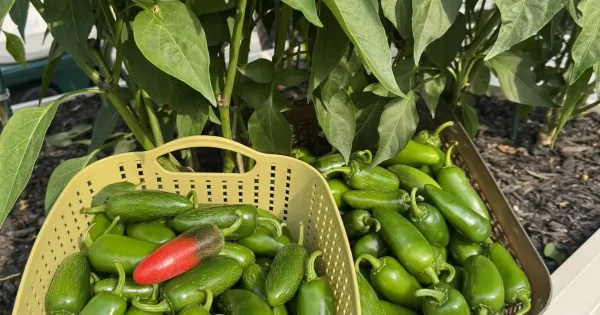
How to Grow Jalapeño Peppers From Seeds: A Step-by-Step Guide
Ready to spice things up in your garden? Jalapeños are the true life of the [...]
Apr
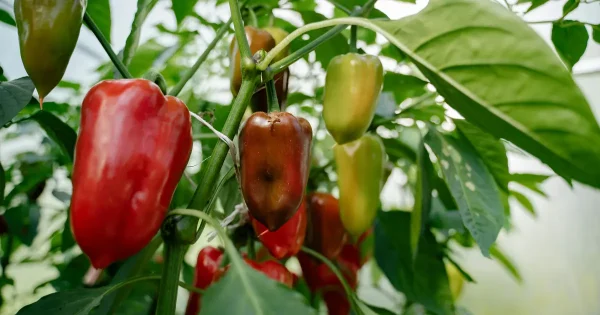
Top 12 Best Types of Peppers to Grow in Your Garden: Easy and High Yield
Growing peppers is, quite honestly, one of the biggest “wins” you can have in a [...]
Apr
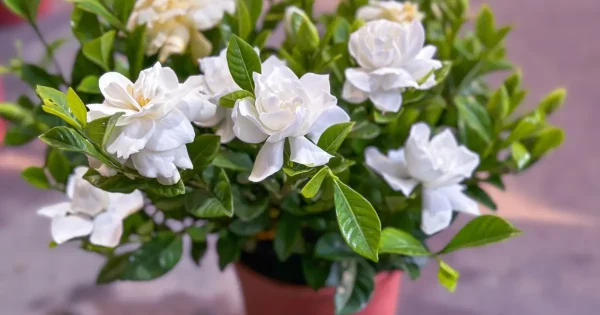
Frostproof Jasmine Care: 7 Tips for Successful Pot Growth
Most gardenias are known for being “divas.” They want perfect humidity, perfect soil, and they [...]
Mar
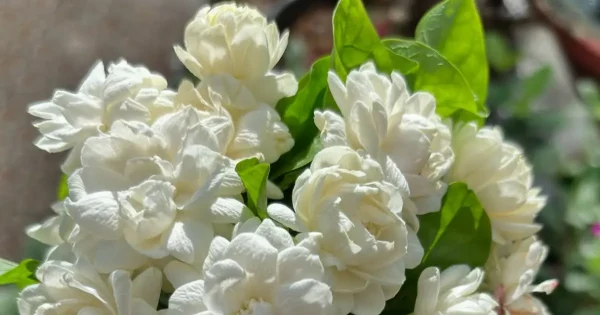
Top 7 Best Smelling Jasmine Varieties for a Heavenly Garden
Have you ever walked past a house and caught a scent so sweet you just [...]
Mar
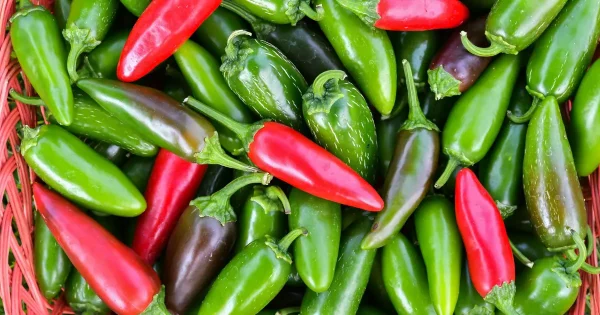
Master the Heat: 8 Expert Tips for Growing Jalapeños Like a Pro
Are you staring at your garden space, wondering why your pepper plants look more like [...]
Mar
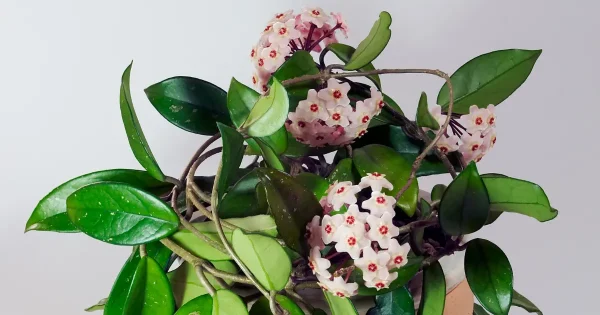
Top 5 Must-Have Hoya Varieties for Beginners
Hoyas are easily one of my top recommendations if you’re hunting for a low-maintenance houseplant [...]
Mar
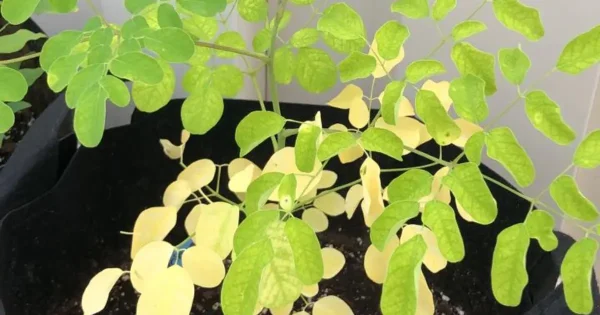
7 Moringa Plant Care Mistakes to Avoid for Healthy Growth
Have you ever looked at your Moringa tree and wondered why its once vibrant green [...]
Feb
How to Grow Potato Onions From True Seeds: A Step-by-Step Guide
Have you ever wondered how to grow potato onions from true seeds or why some [...]
Feb
Reviews
There are no reviews yet.