
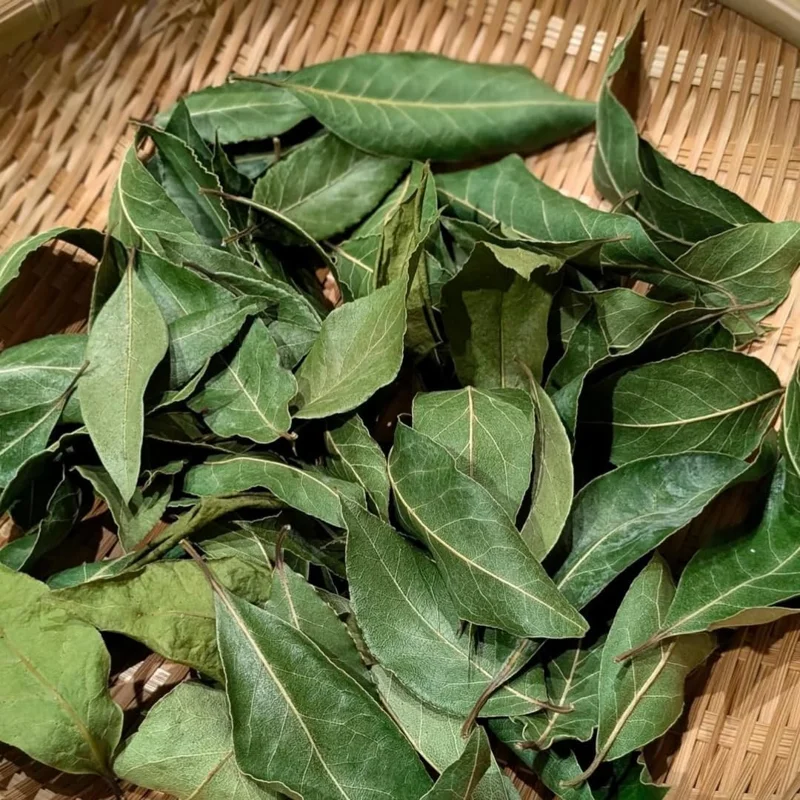
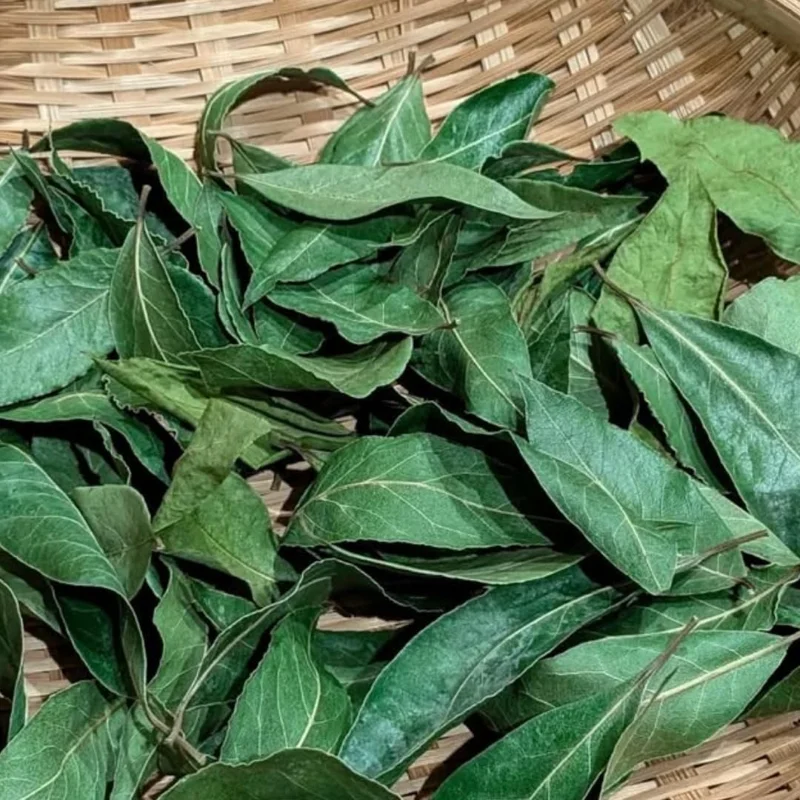
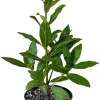
Bay Leaf Live Plant (Laurus Nobilis) – 8-10″ Tall, 4″ Pot – Indoor/Outdoor Herb
$19.99
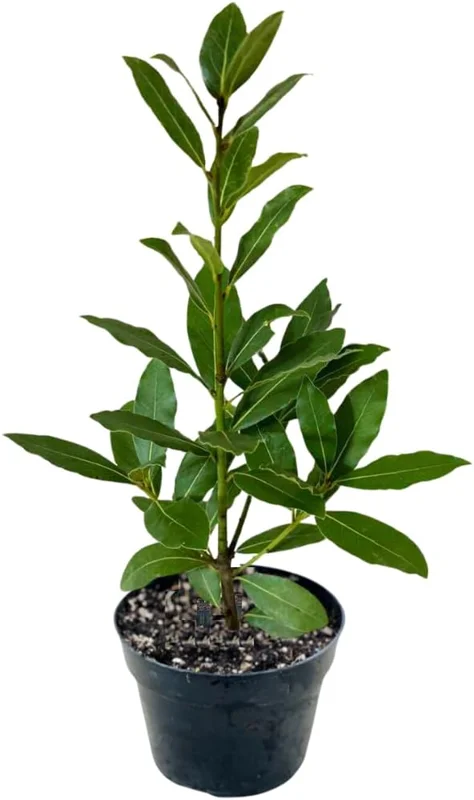
Bring the authentic flavor of fresh bay leaves to your culinary creations with this beautiful bay leaf live plant. Known botanically as Laurus nobilis plant, this 8-10 inch tall herb comes rooted in a 4-inch pot, perfect for both indoor and outdoor growing. Enjoy year-round access to aromatic leaves for cooking and a touch of evergreen beauty.
Shipping and Return policies:
We stand behind our plants with our Alive & Thrive Guarantee. If you experience any issues within the first 30 days, please email us, and our team will be happy to help. When needed, we’ll send you a one-time replacement free of charge to make sure your garden keeps growing strong.

Reasonable Price
We offer reasonable price

Support 24/7
Contact us 24 hrs a day
100% Money Back
You’ve 30 days to Return
Payment Secure
100% secure payment
Overview
Bring the timeless aroma and flavor of fresh bay leaves into your home or garden with this beautiful bay leaf live plant. Known botanically as Laurus nobilis plant, this versatile herb, often referred to as a sweet bay leaf tree, is a must-have for any culinary enthusiast. This particular specimen arrives as a healthy, vibrant plant, typically measuring 8 to 10 inches tall and rooted in a convenient 4-inch nursery pot, ready for planting. Whether you’re an experienced gardener or just starting, this robust plant offers an easy way to access fresh bay leaves, enhancing your dishes with its distinctive, slightly peppery, and subtly floral notes. It’s a fantastic addition for those looking to grow their own herbs and enjoy the benefits of a live, evergreen plant that thrives with proper bay leaf plant care.
The Laurus nobilis plant is cherished not only for its culinary applications but also for its attractive, glossy green foliage, making it a lovely ornamental plant. It adapts well to various environments, thriving both indoors in a sunny spot and outdoors in appropriate climates. Imagine stepping into your garden or kitchen and snipping fresh bay leaves whenever inspiration strikes – this plant makes that a reality. Its evergreen nature ensures year-round beauty and availability of fresh leaves, unlike dried alternatives. Invest in a bay leaf live plant today and elevate your cooking and gardening experience.
Key Benefits
Owning a bay leaf live plant offers a multitude of advantages, from culinary convenience to aesthetic appeal and ease of care. This plant is designed to bring joy and utility to your home:
- Fresh Culinary Herbs: Enjoy an endless supply of fresh bay leaves for cooking. Fresh leaves offer a more potent and nuanced flavor than dried ones, perfect for soups, stews, sauces, and marinades. Having a sweet bay leaf tree at hand ensures your dishes always have that authentic touch, elevating your home cooking.
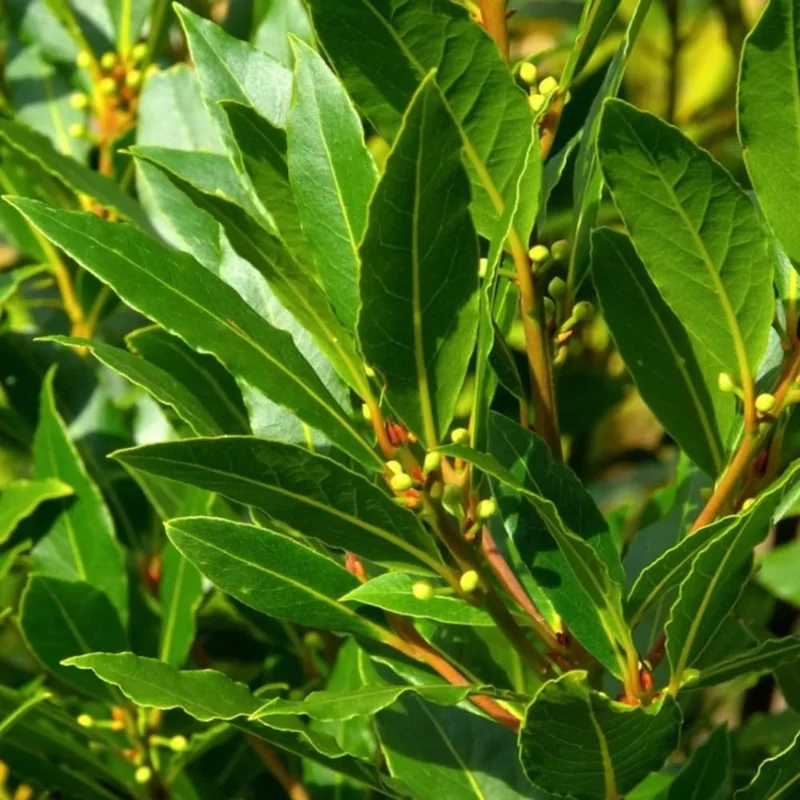
- Aromatic Foliage: The glossy, dark green leaves of the Laurus nobilis plant release a pleasant, distinctive aroma, adding a natural fragrance to your home or garden space. This natural scent can also deter certain pests.
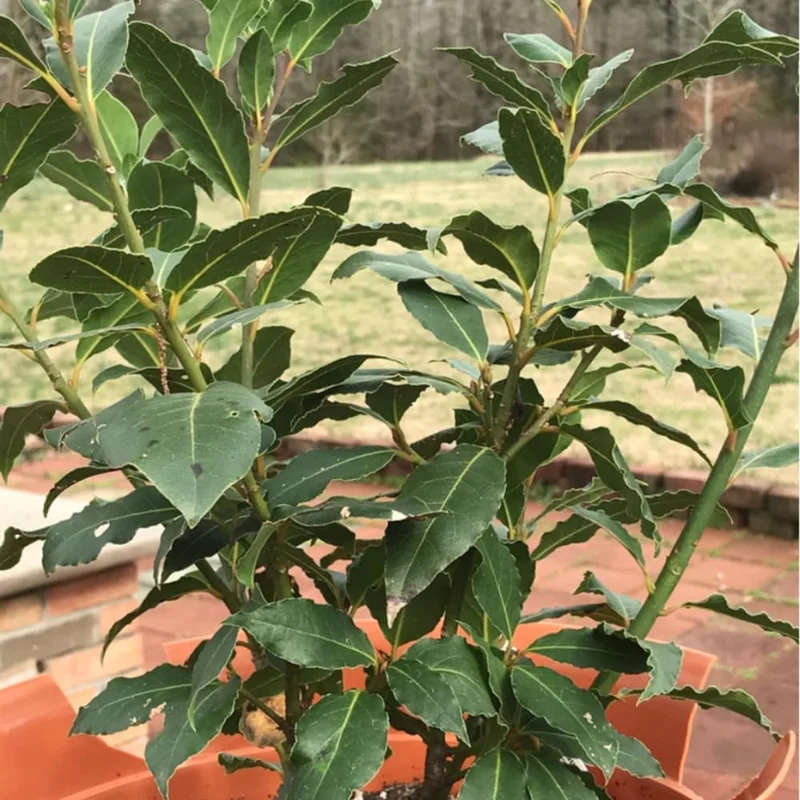
- Versatile Growing: This plant is highly adaptable, thriving both as an indoor bay leaf plant near a sunny window or outdoors in a garden bed or container, depending on your climate. Its versatility makes it suitable for many gardeners.
- Low Maintenance: Bay leaf plants are relatively easy to care for, requiring minimal attention once established. This makes them suitable for busy individuals or novice gardeners who want a rewarding plant without extensive effort.
- Evergreen Beauty: Maintain a touch of green in your environment year-round with its persistent foliage, enhancing the aesthetic appeal of any setting. Its vibrant green leaves provide continuous visual interest.
- Air Quality Improvement: Like many live plants, the bay leaf live plant contributes to better air quality by absorbing carbon dioxide and releasing oxygen, promoting a healthier indoor environment.
- Potential Health Benefits: Bay leaves have been traditionally used in herbal remedies and are known for their antioxidant and anti-inflammatory properties. Growing your own ensures you have access to these potential benefits.
Plant Care & Growing Tips
Caring for your bay leaf live plant is straightforward, ensuring a thriving and productive herb for years to come. This robust species prefers a full sun exposure, meaning it should receive at least 6 hours of direct sunlight daily. If growing indoors, place it near a south-facing window or provide supplemental grow lights to ensure adequate light. For outdoor cultivation, choose a sunny location that offers some protection from harsh afternoon sun in very hot climates. Proper light is crucial for healthy growth and abundant leaf production, which is key to good bay leaf plant care.
Watering is key to successful bay leaf plant care. Bay leaf plants prefer consistently moist, but not waterlogged, soil. Allow the top inch or two of soil to dry out between waterings. Overwatering can lead to root rot, so ensure good drainage. When grown in a pot, make sure the container has drainage holes to prevent water accumulation. In terms of soil, a well-draining potting mix is essential. A blend of peat moss, perlite, and compost works wonderfully to provide the necessary nutrients and aeration. Bay leaf plants are hardy in USDA zones 8-10, meaning they can tolerate mild winters outdoors in these regions. In colder zones, the plant should be brought indoors before the first frost, making it an ideal indoor bay leaf plant during colder months. Protect your Laurus nobilis plant from extreme temperature fluctuations.
Fertilize your sweet bay leaf tree sparingly, especially during its active growing season in spring and summer. A balanced liquid fertilizer diluted to half strength every 4-6 weeks should suffice. Avoid fertilizing in fall and winter when the plant’s growth slows down considerably. Pruning can be done to maintain shape, encourage bushier growth, and harvest leaves. Simply snip off older leaves or branches as needed, which also promotes new growth. Watch out for common pests like spider mites or scale insects; address them promptly with insecticidal soap if they appear to maintain the plant’s health. With these simple tips, your indoor bay leaf plant or outdoor specimen will flourish, providing you with fresh herbs and beauty.
Size & Details
This offering is for one healthy bay leaf live plant, which typically arrives standing between 8 to 10 inches tall from the base of the soil. It is carefully rooted in a 4-inch diameter nursery pot, providing a stable foundation for its journey to your home. The plant features multiple vibrant, glossy green leaves, characteristic of the Laurus nobilis plant. Bay leaf plants are slow to moderate growers, and with proper care, they can eventually reach several feet in height when mature, especially if allowed to grow outdoors in optimal conditions. When grown indoors, they tend to remain more compact, making them an excellent choice for windowsills or kitchen counters, contributing to its popularity as an indoor bay leaf plant.
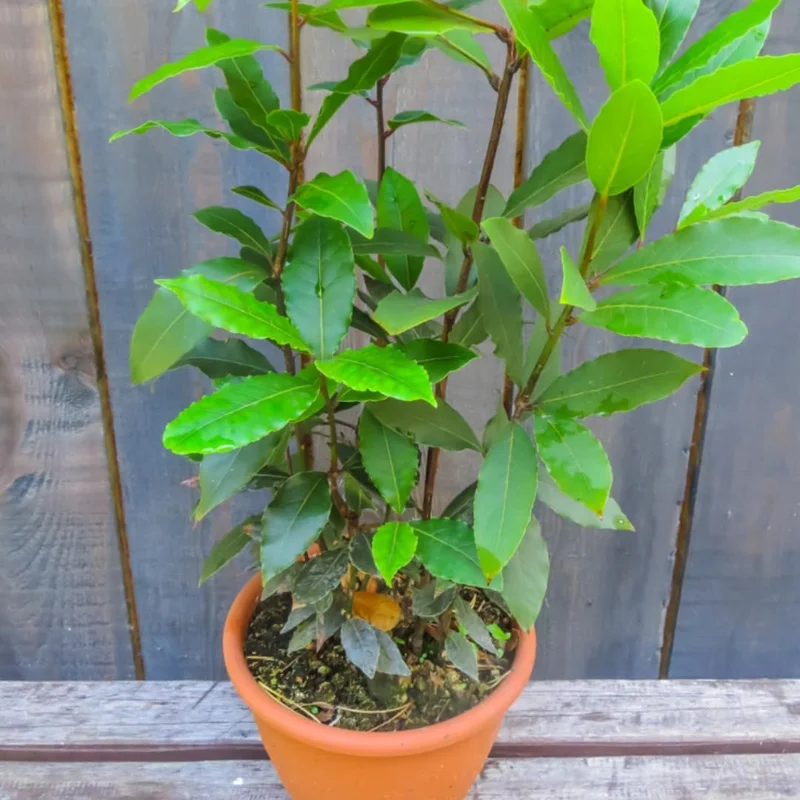
The plant is shipped in its nursery pot with soil, ensuring minimal transplant shock upon arrival. This allows you to either keep it in its current pot for a period or transplant it into a larger container or directly into your garden. The 4-inch pot size is ideal for establishing the root system before requiring a larger home. Expect beautiful, aromatic foliage that will be ready for harvest as the plant grows and matures. This sweet bay leaf tree is a long-lived plant, providing fresh herbs and evergreen beauty for many years with consistent bay leaf plant care.
Frequently Asked Questions
- Q: How big does this bay leaf plant get? A: This particular bay leaf live plant arrives 8 to 10 inches tall. With proper care, a bay leaf live plant can grow several feet tall, especially outdoors. Indoors, they typically remain more compact, often reaching 2-4 feet, making them manageable for most spaces.
- Q: Is this an indoor or outdoor plant? A: This Laurus nobilis plant is versatile and can thrive both indoors and outdoors. If you live in USDA zones 8-10, it can be grown outdoors year-round. In colder climates, it’s best to grow it in a pot and bring it indoors during winter, making it an ideal indoor bay leaf plant.
- Q: How much sunlight does it need? A: Bay leaf plants prefer full sun, meaning at least 6 hours of direct sunlight per day. If growing indoors, place it in the brightest available window, ideally south-facing, to ensure optimal growth for your sweet bay leaf tree.
- Q: Is this plant easy to care for? A: Yes, bay leaf plants are considered relatively low-maintenance. They require consistent watering, well-draining soil, and plenty of sunlight. Following basic bay leaf plant care guidelines will ensure a healthy plant, even for beginners.
- Q: Can I use the leaves for cooking right away? A: Yes, once your sweet bay leaf tree has settled into its new environment and put out some new growth, you can begin harvesting leaves for culinary use. It’s best to allow the plant to establish itself first.
- Q: What condition will it arrive in? A: Your bay leaf live plant will arrive healthy and well-packaged in its 4-inch nursery pot with soil, ready to be placed in its new home. We take great care to ensure safe transit for your live plant.
- Q: What type of soil is best for a bay leaf plant? A: Bay leaf plants thrive in well-draining soil. A good quality potting mix amended with perlite or sand to improve drainage is recommended for container growing, ensuring proper moisture balance.
- Q: How often should I water my bay leaf plant? A: Water when the top 1-2 inches of soil feel dry to the touch. The frequency will depend on factors like temperature, humidity, and pot size, so always check the soil moisture first for effective bay leaf plant care.
- Q: Is this bay leaf live plant resistant to pests? A: While generally robust, bay leaf plants can occasionally encounter common houseplant pests like spider mites or scale. Regular inspection and prompt treatment with organic solutions can keep them healthy and thriving.
- Q: When is the best time to prune my bay leaf plant? A: You can prune your Laurus nobilis plant anytime to harvest leaves or maintain its shape. Light pruning is best done in spring or early summer to encourage new growth and maintain a desired form.
Be the first to review “Bay Leaf Live Plant (Laurus Nobilis) – 8-10″ Tall, 4″ Pot – Indoor/Outdoor Herb”
You must be logged in to post a review.
People also Viewed
Sold 50 products
Original price was: $28.58.$19.99Current price is: $19.99.
Sold 50 products
$32.39
Sold 50 products
$21.59
Sold 50 products
$35.99
Sold 50 products
Price range: $23.15 through $25.19
Sold 50 products
$38.39
Sold 50 products
Price range: $28.79 through $35.99
Sold 50 products
$26.39RELATED posts
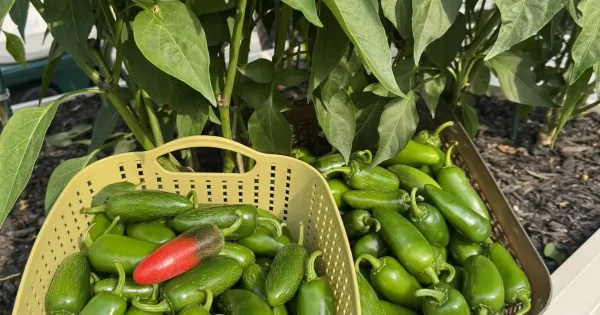
How to Grow Jalapeño Peppers From Seeds: A Step-by-Step Guide
Ready to spice things up in your garden? Jalapeños are the true life of the [...]
Apr
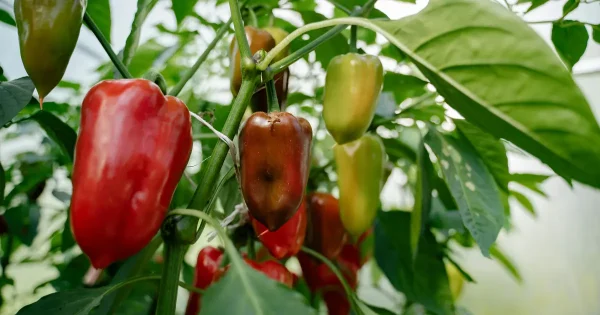
Top 12 Best Types of Peppers to Grow in Your Garden: Easy and High Yield
Growing peppers is, quite honestly, one of the biggest “wins” you can have in a [...]
Apr
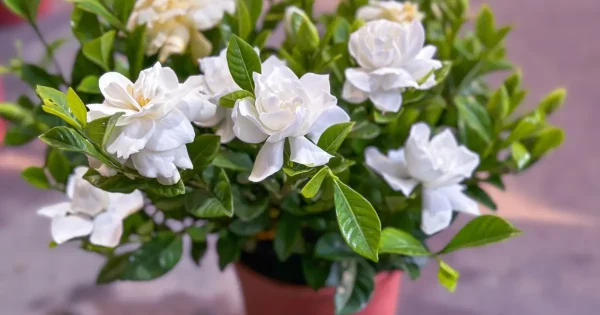
Frostproof Jasmine Care: 7 Tips for Successful Pot Growth
Most gardenias are known for being “divas.” They want perfect humidity, perfect soil, and they [...]
Mar
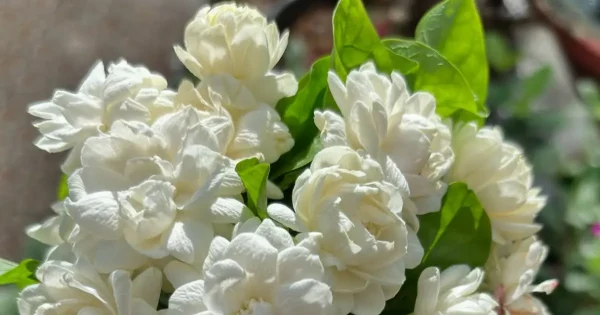
Top 7 Best Smelling Jasmine Varieties for a Heavenly Garden
Have you ever walked past a house and caught a scent so sweet you just [...]
Mar
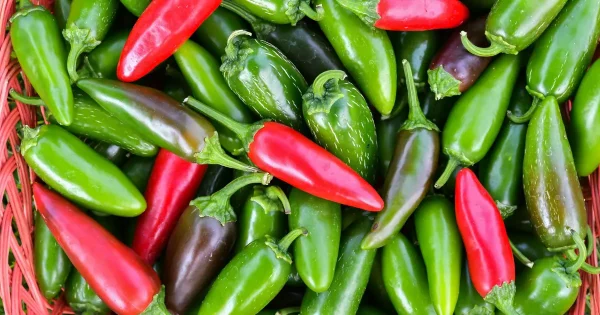
Master the Heat: 8 Expert Tips for Growing Jalapeños Like a Pro
Are you staring at your garden space, wondering why your pepper plants look more like [...]
Mar
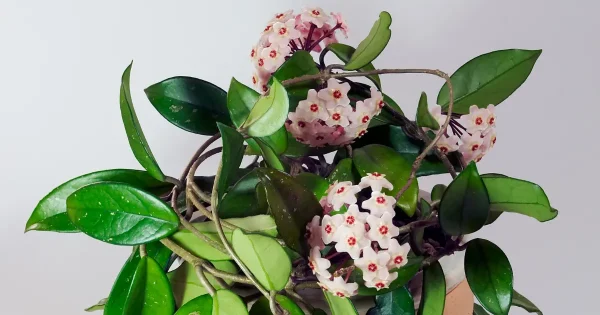
Top 5 Must-Have Hoya Varieties for Beginners
Hoyas are easily one of my top recommendations if you’re hunting for a low-maintenance houseplant [...]
Mar
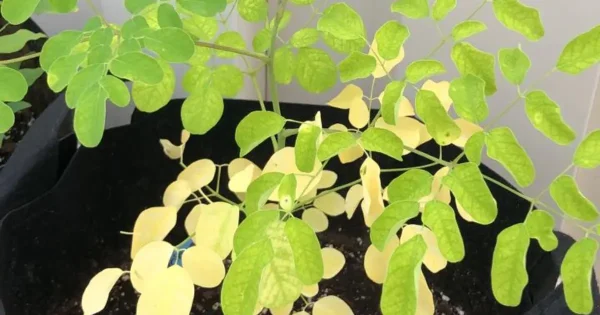
7 Moringa Plant Care Mistakes to Avoid for Healthy Growth
Have you ever looked at your Moringa tree and wondered why its once vibrant green [...]
Feb
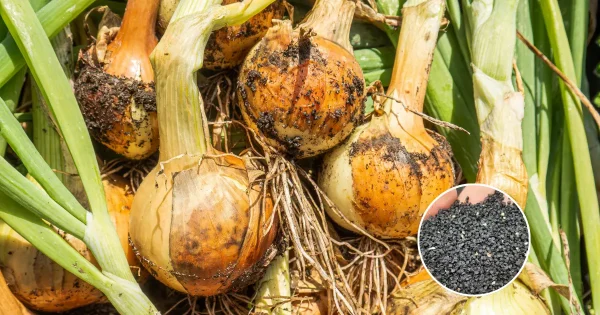
How to Grow Potato Onions From True Seeds: A Step-by-Step Guide
Have you ever wondered how to grow potato onions from true seeds or why some [...]
Feb
Reviews
There are no reviews yet.