
Bay Leaf Live Plant – 5-8″ Tall Laurus Nobilis Tree – Fragrant Culinary Herb
$24.99
Bring the aroma of fresh herbs to your home with this bay leaf live plant. Standing 5-8 inches tall, this Laurus Nobilis plant is perfect for both indoor and outdoor cultivation, offering fragrant leaves for culinary adventures and garden beauty.
Shipping and Return policies:
We stand behind our plants with our Alive & Thrive Guarantee. If you experience any issues within the first 30 days, please email us, and our team will be happy to help. When needed, we’ll send you a one-time replacement free of charge to make sure your garden keeps growing strong.

Reasonable Price
We offer reasonable price

Support 24/7
Contact us 24 hrs a day
100% Money Back
You’ve 30 days to Return
Payment Secure
100% secure payment
Overview
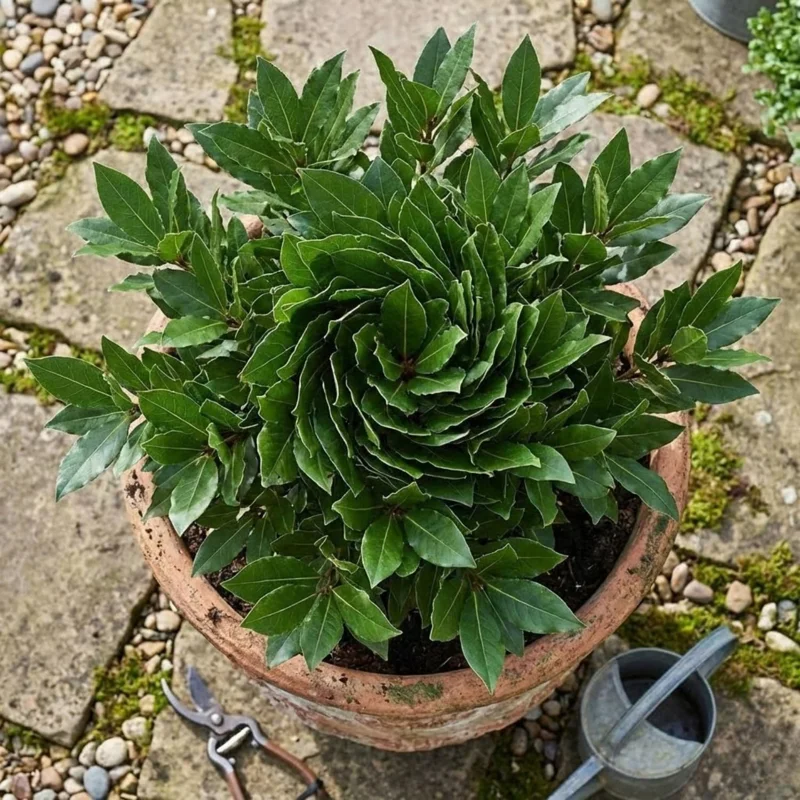
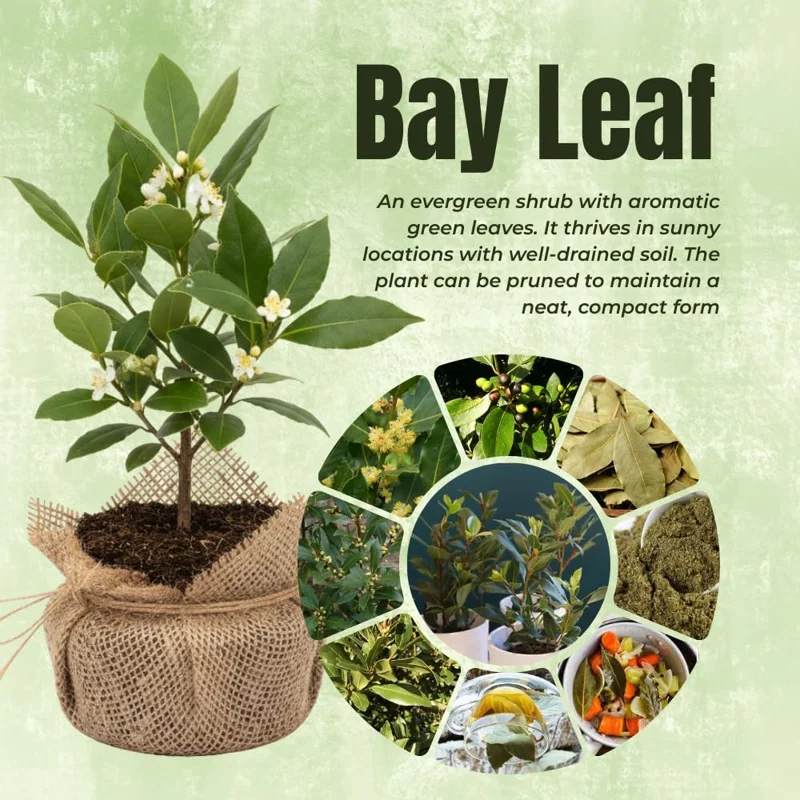
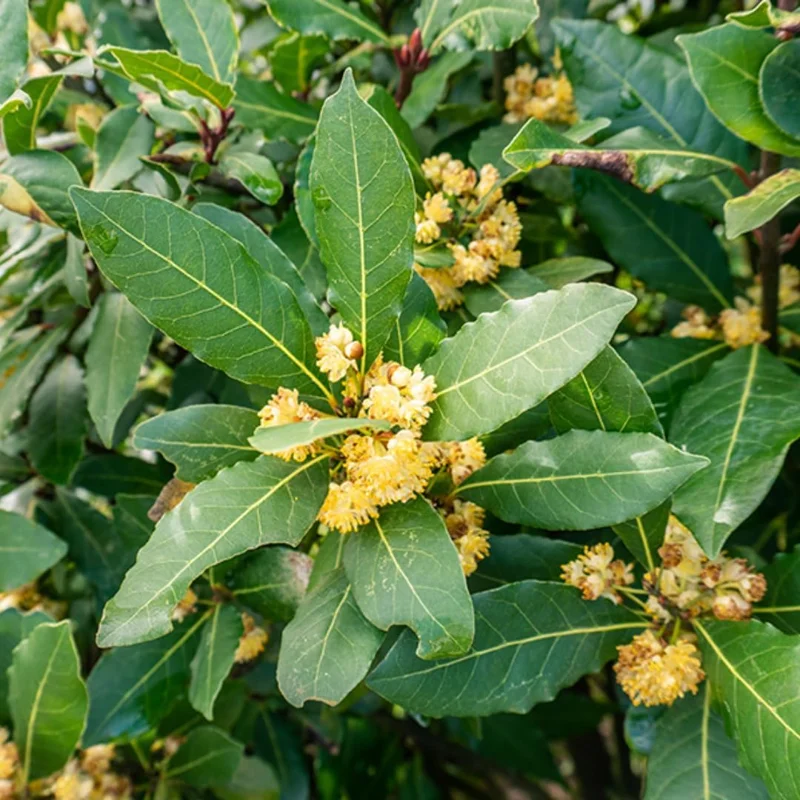
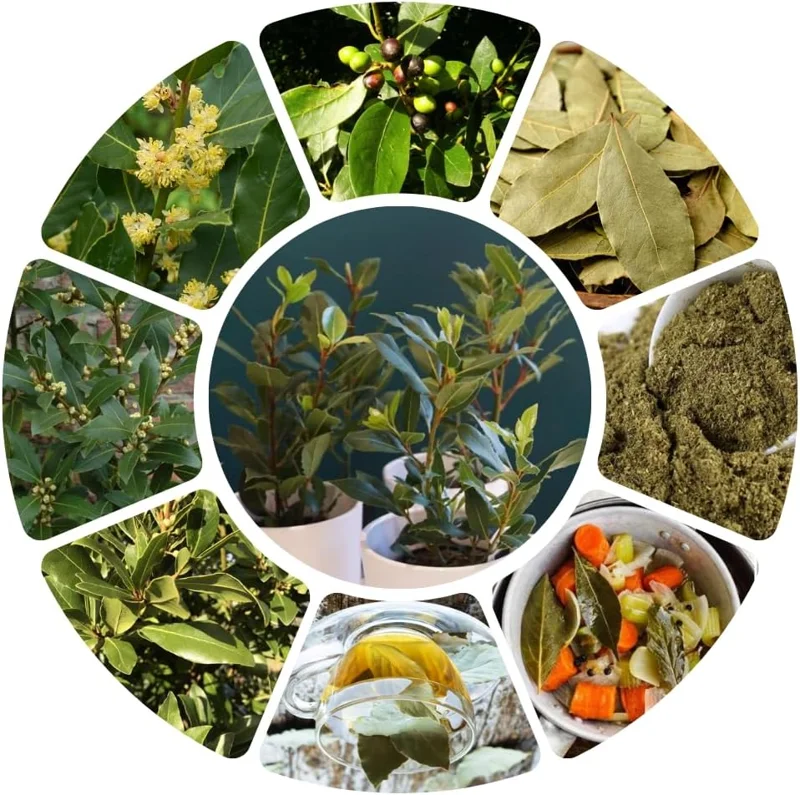
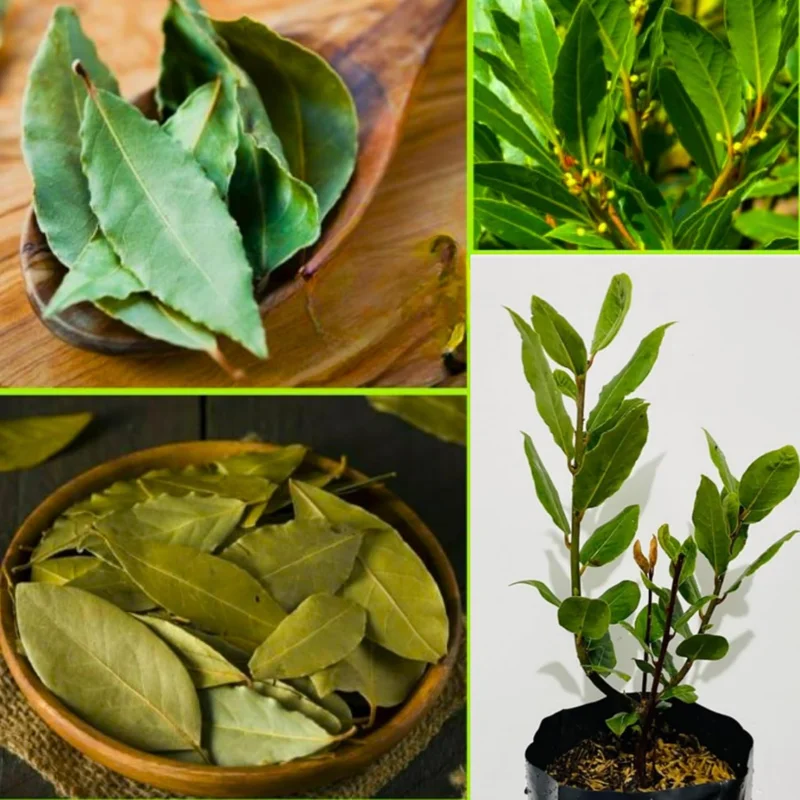
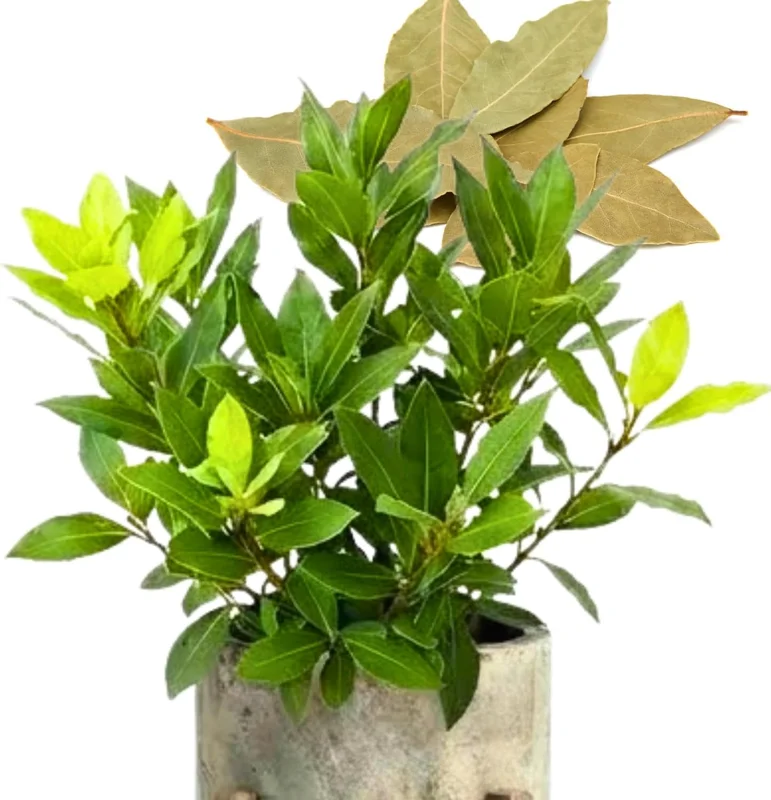
Cultivate the rich aroma and flavor of the Mediterranean right in your own garden or kitchen with this beautiful bay leaf live plant. This young bay leaf live plant, scientifically known as Laurus Nobilis plant, is a versatile and elegant addition to any plant collection. Measuring between 5-8 inches tall, this specimen is ready to establish itself and begin producing its prized, fragrant leaves. Bay laurel, also known as Sweet Bay, is cherished globally for its aromatic foliage, which is a staple in many culinary traditions. Its glossy, dark green leaves add a sophisticated touch to your landscape while providing an endless supply of fresh herbs for cooking. This particular offering provides a healthy, unpotted specimen, ensuring a robust start in your chosen container or garden bed.
The bay leaf live plant is not just a culinary asset; it’s also an attractive ornamental tree or shrub. Its dense foliage and classic form make it suitable for formal gardens, container planting, or even as a fragrant hedge. As a relatively slow-growing plant, it’s easy to manage and can be pruned to maintain your desired size and shape. Whether you’re an experienced gardener or a budding enthusiast, this Laurus Nobilis plant offers a rewarding growing experience with fragrant benefits.
Key Benefits
The bay leaf live plant offers a multitude of advantages, blending aesthetic appeal with practical utility. From its aromatic leaves to its adaptability, this plant is a true garden gem.
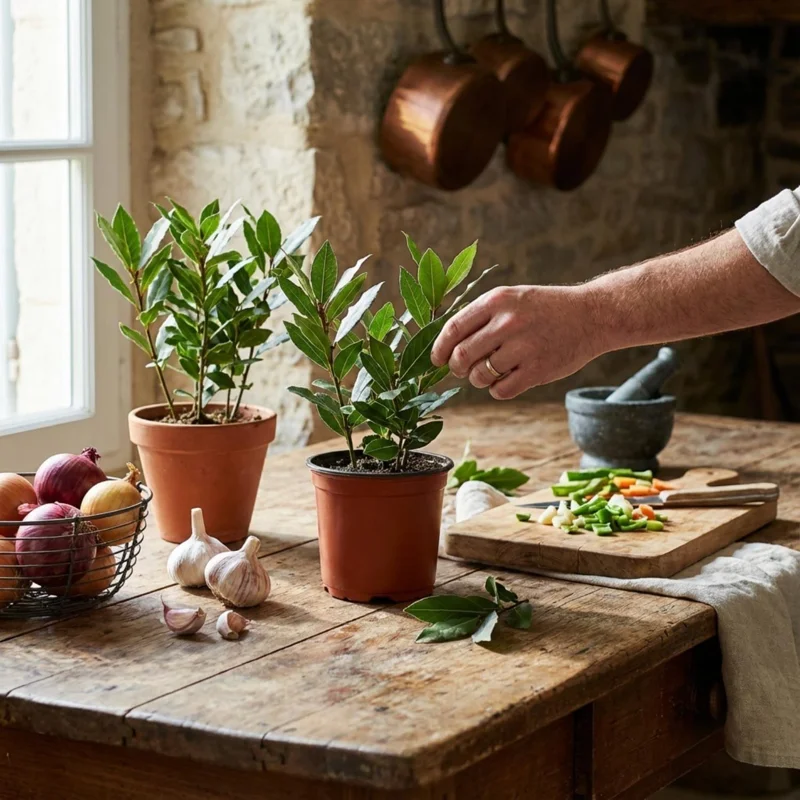
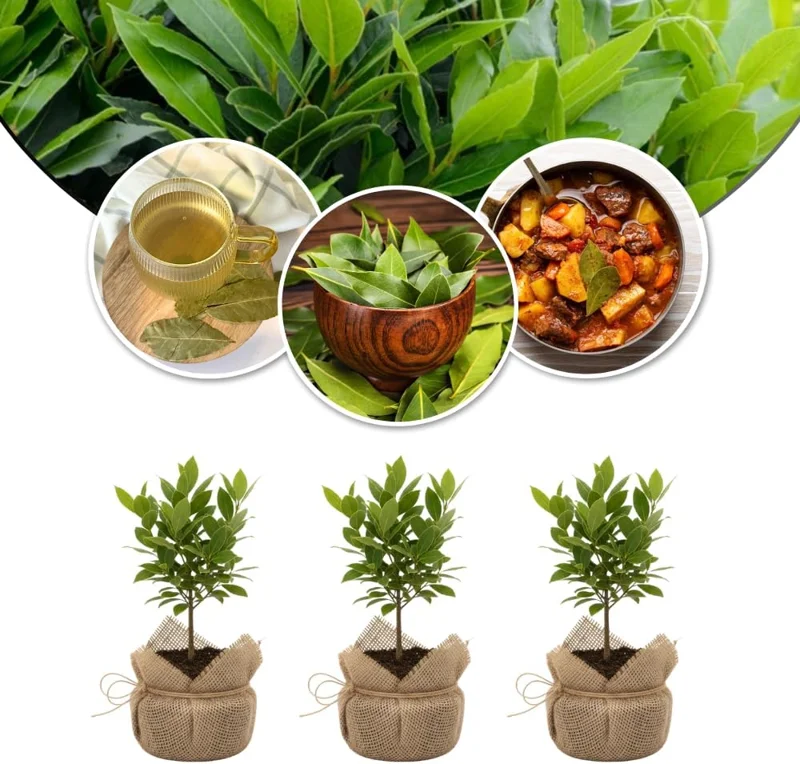
- Fresh Culinary Herb: Enjoy a continuous supply of fresh bay leaves for your cooking. These fragrant leaves infuse soups, stews, sauces, and roasts with a unique, savory flavor that dried bay leaves simply can’t match. Having a culinary herb plant readily available enhances your dishes.
- Year-Round Greenery: This evergreen plant provides lush, green foliage throughout the year, adding constant texture and color to your garden or indoor space, even during colder months.
- Versatile Planting Options: Thrives equally well in garden beds or containers, making it suitable for patios, balconies, or even as an indoor plant in a bright location. This versatility makes it an excellent fragrant garden plant for various settings.
- Low Maintenance: Once established, the bay laurel is relatively drought-tolerant and requires minimal care. It’s an ideal choice for gardeners seeking beauty without constant upkeep.
- Aromatic Appeal: The leaves emit a pleasant, subtle fragrance, making it a delightful addition to sensory gardens or near seating areas where its aroma can be appreciated.
- Elegant Ornamental: With its glossy leaves and upright form, the bay laurel tree serves as a beautiful ornamental plant, perfect for adding a touch of classic elegance to any landscape.
- Adaptable to Various Zones: Hardy in USDA Zones 8-10, it can withstand a range of climates, making it a reliable choice for many gardeners.
Plant Care & Growing Tips
Caring for your bay leaf live plant is straightforward, ensuring years of enjoyment and a steady supply of fresh leaves. This resilient plant is known for its adaptability, but understanding its basic needs will help it thrive. The Laurus Nobilis plant prefers a location with full sun exposure, meaning it should receive at least 6 hours of direct sunlight per day. If growing indoors, place it near a south-facing window or provide supplemental grow lights to ensure adequate light. Good air circulation is also beneficial, especially when grown in humid environments.
When it comes to watering, the bay leaf live plant prefers consistently moist, but not waterlogged, soil. Allow the top inch or two of soil to dry out between waterings, then water thoroughly until water drains from the bottom of the pot (if container-grown). Overwatering can lead to root rot, so ensure good drainage. The ideal soil type is well-drained, fertile soil with a slightly acidic to neutral pH. A good quality potting mix with added perlite or sand works well for container plants. For outdoor planting, amend heavy clay soils with organic matter to improve drainage.
This bay laurel tree is hardy in USDA Zones 8-10. In colder climates, it can be grown in containers and brought indoors before the first frost. Protect it from harsh winter winds, even in warmer zones. Fertilize your culinary herb plant sparingly, typically once in spring and once in mid-summer, using a balanced, slow-release granular fertilizer or a diluted liquid feed. Pruning can be done as needed to maintain shape, size, and to harvest leaves. Watch out for common pests like scale insects or mealybugs, and treat with horticultural oil or insecticidal soap if necessary. Proper care will ensure your fragrant garden plant remains healthy and productive.
Size & Details
This offering features a vibrant bay leaf live plant, specifically a Laurus Nobilis plant, which stands approximately 5-8 inches tall. This size makes it an ideal starter plant, ready to be transplanted into your preferred container or directly into your garden bed. It is shipped without a pot, allowing you the flexibility to choose the perfect home for it upon arrival. Bay laurel trees are relatively slow growers, typically adding 6-12 inches in height per year, but can eventually reach impressive sizes of 10-30 feet tall in ideal outdoor conditions if left unpruned. When grown in containers, their size can be easily managed through regular pruning, making them suitable for smaller spaces and indoor environments. Expect a healthy root system ready to establish quickly in its new environment. Your bay laurel tree will gradually mature, providing you with beautiful foliage and fragrant leaves for many years.
Frequently Asked Questions
- Q: How big does this bay leaf live plant get? A: This particular plant is 5-8 inches tall. In optimal outdoor conditions, a bay laurel can grow 10-30 feet tall, but its size is easily managed with pruning, especially when grown in containers.
- Q: Is this an indoor or outdoor plant? A: The Laurus Nobilis plant is versatile and can be grown both indoors and outdoors. It thrives outdoors in USDA Zones 8-10. In colder climates, it’s best grown in a container and brought indoors during winter.
- Q: How much sunlight does it need? A: Your bay leaf live plant prefers full sun, ideally receiving at least 6 hours of direct sunlight daily. If growing indoors, place it in the brightest available location, such as a south-facing window.
- Q: Is this plant easy to care for? A: Yes, the bay laurel tree is considered a low-maintenance plant. Once established, it’s relatively drought-tolerant and requires minimal fuss, making it a great fragrant garden plant for beginners.
- Q: What condition will it arrive in? A: Your bay leaf live plant will arrive as a healthy, unpotted specimen with its roots carefully prepared for shipping to ensure it’s ready for planting upon arrival.
- Q: Can I use the leaves from this plant for cooking? A: Absolutely! The leaves from the Laurus Nobilis plant are highly prized for their culinary use. They add a distinctive, aromatic flavor to a wide variety of dishes.
- Q: When is the best time to plant this bay leaf? A: The best time to plant your culinary herb plant is in spring or early summer after the last frost, allowing it ample time to establish its root system before extreme temperatures.
- Q: Will it survive winter in my zone? A: This bay leaf live plant is hardy in USDA Zones 8-10. If you live in a colder zone (below 8), you will need to grow it in a container and move it indoors during the winter months to protect it from frost.
- Q: What kind of soil does a bay leaf plant prefer? A: Bay laurels thrive in well-drained, fertile soil. For container planting, use a high-quality potting mix that drains well.
- Q: How often should I water my bay laurel? A: Water thoroughly when the top 1-2 inches of soil feel dry to the touch. Avoid overwatering, as this can lead to root rot.
Be the first to review “Bay Leaf Live Plant – 5-8″ Tall Laurus Nobilis Tree – Fragrant Culinary Herb”
You must be logged in to post a review.
People also Viewed
Sold 50 products
Original price was: $17.58.$11.86Current price is: $11.86.
Sold 50 products
Price range: $32.99 through $35.99
Sold 50 products
$69.99
Sold 50 products
$18.99
Sold 50 products
Price range: $14.98 through $23.89
Sold 50 products
$32.99
Sold 50 products
$24.99
Sold 50 products
Price range: $43.99 through $44.99RELATED posts
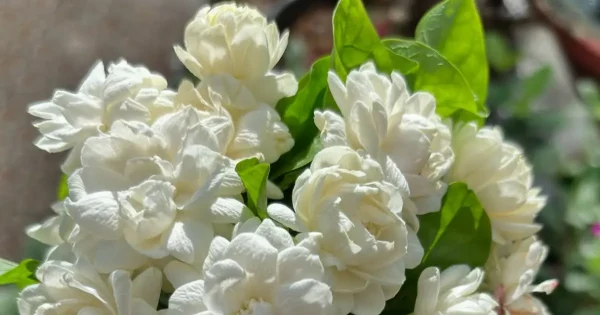
Top 7 Best Smelling Jasmine Varieties for a Heavenly Garden
Have you ever walked past a house and caught a scent so sweet you just [...]
Mar
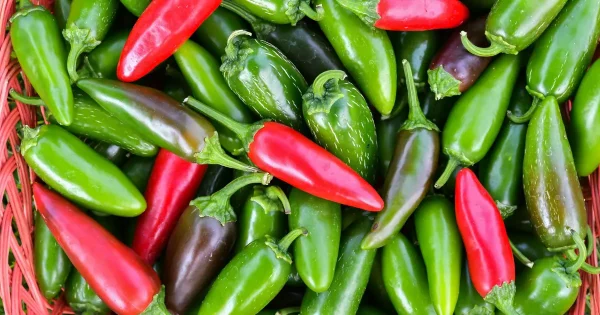
Master the Heat: 8 Expert Tips for Growing Jalapeños Like a Pro
Are you staring at your garden space, wondering why your pepper plants look more like [...]
Mar
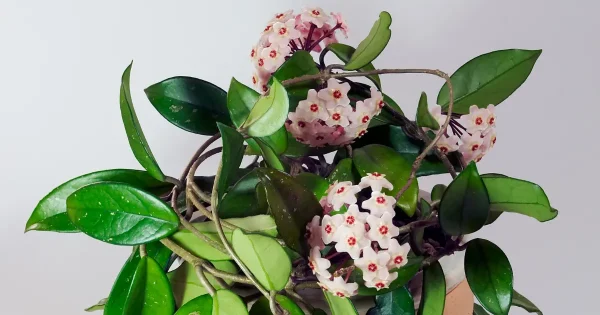
Top 5 Must-Have Hoya Varieties for Beginners
Hoyas are easily one of my top recommendations if you’re hunting for a low-maintenance houseplant [...]
Mar
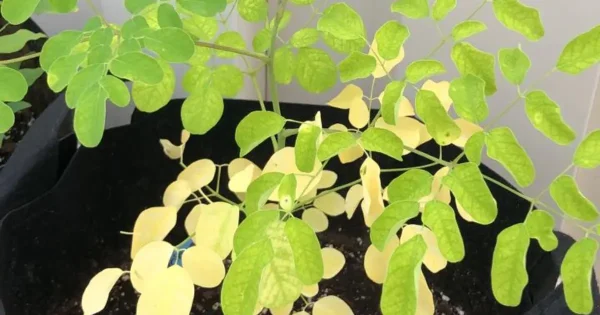
7 Moringa Plant Care Mistakes to Avoid for Healthy Growth
Have you ever looked at your Moringa tree and wondered why its once vibrant green [...]
Feb
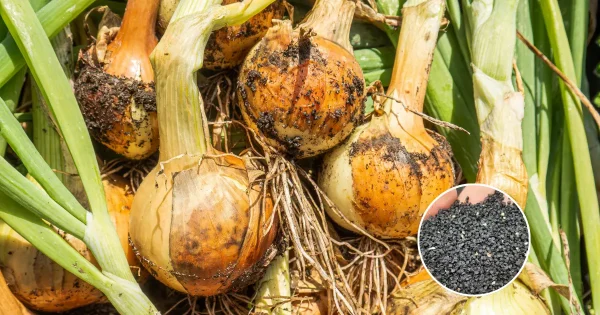
How to Grow Potato Onions From True Seeds: A Step-by-Step Guide
Have you ever wondered how to grow potato onions from true seeds or why some [...]
Feb
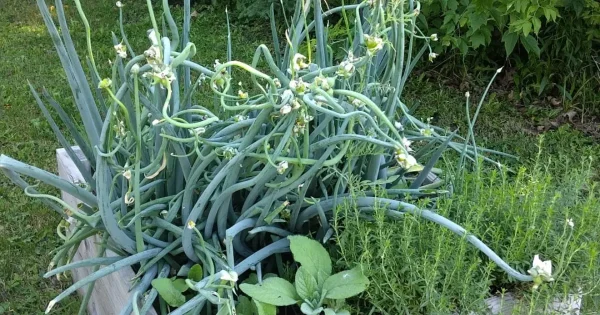
Growing Walking Onions in Containers: The Ultimate Guide
Have you ever looked at your small balcony or cramped patio and wished you could [...]
Feb

9 Best Flower Seeds to Start in February for Early Blooms
If you’re a passionate gardener, you know that itchy feeling in your fingers when February [...]
Jan
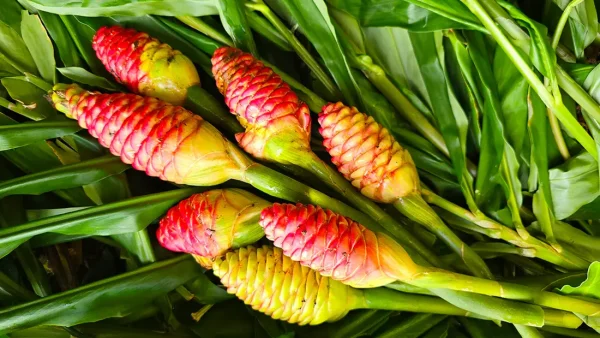
Growing Shampoo Ginger in Pots: Easy Guide to Potting Ginger Lilies
Are you looking to add a touch of exotic beauty to your home while growing [...]
Jan
Reviews
There are no reviews yet.