
Bay Leaf Laurel Tree Live Plant 8-10″ – Sweet Bay Laurus Nobilis for Culinary & Ornamental Use, Indoor/Outdoor
$19.99
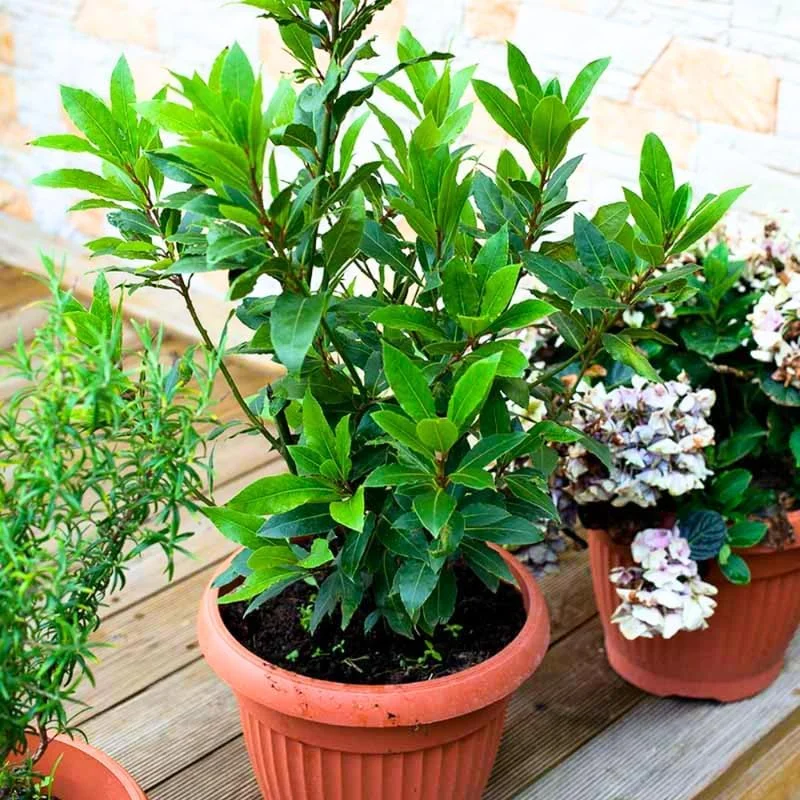
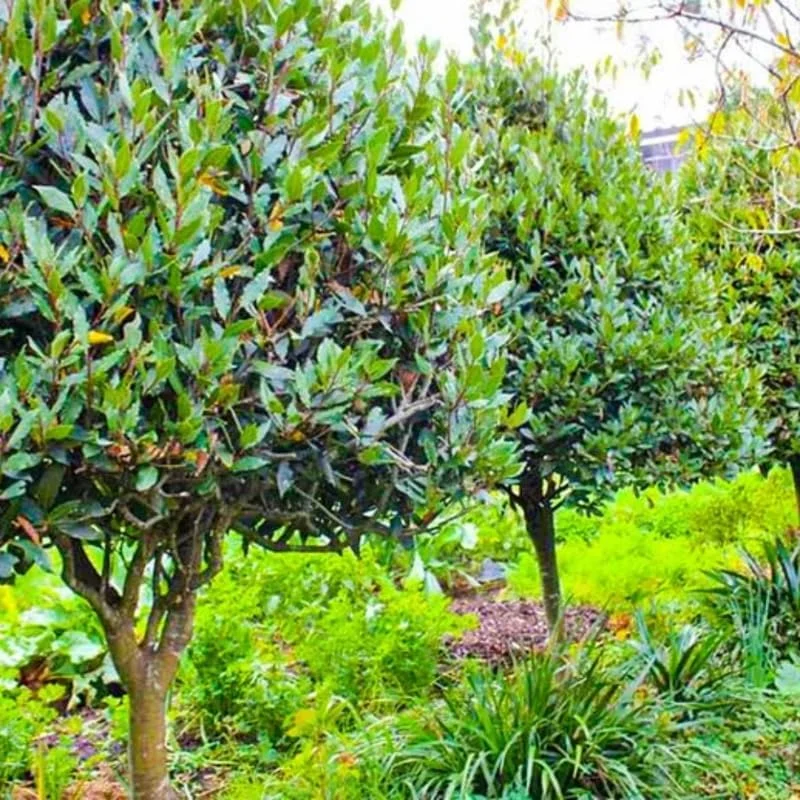
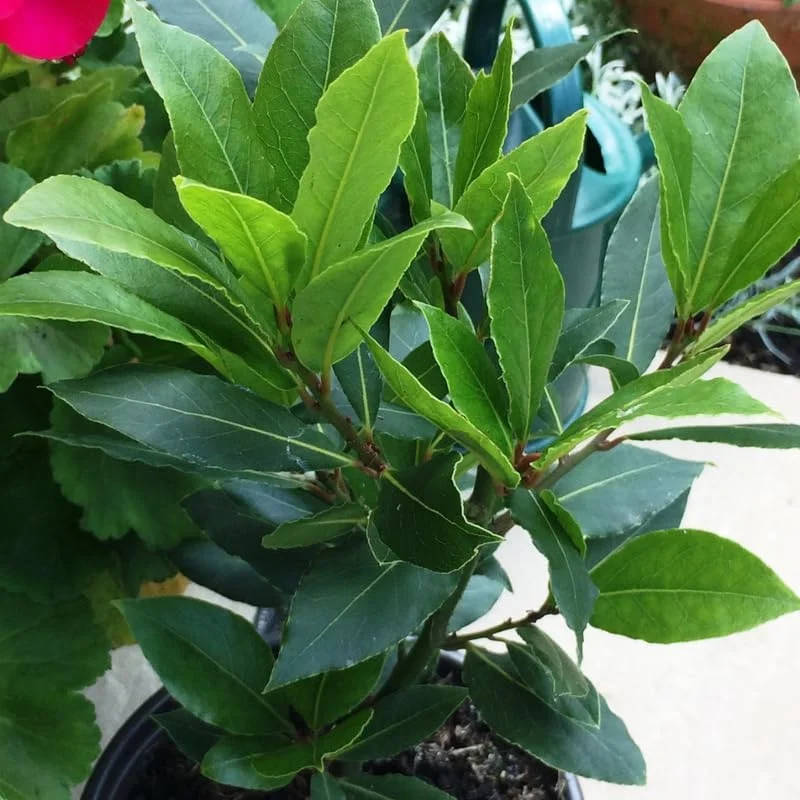
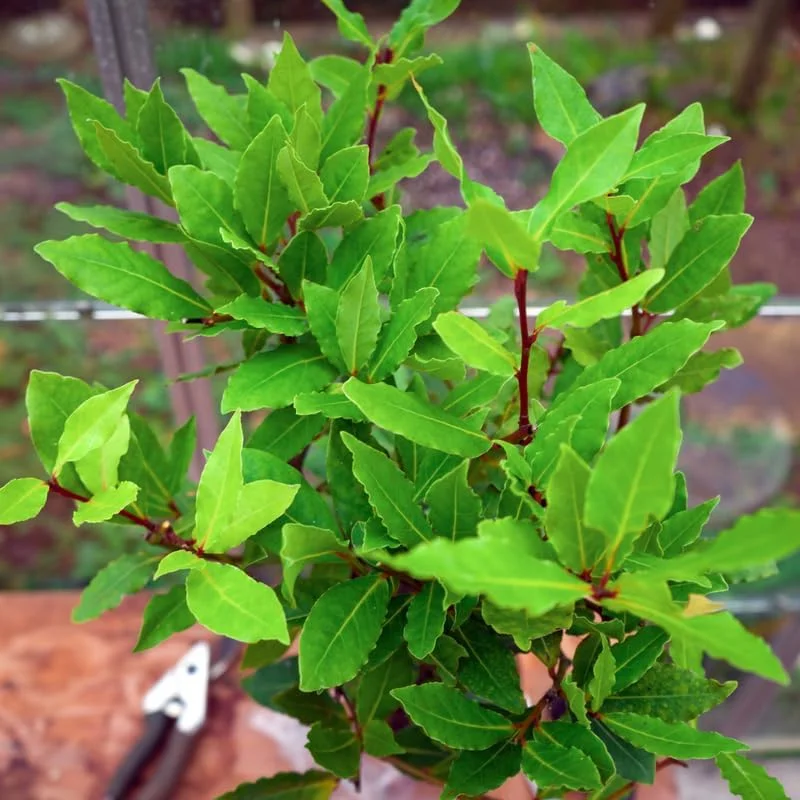
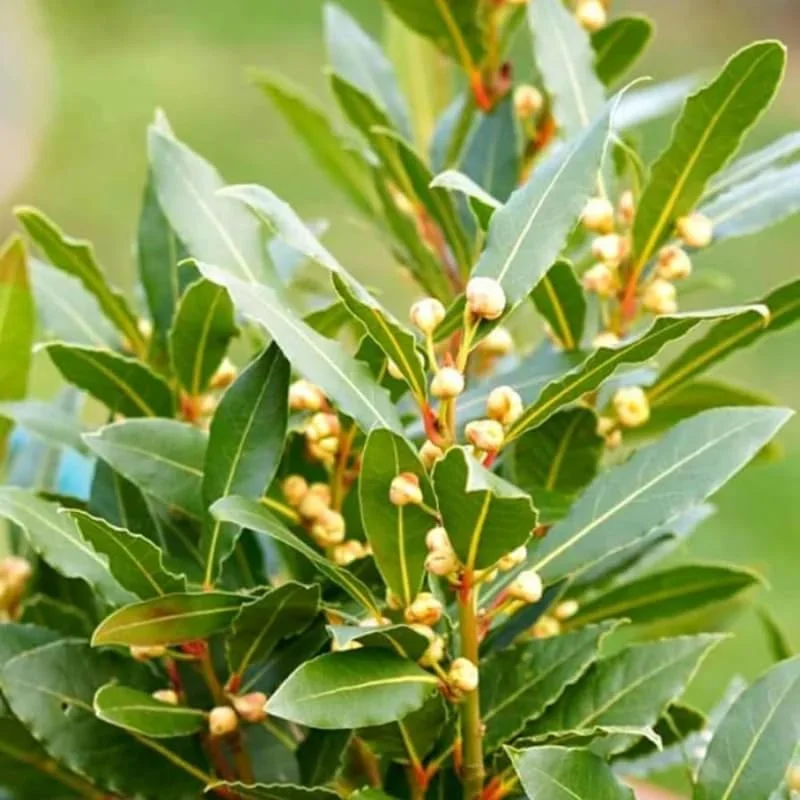
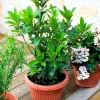
Bring home a robust bay leaf laurel tree live plant, typically 8-10 inches tall, perfect for fresh culinary herbs. Also known as laurus nobilis plant, this versatile specimen thrives indoors or outdoors, offering glossy evergreen foliage and a continuous supply of aromatic leaves for cooking. Enjoy the elegance and utility of this easy-to-grow culinary herb plant.
Shipping and Return policies:
We stand behind our plants with our Alive & Thrive Guarantee. If you experience any issues within the first 30 days, please email us, and our team will be happy to help. When needed, we’ll send you a one-time replacement free of charge to make sure your garden keeps growing strong.

Reasonable Price
We offer reasonable price

Support 24/7
Contact us 24 hrs a day
100% Money Back
You’ve 30 days to Return
Payment Secure
100% secure payment
Overview
Experience the joy of growing your own aromatic herbs with this exquisite bay leaf laurel tree live plant. This beautiful specimen, also known as Laurus Nobilis or Sweet Bay, arrives as a well-rooted starter plant, typically 8-10 inches tall, ready to thrive in your home or garden. Renowned for its glossy, evergreen foliage and distinctively fragrant leaves, the bay leaf laurel tree live plant is a must-have for any culinary enthusiast. Originating from the Mediterranean, this versatile plant can be cultivated indoors in containers or outdoors in suitable climates, providing a continuous supply of fresh bay leaves for your cooking endeavors. Its elegant form and rich green leaves also make it a lovely ornamental addition to any space, enhancing your kitchen, patio, or garden with its classic beauty and practical utility. This robust starter promises years of fragrant harvests and aesthetic pleasure, making it an excellent choice for any home.
The laurus nobilis plant is celebrated not only for its culinary contributions but also for its historical significance and ornamental value. Its resilience and adaptability allow it to flourish in various settings, from a small potted plant on a sunny windowsill to a majestic small tree in a garden. Whether you’re looking to elevate your gourmet dishes or simply appreciate the beauty of a classic herb, this bay leaf laurel tree live plant is an excellent choice for both novice and experienced gardeners. You’ll find that caring for this plant is a rewarding experience, leading to a bountiful supply of fresh bay leaves.
Key Benefits
Bringing a bay leaf laurel tree live plant into your home or garden offers a multitude of benefits beyond just its culinary appeal. This remarkable herb provides both practical advantages and aesthetic enhancements, making it a valuable addition to any living space.
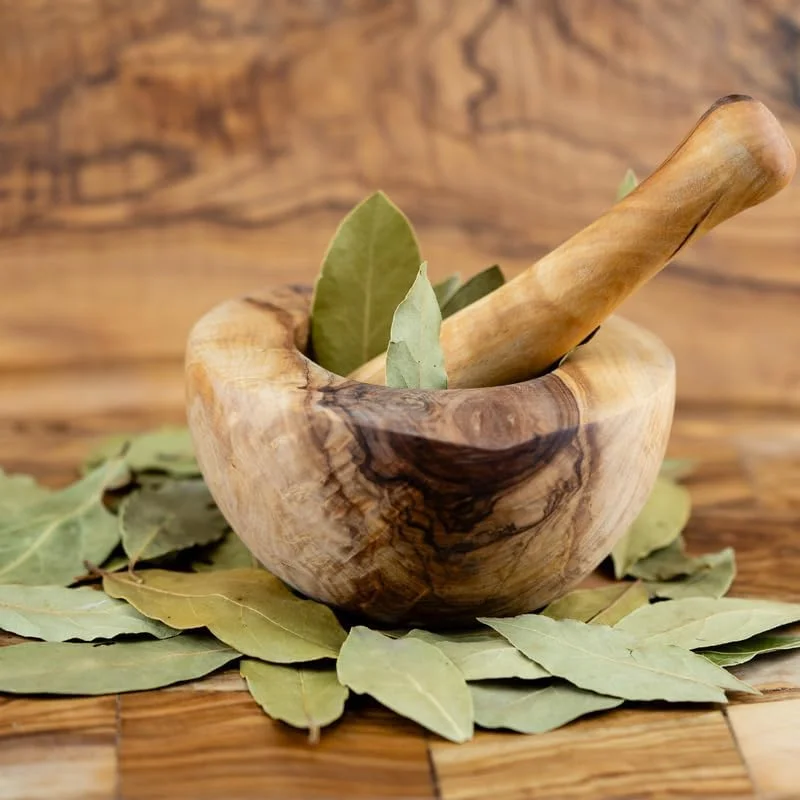
- Fresh Culinary Herb: Enjoy an endless supply of fresh bay leaves right from your own culinary herb plant. These leaves are superior in flavor and aroma to dried varieties, perfect for stews, soups, sauces, and marinades. Having a fresh source means you can always enhance your dishes with authentic, rich flavors.
- Easy to Grow: This plant is surprisingly low-maintenance and adaptable, making sweet bay plant care simple for gardeners of all skill levels. It tolerates various conditions and can thrive with minimal fuss, providing a rewarding growing experience.
- Versatile Growing Conditions: Whether you choose to grow bay leaf indoors in a container or outdoors in a garden bed, this plant adapts beautifully. It can be a charming addition to a sunny kitchen, a patio, or a dedicated herb garden, offering flexibility in placement.
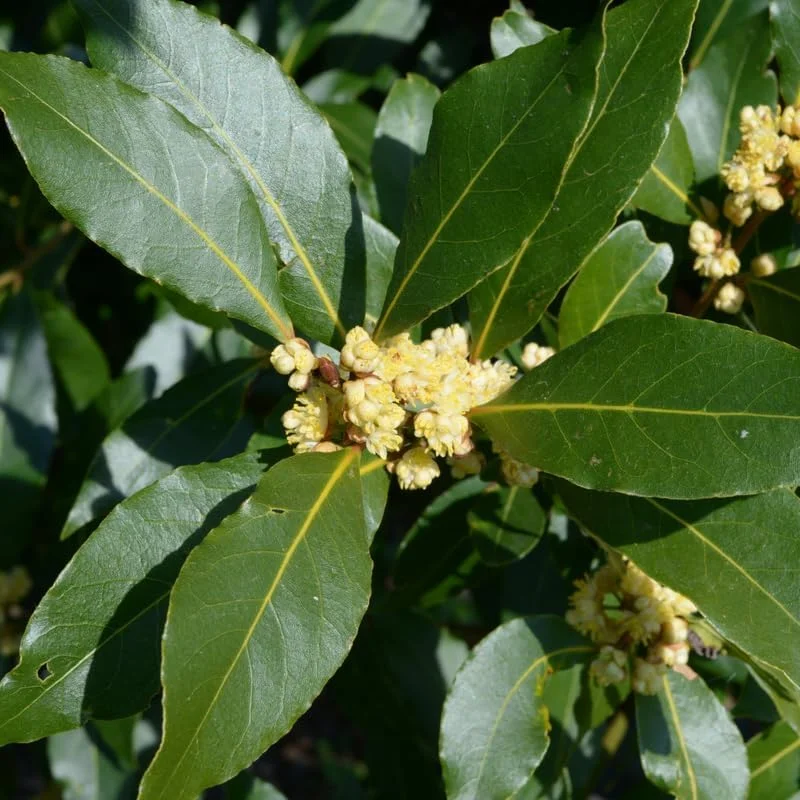
- Attractive Evergreen Foliage: The glossy, dark green leaves of the laurus nobilis plant provide year-round beauty. Its elegant appearance makes it an attractive ornamental plant, adding a touch of Mediterranean charm to any setting.
- Natural Air Freshener: The distinct, pleasant aroma of bay leaves can subtly fragrance your home, especially when brushed or disturbed. It’s a natural way to enjoy a fresh scent without artificial additives.
- Durable and Long-Lived: With proper care, a bay leaf laurel tree live plant can live for many years, growing into a substantial and productive specimen. It’s an investment that continues to give back season after season.
- Pest Resistant: Bay trees are generally resistant to many common garden pests, reducing the need for chemical treatments and making them an even more desirable addition to your edible garden.
Plant Care & Growing Tips
Caring for your bay leaf laurel tree live plant is relatively straightforward, ensuring a healthy and productive herb for years to come. For optimal growth, provide plenty of sunlight. This plant thrives in full sun, ideally receiving at least 6 hours of direct sunlight per day. If growing indoors, place it in your brightest window, preferably south-facing, or supplement with a grow light. Rotate the plant regularly to ensure even growth. When considering how to grow bay leaf indoors, remember that good air circulation is also beneficial to prevent fungal issues and promote strong growth.
Watering is crucial, but it’s important not to overdo it. The laurus nobilis plant prefers consistently moist, but not waterlogged, soil. Allow the top inch or two of soil to dry out between waterings. During hotter months or in very sunny locations, you may need to water more frequently. In winter, reduce watering as the plant’s growth slows. Ensure your pot has excellent drainage to prevent root rot. For soil, a well-draining potting mix is essential. A general-purpose potting soil amended with some perlite or sand will work well, providing the ideal environment for root development. The plant is suitable for USDA Zones 8-11, indicating its preference for warmer climates, but it can be overwintered indoors in colder regions where temperatures drop below freezing. Regular pruning can help maintain its desired shape and size, whether you want a compact bush or a small tree, and encourages new foliage growth for harvesting. This attention to sweet bay plant care will ensure a thriving culinary herb plant, providing delicious leaves for your kitchen.
Size & Details
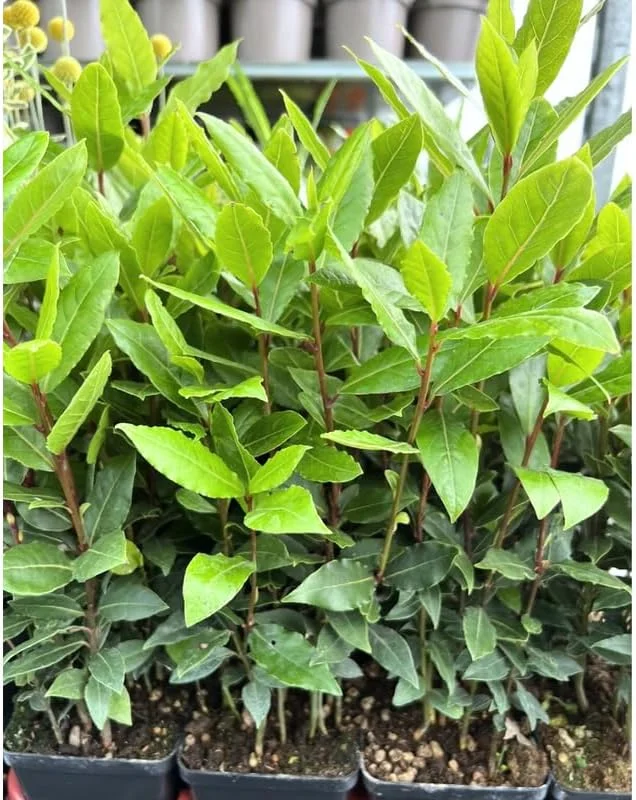
This offering is for one bay leaf laurel tree live plant, which arrives as a robust, well-rooted starter. Each plant measures approximately 8-10 inches in height from the base of the root ball to the tip of the foliage, providing a significant head start for your herb garden. These plants are grown in standard nursery pots, ready for immediate transplanting into a larger container or directly into your garden if conditions permit. Mature plants can reach impressive sizes, potentially growing 6-12 feet tall and 4-8 feet wide, depending on whether they are grown in containers or in the ground, and how regularly they are pruned. Growing in a container will naturally limit its ultimate size, making it perfect for patios or indoor settings. The plant’s growth rate is moderate, allowing you to enjoy fresh leaves relatively quickly while also giving you time to shape it as it matures into a magnificent culinary herb plant. It ships as a healthy, established starter, ensuring a smooth transition to its new home.
Frequently Asked Questions
- Q: How big does this bay leaf laurel tree live plant get? A: When grown in a container, it can be kept to a manageable size, typically 2-6 feet tall with pruning. If planted directly in the ground in suitable climates (USDA Zones 8-11), it can grow into a small tree, reaching 6-12 feet tall and 4-8 feet wide.
- Q: Is this an indoor or outdoor plant? A: This versatile laurus nobilis plant can be grown both indoors and outdoors. It thrives outdoors in warmer climates (USDA Zones 8-11) and can be brought indoors during winter in colder regions. It makes an excellent potted plant for a sunny windowsill or patio, offering flexibility for various climates.
- Q: How much sunlight does the sweet bay plant need? A: The bay leaf laurel tree prefers full sun, meaning at least 6 hours of direct sunlight per day. If growing indoors, place it in the brightest spot available, such as a south-facing window, to ensure it receives adequate light for healthy growth.
- Q: Is this plant easy to care for? A: Yes, this culinary herb plant is considered relatively easy to care for. It’s tolerant of various conditions, requiring well-draining soil and consistent moisture without being waterlogged. Regular pruning helps maintain its shape and encourages growth, making sweet bay plant care manageable for beginners.
- Q: What condition will the plant arrive in? A: Your bay leaf laurel tree live plant will arrive as a well-rooted, healthy starter plant, typically 8-10 inches tall, ready for planting. It will be carefully packaged to ensure its safe journey and minimal stress during transit.
- Q: Can I use the leaves from this plant for cooking? A: Absolutely! This is a true Laurus Nobilis, producing fragrant bay leaves perfect for all your culinary needs. The fresh leaves offer a superior flavor compared to dried varieties, enhancing your dishes with authentic aroma.
- Q: When is the best time to plant or repot this bay leaf laurel tree? A: Spring or early summer is generally the best time to plant or repot, allowing the plant to establish itself during warmer weather. However, if growing indoors, you can repot any time of year as needed, especially if it outgrows its current container.
- Q: How often should I water my bay leaf laurel tree live plant? A: Water when the top 1-2 inches of soil feel dry to the touch. The frequency will depend on temperature, humidity, and pot size. Ensure the pot has good drainage to prevent root rot, as this plant does not like soggy feet.
- Q: Is this laurus nobilis plant pet-safe? A: While bay leaves are used in cooking, large quantities can be toxic to pets. It’s best to keep the plant out of reach of curious pets to ensure their safety.
- Q: Will my sweet bay plant survive winter in a cold climate? A: If you live in USDA Zones colder than 8, you will need to bring your bay leaf laurel tree indoors for the winter. It is not frost-hardy and will need protection from freezing temperatures to survive.
Be the first to review “Bay Leaf Laurel Tree Live Plant 8-10″ – Sweet Bay Laurus Nobilis for Culinary & Ornamental Use, Indoor/Outdoor”
You must be logged in to post a review.
People also Viewed
Sold 50 products
Original price was: $28.58.$19.99Current price is: $19.99.
Sold 50 products
$32.39
Sold 50 products
$21.59
Sold 50 products
$35.99
Sold 50 products
Price range: $23.15 through $25.19
Sold 50 products
$38.39
Sold 50 products
Price range: $28.79 through $35.99
Sold 50 products
$26.39RELATED posts
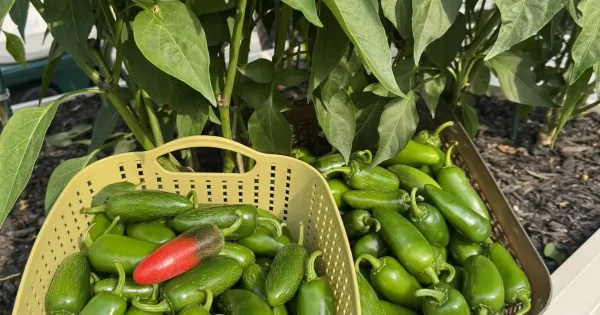
How to Grow Jalapeño Peppers From Seeds: A Step-by-Step Guide
Ready to spice things up in your garden? Jalapeños are the true life of the [...]
Apr
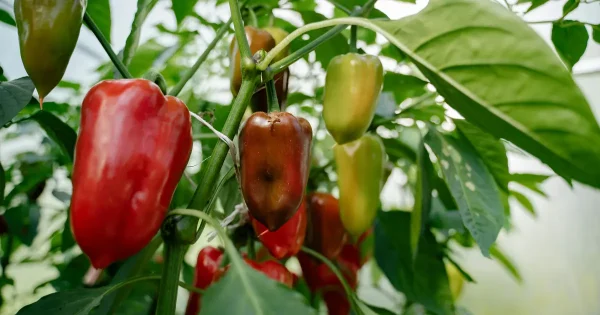
Top 12 Best Types of Peppers to Grow in Your Garden: Easy and High Yield
Growing peppers is, quite honestly, one of the biggest “wins” you can have in a [...]
Apr
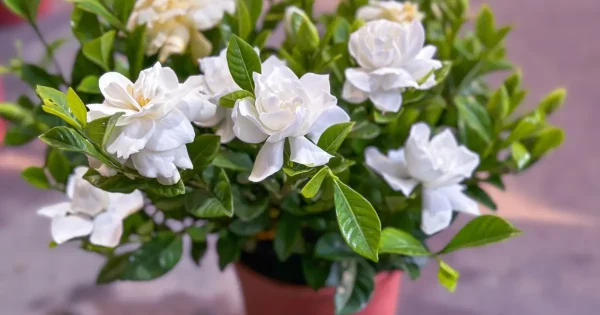
Frostproof Jasmine Care: 7 Tips for Successful Pot Growth
Most gardenias are known for being “divas.” They want perfect humidity, perfect soil, and they [...]
Mar
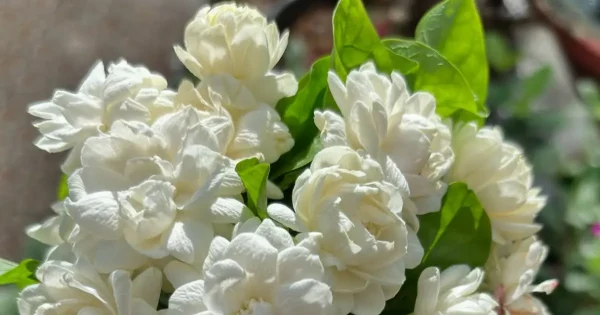
Top 7 Best Smelling Jasmine Varieties for a Heavenly Garden
Have you ever walked past a house and caught a scent so sweet you just [...]
Mar
Master the Heat: 8 Expert Tips for Growing Jalapeños Like a Pro
Are you staring at your garden space, wondering why your pepper plants look more like [...]
Mar
Top 5 Must-Have Hoya Varieties for Beginners
Hoyas are easily one of my top recommendations if you’re hunting for a low-maintenance houseplant [...]
Mar
7 Moringa Plant Care Mistakes to Avoid for Healthy Growth
Have you ever looked at your Moringa tree and wondered why its once vibrant green [...]
Feb
How to Grow Potato Onions From True Seeds: A Step-by-Step Guide
Have you ever wondered how to grow potato onions from true seeds or why some [...]
Feb
Reviews
There are no reviews yet.