
Baby Blue Eucalyptus Live Plant – Eucalyptus pulverulenta ‘Baby Blue’ – 2.5” Pot – Indoor/Outdoor
$18.99
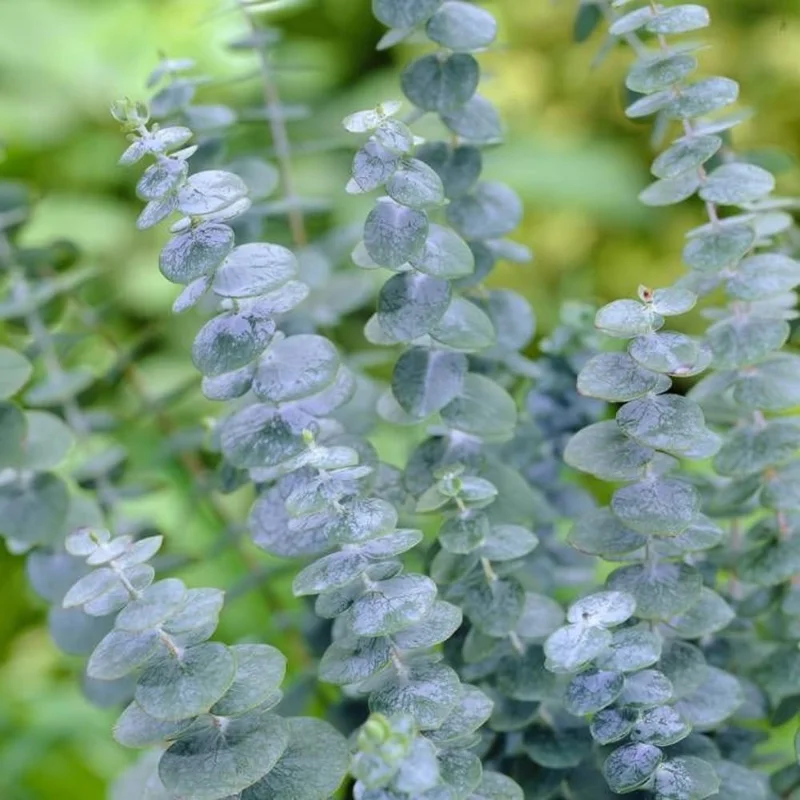
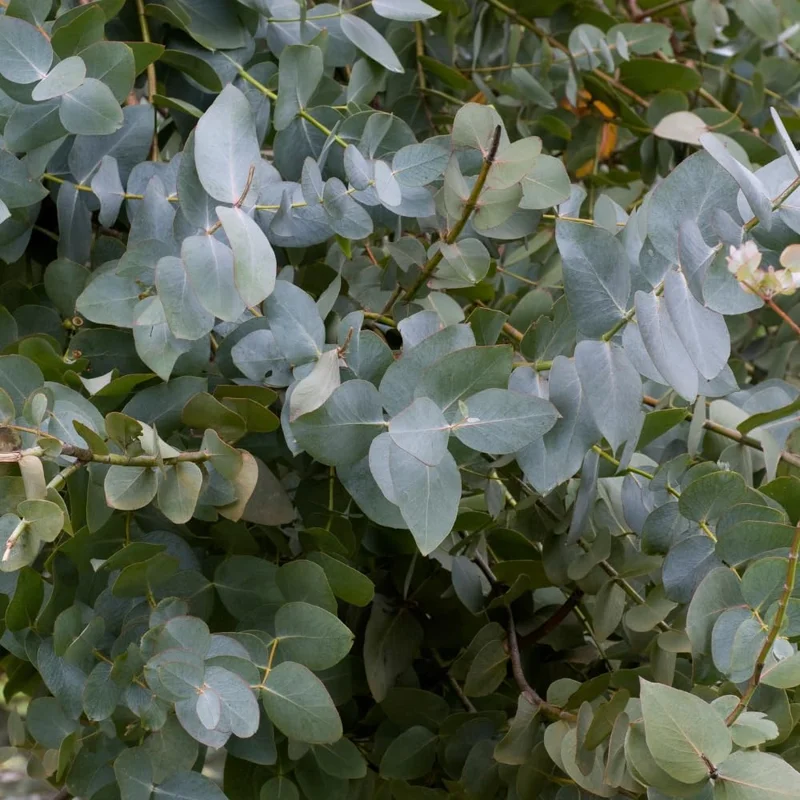
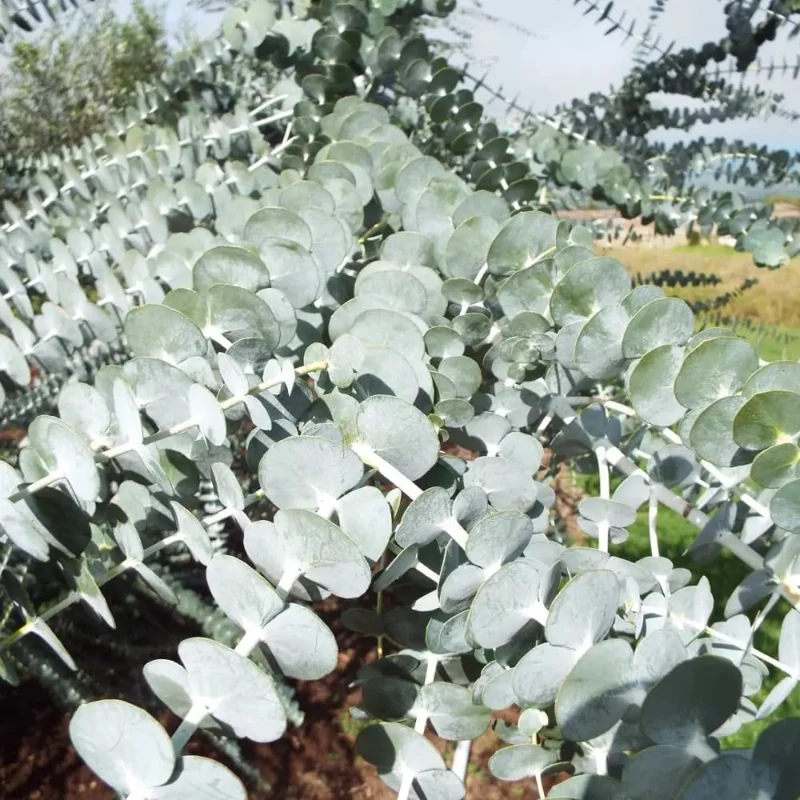
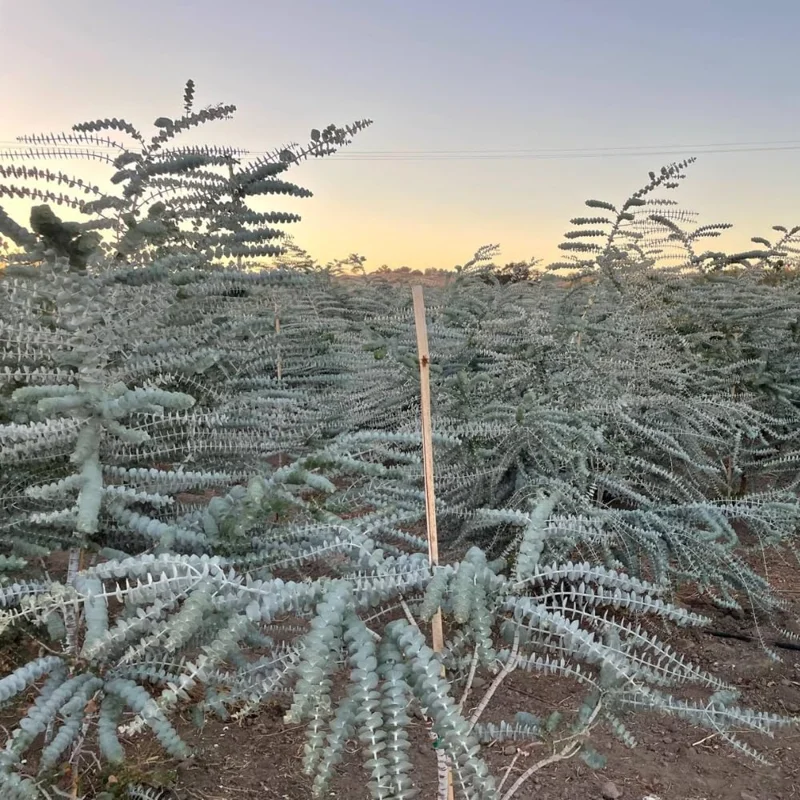
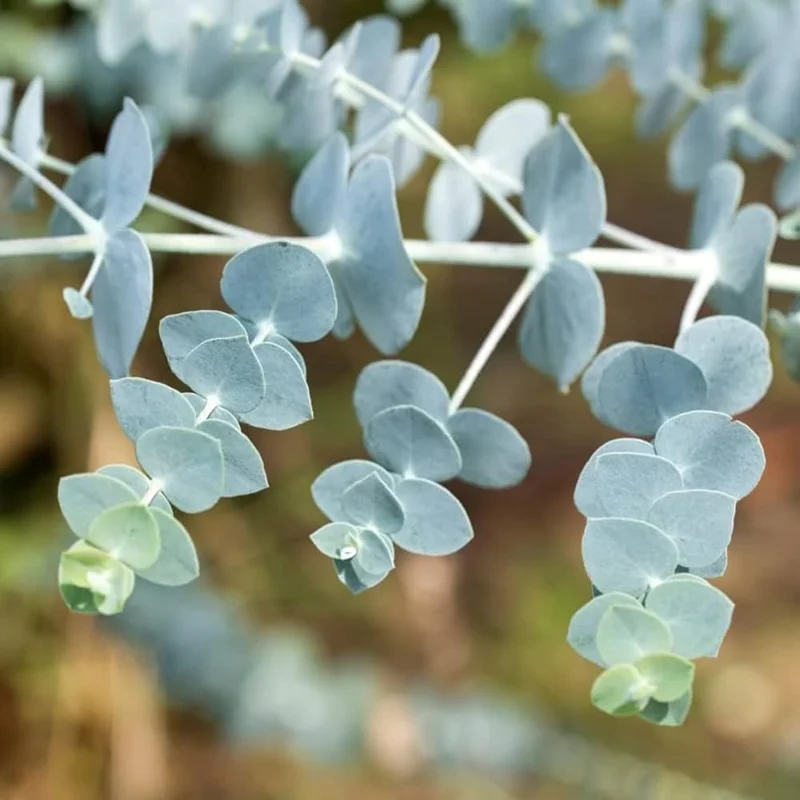
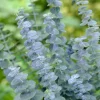
Enhance your home with a beautiful baby blue eucalyptus live plant. This Eucalyptus pulverulenta ‘Baby Blue’ offers unique silver-blue, coin-shaped leaves and a refreshing aroma. Ideal for eucalyptus houseplant care, it’s a compact, low-maintenance choice for indoor spaces or warm outdoor gardens, arriving in a 2.5-inch pot.
Shipping and Return policies:
We stand behind our plants with our Alive & Thrive Guarantee. If you experience any issues within the first 30 days, please email us, and our team will be happy to help. When needed, we’ll send you a one-time replacement free of charge to make sure your garden keeps growing strong.

Reasonable Price
We offer reasonable price

Support 24/7
Contact us 24 hrs a day
100% Money Back
You’ve 30 days to Return
Payment Secure
100% secure payment
Overview
Introduce the captivating beauty and invigorating fragrance of a baby blue eucalyptus live plant into your home or garden. This charming specimen, scientifically known as Eucalyptus pulverulenta ‘Baby Blue’, is highly sought after for its distinctive rounded, coin-shaped leaves and its fresh, clean scent. Originating from Australia, this particular cultivar stands out due to its more compact growth habit compared to other eucalyptus varieties, making it an excellent candidate for container growing both indoors and out. Whether you’re a seasoned plant enthusiast or new to gardening, its relatively straightforward eucalyptus houseplant care makes it a delightful and manageable addition to any living space. Beyond its visual appeal, the aromatic foliage can contribute to a more pleasant and serene environment, offering a unique sensory experience.
Key Benefits
The baby blue eucalyptus live plant provides a wealth of advantages, from its elegant appearance to its refreshing scent, enriching your living area in numerous ways.
- Aromatic Experience: Enjoy the natural, refreshing fragrance released by the leaves. This pleasant scent can help purify the air and create a calming atmosphere, making it a wonderful addition to any room. Many find the aroma particularly soothing.
- Striking Foliage: The plant’s distinctive silver-blue, rounded leaves provide a unique visual texture and color that stands out from typical green houseplants. It adds a sophisticated and modern touch to any decor, whether contemporary or traditional.
- Compact Growth: Unlike larger eucalyptus varieties, ‘Baby Blue’ has a charmingly compact growth habit, making it ideal for smaller spaces, windowsills, or as a desk plant. This also makes eucalyptus indoor plant cultivation much more manageable and suitable for urban living.
- Low Maintenance: This robust plant requires minimal care once established. It’s relatively drought-tolerant and resilient, suitable for those new to gardening or with busy lifestyles looking for an easy-to-care-for option.
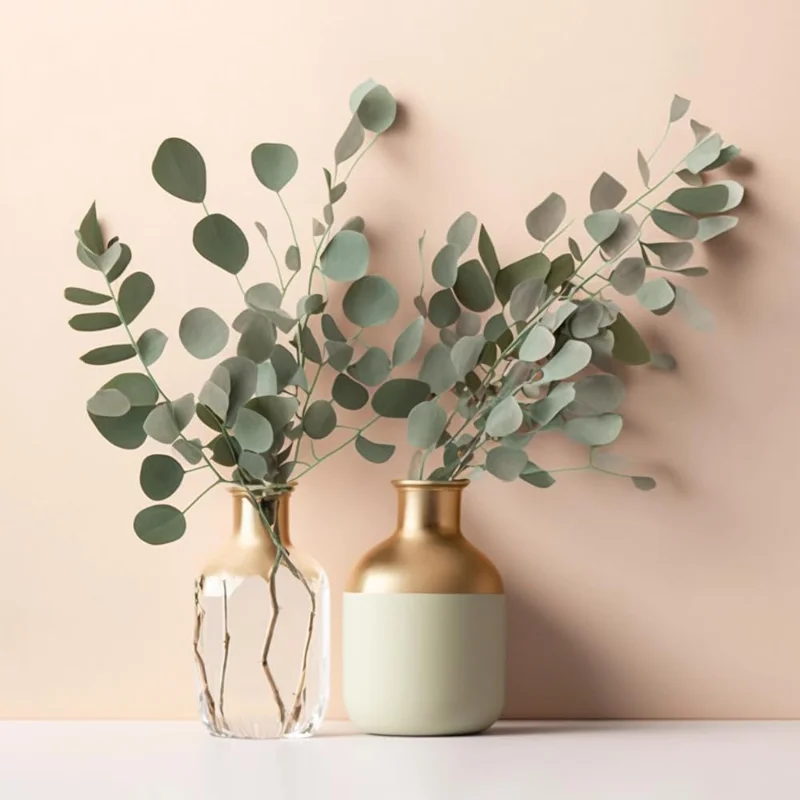
- Versatile Use: Beyond being a beautiful houseplant, the leaves can be cut and used in floral arrangements, wreaths, or even for steam distillation to create essential oils, adding to its practical and decorative value. The distinctive foliage is a favorite among florists.
- Air Purification: Like many plants, the baby blue eucalyptus live plant contributes to better indoor air quality by absorbing carbon dioxide and releasing oxygen, promoting a healthier and fresher environment inside your home.
- Specimen Plant: Its unique appearance makes it an excellent choice as a specimen plant, drawing attention and serving as a focal point in your plant collection or garden. It truly stands out among other greenery.
Plant Care & Growing Tips
Caring for your baby blue eucalyptus live plant is a rewarding endeavor that requires careful attention to specific environmental factors. This plant thrives with consistent care tailored to its needs. For optimal growth and to ensure the most vibrant foliage and strongest fragrance, provide plenty of sunlight. This eucalyptus variety prefers full sun exposure, meaning it needs at least 6-8 hours of direct sunlight per day. When grown indoors, place it near a south-facing window or under a high-quality grow light to ensure it receives adequate light. Insufficient light can lead to leggy growth, reduced color intensity, and a diminished fragrance from your fragrant eucalyptus plant.
Watering should be consistent but never excessive. Allow the top inch or two of soil to dry out completely between waterings, then water thoroughly until water drains from the bottom of the pot. It’s crucial to avoid letting the plant sit in standing water, as this can quickly lead to root rot, which is detrimental to the plant’s health. Well-drained soil is paramount; a good quality potting mix amended with perlite or sand will provide the necessary aeration and drainage. The ideal USDA Hardiness Zone for outdoor planting is 9-11, indicating it prefers warmer climates and is not frost-tolerant. In cooler regions, it must be grown as an eucalyptus indoor plant, and eucalyptus houseplant care should include bringing it indoors before the first frost.
Fertilize your plant sparingly during its active growing season (spring and summer) with a balanced liquid fertilizer diluted to half strength. Reduce or completely stop fertilizing during the fall and winter months when growth naturally slows. Pruning is beneficial to help maintain a compact shape and encourage bushier growth; simply snip off any leggy stems or yellowing leaves. Common problems include yellowing leaves, often a sign of overwatering or nutrient deficiency, and pest infestations such as spider mites, which can typically be managed with insecticidal soap. Providing good air circulation also helps prevent fungal issues. Understanding these aspects of eucalyptus houseplant care will ensure your plant flourishes.
Size & Details
This baby blue eucalyptus live plant arrives in a convenient 2.5-inch pot, perfectly sized and ready for immediate planting or transplanting. At maturity, when grown in a container indoors, it typically reaches a manageable height of 3-6 feet tall and spreads 2-4 feet wide, making it suitable for most indoor spaces or smaller garden areas. When planted outdoors in ideal conditions within its preferred hardiness zones, it can grow taller, potentially reaching up to 10-15 feet, though regular pruning can effectively keep it to a desired size. The plant exhibits a moderate growth rate, quickly developing its distinctive foliage. It ships as a healthy, established plant, carefully packaged to ensure its safe arrival. Expect vibrant silver-blue leaves and a strong, refreshing fragrance. This particular eucalyptus parvula cultivar is valued for its hardiness and adaptability, making it a robust choice for various growing environments and a joy to cultivate.
Frequently Asked Questions
- Q: How big does this baby blue eucalyptus live plant get? A: When grown as an eucalyptus indoor plant in a pot, it typically reaches 3-6 feet tall and 2-4 feet wide. Outdoors in suitable climates, it can grow taller, but its compact habit allows for easy management with pruning.
- Q: What size pot does it come in? A: This baby blue eucalyptus live plant is shipped in a 2.5-inch nursery pot, providing a perfect starting point for its new home and growth journey.
- Q: Is this an indoor or outdoor plant? A: It can be both! It’s an excellent choice for eucalyptus houseplant care, allowing it to thrive indoors, especially in cooler climates. In USDA Zones 9-11, it can be grown outdoors year-round.
- Q: How much sunlight does this fragrant eucalyptus plant need? A: This plant requires full sun, which means at least 6-8 hours of direct sunlight daily for optimal growth, vibrant foliage, and strong fragrance production.
- Q: Is this plant easy to care for? A: Yes, it is considered relatively low-maintenance. With proper sunlight and watering, it’s quite forgiving, making eucalyptus houseplant care suitable even for beginners.
- Q: What condition will my plant arrive in? A: Your baby blue eucalyptus live plant will arrive as a healthy, well-rooted plant, carefully packaged to minimize stress during transit, ensuring it’s ready to thrive in your home.
- Q: Is it shipped in soil? A: Yes, the plant is shipped securely in its nursery pot with soil, ensuring it stays hydrated and healthy throughout its journey to you.
- Q: Can I use the leaves of my eucalyptus parvula in floral arrangements? A: Absolutely! The beautiful silver-blue foliage and refreshing scent of the eucalyptus parvula make its leaves a popular and long-lasting choice for fresh or dried floral arrangements, wreaths, and various crafts.
- Q: How often should I water my eucalyptus? A: Water when the top inch or two of the soil feels dry to the touch. It’s generally better to slightly underwater than to overwater, as it prefers well-drained conditions and can be prone to root rot if kept too wet.
- Q: Will it survive winter in my zone? A: If you live outside USDA Zones 9-11, it’s best to grow this eucalyptus indoor plant and bring it inside before the first frost, as it is not tolerant of freezing temperatures and will not survive outdoors in cold climates.
Be the first to review “Baby Blue Eucalyptus Live Plant – Eucalyptus pulverulenta ‘Baby Blue’ – 2.5” Pot – Indoor/Outdoor”
You must be logged in to post a review.
People also Viewed
Sold 50 products
Original price was: $28.58.$19.99Current price is: $19.99.
Sold 50 products
$32.39
Sold 50 products
$21.59
Sold 50 products
$35.99
Sold 50 products
Price range: $23.15 through $25.19
Sold 50 products
$38.39
Sold 50 products
Price range: $28.79 through $35.99
Sold 50 products
$26.39RELATED posts
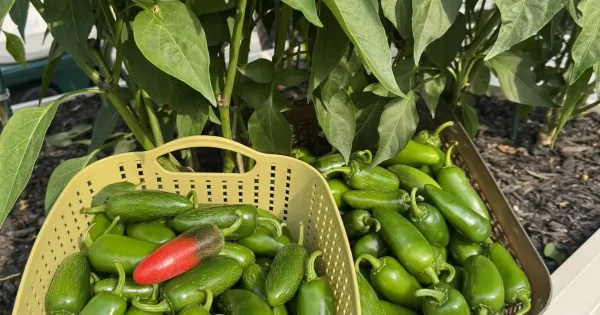
How to Grow Jalapeño Peppers From Seeds: A Step-by-Step Guide
Ready to spice things up in your garden? Jalapeños are the true life of the [...]
Apr
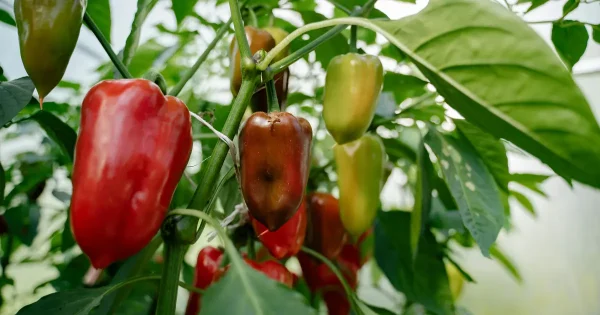
Top 12 Best Types of Peppers to Grow in Your Garden: Easy and High Yield
Growing peppers is, quite honestly, one of the biggest “wins” you can have in a [...]
Apr
Frostproof Jasmine Care: 7 Tips for Successful Pot Growth
Most gardenias are known for being “divas.” They want perfect humidity, perfect soil, and they [...]
Mar
Top 7 Best Smelling Jasmine Varieties for a Heavenly Garden
Have you ever walked past a house and caught a scent so sweet you just [...]
Mar
Master the Heat: 8 Expert Tips for Growing Jalapeños Like a Pro
Are you staring at your garden space, wondering why your pepper plants look more like [...]
Mar
Top 5 Must-Have Hoya Varieties for Beginners
Hoyas are easily one of my top recommendations if you’re hunting for a low-maintenance houseplant [...]
Mar
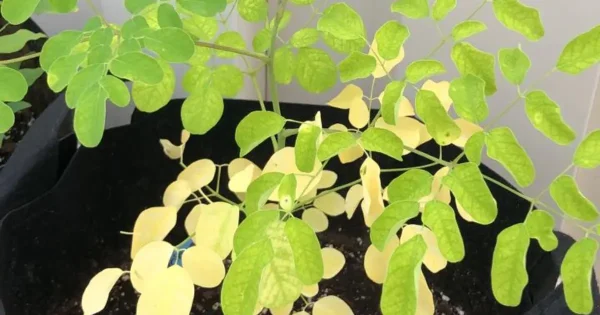
7 Moringa Plant Care Mistakes to Avoid for Healthy Growth
Have you ever looked at your Moringa tree and wondered why its once vibrant green [...]
Feb
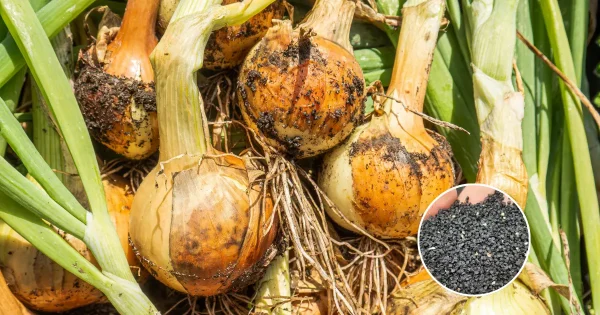
How to Grow Potato Onions From True Seeds: A Step-by-Step Guide
Have you ever wondered how to grow potato onions from true seeds or why some [...]
Feb
Reviews
There are no reviews yet.